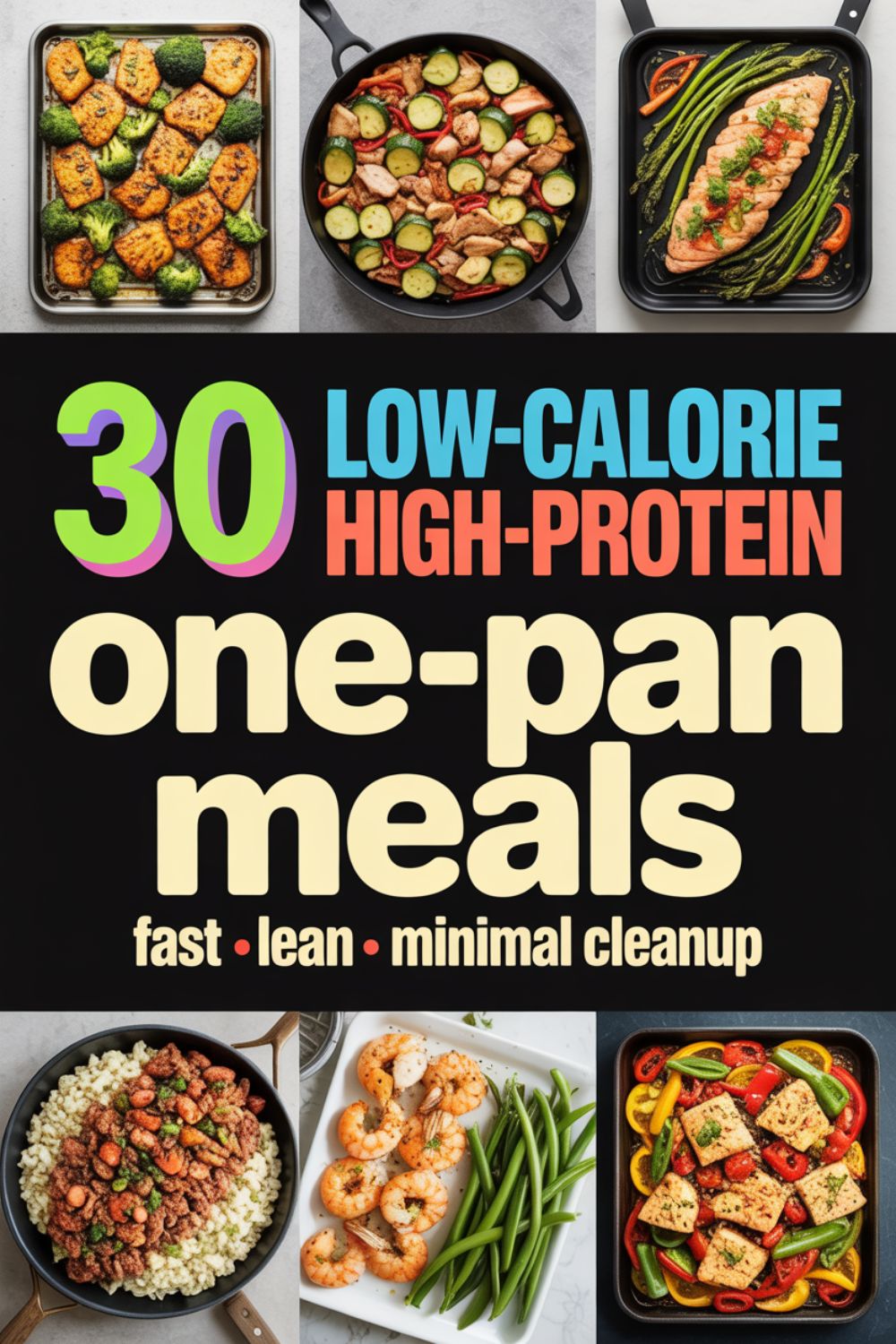
30 Low-Calorie High-Protein One-Pan Meals
Look, I’m going to level with you. After years of juggling meal prep, counting macros, and standing over a sink full of dirty pans at 9 PM, I finally cracked the code. The secret isn’t some fancy gadget or expensive meal delivery service. It’s one-pan cooking with smart protein choices.
And before you roll your eyes thinking this is another collection of boring chicken breast recipes, hear me out. These meals actually taste good. They’re the kind of dinners that make you forget you’re eating healthy until you check your tracker and realize you just crushed 35 grams of protein for under 400 calories.
The beauty of one-pan meals goes beyond just fewer dishes to wash. When everything cooks together, flavors meld in ways that separate pots and pans just can’t replicate. Plus, you’re not babysitting multiple burners or juggling oven timers like some sort of kitchen circus act.
Why High-Protein, Low-Calorie Actually Matters
I used to think the whole protein obsession was just gym-bro marketing. Turns out, the science backs it up pretty hard. Research shows that adequate protein intake supports everything from muscle maintenance to better bone density, especially as we age.
Here’s what nobody tells you about low-calorie, high-protein eating: it’s not about deprivation. It’s about making your calories work harder. When you prioritize protein, you naturally feel fuller longer. That 3 PM vending machine run? Doesn’t happen as often.
The benefits extend beyond weight management too. Protein helps your body repair tissue, produce enzymes and hormones, and maintain healthy skin, hair, and nails. It’s basically the Swiss Army knife of macronutrients.
The One-Pan Philosophy
One-pan cooking isn’t just a cleanup hack. It’s a legit cooking method that forces you to think strategically about ingredient timing and flavor building. You learn which vegetables can handle high heat and which proteins need gentle treatment.
I started with sheet pans because they’re foolproof. Toss everything on, set a timer, and walk away. But then I discovered cast iron skillets can do the same thing with better flavor development. And don’t even get me started on how a quality non-stick skillet makes cleanup even easier.
The key is understanding heat zones. Proteins typically need the hottest part of your pan, while delicate vegetables can hang out on the edges. It’s not rocket science, but it makes the difference between perfectly cooked meals and mushy disasters.
Building Your One-Pan Arsenal
You don’t need a kitchen full of specialty equipment. Honestly, three good pans will cover 95% of your one-pan needs. Start with a large rimmed sheet pan – the kind with edges that prevent your marinade from dripping into the oven.
Next up, invest in a 12-inch cast iron skillet. These things are indestructible and get better with age. They go from stovetop to oven seamlessly, which opens up techniques like searing chicken thighs then finishing them with roasted vegetables.
Finally, grab a deep non-stick skillet with a lid. This is your weeknight warrior for anything saucy or braised. The non-stick coating means you can use less oil, keeping calories down without sacrificing flavor.
Kitchen Tools That Actually Make a Difference
After testing dozens of kitchen gadgets, these are the six that consistently earn their counter space:
Physical Products:
- Silicone baking mat – Forget parchment paper. These things last years and nothing sticks to them. I use mine probably five nights a week.
- Instant-read meat thermometer – Stop guessing if your chicken is done. This takes three seconds and prevents both undercooked protein and cardboard-dry disasters.
- Bench scraper – Sounds random, but it’s perfect for transferring chopped veggies from cutting board to pan without dropping half of them on the floor.
Digital Resources:
- Meal prep tracking app – Some people swear by MyFitnessPal, but I prefer apps that let me save custom one-pan recipes with exact macro breakdowns.
- Digital kitchen scale – Eyeballing portions is how you accidentally eat 600 calories instead of 400. This removes the guesswork entirely.
- Recipe management software – Keep all your go-to one-pan recipes organized with notes about what worked and what didn’t. Future you will be grateful.
Speaking of meal planning, if you’re looking for more variety beyond just dinner, check out these low-calorie breakfast bowls that follow the same one-pan principle for morning meals.
Mastering Protein Choices
Not all proteins are created equal when it comes to one-pan cooking. Chicken breast is the obvious choice, but it’s also the easiest to overcook into rubber. Chicken thighs have more fat, which means more flavor and forgiveness. They’re harder to dry out, making them perfect for beginners.
Ground turkey gets overlooked, but it’s incredibly versatile. Season it right, and it takes on whatever flavors you’re working with. Plus, it cooks fast and evenly, which matters when you’re trying to time everything to finish simultaneously.
Fish is tricky in one-pan meals because it cooks so quickly. Salmon works best because it’s sturdy and fatty enough to handle high heat. White fish like cod or tilapia needs gentler treatment – think lower oven temps and less cooking time.
Plant-based proteins deserve their own mention. Tempeh browns beautifully in a hot pan, and tofu – if you press it properly and get it crispy – can be absolutely addictive. For those exploring plant-based options, this collection of high-protein vegan meals has some legitimate winners.
Vegetable Strategy for One-Pan Success
Here’s where most people mess up: they treat all vegetables the same. Brussels sprouts need 25 minutes at 425°F to get crispy. Cherry tomatoes need maybe 10 minutes before they turn to mush. Put them on the pan at the same time, and you’re guaranteed to have something overcooked.
Dense vegetables like carrots, potatoes, and cauliflower should hit the pan first. Give them a head start before adding your protein. Softer vegetables like zucchini, bell peppers, and asparagus can go in halfway through.
Leafy greens are the exception to the one-pan rule. Add spinach or kale in the last two minutes of cooking. They’ll wilt down perfectly without turning into swamp slime. I learned this the hard way with a batch of kale that basically disintegrated into green mush.
When prepping vegetables for sheet pan dinners, consistency matters more than perfection. Cut everything roughly the same size so it cooks evenly. A sharp chef’s knife makes this faster and safer – dull knives are actually more dangerous because they slip.
Flavor Building Without the Calories
The biggest complaint about low-calorie cooking? It tastes boring. But that’s a skill issue, not a calorie issue. You just need to know which ingredients pack maximum flavor for minimum calories.
Fresh herbs are basically calorie-free flavor bombs. Cilantro, basil, parsley – they all add brightness that makes meals taste restaurant-quality. I keep a herb keeper in my fridge so they last a full week instead of wilting in two days.
Acid is your secret weapon. A squeeze of lemon or splash of vinegar right before serving transforms bland into crave-worthy. It’s why restaurants taste better – they use way more acid than home cooks do.
Spices don’t add calories, but they add complexity. I keep a rotation of smoked paprika, cumin, garlic powder, and chili flakes within arm’s reach. A good magnetic spice rack stuck to the side of your fridge keeps everything organized and visible.
For inspiration on maximizing flavor in simple preparations, these 5-ingredient recipes prove you don’t need a pantry full of stuff to make something delicious.
Meal Prep Strategy That Actually Works
Sunday meal prep sounds great in theory. In reality, most people burn out after two weeks of eating the same thing five days in a row. The trick is prepping components, not complete meals.
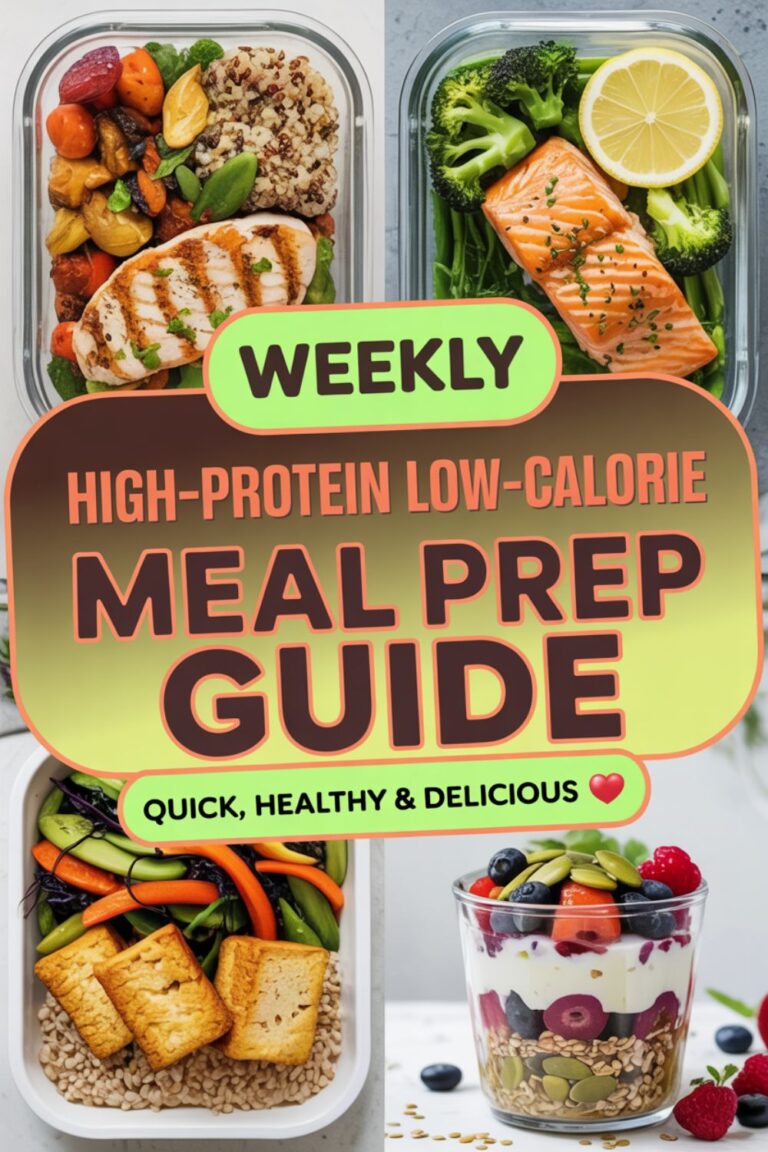
Roast three different proteins on Sunday: chicken breast, ground turkey, and maybe some tofu. Store them separately. Do the same with vegetables – one pan of roasted broccoli, one of bell peppers and onions, one of sweet potato chunks.
Throughout the week, mix and match. Monday might be chicken with broccoli and a lemon-garlic sauce. Wednesday could be ground turkey with peppers and taco spices. Same ingredients, completely different meals.
Storage containers matter more than you think. Those glass meal prep containers with dividers prevent everything from turning into one sad, mushy pile. They’re also microwave-safe and don’t stain like plastic.
If you’re serious about meal prep, check out these 30 meal-prep-friendly recipes designed specifically for the Sunday-cook-Wednesday-eat approach. They actually taste good on day four.
Common Mistakes and How to Fix Them
Overcrowding the pan is mistake number one. When food is packed too tightly, it steams instead of roasting. You end up with soggy vegetables and pale protein. Use two pans if you need to – it’s still easier than juggling multiple cooking methods.
Not preheating your pan or oven is another classic error. A cold pan means food sticks and cooks unevenly. Give your oven a solid 15 minutes to heat up. For stovetop cooking, let your pan get properly hot before adding food.
Underseasoning is epidemic in healthy cooking. Salt brings out flavor in everything. Yes, even vegetables. Don’t be scared of it – unless you have specific medical restrictions, the amount in home cooking is fine. Nutritionists agree that focusing on overall diet quality matters more than stressing individual ingredients.
Real Talk About Calories and Portions
Here’s something most articles won’t tell you: the calorie counts you see in recipes are estimates. Unless you’re weighing every single ingredient on a food scale, your actual numbers will vary.
That said, keeping meals around 400-500 calories with 30+ grams of protein gives you room for snacks and flexibility. It’s not about being perfect – it’s about being consistent most of the time.
Portion creep is real though. What looks like 4 ounces of chicken to your eye is probably closer to 6 ounces. Over a week, those extra ounces add up. This is why people think they’re “eating clean” but not seeing results.
The solution isn’t obsessive measuring forever. It’s calibrating your eyeballs by weighing food for two weeks. After that, you’ll naturally recognize what proper portions look like. It’s a skill, not a life sentence.
Looking to understand portion sizes better? These beginner-friendly meal ideas include portion guidance that’s actually realistic for real life, not Instagram fitness influencer fantasies.
Adapting Recipes for Dietary Needs
Most one-pan recipes are stupidly easy to modify. Going dairy-free? Swap regular cheese for nutritional yeast or cashew cream. Gluten-free? Skip the breadcrumbs or use almond flour instead.
Low-carb folks can replace potatoes with cauliflower or radishes (which taste shockingly potato-like when roasted). Paleo dieters can ignore any recipes with legumes and focus on meat and vegetables.
The protein stays the same across most dietary approaches. Whether you’re keto, vegetarian, or just trying to eat better, the core principle of protein + vegetables + smart seasoning remains constant.
If you’re looking for more specific dietary adaptations, these dinner-focused recipes include variations for common dietary restrictions without compromising on taste or nutrition.
Time-Saving Hacks Nobody Talks About
Pre-cut vegetables from the grocery store are worth the extra dollar or two. Yeah, you’re paying for convenience, but when the choice is between pre-cut broccoli and ordering takeout, the pre-cut broccoli wins every time.
Frozen vegetables are nutritionally identical to fresh – sometimes better because they’re frozen at peak ripeness. Keep bags of frozen cauliflower rice, broccoli, and bell pepper strips on hand for those nights when even chopping feels like too much.
Marinades don’t need hours. Fifteen minutes is usually enough, especially if you’re cooking at high heat. I keep a few basic marinade recipes in a small recipe binder next to my stove for quick reference.
Batch cooking your grains separately saves serious time. Make a big pot of brown rice or quinoa Sunday night. Store it in the fridge and reheat portions as needed. Suddenly, “cooking dinner” is just assembling already-prepped ingredients on a pan.
For more approaches to quick meal assembly, check out these bowl recipes that come together in under 20 minutes using similar time-saving strategies.
Beyond Dinner: One-Pan Meals for Every Occasion
One-pan cooking isn’t just for dinner. Sheet pan breakfast hashes with eggs, vegetables, and breakfast sausage are genuinely excellent. Throw it together, bake it while you shower, and eat like royalty before work.
Lunch gets easier too. These high-protein salad recipes might not be one-pan per se, but they use the same component-based thinking. Roast your protein and vegetables together, then serve over greens.
Even snacks benefit from the one-pan approach. Roasted chickpeas, baked protein chips, or sheet pan egg muffins all follow the same principle: maximum nutrition, minimum hassle.
The Mental Game of Meal Planning
Here’s what nobody admits: the hardest part of healthy eating isn’t the cooking. It’s the decision fatigue. By 6 PM on a Tuesday, your brain is fried. The last thing you want is to figure out what to make for dinner.
This is where having a rotation of 10-15 go-to one-pan meals saves your sanity. You’re not reinventing the wheel every night. You’re just picking from your greatest hits.
Keep a running list on your phone of meals that worked. When something’s a winner, immediately add it to the list with any modifications you made. This becomes your personalized cookbook of meals you actually like.
Sarah from our community tried this rotation approach and lost 15 pounds in three months without feeling like she was on a diet. Her secret? She made the same eight one-pan meals every week, just rotated which nights she ate them. Boring? Maybe. Effective? Absolutely.
Making It Sustainable Long-Term
The diet industry wants you to think healthy eating requires constant willpower and discipline. In reality, it requires good systems. One-pan meals are a system that reduces friction.
When cooking is easy, you do it more often. When you cook more often, you eat out less. When you eat out less, you naturally consume fewer calories. It’s not about being perfect – it’s about making the default choice the healthy choice.
Build in flexibility. Some nights, you’ll order pizza. That’s fine. One meal doesn’t define your health. Consistency over time does. For athletes looking to fuel performance specifically, these athlete-focused meal prep ideas offer the same simplicity with performance-oriented nutrition.
The goal isn’t to eat perfectly. It’s to eat well most of the time without it consuming your entire life. One-pan meals let you do that. They’re the difference between sustainable healthy eating and another abandoned diet.
Frequently Asked Questions
Can I really build muscle eating low-calorie, high-protein meals?
Absolutely, as long as you’re eating enough protein overall. The key is hitting your daily protein target (around 0.7-1 gram per pound of body weight) while maintaining a slight calorie surplus or maintenance level. Low-calorie meals help you stay lean while building muscle, especially when combined with resistance training. Just make sure “low-calorie” doesn’t mean “too few calories” – undereating sabotages muscle growth no matter how much protein you consume.
How do I prevent chicken breast from drying out in one-pan meals?
Three things: don’t overcook it, use some fat, and let it rest. Cook chicken breast to 165°F internal temperature and no higher – grab that instant-read thermometer. Brush it with a little olive oil or marinade before cooking, which helps retain moisture. After cooking, let it rest for 5 minutes before cutting into it. Slicing immediately lets all the juices run out, leaving you with dry chicken. Also, consider switching to chicken thighs occasionally – they’re harder to overcook and stay juicier.
Are one-pan meals actually cheaper than regular cooking?
Generally yes, for a few reasons. You’re using less energy cooking everything together, you waste less food because you’re planning complete meals, and cleanup is faster so you’re less tempted to order expensive takeout. The real savings come from buying proteins on sale and batch prepping. When chicken breast goes on sale, buy extra, cook it all on one big sheet pan, and freeze portions. Your cost per meal drops significantly compared to buying exactly what you need each day.
What’s the best way to reheat one-pan meals without making them soggy?
Skip the microwave when possible – it steams food and makes everything mushy. Use your oven at 350°F or an air fryer at 375°F for 5-8 minutes. This re-crisps vegetables and keeps proteins from getting rubbery. If you must use the microwave, do it at 50% power for twice as long instead of full blast. This heats food more evenly without overcooking. Also, store components separately when meal prepping – keep sauces in small containers and add them after reheating.
How long do cooked one-pan meals last in the fridge?
Most cooked proteins and vegetables stay good for 3-4 days in the fridge when stored properly in airtight containers. After that, quality and safety start declining. If you know you won’t eat something within 4 days, freeze it instead – most one-pan meals freeze beautifully for up to 3 months. Label everything with the date so you’re not playing fridge roulette two weeks later. When in doubt, throw it out. Food poisoning isn’t worth saving two dollars’ worth of chicken.
Conclusion
One-pan meals aren’t a magic bullet, but they’re probably the closest thing to it for sustainable healthy eating. They remove the friction that makes most people abandon their nutrition goals by week three.
Start with three or four recipes that sound genuinely good to you. Make them until you can do it without thinking. Then add a few more. Before you know it, you’ll have a rotation of meals that taste great, hit your macros, and don’t leave your kitchen looking like a disaster zone.
The secret to sticking with healthy eating long-term isn’t willpower. It’s making the healthy choice the easy choice. One pan, 30 grams of protein, minimal cleanup. That’s sustainable. That’s real life. That’s how you actually make this work.