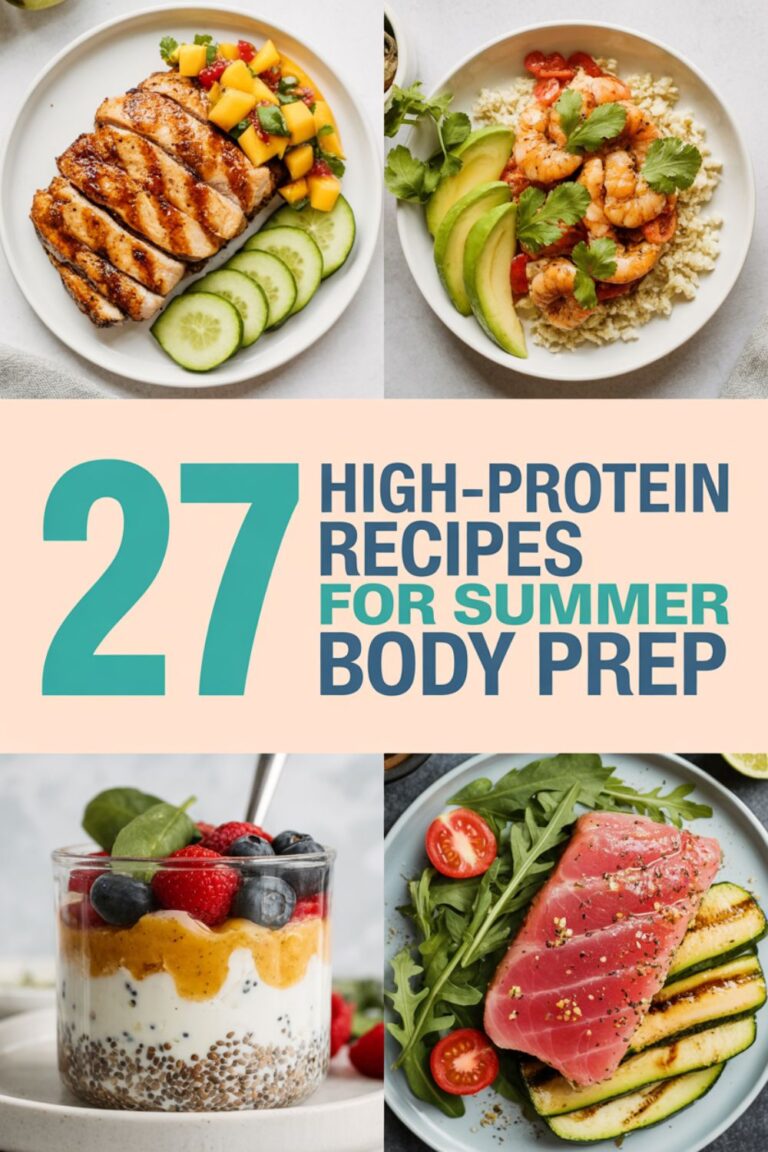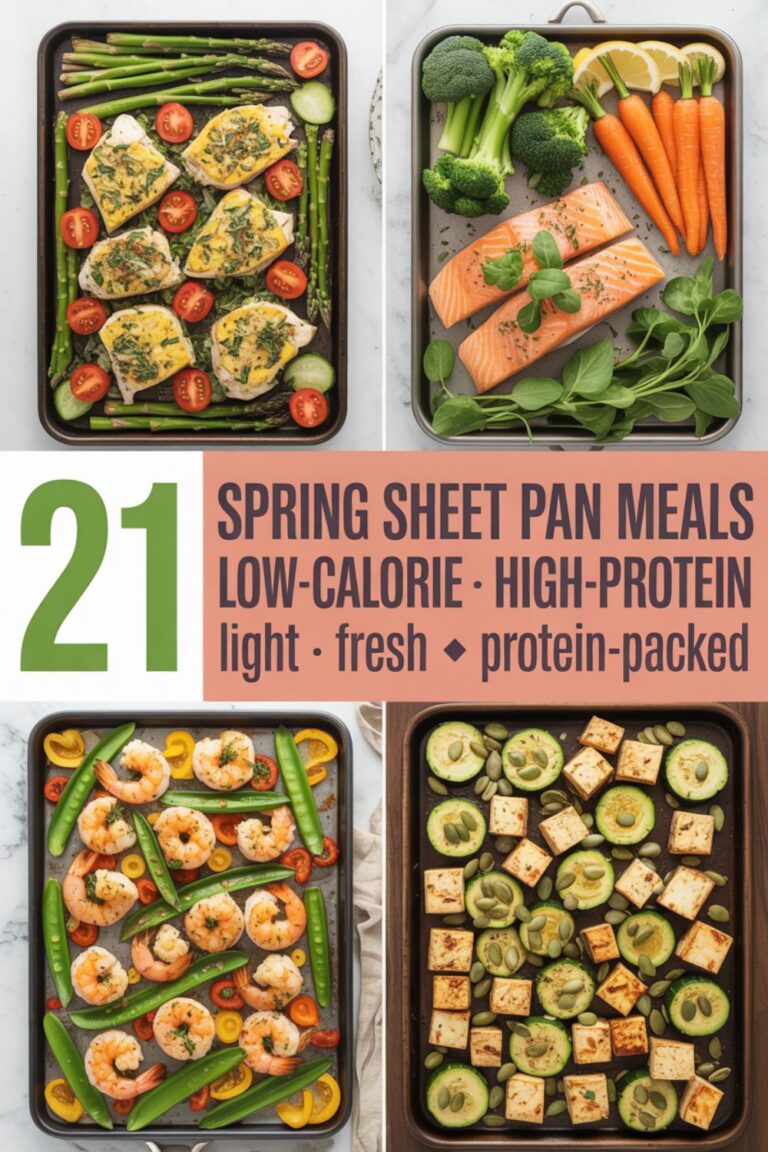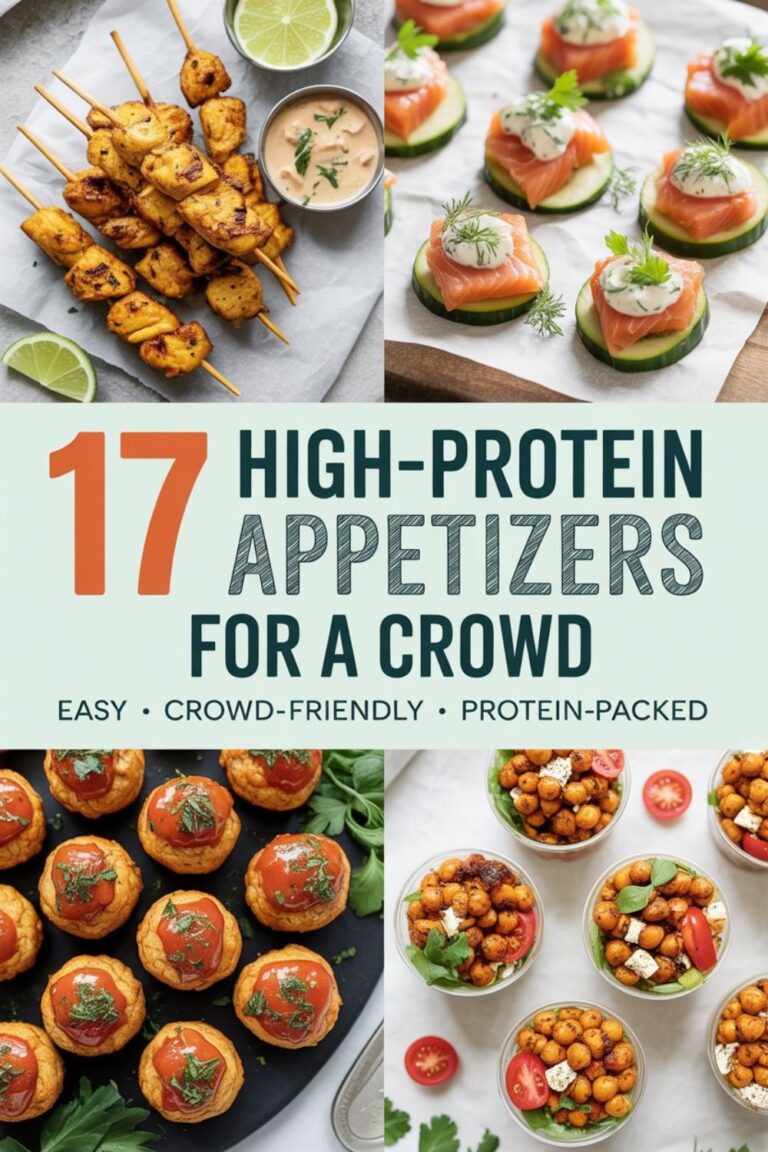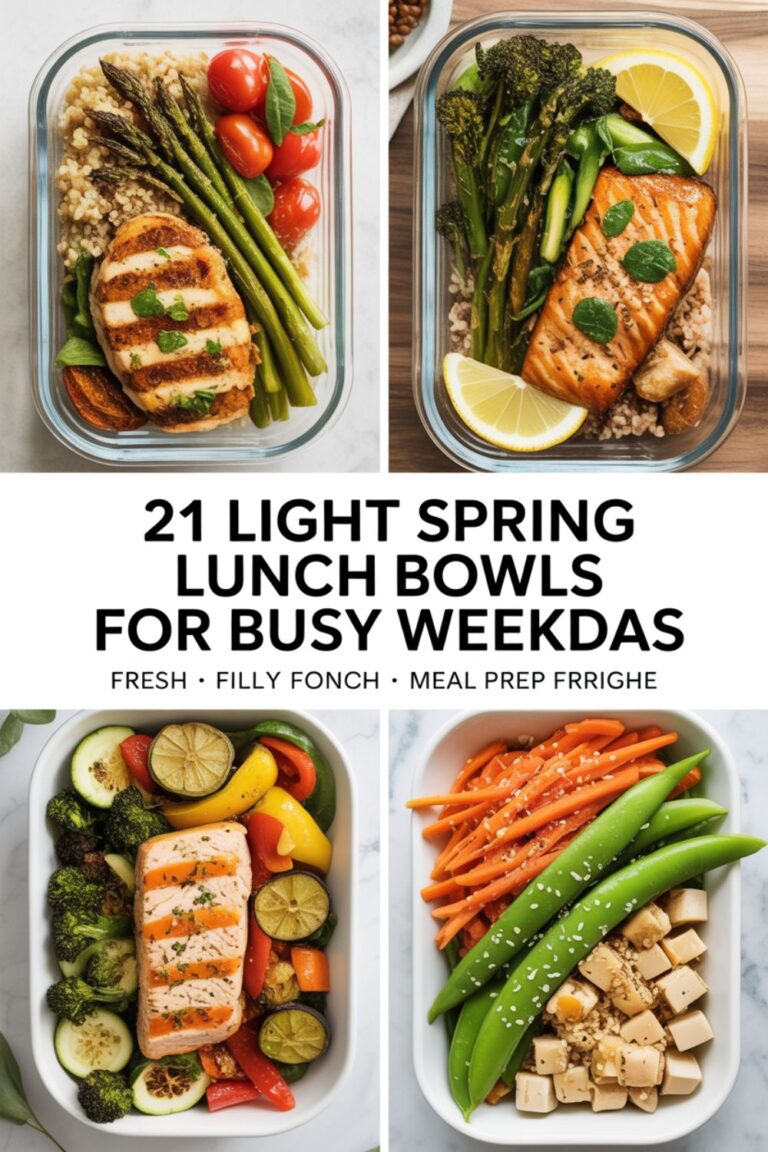
7-Day High-Protein Low-Calorie Meal Plan for Muscle Gain
Look, I get it. You want to build muscle without turning into the Michelin Man. You’ve tried eating everything in sight, only to discover that abs don’t magically appear under a layer of regret and pizza. Then you swung the other way—cutting calories so hard you couldn’t lift a grocery bag, let alone a barbell.
Here’s the thing: muscle gain doesn’t require a daily food coma. You need strategic protein intake, controlled calories, and meals that don’t taste like cardboard. This 7-day meal plan gives you exactly that—high protein, low calorie, zero BS.
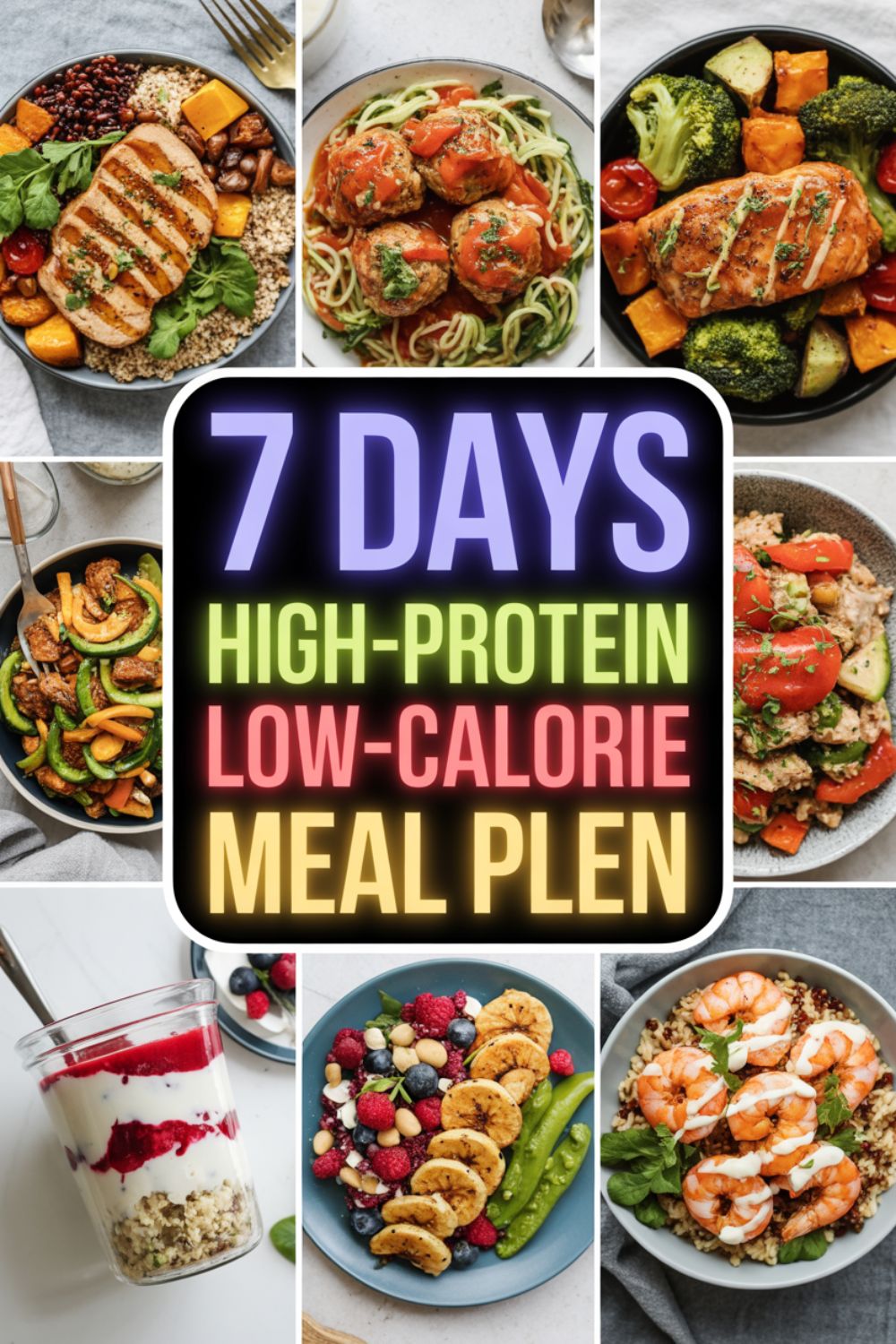
I’ve mapped out every breakfast, lunch, dinner, and snack for the week. Each day hits around 1,800-2,000 calories with 150-180g of protein. That’s enough to fuel muscle growth without derailing your progress. And honestly? The food’s actually good.
Why This Plan Works (And Why Most Don’t)
Most meal plans fail because they’re either too restrictive or too vague. This one’s different. It’s built around a simple principle: eat enough protein to build muscle, keep calories in check to stay lean. No magic formulas, no weird supplements, no pretending celery is satisfying.
Your body needs protein to repair and build muscle tissue after training. Without enough, you’re just breaking down muscle without the raw materials to rebuild stronger. But here’s where people mess up—they think more food equals more muscle. Wrong. Excess calories without sufficient protein just make you fluffy.
This plan prioritizes lean proteins (chicken, fish, Greek yogurt, eggs), complex carbs (sweet potatoes, quinoa, oats), and healthy fats (avocado, nuts, olive oil). Every meal is designed to keep you full, energized, and on track.
Research shows that consuming 1.6-2.2g of protein per kilogram of body weight maximizes muscle protein synthesis when combined with resistance training. For a 180-pound person, that’s roughly 130-180g daily. This plan delivers that consistently.
Pro Tip: Prep your proteins on Sunday. Grill 5-6 chicken breasts, bake a few salmon fillets, and hard-boil a dozen eggs. You’ll thank yourself when Wednesday rolls around and you’re not ordering takeout because cooking feels impossible.
Day 1: Starting Strong
Breakfast: Protein Pancake Stack
Mix 1 scoop vanilla protein powder, 1 mashed banana, 2 eggs, and a splash of almond milk. Cook like regular pancakes. Top with 1 tbsp almond butter and a handful of blueberries. This hits around 400 calories and 35g protein.
I make these in batches using this non-stick griddle that’s been a game-changer for meal prep mornings. No flipping casualties, no burnt edges.
Lunch: Grilled Chicken & Quinoa Bowl
Combine 6oz grilled chicken breast, 1 cup cooked quinoa, 2 cups mixed greens, 1/2 cup cherry tomatoes, 1/4 avocado, and a squeeze of lime. Season with cumin and paprika. Around 500 calories, 50g protein.
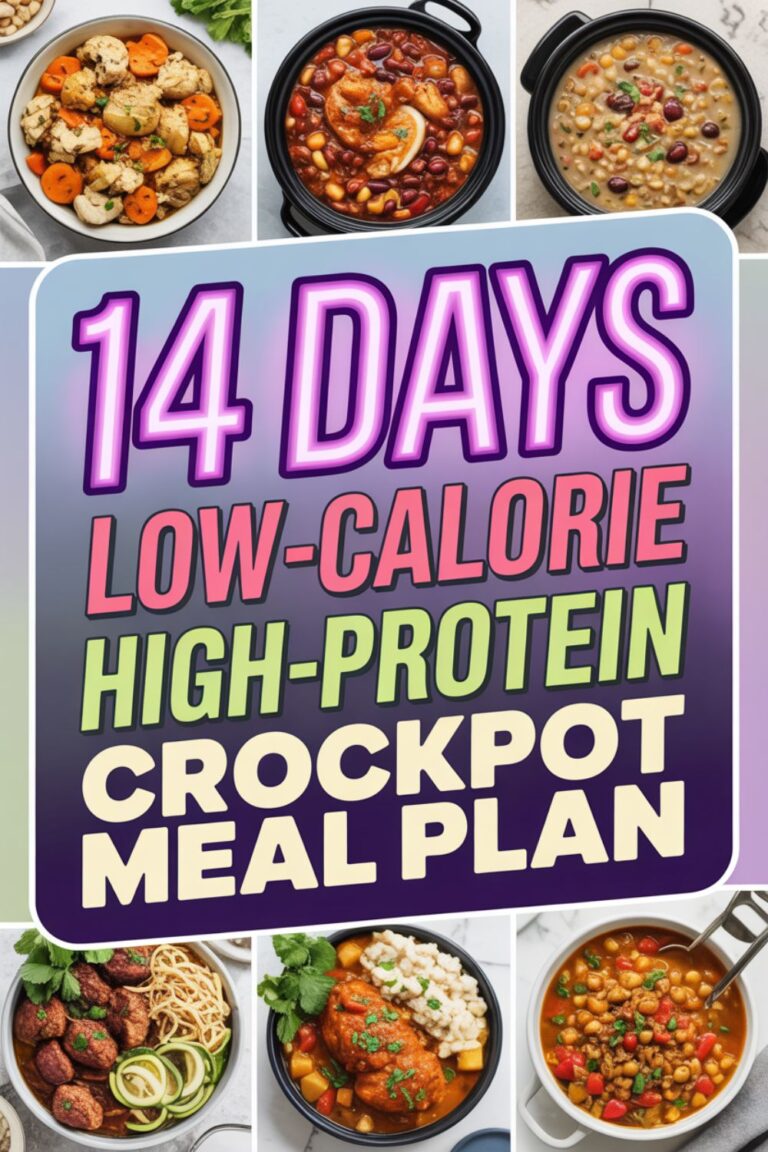
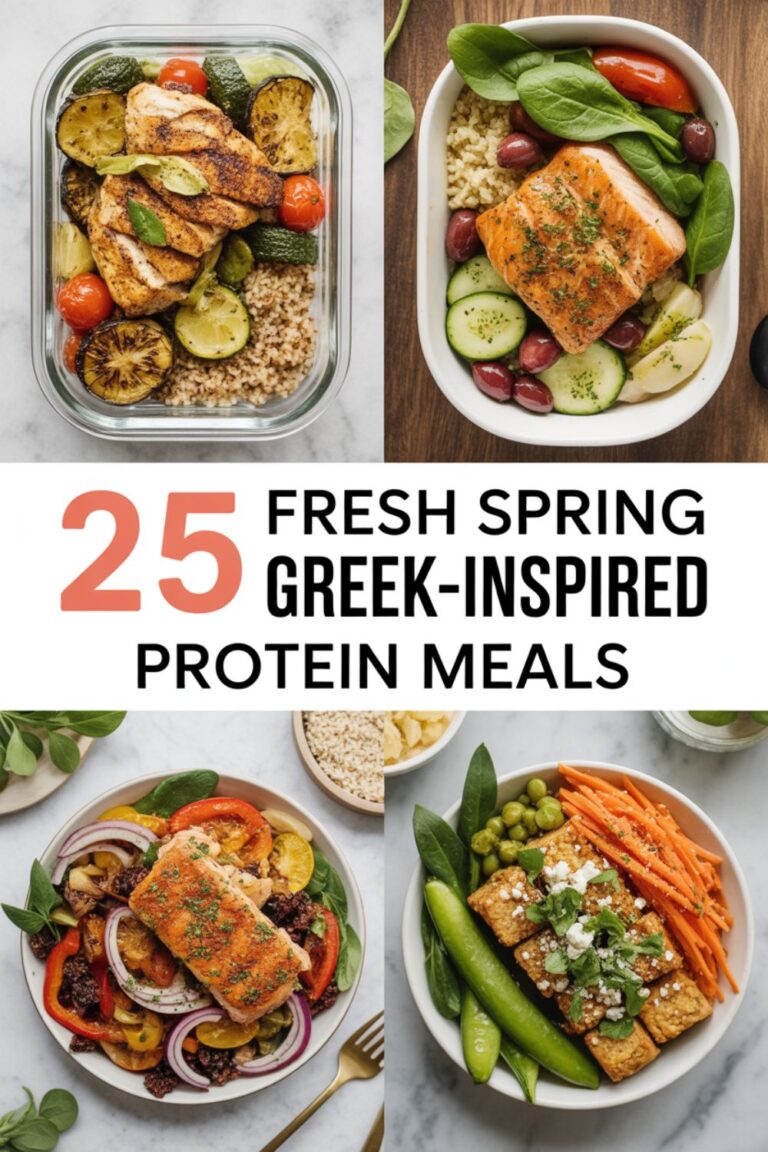
For more bowl inspiration that won’t bore you to tears, check out these low-calorie high-protein bowls you can prep ahead.
Snack: Greek Yogurt Power-Up
Mix 1 cup plain Greek yogurt with 1 tbsp chia seeds and 1/2 cup mixed berries. 200 calories, 20g protein. Simple, filling, takes 30 seconds.
Dinner: Baked Salmon with Roasted Veggies
Season 6oz salmon with lemon, garlic, and dill. Bake at 400°F for 15 minutes. Serve with 2 cups roasted broccoli and bell peppers drizzled with 1 tsp olive oil. Add 1/2 cup brown rice. 550 calories, 45g protein.
I use these silicone baking mats for everything—zero sticking, zero scrubbing, zero regrets.
Daily Total: 1,650 calories, 150g protein
Day 2: Keep the Momentum
Breakfast: Veggie Egg White Scramble
Scramble 5 egg whites and 1 whole egg with 1 cup spinach, 1/2 cup mushrooms, 1/4 cup diced tomatoes. Serve with 1 slice whole grain toast and 1/2 avocado. 380 calories, 30g protein.
Lunch: Turkey Lettuce Wraps
Use 6oz lean ground turkey cooked with taco seasoning. Wrap in large romaine leaves with 1/4 cup black beans, 2 tbsp salsa, and 2 tbsp plain Greek yogurt as sour cream replacement. 450 calories, 48g protein.
If you’re into quick, no-fuss lunches, these low-calorie high-protein wraps are ridiculously convenient.
Snack: Protein Smoothie
Blend 1 scoop chocolate protein powder, 1 cup unsweetened almond milk, 1/2 banana, 1 tbsp peanut butter, ice. 280 calories, 28g protein.
For smoothie variety that doesn’t get old after day three, try these metabolism-boosting protein smoothies.
Dinner: Lemon Herb Chicken with Sweet Potato
Bake 7oz chicken breast with lemon juice, rosemary, and garlic. Serve with 1 medium baked sweet potato and 2 cups steamed green beans. 520 calories, 52g protein.
Daily Total: 1,630 calories, 158g protein
Quick Win: Cook your sweet potatoes in an Instant Pot instead of the oven. Eight minutes under pressure beats an hour of waiting, and they come out perfectly every time.
Day 3: Midweek Muscle Fuel
Breakfast: Overnight Protein Oats
Mix 1/2 cup rolled oats, 1 scoop vanilla protein powder, 1 cup unsweetened almond milk, 1 tbsp almond butter, 1 tsp cinnamon. Refrigerate overnight. Top with 1/2 sliced apple in the morning. 420 calories, 32g protein.
Overnight oats are perfect for people who hate mornings. Get Full Recipe.
Lunch: Tuna Salad Power Bowl
Mix 1 can tuna (packed in water, drained) with 2 tbsp plain Greek yogurt, diced celery, and Dijon mustard. Serve over 3 cups mixed greens with 1 cup cucumber, 1/2 cup cherry tomatoes, 10 almonds. 380 calories, 42g protein.
Snack: Cottage Cheese & Pineapple
1 cup low-fat cottage cheese with 1/2 cup fresh pineapple chunks. 220 calories, 28g protein. Weirdly satisfying combo.
Dinner: Beef Stir-Fry
Stir-fry 6oz lean beef strips with 2 cups mixed vegetables (broccoli, bell peppers, snap peas) in 1 tsp sesame oil and low-sodium soy sauce. Serve over 1 cup cauliflower rice. 480 calories, 48g protein.
I swear by this carbon steel wok for stir-fries. Heats fast, cooks evenly, makes you feel like a kitchen ninja.
Daily Total: 1,500 calories, 150g protein
Speaking of quick, flavorful meals, you might love these one-pan protein meals or these sheet pan dinners that make cleanup laughably easy.
Day 4: Staying Consistent
Breakfast: Protein French Toast
Whisk 2 eggs, 1/4 cup egg whites, cinnamon, vanilla extract. Dip 2 slices whole grain bread, cook in a non-stick pan. Top with 1/2 cup sliced strawberries and 2 tbsp sugar-free syrup. 400 calories, 28g protein.
Lunch: Chicken Caesar Salad (Lightened Up)
6oz grilled chicken over 3 cups romaine lettuce, 2 tbsp light Caesar dressing, 2 tbsp grated parmesan, 10 whole grain croutons. 450 calories, 50g protein.
Snack: Protein Bar + Apple
One high-protein, low-sugar bar (look for 20g+ protein, <5g sugar) with 1 medium apple. 300 calories, 22g protein.
Dinner: Turkey Chili
Cook 6oz lean ground turkey with 1 can diced tomatoes, 1/2 cup black beans, 1/2 cup kidney beans, chili powder, cumin, garlic. Top with 2 tbsp plain Greek yogurt. 500 calories, 52g protein.
Chili freezes beautifully. Make a double batch in a quality Dutch oven and you’ve got lunches sorted for next week too.
Daily Total: 1,650 calories, 152g protein
Day 5: Almost There
Breakfast: Spinach & Feta Omelet
Make an omelet with 3 whole eggs, 1 cup fresh spinach, 2 tbsp crumbled feta, diced tomatoes. Serve with 1 slice whole grain toast. 420 calories, 30g protein.
Lunch: Shrimp & Avocado Salad
Toss 6oz cooked shrimp with 3 cups arugula, 1/2 avocado, 1/2 cup cucumber, 1/4 cup cherry tomatoes, 2 tbsp balsamic vinegar, 1 tsp olive oil. 400 calories, 42g protein.
For more salad ideas that won’t make you feel like a sad rabbit, check out these protein-packed salad recipes.
Snack: Hard-Boiled Eggs & Veggies
2 hard-boiled eggs with 1 cup baby carrots and 2 tbsp hummus. 250 calories, 16g protein.
Dinner: Baked Cod with Asparagus
Bake 7oz cod fillet with lemon and herbs. Serve with 2 cups roasted asparagus and 1 cup wild rice. 520 calories, 48g protein.
Daily Total: 1,590 calories, 136g protein
Pro Tip: Buy pre-cooked shrimp from the freezer section. Thaw, season, and you’re done. Same protein, fraction of the effort.
Day 6: Weekend Warrior
Breakfast: Protein Banana Bread (Slice)
Make protein banana bread using 3 ripe bananas, 3 scoops vanilla protein powder, 3 eggs, 1/4 cup Greek yogurt, 1/4 cup almond flour, cinnamon. Bake at 350°F for 45 minutes. One thick slice equals 380 calories, 28g protein.
Bake this in a quality loaf pan that won’t stick, because nobody’s got time to chisel banana bread out of a pan.
Lunch: Mexican Chicken Bowl
6oz shredded chicken over 1/2 cup brown rice, 1/2 cup black beans, 1/4 cup corn, 2 tbsp salsa, 2 tbsp plain Greek yogurt, fresh cilantro. 520 calories, 52g protein.
Snack: Protein Shake
1 scoop protein powder, 1 cup unsweetened almond milk, handful of spinach (you won’t taste it), 1/2 cup frozen berries. 200 calories, 26g protein.
Dinner: Grilled Steak with Brussels Sprouts
Grill 6oz sirloin steak. Serve with 2 cups roasted Brussels sprouts (tossed in 1 tsp olive oil, salt, pepper) and 1 small baked potato. 580 calories, 50g protein.
Daily Total: 1,680 calories, 156g protein
Looking for more complete meal prep strategies? These 30 meal prep-friendly recipes and this 14-day meal prep plan are solid resources.
Day 7: Strong Finish
Breakfast: Breakfast Burrito Bowl
Scramble 3 eggs with 1/4 cup black beans, 2 tbsp salsa, 2 tbsp shredded cheese. Serve over 1/2 cup cooked quinoa with sliced avocado. 480 calories, 32g protein.
Lunch: Asian-Style Chicken Lettuce Cups
Cook 6oz ground chicken with ginger, garlic, low-sodium soy sauce, diced water chestnuts. Serve in butter lettuce cups with shredded carrots and green onions. 400 calories, 46g protein.
Snack: Turkey Roll-Ups
3 slices deli turkey wrapped around cucumber sticks and 1 wedge Laughing Cow cheese. 150 calories, 18g protein.
Dinner: Baked Chicken Parmesan (Lightened)
Coat 7oz chicken breast in whole wheat breadcrumbs and parmesan. Bake until crispy. Top with 1/4 cup marinara sauce and 2 tbsp mozzarella. Serve with 2 cups zucchini noodles. 520 calories, 56g protein.
Make zucchini noodles in seconds with a spiralizer. Honestly life-changing for veggie-heavy meals.
Daily Total: 1,550 calories, 152g protein
Meal Prep Essentials Used in This Plan
Kitchen Tools That Actually Matter
Physical Products:
- Glass Meal Prep Containers (Set of 10) – Microwave-safe, dishwasher-safe, and they don’t stain like plastic. Worth every penny.
- Digital Food Scale – Stop guessing portions. This thing pays for itself in accurate macros.
- Instant Pot or Pressure Cooker – Cook chicken breasts in 12 minutes, rice in 8. Total game-changer for busy schedules.
Digital Resources:
- MyFitnessPal Premium – Track macros without the ads. The barcode scanner alone is worth it.
- Mealime Meal Planning App – Generates shopping lists from recipes. Reduces food waste big time.
- Strong Workout Tracker – Because muscle gain needs progressive overload, not just food.
The Science Behind High-Protein, Low-Calorie Eating
Here’s what actually happens when you eat this way. Protein has a higher thermic effect than carbs or fat—meaning your body burns more calories just digesting it. According to research from the National Institutes of Health, protein requires 20-30% of its calories for digestion, compared to 5-10% for carbs and 0-3% for fat.
Beyond that, protein keeps you fuller longer. It triggers satiety hormones like GLP-1 while suppressing ghrelin, your hunger hormone. Translation? You’re less likely to raid the pantry at 10 PM when you’re hitting your protein targets.
But here’s the kicker—you can’t build muscle in a severe calorie deficit. Your body needs energy to synthesize new muscle tissue. This plan keeps you in a slight deficit for fat loss while providing enough fuel for muscle protein synthesis. It’s the sweet spot.
Studies published in the Harvard Health journal confirm that combining resistance training with adequate protein intake (1.6-2.2g per kg of body weight) optimizes muscle growth even in a calorie deficit. This plan delivers exactly that.
Making This Plan Work for You
Look, I’m not naive. Life happens. You’ll have days when meal prep feels impossible, when work runs late, when you’re just too damn tired to cook salmon with roasted vegetables. That’s fine. The goal isn’t perfection—it’s consistency.
If you miss a meal, don’t spiral. Just get back on track with the next one. If you need to swap chicken for turkey or salmon for tuna, do it. The macros stay roughly the same. Flexibility beats rigidity every time.
That said, meal prep really is your secret weapon here. Dedicate two hours on Sunday to batch-cook proteins and chop vegetables. Future you will be grateful when Wednesday arrives and dinner takes 5 minutes instead of 50.
For athletes specifically, these meal prep ideas are designed for serious training schedules.
Pro Tip: Use the same base ingredients in different ways throughout the week. Grilled chicken works in salads, wraps, bowls, and stir-fries. This cuts your grocery list in half and reduces decision fatigue.
Common Mistakes to Avoid
Undereating protein early in the day. Don’t save all your protein for dinner. Spread it across meals to maintain muscle protein synthesis throughout the day. Your muscles don’t wait until 7 PM to start recovering.
Ignoring vegetables. Sure, they’re not protein-dense, but they provide fiber, vitamins, and volume. They keep you full without adding significant calories. Plus, your digestive system will thank you.
Going too low on calories. Eating 1,200 calories daily while training hard is a fast track to losing muscle, not building it. This plan’s calorie range (1,800-2,000) supports muscle growth. Adjust based on your size and activity level.
Skipping post-workout nutrition. That 30-60 minute window after training isn’t as magical as bro science claims, but eating protein within a few hours of lifting still matters. Have that protein shake or chicken breast ready.
Drinking your calories. Save calories for food that chews. Liquid calories (juice, soda, fancy coffee drinks) don’t satisfy hunger the same way solid food does. Stick to water, black coffee, and tea.
If you’re just starting out with high-protein eating, these beginner-friendly meal ideas ease you in without overwhelming your kitchen skills.
Adapting for Dietary Restrictions
Vegetarian? Swap animal proteins for tofu, tempeh, seitan, edamame, or protein-rich legumes. Add a scoop of plant-based protein powder to meals when needed. These vegan high-protein meals prove you don’t need meat to build muscle.
Dairy-free? Use almond milk, coconut yogurt, or cashew-based cheese alternatives. Nutritional yeast adds a cheesy flavor with bonus B-vitamins. Just check labels—some dairy-free products are loaded with sugar and additives.
Gluten-free? Most of this plan already qualifies. Swap whole grain bread for gluten-free options or skip it entirely. Use quinoa, rice, or potatoes as your primary carb sources.
The framework stays the same: high protein, controlled calories, whole foods. The specific ingredients are flexible.
What to Expect After 7 Days
Realistically? One week won’t transform your physique. But it will establish momentum. You’ll feel less bloated, more energized, and probably stronger in the gym. Your body will start adapting to consistent protein intake and controlled calories.
If you stick with this approach for 4-8 weeks, combined with progressive resistance training, you’ll notice actual muscle definition. Fat loss becomes visible. Clothes fit differently. People start asking what you’re doing.
But here’s what matters most: you’ll prove to yourself that eating for muscle gain doesn’t require suffering. No bland chicken and broccoli every day. No feeling deprived. Just strategic, satisfying meals that support your goals.
After you nail this week, consider extending it with this 14-day meal prep plan or challenging yourself with this 30-day challenge.
Grocery Shopping Tips
Buy proteins in bulk when possible. Chicken breasts, ground turkey, and salmon filets freeze beautifully. Portion them out before freezing so you can grab exactly what you need.
Stock your pantry with canned beans, canned tuna, quinoa, brown rice, and rolled oats. These staples last forever and anchor most meals in this plan.
For vegetables, buy fresh for the next 3-4 days, frozen for the rest. Frozen veggies are picked at peak ripeness and flash-frozen, so they’re often more nutritious than “fresh” produce that’s been sitting around for days.
I keep vacuum-sealed storage bags on hand for portioning proteins before freezing. Prevents freezer burn and makes thawing faster.
Don’t overthink it. This plan uses maybe 20 total ingredients. Your shopping trip shouldn’t require a second mortgage or a map to navigate.
Frequently Asked Questions
Can I build muscle while eating low-calorie?
Yes, but “low-calorie” is relative. This plan provides 1,800-2,000 calories daily—enough for muscle growth when combined with resistance training, especially if you’re coming from higher body fat levels. The key is adequate protein intake (150-180g) and progressive overload in the gym. You won’t bulk up dramatically, but you’ll build lean muscle while losing fat.
How much protein do I really need for muscle gain?
Research suggests 1.6-2.2g per kilogram of body weight (0.73-1g per pound) maximizes muscle protein synthesis. For a 180-pound person, that’s roughly 130-180g daily. This plan delivers that consistently. More isn’t necessarily better—your body can only use so much protein for muscle building at once.
Can I repeat this meal plan for multiple weeks?
Absolutely. Many people run this exact plan for 4-8 weeks with great results. You can also rotate between this and other meal plans to prevent boredom. The macros and principles remain the same—just different flavor combinations.
What if I’m still hungry after these meals?
Add more vegetables to increase volume without significantly increasing calories. Drink more water—thirst often masquerades as hunger. If you’re genuinely undereating for your activity level, bump calories by 200-300 through an extra snack or slightly larger portions. Listen to your body.
Do I need supplements with this plan?
Not necessarily. This plan provides protein primarily through whole foods. Protein powder is convenient but not required—you can hit your targets with chicken, fish, eggs, and Greek yogurt. If your schedule makes whole food prep difficult, protein powder is a practical solution. Otherwise, stick to real food.
Final Thoughts
Building muscle without getting fat isn’t complicated. It just requires consistency with a few fundamentals: eat enough protein, control your calories, train with progressive overload, and sleep adequately. This meal plan handles the first two.
Will every day be perfect? No. Will you occasionally crave pizza at midnight? Probably. But if you stick to this framework most of the time, you’ll make progress. Real, visible, measurable progress.
The meals in this plan aren’t punishment. They’re fuel. They’re designed to support your training, satisfy your hunger, and taste good enough that you’ll actually stick with them. Because what’s the point of a “perfect” plan you abandon after three days?
Start with one week. See how you feel. Notice the difference in your energy, your recovery, your performance. Then decide if you want to keep going. My guess? You will.