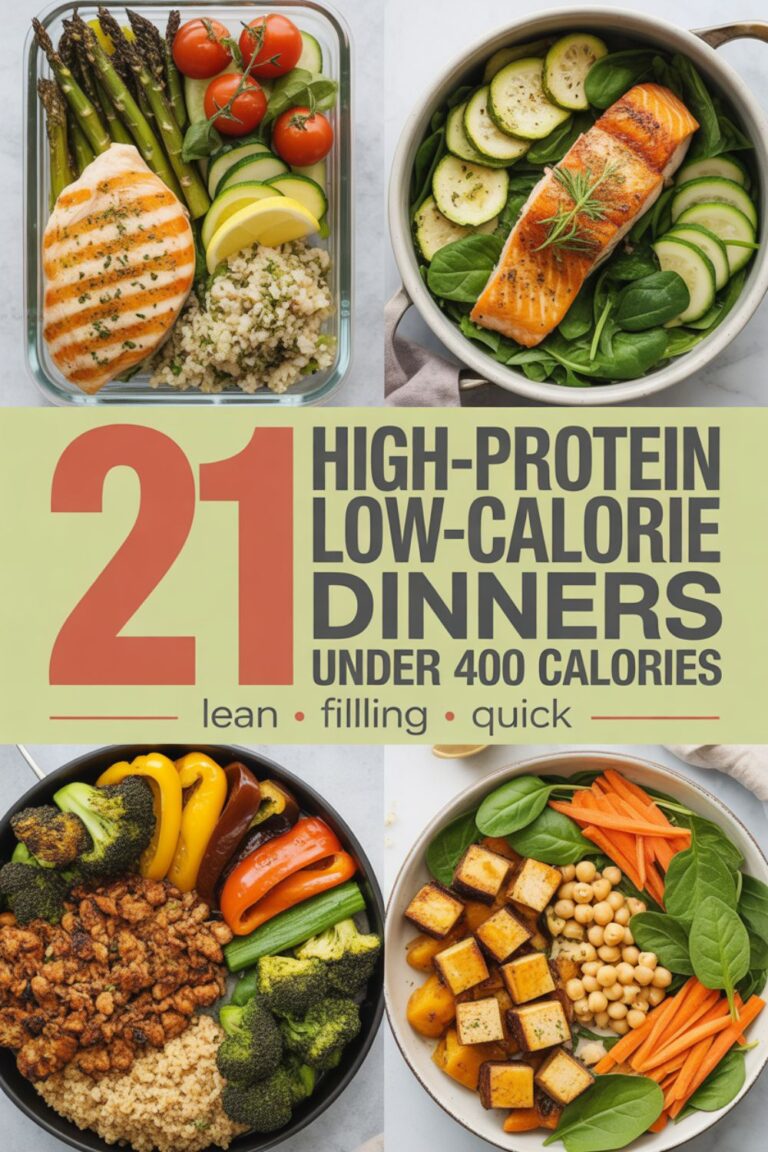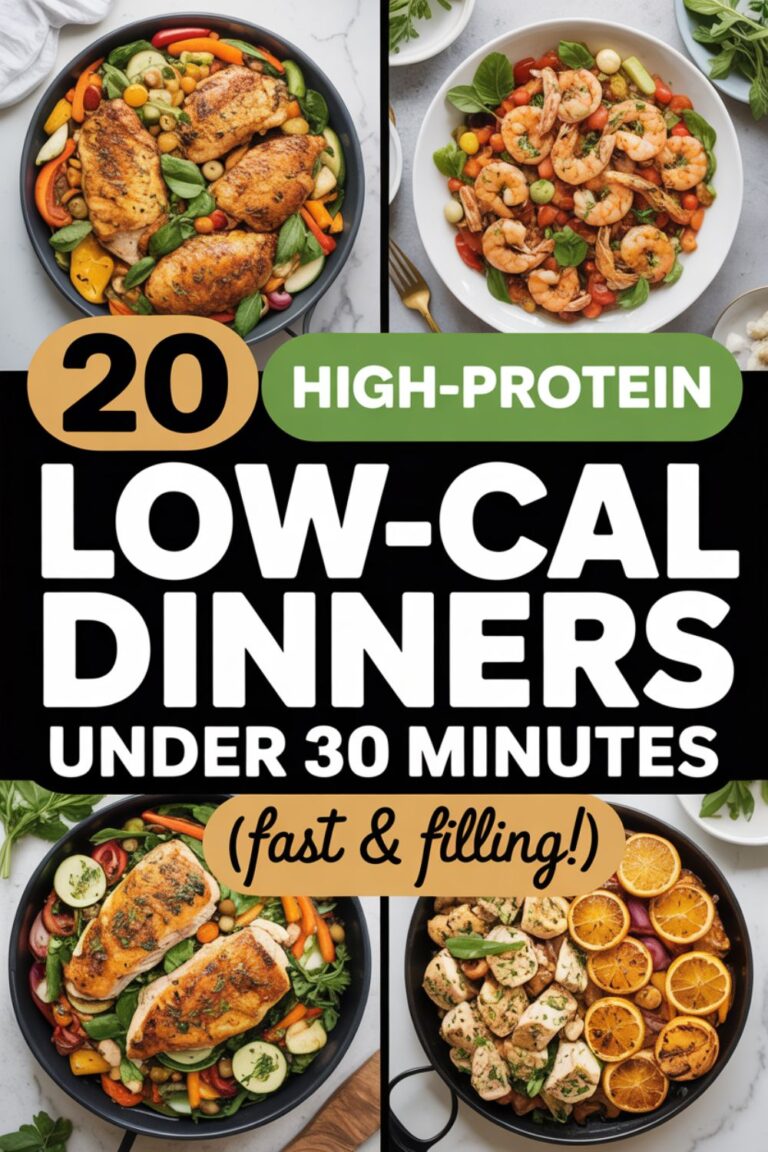
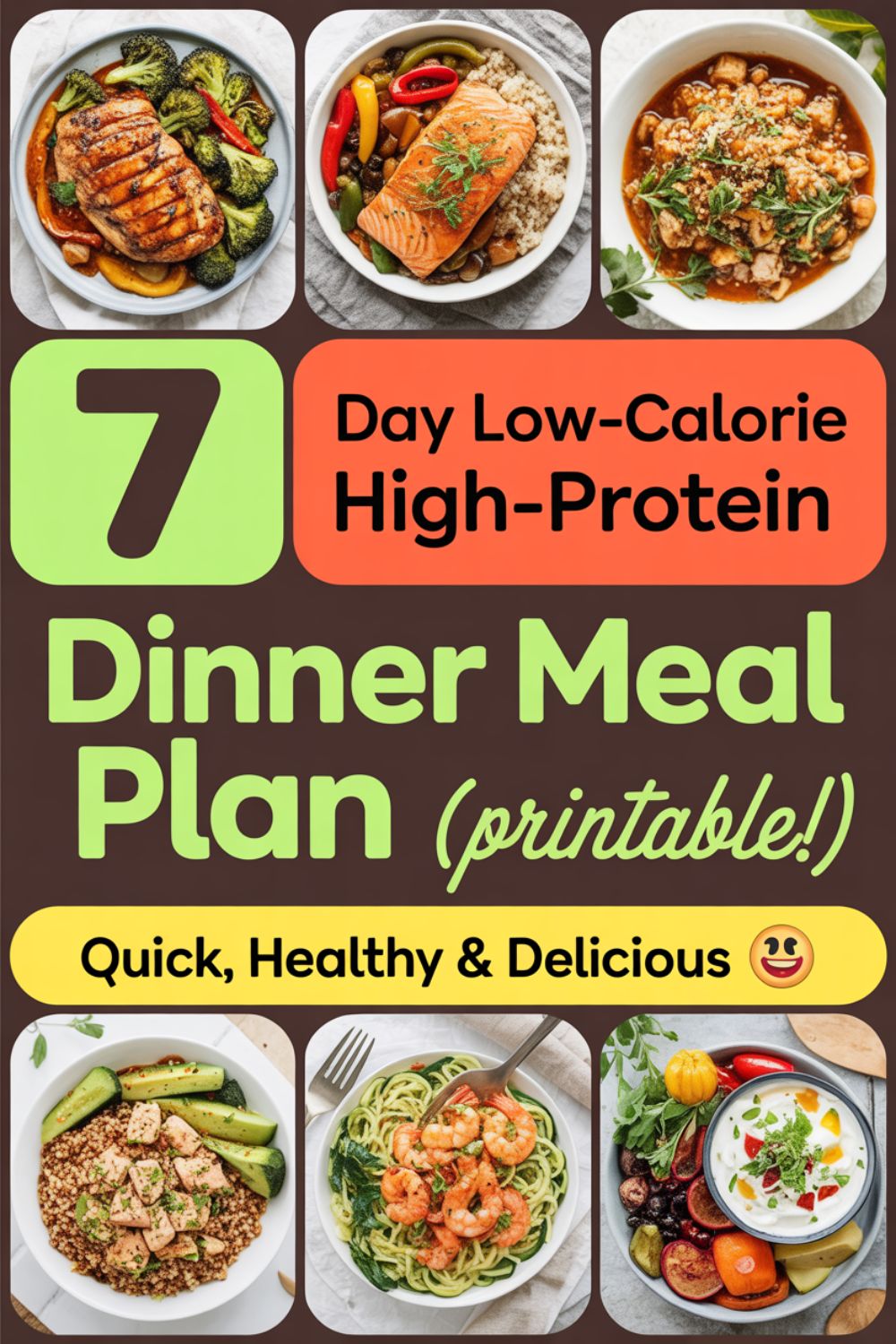
7-Day Low-Calorie High-Protein Dinner Meal Plan (Printable!)
Look, I get it. You’re standing in front of your fridge at 6 PM on a Tuesday, exhausted from work, and the last thing you want to do is figure out what’s for dinner. Even worse? Trying to eat healthy while keeping calories in check and protein levels up feels like solving a Rubik’s cube blindfolded.
But here’s the thing—it doesn’t have to be complicated. I’ve spent way too many evenings scrolling through recipe apps, getting overwhelmed by 47-ingredient meal plans that require kitchen tools I don’t own. So I decided to crack the code and put together a straightforward, no-nonsense 7-day dinner plan that actually works for real people with real schedules.
This meal plan keeps each dinner under 400 calories while packing in at least 30 grams of protein per serving. No bland chicken and broccoli every night, I promise. We’re talking real food that tastes good and keeps you satisfied without derailing your goals.
Why Low-Calorie, High-Protein Dinners Actually Matter
Before we jump into the meal plan, let’s talk about why this combination works so well. According to Harvard Health, protein plays a crucial role in building and repairing tissues, and spacing it throughout your day—especially at dinner—can be more effective than loading up at one meal.
Here’s what I’ve learned through trial and error: protein keeps you fuller longer. When you skimp on protein at dinner, you’re basically setting yourself up to raid the pantry at 9 PM. Been there, done that, got the empty chip bag to prove it.
The low-calorie part? It’s not about starving yourself. It’s about being strategic. Most of us don’t need massive dinners, especially if we’re not doing much after eating. Keeping dinner around 350-400 calories leaves room for a satisfying breakfast and lunch without blowing your daily calorie budget.
The Science Behind Protein and Weight Management
Let’s get real for a second. The reason high-protein meals work isn’t magic—it’s biology. When you eat protein, your body works harder to digest it compared to carbs or fats. This is called the thermic effect of food, and protein has the highest one.
Research from Mayo Clinic suggests that consuming protein at each meal, aiming for about 15-30 grams per sitting, can help with muscle preservation during weight loss. The key word here is “preservation”—you want to lose fat, not muscle.
I learned this the hard way when I tried an ultra-low-calorie diet years ago. Sure, the scale moved, but I felt weak, and my gym performance tanked. Turns out, I was losing muscle mass along with fat. Not ideal. That’s when I started prioritizing protein, and honestly, it changed everything.
When searching for ways to incorporate more variety into your protein routine, you might want to check out some slow cooker options that practically make themselves while you’re at work.
Your 7-Day Dinner Blueprint
Day 1: Lemon Herb Grilled Chicken with Roasted Vegetables
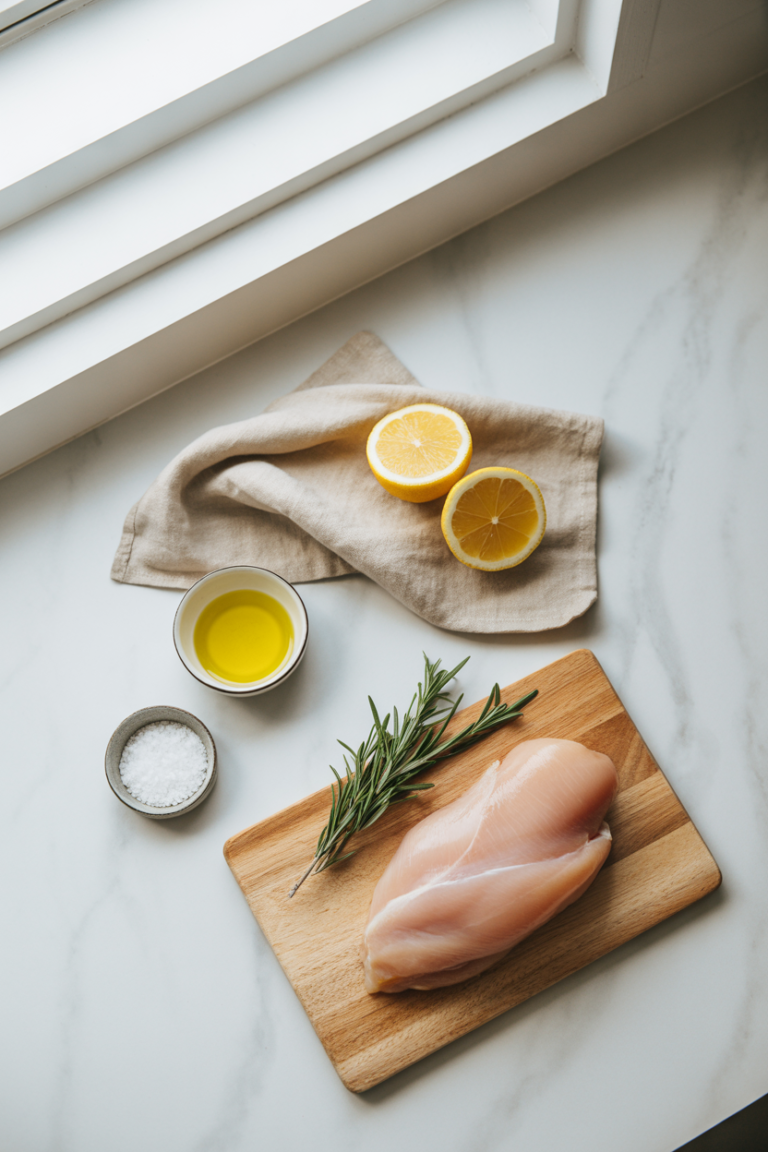
We’re starting strong with a classic that never gets old. Marinate 4 oz of chicken breast in lemon juice, garlic, and fresh herbs for at least 30 minutes. While it’s grilling, toss bell peppers, zucchini, and cherry tomatoes with a tiny bit of olive oil and roast at 425°F for about 20 minutes.
Calories: 365 | Protein: 42g
The beauty of this meal is its simplicity. I use this digital meat thermometer to ensure the chicken hits 165°F every time—no more guessing and ending up with dry, sad chicken.
Day 2: Spicy Shrimp Stir-Fry with Cauliflower Rice
Shrimp cooks in literally three minutes, making this perfect for hectic evenings. Sauté 5 oz of shrimp with snap peas, broccoli, and red pepper flakes. Serve over cauliflower rice that you can buy pre-riced or make yourself if you’re feeling ambitious.
Calories: 285 | Protein: 35g
Pro tip: buy the frozen pre-cooked shrimp. I know some people are purists about fresh seafood, but frozen shrimp is flash-frozen at peak freshness and saves you precious time. Get Full Recipe.
If stir-fries are your thing, you’ll probably love these one-pan meal ideas that follow the same quick-cooking philosophy.
Day 3: Turkey Meatballs with Zucchini Noodles
Mix 4 oz lean ground turkey with Italian seasonings, an egg white, and a tablespoon of almond flour. Form into meatballs and bake at 400°F for 18-20 minutes. Serve with spiralized zucchini lightly sautéed in garlic.
Calories: 320 | Protein: 38g
I make a double batch of these meatballs and freeze half. They reheat beautifully and save me on those nights when cooking feels impossible. My spiralizer gets used at least twice a week—totally worth the counter space.
Day 4: Baked Cod with Asparagus and Tomatoes
Season a 5 oz cod fillet with paprika, garlic powder, and a squeeze of lemon. Bake at 400°F for 12-15 minutes alongside asparagus spears and halved cherry tomatoes.
Calories: 245 | Protein: 32g
Fish intimidated me for years until I realized how forgiving it actually is. Cod is mild, affordable, and cooks fast. The key is not overcooking it—when it flakes easily with a fork, it’s done. Get Full Recipe.
Speaking of quick-cooking proteins, check out these sheet pan dinners where everything cooks together with minimal cleanup.
Day 5: Lean Beef and Broccoli Stir-Fry
Use 4 oz of extra-lean ground beef or thinly sliced sirloin. Stir-fry with tons of broccoli, ginger, and a splash of low-sodium soy sauce. Skip the rice or use just a quarter cup of brown rice if you need the extra carbs.
Calories: 380 | Protein: 36g
The trick with beef and broccoli is to cook them separately and combine at the end. This prevents the broccoli from getting mushy while ensuring the beef stays tender. A good non-stick wok makes this process so much easier.
Day 6: Greek-Style Chicken Bowls
Grill or bake 4 oz chicken breast with oregano and lemon zest. Serve over a bed of mixed greens with cucumber, tomatoes, red onion, and 2 tablespoons of crumbled feta. Dress with red wine vinegar and a hint of olive oil.
Calories: 340 | Protein: 40g
This is one of those meals that feels fancy but comes together in 20 minutes. The feta adds serious flavor without many calories—a little goes a long way. Get Full Recipe.
Day 7: Herb-Crusted Pork Tenderloin with Brussels Sprouts
Rub a 4 oz pork tenderloin with fresh rosemary, thyme, and garlic. Roast at 425°F for 18-20 minutes until it reaches 145°F internal temp. Serve with halved Brussels sprouts that have been roasted until crispy.
Calories: 355 | Protein: 42g
Pork tenderloin is criminally underrated. It’s lean, affordable, and takes on flavors beautifully. Just don’t overcook it—nobody wants dry pork. That instant-read thermometer I mentioned earlier? Essential here too.
For more inspiration on working with different proteins, these Instant Pot recipes show you how versatile high-protein cooking can be.
Kitchen Tools That Make These Recipes Easier
After years of testing different tools and gadgets, these are the ones that actually earn their keep in my kitchen. No fluff, just genuinely useful stuff.
- Digital Meat Thermometer – Takes the guesswork out of cooking proteins perfectly every single time
- Glass Meal Prep Containers (Set of 10) – BPA-free, microwave-safe, and they don’t stain like plastic ones
- Spiralizer Pro – Makes veggie noodles in seconds, way easier than the handheld versions
- MyFitnessPal Premium – Tracks macros automatically and syncs with most fitness apps
- Printable Meal Planning Templates – Weekly planners with grocery list sections, actually saves me mental energy
- High-Protein Recipe eBook Collection – Over 100 recipes with full nutritional breakdowns
Meal Prep Strategy That Won’t Overwhelm You
Real talk: I’m not one of those people who spends six hours on Sunday prepping every meal for the week. That sounds exhausting. But I do prep strategically, and it makes weeknight dinners exponentially easier.
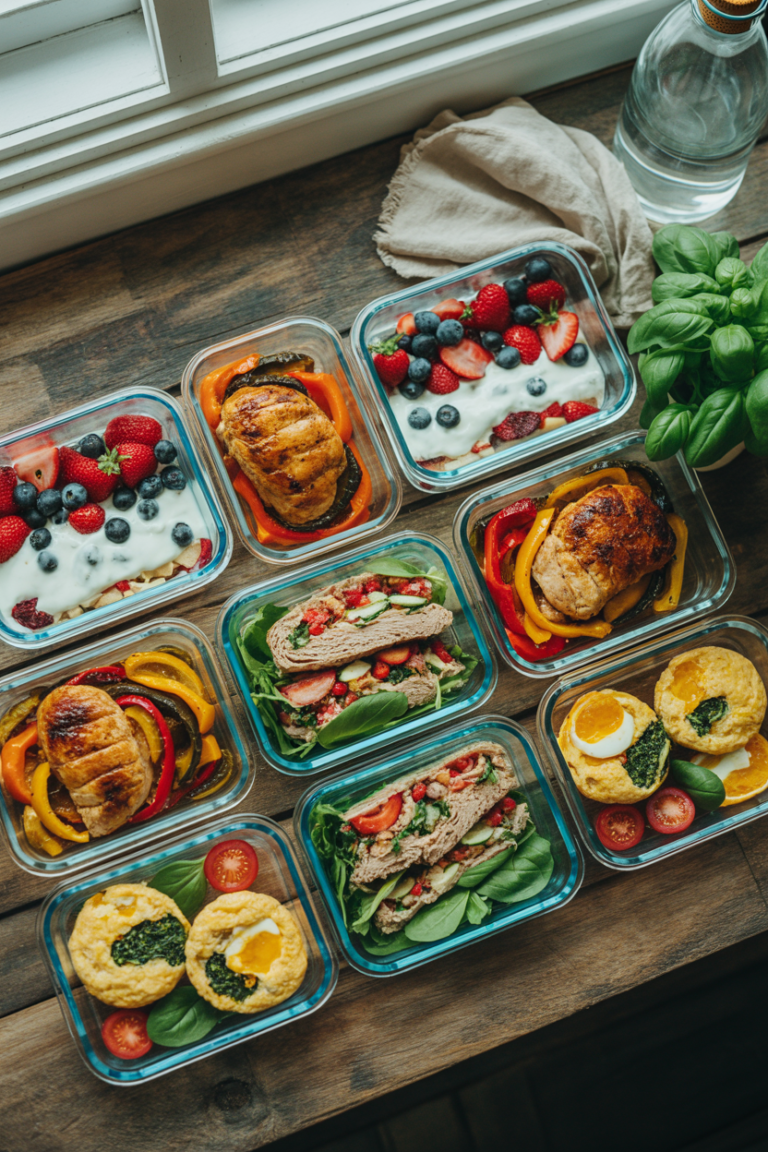
Here’s my approach. On Sunday afternoon, I do three things: season and portion my proteins, chop vegetables, and cook any grains or bases I’ll need. That’s it. The actual cooking happens during the week, so everything tastes fresh.
Store your prepped proteins in these airtight containers—they keep everything fresh and make grabbing dinner components a breeze. I label everything with masking tape and a Sharpie. Low-tech but effective.
The vegetables get stored in produce-saver containers with paper towels to absorb excess moisture. Sounds fussy, but it actually keeps things crisp for days longer than regular containers.
Looking for more meal prep guidance? These meal prep-friendly recipes are specifically designed to taste great even after a few days in the fridge.
The Protein-to-Calorie Sweet Spot
One question I get asked constantly: how much protein is enough? According to Mass General Brigham, active individuals should aim for 1.2 to 1.7 grams of protein per kilogram of body weight daily.
For most people trying to lose weight while maintaining muscle, shooting for 25-35 grams per meal hits that sweet spot. The dinners in this plan all deliver at least 30 grams, which means you’re covering a solid chunk of your daily needs in one sitting.
But here’s what matters more than hitting exact numbers: consistency. Eating high-protein dinners regularly trains your body to expect and use that protein effectively. I’ve noticed way less late-night snacking since I started prioritizing protein at dinner.
Want to understand how protein impacts muscle recovery specifically? This resource on protein and muscle recovery breaks down the science in plain English.
Common Mistakes I’ve Made (So You Don’t Have To)
Let me save you some trouble by sharing what didn’t work for me. First mistake: relying too heavily on chicken breast. Sure, it’s lean and high in protein, but eating it every night is a one-way ticket to flavor fatigue.
Rotate your proteins. Mix in fish, shrimp, lean beef, pork, and even the occasional plant-based option. Your taste buds and your sanity will thank you. If you’re curious about plant-based high-protein options, check out these vegan high-protein meals.
Second mistake: skipping seasoning to save calories. Friends, spices have virtually no calories. Don’t eat bland food in the name of health. Invest in a good spice rack—mine has 20+ different options and gets heavy use. This magnetic spice rack lives on the side of my fridge and has changed my cooking game.
Third mistake: not accounting for oil when cooking. One tablespoon of oil is about 120 calories. Use cooking spray or measure your oil carefully. I switched to this oil mister that lets me use my own olive oil without drowning food in it.
What About Vegetarian or Vegan Options?
I’m not vegetarian, but plenty of people in my life are, and they always ask about adapting these meals. Good news: it’s totally doable. Swap the animal proteins for tempeh, tofu, seitan, or legumes.
For example, that Day 3 turkey meatball dinner? Make them with crumbled tempeh instead. Season them the same way, and you’ll get a similar protein punch. The shrimp stir-fry works great with extra-firm tofu that’s been pressed and cubed.
Just watch your portions with plant-based proteins since they often come with more carbs. A cup of lentils has great protein but also significant carbs, so you might need to adjust your sides accordingly. Get Full Recipe for plant-based swaps on any of these dinners.
The growing availability of high-quality meat alternatives makes this easier than ever. These plant-based chicken strips have shocked me with how good they taste—my meat-eating friends can’t even tell the difference in stir-fries.
Eating Out While Staying On Track
Look, meal planning is great, but life happens. You’ll have nights when cooking isn’t in the cards, and that’s fine. The key is knowing how to navigate restaurant menus without derailing your progress.
Stick to grilled proteins, ask for vegetables instead of fries, and request sauces on the side. Most restaurants will accommodate these requests without any fuss. I’ve yet to encounter a server who won’t swap rice for extra broccoli.
Skip the bread basket—this is where willpower actually helps. Those pre-meal carbs add up fast and do nothing to satisfy you long-term. Save your calories for the actual meal you ordered.
Chain restaurants often publish nutritional information online. Before heading out, I’ll check the menu and plan what I’m ordering. Takes two minutes and removes the temptation to make impulsive choices when I’m hungry and staring at a menu.
Budget-Friendly Protein Sources
Let’s address the elephant in the room: protein can get expensive. Chicken breast prices make me want to cry sometimes. But there are ways to keep costs down without sacrificing quality or results.
Buy in bulk when you can. Costco, Sam’s Club, or even your local grocery store’s family packs offer way better value per pound. I portion everything immediately when I get home and freeze what I won’t use within three days.
Eggs are stupid cheap and pack about 6 grams of protein each. While this meal plan focuses on dinners, don’t sleep on eggs for other meals. A veggie-loaded omelet for breakfast sets you up with protein early in the day.
Canned tuna and salmon are budget MVPs. Yeah, fresh is great, but a can of tuna is like a dollar and has 20+ grams of protein. Mix it with Greek yogurt instead of mayo, throw in some celery and onion, and you’ve got a high-protein dinner for almost nothing.
Ground turkey often goes on sale—I stock up and freeze it in one-pound portions using my vacuum sealer. Prevents freezer burn and keeps it fresh for months.
Tracking Your Progress Without Losing Your Mind
I’m not huge on obsessive calorie counting because it can suck the joy out of eating. But when you’re starting out, tracking helps you understand portion sizes and where your calories actually come from.
Use an app like MyFitnessPal or Cronometer for the first few weeks. You’ll start to intuitively understand what 4 oz of chicken looks like or how much oil you’re actually using. After a while, you won’t need to measure everything religiously.
Weigh yourself weekly, same day, same time, preferably in the morning. Daily weigh-ins are a mental trap because weight fluctuates constantly based on water retention, digestion, and about fifty other factors.
Take progress photos every two weeks. Sometimes the scale doesn’t move, but your body composition changes. I’ve had weeks where I looked noticeably leaner despite the scale staying put. Trust the process.
For those serious about tracking macros efficiently, check out these beginner-friendly meal plans that spell out all the nutritional info clearly.
Adapting the Plan for Your Goals
This meal plan averages about 330 calories per dinner. If you’re very active or have higher calorie needs, add a side of quinoa, sweet potato, or brown rice. A half-cup of cooked quinoa adds about 110 calories and 4 grams of protein.
If you’re trying to cut more aggressively, these dinners leave room for satisfying breakfasts and lunches. Just don’t go below 1,200 calories total per day unless supervised by a healthcare provider—your body needs fuel to function.
Some people do better with larger lunches and lighter dinners. Others prefer a bigger evening meal. Neither approach is wrong. Experiment and see what works with your schedule and hunger patterns.
Athletes or people doing serious strength training might need to bump protein even higher. Add a protein shake post-workout or increase your dinner portions to 6 oz of protein instead of 4-5 oz.
Frequently Asked Questions
Can I eat the same dinner multiple nights in a row?
Absolutely. I do this all the time when I find a recipe I’m really into. Make a double or triple batch and eat it for three nights straight if you want. There’s no rule saying you need variety every single day. Some people thrive on routine—if that’s you, embrace it.
What if I don’t like fish or seafood?
No problem. Swap any fish-based dinner for chicken, turkey, or lean beef using similar seasonings and cooking methods. The Day 4 cod recipe works great with chicken breast—just adjust cooking time to about 20-25 minutes. The protein and calorie counts will be similar.
How long can I follow this meal plan?
You can rotate through this plan as long as you want. I’ve been using these same core recipes for months, just mixing up the seasonings and sides to keep things interesting. The beauty of high-protein dinners is they’re sustainable long-term, not some crash diet you suffer through for a week.
Should I count vegetables toward my calorie total?
Technically yes, but non-starchy vegetables like broccoli, asparagus, and leafy greens are so low in calories that I don’t stress about them. If you’re eating an extra cup of spinach, that’s like 7 calories—not worth worrying about. Focus on measuring your proteins and any oils or dressings instead.
What about alcohol? Does it fit into this plan?
Alcohol has calories (about 100-150 per drink) and no protein, so it’s not ideal if you’re trying to stay under a calorie budget. That said, if you want a glass of wine with dinner occasionally, factor it into your daily calories and adjust accordingly. I’m not going to tell you to never drink—just be honest about what you’re consuming.
The Bottom Line on High-Protein, Low-Calorie Dinners
After months of experimenting with different approaches, high-protein dinners are what finally clicked for me. They keep me satisfied, support my gym performance, and don’t require me to eat like a rabbit or spend hours in the kitchen.
The meals in this plan aren’t revolutionary. They’re simple, practical, and built for real life. You won’t find any 47-ingredient recipes that require specialty equipment or ingredients you can only get from that one bougie grocery store across town.
Start with this 7-day rotation and see how you feel. Pay attention to your energy levels, how full you stay after dinner, and whether you’re still raiding the kitchen before bed. If you notice improvements, you’re on the right track.
Remember, the best meal plan is the one you’ll actually stick with. If one of these dinners doesn’t appeal to you, swap it out for something similar. This isn’t about perfection—it’s about finding a sustainable way to eat that supports your goals without making you miserable.
Give it a shot for two weeks. Prep on Sundays, cook fresh each night, and track how you feel. I’m betting you’ll notice a difference not just in the mirror, but in how consistently satisfied you feel after meals. That’s the real win here.