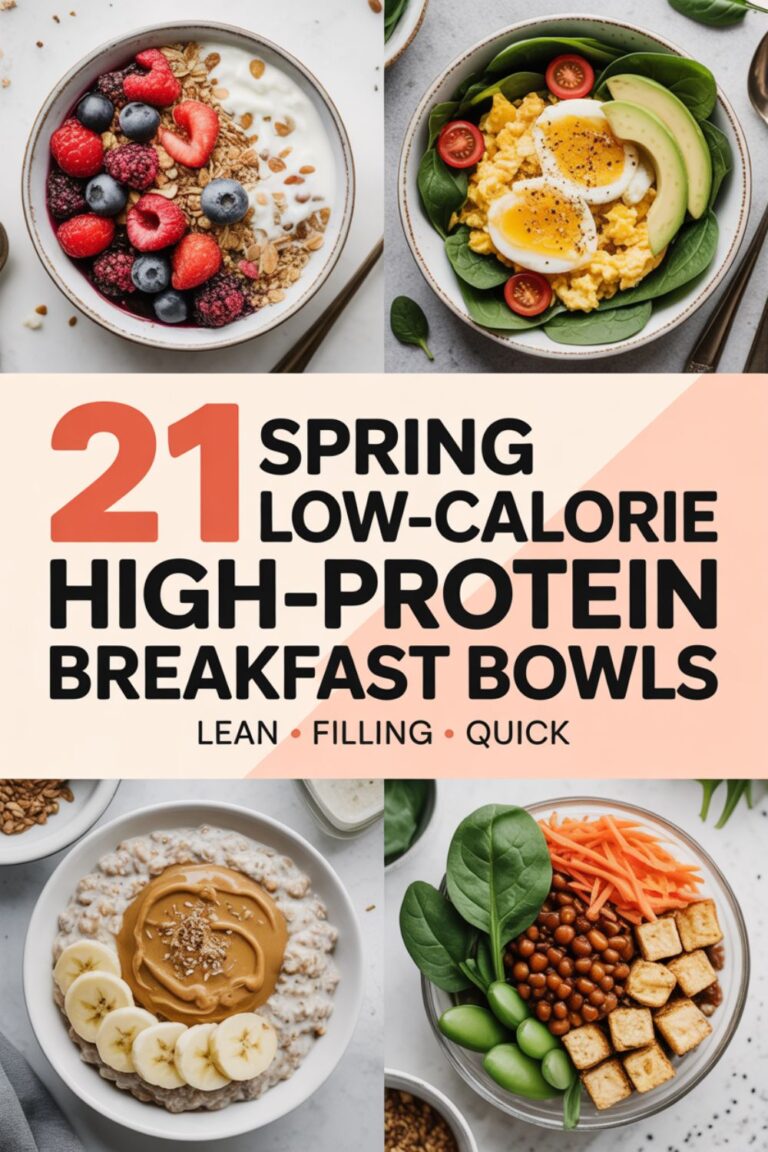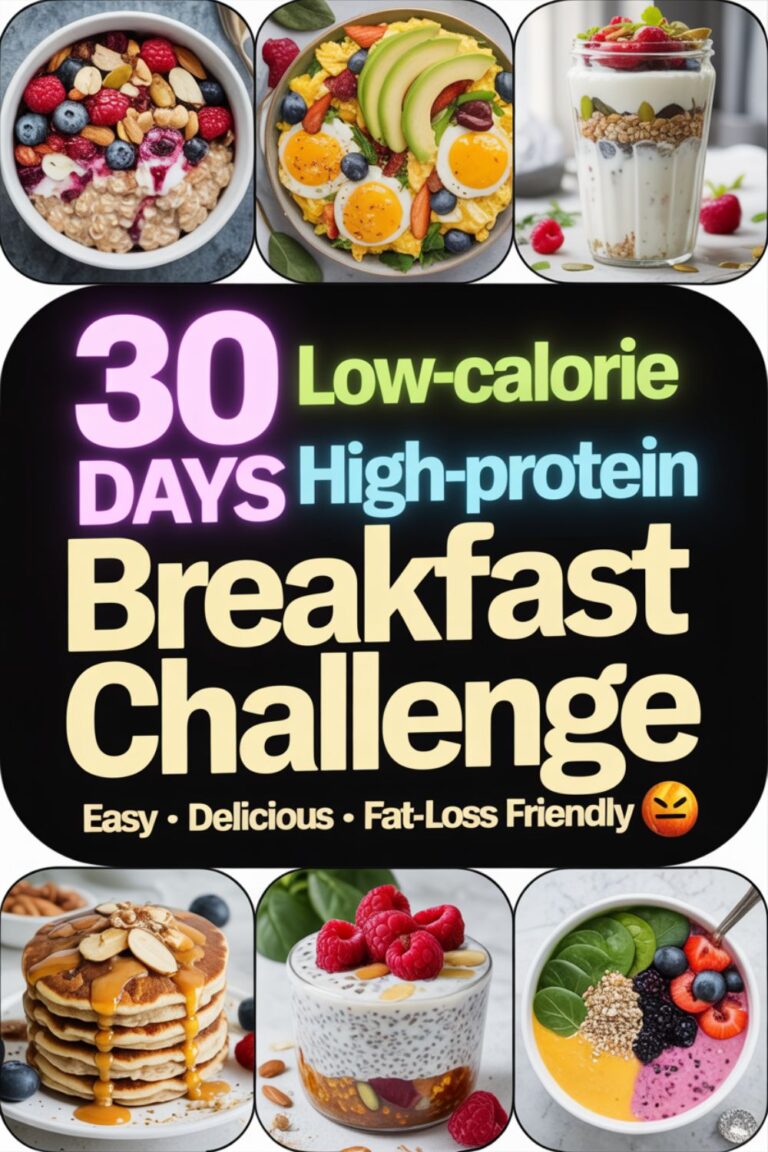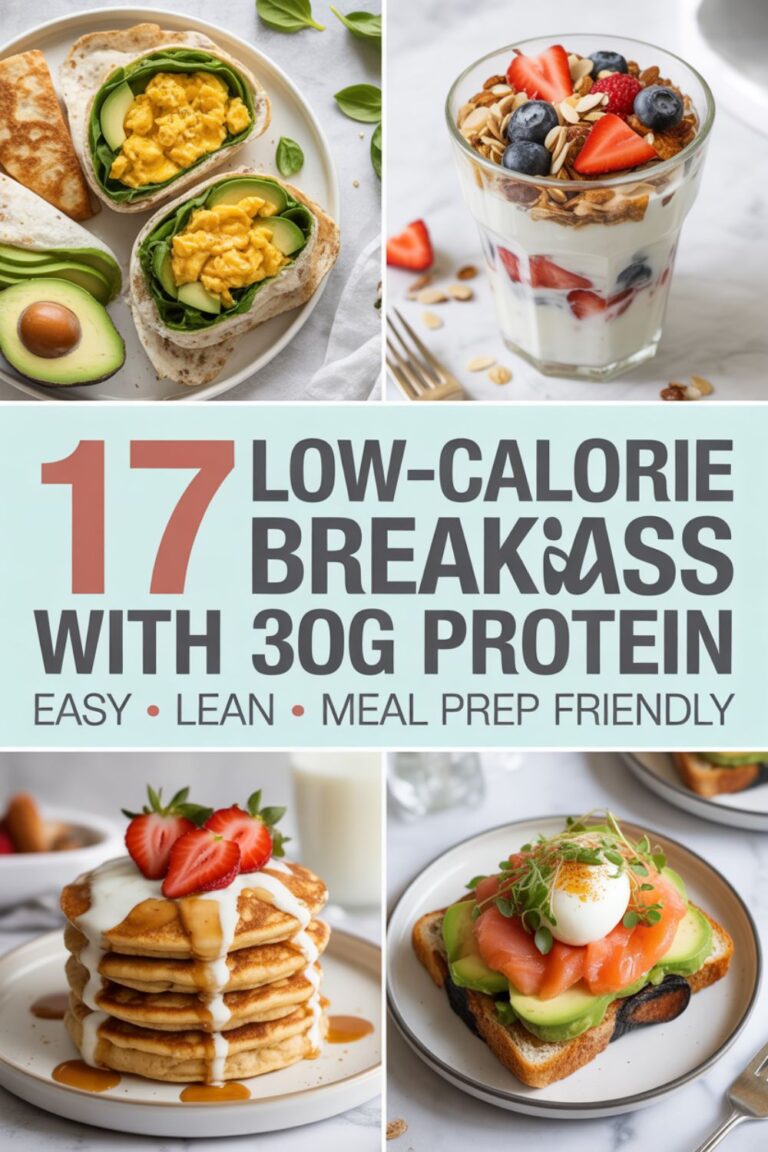
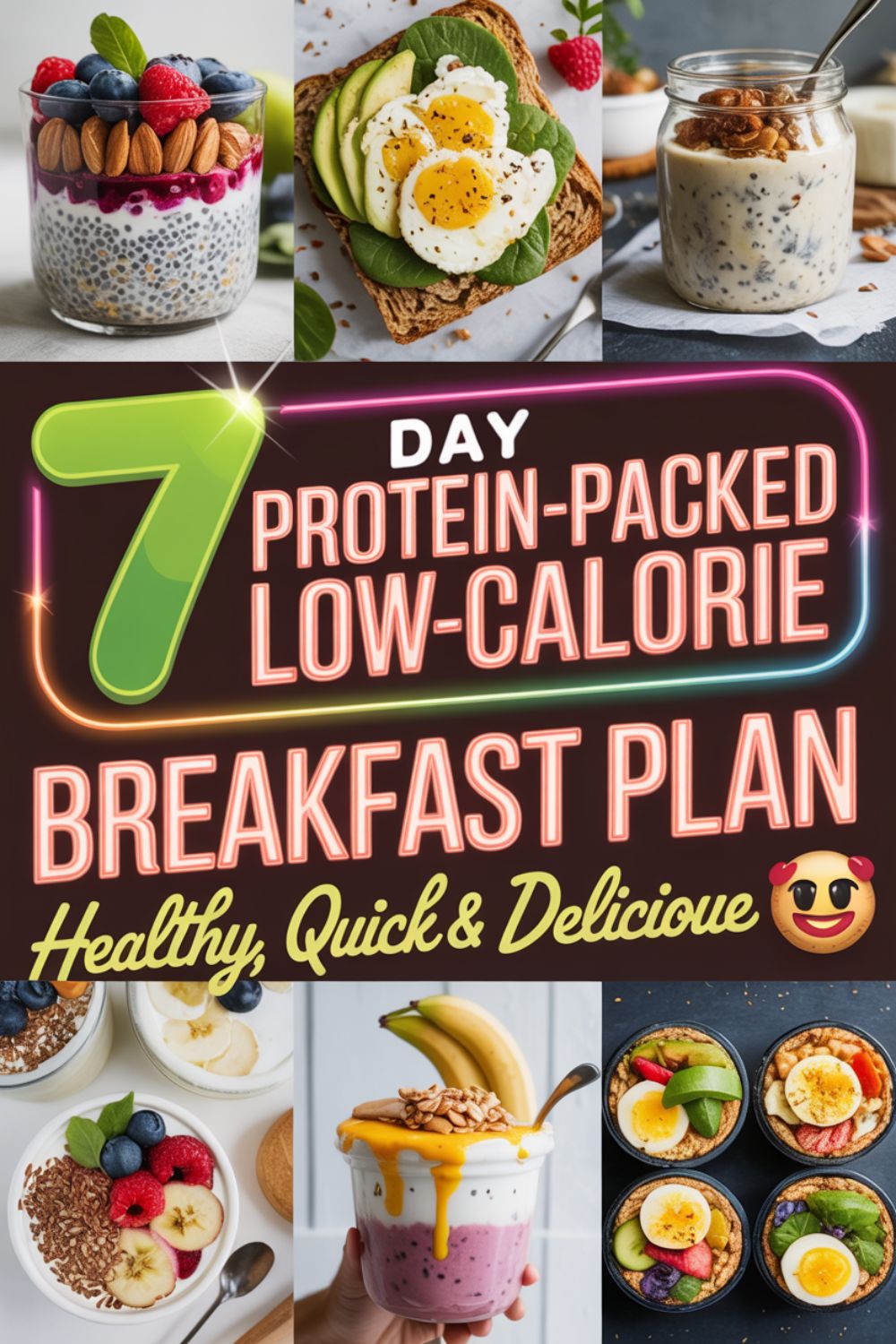
7-Day Protein-Packed Low-Calorie Breakfast Plan
Look, I get it. You wake up, hit snooze three times, and suddenly you’re choosing between breakfast and being late to work. But here’s the thing—skipping breakfast isn’t doing you any favors, especially if you’re trying to lose weight or build muscle. I spent years grabbing whatever was fastest (hello, stale granola bar), until I realized that starting my day with actual protein changed everything. My energy levels improved, I stopped raiding the vending machine by 10 AM, and honestly, I just felt more like a functional human being.
This 7-day plan isn’t about spending hours in the kitchen or buying expensive ingredients you’ll use once. It’s about real food that keeps you full, tastes good, and doesn’t require a culinary degree. Each breakfast clocks in under 400 calories but packs at least 25 grams of protein—enough to actually make a difference in how you feel throughout the day.
Why Protein at Breakfast Actually Matters
Before we jump into the meal plan, let’s talk about why this matters. I’m not going to bore you with a biology lecture, but understanding the “why” makes it easier to stick with the “what.”
When you eat protein first thing in the morning, you’re essentially telling your body to chill out on the hunger hormones. Research shows that protein-rich breakfasts improve satiety and help regulate blood sugar levels better than carb-heavy meals. Translation? You won’t feel like gnawing your arm off before lunch.
Plus, protein requires more energy to digest than carbs or fats—a process called the thermic effect of food. Your body burns more calories just processing that protein. Is it a magic weight loss hack? No. But combined with everything else, it adds up.
The other big win is muscle preservation. If you’re cutting calories to lose weight, your body will look for energy wherever it can find it. Adequate protein intake, especially distributed throughout the day starting at breakfast, helps protect your muscle mass while you’re in a calorie deficit. Studies on breakfast protein intake and muscle health support this, particularly in older adults and people trying to maintain muscle while losing fat.
Prep your protein sources on Sunday night—hard-boil a dozen eggs, portion out Greek yogurt into containers, and batch-cook some chicken sausage. You’ll thank yourself all week when breakfast takes 5 minutes instead of 30.
The 7-Day Breakdown
Each day includes a breakfast that hits our protein and calorie targets, plus I’ll throw in some meal prep tips and variations because eating the exact same thing seven days straight is a fast track to ordering takeout by Wednesday.
Day 1: Greek Yogurt Power Bowl
Calories: 350 | Protein: 28g
Start with 1 cup of plain Greek yogurt (not the flavored stuff—that’s basically dessert). Top it with half a cup of mixed berries, 2 tablespoons of sliced almonds, and a tablespoon of chia seeds. Drizzle a tiny bit of honey if you need it sweeter, but honestly, the berries do most of the work.
This is my go-to when I’m running late. Everything can be prepped the night before, and you can eat it cold or at room temperature. I use this glass meal prep bowl set with snap-on lids—leak-proof and microwave-safe, which matters more than you’d think.
The combination of Greek yogurt’s protein with the fiber from berries and chia creates this weird magic where you stay full way longer than you’d expect. It’s also stupid easy to customize—swap the almonds for walnuts, try different berries, whatever.
Day 2: Veggie-Loaded Egg Scramble
Calories: 320 | Protein: 26g
Three whole eggs scrambled with a cup of chopped spinach, diced bell peppers, and a quarter cup of diced onions. Season with salt, pepper, and a pinch of garlic powder. Serve with a small piece of whole-grain toast if you’re really hungry.
I know scrambled eggs can seem basic, but here’s the thing—they’re fast, cheap, and you probably already have everything you need. The vegetables bulk up the meal without adding many calories, and they make you feel like you’re eating way more food than you actually are.
Use a good nonstick skillet for this. Cheap ones lose their coating fast, and then you’re basically gluing eggs to metal. Not fun. I also swear by this silicone spatula because regular ones always leave egg behind, which is just wasteful and annoying.
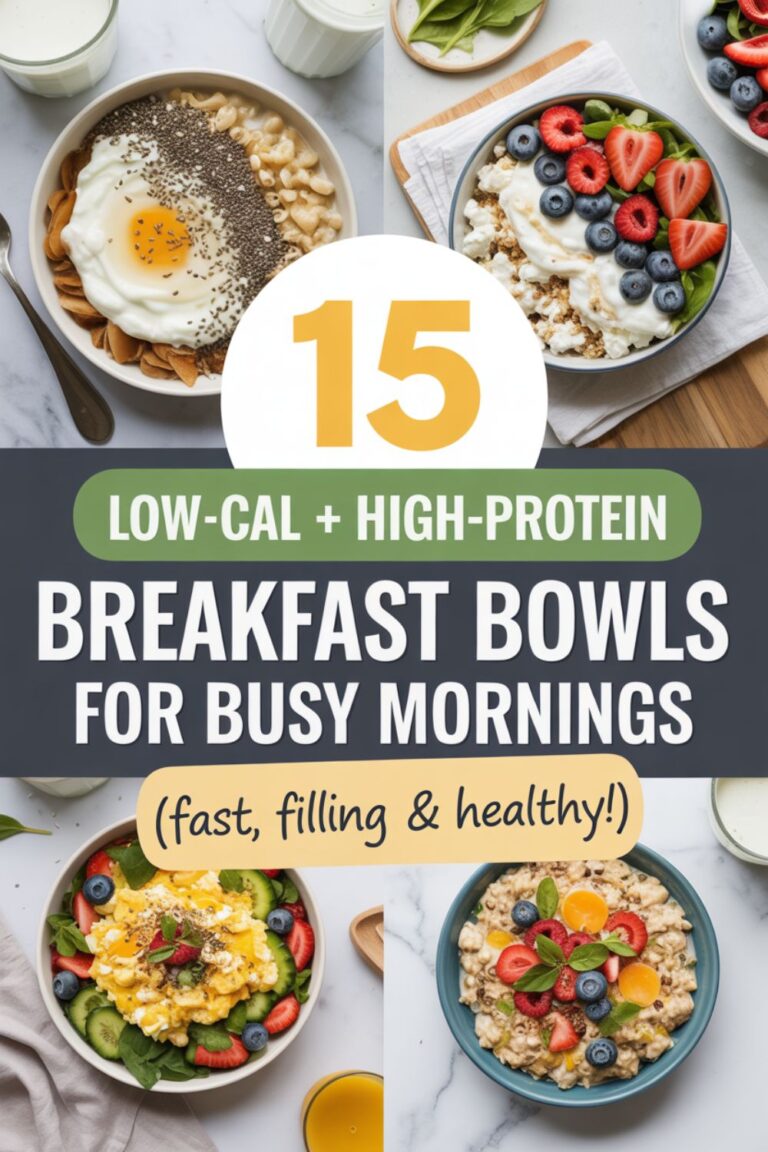
If you’re meal prepping, you can make egg muffin cups instead—same ingredients, baked in a muffin tin. They reheat better than scrambled eggs and you can grab them straight from the fridge. Speaking of easy breakfast options, check out these 15 low-calorie protein-packed breakfasts for busy mornings if you need more grab-and-go ideas.
Day 3: Protein Pancakes
Calories: 380 | Protein: 30g
Mix one scoop of vanilla protein powder with one whole egg, one egg white, a quarter cup of oats, and a splash of almond milk. Cook like regular pancakes. Top with fresh strawberries and a tablespoon of almond butter.
These aren’t traditional fluffy pancakes—they’re denser and more filling. But honestly, after you eat them, you won’t be hungry until lunch, which is kind of the whole point. The protein powder does most of the heavy lifting here, and you can find decent options that don’t taste like chalk anymore.
I use this electric griddle because it heats evenly and I can make multiple pancakes at once. Game changer for weekend meal prep. Make a big batch, separate them with parchment paper, and freeze. Pop one in the toaster or microwave on busy mornings.
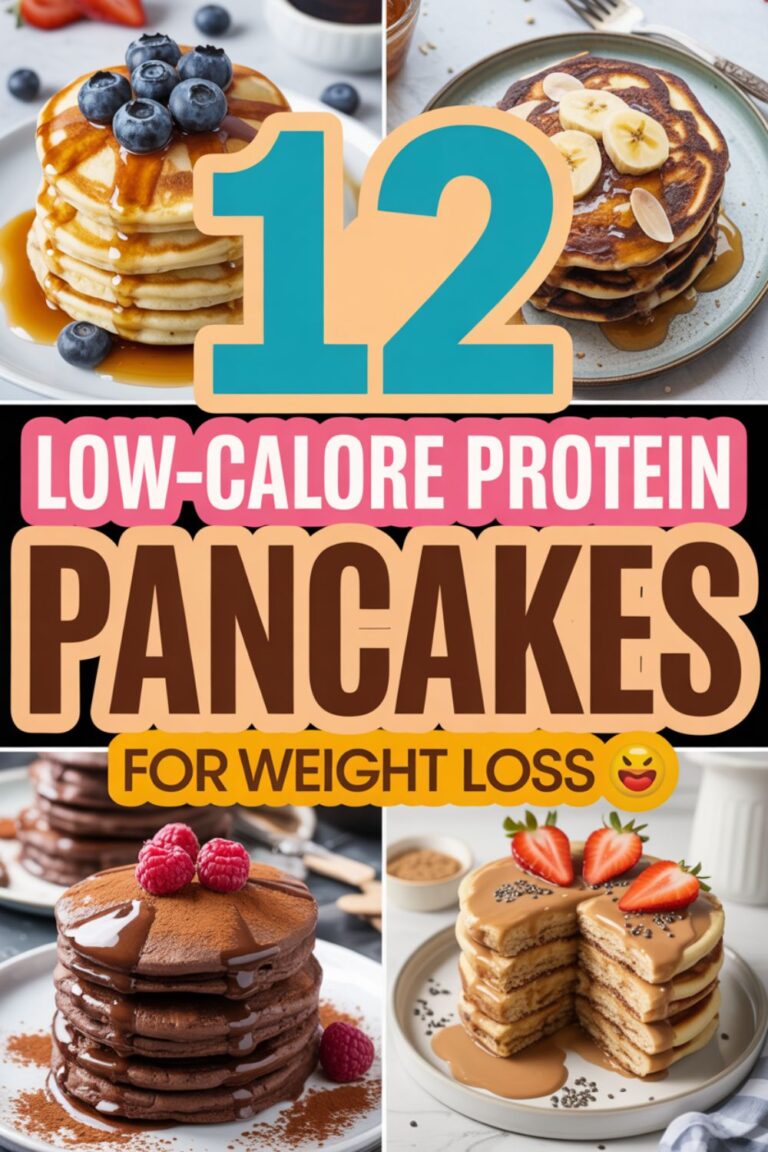
For more protein pancake variations, you might like these 12 low-calorie protein pancakes for weight loss. They’ve got savory options too if sweet breakfasts aren’t your thing.
“I tried this 7-day plan after yo-yo dieting for years, and it’s the first breakfast routine that actually stuck. Down 12 pounds in two months and I don’t feel like I’m starving myself. The Greek yogurt bowl is now my weekday staple.” — Sarah M., community member
Day 4: Cottage Cheese and Fruit Plate
Calories: 330 | Protein: 27g
One cup of low-fat cottage cheese with half a cup of diced pineapple and a tablespoon of sunflower seeds. Add a sprinkle of cinnamon if you’re feeling fancy.
I’ll be honest—cottage cheese is polarizing. People either love it or think it looks like something you’d find in a biology lab. But if you can get past the texture, it’s one of the most protein-dense, budget-friendly options out there. The pineapple helps with the texture situation, and the slight sweetness balances the tanginess of the cheese.
FYI, not all cottage cheese is created equal. Some brands are weirdly watery or flavorless. I’ve had good luck with brands that use whole milk or at least 2%—the extra fat is minimal but makes a real difference in taste and satisfaction.
This is another breakfast that requires zero cooking, which means it’s perfect for days when you can barely function. Portion it out the night before in these small glass containers and you’re golden.
Day 5: Turkey Sausage and Avocado Toast
Calories: 390 | Protein: 28g
Two turkey sausage links (cooked), one slice of whole-grain bread, and a quarter of an avocado mashed on top. Season the avocado with red pepper flakes and a squeeze of lemon juice.
This one feels more like “real food” than some of the other options, which is nice when you’re tired of eating the same rotation. The turkey sausage adds savory protein without the calorie bomb of pork sausage, and the avocado brings healthy fats that keep you satisfied.
I batch-cook turkey sausages at the beginning of the week using this cast iron grill pan. It gives them those nice char marks and cooks them evenly without needing much oil. They reheat well too—just 30 seconds in the microwave and they’re good to go.
The bread is non-negotiable here, but make sure it’s actual whole-grain, not that white bread masquerading as healthy because they threw in some caramel coloring. Read the ingredient list. First ingredient should be whole wheat or whole grain, not enriched flour.
Batch-prep your sausages and hard-boiled eggs on Sunday. Store the sausages in a covered container in the fridge, eggs in their shells. Breakfast assembly time drops to under 3 minutes.
Day 6: Overnight Oats with Protein Powder
Calories: 360 | Protein: 26g
Mix half a cup of rolled oats with one scoop of vanilla protein powder, 3/4 cup of unsweetened almond milk, and a tablespoon of chia seeds. Let it sit in the fridge overnight. In the morning, top with a handful of blueberries and a few chopped walnuts.
Overnight oats are either your best friend or a complete disaster, depending on your liquid-to-oat ratio. Too much liquid and you’ve got soup. Too little and you’ve got cement. This ratio works for me, but you might need to adjust based on your protein powder and how thick you like things.
I use these wide-mouth mason jars for overnight oats. The wide opening makes it way easier to mix everything and actually eat it without needing to dig down to the bottom with a tiny spoon. Plus they look nice if you care about that Instagram aesthetic thing.
The protein powder transforms regular oats from a decent breakfast into something that actually keeps you full. Without it, I’d be hungry again in an hour. With it, I’m good until lunch. Get Full Recipe for even more overnight oat variations that pack serious protein.
When you’re meal-prepping multiple breakfast options, these 25 low-calorie high-protein bowls you can prep ahead offer even more variety to rotate through your week. I especially like their egg bite recipes—they freeze beautifully and taste way better than the store-bought versions.
Day 7: Smoked Salmon and Cream Cheese Wrap
Calories: 340 | Protein: 29g
One low-carb whole wheat tortilla, 2 tablespoons of light cream cheese, 3 ounces of smoked salmon, and a handful of arugula. Roll it up and eat it like a burrito or slice it into pinwheels if you’re feeling fancy.
This is my weekend breakfast when I have an extra five minutes and want something that feels a little special. Smoked salmon isn’t cheap, but you’re using a small amount and the protein-to-calorie ratio is excellent. Plus it’s one of the few breakfast options with omega-3s, which your brain appreciates.
The arugula adds a peppery bite that balances the richness of the cream cheese and salmon. If you don’t like arugula, spinach works too, but it won’t have that same flavor punch.
I find good smoked salmon at Costco for way less than grocery stores charge. Worth the membership just for that, IMO. Store it in the coldest part of your fridge and use it within a few days of opening.
Meal Prep Essentials Used in This Plan
Kitchen Tools That Make This Plan Actually Work
These aren’t “must-haves” but they’re the tools I reach for constantly when making these breakfasts. Makes the whole process way less annoying.
Glass Meal Prep Containers (Set of 10)
Leak-proof lids, microwave safe, dishwasher safe. I’ve had mine for two years and they still look new. The compartments are perfect for separating ingredients that you want to keep from getting soggy.
Nonstick Electric Griddle
Even heat distribution and enough space to cook multiple pancakes or egg scrambles at once. Beats standing over a stovetop flipping one pancake at a time like some kind of medieval breakfast peasant.
Silicone Baking Mats
Use these for egg muffin cups, roasting turkey sausage, basically anything that might stick. Zero cleanup, zero waste from parchment paper. They’ve paid for themselves ten times over.
Macro-Tracking App Subscription
Digital tool that makes tracking your protein and calories way easier than guessing. Most have barcode scanners so you’re not manually entering every ingredient. The free versions work fine, but premium removes ads and adds meal planning features.
Meal Planning Template Pack
Digital templates for planning your weekly meals and grocery lists. Saves mental energy and reduces food waste because you’re buying with a plan instead of wandering the aisles like a zombie.
Protein-Packed Breakfast E-Book
Digital cookbook with 50+ high-protein breakfast recipes beyond this plan. Each includes macros, prep time, and meal prep instructions. Good for when you need more variety without the research.
Making This Plan Work in Real Life
Here’s what nobody tells you about meal plans: they work great on paper, then real life happens. You run out of Greek yogurt on Wednesday, you’re too tired to cook on Thursday, and by Friday you’ve convinced yourself that a bagel counts as protein because it had a smear of cream cheese.
So let’s talk about how to actually stick with this without losing your mind.
Flexibility is Your Friend
These seven days aren’t meant to be followed in order or repeated exactly each week. Pick three or four breakfasts that sound appealing and rotate through those. Once you’re bored, swap in a different option. The goal is consistency, not perfection.
If you hate cottage cheese, don’t force yourself to eat it just because it’s on the plan. There are plenty of other high-protein options. The worst breakfast is the one you don’t eat because you’re dreading it.
Shopping Smart
Buy ingredients that work across multiple recipes. Greek yogurt can go in the power bowl, be used as a sour cream substitute in egg scrambles, or mixed into overnight oats for extra creaminess. Eggs work in scrambles, pancakes, as hard-boiled snacks, baked into muffin cups—you get the idea.
I keep a running list on my phone of staple ingredients I always need: eggs, Greek yogurt, berries, spinach, oats, and whatever protein powder I’m currently using. Everything else is flexible based on what’s on sale or what sounds good that week.
For building up a better breakfast routine overall, these 18 low-calorie high-protein meal plans for beginners include not just breakfast but complete daily plans so everything works together. Super helpful when you’re just starting out and don’t know how to structure your whole day yet.
The Prep-Ahead Strategy
Sunday is meal prep day in my house, but it doesn’t have to be this elaborate three-hour ordeal. I usually spend about 45 minutes doing these things:
- Hard-boil a dozen eggs
- Batch-cook any meat (turkey sausage, chicken if I’m making lunch too)
- Wash and portion berries into small containers
- Mix overnight oats in mason jars for the next three days
- Pre-portion Greek yogurt into individual containers if I bought the big tub
That’s it. I’m not color-coding containers or arranging everything like it’s going on Instagram. It’s functional meal prep, not performance art.
With everything prepped, breakfast during the week takes about 5 minutes of assembly time. Sometimes less if I’m just grabbing overnight oats from the fridge.
Freeze your berries as soon as you get home from the store if you won’t use them within three days. Frozen berries work just as well in smoothies and yogurt bowls, and you won’t find moldy strawberries hiding in the back of your cridge on Thursday.
Common Protein Sources and How to Use Them
Understanding your protein options makes this whole thing easier. Here’s what I rely on most often, along with why they work well for breakfast.
Greek Yogurt
The MVP of high-protein breakfasts. One cup of plain, nonfat Greek yogurt has about 20 grams of protein and 100 calories. Compare that to regular yogurt, which has maybe 5-6 grams of protein, and you see why Greek yogurt dominates in breakfast meal prep circles.
Get the plain kind and add your own sweetness with fruit or a tiny drizzle of honey. The pre-flavored versions are loaded with sugar—we’re talking 15-20 grams per serving. That’s basically a dessert masquerading as health food.
Eggs
Six grams of protein per egg, cheap, versatile, and available everywhere. The debate about whether to eat whole eggs or just egg whites is tired at this point. If you’re trying to keep calories low, use a mix—two whole eggs plus two egg whites gives you more protein and volume without as many calories as four whole eggs.
Don’t be afraid of the yolk, though. It contains most of the vitamins and minerals, plus it makes scrambled eggs actually taste like something.
Protein Powder
This is where people get weird and picky. Yes, there are differences between whey, casein, plant-based, and all the other options. But honestly, the best protein powder is the one you’ll actually consume. If you hate the taste, you won’t use it, and it doesn’t matter how “optimal” it supposedly is.
I use vanilla because it works in both sweet applications (pancakes, oats) and doesn’t taste weird in savory dishes if you’re creative. Chocolate is fine too but limits your options a bit more.
One scoop typically has 20-25 grams of protein. Read the label because brands vary wildly. Some add a bunch of carbs and fats to bulk up the formula, which defeats the purpose if you’re trying to keep calories low.
Looking to expand beyond breakfast? These 20 high-protein low-calorie recipes for dinner use many of the same principles—high protein, low calorie, actually tastes good. Makes it easier to maintain the same eating pattern throughout your entire day.
Cottage Cheese
Underrated and often overlooked because of the texture thing I mentioned earlier. But calorie for calorie, it’s hard to beat—a full cup has around 25 grams of protein and only 180 calories for the low-fat version.
The texture improves significantly if you blend it smooth and use it as a base for sweet or savory toppings. I’ve even used it in place of ricotta in recipes and nobody noticed.
Smoked Salmon and Other Fish
Three ounces of smoked salmon has about 16 grams of protein and 100 calories. Plus you get those omega-3 fatty acids that are good for brain health, heart health, and all that jazz. It’s more expensive than eggs or Greek yogurt, so I treat it as a weekend breakfast or special occasion thing.
Canned tuna or salmon also work if you can get past eating fish at 7 AM. Some people are into it, some people think it’s weird. No judgment either way.
Adjusting for Different Calorie Goals
These breakfasts hover around 350 calories, which works for most people trying to lose weight. But if your calorie needs are higher or lower, here’s how to adjust without completely overhauling everything.
If You Need More Calories
Add healthy fats without dramatically increasing prep time. An extra tablespoon of almond butter on your pancakes adds 100 calories. A full avocado instead of a quarter adds about 150 calories. A handful of nuts on your yogurt bowl adds 100-150 calories depending on the nut.
You could also increase portion sizes slightly—use a cup and a half of Greek yogurt instead of one cup, or four eggs in your scramble instead of three. Just track everything so you know where you’re landing.
If You Need Fewer Calories
Swap whole eggs for egg whites, use nonfat Greek yogurt instead of low-fat, reduce the nuts and seeds, and be more conservative with calorie-dense toppings like nut butters and avocado.
You can also shift your breakfast to be slightly lower in calories and redistribute those calories to lunch or dinner if that’s when you prefer eating bigger meals. There’s no magic rule that says breakfast has to be a certain size.
For more balanced daily planning, check out this 7-day high-protein low-calorie meal plan for beginners. It walks through how to structure all your meals together so your daily totals line up with your goals.
What About Carbs and Fats?
Notice how I haven’t obsessed over carbs or fats in this plan? That’s intentional. When you prioritize protein and keep calories in check, the carbs and fats tend to fall into reasonable ranges on their own.
These breakfasts include some carbs from oats, bread, fruit, and vegetables. They also include some fats from nuts, seeds, avocado, egg yolks, and dairy. Both are necessary and neither is evil despite what various diet camps will try to tell you.
The key is getting enough protein first, then filling in with carbs and fats from mostly whole food sources. If you do that, you’re already ahead of 90% of people who are just winging it or following whatever trendy diet showed up on their Instagram feed this week.
That said, if you have specific macronutrient targets for athletic performance or medical reasons, you might need to adjust these breakfasts. Most people doing general weight loss or maintenance? This balance works fine.
Dealing with Breakfast Boredom
Eating the same thing every day works for some people. Others would rather eat their own shoe than face another bowl of Greek yogurt. If you’re in the second camp, here’s how to add variety without abandoning the high-protein, low-calorie framework.
Rotate Your Protein Sources
This plan includes eggs, Greek yogurt, cottage cheese, protein powder, turkey sausage, and smoked salmon. That’s six different primary protein sources across seven days, which is already more variety than most people manage. But you can also try other options like Canadian bacon, chicken sausage, protein bars that actually taste good, or even leftover chicken from dinner if you’re one of those people who doesn’t care about traditional breakfast foods.
Change Your Flavor Profiles
Greek yogurt can be sweet with berries and honey, or savory with cucumber, tomatoes, and herbs. Eggs can be scrambled with Mexican-style seasonings and salsa, or made into an Italian-style frittata with tomatoes and basil. Same base ingredients, completely different experience.
Don’t underestimate the power of different seasonings and spices. Garlic powder, onion powder, paprika, cayenne, cinnamon, vanilla extract, almond extract, fresh herbs—all of these add flavor without adding meaningful calories.
If you want even more breakfast variety, these 30 low-calorie high-protein-one-pan-meals include breakfast options that use a single pan or pot. Less cleanup, more variety, same great protein content.
Seasonal Swaps
Berries are expensive and mediocre in winter. Switch to apples, pears, or citrus. In summer, throw in some sliced peaches, nectarines, or melon. Your grocery bill will thank you and your taste buds won’t be stuck eating those sad, flavorless out-of-season strawberries.
Same goes for vegetables in your egg scrambles. Asparagus in spring, tomatoes and zucchini in summer, squash in fall, hearty greens in winter. Use what’s in season and everything tastes better while costing less.
“Started this plan three weeks ago after seeing it recommended in a Facebook group. I’m down 8 pounds and actually excited about breakfast now. The cottage cheese was rough at first but I’m a convert.” — Mike T., 34
When Life Gets in the Way
You will have days when this plan doesn’t happen. You’ll sleep through your alarm, forget to prep on Sunday, or just really want a donut from that place near your office. That’s fine. Normal, even.
The difference between people who succeed with healthy eating long-term and people who cycle through diets every few months isn’t perfection. It’s what they do after the inevitable mess-up. Do you spiral into three days of bad choices while beating yourself up, or do you shrug and get back on track at the next meal?
Emergency Protein Options
Keep backup options around for when you’ve got nothing prepped and no time to cook:
- Ready-to-drink protein shakes in your pantry or car. Not the best option, but better than skipping breakfast entirely.
- Individual Greek yogurt cups at work or in your gym bag
- Quality protein bars that actually have 20+ grams of protein (not those glorified candy bars with 5 grams)
- String cheese and an apple—not sexy, but it works
- Single-serve nut butter packets paired with a banana
None of these are as good as the planned breakfasts in this article, but they’re infinitely better than hitting the drive-through or eating nothing at all.
Restaurant Survival
Sometimes you’re traveling, sometimes there’s a work breakfast meeting, sometimes you just want to go out with friends. You can still prioritize protein without being weird about it.
Order egg-based dishes—omelets, scrambles, frittatas. Ask for extra vegetables instead of extra cheese. Get a side of turkey sausage or Canadian bacon. Choose Greek yogurt if it’s on the menu. Skip the pancakes and French toast unless you’re going to be legitimately sad without them, in which case eat them and move on with your life.
Don’t be that person who makes dining out miserable by interrogating the server about every ingredient or requesting seventeen modifications. But do make choices that roughly align with your goals when you can.
Need more options for eating out or social situations? These 20 low-calorie high-protein meals with 5 ingredients or less are so simple you can easily replicate them anywhere, even with limited kitchen access while traveling.
Tracking Your Progress
You should know if this is working, right? But “working” means different things to different people. If weight loss is your goal, weigh yourself once a week under similar conditions—same day, same time, similar hydration and food intake from the day before. Weekly weights are more useful than daily because water fluctuations mess with daily numbers.
But weight isn’t everything. How do you feel? Is your energy better throughout the morning? Are you less hungry before lunch? Do your clothes fit differently? These are all valid indicators of progress that have nothing to do with the number on a scale.
Take measurements or progress photos if you want more data points. Some people lose inches before they lose pounds, especially if they’re also exercising. The scale doesn’t tell the whole story.
And honestly, if you’re consistently eating high-protein, low-calorie breakfasts instead of skipping the meal entirely or grabbing whatever garbage is convenient, that’s progress by itself. The outcomes will follow the behavior if you stick with it long enough.
Beyond Breakfast: Building Better Habits
This plan focuses on breakfast because that’s what you asked for, but obviously your entire diet matters. If you eat perfectly at breakfast and then demolish a large pizza at dinner, you’re not going to see the results you want.
The good news is that fixing one meal often has a domino effect on the rest of your day. When you start with a high-protein breakfast, you’re less hungry mid-morning, which means you’re less likely to make desperate food choices at lunch. When lunch is decent, you’re not ravenous at dinner. Everything connects.
Focus on getting breakfast right first. Once that becomes automatic—and it will, probably within two or three weeks—then you can tackle lunch or dinner or snacking or whatever your next weak point is. Trying to overhaul everything at once usually backfires. Small, sustainable changes compound over time.
For complete meal planning that extends beyond breakfast, this 14-day low-calorie high-protein meal prep plan gives you a full two weeks of all meals planned out. It’s a natural next step once you’ve nailed the breakfast routine.
The Bigger Picture
I started this article by talking about mornings and breakfast and protein, but really it’s about building a sustainable approach to eating that supports your goals without making you miserable. It’s about having a plan so you’re not making decisions when you’re tired and hungry, because tired and hungry people make terrible decisions.
This 7-day plan isn’t magic. It won’t transform your body overnight or solve all your weight loss problems. But it’s a solid foundation, and foundations matter. The boring stuff—eating enough protein, getting adequate sleep, moving your body regularly—that’s what actually works long-term. The flashy trends come and go, but fundamentals remain fundamental for a reason.
Your breakfast doesn’t have to be perfect. It just has to be better than whatever you were doing before. If these seven options give you a starting point and some structure, then I consider that a win.
Experiment with the recipes. Find your favorites. Make adjustments based on your preferences and schedule. The goal is consistency, not perfection, and you can’t be consistent with something you hate eating.
Frequently Asked Questions
Can I repeat the same breakfast every day or do I need to rotate through all seven?
You can absolutely repeat the same breakfast every day if that works for you. Some people thrive on routine and prefer eating the same thing daily. Others need variety to stay motivated. Pick two or three favorites from this plan and rotate through those if you want simplicity without complete monotony. The “7-day” structure is just to give you options, not to mandate a specific order.
What if I’m vegetarian or vegan—will this plan work for me?
Most of these breakfasts can be adapted for vegetarian diets (they already are, except for the turkey sausage and smoked salmon days). For vegan options, you’ll need to swap Greek yogurt for a high-protein plant-based alternative, use egg substitutes or tofu scrambles, and choose plant-based protein powder. The framework of high-protein, low-calorie breakfasts absolutely works for plant-based eaters; you just need different protein sources.
How much protein should I really be aiming for at breakfast?
Research suggests 25-30 grams of protein at breakfast helps with satiety and muscle preservation. That’s the target for these recipes. If you’re smaller or have lower overall protein needs, 20 grams might be sufficient. Larger individuals or athletes might want to push toward 35-40 grams. Use these recipes as a baseline and adjust portion sizes based on your total daily protein goals.
Can I meal prep all seven breakfasts at once for the entire week?
Some of these breakfasts meal prep better than others. Overnight oats, egg muffin cups, and pre-portioned yogurt bowls hold up great for 5-7 days. Scrambled eggs and pancakes are better when made fresh or prepped for just 2-3 days. The smoked salmon wrap is best assembled the day you eat it, though you can prep the components separately. I recommend prepping 3-4 days at a time for optimal freshness and texture.
What if I’m not hungry in the morning—should I force myself to eat breakfast?
If you’re genuinely not hungry and you’re managing your hunger and energy levels well throughout the rest of the day, you don’t have to force breakfast. But if you’re skipping breakfast and then ravenously hungry by mid-morning or making poor food choices at lunch because you’re starving, eating a protein-rich breakfast might help. Try starting small—maybe half portions of these recipes—and see how you feel. Your hunger cues may adjust over time.
Final Thoughts
So there you have it—a week’s worth of high-protein, low-calorie breakfasts that don’t require a culinary degree or three hours of morning prep time. No gimmicks, no weird ingredients you’ve never heard of, just real food that keeps you full and tastes good.
The hardest part isn’t following the plan. It’s actually starting. It’s getting over the inertia of whatever routine you’ve fallen into and deciding to try something different. But once you start and stick with it for a couple weeks, it becomes automatic. You stop thinking about it so much and just do it.
Your future self—the one who isn’t hitting the vending machine by 10 AM or falling asleep at their desk by 2 PM—will appreciate the effort. Start tomorrow. Prep tonight if you can. Pick the easiest breakfast from this list and just make that one thing. Build from there.
You’ve got this.