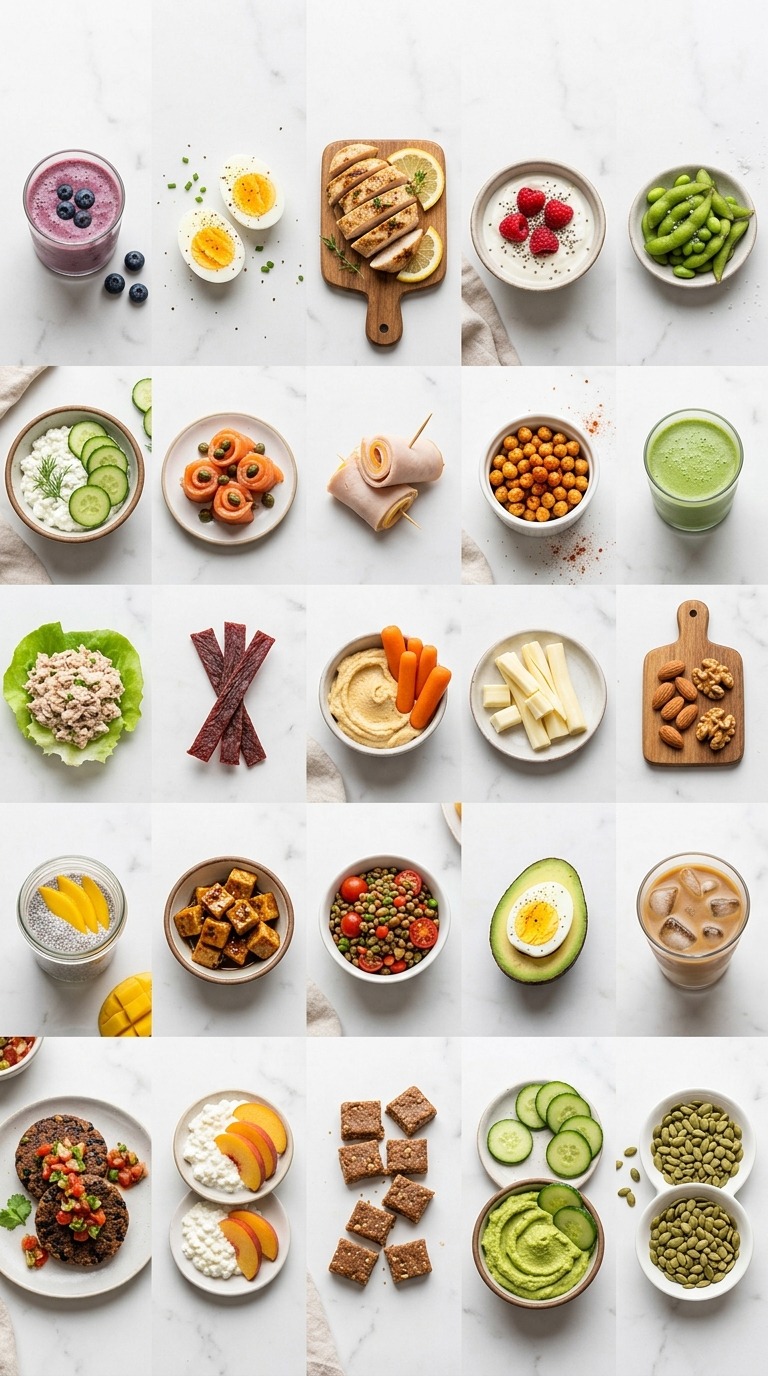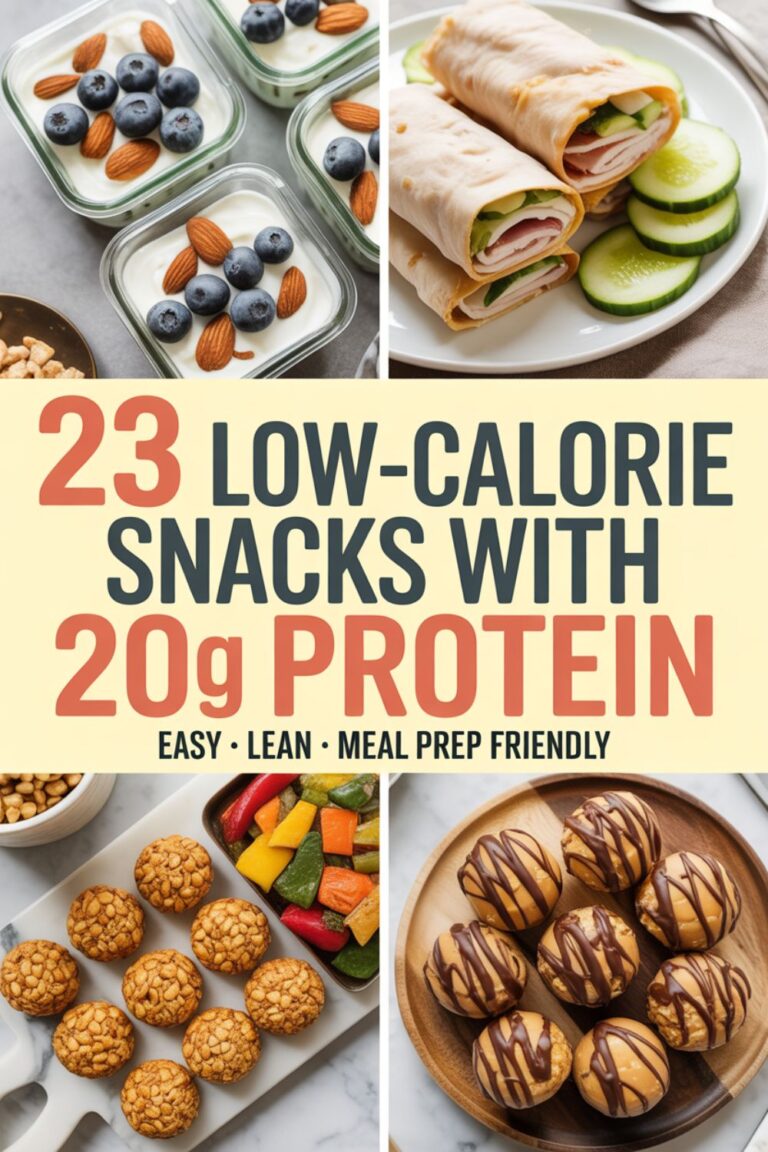
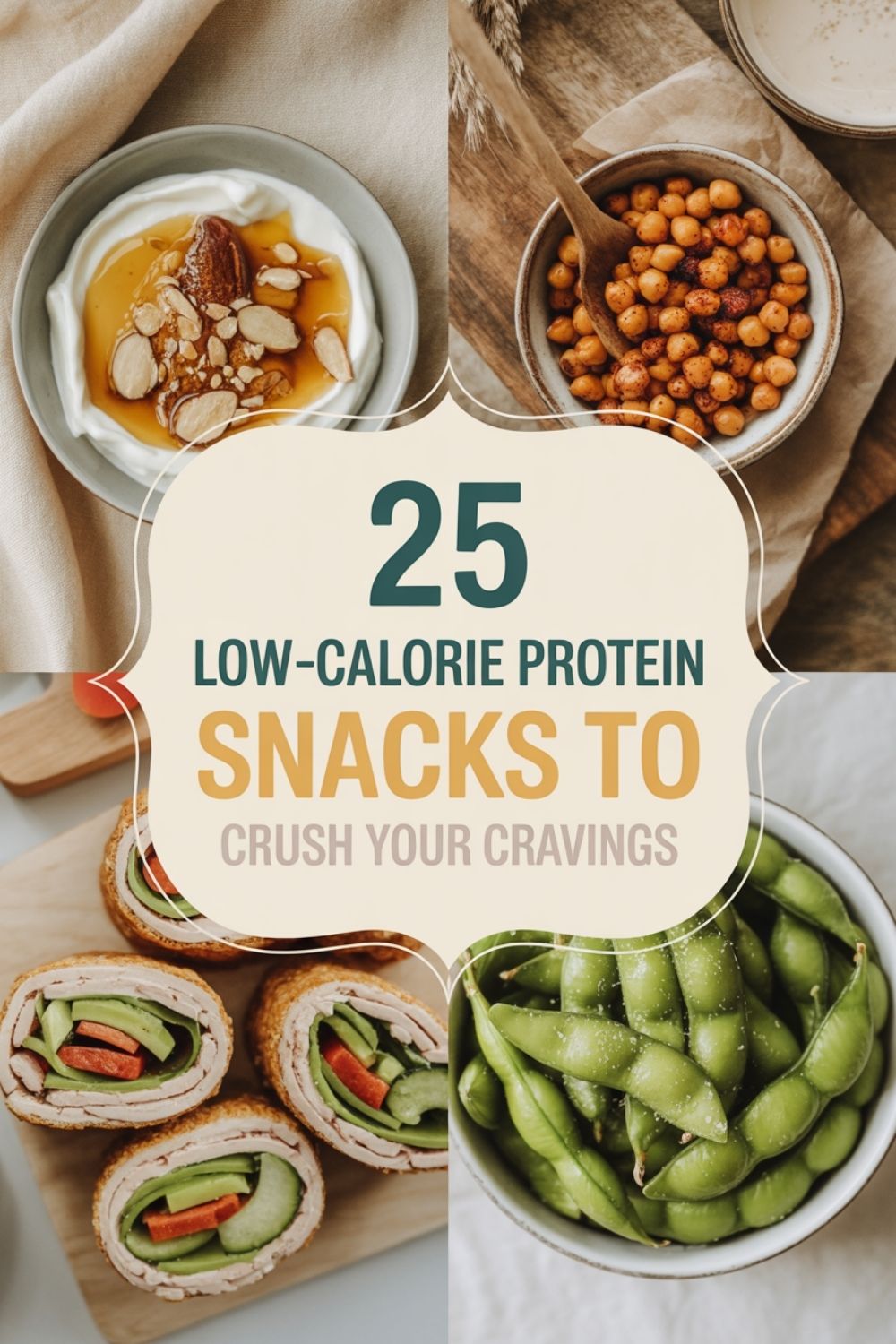
25 Low-Calorie Protein Snacks to Crush Your Cravings
Here’s the thing about protein snacks: they’re not just trendy Instagram fodder. Research from Harvard Health shows that protein helps slow digestion and stabilize blood sugar, keeping you fuller for longer and actually preventing you from face-planting into a bag of chips at your next meal. Your body can only process about 20 to 40 grams of protein at once, which means spacing out your protein intake throughout the day—including smart snacks—is actually the move.
But here’s where most people mess up: they think “low-calorie” automatically means “sad and unsatisfying.” Wrong. The best protein snacks pack serious flavor, keep your calorie count reasonable, and actually stop those cravings dead in their tracks. No willpower gymnastics required.
I’ve pulled together 25 protein-packed snacks that clock in under 200 calories but deliver on taste and satisfaction. Whether you’re meal prepping like a boss or need something you can grab on your way out the door, this list has you covered.
Why Protein Snacks Actually Work (Science Without the Boring Part)
Your body treats protein differently than it treats carbs or fats. When you eat protein, it triggers the release of hormones that tell your brain “hey, we’re good here” while simultaneously putting the brakes on ghrelin—that’s your hunger hormone doing its best impression of a toddler demanding snacks.
But it gets better. Protein has what nutrition nerds call a “thermic effect.” Basically, your body burns more calories just digesting protein compared to other macros. According to research published by Healthline, this can increase your daily calorie burn by 80-100 calories. Not enough to retire your gym membership, but hey, free calorie burn just for eating? I’ll take it.
Premium Grass-Fed Whey Protein Isolate
Look, I’ve tried probably 30 different protein powders, and most of them either taste like chalk mixed with disappointment or have ingredient lists that read like a chemistry experiment. This grass-fed whey isolate is actually worth the hype.
Why it’s perfect for low-calorie snacking:
- 25g protein per scoop with only 110 calories (insane protein-to-calorie ratio)
- Less than 1g sugar and 1g carbs—perfect for keeping calories tight
- Mixes smooth in just water (no blender required for most recipes)
- Cold-processed to preserve amino acids and keep it easy to digest
- Actually tastes good in protein pancakes, mug cakes, and smoothies
- Available in vanilla, chocolate, and unflavored (unflavored is clutch for savory recipes)
I use this in at least half the snacks on this list—protein smoothies, mug cakes, pancakes, even mixed into Greek yogurt for an extra protein boost. One container lasts about a month if you’re using it for 1-2 snacks daily.
The low-calorie part matters because you want to feel satisfied without accidentally eating a meal’s worth of calories. These snacks hit that sweet spot where you’re getting enough protein to actually do something (aim for at least 5-7 grams per snack) without turning your “snack” into dinner.
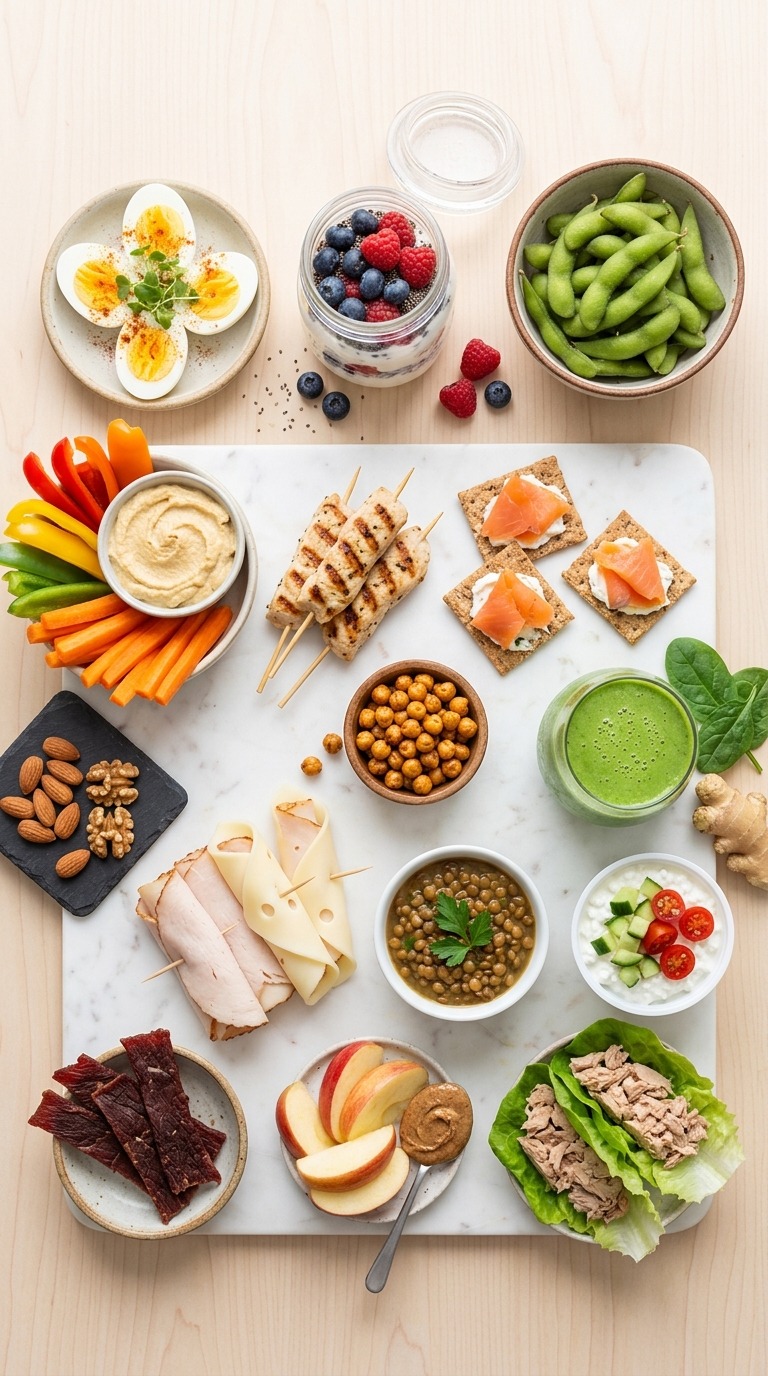
The 25 Low-Calorie Protein Snacks That Actually Deliver
1. Greek Yogurt Parfait (Under 150 Calories)
Let’s start with the obvious champion. Greek yogurt packs about 15-20 grams of protein per cup and clocks in around 100-120 calories for the plain, nonfat variety. Layer it with some fresh berries (fiber!) and maybe a sprinkle of cinnamon, and you’ve got yourself a snack that tastes like dessert but works like a protein shake.
Skip the flavored versions unless you enjoy eating spoonfuls of what’s basically candy mixed with dairy. Plain Greek yogurt with your own add-ins is the way to go. If you need more morning fuel, check out these high-protein breakfast bowls for busy mornings that build on the same concept.
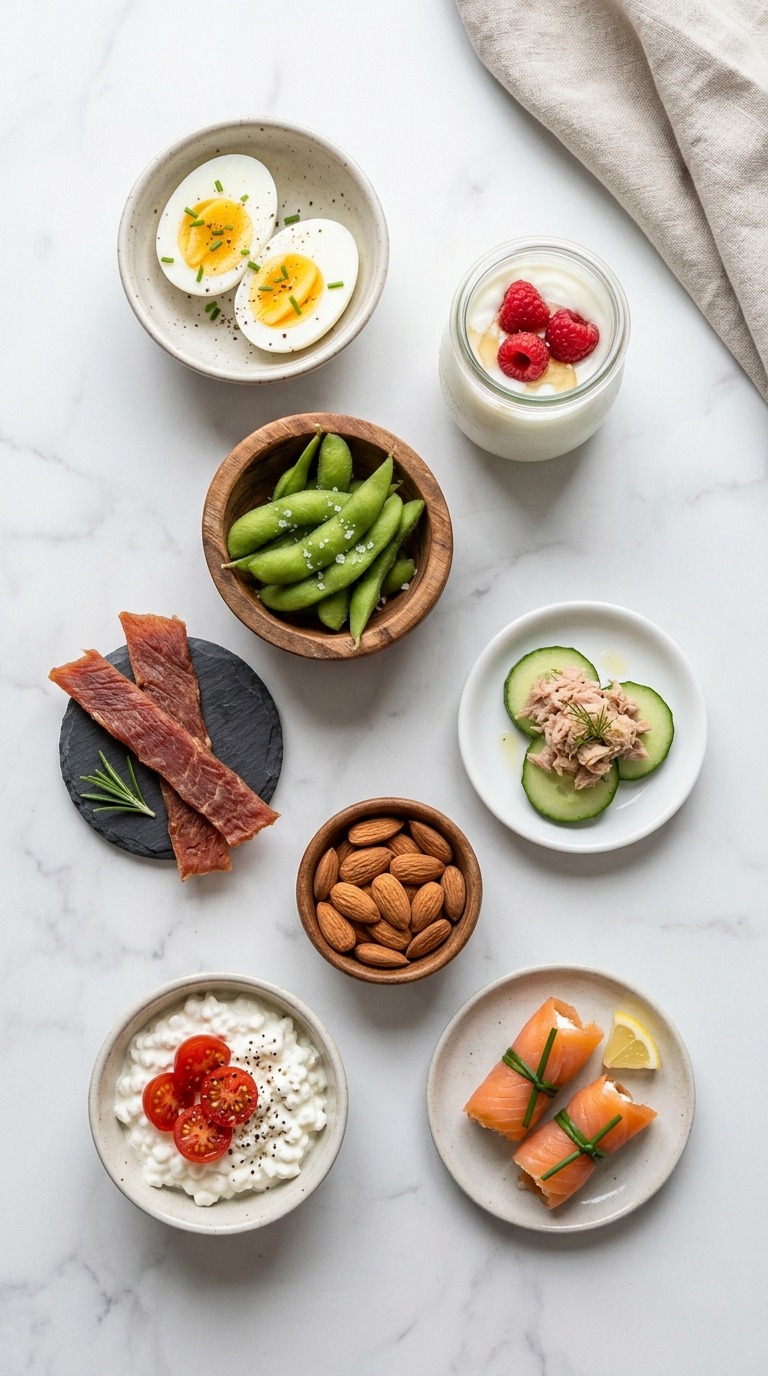
2. Hard-Boiled Eggs (Around 70 Calories Each)
One large egg gives you 6 grams of protein for about 70 calories. They’re portable, they last in your fridge for a week, and they’re basically the original grab-and-go protein snack. Plus, eggs contain all nine essential amino acids your body needs.
Pro move? Prep a dozen on Sunday night using a countertop egg cooker—no more standing over a pot wondering if you’ve timed it right. Peel them all at once, store in a container, and boom: instant protein for days.
3. Turkey Roll-Ups with Cheese (About 100 Calories)
Take a slice of deli turkey, add a slice of cheese (I like cheddar or Swiss), throw in some spinach or cucumber, and roll it up. Each roll-up delivers about 6-8 grams of protein depending on how generous you are with the turkey.
These things are genius because they’re essentially a sandwich without the bread—which means more room in your calorie budget for, well, more roll-ups. Keep the deli turkey and cheese in your fridge, and you can throw these together in literally 30 seconds.
4. Cottage Cheese with Everything (120-150 Calories)
Half a cup of cottage cheese packs 14 grams of protein. I know, I know—cottage cheese has a reputation problem. But hear me out: top it with literally anything you like, and it transforms. Cherry tomatoes and black pepper? Sliced peaches and a drizzle of honey? Cucumber and dill?
The texture thing that people complain about? Use small curd cottage cheese if regular creeps you out. Or blend it smooth and use it as a base—nobody will know.
5. Edamame (About 95 Calories per Half Cup)
These little green powerhouses deliver 9 grams of protein per half-cup serving. Buy them frozen, microwave for 2-3 minutes, sprinkle with sea salt, and you’re done. Or get fancy with some toasted sesame oil and red pepper flakes.
Edamame combines protein with fiber, which means double the staying power. Plus, there’s something oddly satisfying about popping them out of their pods. It’s like a snack with a built-in activity.
6. Tuna Packets (70-90 Calories)
Single-serve tuna packets are clutch for desk snacking. One packet gives you about 16 grams of protein for under 90 calories. The flavored varieties (like lemon pepper or sriracha) actually taste good straight from the packet.
Yeah, your coworkers might give you looks. But you’ll be full and satisfied while they’re digging through the vending machine for their third afternoon snack. Worth it. If you’re looking for more tuna-based meals, these high-protein recipes for dinner have some solid options.
7. Roasted Chickpeas (120-130 Calories per Quarter Cup)
Drain a can of chickpeas, toss with olive oil and your favorite spices, and roast at 400°F for about 30 minutes until crispy. Quarter cup gives you around 5 grams of protein plus a bunch of fiber.
These beat the hell out of chips when you’re craving something crunchy and salty. Make a big batch on Sunday using a sheet pan, and they’ll last all week in an airtight container. Assuming you don’t eat them all in one sitting, which, no judgment.
8. Protein Smoothie (150-200 Calories)
Blend frozen berries, a scoop of protein powder, some spinach (you won’t taste it), and water or unsweetened almond milk. Boom: 20+ grams of protein in a drinkable snack.
Invest in a decent blender if you’re going to make this a regular thing. Nothing worse than a smoothie with chunks because your blender gave up halfway through. For more protein-packed drinks, try these low-calorie high-protein smoothies to boost metabolism.
9. String Cheese (80 Calories per Stick)
One mozzarella string cheese stick: 80 calories, 6 grams of protein, and the satisfying ritual of peeling it into strips like you’re seven years old again. Keep a box in your fridge for emergency snack situations.
Pair it with some apple slices or a few whole-grain crackers if you want to make it more substantial. The cheese provides the protein, the fruit or crackers give you some carbs for energy—perfect combo.
10. Beef or Turkey Jerky (70-80 Calories per Ounce)
Good jerky gives you about 9-10 grams of protein per ounce. The key word is “good”—check your labels because some brands sneak in tons of sugar and weird additives. Look for options with short ingredient lists and watch the sodium.
Jerky is stupid convenient for travel or keeping in your gym bag. It doesn’t need refrigeration and it’s basically impossible to mess up. Just don’t buy the sketchy gas station stuff that tastes like tire rubber.
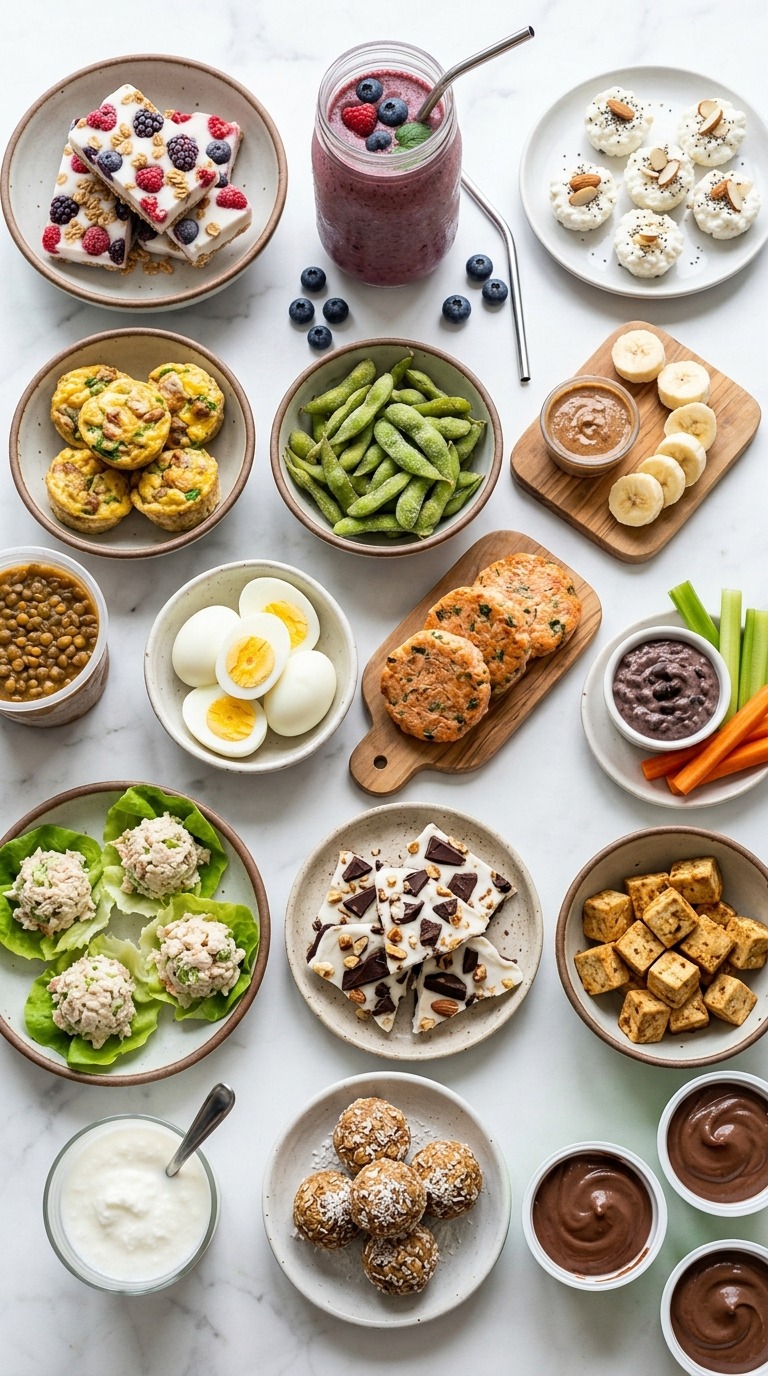
11. Protein Energy Balls (100-150 Calories Each)
Mix oats, nut butter, honey, protein powder, and maybe some dark chocolate chips. Roll into balls, refrigerate. Each one clocks in around 100-150 calories with 5-8 grams of protein depending on your recipe.
These are perfect for meal prep. Make 20 of them on Sunday using a cookie scoop for consistent sizing, and you’ve got grab-and-go snacks for two weeks. They taste like cookie dough but actually contribute to your nutrition goals. Wild concept.
Speaking of meal-prep-friendly options, you might dig these low-calorie high-protein recipes you can freeze and reheat for similar convenience.
12. Smoked Salmon on Cucumber Rounds (About 60 Calories)
Slice cucumbers into thick rounds, top each with a small piece of smoked salmon. One ounce of salmon gives you about 7 grams of protein, and the cucumbers add crunch and hydration for basically zero calories.
This snack looks fancy enough to serve at a party but is stupid easy to throw together. Pro tip: add a tiny dollop of Greek yogurt mixed with dill on top. Now you’re basically a chef.
13. Protein Pancakes (Under 200 Calories for Two Small Ones)
Mix one mashed banana, two eggs, and a scoop of protein powder. Cook like regular pancakes. Two small pancakes clock in around 150-180 calories with about 20 grams of protein.
Make a batch ahead of time and reheat them throughout the week. Use a non-stick griddle if you’re making multiple servings—way easier than flipping them one at a time in a regular pan.
14. Nut Butter with Apple Slices (150-180 Calories)
One medium apple with one tablespoon of almond butter gives you about 4 grams of protein (from the nut butter) plus fiber from the apple. Yeah, the protein isn’t super high on this one, but the fiber-protein combo keeps you satisfied way longer than just fruit alone.
Portion out your nut butter into small containers ahead of time. It’s real easy to accidentally eat four tablespoons straight from the jar while telling yourself it’s “just a snack.” Not that I’d know anything about that.
15. Air-Popped Popcorn with Protein Boost (120-150 Calories)
Three cups of air-popped popcorn is about 90 calories. Mix in some nutritional yeast (adds 3-4 grams protein and tastes cheesy) or sprinkle with some protein powder mixed with seasonings. Sounds weird, but it works.
Get an air popper instead of microwave bags—better control over what goes on your popcorn, plus you skip all the mystery chemicals in the “butter-flavored” packets.
16. Chia Pudding (Around 150 Calories)
Mix 2 tablespoons chia seeds with half a cup of unsweetened almond milk. Let it sit overnight. Add berries and a touch of honey. Each serving gives you about 5 grams of protein plus omega-3s and tons of fiber.
Make several servings at once in small mason jars—breakfast, snack, or dessert all in one container. The texture is polarizing (some people love it, others think it’s weird), but the nutrition speaks for itself.
17. Protein Mug Cake (150-180 Calories)
Mix protein powder, an egg, a bit of cocoa powder, and a splash of milk in a mug. Microwave for 60-90 seconds. Instant single-serve “cake” with 15-20 grams of protein.
This is clutch for late-night sweet cravings. Takes two minutes to make, satisfies that dessert urge, and actually contributes to your protein goals instead of derailing them. Perfect combo.
18. Cottage Cheese Protein Pancakes (180-200 Calories)
Blend half a cup cottage cheese with two eggs and a bit of flour or oats. Cook like regular pancakes. Two small ones clock in around 180 calories with about 20 grams of protein.
These are fluffier than you’d expect and way more filling than regular pancakes. Top with berries instead of syrup to keep the sugar in check. For more breakfast ideas that pack protein, check out these low-calorie high-protein breakfast bowls.
19. Protein Yogurt Bark (About 100 Calories per Piece)
Spread Greek yogurt on a parchment-lined baking sheet, top with berries and a drizzle of honey, freeze until solid, then break into pieces. Each piece is like a protein-packed frozen treat.
This one’s big on Instagram for a reason—it’s stupid easy, looks impressive, and actually tastes good. Make a batch, keep it in the freezer, and grab a piece whenever the craving hits.
20. Tuna Salad Cucumber Boats (About 120 Calories)
Mix tuna with a bit of Greek yogurt instead of mayo, add celery and seasonings, then scoop into halved cucumber “boats.” Each boat gives you about 12 grams of protein for around 120 calories.
These are perfect for meal prep. Make your tuna salad on Sunday, keep it in the fridge, and assemble the boats fresh when you want them. The cucumber adds crunch and keeps things light.
21. Protein Rice Cakes (Around 110 Calories)
Top a brown rice cake with two tablespoons of cottage cheese and some everything bagel seasoning. Gives you about 7 grams of protein for roughly 110 calories.
Rice cakes get a bad rap as diet food, but honestly? Top them right, and they’re a solid vehicle for getting protein in. Plus they’re crunchy, which somehow makes snacking more satisfying.
22. Protein “Nice Cream” (130-150 Calories)
Blend frozen bananas with a scoop of protein powder and a splash of almond milk until smooth and creamy. Tastes like soft-serve ice cream but with 15-20 grams of protein.
This is one of those snacks that feels like cheating but totally isn’t. Use a high-powered blender for the smoothest texture—regular blenders sometimes struggle with frozen bananas.
23. Mini Frittata Muffins (70-90 Calories Each)
Beat eggs with veggies and cheese, pour into muffin tins, bake. Two muffins give you about 12 grams of protein for around 140-180 calories depending on what you add.
These are insanely versatile—use whatever vegetables you have lying around. Make a batch in a silicone muffin pan (easier cleanup), and they’ll last in your fridge all week. Reheat in 30 seconds flat.
24. Protein Oatmeal Bites (100-120 Calories Each)
Mix oats, protein powder, mashed banana, and peanut butter. Form into balls or press into a pan and cut into squares. Each bite gives you 5-7 grams of protein.
These taste like dessert but work as a pre-workout snack, post-workout recovery, or just regular afternoon munchies. Keep them in the fridge or freezer for grab-and-go convenience.
25. Turkey and Hummus Wrap (Around 180 Calories)
Spread hummus on a low-carb tortilla, add turkey slices, spinach, and tomato. Roll it up. You’re looking at about 15 grams of protein for under 200 calories.
This one edges toward mini-meal territory, but it’s perfect when you need something more substantial than just a few bites. Meal prep these by assembling everything except the tortilla, then wrap fresh when you’re ready to eat. For more wrap ideas, these low-calorie high-protein wraps for quick lunches have tons of variations.
Making These Snacks Work in Real Life
Here’s the truth: having a list of great snacks doesn’t mean squat if you don’t actually keep the ingredients around. Sunday meal prep is your friend here—not the Instagram-perfect kind with 47 matching containers, just the practical kind where you spend an hour setting yourself up for success.
Boil a dozen eggs. Portion out some Greek yogurt into smaller containers. Roast those chickpeas. Mix up some protein balls. Suddenly, your fridge is stocked with actual options instead of that sad piece of cheese you’re not sure is still good.
Keep some shelf-stable backups too: protein powder, nut butter packets, jerky, and tuna pouches. Those cover you when you forget to prep or just need something fast.
And look, if you’re trying to balance all this with actual meals, these high-protein low-calorie meal ideas for weight loss beginners integrate perfectly with your snacking strategy. Think of snacks as the bridge between meals, not replacements for them.
📊 High-Protein Meal Prep Planner & Macro Tracker
Listen, tracking your protein intake doesn’t have to feel like doing calculus homework. I’ve been using this high-protein meal planning system that’s specifically designed for people trying to hit protein goals while keeping calories in check.
What makes it actually useful:
- Pre-calculated macros for 100+ high-protein, low-calorie meals
- Weekly meal prep templates that include snack timing
- Automatic grocery lists organized by store section (because wandering around looking for chickpeas is nobody’s idea of fun)
- Protein distribution calculator to spread intake throughout the day
- Printable snack prep checklists and portion guides
The best part? It syncs with your phone, so you can check your protein targets while you’re actually at the grocery store instead of guessing and hoping for the best. Way better than the 47 random sticky notes I used to have scattered around my kitchen.
For anyone juggling a busy schedule (so, everyone), these low-calorie high-protein instant pot recipes and slow cooker meals take care of dinner while you focus on nailing your snack game.
Common Mistakes People Make with Protein Snacks
First mistake: thinking “protein” on the label automatically makes something healthy. Those protein cookies and bars? Check the ingredients. If sugar is in the top three, you’re basically eating candy with extra steps.
Second: not paying attention to portion sizes. Nuts are fantastic—they’re also calorie-dense as hell. That “handful” you grabbed might be 300 calories. Use measuring spoons or portion control containers until you calibrate your eyeballs.
Digital Food Scale with Macro Calculator
This thing changed my entire approach to snacking. I thought I was good at eyeballing portions. Spoiler: I was terrible. This smart food scale doesn’t just weigh your food—it actually calculates macros for you.
Features that actually matter:
- Built-in macro calculator for 2,000+ common foods (weigh your Greek yogurt, it tells you exact protein/calories)
- Tare function so you can weigh directly in bowls or containers
- Measures in grams, oz, ml, and fl oz—covers everything you need
- Connects to app for food tracking (syncs with most major fitness apps)
- Ultra-accurate to 1 gram—no more guessing if that’s “about a tablespoon”
- Rechargeable battery that lasts 3+ months
Here’s the real value: once you weigh your portions for a few weeks, you actually learn what proper serving sizes look like. Then you can eyeball it when you’re not at home. But for meal prep and getting your snacks dialed in? This is essential. I especially love it for portioning out nut butter—turns out my “tablespoon” was more like 2.5 tablespoons. Mystery calories solved.
Third: skipping the prep work, then being surprised when you’re starving at 4 PM with no good options. Meal prep isn’t optional if you actually want to stick to your nutrition goals. It’s just part of the deal.
Fourth: getting bored. Rotating through the same three snacks every day is a fast track to quitting. Mix it up. Try new combos. Keep things interesting. Your adherence to any plan depends way more on whether you actually enjoy it than on whether it’s “optimal.”
The Bigger Picture: Snacks in Your Overall Nutrition Strategy
Snacks aren’t supposed to be the star of your nutrition show—they’re supporting characters. Your main meals should still be handling most of your protein needs. We’re talking 20-30 grams per meal if you can swing it.
📖 The Complete High-Protein Low-Calorie Recipe eBook Collection
Okay, so you’ve got the snack game down. But what about actual meals that complement this strategy? This digital recipe collection is specifically built for people who want high protein and low calories without eating the same boring chicken and broccoli every night.
What you’re getting:
- 150+ recipes all under 400 calories with 25+ grams protein per serving
- Separate sections for breakfast, lunch, dinner, and yes—more snack ideas
- Meal prep guides with batch cooking instructions (make 5 meals in 90 minutes)
- Shopping lists organized by recipe or by week
- Protein-to-calorie ratio charts for every recipe (so you know you’re getting the most bang for your buck)
- Substitution guides for common allergens and dietary preferences
- Bonus: 30-day meal plan already laid out for you
The recipes aren’t fussy or full of weird ingredients you’ll use once and never touch again. We’re talking real food with reasonable ingredient lists that you can find at a regular grocery store. Plus it’s digital, so you can pull it up on your phone while you’re cooking instead of dealing with a grease-stained paper cookbook.
But strategic snacking fills the gaps. It keeps your energy steady, prevents that “so hungry you’d eat your own arm” feeling that leads to poor decisions, and helps you hit your daily protein targets without forcing yourself to choke down another chicken breast.
According to recent research covered by National Geographic, most Americans are getting the minimum amount of protein they need, but maybe not enough to actually thrive. That’s where smart snacking comes in—filling the gap between “not deficient” and “actually optimized.”
If you’re looking to build out your full meal rotation, start with these low-calorie high-protein meals perfect for meal prep. They’re designed to work together as a system, not just random recipes you cobble together.
📱 Protein Pro: The Macro Tracking App That Doesn’t Suck
Real talk: most calorie tracking apps are either way too complicated or dumb themselves down so much they’re useless. This high-protein focused tracking app actually gets it right for people prioritizing protein while watching calories.
Why it’s different:
- Protein-first macro tracking (highlights protein in every meal automatically)
- Massive database of common high-protein snacks with accurate macros
- Smart meal suggestions when you’re low on protein for the day
- Barcode scanner for quick logging (scan your Greek yogurt, done in 2 seconds)
- Custom snack reminders based on your eating patterns
- Weekly protein distribution graphs that show if you’re front-loading or spacing it out
I especially love the “protein gap alert” feature—it tells you at 3 PM if you’re behind on your daily protein target and suggests quick snacks to close the gap. No more getting to 9 PM and realizing you’ve only had 40 grams all day.
And for those days when you need serious efficiency, these high-protein low-calorie recipes with 5 ingredients or less prove that simple doesn’t mean boring or unsatisfying.
Frequently Asked Questions
How much protein should I aim for in a snack?
Shoot for at least 5-10 grams of protein per snack to actually make a difference in satiety. Anything less, and you’re basically just eating regular food that happens to have some protein in it. The sweet spot is 10-15 grams—enough to keep you full until your next meal without turning your snack into a mini-meal that blows your calorie budget.
Can I eat protein snacks before bed?
Yeah, absolutely. In fact, some research suggests that having protein before bed might support muscle recovery overnight. Greek yogurt or cottage cheese are solid choices since they’re high in casein protein, which digests slowly. Just keep it light—we’re talking 100-150 calories, not a full meal.
Are protein bars worth it or just overpriced candy?
Honestly? Most are glorified candy bars with protein powder mixed in. Check the sugar content and ingredient list before you buy. If sugar or corn syrup is in the top three ingredients, put it back. Look for bars with at least 10 grams of protein, under 10 grams of sugar, and ingredients you can actually pronounce. They’re convenient for travel, but homemade protein balls are usually cheaper and often tastier.
How do I prevent protein snacks from getting boring?
Rotate your options and switch up flavors and toppings regularly. Don’t just eat plain Greek yogurt every day—try it with different berries, nuts, or spices. Same goes for eggs: one day do everything bagel seasoning, next day try hot sauce, then maybe some salsa. Keep 8-10 different snack options prepped or available so you’re not stuck in a rut. Variety isn’t just the spice of life; it’s the key to actually sticking with any nutrition plan.
What if I’m lactose intolerant? Are there good dairy-free protein snacks?
Tons of options. Edamame, roasted chickpeas, jerky, tuna, and nut butters all pack protein without dairy. You can also find lactose-free Greek yogurt or try coconut-based yogurt alternatives that are fortified with protein. Protein smoothies made with plant-based protein powder and nut milk work great too. Being lactose intolerant definitely doesn’t mean you’re stuck with limited options.
Final Thoughts
Look, at the end of the day, the best protein snack is the one you’ll actually eat. You can have the most nutritionally optimized snack in the world, but if it tastes like sawdust mixed with sadness, you’re not going to stick with it.
These 25 snacks hit that crucial intersection of tasty, satisfying, and actually good for your goals. They’re not magic bullets—no food is—but they’re solid tools in your nutrition toolkit. Some you’ll love, some you’ll hate, and some you’ll be indifferent about. That’s fine. Find your top five favorites and rotate through those.
The real game-changer isn’t finding the perfect snack. It’s building systems that make healthy choices the easiest choices. Prep some stuff on Sunday. Keep your pantry stocked with shelf-stable options. Have a plan for when hunger hits instead of wandering into the kitchen hoping inspiration strikes.
And remember: you’re not trying to be perfect here. You’re trying to be consistent. Eating a protein snack most days of the week beats eating the “perfect” snack zero days of the week. Progress over perfection, every single time.
Now go prep some eggs or something. Your future hungry self will thank you.
30-Day High-Protein
Low-Calorie Meal Plan
Every breakfast, lunch, dinner & snack — all 30 days fully mapped out. Just follow the plan.
- ✓50+ complete recipes with ingredients & step-by-step instructions
- ✓4-week day-by-day plans — every meal for all 30 days
- ✓4 weekly shopping lists organised by store section
- ✓Printable habit & progress tracker — 30 full days
- ✓100g+ protein per day — scientifically optimised macros
Instant PDF · Print at home
Results guaranteed with consistency