20 Easy Low-Calorie High-Protein Soups for Weight Loss
Look, I’m not here to sell you on some miracle weight loss secret. But if you’ve been hitting the gym, watching your macros, and still feeling like something’s missing from your meal rotation, you might want to pay attention to what I’m about to say about soup.
Yeah, soup. I know what you’re thinking—soup is what your grandma made when you had a cold, right? But here’s the thing: when you pack a bowl with protein and keep the calories in check, soup becomes this ridiculously effective tool for weight loss. I’m talking about meals that actually fill you up, taste amazing, and won’t derail your progress. No bland chicken broth nonsense here.
I stumbled into this approach after getting tired of the same grilled chicken and broccoli routine. Needed something that felt like real food, you know? Something I could actually look forward to eating. These high-protein soups changed the game for me, and I think they’ll do the same for you.
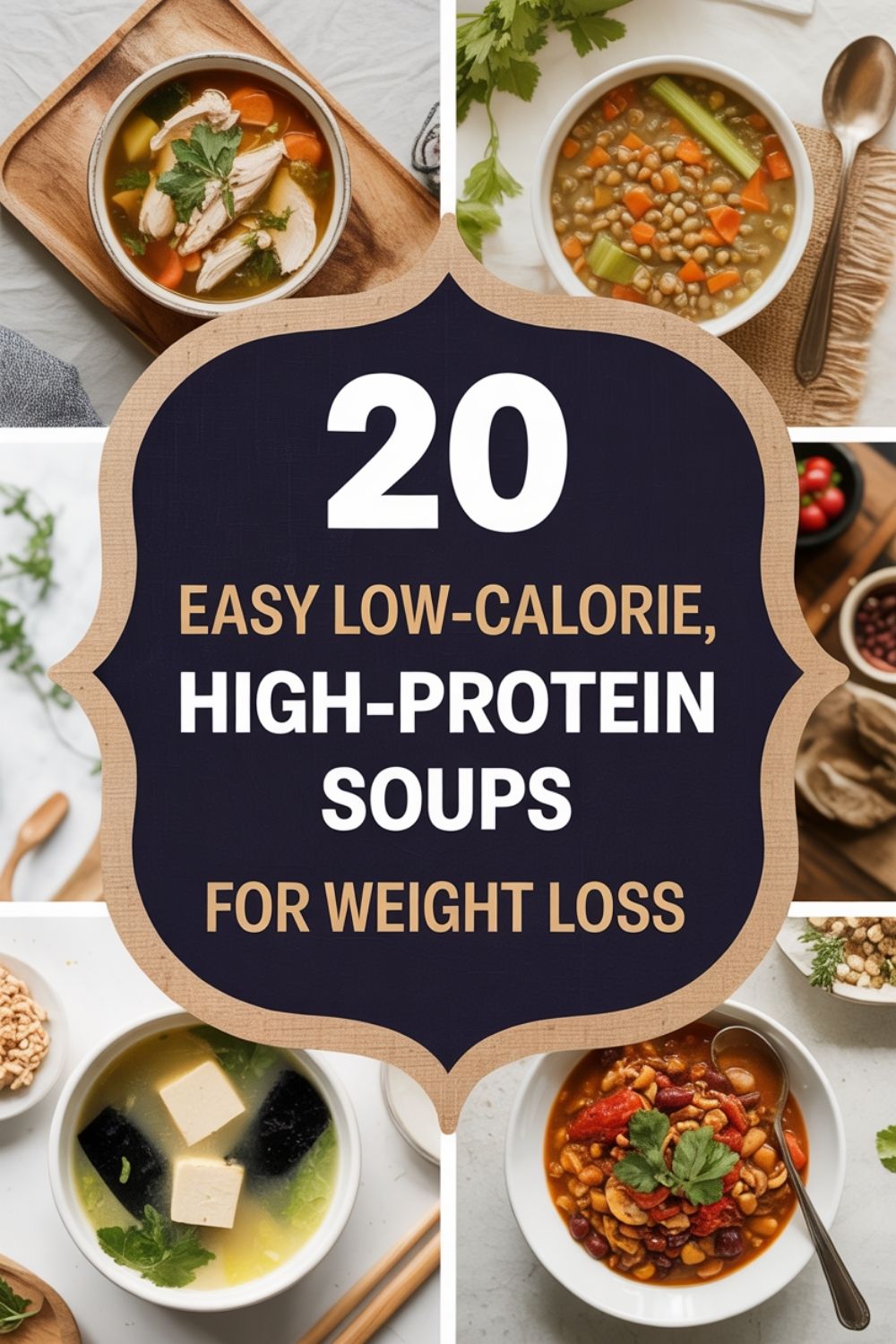
Why High-Protein Soups Actually Work for Weight Loss
Before we get into recipes, let’s talk about why this approach makes sense. Research shows that people who eat soup regularly tend to have lower body weights and consume fewer calories overall compared to those who skip soup entirely. But not all soups are created equal.
Studies on protein consumption have found that protein increases satiety more effectively than carbohydrates or fats. Translation? You feel fuller for longer. Protein also boosts your metabolism through something called the thermic effect—your body actually burns more calories digesting protein than it does processing other macronutrients.
When you combine high protein content with the natural volume and water content of soup, you get a meal that checks all the boxes: low in calories, high in satisfaction, and packed with nutrients. IMO, that’s the sweet spot for sustainable weight loss.
Grass-Fed Whey Protein Isolate (Unflavored)
Here’s a trick I learned from a nutritionist friend: boost any soup’s protein content by stirring in unflavored protein powder right before serving. This grass-fed whey isolate is what I use because it dissolves completely and doesn’t change the flavor.
How I use it:
- Add 1 scoop to vegetable-based soups that need more protein
- Mix into creamy soups after blending for seamless texture
- Stir into individual bowls if meal-prepping for people with different needs
One container lasts me about 6 weeks, and it’s saved soups that would otherwise be too low in protein. Worth every penny if you’re serious about hitting your macros.
The Protein-to-Calorie Ratio That Matters
Here’s something most people don’t talk about: not every “high-protein” soup is actually worth your time. I aim for at least 20 grams of protein per serving while keeping calories under 300 per bowl. That ratio keeps you in the zone where you’re actually building or maintaining muscle while losing fat.
Think about it this way—if your soup has 10 grams of protein and 250 calories, you’re basically drinking vegetable water. Nothing wrong with that if you like being hungry an hour later, but that’s not what we’re going for here.
The best protein sources for soup? Lean chicken breast, ground turkey, white fish, shrimp, tofu, lentils, and white beans. These give you maximum protein without loading up on fat and calories. I rotate through different proteins throughout the week to keep things interesting—Monday might be chicken, Wednesday could be lentils, Friday maybe some shrimp. Keeps your taste buds from getting bored.
Speaking of keeping things interesting, if you’re looking for more ways to hit your protein goals throughout the day, check out these low-calorie high-protein smoothies that work great as quick breakfast options or post-workout fuel.
20 High-Protein Soup Ideas That’ll Keep You Full
1. Classic Chicken and White Bean Soup
This one’s my go-to when I need something that tastes like comfort food but won’t wreck my macros. Shredded chicken breast, cannellini beans, carrots, celery, and a good chicken stock. Each bowl delivers about 28 grams of protein and sits around 240 calories.
The secret? Don’t overcook your chicken. I poach mine separately and shred it, then add it to the soup at the end. Keeps it tender instead of turning into rubber. Get Full Recipe
2. Spicy Turkey and Black Bean Chili
Calling this a soup feels wrong—it’s more like a protein-packed hug in a bowl. Ground turkey, black beans, fire-roasted tomatoes, jalapeños, and a hit of cumin. About 32 grams of protein per serving and only 285 calories if you skip the sour cream on top.
Pro move: I brown my turkey in a cast iron Dutch oven first to get that caramelized flavor. Makes all the difference. The fond on the bottom? That’s flavor gold—deglaze it with your chicken stock and thank me later.
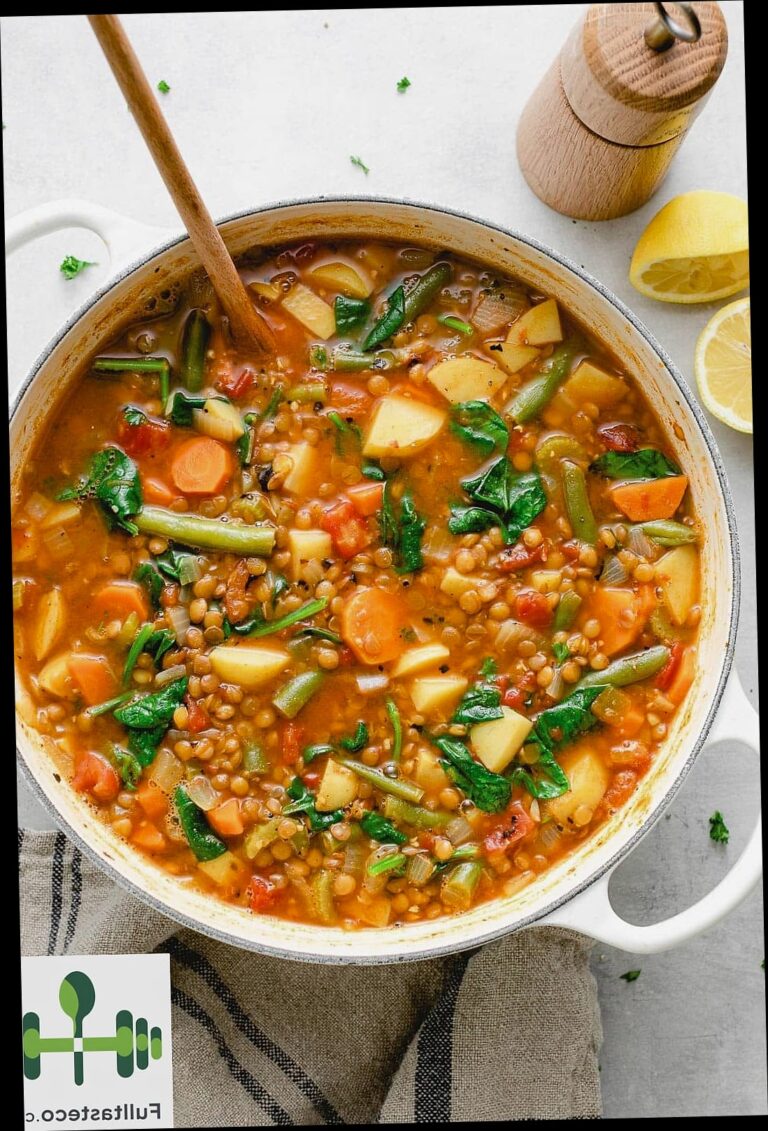
3. Mediterranean Lentil Soup with Spinach
If you’re plant-based or just trying to cut back on meat, this one’s clutch. Red lentils cook down into this creamy texture without any actual cream. Throw in some spinach, diced tomatoes, garlic, and a squeeze of lemon at the end. You’re looking at 18 grams of protein and about 220 calories per bowl.
Lentils are sneaky good for weight loss—they’re packed with fiber that slows digestion and keeps blood sugar stable. That means no energy crashes an hour after eating.
4. Thai-Inspired Shrimp and Coconut Soup
This is what I make when I’m bored of everything else. Light coconut milk, shrimp, mushrooms, lime, and a little fish sauce for that umami punch. The coconut milk does add calories, so I use the light version and get about 270 calories with 24 grams of protein per serving.
Word of advice: Don’t boil your shrimp. Add them in the last 3-4 minutes of cooking. They’ll be perfectly tender, not chewy hockey pucks. Get Full Recipe
For those days when you want to switch it up from soup, these high-protein salad recipes make incredible quick lunches that deliver similar satiety with completely different textures and flavors.
5. Tuscan White Bean and Kale Soup
This one tastes way fancier than the effort required. White beans, kale (or any hearty green), Italian sausage (the lean kind), garlic, and a parmesan rind simmered into the broth. About 26 grams of protein, 260 calories.
Save your parmesan rinds in the freezer—they add this incredible depth to soups without many calories. Just fish them out before serving. I use a mesh strainer spoon that makes this way easier than hunting around with regular tongs.
6. Vietnamese Pho with Lean Beef
Authentic pho takes hours, but you can make a solid weeknight version in about 30 minutes. Thinly sliced sirloin, rice noodles (use these sparingly), bean sprouts, fresh herbs, and a broth flavored with star anise and ginger. Around 22 grams of protein, 245 calories if you control the noodle portion.
The key is using really good beef stock as your base. I buy high-quality bone broth in cartons because honestly, who has time to simmer bones for 12 hours?
7. Greek Lemon Chicken Soup (Avgolemono Style)
This soup is proof that healthy food doesn’t have to taste like punishment. Shredded chicken, brown rice (small amount), egg-lemon mixture that creates this silky texture, dill, and lemon zest. About 25 grams of protein, 230 calories.
The egg-lemon thing might sound weird, but it’s what makes this soup special. Temper your eggs slowly with hot broth or you’ll end up with egg drop soup. Patience pays off here. Get Full Recipe
8. Smoky Turkey and Vegetable Soup
Ground turkey gets boring fast if you don’t season it right. This version uses smoked paprika, cumin, diced tomatoes, zucchini, bell peppers, and just enough turkey to hit 30 grams of protein per serving. Sits at about 255 calories.
I cook this in my programmable slow cooker when I know I’ll be out all day. Come home to a house that smells incredible and dinner that’s ready to eat. Can’t beat that convenience.
If slow cooking is your thing, you need to see these high-protein slow cooker meals that basically cook themselves while you’re doing literally anything else with your day.
9. Miso Soup with Tofu and Edamame
This is my emergency meal when I need something fast. White miso paste, silken tofu, shelled edamame, green onions, and seaweed. About 16 grams of protein, 180 calories. Not the highest protein on this list, but it comes together in literally 10 minutes.
FYI, don’t boil miso paste—it kills the beneficial probiotics. Add it at the end after turning off the heat. Just whisk a spoonful into some warm broth, then stir it back into the pot.
10. Cajun Chicken and Okra Soup
If you’ve never tried okra in soup, you’re missing out on this naturally thickening vegetable that adds body without cream or flour. Chicken thighs (yes, the dark meat works here), okra, tomatoes, bell peppers, celery, and enough cayenne to make it interesting. About 27 grams of protein, 265 calories.
Some people hate okra because it gets slimy. The trick? Don’t overcook it. Add it in the last 15 minutes and it stays pleasantly tender without turning into snot. Also, cutting it into larger pieces helps. Get Full Recipe
11. Moroccan Chickpea and Vegetable Soup
This one’s loaded with warm spices—cumin, coriander, cinnamon, turmeric. Chickpeas, sweet potato, tomatoes, spinach, and vegetable broth. About 14 grams of protein (boost it by adding shredded chicken), 210 calories.
The cinnamon might sound weird in a savory soup, but it adds this subtle warmth that makes the whole thing work. Broth-based soups like this with vegetables and legumes are particularly effective for weight management because they’re high in fiber and water content.
12. Italian Wedding Soup (Lightened Up)
Traditional wedding soup is great, but those meatballs can pack serious calories. My version uses turkey meatballs (still delicious), orzo (minimal amount), escarole, and a light chicken broth. You get about 24 grams of protein for 240 calories.
Make the meatballs tiny—like marble-sized. They cook faster and you get more of them per serving, which tricks your brain into thinking you’re eating more. Psychology for the win.
For more ideas on hitting your protein targets throughout the day, these high-protein breakfast bowls are absolute game-changers for starting your day strong.
13. Brazilian Black Bean Soup
Black beans are underrated in the protein department. This soup combines them with lean pork shoulder (just a little for flavor), onions, garlic, orange juice, and cumin. Blend half of it for creaminess without any cream. Around 22 grams of protein, 255 calories.
The orange juice might seem random, but it brightens everything up and balances the earthiness of the beans. Trust the process. I use my immersion blender right in the pot—way easier than transferring hot soup to a regular blender. Get Full Recipe
14. Korean Beef and Tofu Soup (Sundubu Jjigae Style)
Spicy, savory, and seriously satisfying. Lean ground beef, soft tofu, kimchi, gochugaru (Korean chili flakes), and an egg cracked on top. About 28 grams of protein, 270 calories including the egg.
The kimchi does double duty—adds flavor and gives you probiotics. I buy the good stuff in jars from the refrigerated section, not the shelf-stable kind that tastes like vinegar and regret.
15. Mexican Chicken Tortilla Soup (Skip the Tortillas)
All the flavor of tortilla soup without the fried strips that add a bunch of empty calories. Shredded chicken, black beans, corn, tomatoes, jalapeños, lime, and cilantro. Top with a few baked tortilla strips if you must, but honestly, it doesn’t need them. About 26 grams of protein, 235 calories.
I make mine in my 6-quart Instant Pot because I can go from frozen chicken to finished soup in under an hour. Game changer for busy weeknights. Get Full Recipe
If you’re serious about meal prep efficiency, these high-protein bowls you can prep in under 20 minutes offer similar nutrition with even less cooking time.
16. French Onion Soup (Without the Cheese Avalanche)
Traditional French onion soup is basically a cheese delivery system. This version focuses on the deeply caramelized onions and rich beef broth, with just a small amount of gruyere on top. Add some shredded beef for protein. About 20 grams of protein, 245 calories.
Caramelizing onions properly takes time—at least 30-40 minutes. You can’t rush it. Low heat, patience, and a good stainless steel skillet that won’t stick. The payoff is worth every minute.
17. Creamy Cauliflower and Chicken Soup
Want something that feels indulgent without wrecking your diet? Blend cooked cauliflower into your broth for creaminess without any cream. Add chicken breast, herbs, and maybe some white beans. You’re at about 25 grams of protein, 220 calories.
The cauliflower trick works in so many soups. It creates this velvety texture that makes your brain think you’re eating something way more decadent than you actually are. Smart substitution right there.
18. Spanish Seafood Soup (Zarzuela Style)
This is my special occasion soup when I want to impress someone or just treat myself. White fish, shrimp, mussels, saffron, tomatoes, and white wine. Super fancy-tasting, about 30 grams of protein, 265 calories.
Use whatever seafood is fresh and sustainable. The beauty of this soup is its flexibility. Just don’t overcook the seafood—add different proteins at different times based on how long they take to cook. Get Full Recipe
19. Turkish Red Lentil Soup with Mint
Red lentils, onions, tomato paste, cumin, paprika, and a finish of fresh mint and lemon. This soup is ridiculously easy and comes out creamy without any dairy. About 16 grams of protein (boost with chicken), 205 calories.
The mint at the end is essential—don’t skip it. It takes this from “pretty good” to “I could eat this every week.” Fresh mint is worth seeking out over dried for this one.
20. Asian Chicken Noodle Soup with Shiitake
Forget the Campbell’s version. This uses chicken breast, shiitake mushrooms (dried ones add serious umami), ginger, garlic, bok choy, and just enough rice noodles to make it satisfying. Around 24 grams of protein, 250 calories.
I keep dried shiitake mushrooms in my pantry at all times. Rehydrate them in hot water, use the soaking liquid in your broth for extra flavor, and slice the mushrooms into your soup. They’re like little flavor bombs.
Need even more high-protein meal ideas? Check out these high-protein dinner recipes that round out your weekly rotation beyond just soup.
Making Your Soups Even More Effective
Here’s what I’ve learned after making these soups for the better part of two years: consistency matters more than perfection. You don’t need to nail every recipe or measure every ingredient with scientific precision.
What you do need is a system. I batch-cook at least two different soups every Sunday. Store them in portions. Grab one for lunch, have one for dinner a couple times a week. The variety keeps me from getting bored, and the convenience keeps me from ordering takeout when I’m tired.
Research indicates that maintaining adequate protein intake while reducing calories helps preserve muscle mass during weight loss. That’s crucial because muscle mass determines your metabolic rate—more muscle means you burn more calories even at rest.
I also learned to season aggressively. Low-calorie doesn’t mean low-flavor. Fresh herbs, citrus juice, vinegar, hot sauce, and spices are all essentially zero-calorie flavor enhancers. Don’t be shy with them.
Collagen Peptides for Joint Health & Recovery
If you’re working out regularly while losing weight, your joints take a beating. I started adding collagen peptides to my soups about six months ago, and honestly, the difference in my knee pain has been remarkable.
Best soups for collagen:
- Bone broth-based soups (it enhances what’s already there)
- Asian-style broths where the slight change in body feels natural
- Any soup you’re eating post-workout for recovery
I keep this next to my stove and add a scoop to at least one soup serving per day. My physical therapist actually commented on how much better my joint mobility has gotten. Plus the extra protein doesn’t hurt when you’re trying to preserve muscle.
The Vegetables That Pull Their Weight
Not all vegetables are created equal when it comes to soup. Some add bulk and nutrients without many calories. Others, while healthy, can add up quickly if you’re not careful.
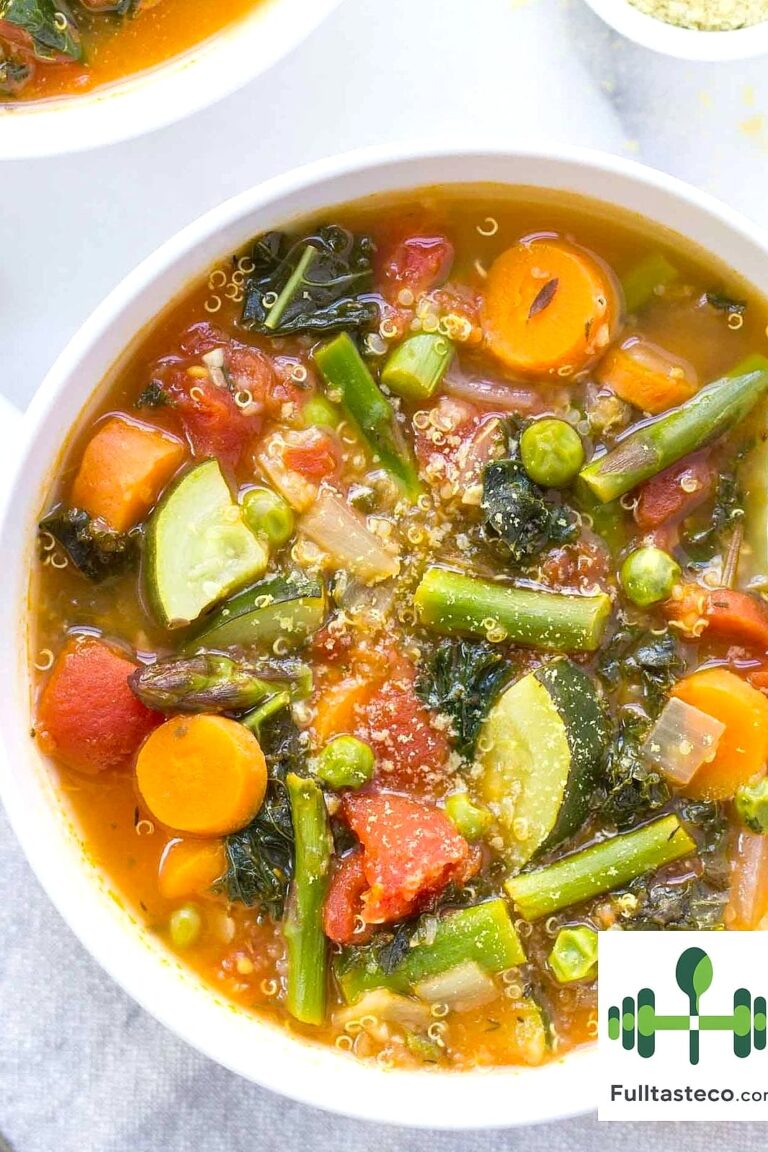
Go heavy on: Leafy greens (spinach, kale, chard), zucchini, mushrooms, bell peppers, cabbage, celery, tomatoes, cauliflower, and broccoli. These have high water content and fiber but minimal calories.
Use moderately: Carrots, sweet potatoes, winter squash, and peas. They’re nutritious but contain more natural sugars and starches. Not a problem in reasonable amounts, but don’t make them the star of your soup if you’re watching calories closely.
Avoid or minimize: Potatoes, corn, and starchy beans in excess. They’re not bad foods, but they can quickly turn a low-calorie soup into a moderate-calorie one. Save them for meals where you need more carbs, like post-workout.
I keep frozen vegetable medleys on hand for those nights when I can’t be bothered to chop fresh stuff. Yeah, fresh is slightly better, but frozen still beats not making soup at all.
High-Protein Meal Tracker & Macro Calculator
Honestly, tracking my protein intake was a game-changer for my results. This digital meal tracker specifically designed for high-protein weight loss takes the guesswork out of hitting your daily targets.
What makes it worth it:
- Pre-loaded with protein content for 500+ foods
- Automatic macro calculations based on your weight loss goals
- Weekly meal planning templates designed around 20-30g protein per meal
- Progress tracking charts that actually motivate you
I used a simple notebook for months before switching to this, and the difference was night and day. Seeing exactly where I stood each day kept me accountable without becoming obsessive about it.
Looking for other ways to incorporate vegetables into high-protein meals? These sheet pan dinners require even less hands-on time than soup and deliver similar nutritional benefits.
Storage and Meal Prep Tips That Actually Work
I’ve tested every storage method you can imagine, and here’s what actually works: glass containers with proper lids. Plastic is fine for short-term, but it absorbs odors and stains. Glass doesn’t care.
Most soups keep for 4-5 days in the fridge. Some, like bean-based soups, actually taste better after a day or two as the flavors meld. Seafood soups? Eat those within 2-3 days max.
For freezing, leave at least an inch of headspace in your containers—liquid expands when frozen. I learned this the hard way with a cracked container and soup all over my freezer. Not fun. Cool your soup completely before freezing, preferably in the fridge first, then transfer to the freezer.
When reheating, add a splash of broth or water if it’s thickened up in storage. Soups with rice or pasta absorb liquid over time. A little extra moisture brings them back to life.
I use my immersion circulator for gentle reheating in sealed bags when I have time—keeps everything perfectly textured. But honestly, microwave works fine too. Don’t overthink it.
Thermogenic Fat Burner with Appetite Control
Look, no supplement is magic. But when I’m cutting and dealing with constant hunger between meals, this thermogenic fat burner takes the edge off without making me jittery like coffee does.
What makes this one different:
- Contains green tea extract and cayenne for metabolism boost
- 5-HTP helps reduce cravings (this is the game-changer)
- No proprietary blends—you can see exactly what’s in it
- Doesn’t interfere with sleep if taken before 2 PM
I’m not saying you need this to lose weight with these soups. You don’t. But if you’re someone who struggles with hunger signals even when eating enough protein, it’s worth trying for a month to see if it helps you stay consistent.
Common Mistakes That Kill Your Results
Let’s talk about what doesn’t work, because I’ve made every mistake in the book.
Mistake #1: Not using enough protein. Five or ten grams per serving isn’t high-protein—it’s medium-protein at best. You need at least 20 grams to see real satiety benefits. If your soup isn’t keeping you full, add more protein.
Mistake #2: Over-relying on sodium for flavor. Yeah, salt makes things taste good, but if you’re dumping in bouillon cubes or using store-bought stock without reading labels, you might be getting way more sodium than necessary. Excess sodium can cause water retention, which masks fat loss on the scale. Use low-sodium broths and build flavor with aromatics, spices, and acids instead.
Mistake #3: Adding too many high-calorie toppings. That dollop of sour cream, handful of shredded cheese, or pile of crispy tortilla strips can easily add 200+ calories. If you need toppings, go for fresh herbs, a squeeze of citrus, or a small amount of avocado.
Mistake #4: Making only one soup and eating it for two weeks straight. Sure, it’s efficient, but you’ll burn out. Make two different soups, alternate them, and you’ll actually stick with this approach long-term.
Mistake #5: Not tasting and adjusting as you go. Soup evolves as it cooks. Taste it multiple times, add more seasonings, adjust the salt, squeeze in some lemon. The difference between “meh” soup and “I want to eat this again” soup often comes down to those final adjustments.
Low-Calorie High-Protein Recipe App
Real talk: I got tired of searching “high protein soup recipes” on Google every week and getting the same recycled content. This specialized recipe app for high-protein, low-calorie meals has been sitting on my phone for over a year now.
Why I actually use it:
- Every single recipe shows macros per serving (not just calories)
- Filter by protein content—I can pull up only recipes with 25g+ protein
- Grocery list generator that organizes by store section
- Swap suggestions for ingredients (super helpful for dietary restrictions)
The best part? It learns what you make most often and suggests similar recipes. It’s like having a nutritionist who actually understands that you need easy, practical meals, not gourmet cooking projects.
Beyond Just Weight Loss
Here’s something that surprised me: once I started eating high-protein soups regularly, my energy levels stabilized. No more mid-afternoon crashes. No more fighting the urge to raid the vending machine at 3 PM.
My workout recovery improved too. Makes sense—more protein equals better muscle repair. But it wasn’t just about the gym. I noticed better sleep, clearer skin, and generally feeling more alert during the day.
For anyone dealing with muscle recovery specifically, you’ll want to check out these recipes designed specifically for post-workout recovery. They’re optimized for that crucial 30-minute window after training.
The mental clarity thing caught me off guard. Turns out when you’re not constantly thinking about your next meal or dealing with blood sugar spikes and crashes, your brain works better. Who knew?
What About Plant-Based Options?
Look, I eat meat, but I’ve got plenty of friends who don’t. And honestly, some of the best high-protein soups I’ve made have been completely plant-based. Lentils, beans, tofu, tempeh—these all pack serious protein.
The key with plant proteins is combining different sources to get all your essential amino acids. A soup with both lentils and brown rice, or chickpeas and quinoa, gives you a complete protein profile. Your body can’t tell the difference between that and animal protein.
Plant-based soups also tend to be higher in fiber, which is great for digestion and keeping you full even longer. If you’re interested in exploring this further, these vegan high-protein meals prove you don’t need meat to hit your macros.
One tip for plant-based soups: add nutritional yeast. It’s got a cheesy, savory flavor and contains B vitamins plus a little extra protein. Game changer for vegan soups.
The Complete High-Protein Soup Collection eBook
If you’re the type who likes having everything in one place (guilty), this comprehensive high-protein soup eBook bundle is basically what I wish I had when I started.
What you’re getting:
- 100+ soup recipes all under 300 calories with 20g+ protein
- Weekly meal prep guides with shopping lists
- Freezer storage chart showing how long each soup type lasts
- Protein substitution guide (swap chicken for tofu, etc.)
- Batch cooking strategies to make 5+ soups in one afternoon
I bought this after making the same five soups for three months straight. Having 100 tested recipes with exact macros meant I could finally get some variety without sacrificing my progress. The batch cooking section alone saved me probably 5 hours every week.
Frequently Asked Questions
Can I really lose weight eating soup every day?
Absolutely, as long as you’re hitting the right protein-to-calorie ratio and staying in a calorie deficit overall. High-protein soups keep you full, prevent muscle loss during weight loss, and are naturally lower in calories than most other comfort foods. I’ve personally maintained a 20-pound loss for over a year eating soup 4-5 times a week.
How long do these high-protein soups last in the fridge?
Most meat and bean-based soups last 4-5 days refrigerated in airtight containers. Seafood soups should be eaten within 2-3 days. Bean soups actually taste better after a day as flavors develop. Always smell before eating—if it smells off, toss it.
Can I freeze these soups for meal prep?
Yes! Most of these freeze beautifully for up to 3 months. Avoid freezing soups with pasta or rice—they get mushy. Cream-based soups can separate when thawed. Label everything with dates and contents. Cool completely before freezing and leave an inch of headspace for expansion.
What if I don’t have time to make soup from scratch?
Get a pressure cooker or Instant Pot—most of these soups can be done in 30 minutes or less. Or use your slow cooker and let it cook while you’re at work. You can also prep ingredients on Sunday (chop veggies, portion protein) and just assemble and cook during the week.
Are canned beans and store-bought broth okay to use?
Totally fine. I use them all the time. Just choose low-sodium broths and rinse canned beans to reduce sodium content. Nobody has time to soak dried beans every night or simmer stock for hours. Use quality shortcuts where they make sense—save your energy for actually cooking the soup.
Final Thoughts
Look, soup isn’t magic. It won’t melt fat off your body while you sleep. But as part of a solid nutrition strategy, high-protein soups are one of the most effective tools I’ve found for sustainable weight loss.
They’re practical. They’re flexible. They taste good. And unlike so many diet foods that leave you feeling deprived, a good high-protein soup actually satisfies you. That satisfaction is what keeps you consistent, and consistency is what gets results.
Start with one or two recipes from this list. Make them this week. See how you feel. I bet you’ll find yourself reaching for soup more often once you realize how easy it is to throw together a meal that’s both healthy and genuinely enjoyable.
Your future self—the one who’s leaner, more energetic, and not constantly thinking about food—will thank you for taking that first step. Now get in the kitchen and make some soup.
30-Day High-Protein
Low-Calorie Meal Plan
Every breakfast, lunch, dinner & snack — all 30 days fully mapped out. Just follow the plan.
- ✓50+ complete recipes with ingredients & step-by-step instructions
- ✓4-week day-by-day plans — every meal for all 30 days
- ✓4 weekly shopping lists organised by store section
- ✓Printable habit & progress tracker — 30 full days
- ✓100g+ protein per day — scientifically optimised macros
Instant PDF · Print at home
Results guaranteed with consistency