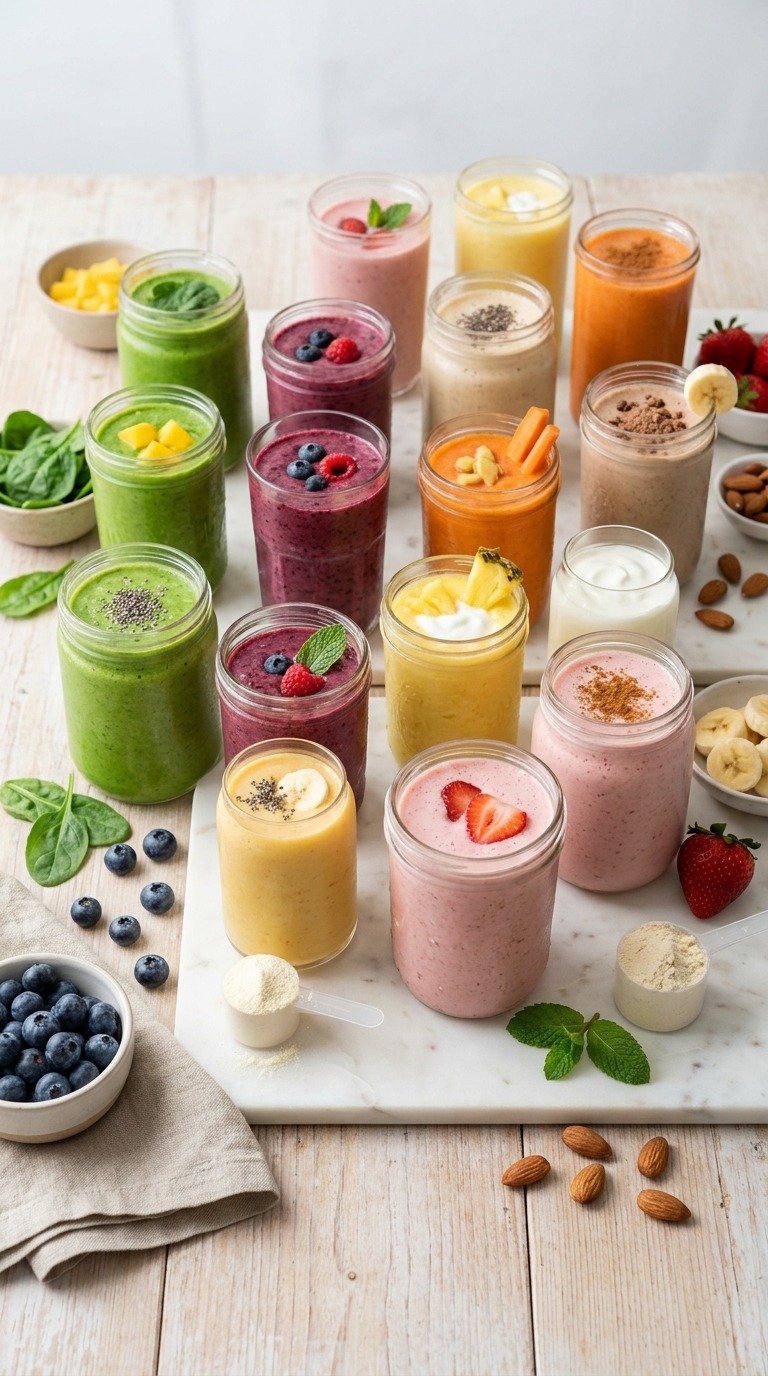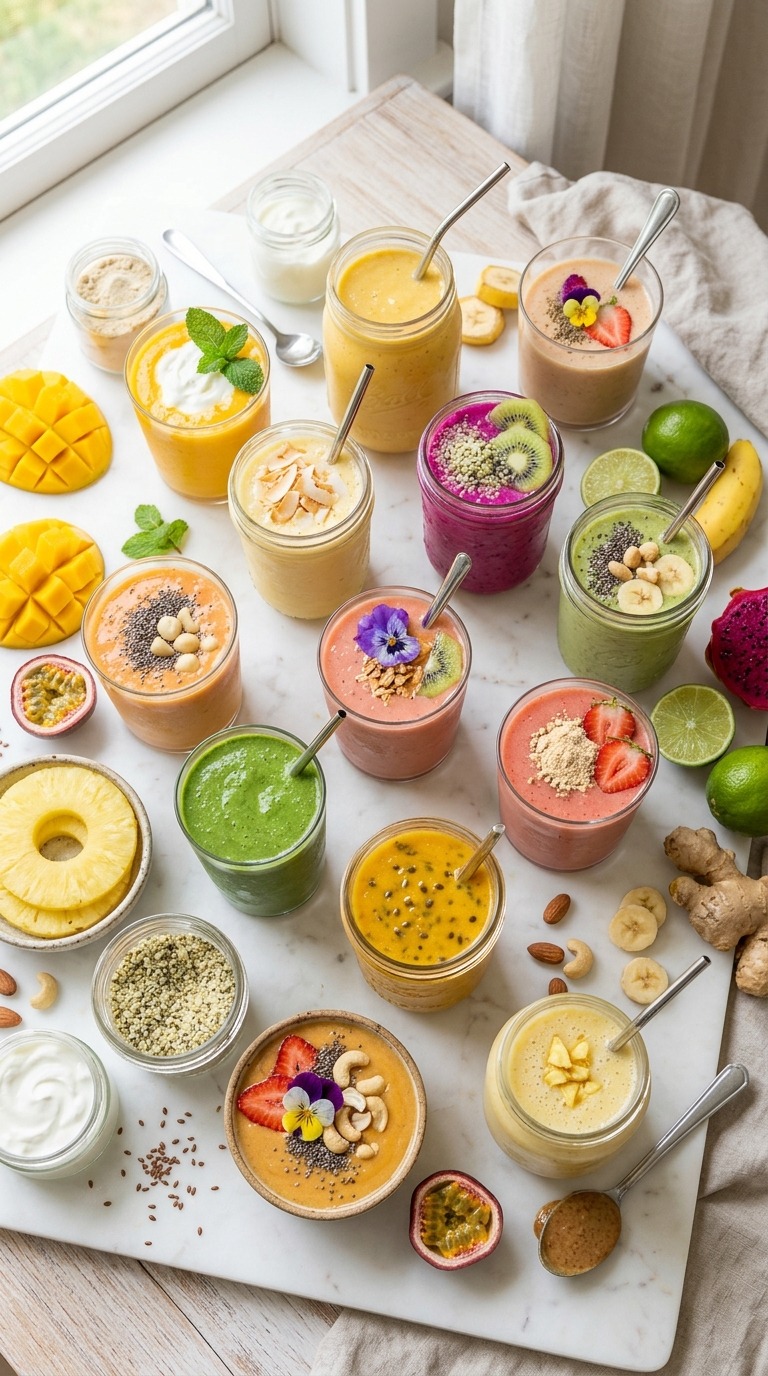
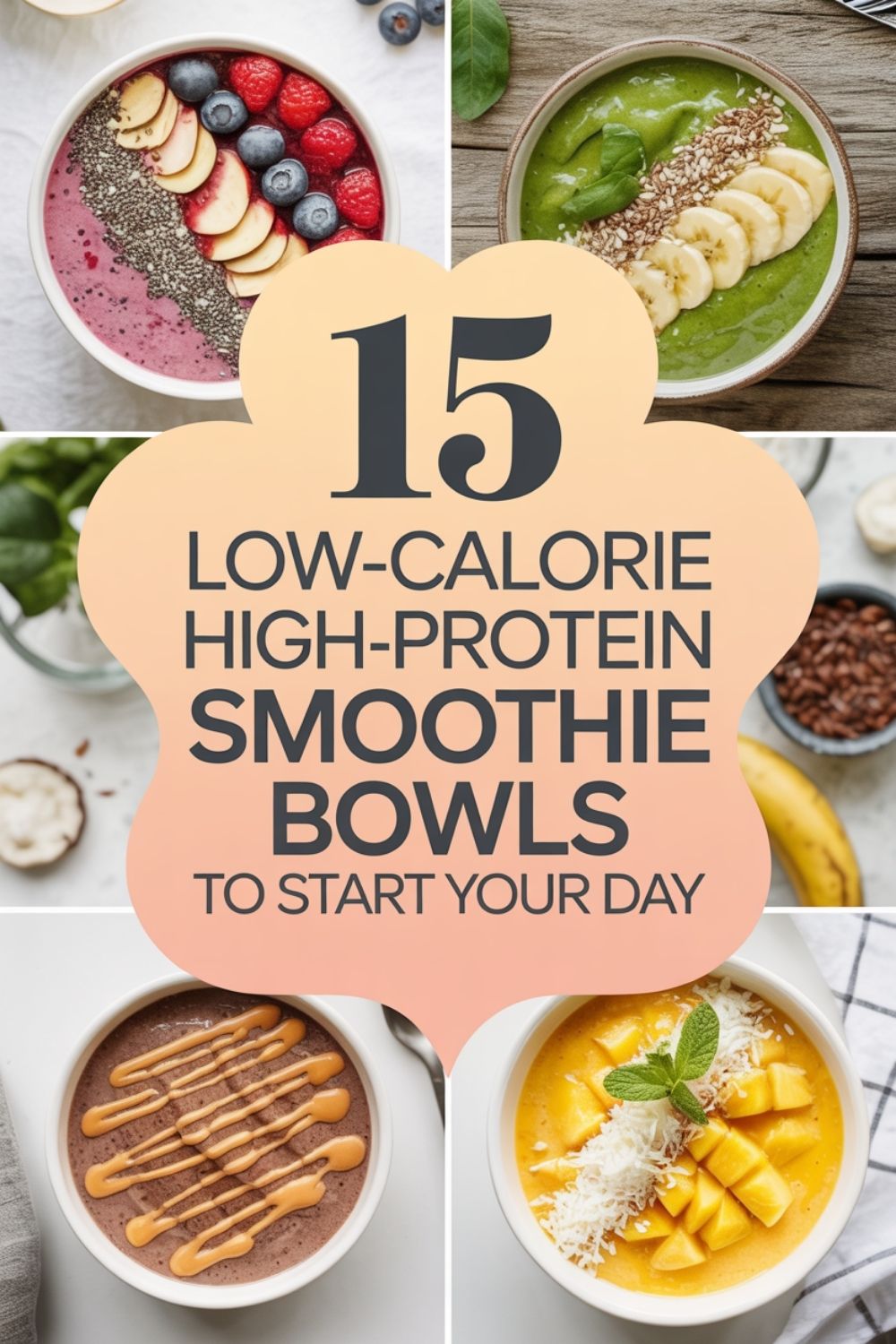
15 Low-Calorie High-Protein Smoothie Bowls to Start Your Day
Look, I’m just gonna say it—smoothie bowls saved my mornings. There was a time when I’d stumble into the kitchen half-awake, grab whatever was easiest (usually something loaded with sugar and regret), and call it breakfast. Then I discovered these protein-packed beauties, and honestly, everything changed.
Here’s the thing about smoothie bowls: they’re not just Instagram-worthy food art. When you load them up with the right ingredients, they become this perfect storm of nutrition that keeps you full, energized, and actually satisfied until lunch. No mid-morning crashes, no raiding the snack drawer at 10 AM. Just steady energy and a happy stomach.
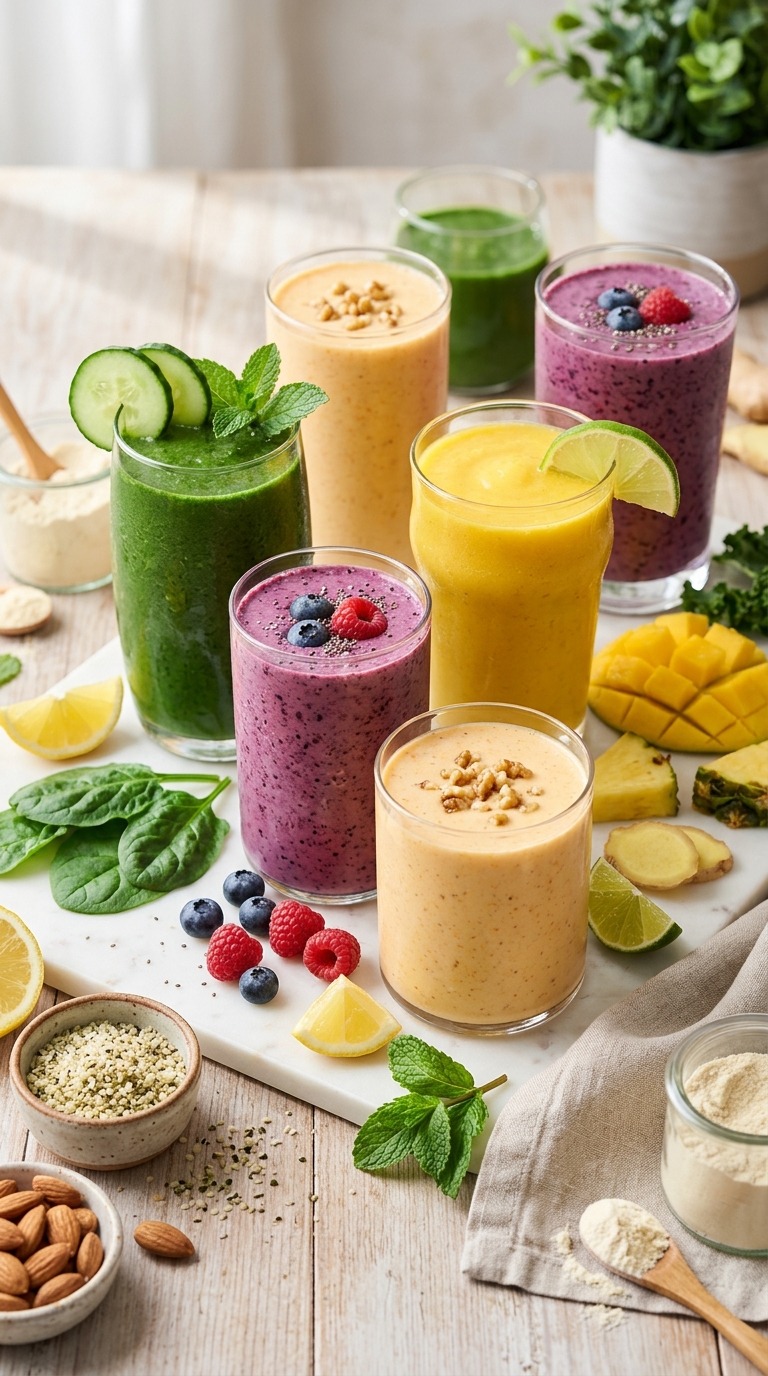
What makes these bowls different from those sugar bombs you see everywhere? Protein. We’re talking real, muscle-building, hunger-crushing protein that transforms a fruit bowl into an actual meal. And the best part? You can keep the calories low without sacrificing taste or that thick, spoonable texture everyone loves.
Why Your Smoothie Bowl Needs More Protein
Ever wonder why some breakfasts leave you starving an hour later? It’s usually because they’re missing protein. According to Harvard Health, most adults need at least 0.8 grams of protein per kilogram of body weight daily, but active folks often need more.
Protein does something magical in your body. It slows down digestion, which means your blood sugar stays stable instead of spiking and crashing. It keeps your muscles happy, especially if you’re working out. And it triggers satiety hormones that basically tell your brain, “Hey, we’re good here. No need to raid the pantry.”
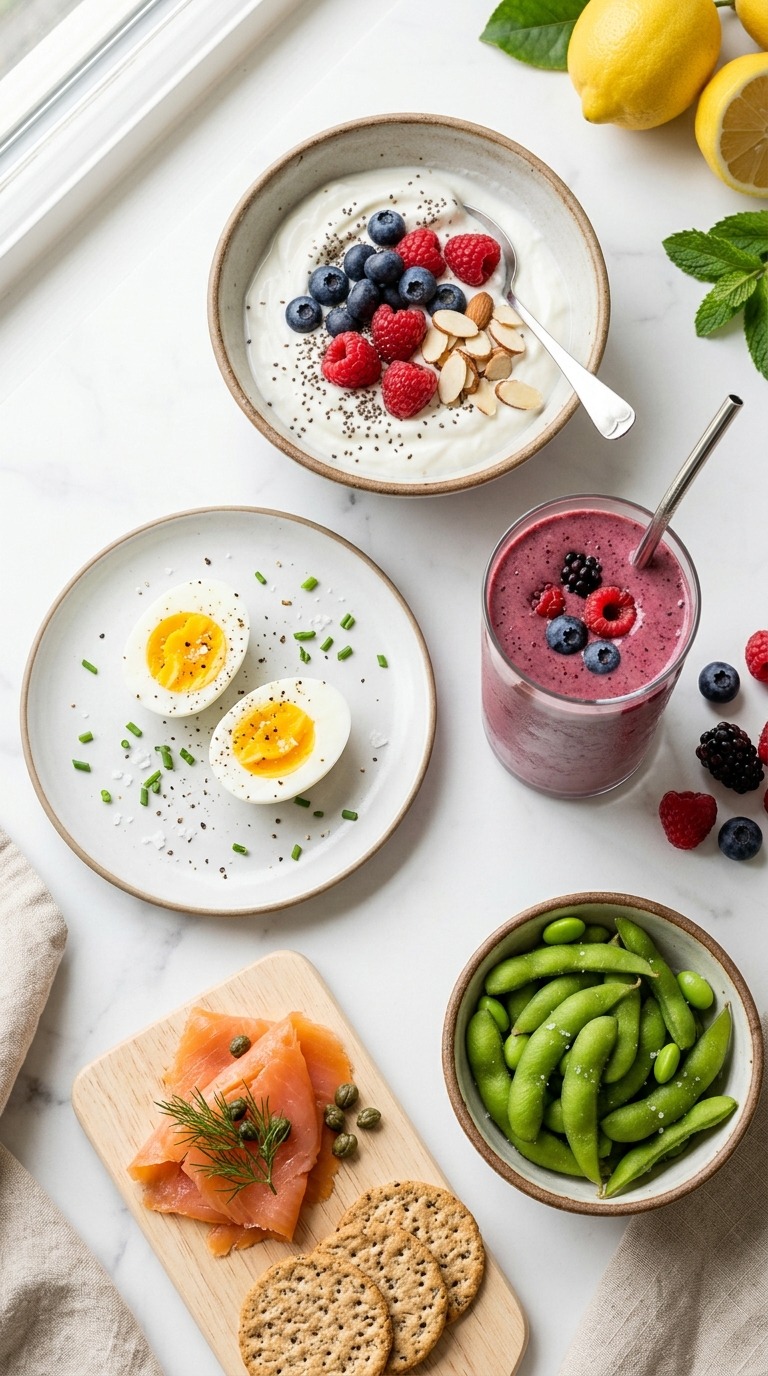
The beauty of smoothie bowls is that you can pack in 20-30 grams of protein without even trying that hard. Greek yogurt brings the goods, protein powder does heavy lifting, and toppings like nuts and seeds add that final protein punch. You’re basically building a nutritional powerhouse that tastes like dessert for breakfast.
Pro Tip: Use frozen fruit instead of ice. Ice waters down your bowl and makes it thin, while frozen fruit keeps it thick and creamy. Your spoon should stand up in this thing, not swim.
1. Classic Berry Blast Protein Bowl
This is my go-to when I want something simple but satisfying. The combination of mixed berries creates this gorgeous purple-pink color that makes you feel like you’re eating something fancy, even though it takes maybe five minutes to throw together.
The base uses frozen mixed berries—strawberries, blueberries, raspberries, whatever you’ve got. Add a scoop of vanilla protein powder, half a cup of Greek yogurt, and just enough almond milk to get things moving in the blender. I use this high-speed blender because it actually crushes frozen fruit without leaving chunks. Worth every penny, IMO.
Top it with fresh berries, a sprinkle of chia seeds, and some granola like this one. The crunch factor is essential—nobody wants to eat soup with a spoon. You’re looking at about 280 calories and 25 grams of protein. Get Full Recipe.
2. Green Machine Protein Powerhouse
Okay, I know what you’re thinking. Green smoothie bowls taste like grass, right? Wrong. This one tastes like a tropical vacation decided to hang out in your breakfast bowl.
The secret is using frozen banana as your base along with a handful of spinach. The banana completely masks any vegetable taste—trust me on this. Add some protein powder (vanilla works best here), a splash of coconut milk, and maybe half an avocado if you want that extra creamy texture.
I top mine with kiwi slices, coconut flakes, and hemp hearts from this brand. Hemp seeds are underrated protein sources, FYI. Each little seed packs a surprising protein punch plus omega-3s. This bowl sits at around 290 calories with 22 grams of protein.
If you’re looking for more morning inspiration that won’t derail your goals, check out these low-calorie high-protein breakfast bowls or these metabolism-boosting smoothies that hit the same nutritional sweet spot.
3. Chocolate Peanut Butter Dream Bowl
Listen, if you’re not eating chocolate for breakfast, you’re missing out on one of life’s simple pleasures. This bowl tastes like you’re cheating on your diet, but you’re actually crushing your protein goals.
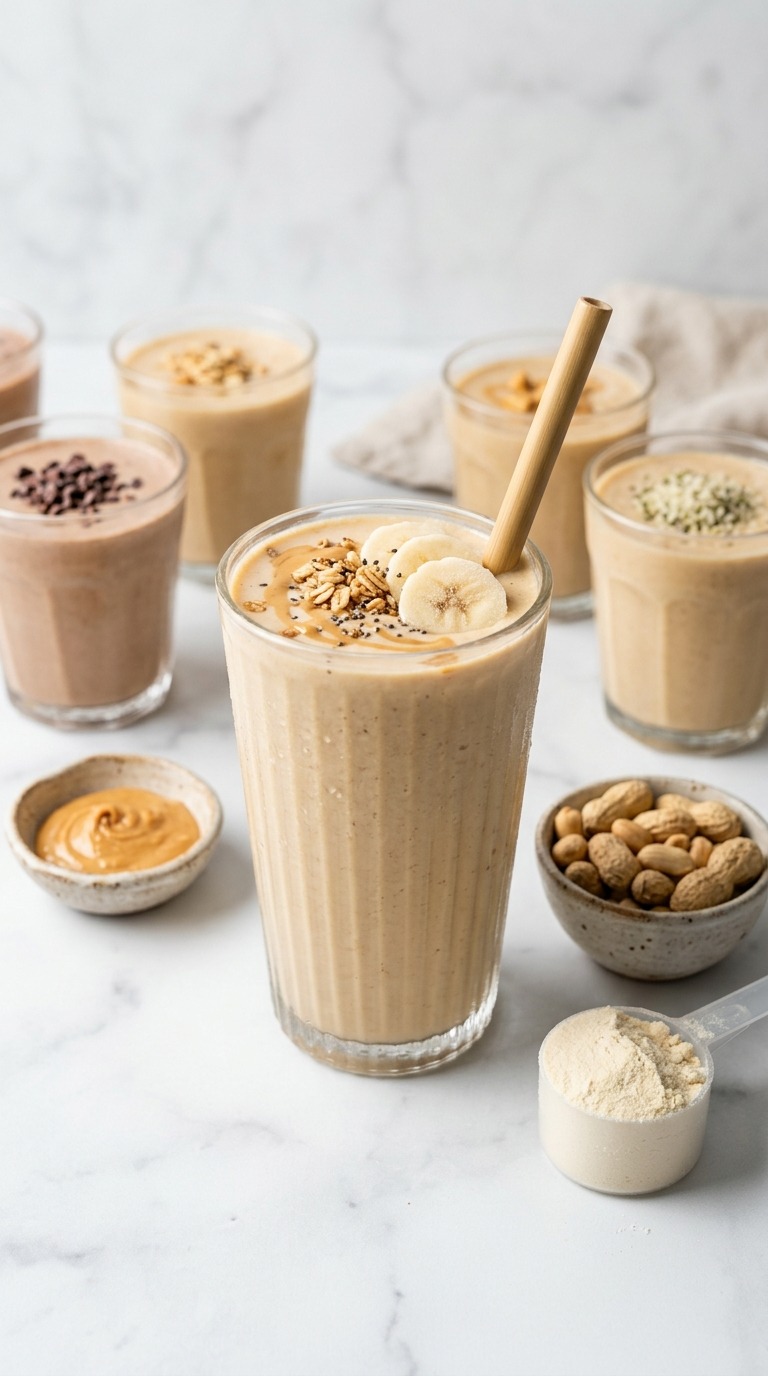
Frozen banana plus a tablespoon of cocoa powder creates this rich chocolate base. Add chocolate protein powder (obviously), a tablespoon of natural peanut butter, and some almond milk. The peanut butter adds healthy fats that keep you satisfied, plus that nostalgic flavor combo that never gets old.
Top with banana slices, a drizzle more peanut butter (because why not), some cacao nibs from this jar, and crushed peanuts. The cacao nibs add crunch without sugar, which is clutch. You’re getting about 310 calories and 28 grams of protein here.
Quick Win: Prep your smoothie bowl ingredients in freezer bags like these on Sunday night. In the morning, just dump, blend, and top. Five minutes max from freezer to table.
4. Tropical Mango Protein Paradise
This one transports you straight to a beach somewhere warm, which is especially nice when you’re staring at another gray Monday morning. The mango gives you that natural sweetness without needing any added sugar.
Use frozen mango chunks as your base—they blend up super creamy. Add vanilla protein powder, a splash of coconut milk, and if you’re feeling fancy, a small piece of fresh ginger. The ginger adds this subtle warmth that makes the whole thing more interesting.
I top mine with fresh mango, coconut flakes, macadamia nuts from this container, and a sprinkle of lime zest. The lime zest is non-negotiable—it brightens everything up. Around 275 calories and 23 grams of protein. Get Full Recipe.
5. Açaí Power Protein Bowl
The classic that started the whole smoothie bowl trend. Açaí bowls became trendy for a reason—they’re packed with antioxidants and taste amazing. The original versions were basically sugar bombs, but we’re making ours actually nutritious.
You’ll need frozen açaí packets (find them in the frozen fruit section), frozen banana, protein powder, and a little apple juice or almond milk. Açaí has a unique berry flavor that’s slightly tart, which is why the banana is important for balance.
Traditional toppings include granola, fresh berries, and banana slices, but I like adding almond butter from this jar for extra protein. Chia seeds add omega-3s and fiber. You’re looking at about 285 calories and 24 grams of protein.
Speaking of balanced meals, these high-protein bowls you can prep in under 20 minutes follow the same smart nutrition philosophy—maximum protein, minimal calories, zero compromise on taste.
6. Strawberry Cheesecake Protein Bowl
This bowl tastes like dessert but fuels you like a proper breakfast. The “cheesecake” element comes from Greek yogurt and a touch of cream cheese, which might sound wild but trust the process.
Blend frozen strawberries with vanilla protein powder, a generous scoop of Greek yogurt, one tablespoon of cream cheese, and a splash of milk. The cream cheese adds this rich, tangy flavor that seriously mimics cheesecake. It’s kind of genius.
Top with fresh strawberries, graham cracker crumbs made with these, and a few white chocolate chips if you want to live dangerously. Okay, skip the chocolate chips if you’re being strict about calories. But the graham crackers stay—they’re essential. About 295 calories and 26 grams of protein. Get Full Recipe.
7. Coffee Protein Wake-Up Bowl
Why choose between breakfast and your morning coffee when you can have both in one bowl? This creation came from one of those desperate mornings when I was running late but needed both food and caffeine.
The base is frozen banana, coffee-flavored protein powder (or regular protein with a shot of cold brew), Greek yogurt, and a tablespoon of almond butter. The coffee flavor is surprisingly good in smoothie bowl form—it’s like a frappuccino grew up and decided to be healthy.
Top with banana slices, a few chocolate-covered espresso beans from this bag, granola, and a drizzle of almond butter. The espresso beans add that extra caffeine kick plus crunch. Around 305 calories and 27 grams of protein.
8. Vanilla Almond Protein Bowl
Sometimes simple is better. This bowl proves that you don’t need exotic ingredients or complicated recipes to make something delicious and nutritious. It’s basically the little black dress of smoothie bowls—classic, elegant, always works.
Frozen cauliflower is the secret ingredient here. I know, I know—cauliflower in a smoothie sounds suspicious. But it adds creaminess and volume without any flavor, letting the vanilla and almond shine through. Mix it with vanilla protein powder, almond milk, and a scoop of Greek yogurt.
Top with sliced almonds, a drizzle of almond butter from this jar, fresh berries, and maybe some bee pollen if you’re feeling fancy. The almond butter adds healthy fats and extra protein. About 270 calories and 25 grams of protein.
Pro Tip: Buy frozen cauliflower rice and keep it stocked. It’s cheaper than frozen cauliflower florets and blends up smoother. Plus you can use it for both smoothies and dinner, which makes your freezer space work harder.
For more creative ways to pack protein into your meals without stacking up calories, these high-protein salad recipes and these protein-packed wraps might just become your new lunch routine.
9. Blueberry Muffin Protein Bowl
This one tastes so much like an actual blueberry muffin that it feels slightly illegal to eat for breakfast. But it’s not—it’s just really well-designed nutrition that happens to taste amazing.
The secret is adding a pinch of cinnamon and a tiny bit of vanilla extract to your frozen blueberry base. These small additions create that bakery flavor without adding sugar. Mix with vanilla protein powder, Greek yogurt, and just enough oat milk to blend.
Top with fresh blueberries, a sprinkle of oats from this container, chopped walnuts, and a tiny drizzle of honey if needed. The oats on top get slightly soggy, which mimics that muffin top texture. Seriously. Around 280 calories and 24 grams of protein. Get Full Recipe.
10. Piña Colada Protein Bowl
If you like piña coladas and getting protein… this bowl is for you. Sorry, I had to. But seriously, this tropical combo makes you feel like you’re on vacation even when you’re just sitting at your kitchen counter in your pajamas.
Frozen pineapple and frozen banana create the base, along with coconut protein powder (or vanilla with coconut extract), coconut yogurt for extra tropical vibes, and coconut milk. Yes, there’s a lot of coconut happening here. That’s the point.
Top with fresh pineapple, coconut flakes (toast them first if you have time—game changer), and macadamia nuts from this bag. Maybe add a tiny cocktail umbrella if you want to commit to the theme. About 290 calories and 22 grams of protein.
11. Apple Cinnamon Protein Bowl
This bowl tastes like fall even in the middle of summer. There’s something incredibly comforting about the apple-cinnamon combo, plus it makes your kitchen smell amazing while you’re blending.
Use frozen apple chunks (freeze them yourself if you can’t find them), vanilla protein powder, Greek yogurt, a hefty pinch of cinnamon, and almond milk. The cinnamon is doing serious work here—don’t be shy with it.
Top with fresh apple slices, granola from this bag, chopped pecans, and another sprinkle of cinnamon. I sometimes add a tiny drizzle of maple syrup, but honestly, the apples are usually sweet enough. Around 285 calories and 23 grams of protein. Get Full Recipe.
12. Dragon Fruit Protein Bowl
Also known as pitaya bowls, these are stunning to look at and surprisingly easy to make. Dragon fruit creates this vibrant pink color that makes regular breakfasts look boring by comparison.
You’ll need frozen dragon fruit (find it at Asian markets or health food stores), frozen banana, vanilla protein powder, and coconut water. Dragon fruit has a mild, slightly sweet flavor that pairs well with just about anything.
Top with kiwi slices, fresh berries, coconut flakes, chia seeds from this container, and granola. The color contrast of green kiwi on pink dragon fruit is ridiculously photogenic. About 275 calories and 21 grams of protein.
13. Pumpkin Spice Protein Bowl
You don’t have to wait for fall to enjoy this one, but I won’t judge if you exclusively make it from September through November. Pumpkin is available year-round and packs serious nutritional value.
Mix frozen banana with canned pumpkin puree (not pumpkin pie filling—there’s a difference), vanilla protein powder, pumpkin pie spice, Greek yogurt, and almond milk. The pumpkin adds fiber and vitamin A while keeping calories low.
Top with granola from this bag, chopped pecans, a few chocolate chips if you’re feeling it, and a sprinkle more pumpkin spice. Maybe add a dollop of Greek yogurt on top for that “whipped cream” look. Around 295 calories and 25 grams of protein. Get Full Recipe.
Reader Win: Jessica from our community prepped these pumpkin bowls all October and said they completely eliminated her morning coffee shop runs. She estimated saving over $120 that month while actually eating healthier. Sometimes the best motivation is your bank account.
If you’re into meal prep that saves both time and money, these protein-packed meal prep ideas and these slow cooker meals follow the same batch-cooking philosophy that makes healthy eating actually sustainable.
14. Peach Cobbler Protein Bowl
This bowl captures that summer peach cobbler vibe without the butter, sugar, and guilt. Frozen peaches are available year-round and blend up beautifully creamy.
Use frozen peaches, vanilla protein powder, Greek yogurt, a pinch of cinnamon, and almond milk. You can add a tiny bit of vanilla extract if you want to amp up that bakery flavor even more.
Top with fresh peach slices if they’re in season, otherwise use more frozen. Add granola from this container, chopped almonds, and a sprinkle of cinnamon. If you’re really going for the cobbler vibe, crumble a few graham crackers on top. About 280 calories and 24 grams of protein.
15. Mint Chocolate Chip Protein Bowl
This one tastes exactly like mint chocolate chip ice cream, except it’s actually breakfast and actually good for you. It’s kind of absurd how well this works.
Frozen banana plus a handful of fresh spinach creates the base—the spinach gives you that green color without affecting the taste. Add chocolate protein powder, a few drops of peppermint extract (go easy, this stuff is potent), Greek yogurt, and almond milk.
Top with cacao nibs from this bag, dark chocolate chips, fresh mint leaves if you’re feeling fancy, and maybe some crushed chocolate wafer cookies like these. The peppermint-chocolate combo never fails. Around 300 calories and 26 grams of protein. Get Full Recipe.
Making Your Smoothie Bowls Actually Work For You
Here’s the thing about smoothie bowls that nobody talks about—you can mess them up pretty easily. I’ve made all the mistakes so you don’t have to.
The thickness matters. A smoothie bowl should be thick enough that your toppings don’t immediately sink. Use minimal liquid and add more frozen fruit. If you accidentally make yours too thin, throw in some ice and re-blend.
Protein powder quality varies wildly. Some taste like chalk mixed with regret. Others actually taste good. I’ve tried maybe twenty different brands, and the ones that use natural sweeteners tend to win. Read reviews before you buy a giant tub.
Balance your macros. Protein is crucial, but you also need some healthy fats and complex carbs. That’s why toppings matter—they’re not just decoration. Nuts and seeds provide fats, granola or oats provide carbs, and everything together keeps your energy stable.
Want to keep the high-protein, low-calorie momentum going throughout your day? These high-protein dinner recipes pair perfectly with your morning bowl routine, and these protein-packed snacks fill in those between-meal gaps without derailing your goals.
The Protein Powder Situation
Let’s talk about the elephant in the room—protein powder. You don’t technically need it to make a high-protein smoothie bowl, but it makes hitting your protein targets significantly easier.
Whey protein is the classic choice. It’s a complete protein, meaning it contains all essential amino acids your body needs. According to Mayo Clinic, spreading protein intake throughout the day helps your body use it more effectively, which is why a protein-rich breakfast makes sense.
Plant-based protein powders work great too—pea protein, hemp protein, brown rice protein. They might have slightly different textures, but you can absolutely make delicious bowls with them. I keep both whey and plant-based options in my pantry and switch depending on my mood.
Some people avoid protein powder altogether and boost protein with Greek yogurt, cottage cheese, silken tofu, or nut butter. That works fine, though you’ll need larger quantities to hit similar protein numbers.
Topping Strategy That Actually Makes Sense
Toppings can make or break your smoothie bowl. They add texture, extra nutrients, and honestly, they make the whole thing more fun to eat. But you can also go overboard and accidentally turn your healthy breakfast into a 600-calorie dessert.
My rule is to use measuring spoons for calorie-dense toppings like nut butter, granola, and chocolate chips. It’s too easy to eyeball these and end up with way more than you intended. A tablespoon of almond butter is plenty. Three tablespoons is basically a meal on its own.
Fresh fruit doesn’t need to be measured as carefully since it’s mostly water and fiber. Go wild with berries, banana slices, and kiwi. They add volume and vitamins without dramatically affecting your calorie count.
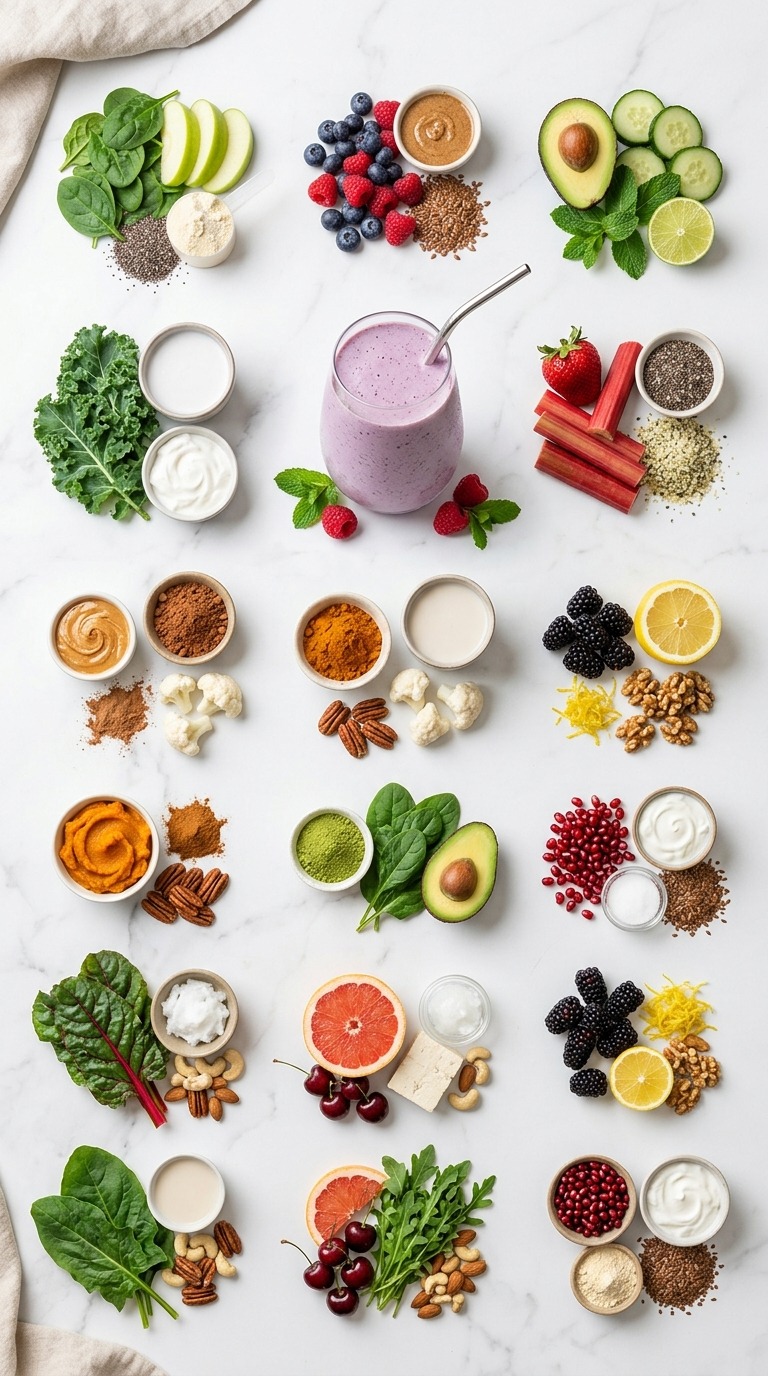
Seeds are your friends. Chia seeds add omega-3s and fiber. Hemp hearts pack protein and magnesium. Flax seeds provide lignans and more omega-3s. Sprinkle these freely—they’re nutritional powerhouses that don’t take up much room in your calorie budget.
🗓️ Stop Guessing, Start Planning
The biggest game-changer for me this year? This Weight Loss Meal Planner & Macro Calculator. It’s specifically built for high-protein, low-calorie eating plans, which is exactly what we’re doing here.
Here’s why it’s brilliant: you input your weight loss goals, and it generates a full weekly meal plan with calculated macros for every meal. The shopping list feature auto-generates based on your plan, so you’re not wandering around the grocery store trying to remember what you need.
The smoothie bowl section includes seasonal variations and lets you swap ingredients while keeping your macros on track. I used to spend an hour every Sunday planning meals. Now it takes maybe 15 minutes. The digital version syncs across your phone and computer, so you can check your plan anywhere.
Meal Prep Game Plan
The biggest barrier to eating smoothie bowls consistently is the morning chaos factor. You’re half-awake, running late, and the blender seems like too much work. This is where meal prep saves everything.
Every Sunday, I portion out smoothie bowl ingredients into freezer bags from this pack. Each bag gets the frozen fruit, any frozen veggies (don’t knock the cauliflower until you try it), and a scoop of protein powder. Store these in the freezer.
In the morning, dump one bag into the blender, add your liquid (milk, coconut water, whatever), blend for 30 seconds, and you’re done. The base takes literally two minutes. Then you spend another minute adding toppings, and breakfast is served.
I keep all my toppings in small containers like these lined up in my cabinet. Chia seeds, hemp hearts, granola, coconut flakes—everything ready to grab. This system eliminates decision fatigue and keeps mornings smooth.
📱 Track Your Protein Like a Pro
Honestly, I struggled with hitting my protein goals until I started actually tracking them. This High-Protein Meal Tracker App changed everything for me. It’s specifically designed for people focused on protein intake and weight loss—not just generic calorie counting.
What makes it different? It automatically calculates your protein target based on your weight and activity level, sends you reminders when you’re falling short, and has a massive database of high-protein foods already loaded. The smoothie bowl calculator feature is clutch—you input your ingredients and it tells you exactly what your macros look like.
The free version works fine, but I upgraded to premium for the meal planning feature. Worth it if you’re serious about consistent results.
For more meal prep strategies that make healthy eating effortless, check out these Instant Pot recipes and these freezer-friendly protein meals that follow the same prepare-once-eat-many philosophy.
The Equipment You Actually Need
You don’t need a fancy kitchen to make great smoothie bowls, but having the right tools makes everything easier. A decent blender is non-negotiable—those cheap bullet blenders struggle with frozen fruit and leave you with chunks.
I use this high-powered blender and it’s been worth every penny. It crushes frozen fruit without complaint and cleans up easily. If you’re making smoothie bowls regularly, consider it an investment in your morning sanity.
Beyond the blender, you just need some good freezer-safe bags or containers for meal prep, measuring spoons for portion control, and maybe some nice bowls that make you excited to eat breakfast. Presentation matters more than you think.
A good set of small serving bowls also helps with portion control and makes your bowls look prettier. I’m not saying you need special bowls, but eating from something you actually like does make breakfast more enjoyable.
Common Mistakes to Avoid
After making hundreds of smoothie bowls, I’ve identified the pitfalls that trip people up. Using too much liquid is mistake number one. Your smoothie should be so thick you almost have to scoop it out of the blender. Start with minimal liquid and add more only if absolutely necessary.
Skipping the frozen fruit and using fresh fruit plus ice is mistake number two. Ice dilutes the flavor and waters down the texture. Always choose frozen fruit when possible. If you only have fresh, freeze it yourself the night before.
Going overboard on toppings is mistake number three. Yes, they’re delicious. Yes, they look pretty. But four tablespoons of granola plus three tablespoons of nut butter plus a handful of chocolate chips suddenly doubles your calorie count. Measure the calorie-dense stuff.
Not having a protein source is mistake number four. Fruit smoothie bowls are fine occasionally, but without protein, you’ll be hungry again in an hour. That defeats the entire purpose of eating breakfast.
📖 The Ultimate High-Protein Recipe Collection
Look, I’ve spent years collecting smoothie bowl recipes, but last month I found this High-Protein Low-Calorie Recipe eBook Bundle and it literally has 200+ recipes I’d never thought of. Not just smoothie bowls—breakfast, lunch, dinner, snacks, everything.
What sold me? Every single recipe lists the exact macros, prep time, and difficulty level. No guessing, no calculating, no surprises. Plus there’s a whole section on protein-packed breakfast bowls with international flavors I never would’ve tried on my own.
The bonus meal prep guide alone is worth the price. It shows you how to batch-cook proteins for the week and mix-and-match them into different meals. Game changer for people who get bored eating the same thing repeatedly.
Frequently Asked Questions
Can I make smoothie bowls without protein powder?
Absolutely. Greek yogurt provides about 15-20 grams of protein per cup. Cottage cheese blends up surprisingly smooth and packs similar protein. Silken tofu adds protein without affecting flavor. Nut butter contributes some protein along with healthy fats. You’ll just need larger quantities to hit the same protein numbers as using powder, which might increase your calorie count slightly.
How do I make my smoothie bowl thick enough?
Use frozen fruit as your base, not fresh fruit with ice. Start with minimal liquid—maybe a quarter cup—and add tiny amounts more only if needed. Frozen banana is your secret weapon for thickness. Adding a tablespoon of chia seeds or a small amount of frozen cauliflower also helps create that perfect spoonable texture without changing the flavor.
Are smoothie bowls actually good for weight loss?
They can be, if you’re smart about ingredients. A high-protein smoothie bowl keeps you full for hours, preventing mid-morning snacking that derails calorie goals. The key is controlling portions on calorie-dense toppings and ensuring you’re getting enough protein. A 300-calorie breakfast with 25 grams of protein supports weight loss much better than a 500-calorie bagel with 10 grams of protein.
How long do smoothie bowls stay fresh?
The base doesn’t keep well once blended—it separates and gets watery. That’s why I recommend prepping ingredients but blending fresh each morning. If you absolutely must make it ahead, pour the blended base into a container and freeze it. Then let it thaw for 10-15 minutes before eating. It won’t be quite as good, but it’s better than nothing.
Can kids eat these protein bowls?
Kids love smoothie bowls because they’re colorful and fun to eat. Just adjust the protein powder amount based on their size—kids need less protein than adults. You can also use vanilla or chocolate flavored Greek yogurt instead of protein powder. Let kids choose and add their own toppings, which gets them more invested in eating breakfast. These protein snacks for kids work on the same principle of making nutrition fun.
Final Thoughts on Smoothie Bowl Success
Here’s what I’ve learned after years of making these bowls almost daily: consistency matters more than perfection. You don’t need to make Pinterest-perfect creations every morning. You just need something quick, nutritious, and satisfying that keeps you fueled until lunch.
Start with two or three bowl recipes that sound good to you. Make them a few times until you’ve got the measurements and texture dialed in. Then gradually add more variety as you get comfortable. Don’t try to master all fifteen recipes at once—that’s overwhelming and unnecessary.
The meal prep strategy is what makes this sustainable long-term. If you’re assembling ingredients every single morning, you’ll eventually give up and grab something easier. But when everything is already measured and waiting in your freezer, smoothie bowls become the easiest option.
Remember that these bowls aren’t just about hitting macros or cutting calories. They’re about starting your day with something that makes you feel good, tastes great, and supports your goals. That’s the real win here—finding breakfast that works for your body and your life.
So grab your blender, stock up on frozen fruit, and start experimenting. Your mornings are about to get significantly better. And if you create any killer combinations I haven’t mentioned, you know where to find me—I’m always looking for new smoothie bowl inspiration.
30-Day High-Protein
Low-Calorie Meal Plan
Every breakfast, lunch, dinner & snack — all 30 days fully mapped out. Just follow the plan.
- ✓50+ complete recipes with ingredients & step-by-step instructions
- ✓4-week day-by-day plans — every meal for all 30 days
- ✓4 weekly shopping lists organised by store section
- ✓Printable habit & progress tracker — 30 full days
- ✓100g+ protein per day — scientifically optimised macros
Instant PDF · Print at home
Results guaranteed with consistency