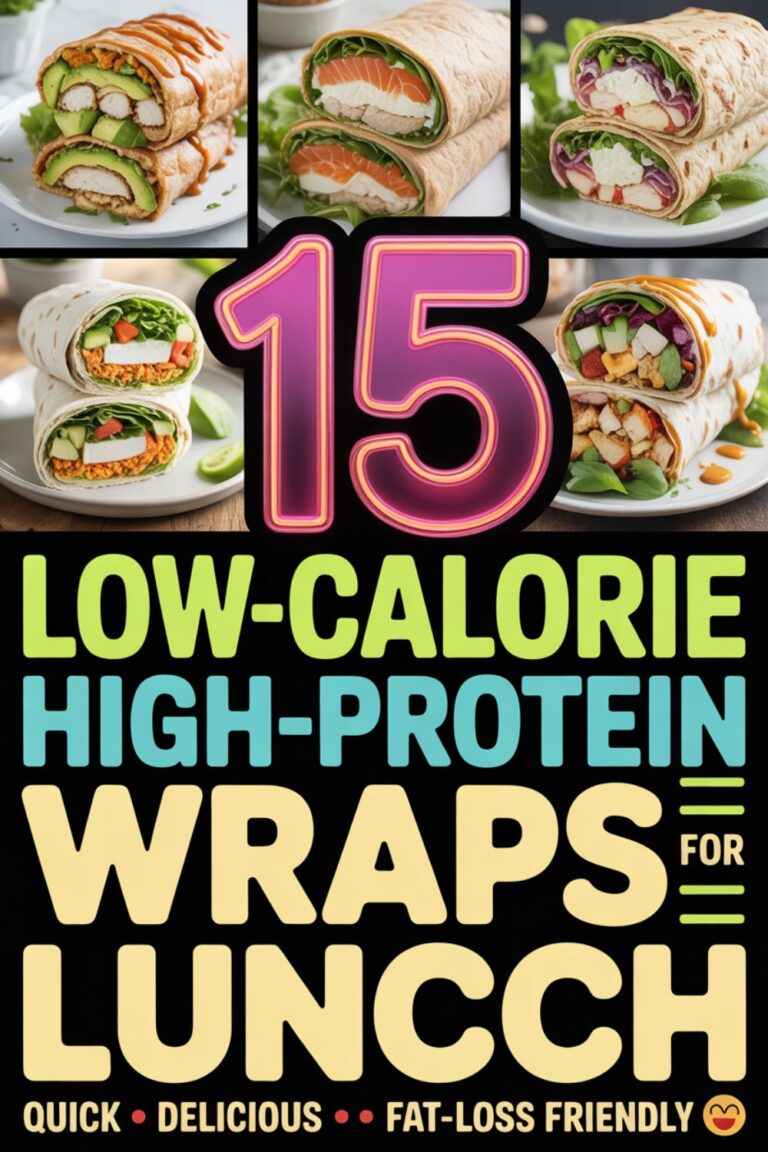
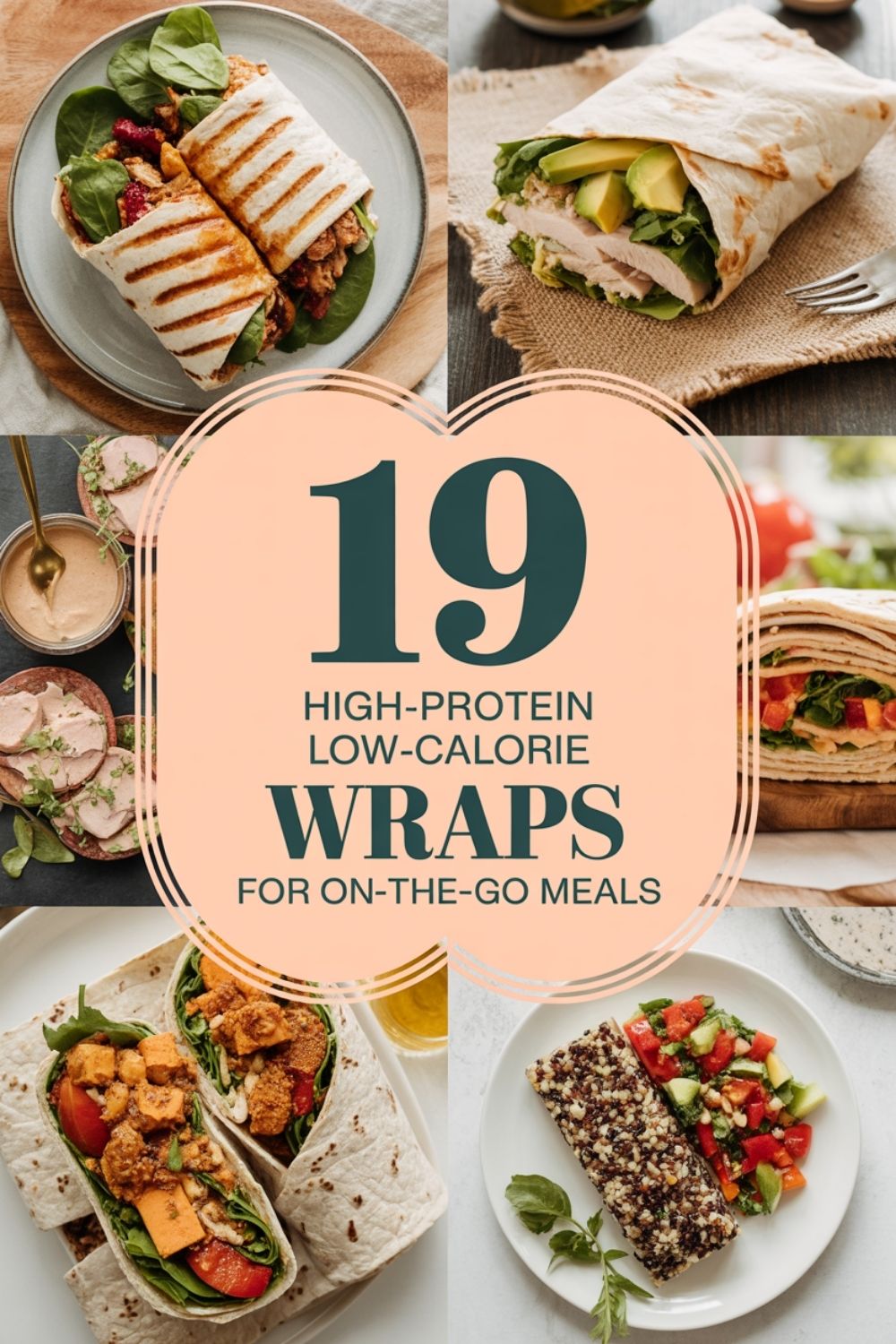
19 High-Protein Low-Calorie Wraps for On-the-Go Meals
Look, I’m not going to waste your time with some flowery introduction about how busy life is. You already know that. What you probably don’t know is how to throw together a wrap that actually keeps you full without blowing your calorie budget or tasting like cardboard dipped in sadness.
Here’s the thing about wraps—they’ve gotten a bad rap because most people think they’re just glorified sandwiches with less structural integrity. But when you pack them with the right protein and keep the calories in check, they become these portable powerhouses that you can literally eat with one hand while answering emails with the other. Not that I recommend that, but we both know it happens.
I’ve been messing around with high-protein wraps for years now, and I’ve figured out what works and what leaves you hangry an hour later. These 19 recipes hit that sweet spot where they’re actually satisfying, legitimately tasty, and won’t derail your nutrition goals. Plus, most of them take less time to make than scrolling through your social media feed.
Why High-Protein Wraps Actually Work for Weight Management
Before we jump into the recipes, let’s talk about why protein-packed wraps are more than just a trendy lunch option. Research published in the journal Food Science and Human Wellness shows that protein intake plays a crucial role in maintaining muscle mass while supporting overall metabolic health. The study suggests that adults benefit from consuming between 1.0 to 1.6 grams of protein per kilogram of body weight daily, depending on activity level.
What makes wraps particularly genius for hitting these protein targets is their versatility. You can stuff them with lean chicken, toss in some Greek yogurt-based sauce, add beans for extra fiber, and suddenly you’ve got 25-30 grams of protein in something that takes five minutes to assemble. Compare that to a regular sandwich with deli meat and you’re looking at maybe 12 grams if you’re lucky.
The calorie control part comes from being smart about your wrap choice. High-protein tortilla wraps typically contain 10-15 grams of protein and only 70-100 calories per wrap, which leaves you plenty of room for nutrient-dense fillings without going overboard. Traditional flour tortillas? They’ll set you back 180+ calories with barely any protein to show for it.
💡 Pro Tip
Prep your wrap fillings on Sunday night and store them in separate containers. When you’re rushing out the door Tuesday morning, you’ll thank past-you for being smart enough to have pre-cooked chicken and chopped veggies ready to go. Trust me on this one.
The Building Blocks of a Killer High-Protein Wrap
Here’s what separates a mediocre wrap from one that actually keeps you satisfied: the ratio of protein to everything else. I’ve made the mistake too many times of loading up on cheese and calling it “protein-rich” only to crash an hour later because there wasn’t enough actual lean protein in there.
Your Protein Foundation
The base of any good high-protein wrap needs at least 20 grams of quality protein. Here’s what that looks like in real life:
- Grilled chicken breast (3 oz): 26 grams of protein, about 140 calories. This is your MVP for a reason.
- Greek yogurt (½ cup): 12 grams of protein. Mix with herbs for a sauce that does double duty.
- Black beans (½ cup): 8 grams of protein plus fiber that’ll keep you full. Add these even when you’ve got meat.
- Eggs (2 large): 12 grams of protein. Scrambled or hard-boiled, they work in wraps better than you’d think.
- Tuna (3 oz can): 20 grams of protein. The budget-friendly option that doesn’t taste budget when you dress it up right.
I usually combine two protein sources in one wrap. Chicken plus beans, eggs plus Greek yogurt sauce, tuna mixed with cottage cheese—you get the idea. This bumps up your total protein while adding different textures that make the wrap actually interesting to eat.
Looking for more protein-packed meal ideas beyond wraps? These low-calorie high-protein salad recipes are perfect for when you want something lighter, or check out these high-protein bowls you can prep in under 20 minutes for more variety in your weekly rotation.
The Wrap Itself Matters More Than You Think
Not all tortillas are created equal, and some are straight-up lying about their nutritional value. I’ve tested more wrap brands than I care to admit, and here’s what actually delivers on the protein promise.
Look for wraps with at least 10 grams of protein and less than 150 calories. Brands like Flatout ProteinUp wraps or Mission Carb Balance tortillas are solid choices that don’t taste like gym equipment. If you’re feeling fancy, Siete almond flour tortillas work great for anyone avoiding gluten, though they’re a bit pricier.
Some people swear by making their own protein wraps using eggs and protein powder, but honestly? I tried that exactly twice before deciding my time was worth more than the $3 I’d save. If you’re into meal prep as a hobby, go for it. If you just want lunch, buy the premade ones and move on with your life.
19 High-Protein Low-Calorie Wrap Recipes That Don’t Suck
Alright, let’s get into the actual recipes. I’ve organized these by protein source because that’s usually how I decide what to make—based on whatever protein I have sitting in my fridge that needs to be used before it goes bad.
1. Classic Grilled Chicken Caesar Wrap
Sometimes you just want the familiar, and there’s nothing wrong with that. This version uses Greek yogurt instead of traditional Caesar dressing, which adds extra protein while cutting the calories in half. Get Full Recipe.
The breakdown: 32g protein, 285 calories. Mix 3 oz grilled chicken with 2 tablespoons Greek yogurt Caesar dressing (Greek yogurt, lemon juice, garlic, anchovy paste, and parmesan), add romaine lettuce, and wrap it up. The anchovy paste sounds scary but it’s what makes it actually taste like Caesar. Skip it and you’ve just got lemony yogurt chicken, which is fine but not what we’re going for here.
I like using this indoor grill pan with ridges for the chicken because it gives you those charred lines without firing up the outdoor grill. Makes you feel like you tried harder than you actually did.
2. Spicy Buffalo Chicken Wrap with Blue Cheese Drizzle
For when regular chicken feels boring and you need something with a kick. The key here is using actual buffalo sauce, not just hot sauce mixed with butter. There’s a difference, and your taste buds will know.
Stats: 28g protein, 260 calories. Toss shredded rotisserie chicken (time-saver right there) with buffalo sauce, wrap with shredded lettuce, diced celery, and a drizzle of Greek yogurt blue cheese dressing. The celery isn’t optional—it’s what gives you that authentic buffalo wing experience without the deep fryer.
💡 Quick Win
Buy a rotisserie chicken from your grocery store every Sunday and shred the whole thing. You’ve now got protein ready to go for at least four different wraps throughout the week. Game changer for busy people who hate meal prep but also hate being hungry.
3. Mediterranean Turkey and Hummus Wrap
This one’s been my go-to lately because it tastes expensive but costs about $2.50 to make. Turkey breast, hummus, cucumber, tomatoes, red onion, and a handful of spinach. Simple but somehow better than the sum of its parts.
Numbers: 26g protein, 275 calories. The hummus does double duty as a spread and a protein source, giving you an extra 4-5 grams. I use this container set with dividers to keep the hummus separate from the veggies until I’m ready to assemble, because nobody likes soggy wraps.
If you’re into Mediterranean flavors, you’ll probably love these high-protein vegan meals which use similar ingredients in different combinations.
4. Tuna Salad Wrap That Doesn’t Taste Like Cat Food
The secret to good tuna salad is threefold: good tuna (spring water, not oil), Greek yogurt instead of mayo, and enough other stuff mixed in that you’re not just eating a pile of fish. Get Full Recipe.
What you’re getting: 24g protein, 245 calories. Mix one can of tuna with 2 tablespoons Greek yogurt, diced celery, red onion, a squeeze of lemon, and some dill. Add it to your wrap with lettuce and tomato. The dill is what elevates this from “cheap lunch” to “I actually chose to eat this.”
5. Egg White Breakfast Wrap with Spinach and Feta
Who says wraps are just for lunch? This breakfast version has saved me on more rushed mornings than I can count. You can even make it ahead and reheat it, though the texture’s better fresh if you’ve got five minutes.
Protein punch: 22g protein, 220 calories. Scramble 4 egg whites with a handful of spinach and 2 tablespoons crumbled feta. The feta adds enough flavor that you don’t need to dump hot sauce on everything, though I usually do anyway because old habits die hard.
I scramble eggs in this non-stick mini skillet that’s just the right size for breakfast wraps. No scrubbing required afterward, which is crucial when you’re already running late.
6. BBQ Pulled Chicken Wrap with Coleslaw
This one’s controversial because some people think coleslaw inside a wrap is weird. Those people are wrong. The crunch from the slaw balances out the soft chicken, and the acidity cuts through the sweetness of the BBQ sauce.
Nutrition: 30g protein, 295 calories. Use pre-cooked shredded chicken (or that rotisserie chicken we talked about earlier), mix with BBQ sauce, add a scoop of coleslaw made with Greek yogurt dressing instead of mayo. If you’re really in a hurry, this pre-made slaw mix works fine—just drain it really well.
7. Asian-Inspired Teriyaki Chicken Wrap
Before you roll your eyes at “Asian-inspired,” hear me out. This isn’t authentic anything, but it tastes good and that’s what matters when you’re eating lunch at your desk for the fourth day in a row.
The numbers: 27g protein, 270 calories. Grilled chicken with teriyaki sauce (go easy, it’s sugar city), shredded carrots, cucumber strips, and cilantro. Add some edamame if you’ve got it for extra protein and texture. The cilantro is non-negotiable—it’s what makes this taste fresh instead of like frozen dinner vibes.
For more Asian-influenced ideas that keep the calories low, check out these high-protein dinner recipes that use similar flavor profiles.
8. Greek-Style Chicken Gyro Wrap
IMO, this is better than most gyros you’d get from an actual Greek restaurant, mainly because you control how much tzatziki goes on it. Restaurant gyros are basically tzatziki soup with some meat floating in there. Get Full Recipe.
Stats: 31g protein, 285 calories. Seasoned chicken (oregano, garlic powder, lemon), homemade tzatziki (Greek yogurt, cucumber, garlic, dill), tomatoes, red onion, and lettuce. The chicken seasoning is simple but important—don’t skip the lemon zest if you have it.
9. Chipotle-Style Chicken and Black Bean Wrap
You know that chicken bowl you always get at Chipotle? This is that, but wrapped up and with more protein per calorie because you’re not eating a pound of rice. Plus it costs about a quarter of what Chipotle charges you.
Breakdown: 34g protein, 310 calories. Grilled chicken, black beans, diced tomatoes, corn, a tiny bit of cheese, and cilantro-lime dressing made with Greek yogurt. The combo of chicken and beans is what pushes the protein up high enough to keep you full until dinner.
Speaking of Chipotle-style meals, these 20-minute prep bowls have similar flavor profiles if you want to switch things up.
10. Turkey Club Wrap with Avocado
The classic club sandwich, but make it wrappable. I use turkey bacon instead of regular bacon to keep the calories reasonable, and honestly? You don’t miss the extra fat when you’ve got avocado in there doing its creamy thing.
What you get: 29g protein, 295 calories. Layer sliced turkey, turkey bacon, tomato, lettuce, and thin avocado slices. A little mustard or Greek yogurt-based ranch ties it together. I prep the turkey bacon in batches using this microwave bacon cooker because I’m lazy and it works surprisingly well.
11. Lemon Pepper Tuna Wrap with Cucumber
This is my “I forgot to go grocery shopping” wrap because it uses stuff that’s usually sitting in my pantry and fridge even when everything else has run out.
Protein and calories: 23g protein, 235 calories. Mix canned tuna with lemon juice, black pepper (generous amount), Greek yogurt, and diced cucumber. The cucumber inside the tuna salad is key—it keeps things from getting dry without adding mayo or a ton of extra calories.
💡 Pro Tip
Keep a few cans of quality tuna in your desk drawer at work. On days when you forget your lunch or the office fridge is playing roulette with food safety, you can grab a wrap from the convenience store and upgrade it with your own protein source. Life hack that’s saved me multiple times.
12. Caprese Chicken Wrap with Balsamic Reduction
This one makes you feel fancy for approximately zero extra effort. The balsamic reduction sounds complicated but it’s literally just balsamic vinegar reduced in a pan until it’s syrupy. Takes like eight minutes.
Numbers: 28g protein, 280 calories. Grilled chicken, fresh mozzarella (small amount—it’s calorie-dense), tomatoes, fresh basil, and that balsamic reduction. The basil has to be fresh or it doesn’t work. Dried basil in this context tastes like disappointment. Get Full Recipe.
13. Southwestern Egg and Bean Breakfast Wrap
Another breakfast option because eggs are cheap, high in protein, and cook fast. This version has become my weekend favorite when I actually have time to sit down and eat instead of shoving food in my face at red lights.
Stats: 25g protein, 265 calories. Scrambled eggs, black beans, salsa, a sprinkle of cheese, and some diced avocado. Heat the beans with cumin and chili powder—don’t just dump cold beans in there like some kind of monster.
14. Curry Chicken Salad Wrap
Regular chicken salad got boring about three weeks into my meal prep journey, so I started messing with different seasonings. Curry powder was the winner by a landslide.
What’s in it: 26g protein, 270 calories. Shredded chicken mixed with Greek yogurt, curry powder, diced apple (trust me), golden raisins, and chopped celery. The apple adds a sweetness that works weirdly well with the curry. Wrap it up with spinach or lettuce.
If you’re into experimenting with different flavor profiles while keeping protein high, these 5-ingredient high-protein recipes are great for when you want minimal effort but maximum taste.
High-Protein Meal Prep Masterclass & Recipe Vault
Look, I’ve spent years figuring out the meal prep game through trial and error—burning quinoa, overcooking chicken until it tasted like shoe leather, and making wraps that fell apart in my lunch bag. If you want to skip all that frustration and jump straight to what actually works, this digital course is basically my entire meal prep brain downloaded into a structured system.
What’s inside this complete system:
- 150+ High-Protein Low-Calorie Recipes – Wraps, bowls, salads, and complete meals all tested in real kitchens
- Macro-Balanced Meal Plans – Pre-built weekly plans for weight loss, muscle building, and maintenance (no math required)
- Grocery Shopping Templates – Organized by store section so you’re not wandering around like a lost tourist
- Prep-Ahead Video Tutorials – Watch exactly how to batch-cook chicken, prep vegetables, and assemble wraps that don’t get soggy
- Portion Control Calculator – Input your stats, get exact portions tailored to your goals
- Printable Meal Prep Checklists – Sunday prep becomes a system instead of chaos
- Substitution Guide – Hate mushrooms? Dairy-free? Every recipe includes smart swaps
This isn’t some generic meal prep guide—it’s specifically designed for people who want high protein and low calories without eating bland chicken and broccoli for every meal. The recipe vault gets updated monthly with seasonal ideas, and you get lifetime access. One purchase, done forever.
15. Italian Herb Turkey Wrap with Pepperoncini
The pepperoncini is what makes this wrap memorable. That little kick of acid and spice elevates it from “generic turkey wrap” to something you’d actually look forward to eating.
Breakdown: 27g protein, 260 calories. Sliced turkey breast, provolone (one slice), lettuce, tomato, pepperoncini, and Italian herb seasoning mixed into Greek yogurt for the spread. I buy these jarred pepperoncini and they last forever in the fridge.
16. Pesto Chicken and Sun-Dried Tomato Wrap
Pesto is a cheat code for making chicken interesting. Even when you use the jarred stuff (no judgment), it brings enough flavor that you forget you’re eating healthy food.
Protein and calories: 30g protein, 290 calories. Mix cooked chicken with a tablespoon of pesto, add sun-dried tomatoes, fresh spinach, and a tiny bit of mozzarella. The sun-dried tomatoes add this concentrated sweetness that balances the pesto’s herbiness. Get Full Recipe.
17. Honey Mustard Chicken Wrap with Cranberries
This is my “meal prep week three” wrap when I’m getting bored of everything else but still need to eat something that won’t sabotage my nutrition goals.
Numbers: 28g protein, 275 calories. Grilled chicken with honey mustard (make your own by mixing mustard, Greek yogurt, and a touch of honey), dried cranberries, spinach, and sliced almonds. The cranberries and almonds add texture and flavor complexity without many calories.
18. Salmon and Cream Cheese Wrap
Yeah, I know, this sounds like a bagel trying to be a wrap. But smoked salmon packs serious protein, and a little cream cheese goes a long way when you mix it with Greek yogurt to stretch it.
Stats: 24g protein, 280 calories. Smoked salmon, cream cheese mixed with Greek yogurt, capers, red onion, cucumber, and dill. This is weirdly good cold and holds up well if you make it ahead. Store it in this compartment lunch container to keep everything fresh.
19. Thai Peanut Chicken Wrap
Last but definitely not least, the Thai peanut wrap that everyone in my office wants the recipe for. The peanut sauce is so good you’ll want to put it on everything, which is fine because peanut butter is actually protein-rich.
Final numbers: 29g protein, 285 calories. Shredded chicken with peanut sauce (peanut butter, soy sauce, lime juice, garlic, ginger, and a touch of honey), shredded cabbage, carrots, cilantro, and crushed peanuts. The cabbage stays crunchy even when you make this ahead, which is rare and appreciated. Get Full Recipe.
For more recipes with Thai and Asian flavors that keep the protein high and calories low, these sheet pan dinners offer similar taste profiles with even less cleanup.
Making Wraps Work in Real Life
Having recipes is great, but let’s talk about actually incorporating these into your routine without losing your mind. I’ve tried every meal prep strategy under the sun, and here’s what actually works for sustainable wrap-making.
The Assembly Line Method
Don’t try to make each wrap individually from start to finish. That’s inefficient and annoying. Instead, set up stations: protein in one container, veggies chopped in another, sauces ready to go. Then assembly-line that stuff like you’re working at Chipotle.
I use these meal prep containers with sections to keep everything separated until I’m ready to assemble. Keeps the lettuce from getting soggy and the sauce from making everything mushy.
🎯 Featured: Premium Whey Protein Isolate for Wrap Boosting
Want to supercharge your wraps even further? I’ve been adding unflavored protein powder to my Greek yogurt sauces and it’s a total game-changer. This isn’t about drinking chalky shakes—it’s about invisibly boosting your wrap’s protein content by 15-20 grams without changing the taste.
Why this works for wraps:
- Unflavored and neutral – Blends into any sauce without that artificial sweetener taste
- Mixes instantly – No clumps in your tzatziki or ranch dressing
- 25g protein per scoop – Turn a 300-calorie wrap into a 40g+ protein powerhouse
- Clean ingredients – Just whey isolate, nothing weird you can’t pronounce
- Versatile for meal prep – Use it in sauces, mix into egg scrambles, or blend into smoothies
I mix one scoop into a half-cup of Greek yogurt with seasonings to make these crazy-high-protein sauces that taste completely normal. Your Caesar wrap goes from 32g to 50g of protein. Your tzatziki sauce becomes a protein bomb. It’s basically meal prep sorcery.
Wrap Storage and Transport
Here’s where most people mess up: they make a beautiful wrap and then throw it in a plastic bag where it immediately falls apart and gets soggy. Wrap your finished wraps tightly in parchment paper or foil, twisting the ends like a candy wrapper. This keeps everything contained and actually improves the texture as the flavors meld.
If you’re bringing wraps to work, a small cooler pack keeps them at the right temperature without the weird lunch room fridge smell infiltrating your food. This insulated lunch bag with ice pack is the perfect size for two wraps plus some cut veggies.
When to Make vs. When to Buy
Real talk: some components are worth buying premade. Rotisserie chicken saves you 45 minutes of cooking and cleaning. Pre-washed salad greens cost an extra dollar but save you from standing at the sink for 10 minutes. Hummus from the store is honestly as good as homemade unless you’re some kind of hummus purist, in which case you probably stopped reading this article three sections ago.
What’s worth making yourself? Sauces and dressings, because the Greek yogurt versions are way better than store-bought and take literally two minutes to whisk together. Also, cooking your own chicken breast in bulk gives you way more control over seasoning and texture than those pre-cooked strips that taste like they’ve been thinking about chicken rather than actually being chicken.
30-Day Protein & Weight Loss Challenge Tracker
Accountability is the difference between “I should meal prep this weekend” and actually doing it. This interactive digital tracker turned my scattered weight loss attempts into a structured system that finally stuck. It’s not magic—it’s just having everything in one place so you can’t pretend you’re doing better than you actually are.
Track everything that matters (without losing your mind):
- Daily Protein Intake Logger – Hit your protein targets consistently with visual progress bars
- Weight & Measurement Tracker – Weekly check-ins with automatic graph generation (see actual trends, not just daily fluctuations)
- Meal Prep Checklist – Pre-populated with high-protein wrap components so you never forget the cilantro again
- Water Intake Monitor – Because dehydration tricks you into thinking you’re hungry
- Energy & Mood Rating – See which protein levels actually keep you feeling good (spoiler: it’s different for everyone)
- Photo Progress Feature – Upload weekly photos to see changes the scale doesn’t show
- Recipe Success Notes – Mark which wraps you loved and which ones need tweaking
- Habit Streak Counter – Gamifies consistency (oddly motivating to not break a 12-day streak)
Works on your phone, tablet, or computer—sync across devices so you can log your lunch from anywhere. The 30-day challenge format gives you structure without feeling restrictive. After 30 days, you’ve built actual habits instead of just having good intentions. Includes bonus weekly motivational emails that aren’t cheesy, I promise.
Looking for more meal prep strategies that work with real life? These meal prep-friendly recipes and freezer-friendly high-protein meals expand your options beyond just wraps.
Common Wrap-Making Mistakes That’ll Sabotage Your Lunch
I’ve made every single one of these mistakes, some of them multiple times because apparently I’m a slow learner when it comes to wrap construction.
Overstuffing Like It’s a Burrito-Eating Contest
The number one reason wraps fall apart is because people treat them like clown cars—seeing how much stuff they can possibly cram in there. A proper wrap should be filled about two-thirds of the way down the center, leaving plenty of room to fold the sides in and roll it up without everything exploding out the ends.
If you’ve got too many fillings and not enough wrap, make two wraps. Your dignity will thank you when you’re not eating deconstructed chicken salad off your desk with a fork.
Ignoring Moisture Management
Wet ingredients are wrap kryptonite. Tomatoes, cucumbers, pickles—they all leak. Pat them dry with paper towels before adding them to your wrap. If you’re using sauce, spread it in the middle where the fillings will absorb it, not near the edges where it’ll make the wrap soggy and prone to tearing.
Lettuce or spinach acts as a barrier between wet ingredients and your wrap. Put a layer down first, then add your protein and veggies, then another lettuce layer if things are getting juicy. It’s like waterproofing your wrap from the inside.
Using Cold Wraps Straight from the Fridge
Cold tortillas tear easily because they’re not pliable. Warm your wrap for 10-15 seconds in the microwave or in a dry skillet. This makes it flexible enough to roll without cracking. This seems obvious but I ignored this advice for months and wondered why my wraps kept ripping.
Customizing These Recipes for Different Dietary Needs
Not everyone eats the same stuff, and these recipes are flexible enough to adapt without losing their high-protein, low-calorie benefits.
For Plant-Based Eaters
Swap any chicken or turkey with seasoned tofu, tempeh, or chickpeas. You’ll need to add a bit more of these plant proteins to hit the same protein numbers—aim for about a cup of chickpeas or 5-6 oz of tempeh per wrap. Mix them with the same seasonings and sauces from the original recipes.
Greek yogurt can be replaced with unsweetened coconut yogurt or cashew-based alternatives. Just check the protein content because some plant-based yogurts are basically expensive water with probiotics. For more plant-based high-protein ideas, check out these vegan high-protein meals.
For Dairy-Free Needs
Most of these recipes use Greek yogurt for protein and creaminess, but you can sub in mashed avocado, tahini, or cashew cream. The protein content will be slightly lower, so compensate by adding an extra ounce of your main protein source or tossing in some hemp seeds.
Cheese is usually minimal in these recipes anyway, but nutritional yeast gives you that savory, cheesy flavor without dairy. Use about a tablespoon mixed into your sauce or sprinkled on top of your fillings.
For Gluten-Free Requirements
The wrap itself is where you’ll need to make changes. Siete almond flour tortillas or coconut wraps work well, though they’re smaller than regular wraps so adjust your filling quantities accordingly. You can also use large lettuce leaves—butter lettuce or romaine—for a grain-free option, though calling that a wrap is generous. It’s more like protein-stuffed salad you eat with your hands.
Nutrition Talk: What Makes These Actually Low-Calorie
Let’s break down why these wraps come in under 300 calories when most restaurant wraps clock in at 600-800. It’s not magic, just math and better ingredient choices.
Traditional wraps load up on calorie-dense additions: regular mayo (90 calories per tablespoon), excessive cheese (110 calories per ounce), and huge flour tortillas (200+ calories). By swapping to Greek yogurt-based sauces (20 calories per tablespoon), using cheese sparingly or skipping it entirely, and choosing protein-enriched wraps (100 calories or less), you save 300-400 calories right there.
The high protein content also means these wraps score well on satiety. Research in the American Journal of Clinical Nutrition demonstrates that protein triggers greater feelings of fullness compared to carbohydrates or fats at equal calorie levels. This is why a 280-calorie high-protein wrap keeps you satisfied longer than a 400-calorie carb-heavy sandwich.
You’re also getting more volume for fewer calories by loading up on vegetables. A cup of shredded lettuce is 5 calories. A cup of sliced cucumbers is 16 calories. Tomatoes, peppers, onions—all these add bulk and nutrients without significantly impacting your calorie count.
💪 Featured: Digital Food Scale for Perfect Portion Control
Here’s something nobody wants to hear but everyone needs to know: eyeballing portions is where most people sabotage their calorie goals. You think you’re using 3 oz of chicken but it’s actually 5 oz. You think that’s 2 tablespoons of hummus but it’s closer to 4. The calorie difference adds up fast.
Why serious meal preppers swear by this:
- Accurate to 1 gram – Know exactly what you’re eating, no guesswork
- Tare function – Place your wrap, zero it out, add fillings and see real weights
- Compact design – Doesn’t take up half your counter like those giant scales
- Easy to clean surface – Because protein prep gets messy and you don’t need another thing to scrub
- Measures in grams, ounces, and ml – Works for any recipe format
I resisted getting one of these for way too long because I thought I was “good at estimating.” Turns out I was consistently overestimating my protein portions and underestimating calorie-dense ingredients like cheese and nuts. Once I started actually weighing things for two weeks, my portions became accurate even without the scale. It’s like training wheels for portion awareness.
If you’re specifically using these wraps for weight loss, combining them with these beginner-friendly weight loss meal ideas creates a comprehensive approach that doesn’t feel restrictive.
Pairing Your Wraps with the Right Sides
A wrap by itself is a complete meal, but sometimes you want a little something extra. Here’s how to add sides without destroying your calorie budget.
Best options: Raw veggies with hummus (50-80 calories for a serving), a small apple (80 calories), Greek yogurt with berries (100 calories), or a handful of baked chickpeas (130 calories for ¼ cup). These add fiber and nutrients while keeping you in that 400-450 calorie range for the full meal.
Skip these: Chips (even the “healthy” ones are 150 calories per ounce), pretzels (same calorie issue with less nutrition), and trail mix (calorie bombs disguised as health food—easily 200+ calories for a small handful).
If you’re still hungry after a wrap and appropriate sides, you probably didn’t include enough protein in the wrap itself. Go back and add another ounce of chicken or half a cup of beans next time.
💡 Pro Tip
Make a big batch of roasted chickpeas on Sunday—toss canned chickpeas with olive oil spray and spices, roast at 400°F for 30 minutes. They’re the perfect crunchy side that actually adds protein instead of just empty calories. Store them in an airtight container and they stay crispy for days.
Why Wraps Beat Sandwiches for Portable Meals
I used to be firmly team sandwich until I started actually paying attention to the logistics of eating lunch in my car between meetings. Sandwiches have some serious design flaws when it comes to portability.
First, bread gets compressed and sad when you stack things on it. The bottom piece becomes this dense, gummy layer that’s somehow both dry and soggy at the same time. Wraps maintain their structure better because everything’s contained in one continuous wrapper instead of two separate pieces of bread trying to hold themselves together through sheer willpower.
Second, sandwiches leak out the sides. Every single time. Doesn’t matter how carefully you build it, something’s escaping and ending up on your shirt or your lap. Wraps, when properly rolled (which admittedly takes practice), seal up the ends and keep everything contained.
Third, the bread-to-filling ratio in sandwiches is usually wrong. You’re eating way more bread than necessary, which means more calories for less protein and fewer vegetables. Wraps give you a better balance—more filling, less wrapper, which is exactly what you want when the goal is nutrition rather than carb loading.
For other portable meal options when you’re tired of wraps, these Instant Pot recipes and slow cooker meals can be portioned into containers for grab-and-go options.
🔥 Featured: High-Performance Blender Bottle for Protein Mixing
Okay, hear me out on this one. A blender bottle isn’t just for protein shakes—it’s secretly the best tool for making those Greek yogurt-based sauces and dressings that show up in half these wrap recipes. Way better than trying to whisk everything smooth in a regular bowl.
What makes this essential for wrap prep:
- Wire whisk ball included – Gets Greek yogurt sauces completely smooth in 15 seconds of shaking
- Measurement markings – Know exactly how much sauce you’re making for consistent portions
- Leak-proof design – Shake it hard without decorating your kitchen with tzatziki
- Wide mouth opening – Easy to add protein powder, yogurt, and seasonings without a funnel
- Dishwasher safe – Because who has time for hand-washing bottle accessories
I use mine every single Sunday to batch-make four different sauce variations—Caesar, ranch, tzatziki, and honey mustard—all with Greek yogurt and protein powder bases. Thirty seconds of shaking per sauce and you’ve got perfectly smooth dressings with zero lumps. Store them in small containers and you’re set for the week. Also great for making quick protein smoothies when you need a snack between wraps.
Wraps for Specific Goals: Athletes, Weight Loss, and Muscle Building
Different people need different things from their wraps, and you can tweak these recipes to match your specific goals without reinventing the wheel.
For Muscle Building and Recovery
If you’re trying to build muscle, you need more protein—aim for 35-40 grams per wrap instead of 25-30. Add an extra ounce of chicken or turkey, throw in some quinoa for complete plant protein, and don’t be afraid of a bit more cheese for the extra calories and protein. You’re also going to want these wraps timed around your workouts for optimal recovery.
These muscle recovery recipes and post-workout meal ideas complement wrap-based nutrition for serious training schedules.
For Weight Loss
Keep the protein high (25-30g minimum) but be stricter about calories—aim for 250-275 per wrap. Skip calorie-dense additions like avocado and nuts, load up extra heavy on vegetables for volume, and use mustard or salsa instead of creamy sauces when possible. The goal is maximum fullness for minimum calories without sacrificing the protein that keeps you satisfied.
For Athletes and Active Individuals
You need more carbs than the average person, so don’t be afraid to add sweet potato, quinoa, or extra beans to your wraps. Your calorie target can be higher—300-350 per wrap is fine when you’re burning serious energy. Focus on getting 30+ grams of protein along with quality carbs for sustained energy. Check out these athlete-focused meal prep ideas for more performance-oriented nutrition.
MacroBalance Pro: High-Protein Nutrition Planner App
Counting macros manually is exhausting and basically guarantees you’ll give up by Wednesday. This app does all the math automatically and actually learns your eating patterns. After three years of trying different tracking apps, this is the only one I still use daily because it doesn’t feel like homework.
Why this beats generic calorie counters:
- High-Protein Recipe Database – 5,000+ pre-loaded high-protein meals with complete macros (including 200+ wrap variations)
- Barcode Scanner – Scan any packaged wrap or ingredient, auto-fills nutritional info in 2 seconds
- Custom Meal Builder – Create your own wrap combinations, app calculates protein/calories automatically
- Weekly Meal Planning – Drag-and-drop interface to plan all your wraps for the week (syncs with grocery list)
- Protein Goal Tracker – Visual dashboard shows if you’re hitting protein targets throughout the day (not just total calories)
- Smart Suggestions – “You need 15g more protein today” with instant recipe recommendations
- Progress Photos & Measurements – Built-in gallery with side-by-side comparison features
- Offline Mode – Track meals without internet (syncs when you’re back online)
- Restaurant Database – Macro estimates for 500+ chain restaurants when you eat out
The app learns your favorite wraps and ingredients, so after a week it starts auto-suggesting combos you actually eat instead of random stuff you’ll never make. Works on iOS and Android. First month free trial, then about the cost of one restaurant meal per month. Worth it if you’re serious about hitting protein goals without thinking about math all day.
Troubleshooting Common Wrap Problems
Even with good recipes, things can go wrong. Here’s how to fix the most common wrap disasters.
Problem: Wrap Keeps Tearing When You Roll It
Solution: Your wrap is too cold, too dry, or overfilled. Warm it slightly, don’t overstuff it, and make sure you’re using fresh wraps rather than ones that have been sitting in your fridge for three weeks getting increasingly brittle.
Problem: Everything Falls Apart When You Take a Bite
Solution: You didn’t tuck the ends in properly during rolling, or your filling ingredients are too chunky and don’t stick together. Cut larger vegetables into smaller pieces so they nestle together instead of creating air pockets. Also, use some kind of binding element—Greek yogurt, hummus, mashed avocado—that helps everything cohere.
Problem: The Wrap Gets Soggy by Lunchtime
Solution: Keep wet ingredients separate until you’re ready to eat, or create a moisture barrier with lettuce. Better yet, pack your wrap components separately in a bento-style container and assemble right before eating. Takes an extra 90 seconds but prevents the sad desk lunch experience.
Problem: The Wrap Tastes Boring
Solution: You forgot to season your protein, or you’re using too little sauce. Chicken and turkey need help in the flavor department—salt, pepper, garlic powder, paprika, whatever fits your flavor profile. Don’t be timid. Also, fresh herbs make a massive difference. That handful of cilantro or basil isn’t just garnish; it’s doing heavy lifting in the taste department.
Frequently Asked Questions
Can I freeze these wraps for later?
You can freeze most of these wraps, but the texture suffers with high-moisture ingredients like lettuce, tomatoes, and cucumbers. If you’re planning to freeze them, stick to wraps with cooked proteins, beans, and sturdier vegetables like peppers or onions. Wrap them individually in foil or plastic wrap, freeze them flat, and they’ll keep for about a month. Thaw in the fridge overnight and reheat in a skillet for best results. Honestly though, these are so quick to make that freezing them seems like more trouble than it’s worth unless you’re doing serious bulk prep.
How long do prepared wraps last in the refrigerator?
Fully assembled wraps stay fresh for about 24 hours if stored properly—wrapped tightly in parchment or foil and kept in an airtight container. After that, the wrap starts getting soggy and the vegetables get sad. Your best bet is storing components separately and assembling each morning. Cooked proteins last 3-4 days in the fridge, chopped veggies last 2-3 days, and sauces usually last a week. This assembly-line approach sounds annoying but takes less than two minutes once you’ve got everything prepped.
What’s the best way to reheat a wrap without making it soggy?
Skip the microwave unless you enjoy eating rubber. Use a dry skillet over medium heat for 2-3 minutes per side, or wrap it in foil and pop it in a 350°F oven for 10 minutes. The skillet method gives you some pleasant crispiness on the outside while warming the inside. If you absolutely must use a microwave, wrap the wrap (yes, double wrap) in a paper towel to absorb excess moisture and heat it in 20-second intervals. It’s damage control, not ideal, but it works when you’re desperate.
Are wraps actually healthier than bread?
It depends entirely on what wrap and what bread you’re comparing. A regular flour tortilla has about the same calories and nutrition as two slices of white bread—not particularly impressive. But a high-protein, low-calorie wrap with 10-15g of protein and 100 calories beats regular bread by a mile for satiety and nutrition. The wrap itself is just a vehicle; what matters more is the ratio of protein to calories in your total meal. That said, wraps force better portion control than sandwiches because there’s a natural limit to how much you can stuff in there before it becomes unwrappable.
Can I meal prep all 19 of these wraps at once?
Can you? Technically yes. Should you? Probably not unless you’re feeding a family or really hate variety. I’d suggest picking 3-4 recipes you actually want to eat this week and prepping those. Make enough protein for multiple wraps but switch up the other ingredients to keep things interesting. If you make all 19 at once, you’ll be eating wraps for every meal until you never want to see a tortilla again. Been there, done that, learned my lesson. Focus on mastering a few at a time, then rotate in new recipes as you get bored.
Final Thoughts on Making Wraps Work for You
Here’s what I’ve learned after making approximately one million wraps over the past few years: they’re only useful if you actually eat them. The fanciest, most nutritionally perfect wrap in the world doesn’t do anything sitting in your fridge because you were too tired to assemble it.
Start with two or three recipes from this list that sound genuinely appealing to you. Not the ones that sound like they should be healthy or the ones you think you’re supposed to like—the ones that make you think “yeah, I’d actually eat that.” Make them a few times until you’ve got the process down and they become easy instead of a project.
Then, once those are in your regular rotation, add one or two more. Build your wrap repertoire slowly instead of overwhelming yourself with options. FYI, this is way more sustainable than trying to be perfect from day one and burning out by Thursday.
The beauty of these recipes is their flexibility. Swap proteins, change up vegetables based on what’s in season or on sale, adjust spice levels to match your preferences. These aren’t sacred formulas—they’re starting points that you can modify to fit your taste, budget, and schedule.
Most importantly, remember that wraps are just food. They’re not going to solve all your meal planning problems or transform your life. But they will give you a reliable, nutritious option for those days when you need something fast, portable, and satisfying. And honestly? That’s enough.
30-Day High-Protein
Low-Calorie Meal Plan
Every breakfast, lunch, dinner & snack — all 30 days fully mapped out. Just follow the plan.
- ✓50+ complete recipes with ingredients & step-by-step instructions
- ✓4-week day-by-day plans — every meal for all 30 days
- ✓4 weekly shopping lists organised by store section
- ✓Printable habit & progress tracker — 30 full days
- ✓100g+ protein per day — scientifically optimised macros
Instant PDF · Print at home
Results guaranteed with consistency