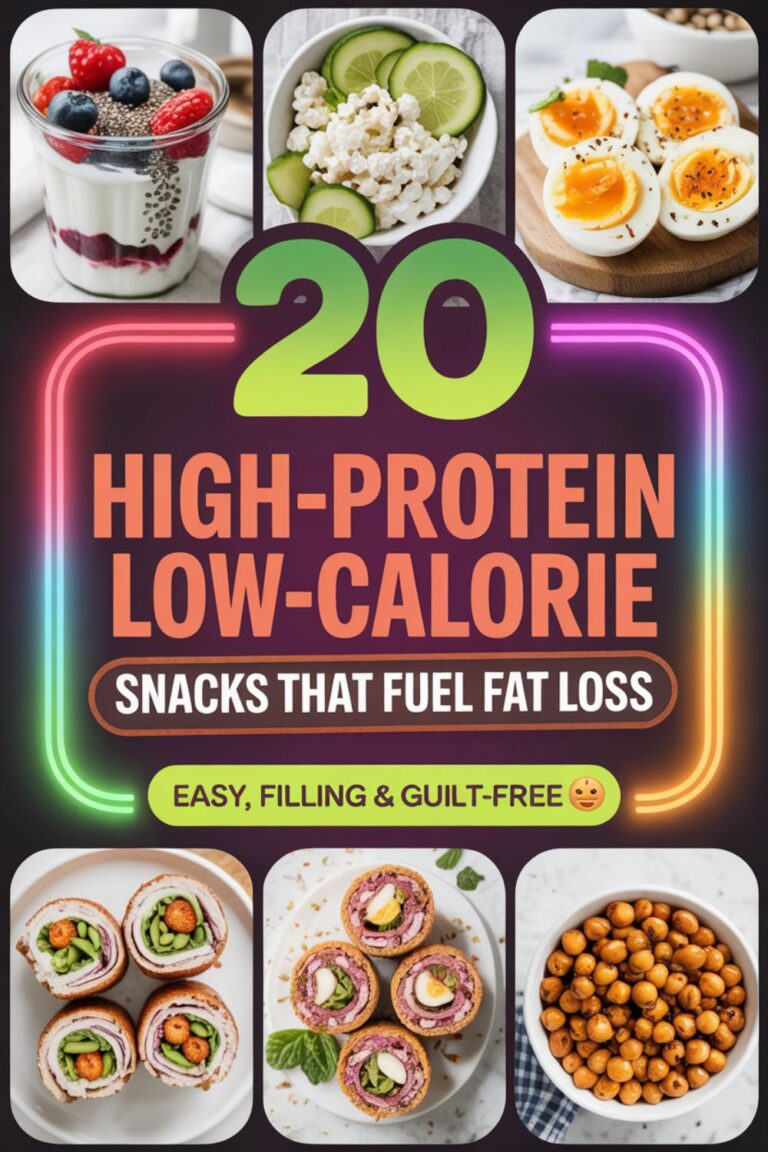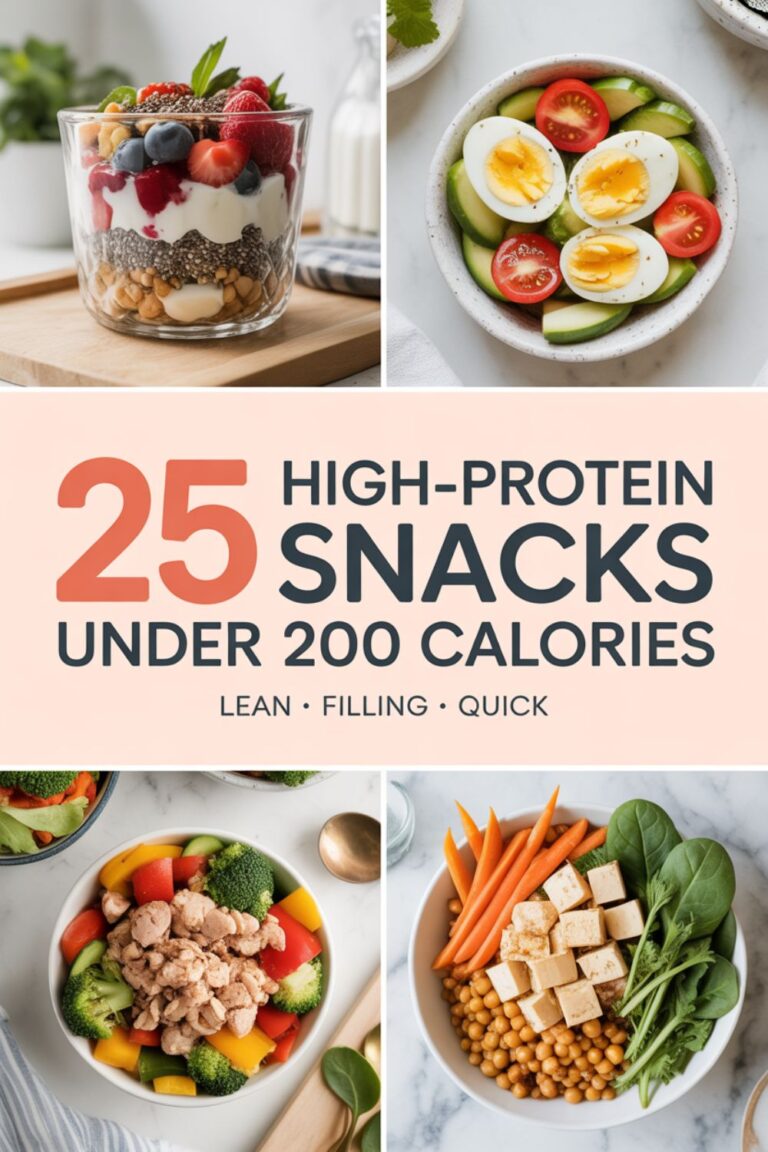
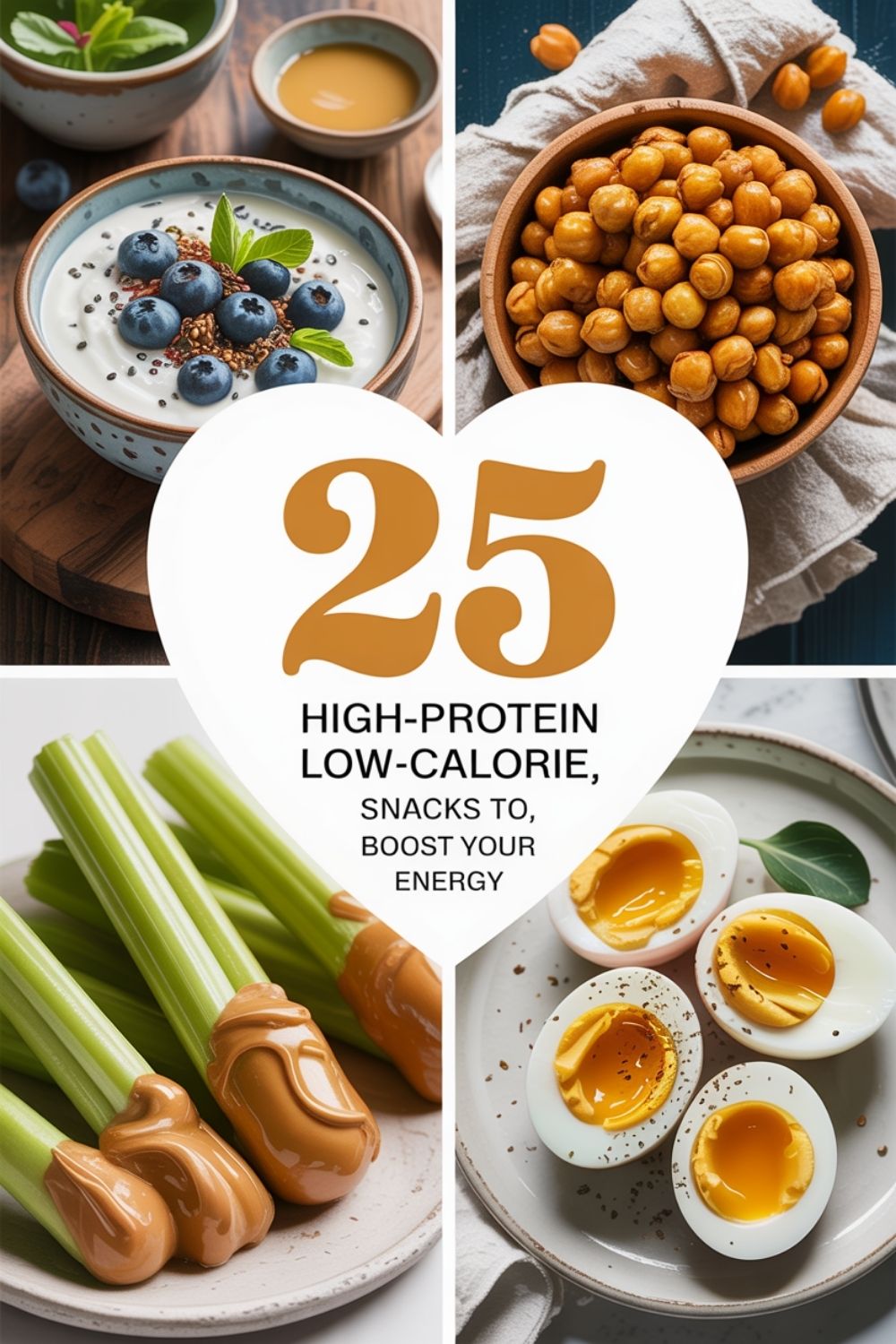
25 High-Protein Low-Calorie Snacks to Boost Your Energy
You know that 3 PM crash when your eyelids feel like they’re made of concrete and that vending machine starts calling your name? I used to think the solution was another cup of coffee or maybe, just maybe, that candy bar would give me the boost I needed. Spoiler alert: it didn’t.
Here’s what actually changed the game for me—high-protein, low-calorie snacks. And before you roll your eyes thinking I’m about to preach about bland chicken breast and sad celery sticks, hear me out. These snacks are actually good, keep you full without the calorie bomb, and give you steady energy instead of that sugar rollercoaster nobody asked for.
I’ve spent way too many afternoons experimenting with different snack combos (someone had to do it), and I’m about to share the 25 that actually work. No nonsense, no weird ingredients you can’t pronounce, just real food that tastes good and keeps you going.
Why Protein Matters More Than You Think
Let’s talk about why protein is basically your body’s best friend when it comes to snacking. When you eat protein, it triggers hormones that tell your brain you’re satisfied. Research shows that protein creates greater feelings of fullness compared to carbs or fats, which means you’re not reaching for snack number two thirty minutes later.
But here’s where it gets interesting. Your body actually burns more calories digesting protein than it does processing other nutrients—a concept called the thermic effect. About 20-30% of protein’s calories get used up just breaking it down, compared to only 5-10% for carbs. That’s like getting a mini workout just from eating lunch.
Plus, if you’re working out (or even if you’re not), protein helps repair and maintain muscle tissue. Studies indicate that individuals engaged in regular training need about 1.4-2 grams of protein per kilogram of body weight daily. More muscle means your metabolism runs hotter even when you’re binge-watching your favorite show.
Aim for 10-20 grams of protein per snack. That’s the sweet spot for keeping hunger at bay without going overboard on calories.
The 25 Snacks That Actually Deliver
1. Greek Yogurt with Berries
Plain Greek yogurt is my go-to morning snack, hands down. A cup gives you about 15-20 grams of protein, and when you top it with fresh berries, you’re adding fiber and antioxidants without many extra calories. Skip the flavored versions—they’re loaded with sugar that’ll just spike your blood glucose and leave you hungry an hour later.
I like using this small portion control bowl because it keeps my serving size in check while still feeling satisfying.
2. Hard-Boiled Eggs
Each egg packs about 6 grams of high-quality protein and only 70 calories. I prep a batch every Sunday and keep them in the fridge all week. Sprinkle on some everything bagel seasoning (trust me on this), and suddenly you’ve got a snack that feels way more exciting than it should.
The best part? An egg cooker like this one means perfectly cooked eggs every single time without watching a pot.
3. Cottage Cheese with Pineapple
Cottage cheese used to weird me out until I actually tried it. Half a cup delivers 14 grams of protein, and the casein protein digests slowly, keeping you full for hours. Pair it with pineapple chunks, and you’ve got this sweet-savory combo that hits different.
For anyone asking themselves if cottage cheese really deserves the hype—yes, it absolutely does. You might also love these high-protein meal ideas for weight loss beginners that make the most of this protein powerhouse.
4. Turkey and Cheese Roll-Ups
Grab deli turkey slices, wrap them around string cheese or cheese sticks, and boom—12 grams of protein in about two minutes. Add cucumber slices or bell pepper strips if you want some crunch. This is the snack that saved me during those long afternoon meetings where I couldn’t exactly pull out a full meal.
5. Edamame
One cup of these little green pods gives you 17 grams of plant-based protein. Just steam them, sprinkle with sea salt, and you’re done. They’re also packed with fiber, so your digestive system will thank you.
I keep bags of frozen edamame on hand because they’re as convenient as it gets. Speaking of plant-based options, check out these high-protein vegan meals for more inspiration.
6. Roasted Chickpeas
Half a cup of roasted chickpeas provides 6-8 grams of protein plus a satisfying crunch. Season them however you want—smoked paprika, curry powder, garlic salt. I’ve tried them all, and honestly, it’s hard to pick a favorite.
You can roast your own, but I prefer using this air fryer because it makes them extra crispy without any oil babysitting required.
Prep your protein snacks on Sunday evening. Your future self will thank you when Wednesday rolls around and decision fatigue hits.
7. Tuna Packets
Those little tuna pouches are clutch when you need protein fast. Each packet has around 15-20 grams of protein and about 70 calories. Mix with a little Greek yogurt instead of mayo, add some diced celery, and you’ve got a legit snack.
8. Protein Smoothies
Blend protein powder with unsweetened almond milk, half a banana, and a handful of spinach. Sounds weird, tastes great, delivers 20-25 grams of protein depending on your powder. The spinach adds nutrients without changing the flavor—I promise you won’t taste it.
For more smoothie ideas that actually work, try these metabolism-boosting protein smoothies. They’re game-changers for busy mornings.
Optimum Nutrition Gold Standard Whey Protein
After testing literally dozens of protein powders, this one keeps coming back into my rotation. It mixes smoothly without that chalky texture, the double rich chocolate actually tastes like chocolate (not sadness), and it delivers 24g of protein per scoop with only 120 calories.
Key Benefits:
- 24g protein per serving with only 1g sugar
- Banned substance tested for athletes
- Mixes instantly in cold water or milk
- Multiple flavors that don’t taste artificial
- 5.5g BCAAs for muscle recovery
9. Almonds
A small handful (about 22 almonds) gives you 6 grams of protein and healthy fats that keep you satisfied. Just watch your portions—these guys are calorie-dense, so it’s easy to overdo it if you’re eating straight from the bag.
I portion mine out using these small snack containers so I’m not accidentally eating half a jar while watching TV.
Greater Goods Digital Food Scale
Look, I resisted getting a food scale for years because it felt overly obsessive. But here’s the truth—eyeballing portions when you’re trying to hit protein targets is basically guessing, and guessing means you’re either way over or way under. This scale changed everything for me, especially with nuts and nut butters where calories add up fast.
Perfect For:
- Portion control for calorie-dense foods like nuts and cheese
- Accurate protein tracking when you’re serious about macros
- Meal prep to divide recipes into exact servings
- Compact design that doesn’t eat up counter space
- Easy cleanup with tempered glass surface
10. Protein Bars (The Good Ones)
Not all protein bars are created equal. Look for ones with at least 15 grams of protein and less than 5 grams of sugar. Read the ingredient list—if it sounds like a chemistry experiment, put it back.
My current favorite is anything with minimal ingredients that doesn’t taste like cardboard. Finding a good protein bar is like dating—you’ve gotta try a few before finding the one.
11. String Cheese
Each stick has 7 grams of protein and about 80 calories. It’s portable, doesn’t need refrigeration for a few hours, and satisfies that need to eat something without derailing your whole day.
12. Smoked Salmon on Cucumber Slices
This one feels fancy but takes zero effort. Smoked salmon provides about 16 grams of protein per 3-ounce serving, plus omega-3 fatty acids. Top cucumber slices with a bit of cream cheese and salmon, and you’ve got an elegant snack that impresses even yourself.
13. Peanut Butter on Apple Slices
Two tablespoons of peanut butter deliver about 7-8 grams of protein. Pair with apple slices for fiber and natural sweetness. The combo of protein, healthy fats, and fiber keeps your blood sugar stable.
Just make sure you’re using natural peanut butter without added sugar or weird oils—the ingredient list should basically just say peanuts and maybe salt.
14. Beef Jerky
Quality beef jerky can pack 9-10 grams of protein per serving with only about 80 calories. The key word here is quality—look for brands without tons of added sugar and preservatives.
I keep grass-fed beef jerky in my desk drawer for those moments when I need something savory and substantial.
High-Protein Meal Prep Mastery eBook
Tired of guessing your protein portions or running out of snack ideas by Wednesday? This comprehensive meal prep guide is specifically designed for anyone serious about hitting their protein goals without spending hours in the kitchen.
- 50+ high-protein recipes with exact macros calculated
- Weekly meal prep templates that save 5+ hours
- Portion control guide with visual references
- Shopping lists organized by protein source
- Freezer-friendly batch cooking strategies
I’ve personally used this system for the past six months, and it completely eliminated that “what should I eat?” paralysis. The recipes actually taste good, and the prep time is realistic for normal humans with jobs.
15. Protein Mug Cake
Mix protein powder, an egg, and a bit of almond milk in a mug. Microwave for 60-90 seconds, and you’ve got a warm, cake-like snack with 20+ grams of protein. Add a few chocolate chips if you’re feeling wild.
Looking for more creative ways to use protein powder? Check out these high-protein dinner recipes that’ll inspire your meal prep.
16. Low-Fat Mozzarella Sticks
Part-skim mozzarella sticks give you about 6-8 grams of protein each. They’re portion-controlled, which helps when you’re trying not to eat an entire block of cheese in one sitting (no judgment, we’ve all been there).
17. Protein Pancakes
Mix protein powder with mashed banana and an egg. Cook like regular pancakes. Each serving delivers around 20 grams of protein and feels like an actual treat instead of “diet food.”
18. Hummus with Veggies
A quarter cup of hummus provides about 4 grams of protein. Pair it with carrots, bell peppers, or cucumber sticks for a crunchy, satisfying snack. The chickpeas in hummus also offer fiber, making this combo seriously filling.
19. Turkey Pepperoni Slices with Cheese
This is basically a deconstructed pizza, and I’m not mad about it. Ten slices of turkey pepperoni with a cheese stick delivers about 12 grams of protein and satisfies that savory craving.
20. Protein Oatmeal Bites
Mix oats, protein powder, peanut butter, and honey. Roll into balls and refrigerate. Each bite-sized snack gives you protein, complex carbs, and healthy fats.
These work great alongside these breakfast bowl ideas when you need grab-and-go options.
21. Shrimp Cocktail
Four large shrimp provide about 20 grams of protein with only 80 calories. Dip in cocktail sauce (watch the sugar content), and you’ve got a protein-packed snack that feels restaurant-quality.
22. Seaweed Snacks with Tuna
Wrap tuna in seaweed sheets for a low-carb, high-protein snack. The seaweed adds minerals like iodine, and the combo is weirdly addictive once you get used to it.
23. Protein Ice Cream
Blend frozen banana with protein powder and a splash of milk. The texture comes out like soft-serve ice cream, but with 15-20 grams of protein. It’s cold, sweet, and actually good for you.
I use a small personal blender for this because cleanup is easier than dragging out my big blender.
24. Lentil Salad
One cup of cooked lentils provides 18 grams of protein plus tons of fiber. Toss with diced veggies and balsamic vinegar for a filling snack that works hot or cold.
This pairs perfectly with these quick lunch salads when you want to mix things up.
25. Protein Chia Pudding
Mix chia seeds with protein powder and almond milk. Let it sit overnight, and you wake up to a pudding-like snack with 20+ grams of protein and omega-3s. Top with berries because we’re not animals.
Making These Snacks Work in Real Life
Look, I could list snacks all day, but knowing about them and actually eating them are two different things. Here’s what I’ve learned from actually trying to incorporate these into my daily routine.
First, prep matters. I know everyone says this, but it’s true. When I have hard-boiled eggs and portioned almonds ready to go, I eat them. When I don’t, I’m ordering takeout at 4 PM because I’m hangry and making bad decisions.
Second, variety keeps you sane. Eating Greek yogurt every single day gets old fast. Rotate through different options so you don’t feel like you’re eating the same thing constantly.
Third, context matters. Post-workout? Go for something with faster-digesting protein like a smoothie. Long afternoon? Opt for something with casein like cottage cheese that’ll keep you satisfied longer.
For athletes and anyone doing serious training, timing your protein intake strategically can make a real difference. These muscle recovery recipes dive deeper into optimizing your post-workout nutrition.
Emma from our community started meal prepping these snacks every Sunday and dropped 12 pounds in two months without feeling deprived once. Her secret? Always having three different high-protein options ready in the fridge.
The Protein-Calorie Balance
The magic of high-protein, low-calorie snacks isn’t just about the protein—it’s about getting maximum satiety with minimum calories. When you’re trying to manage your weight or just avoid that afternoon energy crash, this balance is everything.
Research published in Nutrition Journal found that high-protein snacks led to better appetite control and reduced subsequent food intake compared to high-fat options. Basically, protein helps you feel full without backloading your calorie budget.
The low-calorie part matters too. You want snacks that fit into your day without requiring you to skip dinner or feel guilty. Most of these options clock in under 200 calories while still delivering substantial protein.
Think about it—a candy bar might be 250 calories with minimal protein, leaving you hungry 30 minutes later. Compare that to Greek yogurt with berries at 150 calories and 20 grams of protein that keeps you satisfied for hours. That’s not diet culture talking; that’s just smart eating.
If you’re specifically working on weight management, these beginner-friendly meal ideas can help you build a sustainable eating pattern without feeling restricted.
Customizing for Your Needs
Not everyone’s protein needs are identical. An athlete training twice daily needs more protein than someone with a desk job. According to research on protein timing and muscle recovery, active individuals benefit from distributing protein intake throughout the day, not just at main meals.
If you’re vegan or vegetarian, you can absolutely hit your protein targets with these snacks. Focus on options like edamame, lentils, chickpeas, and plant-based protein powders. The key is variety—different plant proteins have different amino acid profiles, so mixing it up ensures you’re getting everything you need.
For folks managing dietary restrictions, most of these snacks can be adapted. Lactose intolerant? Try lactose-free Greek yogurt or swap dairy for plant-based alternatives. Nut allergy? Focus on eggs, dairy, and legume-based options.
Parents looking for kid-friendly options should check out these high-protein snacks designed for kids—because getting protein into picky eaters is its own special challenge.
Common Mistakes to Avoid
After watching people (including myself) try to incorporate more protein snacks, I’ve noticed some patterns that don’t work.
Mistake number one: Not reading labels. Some “protein bars” have as much sugar as candy bars. Just because it says protein on the package doesn’t mean it’s actually good for you. Always check the nutrition label and ingredient list.
Mistake two: Going too extreme. Eating only protein without any carbs or fats leaves you feeling terrible and makes life less enjoyable. Balance matters. A little fruit with your protein snack? Totally fine.
Mistake three: Expecting immediate results. Your body doesn’t transform overnight just because you started eating Greek yogurt instead of chips. Give it time—you’ll notice better energy levels and satiety within a week or two, but sustainable changes take patience.
Mistake four: Making it complicated. You don’t need seventeen ingredients and an hour of prep time. Sometimes hard-boiled eggs and an apple are perfectly adequate. Don’t let perfect be the enemy of good enough.
Shopping and Prep Strategies
Let’s talk logistics because knowing what to eat is useless if you don’t have it in your house.
I keep what I call my “protein staples” always stocked: eggs, Greek yogurt, cottage cheese, canned tuna, natural peanut butter, and almonds. These don’t go bad quickly and cover most protein snack scenarios.
For prep, I designate Sunday evening as snack prep time. It takes maybe 30 minutes to boil eggs, portion out nuts, cut up veggies, and make a big batch of something like protein oatmeal bites. That half hour saves me from making bad decisions all week.
Storage matters too. These glass meal prep containers keep everything fresh and make grab-and-go easy. I can see what I have without opening five different containers.
For people who batch cook, these meal prep-friendly recipes extend the same principle to full meals, making your whole week easier.
When to Eat These Snacks
Timing isn’t everything, but it’s not nothing either. Mid-morning snacks prevent you from being ravenous by lunch and making regrettable food court decisions. Afternoon snacks stop that 3 PM slump and keep you from eating everything in sight at dinner.
Post-workout is prime time for protein. Your muscles are basically screaming for amino acids to start repairs. Getting 20-30 grams of protein within an hour or two of training maximizes the benefits. Studies on protein supplementation consistently show improved recovery when protein is consumed shortly after exercise.
Before bed, slower-digesting proteins like cottage cheese can help prevent muscle breakdown overnight. Your body doesn’t stop needing nutrients just because you’re asleep.
That said, don’t overthink it. Eating protein-rich snacks when you’re hungry is better than eating them at some “optimal” time while ignoring your actual hunger cues.
For athletes fine-tuning their nutrition timing, these athlete-focused meal prep ideas offer more detailed guidance.
Budget-Friendly Options
High-protein snacks don’t have to demolish your budget. Some of the best options are also the cheapest.
Eggs are still one of the most affordable protein sources, period. A dozen costs a few dollars and gives you 12 ready-made snacks. Canned tuna runs about a dollar per can. Dried lentils cost basically nothing and provide tons of protein once cooked.
Greek yogurt goes on sale regularly—buy several containers when it does. Cottage cheese is usually affordable, especially store brands. Peanut butter lasts forever and provides solid protein per dollar.
Where you can save less: beef jerky, smoked salmon, and fancy protein bars tend to be pricey. They’re fine as occasional options, but if budget is tight, focus on eggs, legumes, dairy, and canned fish.
Buying in bulk helps too. Large bags of almonds from warehouse stores cost way less per serving than those tiny single-serve packs, even if the upfront cost is higher.
30-Day High-Protein Meal Planner
Planning gets exhausting when you’re trying to hit protein targets at every meal and snack. This done-for-you meal planner takes the mental load off completely—every breakfast, lunch, dinner, and snack is mapped out with exact protein counts and prep instructions.
- 30 days of complete meal plans with 100g+ protein daily
- Snack timing optimized for energy and satiety
- Auto-generated grocery lists by week
- Mix-and-match options for dietary preferences
- Prep-ahead guides for Sunday batch cooking
- Printable meal prep containers checklist
I tested this for a full month and honestly, the mental clarity of not deciding what to eat three times a day was worth it alone. My protein intake stayed consistent for the first time ever, and I actually spent less money because the shopping lists eliminated random grocery store impulse buys.
Tracking Your Protein Intake
IMO, you don’t need to track every gram obsessively, but having a general sense of your protein intake helps ensure you’re actually getting enough.
A simple approach: aim for 20-30 grams at each meal and 10-15 grams per snack. That gets most people into a healthy range without requiring a calculator and food scale at every meal.
If you want to be more precise, numerous apps can track macros for you. I used one for a few weeks just to get calibrated on what different portion sizes looked like. Now I can eyeball it reasonably well.
Your needs vary based on your weight, activity level, and goals. Active people need more. Bigger people need more. Someone trying to build muscle needs more than someone just maintaining. A rough starting point is 0.8-1 gram of protein per pound of body weight if you’re active.
Real Talk About Protein Supplements
Let’s address the elephant in the gym: protein powder. Some people act like it’s cheating; others think it’s essential. The truth is somewhere in the middle.
Protein powder is just food. It’s a convenient way to boost protein intake when whole food sources aren’t practical. That’s it. It’s not magic, but it’s not cheating either.
Quality matters. Look for brands that third-party test their products. Whey protein digests quickly (good post-workout), while casein digests slowly (good before bed). Plant-based options like pea protein work great for vegans or anyone with dairy issues.
That said, whole foods should be your foundation. Protein powder is a supplement, meaning it supplements your regular diet. It doesn’t replace actual meals.
If you’re wondering about protein powder usage in real recipes, these protein smoothie recipes show you exactly how to use it effectively.
RXBAR Protein Bars (Variety Pack)
I’m picky about protein bars because most taste like you’re chewing on sweetened cardboard. RXBARs are different—the ingredient list is literally printed on the front: egg whites, dates, cashews, almonds, and natural flavoring. That’s it. No weird chemicals, no artificial sweeteners that leave an aftertaste, just real food in bar form.
What You Get:
- 12g protein from egg whites (complete amino acid profile)
- Clean ingredients—typically 5-8 recognizable foods
- No added sugar (sweetness comes from dates)
- Gluten-free and dairy-free options
- Stays fresh in gym bags, purses, or desks for months
- 210 calories per bar with 4-5g fiber
Protein & Macro Tracker App
Forget generic calorie counting apps that don’t understand your protein-focused goals. This specialized tracker is built specifically for high-protein nutrition, making it ridiculously easy to hit your targets without obsessing over every gram.
- Barcode scanner with 95% accurate protein database
- Pre-loaded snack combos from this article
- Visual progress charts showing protein consistency
- Smart notifications when you’re falling short on daily protein
- Recipe builder that auto-calculates macros per serving
What I love most is the “snack suggestions” feature—when you log lunch and it sees you’re low on protein, it literally suggests snacks from your favorites list. It’s like having a nutrition coach in your pocket who actually understands timing and goals.
Frequently Asked Questions
How much protein should I aim for per snack?
Aim for 10-20 grams of protein per snack for optimal satiety and energy. This amount is substantial enough to curb hunger without adding excessive calories to your daily intake. The exact amount depends on your overall daily protein goals and activity level, but this range works well for most people as a between-meal option.
Can I eat high-protein snacks if I’m trying to lose weight?
Absolutely—high-protein snacks are actually helpful for weight loss because protein increases satiety and helps preserve muscle mass during calorie restriction. The key is choosing low-calorie protein options like Greek yogurt, eggs, or lean turkey instead of high-calorie nuts and cheese exclusively. Protein also has a higher thermic effect than carbs or fats, meaning your body burns more calories digesting it.
What’s the difference between whey and casein protein?
Whey protein digests quickly (within 1-2 hours), making it ideal for post-workout recovery when your muscles need rapid amino acid delivery. Casein protein digests slowly (over 6-8 hours), which makes it better for sustained protein release, like before bed or as a snack to keep you full between meals. Both come from milk, but they serve different purposes based on timing and goals.
Are plant-based protein snacks as effective as animal protein?
Plant-based proteins can be just as effective if you consume a variety of sources to get all essential amino acids. While animal proteins are “complete” proteins containing all nine essential amino acids, combining different plant proteins throughout the day (like beans with rice, or hummus with whole grain crackers) ensures you get complete nutrition. Options like edamame, lentils, and quinoa are excellent plant-based protein sources.
How long do these snacks keep me full?
Most high-protein snacks keep you satisfied for 2-4 hours, though this varies based on the protein type and what you pair it with. Snacks containing casein (like cottage cheese) or paired with fiber and healthy fats tend to provide longer-lasting fullness. If you find yourself hungry again within an hour, you might need to increase the protein amount or add some fiber-rich vegetables or fruit to your snack.
The Bottom Line
High-protein, low-calorie snacks aren’t about restriction or suffering through bland food because some diet told you to. They’re about finding options that taste good, keep you satisfied, and support whatever goals you’re working toward—whether that’s more energy, better recovery, or just not feeling like garbage by 3 PM.
The 25 snacks I’ve shared here work because they’re actually doable. You don’t need special equipment, weird ingredients from expensive health food stores, or hours of prep time. Most of these take five minutes or less to put together.
Start with a few options that sound appealing to you. Prep them at the beginning of the week. Keep them accessible. When hunger hits, you’ll have something ready that won’t leave you feeling sluggish or unsatisfied.
Your body needs protein to function well—for muscle repair, hormone production, enzyme function, and about a million other processes. Giving it that protein in snack form between meals keeps your energy steady and prevents the blood sugar rollercoaster that makes you feel terrible.
These aren’t temporary diet foods you endure until you can go back to “normal” eating. They’re just good food that happens to be high in protein and reasonable in calories. And honestly? Once you get used to feeling energized instead of sluggish after snacking, you won’t want to go back to the old way anyway.
30-Day High-Protein
Low-Calorie Meal Plan
Every breakfast, lunch, dinner & snack — all 30 days fully mapped out. Just follow the plan.
- ✓50+ complete recipes with ingredients & step-by-step instructions
- ✓4-week day-by-day plans — every meal for all 30 days
- ✓4 weekly shopping lists organised by store section
- ✓Printable habit & progress tracker — 30 full days
- ✓100g+ protein per day — scientifically optimised macros
Instant PDF · Print at home
Results guaranteed with consistency