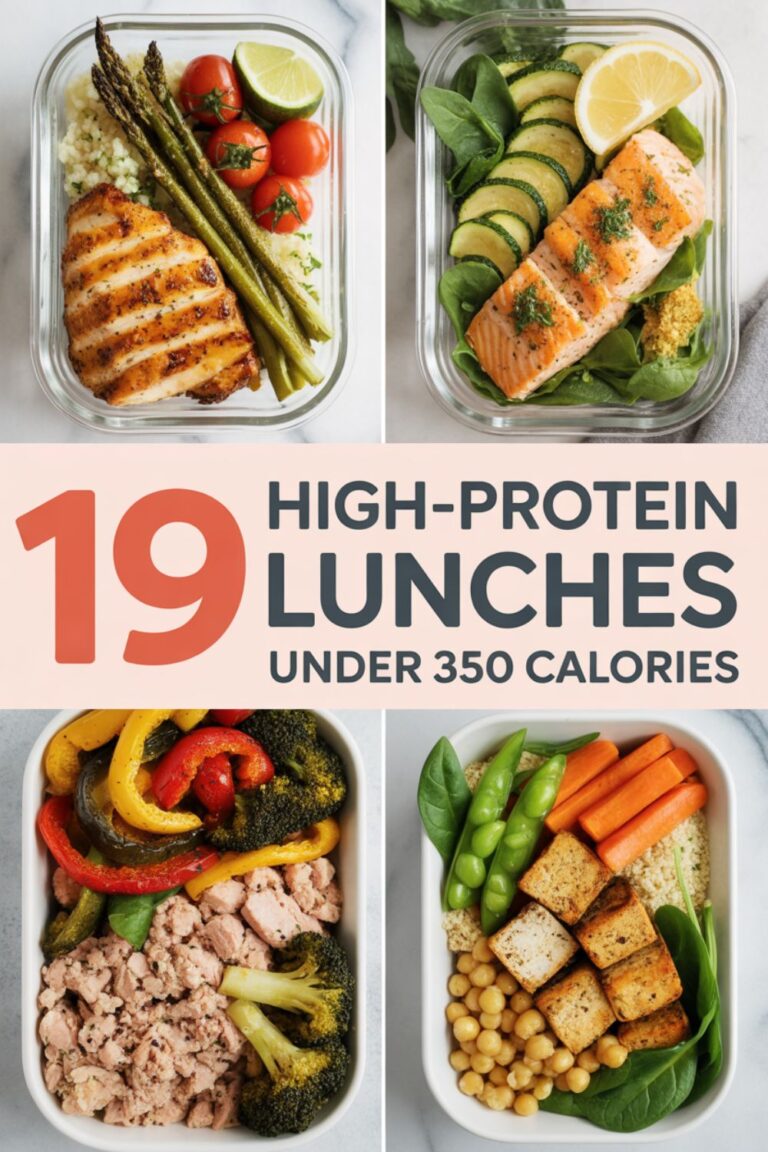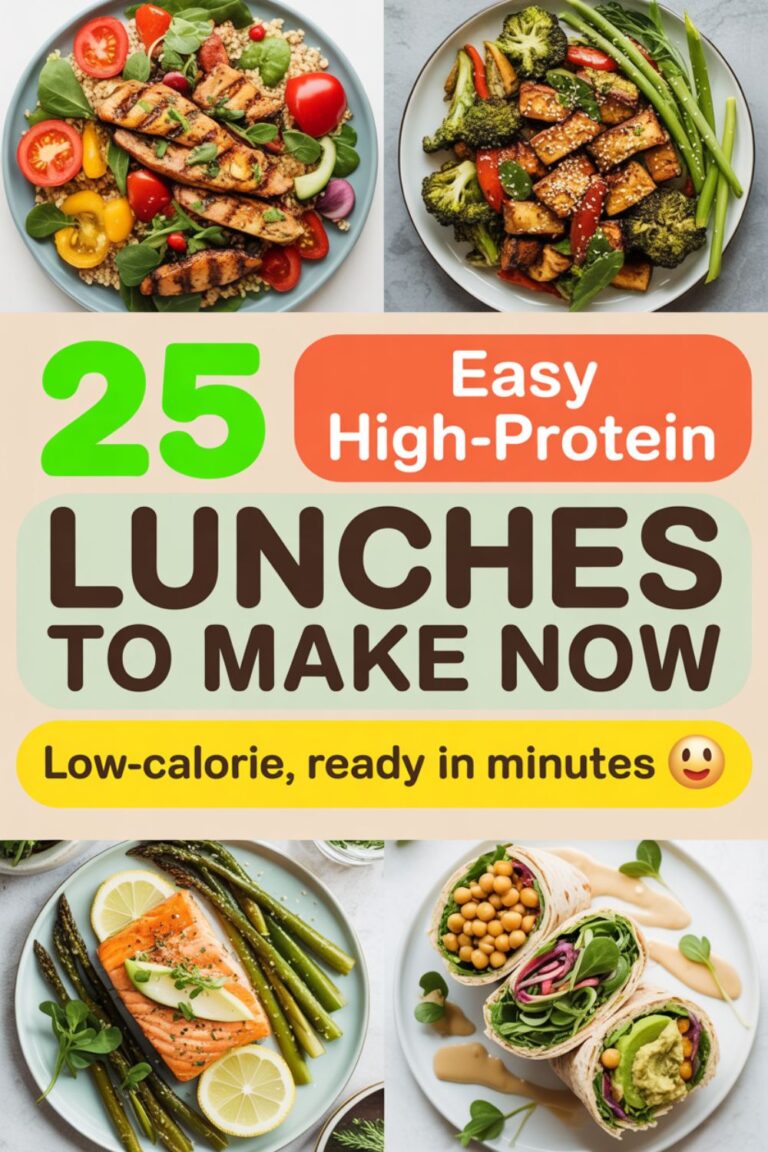
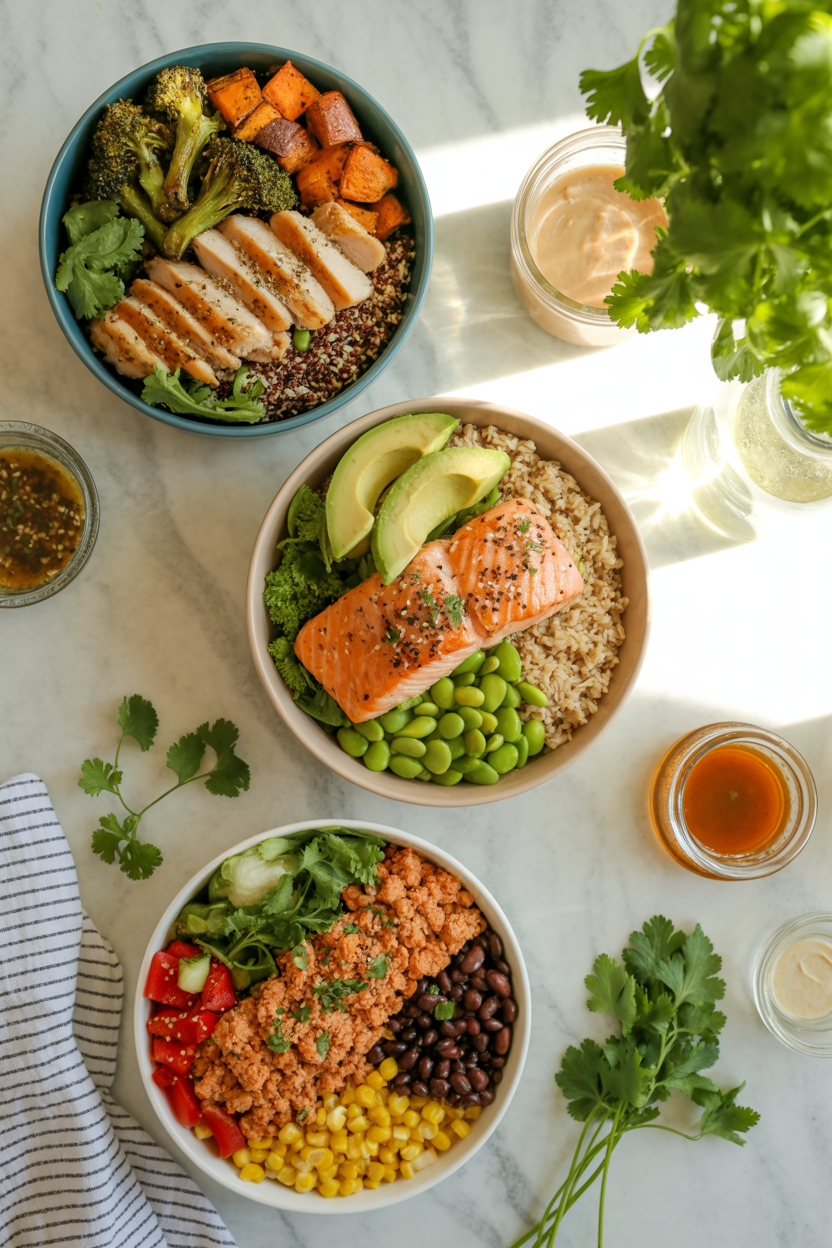
12 High-Protein Low-Calorie Bowls You Can Prep in Under 20 Minutes
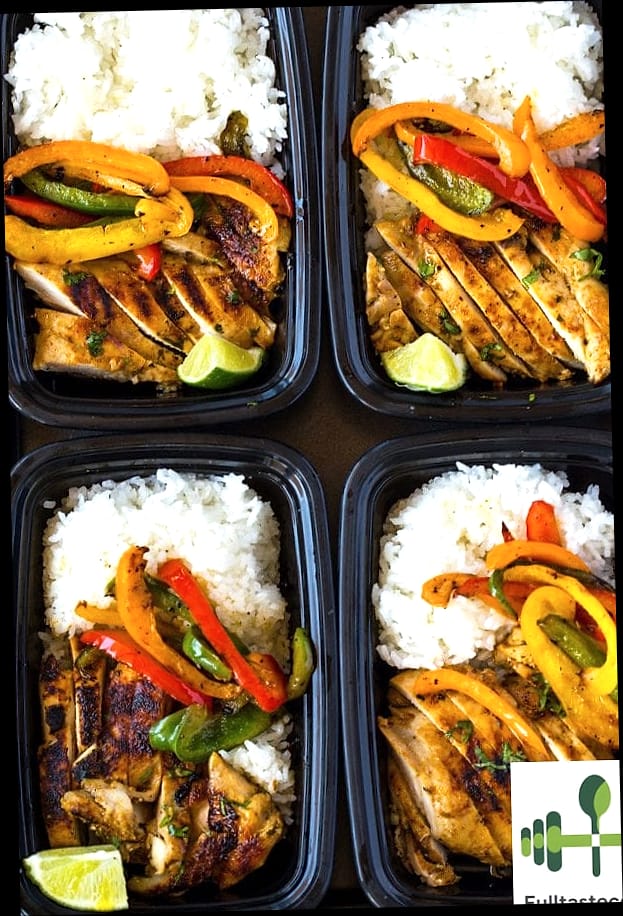
Twenty minutes. That’s all you need to prep a week’s worth of high-protein meals that actually taste good. I’m not talking about those sad meal prep containers you see on Instagram with plain chicken and broccoli. These bowls have flavor, texture, and enough variety to keep you from ordering takeout by Wednesday.
I started making these protein bowls when I realized I was spending more time deciding what to eat than actually eating. Now? I batch-prep on Sunday evening, spend less than 20 minutes per bowl, and have lunch sorted for the entire week. The secret is smart shortcuts and strategic ingredient choices.
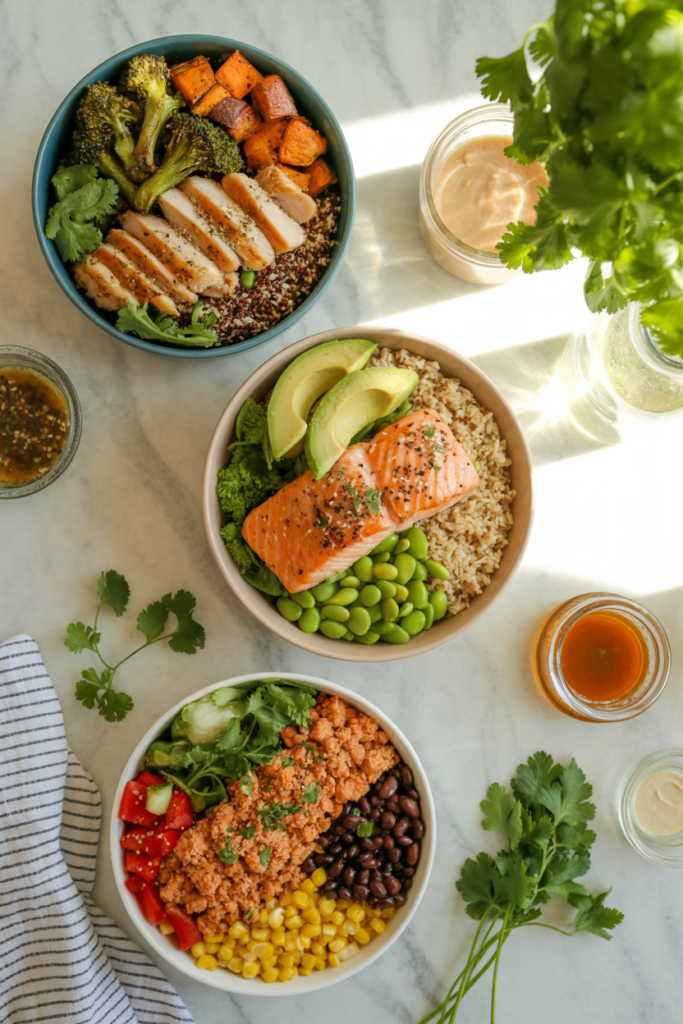
Why Bowls Beat Everything Else for Meal Prep
Bowls are the ultimate meal prep format because you can mix and match components. Cook three proteins, prep four grain bases, roast a bunch of vegetables, and suddenly you have dozens of possible combinations. No more eating the exact same thing five days straight.
Each of these bowls delivers at least 30 grams of protein and stays under 450 calories. That’s enough to keep you full for 4-5 hours without feeling sluggish. According to research from the Journal of the International Society of Sports Nutrition, spreading protein intake throughout the day in meals containing 25-40 grams maximizes muscle protein synthesis better than eating protein in uneven amounts.
The 20-minute timeline is real. I timed myself. Most of the “cooking” is just assembly work if you use smart shortcuts like pre-cooked grains, rotisserie chicken, and frozen vegetables.
Essential Prep Tools That Save Time
You need these stackable meal prep containers with dividers. They keep wet ingredients from making everything soggy and make reheating way easier. I also swear by this rice cooker because you can set it and forget it while you handle everything else.
For chopping vegetables quickly, get a quality chef’s knife and learn how to use it properly. Dull knives slow you down and make prep frustrating. I keep these small dressing containers filled with different sauces so I can change up flavors throughout the week without making separate batches.
One more game-changer: silicone baking mats for roasting vegetables. Nothing sticks, cleanup is instant, and vegetables get perfectly crispy edges.
Smart Shortcuts That Don’t Sacrifice Quality
Pre-cooked quinoa and brown rice from the freezer section are lifesavers. They taste just as good as homemade and save 30-40 minutes of cooking time. Rotisserie chicken is another no-brainer—shred it and use it in three different bowls with different seasonings.
Frozen vegetables get a bad reputation, but broccoli, cauliflower, and edamame freeze brilliantly. They’re already cleaned and chopped, which cuts prep time in half. Just roast them with some seasoning and olive oil.
Canned beans are ready to use immediately. Just rinse them well to remove excess sodium. Black beans, chickpeas, and white beans all work perfectly in these bowls.
Chicken-Based Bowl Powerhouses
1. Mediterranean Chicken Bowl
Grilled chicken breast, quinoa, roasted red peppers, cucumber, Kalamata olives, cherry tomatoes, feta, and tzatziki sauce. About 34 grams of protein and 380 calories per bowl.
Season your chicken with oregano, garlic powder, and lemon zest before cooking. The flavor penetrates the meat and makes every bite interesting. Get Full Recipe
2. Asian Sesame Chicken Bowl
Shredded chicken, brown rice, edamame, shredded cabbage, carrots, and sesame-ginger dressing. Each bowl has roughly 32 grams of protein and 360 calories.
I use this toasted sesame oil in the dressing—a tiny amount goes a long way. Top with sesame seeds and sliced green onions right before eating.
3. Southwest Chicken Bowl
Seasoned chicken, cilantro-lime rice, black beans, corn, bell peppers, avocado, and salsa. About 31 grams of protein and 420 calories per serving.
The cilantro-lime rice is key here. Cook rice, then toss it with fresh lime juice, cilantro, and a pinch of salt. It transforms basic rice into something you’ll actually crave.
4. Buffalo Chicken Bowl
Buffalo-seasoned chicken, cauliflower rice, celery, carrots, cherry tomatoes, and Greek yogurt ranch. About 30 grams of protein and 310 calories.
Mix hot sauce with a tiny bit of melted butter for authentic buffalo flavor. The Greek yogurt ranch keeps it light while still giving you that creamy element. If you’re into spicy options, try these hot sauce recipes or check out this buffalo wing meal prep guide for more variations.
Beef and Pork Bowl Options
5. Korean Beef Bowl
Lean ground beef with Korean-style sauce, white rice, kimchi, cucumber, carrots, and a soft-boiled egg. Each bowl delivers about 33 grams of protein and 410 calories.
The sauce is simple: low-sodium soy sauce, ginger, garlic, a touch of honey, and sesame oil. Brown the beef, add the sauce, let it reduce slightly. Done in 10 minutes.
6. Taco Bowl
Seasoned ground beef (93/7 lean), cilantro-lime rice, black beans, lettuce, tomatoes, cheese, and Greek yogurt sour cream. About 32 grams of protein and 400 calories.
Use this taco seasoning blend or make your own with chili powder, cumin, paprika, garlic powder, and oregano. Way better than those packets with mystery ingredients.
7. Pork Tenderloin Bowl
Sliced pork tenderloin, sweet potato cubes, Brussels sprouts, quinoa, and apple cider vinaigrette. About 31 grams of protein and 390 calories per bowl.
Pork tenderloin cooks in 15 minutes if you slice it into medallions first. Season with sage, thyme, and garlic. The sweet potato and Brussels sprouts roast together on the same sheet pan.
For more pork inspiration, explore these lean protein meal ideas or try this sheet pan dinner guide that pairs perfectly with bowl concepts.
Seafood Bowls
8. Teriyaki Salmon Bowl
Pan-seared salmon, brown rice, broccoli, edamame, cucumber, and teriyaki sauce. Each bowl has about 35 grams of protein and 420 calories.
Make your own teriyaki sauce with soy sauce, rice vinegar, honey, and ginger. Store-bought versions have way too much sugar. Pan-sear the salmon skin-side down for crispy skin.
9. Shrimp and Quinoa Bowl
Garlic shrimp, quinoa, roasted asparagus, cherry tomatoes, feta, and lemon dressing. About 28 grams of protein and 350 calories.
Shrimp takes literally three minutes to cook. Toss them in garlic, lemon juice, and olive oil, sauté until pink. That’s it. Use these frozen raw shrimp for convenience—thaw them under cold water and they’re ready to go.
10. Tuna Poke Bowl
Sushi-grade tuna, white rice, edamame, cucumber, avocado, seaweed salad, and soy-ginger dressing. About 34 grams of protein and 390 calories per bowl.
Only make this if you’re eating it within 2 days. Raw fish doesn’t keep as long as cooked proteins. If you’re prepping for the whole week, substitute the tuna with seared ahi instead.
Plant-Based Protein Bowls
11. Chickpea and Quinoa Power Bowl
Roasted chickpeas, quinoa, roasted sweet potato, kale, tahini dressing, and pumpkin seeds. About 18 grams of protein and 380 calories.
Roast chickpeas at 425°F for 25 minutes with cumin, paprika, and garlic powder. They get crispy and addictive. Add these hemp hearts on top for an extra 5 grams of protein per serving.
12. Black Bean and Rice Bowl
Black beans, brown rice, roasted bell peppers, corn, avocado, cilantro, and lime crema. About 16 grams of protein and 360 calories per bowl.
The protein seems low until you remember beans are also loaded with fiber. The combination keeps you satisfied way longer than the numbers suggest. Season the black beans with cumin, garlic, and a pinch of chipotle powder for depth.
IMO, plant-based bowls need more aggressive seasoning than meat-based ones. Don’t be shy with spices, acids, and herbs. For more vegetarian options, check out these high-protein plant-based meals or explore this vegan bowl collection for additional variety.
The Assembly Line Method
Here’s how I prep 12 bowls in under an hour on Sunday. Start your rice or quinoa first—it takes the longest. While that cooks, season and start your protein. As protein cooks, chop vegetables. When protein is done, roast vegetables.
Everything finishes around the same time, and you’re just assembling bowls for the last 10 minutes. Use an actual assembly line: containers lined up, grain base first, protein second, vegetables third, toppings last.
Label everything with the date. I use these erasable markers on masking tape—cheap and effective. Most bowls last 4-5 days in the fridge. Freeze anything you’re eating after day five.
Dressing and Sauce Strategy
Never add dressing until you’re ready to eat. Keep sauces separate in those small containers I mentioned earlier. This keeps everything fresh and lets you change flavors throughout the week.
Make 2-3 different dressings and rotate them. A basic vinaigrette (olive oil, vinegar, Dijon, garlic), a creamy option (Greek yogurt, herbs, lemon), and something spicy (hot sauce, lime juice, honey) covers most bases.
Store dressings in these glass jars with pour spouts. They seal tight for storage but make adding dressing to your bowl super easy.
Reheating Without Ruining Everything
Remove avocado, fresh herbs, and dressings before reheating. Heat everything else for 2 minutes in the microwave, then add the cold elements back. This keeps temperatures and textures right.
FYI, some proteins reheat better than others. Chicken and pork stay moist. Beef can get tough if you overcook it initially. Shrimp gets rubbery if reheated too long—30 seconds max.
If you’re taking bowls to work, invest in this insulated lunch bag with an ice pack. Keeps everything at the right temperature until lunch.
Troubleshooting Common Bowl Problems
If your grains get mushy, you’re adding too much liquid during cooking. Use a 2:1 water-to-grain ratio for most types. If they’re coming out dry, you underfilled the liquid or opened the lid too much while cooking.
Soggy vegetables? You’re not roasting them hot enough or you’re overcrowding the pan. Use 425°F minimum and give vegetables space to breathe. Crowded vegetables steam instead of roast.
Bland bowls mean you’re under-seasoning. Each component should be seasoned separately—don’t just season the bowl at the end. Season the protein, season the grains, season the vegetables. Layers of flavor build interest.
Your protein is dry? You overcooked it. Get this instant-read thermometer and stop guessing. Chicken is done at 165°F, pork at 145°F, beef at 135°F for medium-rare.
Smart Ingredient Swaps
Don’t have quinoa? Use brown rice, farro, or cauliflower rice. All work perfectly. Not a fan of chicken? Swap in turkey, pork, or even canned tuna. The bowl formula stays the same.
Need dairy-free options? Skip the cheese and use nutritional yeast for a similar savory hit. Replace Greek yogurt with tahini or cashew cream in dressings.
Cutting carbs? Double the vegetables and skip the grain base entirely. Or use cauliflower rice—it adds volume without many calories. For more low-carb ideas, explore these keto-friendly bowl options or check out this cauliflower rice recipe guide for creative variations.
Related Recipes You’ll Love
Looking for more quick meal prep ideas that keep protein high and prep time low? Here are some recipes that complement these bowls perfectly:
More Protein-Packed Meals:
- High-protein salad recipes
- Instant Pot meal prep guide
Complete Planning Strategies:
- Weekly meal prep for beginners
- Budget-friendly protein meals
Complementary Ideas:
- Homemade protein sauces
- Roasted vegetable combinations
Final Thoughts
Twenty minutes of focused prep beats an hour of scattered cooking any day of the week. These bowls prove you don’t need elaborate recipes or culinary school skills to eat well. You just need a system.
Start with 2-3 bowl combinations that sound good. Get the basic formula down before you start experimenting with wild ingredient combinations. Once you nail the technique, you’ll be creating your own bowls based on whatever’s in your fridge.
And hey, if your first batch comes out less than perfect, that’s fine. I’ve made some truly questionable food combinations in the name of meal prep. The point is you’re showing up, doing the work, and feeding yourself real food. That’s already winning. Now go batch-prep some ridiculously easy protein bowls.
30-Day High-Protein
Low-Calorie Meal Plan
Every breakfast, lunch, dinner & snack — all 30 days fully mapped out. Just follow the plan.
- ✓50+ complete recipes with ingredients & step-by-step instructions
- ✓4-week day-by-day plans — every meal for all 30 days
- ✓4 weekly shopping lists organised by store section
- ✓Printable habit & progress tracker — 30 full days
- ✓100g+ protein per day — scientifically optimised macros
Instant PDF · Print at home
Results guaranteed with consistency