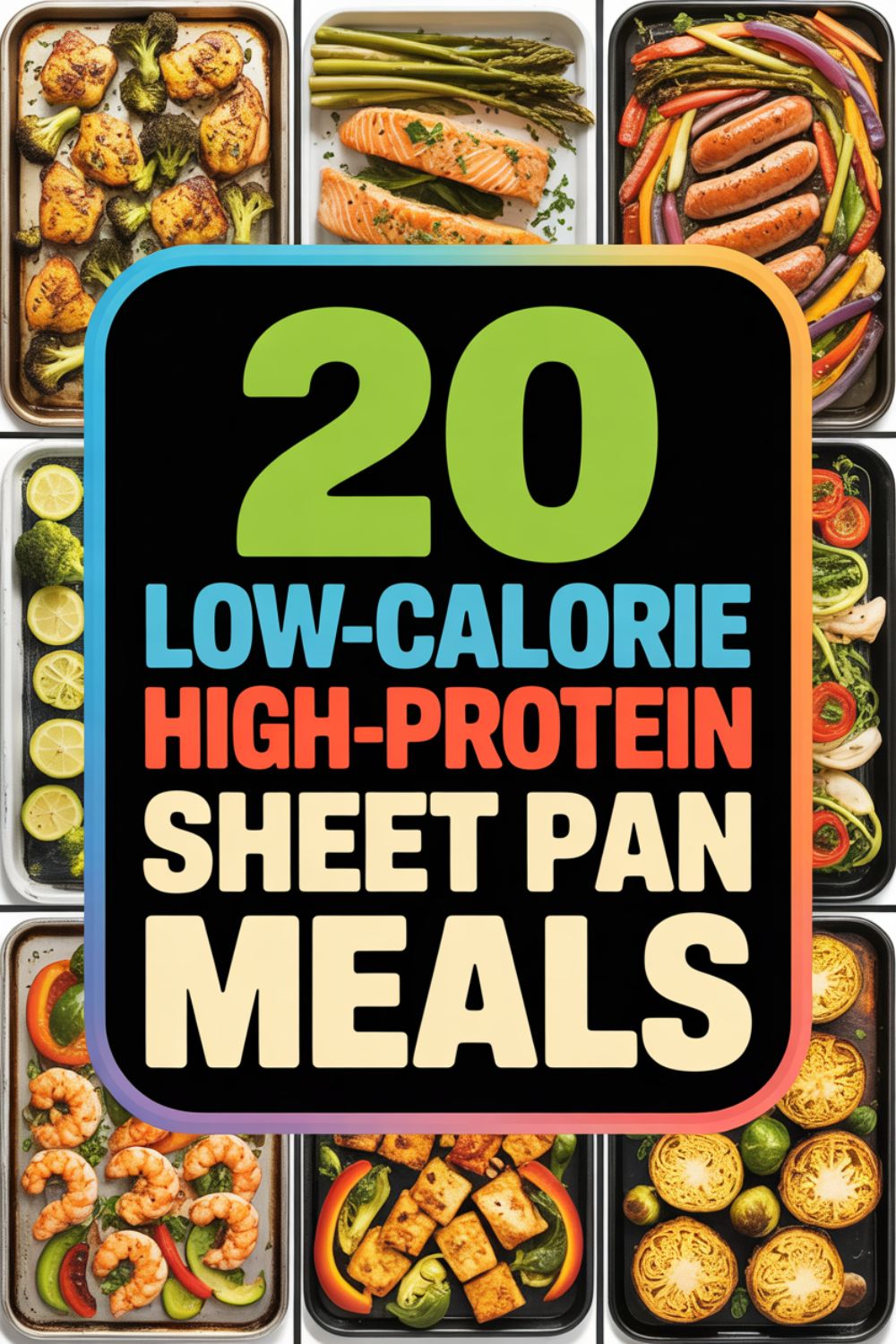
20 Low-Calorie High-Protein Sheet Pan Meals
Look, I’m not going to pretend sheet pan dinners are some revolutionary discovery. But here’s the thing: when you combine the simplicity of one-pan cooking with high-protein, low-calorie ingredients, you get something that actually works for people who are juggling real life.
I’ve tested these meals on the busiest weeknights imaginable, and they pass the ultimate test: minimal cleanup, maximum nutrition, zero drama. Whether you’re meal prepping for the week or just trying to get dinner on the table before someone starts raiding the cereal box, these 20 sheet pan recipes deliver.
Let’s talk about why this combination is a game-changer. High-protein meals keep you satisfied longer, and when you pair that with low-calorie cooking methods like roasting, you’re hitting the sweet spot. According to research from Mayo Clinic Health System, consuming adequate protein throughout the day helps maintain muscle mass and supports recovery, with recommendations of 15-30 grams per meal for optimal benefits.
Why Sheet Pan Meals Are Your New Best Friend
Here’s what nobody tells you about eating healthy: the biggest barrier isn’t willpower, it’s the cleanup. I used to plan these elaborate healthy dinners that required five pots, three cutting boards, and what felt like an entire sink full of dishes. Then I’d look at that mess and think, “Yeah, pizza sounds great right about now.”
Sheet pan meals solve that problem. One pan, one meal, done. You’re not sacrificing flavor or nutrition either. When proteins and vegetables roast together, something magical happens. The natural sugars in the veggies caramelize, the proteins develop this beautiful crust, and everything picks up these concentrated flavors that you just can’t get from other cooking methods.
The math works in your favor too. Most of these meals clock in at 300-400 calories per serving while delivering 25-40 grams of protein. That’s the kind of ratio that keeps you full for hours, not 30 minutes. Plus, you’re getting a solid dose of vegetables without really thinking about it.
Line your sheet pan with parchment paper before roasting. Trust me on this—it prevents sticking, makes cleanup even easier, and helps vegetables caramelize without burning. Just make sure the paper doesn’t extend past the pan edges to avoid any fire hazards.
The Secret to Perfect Sheet Pan Cooking
Not all sheet pan meals are created equal, and I learned this the hard way. The first time I threw everything on a pan at once, I ended up with mushy vegetables and undercooked chicken. Fun times.
Here’s what actually works: cut everything to roughly the same size. This isn’t about being a perfectionist—it’s about ensuring everything cooks evenly. If your chicken is in massive chunks and your vegetables are tiny dice, you’re going to have problems.
Temperature matters too. Most proteins and vegetables hit their stride at 400-425°F. That’s hot enough to get good caramelization without burning everything to a crisp. I usually use this reliable oven thermometer because ovens lie, and there’s nothing worse than thinking you’re cooking at 425°F when you’re actually at 375°F.
The Spacing Rule Nobody Mentions
Give your ingredients room to breathe. I know it’s tempting to crowd everything onto one pan to save time, but overcrowding = steaming instead of roasting. You want those vegetables and proteins to have some space around them so the hot air can circulate. If you need to use two pans, use two pans. Your dinner will thank you.
For smaller portions or when I’m meal prepping just for myself, I grab my trusty quarter sheet pan set. They’re perfect for single servings and fit in most ovens side by side if you’re batch cooking.
20 Sheet Pan Meals That Actually Deliver
Let me walk you through the meals that have become regulars in my rotation. These aren’t just thrown together—each one has been tested, adjusted, and perfected through actual weeknight cooking chaos.
1. Classic Lemon Herb Chicken with Asparagus
This is my go-to when I need something fast but impressive. Chicken breasts get a simple lemon-herb marinade, asparagus spears roast alongside, and everything’s done in 25 minutes. The protein content hits around 35 grams per serving, and you’re looking at roughly 320 calories. It’s the kind of meal that feels fancy but requires zero fanciness from you.
The trick here is to use boneless, skinless chicken breasts that are about the same thickness. If they’re uneven, grab a meat mallet and give them a few whacks. Or use this meat tenderizer that makes the job surprisingly satisfying. Get Full Recipe.
2. Spicy Shrimp and Broccoli Bake
Shrimp might be the ultimate sheet pan protein. It cooks in minutes, soaks up whatever seasonings you throw at it, and packs serious protein without many calories. This version uses a spicy seasoning blend with smoked paprika and a touch of cayenne. The broccoli gets crispy edges that are legitimately addictive.
One note about shrimp: get the larger ones, like 16-20 count per pound. The tiny ones cook too fast and end up rubbery. I usually buy frozen shrimp in bulk from this seafood supplier and thaw what I need. Way more economical than fresh, and honestly, the quality is nearly identical.
3. Turkey Meatballs with Roasted Peppers
Ground turkey is a protein powerhouse that gets overlooked way too often. These meatballs are seasoned with Italian herbs, formed into uniform sizes, and roasted with bell peppers and red onions. The vegetables soften and develop this sweet, caramelized quality that complements the savory meatballs perfectly.
I make a double batch of these and freeze half for those nights when cooking feels impossible. They reheat beautifully, and you can toss them into pasta, serve them over cauliflower rice, or just eat them straight with a side salad.
Speaking of muscle recovery meals, if you’re into fitness, you might also love these high-protein recipes specifically designed for post-workout recovery.
4. Salmon with Brussels Sprouts and Sweet Potato
This meal is a nutritional superstar. Salmon brings omega-3 fatty acids along with about 30 grams of protein per serving, Brussels sprouts add fiber and vitamins, and sweet potatoes provide complex carbs that keep you energized. The total calorie count sits around 380, which is reasonable considering the nutrient density.
Cut your sweet potatoes into small cubes—seriously, smaller than you think. They take longer to cook than everything else, so giving them a head start or cutting them tiny helps everything finish simultaneously. I use this chef’s knife for all my prep work because it stays sharp and makes quick work of tough vegetables.
5. Chicken Sausage with Peppers and Onions
This is the meal that converts people who claim they don’t like healthy food. Chicken sausage has come a long way—it’s flavorful, satisfying, and much lower in calories than traditional pork sausage. Slice them up, toss them with sliced bell peppers and onions, season everything well, and let the oven work its magic.
The key is choosing quality chicken sausage. Look for varieties with minimal additives and around 15-20 grams of protein per link. And don’t skip the browning step—I start these on the stovetop for just a few minutes before transferring to the sheet pan. It develops better flavor and texture.
Prep your vegetables on Sunday night and store them in airtight containers. When dinnertime hits, you’ll thank yourself. Just toss everything on the pan with your protein, season, and roast. Dinner in 30 minutes without the Sunday night stress.
6. Tofu and Rainbow Vegetables
Yes, tofu on a sheet pan. And yes, it’s fantastic. The trick is pressing the tofu first to remove excess moisture, then coating it with a cornstarch mixture before roasting. This creates a crispy exterior that rivals anything you’d get from a restaurant. Pair it with bell peppers, zucchini, and red onion for a colorful, plant-based protein option.
For anyone following a plant-based diet or just trying to eat less meat, check out these vegan high-protein meals that prove you don’t need meat to hit your protein goals.
7. Pork Tenderloin with Green Beans
Pork tenderloin is criminally underrated. It’s lean, cooks relatively quickly, and takes on flavors beautifully. This version gets rubbed with a garlic-herb mixture and roasts alongside fresh green beans. The result is tender pork with a flavorful crust and perfectly cooked beans that still have a bit of snap.
Use a meat thermometer for this one. Pork is safe at 145°F with a three-minute rest, and cooking it to that temperature keeps it juicy. Overcook it, and you’ll wonder why anyone likes pork. My instant-read thermometer has saved more dinners than I can count.
8. Chicken Thighs with Root Vegetables
Chicken thighs are fattier than breasts, but they’re also more flavorful and nearly impossible to overcook. This makes them perfect for sheet pan cooking. Pair them with carrots, parsnips, and red potatoes, season everything with rosemary and thyme, and you’ve got a complete meal that feels like Sunday dinner without the Sunday effort.
The skin-on, bone-in thighs work best here. Yes, they have more calories, but they also have incredible flavor. If you want to cut some calories, remove the skin after cooking—you’ll still get the flavor benefits during the roasting process.
9. Cod with Tomatoes and Olives
This Mediterranean-inspired meal is light, flavorful, and comes together in under 20 minutes. Cod is a mild white fish that’s high in protein and low in calories. Cherry tomatoes burst in the oven, creating a natural sauce, while Kalamata olives add a briny punch. Fresh basil at the end brings everything together.
Pat the fish dry before seasoning—this helps it brown better and prevents it from steaming in its own moisture. A little drizzle of good olive oil makes a difference too. I’m partial to this Greek olive oil for Mediterranean dishes because the flavor is noticeably better.
10. Steak Tips with Mushrooms and Onions
Sometimes you just want beef. This meal uses sirloin tips, which are more affordable than premium cuts but still deliver that satisfying steak experience. Mushrooms and onions roast alongside, soaking up the meat juices and developing deep, savory flavors. Protein per serving: 32 grams. Calories: around 350.
Don’t overcrowd the pan with this one. The mushrooms release a lot of liquid, and if they’re too close together, they’ll steam instead of brown. Give them space, and you’ll get those caramelized edges that make mushrooms irresistible.
For more dinner ideas that focus on protein and simplicity, take a look at these high-protein dinner recipes that work for busy weeknights.
11. Lemon Pepper Chicken with Zucchini
Lemon pepper is one of those seasoning combinations that never gets old. This version keeps things simple: chicken breasts (or thighs if you prefer), sliced zucchini, a generous amount of lemon zest and black pepper, and a drizzle of olive oil. That’s it. Sometimes simple is exactly what you need.
Slice the zucchini on a diagonal into thick half-moons. They hold up better to roasting and look nicer on the plate. Not that presentation matters when you’re eating dinner in your pajamas, but still.
12. BBQ Chicken with Cauliflower
This meal feels indulgent but isn’t. Chicken pieces get coated with a thin layer of BBQ sauce (not drowning in it—that’s key), and cauliflower florets roast until they’re golden and slightly crispy. The cauliflower absorbs some of that BBQ flavor and transforms into something way more interesting than plain roasted cauliflower.
Use a sugar-free or low-sugar BBQ sauce to keep the calories in check. There are some great options now that don’t taste like artificial sweeteners having an existential crisis. I keep this BBQ sauce in my pantry specifically for sheet pan dinners.
13. Turkey Burger Patties with Sweet Potato Wedges
Who says burgers need to be complicated? Form ground turkey into patties, season them well, and roast them on a sheet pan alongside sweet potato wedges. You get all the satisfaction of a burger dinner with a fraction of the work. Serve with your favorite toppings and maybe a side salad if you’re feeling ambitious.
The sweet potato wedges need a higher temperature start than the turkey, so I give them a 10-minute head start in the oven before adding the patties. Or you can cut them thin enough that everything finishes at the same time. Your call.
14. Balsamic Chicken with Green Beans and Tomatoes
Balsamic vinegar does something magical when it caramelizes in the oven. This meal combines chicken breasts with a balsamic marinade, fresh green beans, and cherry tomatoes. As everything roasts, the balsamic reduces and glazes the chicken, creating this sweet-tangy coating that’s legitimately restaurant-worthy.
Don’t use your expensive aged balsamic for this. Save that for drizzling over finished dishes. Regular balsamic vinegar works perfectly fine for marinades and roasting. Get Full Recipe.
15. Cajun Shrimp and Sausage Bake
This is my favorite meal when I need something with serious flavor. Cajun seasoning brings heat, smokiness, and depth, while the combination of shrimp and chicken sausage provides varied textures and nearly 40 grams of protein per serving. Throw in some bell peppers and red onion, and you’ve got a complete meal that tastes like you spent way more effort than you did.
Make your own Cajun seasoning if you have time—it’s better and you can control the salt and heat levels. But honestly, this pre-mixed Cajun blend is pretty solid for weeknight cooking.
16. Honey Mustard Chicken with Carrots
The honey mustard glaze on this chicken walks the line between sweet and tangy perfectly. Baby carrots roast alongside, developing natural sweetness that complements the glaze. It’s the kind of meal that kids will actually eat without negotiation, which makes it invaluable in my book.
Use Dijon mustard for the glaze, not yellow mustard. The flavor profile is completely different, and Dijon has that sophisticated tang that makes this dish work. Mix it with a small amount of honey, garlic, and olive oil for a glaze that caramelizes beautifully.
17. Teriyaki Salmon with Snap Peas
This Asian-inspired meal comes together in less time than it takes to order takeout. Salmon fillets get brushed with teriyaki sauce, snap peas roast until they’re tender-crisp, and everything’s done in about 15 minutes. The salmon stays moist, the vegetables maintain their bright color, and you feel like you cooked something impressive.
Watch the sugar content in teriyaki sauce—some brands are basically candy. Look for versions with reduced sugar or make your own. It’s just soy sauce, mirin, and a touch of honey or brown sugar. Simple.
18. Italian Herb Pork Chops with Asparagus
Thin-cut pork chops are perfect for sheet pan cooking because they cook quickly and evenly. Season them with Italian herbs (basil, oregano, thyme), roast them with asparagus spears, and dinner is ready in 20 minutes. The pork stays juicy, the asparagus gets those crispy tips, and cleanup is minimal.
Buy bone-in chops if possible. The bone helps keep the meat moist during cooking and adds flavor. Boneless works too, but watch the cooking time closely—they dry out faster.
19. Greek Chicken with Vegetables
This meal brings all the bright, fresh flavors of Greek cuisine to your sheet pan. Chicken pieces get marinated in lemon, oregano, and garlic, then roasted with bell peppers, red onion, and zucchini. Finish with a sprinkle of feta cheese and fresh herbs, and you’ve got something that tastes like vacation but costs significantly less.
The marinade makes a huge difference here. If you have time to let the chicken marinate for even 30 minutes before cooking, do it. The flavors penetrate deeper, and the lemon juice helps tenderize the meat.
For more Greek-inspired and Mediterranean options, explore these protein-packed salad recipes that complement sheet pan meals perfectly.
20. Buffalo Chicken with Cauliflower and Celery
If you love buffalo wings but hate the mess and calories, this meal is your answer. Chicken pieces get tossed with buffalo sauce, cauliflower florets roast until crispy, and celery sticks add that classic buffalo wing accompaniment. Serve with a side of Greek yogurt ranch for dipping, and you’ve got all the flavors without the guilt or the pile of used napkins.
Use Frank’s RedHot for authentic buffalo flavor. It’s the original, and nothing else quite compares. Mix it with a tiny bit of butter if you want it closer to traditional wing sauce, or skip the butter to save calories. Get Full Recipe.
Kitchen Tools That Make These Meals Easier
These are the tools I actually use every week. Not sponsored, not mandatory, just genuinely helpful for making sheet pan cooking less frustrating.
Quality Sheet Pans
Not all sheet pans are created equal. Cheap ones warp in the oven and cook unevenly. Invest in heavy-duty aluminum sheet pans that can handle high heat without warping. You’ll use them constantly.
Silicone Baking Mats
These are reusable, non-stick, and save you from buying endless rolls of parchment paper. I use these silicone mats for almost every sheet pan meal. Nothing sticks, and cleanup is ridiculously easy.
Meat Thermometer
Stop guessing if your chicken is done. A good instant-read thermometer eliminates the guesswork and prevents overcooking. It’s the difference between juicy chicken and chicken jerky.
Meal Prep Guide
If you want to take your sheet pan game to the next level, grab this digital meal prep planner. It’s got templates, shopping lists, and strategies for batching multiple meals at once.
Protein Tracking App
Tracking protein doesn’t have to be tedious. This nutrition tracking app makes it simple to log meals and see if you’re hitting your daily protein goals without obsessing over every gram.
Recipe Organization System
I use this digital recipe organizer to save all my favorite sheet pan combinations. It syncs across devices, so I can access recipes while grocery shopping or prepping in the kitchen.
Making Sheet Pan Meals Work for Your Schedule
The beauty of these meals isn’t just the cooking method—it’s how they fit into real life. I’m not going to lie and say you’ll love cooking every single night. Some nights, even sheet pan meals feel like too much. That’s where meal prep comes in.
I typically prep 2-3 of these meals on Sunday afternoon. I’ll cook them partially (about 75% done), let them cool, then refrigerate them in the pans covered with foil. During the week, I just pop them back in the oven for 10-15 minutes to finish cooking and reheat. It’s faster than takeout and way healthier.
Another strategy: prep the components but don’t cook them yet. Chop all your vegetables, portion your proteins, mix any marinades or seasonings, and store everything in containers. When dinner time arrives, dump everything on a sheet pan and cook fresh. You get the convenience of meal prep with the taste of freshly cooked food.
The Storage Situation
These meals store well for 3-4 days in the fridge. I use glass containers because they don’t stain or hold smells, and I can see what’s inside without opening them. When reheating, the oven works better than the microwave for maintaining texture—15 minutes at 350°F brings everything back to life.
You can freeze most of these meals too. Cook them fully, let them cool completely, then freeze in individual portions. They’ll keep for 2-3 months. Thaw overnight in the fridge and reheat in the oven. The vegetables might lose a bit of their crisp texture, but the overall meal holds up surprisingly well.
For more meal prep strategies, these meal prep ideas offer additional options that complement sheet pan cooking perfectly.
Common Mistakes to Avoid
I’ve made every possible sheet pan mistake, so you don’t have to. Here are the big ones that will save you frustration.
Mistake 1: Using the wrong pan size. Too small and everything steams. Too large and ingredients burn. A standard half-sheet pan (18×13 inches) works for most recipes serving 4 people. Quarter sheets work great for singles or couples.
Mistake 2: Skipping the oil. Vegetables need fat to caramelize properly. Don’t drown them, but a light coating of olive oil or avocado oil makes a massive difference in both flavor and texture. I use this oil mister to control portions without using too much.
Mistake 3: Opening the oven constantly. Every time you open the oven door, the temperature drops by 25-50 degrees. This extends cooking time and prevents proper browning. Check your food, but don’t obsessively open and close the door every three minutes.
Mistake 4: Not adjusting for thickness. A thin chicken breast cooks faster than a thick one. Cut proteins to uniform thickness, or adjust cooking times accordingly. Otherwise, you’ll have some pieces overcooked and others undercooked.
Mistake 5: Forgetting to preheat. Starting with a cold oven means your food sits in lower temperatures for longer, resulting in sad, steamed vegetables instead of beautifully roasted ones. Always preheat.
Flip your vegetables halfway through cooking, but leave proteins alone. Moving chicken or fish around increases the risk of it sticking or falling apart. Let it roast undisturbed for better browning and easier handling.
Customizing These Meals for Different Diets
These meals are flexible enough to work with various dietary approaches. Here’s how to adapt them.
For Keto or Low-Carb
Skip the starchy vegetables like potatoes and sweet potatoes. Focus on leafy greens, cruciferous vegetables, and fattier proteins. The chicken thigh, salmon, and steak meals work particularly well for low-carb eating. Just increase the fat content slightly by adding more olive oil or butter.
For Paleo
Most of these recipes are already paleo-friendly or close to it. Skip any sauces with added sugar, and you’re good to go. Sweet potatoes are paleo-approved, so the meals featuring them work perfectly.
For Vegetarian
Replace animal proteins with tofu, tempeh, chickpeas, or white beans. The cooking time might need adjustment—plant proteins often cook faster than meat. I’ve successfully made vegetarian versions of most of these meals by swapping in legumes or firm tofu.
If you’re exploring plant-based options, these vegan high-protein recipes offer excellent alternatives that maintain the simplicity of sheet pan cooking.
For Whole30
Focus on compliant proteins and vegetables, skip any sweetened sauces, and use only approved fats. Many of the simpler herb-based seasonings work perfectly for Whole30. Just read labels on any pre-made sauces carefully.
The Protein Conversation We Need to Have
Let’s address something that comes up constantly: how much protein do you actually need? The answer depends on your activity level, age, and goals. The general recommendation from Mayo Clinic suggests 0.8 grams per kilogram of body weight for sedentary adults, but that increases to 1.2-1.7 grams per kilogram for active individuals and those strength training.
These sheet pan meals make it easy to hit those targets without resorting to protein shakes or expensive supplements. A typical serving delivers 25-40 grams of protein, which covers a significant portion of your daily needs. Combined with protein from other meals and snacks, you’re likely meeting or exceeding your requirements.
But here’s the thing: more isn’t always better. Excessive protein intake (above 2 grams per kilogram daily) doesn’t provide additional benefits and can strain your kidneys. These meals offer balanced portions that support muscle maintenance and satiety without going overboard.
Why Low-Calorie Matters (But Isn’t Everything)
The low-calorie aspect of these meals isn’t about restriction or deprivation. It’s about nutrient density. When you’re getting 30+ grams of protein, multiple servings of vegetables, and healthy fats from a 350-calorie meal, you’re doing pretty well nutritionally.
Compare that to 350 calories of chips or cookies, which provide minimal nutrition and leave you hungry within an hour. The difference is obvious. These meals keep you satisfied because they provide actual fuel for your body, not just empty calories.
I’m not suggesting you count every calorie obsessively. But being aware of calorie density helps you make better choices naturally. Sheet pan meals tend to be lower in calories because roasting doesn’t require much added fat, and you’re filling half your plate with vegetables.
For those specifically focused on weight loss, check out these meal ideas for weight loss beginners that expand on these concepts.
The Time Factor
Let’s get real about timing. These meals aren’t instant. Most require 20-30 minutes of hands-on prep (chopping, seasoning, arranging) and 20-40 minutes of cooking time. That’s 40-70 minutes total from start to finish.
Is that fast? Depends on your comparison point. It’s slower than grabbing takeout but faster than most traditional cooking methods. And unlike stovetop cooking, you can walk away during the roasting phase. That’s when I fold laundry, help kids with homework, or just sit down for 20 minutes.
The cleanup time is where sheet pan meals truly shine. One pan, maybe a cutting board and knife, and you’re done. Compare that to traditional cooking, which can generate a sink full of dishes, and the efficiency becomes clear.
If time is extremely tight, look into these recipes with 5 ingredients or less or these bowls you can prep in under 20 minutes.
Frequently Asked Questions
Can I use frozen vegetables for sheet pan meals?
Absolutely, but thaw and drain them first. Frozen vegetables contain extra moisture that can make your sheet pan meal soggy instead of roasted. Pat them dry with paper towels before adding to the pan. Some vegetables like broccoli and cauliflower work better from frozen than others like zucchini, which can get mushy.
How do I prevent vegetables from burning while the protein cooks?
Cut harder vegetables like carrots and potatoes smaller than softer ones like zucchini and peppers. You can also give dense vegetables a 10-minute head start in the oven before adding proteins and softer vegetables. Another option is to place vegetables around the edges of the pan where the heat is slightly less intense.
What’s the best way to reheat sheet pan meals?
The oven works better than the microwave for maintaining texture. Reheat at 350°F for 10-15 minutes until heated through. If you’re reheating fish or shrimp, use lower heat (300°F) and shorter time (7-10 minutes) to prevent overcooking. Cover with foil if things start to dry out.
Can I double these recipes for larger families?
Yes, but use two sheet pans instead of crowding everything onto one. Overcrowding prevents proper roasting and causes steaming. Place both pans in the oven at the same time, rotating them halfway through cooking for even browning. Most ovens can accommodate two half-sheet pans side by side.
Do I need to flip the food while cooking?
Flip vegetables halfway through for even browning, but leave proteins alone. Moving chicken, fish, or meat around increases sticking and can cause it to fall apart. The bottom develops a nice crust when left undisturbed, and you can always broil for a minute at the end to brown the top if needed.
The Bottom Line
Sheet pan cooking isn’t going to revolutionize your life, but it might make weeknight dinners significantly less painful. These 20 meals prove you can eat well without spending hours in the kitchen or generating a mountain of dishes.
The combination of high protein and low calories works because it’s sustainable. You’re not eating sad chicken breast and steamed broccoli every night. You’re making actually flavorful food that happens to support your health goals.
Start with one or two recipes that sound appealing, see how they fit into your routine, and build from there. Not every meal will be a winner for your taste preferences, and that’s fine. Find the ones you like, make them regularly, and stop overthinking dinner.
That’s it. No dramatic promises, no life-changing claims. Just solid meals that work.
30-Day High-Protein
Low-Calorie Meal Plan
Every breakfast, lunch, dinner & snack — all 30 days fully mapped out. Just follow the plan.
- ✓50+ complete recipes with ingredients & step-by-step instructions
- ✓4-week day-by-day plans — every meal for all 30 days
- ✓4 weekly shopping lists organised by store section
- ✓Printable habit & progress tracker — 30 full days
- ✓100g+ protein per day — scientifically optimised macros
Instant PDF · Print at home
Results guaranteed with consistency
Similar Posts
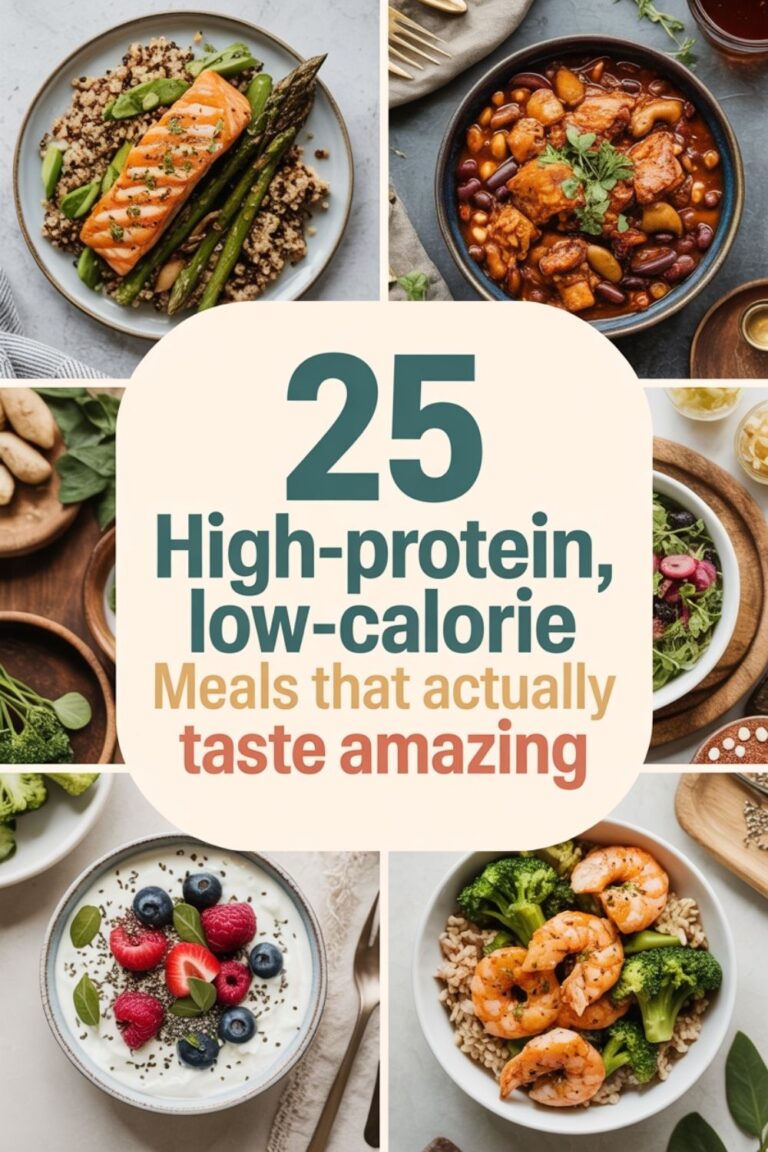
25 High-Protein, Low-Calorie Meals That Actually Taste Amazing
25 High-Protein, Low-Calorie Meals That Actually Taste Amazing 25 High-Protein, Low-Calorie Meals That Actually Taste Amazing Let me guess—you’ve been Googling “high-protein, low-calorie meals” at 2 a.m., desperately hoping to find something that doesn’t taste like cardboard soaked in sadness. Trust me, I’ve been there. The whole “eat more protein, lose more weight” thing sounds…
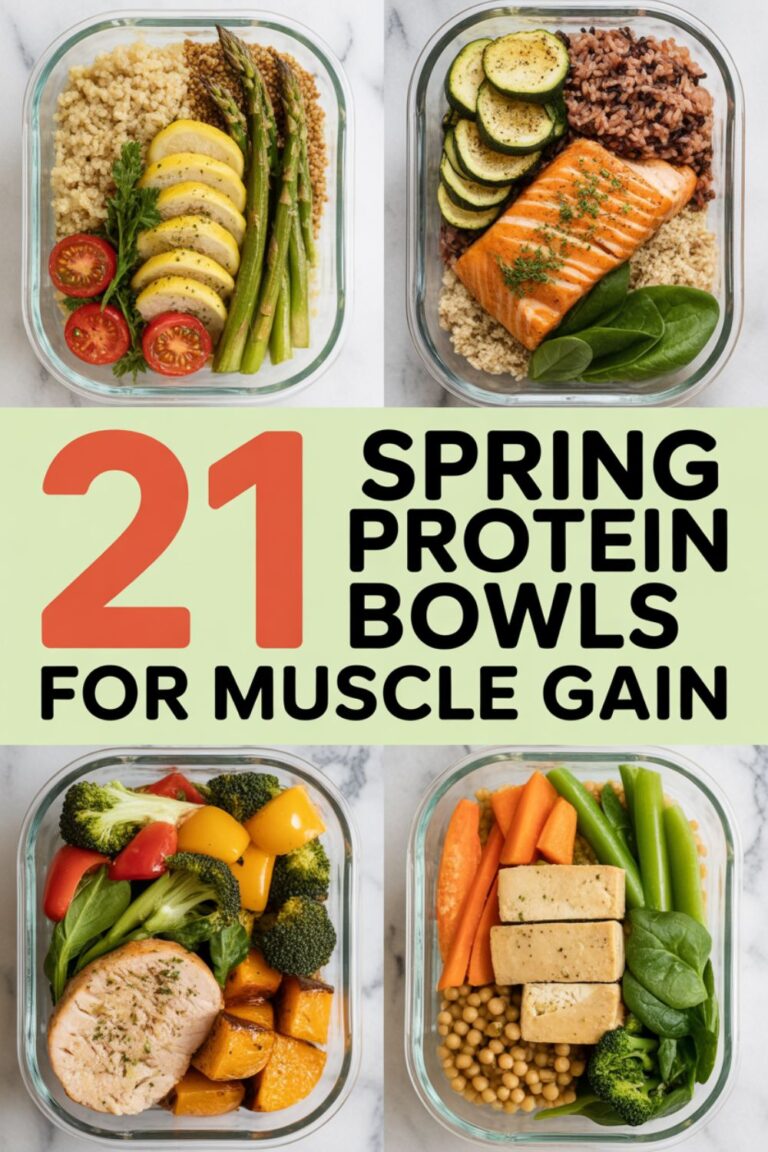
21 Spring Protein Bowls for Muscle Gain
21 Spring Protein Bowls for Muscle Gain – Fresh, Clean Eating 21 Spring Protein Bowls for Muscle Gain Look, I get it. You’ve spent all winter bulking up in the gym, and now that spring’s rolling around, you’re not about to let those gains slip away just because the sun’s finally out. The good news?…
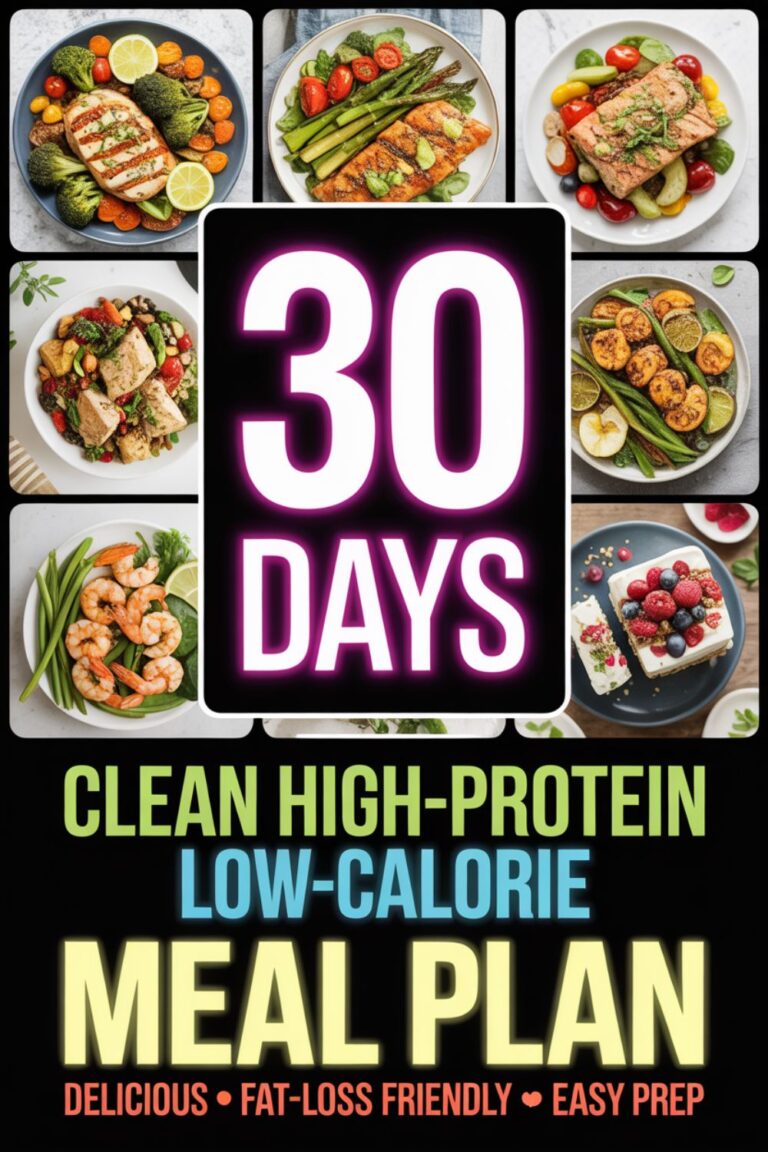
30-Day Clean High-Protein Low-Calorie Meal Plan
30-Day Clean High-Protein Low-Calorie Meal Plan 30-Day Clean High-Protein Low-Calorie Meal Plan Let’s be real for a second—meal planning for an entire month sounds about as fun as doing your taxes while sitting in traffic. But here’s the thing: when you nail down a solid high-protein, low-calorie plan, you’re basically giving yourself a month-long vacation…
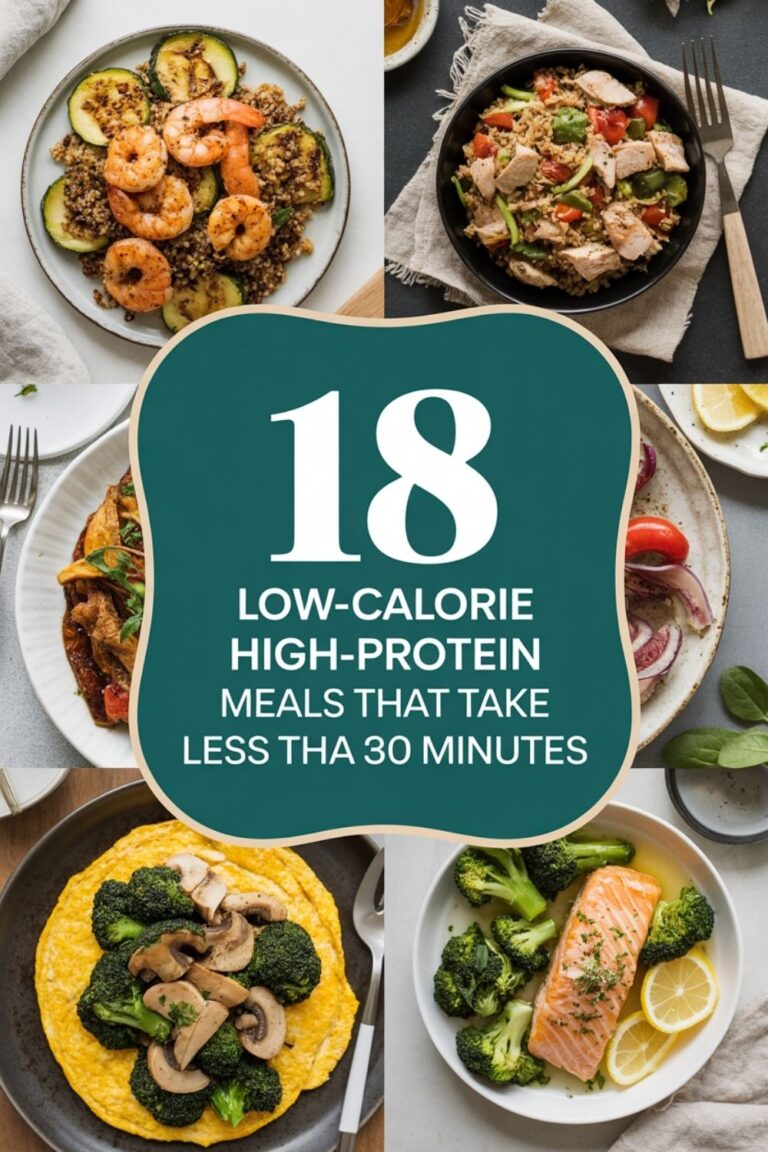
18 Low-Calorie High-Protein Meals That Take Less Than 30 Minutes
18 Low-Calorie High-Protein Meals That Take Less Than 30 Minutes 18 Low-Calorie High-Protein Meals That Take Less Than 30 Minutes Look, I get it. You’re trying to eat better, hit your protein goals, and somehow not spend half your life cooking or choking down bland chicken breast. The struggle is real, and honestly, most protein-packed…