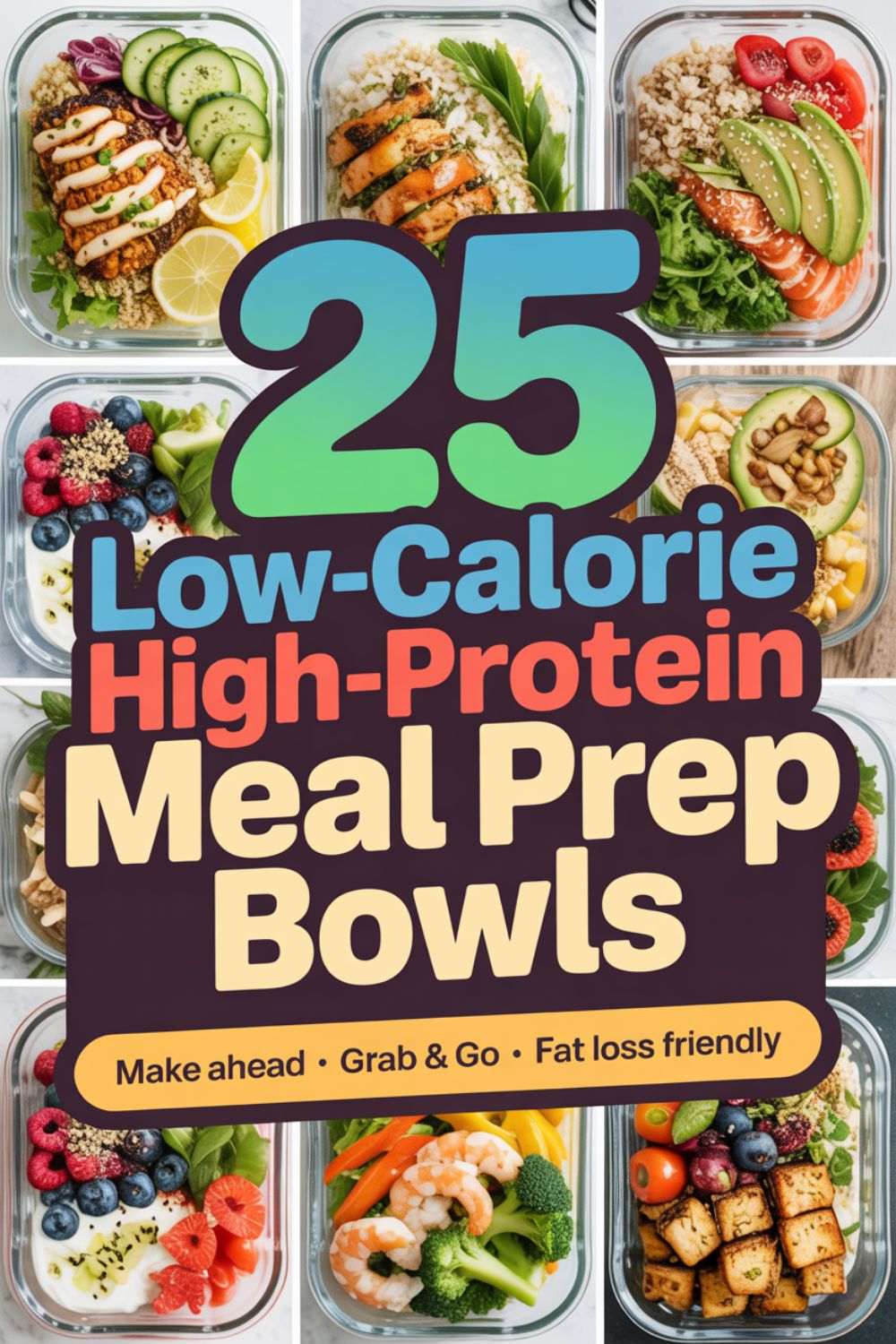
25 Low-Calorie High-Protein Bowls You Can Prep Ahead
Look, I get it. You want to eat healthy, hit your protein goals, and not spend every waking moment in the kitchen. Been there, done that, bought the meal prep containers that are now collecting dust in my cabinet. But here’s the thing about protein bowls—they’re basically the superhero of meal prep. Low on calories, high on protein, and they actually taste good three days later.
I’m talking about bowls you can throw together on Sunday, stash in your fridge, and grab when you’re too tired to think straight. No wilted lettuce, no soggy disasters, just solid meals that keep you full and on track. Whether you’re trying to lose weight, build muscle, or just stop ordering takeout five nights a week, these bowls are about to become your new best friend.
Why Protein Bowls Are Actually Worth the Hype
Before we dive into the recipes, let’s talk about why these bowls work so damn well. Protein keeps you feeling full longer, which means you’re not raiding the pantry at 3 PM like some sort of snack-crazed zombie. The general recommendation is about 10-35% of your daily calories from protein, but honestly, the exact number depends on your goals.
The beauty of prepping bowls ahead is that you’re essentially setting yourself up for success. No decisions when you’re hangry, no excuses when you’re tired. You’ve already done the work. Plus, meal prepping can actually reduce your weekly cooking time by 60%—that’s data I can get behind.
Cook your proteins and grains on Sunday, chop your veggies Monday night. Splitting the work across two days makes meal prep way less overwhelming and keeps everything fresher.
If you’re looking for even more meal prep inspiration, check out these complete meal prep ideas that’ll help you plan your entire week.
The Foundation: What Makes a Perfect Protein Bowl
Every killer protein bowl has the same basic structure. You need a base, a protein source, some veggies, healthy fats, and a sauce that doesn’t suck. Sounds simple, right? It is, once you nail the ratios.
Picking Your Base
Your base is what holds everything together. I’m talking quinoa, brown rice, cauliflower rice, or even spiralized zucchini if you’re keeping it super low-cal. Quinoa packs about 8 grams of protein per cup, making it a solid choice when you’re trying to max out those macros.
Brown rice is the reliable workhorse—cheap, filling, and it reheats like a champ. Cauliflower rice is your go-to when you want to save calories for dessert (no judgment). The key is choosing something that won’t turn into mush by day three.
Protein That Actually Delivers
This is where the magic happens. Chicken breast, turkey, salmon, shrimp, tofu, tempeh, or legumes—pick your fighter. A 4-ounce serving of chicken breast delivers about 26 grams of protein and clocks in around 120 calories. That’s the kind of efficiency we’re looking for.
For plant-based folks, chickpeas and lentils are criminally underrated. They’re cheap, they last forever in the fridge, and they blend into any flavor profile you throw at them. Speaking of which, these vegan high-protein meals are absolute game-changers if you’re avoiding animal products.
Veggies That Won’t Let You Down
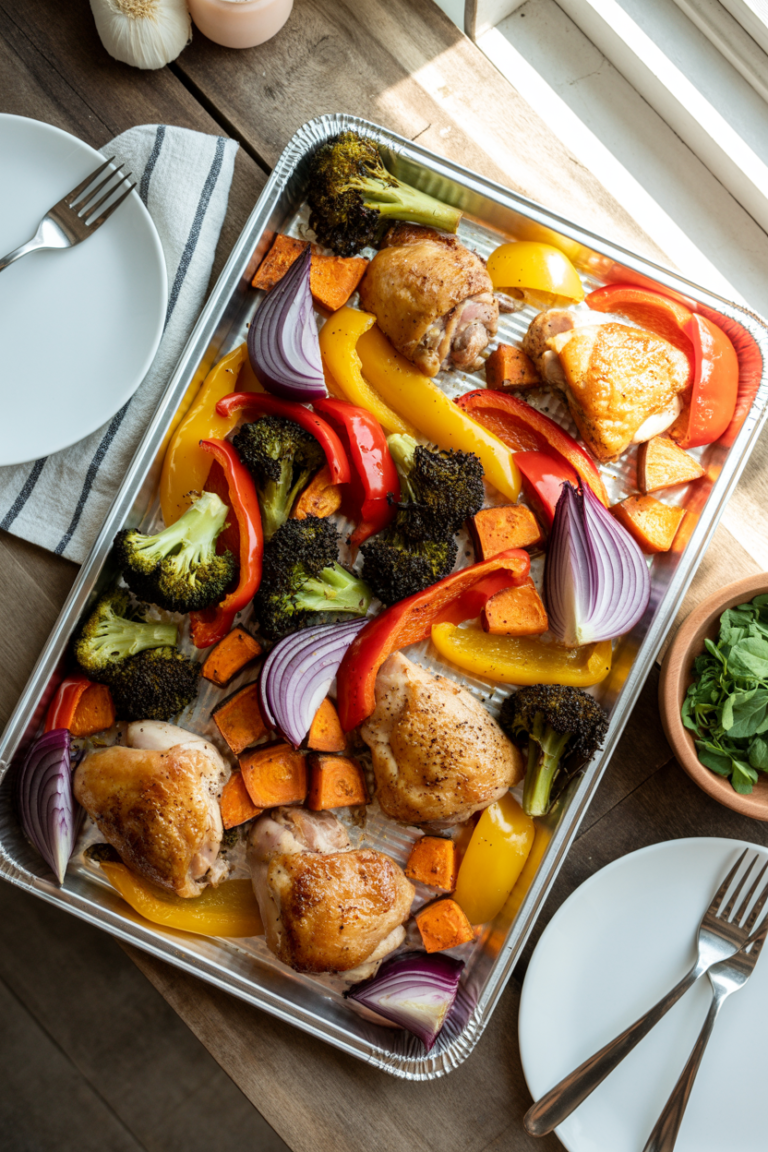
Roasted vegetables are your best friend in meal prep. Brussels sprouts, broccoli, bell peppers, sweet potatoes—they all hold up well and actually taste better the next day. I use this silicone baking mat for roasting and haven’t scrubbed a pan in months. Life-changing, honestly.
Raw veggies like cucumber, carrots, and radishes add crunch and don’t get weird when stored. Just keep them separate from your wet ingredients until you’re ready to eat. FYI, proper food storage techniques can extend your meal prep’s shelf life significantly.
25 Bowl Ideas That’ll Change Your Meal Prep Game
1-5: The Classic Chicken Bowls
Mediterranean Chicken Bowl: Grilled chicken over quinoa with cucumber, tomatoes, red onion, olives, and a lemon-herb dressing. About 380 calories, 35g protein. This one’s basically a vacation in a bowl.
Teriyaki Chicken Bowl: Sesame-crusted chicken, brown rice, edamame, snap peas, carrots, and a ginger-soy glaze. Get Full Recipe. The key is using coconut aminos instead of regular soy sauce—cuts the sodium, keeps the flavor.
Buffalo Chicken Bowl: Spicy chicken breast, cauliflower rice, celery, carrots, and a Greek yogurt ranch. About 320 calories and it scratches that wing craving without the deep fryer guilt.
Pesto Chicken Bowl: Basil pesto chicken, farro, roasted cherry tomatoes, zucchini, and pine nuts. I make my pesto with this mini food processor and it takes literally 2 minutes.
Cajun Chicken Bowl: Blackened chicken, quinoa, black beans, corn, bell peppers, and avocado-lime dressing. The Cajun seasoning does all the heavy lifting here.
Season all your chicken at once before cooking. Divide into portions, use different spice blends, and boom—five different meals from one batch cook.
6-10: Seafood Sensations
Sesame Salmon Bowl: Pan-seared salmon, sushi rice, cucumber, avocado, pickled ginger, and sesame seeds. About 450 calories but worth every single one. The omega-3s alone make this a no-brainer.
Shrimp Taco Bowl: Cilantro-lime shrimp, cauliflower rice, black beans, pico de gallo, and a squeeze of lime. Get Full Recipe. Shrimp cooks in like 4 minutes, making this perfect for weeknight emergencies.
Lemon Herb Cod Bowl: Baked cod, Israeli couscous, roasted asparagus, cherry tomatoes, and lemon tahini drizzle. Lighter than most fish options but still packs 30g of protein.
Tuna Poke Bowl: Sushi-grade tuna, brown rice, edamame, seaweed salad, cucumber, and spicy mayo. Make sure you’re using fresh tuna and eating this within 2 days max.
Garlic Herb Shrimp Bowl: Roasted shrimp, quinoa, kale, roasted red peppers, artichoke hearts, and balsamic glaze. The shrimp reheat surprisingly well if you don’t overcook them initially.
For more quick-prep protein options, these bowls you can prep in under 20 minutes are lifesavers on busy weeks.
11-15: Beef and Pork Power
Korean Beef Bowl: Lean ground beef with gochujang, brown rice, kimchi, cucumber, and soft-boiled egg. About 420 calories and enough flavor to wake up your taste buds from their Monday coma.
Steak Fajita Bowl: Sliced sirloin, cauliflower rice, sautéed peppers and onions, salsa, and Greek yogurt. I cook the steak in this cast iron skillet and get a perfect sear every time.
Pork Carnitas Bowl: Slow-cooked pork, cilantro lime rice, black beans, pico de gallo, and avocado. Get Full Recipe. The pork is so tender it basically falls apart, and it freezes beautifully.
Asian Beef and Broccoli Bowl: Beef strips, jasmine rice, steamed broccoli, and a light teriyaki sauce. Classic takeout flavor without the MSG headache.
Pork Tenderloin Bowl: Herb-crusted pork, wild rice blend, roasted Brussels sprouts, and apple-mustard glaze. Fancier than your average meal prep but still totally doable.
16-20: Plant-Based Powerhouses
Buddha Bowl: Chickpeas, quinoa, sweet potato, kale, avocado, and tahini dressing. The name is pretentious but the nutrition is legit—about 18g protein per bowl.
Tempeh Teriyaki Bowl: Marinated tempeh, soba noodles, snap peas, carrots, and sesame ginger dressing. Tempeh has a weird reputation but it’s actually amazing when you season it right.
Lentil Power Bowl: Green lentils, farro, roasted vegetables, and lemon-herb vinaigrette. Get Full Recipe. Lentils are stupid cheap and pack about 18g protein per cup.
Tofu Scramble Bowl: Turmeric tofu scramble, quinoa, black beans, salsa, and avocado. Yes, you can meal prep scrambled eggs (or tofu), just don’t tell the food purists.
Spicy Chickpea Bowl: Roasted spiced chickpeas, brown rice, cucumber, tomatoes, and yogurt sauce. I roast my chickpeas using this countertop convection oven and they come out crispy every single time.
Kitchen Tools That Make Bowl Prep Actually Easy
These are the containers I actually use. Microwave safe, dishwasher safe, and they don’t stain when you store tomato-based stuff. Worth every penny.
If you’re tracking macros, this is non-negotiable. Super accurate, easy to clean, and helps you nail portion sizes without playing the guessing game.
Makes sauces and dressings in seconds. I use mine for everything from pesto to smoothie bowls. Total workhorse tool.
Digital guide with 100+ bowl recipes, macro breakdowns, and shopping lists. Actually helpful, not just another PDF collecting digital dust.
I tried tracking manually and lasted about three days. This app does the math for you and has a huge food database. Game changer for staying consistent.
Step-by-step tutorials for mastering meal prep bowls. The knife skills section alone saved me so much time. Totally worth the investment if you’re serious about this.
21-25: Wild Card Winners
Greek Gyro Bowl: Seasoned ground turkey, quinoa, cucumber, tomatoes, red onion, olives, and tzatziki. All the gyro flavor, none of the pita carbs.
Breakfast Burrito Bowl: Scrambled eggs, turkey sausage, sweet potato hash, black beans, and salsa. Get Full Recipe. Who says breakfast bowls are just for morning? I eat these for dinner at least once a week.
Thai Peanut Chicken Bowl: Grilled chicken, rice noodles, cabbage slaw, carrots, and peanut sauce. The peanut sauce is addictive—I make extra and use it on everything.
Chimichurri Steak Bowl: Flank steak, cauliflower rice, roasted peppers, and fresh chimichurri. The chimichurri keeps for a week and makes literally everything taste better.
Moroccan Chicken Bowl: Spiced chicken, couscous, roasted carrots, chickpeas, raisins, and harissa yogurt. Sounds fancy, tastes fancy, but it’s actually dead simple to throw together.
Need more variety in your rotation? These high-protein salad recipes work perfectly alongside your bowl game.
The Storage Situation: Keeping Your Bowls Fresh
Here’s where most people screw up meal prep. You can make the most amazing bowl in the world, but if it’s soggy and gross by Wednesday, what’s the point?
Container Game Strong
Glass containers are superior to plastic. They don’t absorb odors, they last forever, and you can reheat directly in them. I’m obsessed with these divided glass containers because they keep wet and dry ingredients separated.
Store your dressings and sauces separately. Always. I learned this the hard way after creating what I can only describe as “sad lettuce soup.” Small mason jars or these 2-ounce portion cups work perfectly.
The Temperature Zone
Your fridge should be at 40°F or below. According to the USDA food safety guidelines, cooked proteins last 3-4 days in the fridge. Plant proteins stretch to 5 days, and hard-boiled eggs can go a full week.
Don’t pack food while it’s still hot. Let everything cool for about 30 minutes before sealing and refrigerating. Hot food creates condensation, and condensation creates sogginess. Science.
Freeze meals for days 4-7 of your prep. Label with the date, thaw in the fridge overnight, and reheat to 165°F. Your future self will thank you.
The Assembly Line Method
When it’s time to pack your bowls, work like you’re running a tiny restaurant. All proteins in a row, all grains in a row, all toppings organized. Season each protein batch differently before you even start assembling. This is how you get variety without losing your mind.
I typically prep on Sunday afternoon, which means I’ve got fresh meals through Thursday. Friday is either leftovers, eating out, or one of these 5-ingredient recipes when I’m feeling lazy.
Macros That Actually Make Sense
Let’s talk numbers without making your eyes glaze over. Most of these bowls clock in between 350-450 calories with 25-40 grams of protein. That’s the sweet spot for weight loss while keeping your metabolism from staging a revolt.
Research suggests spreading protein throughout the day—about 20-30 grams per meal—works better than loading it all at dinner. These bowls make that stupidly easy.
Tweaking for Your Goals
Weight Loss Mode: Stick to cauliflower rice or zucchini noodles for your base, load up on vegetables, and keep fats minimal. Think 300-350 calories per bowl.
Muscle Building: Double your protein portion, add more complex carbs like sweet potato or quinoa, include healthy fats like avocado or nuts. Aim for 500-600 calories.
Maintenance: Balance everything—normal portions of protein, moderate carbs, some healthy fats. Around 400-450 calories works for most people.
Athletes and fitness junkies might want to check out these meal prep ideas specifically designed for training. They’re calibrated for higher activity levels.
Sauces and Dressings That Don’t Suck
A bowl is only as good as its sauce. Period. You can have perfect chicken and beautiful veggies, but if your dressing tastes like cardboard, you’re eating cardboard chicken.
The Essential Five
Lemon Tahini: Tahini, lemon juice, garlic, water to thin. About 90 calories for 2 tablespoons and it makes everything taste like you actually know what you’re doing in the kitchen.
Greek Yogurt Ranch: Greek yogurt, dried dill, garlic powder, onion powder, salt, pepper. High protein, low calorie, and tastes like the Hidden Valley stuff you remember from childhood.
Spicy Peanut: Natural peanut butter, sriracha, lime juice, soy sauce, ginger. I make this in my mini blender and it keeps for a solid week.
Balsamic Vinaigrette: Balsamic vinegar, Dijon mustard, olive oil, honey. Classic for a reason. Don’t overthink it.
Cilantro Lime: Cilantro, lime juice, Greek yogurt, jalapeño, garlic. Basically every Mexican-inspired bowl’s soulmate.
Common Meal Prep Mistakes (That I’ve Definitely Made)
Let me save you some pain here. I’ve screwed up meal prep in every way imaginable, so learn from my failures.
The Variety Problem
Making seven identical bowls sounds efficient until you’re staring at the exact same lunch on day four wanting to cry. Mix it up. Even if you’re using the same protein, change your seasonings, bases, and toppings. Your taste buds will thank you.
Overcooking Everything
Overcooked chicken reheats into rubber. It’s a fact of life. Pull your proteins a few degrees before they’re technically done—they’ll finish cooking when you reheat. Also, use a meat thermometer for the love of all that is holy.
Ignoring Texture
All soft food is depressing. Include something crunchy in every bowl—nuts, seeds, raw veggies, or crispy chickpeas. Texture variety keeps meals interesting and prevents that “eating baby food” vibe.
Prep your crunchy toppings separately and add them right before eating. Game-changing for salads and any bowl with nuts or seeds.
Budget-Friendly Bowl Building
Meal prep doesn’t have to bankrupt you. Actually, it should save you money, especially compared to buying lunch every day.
The Cheap Protein Playbook
Eggs, canned tuna, chicken thighs, ground turkey, lentils, and chickpeas are your budget MVPs. Chicken breast is great but chicken thighs are cheaper and more forgiving when you’re learning to cook. Plus they taste better, IMO.
Buy in bulk when stuff goes on sale. I stock up on chicken when it’s under $2/pound and freeze it. These freezer bags keep everything fresh and you can write the date directly on them.
Seasonal Vegetables Win
Whatever’s in season is cheaper and tastes better. Summer squash in July, butternut squash in October. Shop the sales, roast everything, and you’re golden. Frozen vegetables are also criminally underrated—they’re picked at peak ripeness and often cheaper than fresh.
For more budget-conscious options, these beginner-friendly meal ideas won’t break the bank while you’re figuring out your system.
Making It Work With Your Actual Life
Theory is great, but let’s talk about real life where you’re exhausted, your kitchen is tiny, and Sunday meal prep feels like climbing Everest.
Start Stupidly Small
Don’t try to prep 15 meals your first week. Start with three lunches. That’s it. Get comfortable with the process, figure out what you like, then scale up. This isn’t a race.
Use Your Appliances
If you’ve got an Instant Pot, use it. These Instant Pot recipes make meal prep so much faster. Slow cookers work too—check out these slow cooker meals that basically cook themselves while you’re at work.
Sheet pan dinners are another life hack. Throw everything on a pan, season it, roast it. These sheet pan dinners prove you can make incredible meals with minimal cleanup.
The Hybrid Approach
You don’t have to prep every single meal. I prep lunches and keep dinners flexible. Or prep all your proteins and grains, then quickly add fresh toppings each day. Find what works for your schedule and stress levels.
Troubleshooting When Things Go Wrong
Meal prep fails happen. Here’s how to fix the most common disasters.
Everything Tastes Bland
You’re under-seasoning. Salt, acid (lemon juice or vinegar), and fat (olive oil or avocado) are what make food taste good. Don’t be shy. Season as you cook, then taste and adjust before storing.
Stuff Gets Soggy
Keep wet and dry ingredients separated until you’re ready to eat. Store dressings separately. If you’re including crispy elements, add them fresh. It’s really that simple.
You’re Bored By Day Three
Freeze half your prep. Eat fresh meals days 1-3, frozen meals days 4-6. The variety helps, and freezing actually works if you do it right. Just make sure to reheat properly.
Frequently Asked Questions
How long do meal prep bowls actually last in the fridge?
It depends on your protein source. Cooked chicken, turkey, beef, and pork stay fresh for 3-4 days when stored properly at 40°F or below. Plant-based proteins like chickpeas and lentils last about 5 days, while hard-boiled eggs and tofu can go up to a week. If you’re prepping for longer than 4 days, freeze half your meals and thaw them as needed. Always use airtight containers and label everything with dates.
Can I really freeze and reheat these bowls?
Absolutely, but some ingredients freeze better than others. Cooked grains, proteins, and roasted vegetables freeze beautifully. Avoid freezing raw vegetables with high water content like lettuce, cucumbers, or tomatoes—they turn to mush. Let your bowls cool completely before freezing, use freezer-safe containers, and thaw in the fridge overnight. Reheat to 165°F for food safety.
What if I don’t have time to prep on Sundays?
Split your prep across two days. Cook proteins and grains on Sunday, chop vegetables on Monday or Tuesday. Or try the “lazy meal prep” method—cook double portions at dinner and pack the extras for lunch the next day. Even prepping just your proteins ahead of time saves massive amounts of weeknight stress.
How do I keep my bowls from getting boring?
Change up your seasonings and sauces. The same grilled chicken tastes completely different with teriyaki sauce versus buffalo sauce versus chimichurri. Rotate your vegetables based on what’s in season, and don’t make seven identical bowls—prep 2-3 different varieties each week. Adding fresh toppings like herbs, nuts, or a squeeze of citrus right before eating also makes a huge difference.
Are these bowls good for weight loss?
They can be, if you’re creating a calorie deficit. The high protein content helps preserve muscle mass while you lose fat, and it keeps you feeling full longer so you’re less likely to snack. Most of these bowls range from 350-450 calories with 25-40g of protein, which works well for most people’s weight loss goals. Just make sure you’re tracking your portions accurately and not going overboard with high-calorie toppings.
The Bottom Line
Meal prep bowls aren’t some magical solution that’ll change your life overnight. But they’re a damn good tool for staying consistent with your nutrition goals when life gets chaotic. You’ll eat better, save money, and stop relying on whatever sad desk lunch you can scrounge up.
Start with a few recipes that actually sound good to you. Don’t overthink it. Invest in decent containers, figure out your storage situation, and give yourself permission to mess up a few times while you learn. The first week might feel clunky, but by week three, you’ll have a system down and wonder why you didn’t start sooner.
These 25 bowls are just a starting point. Once you understand the formula—base, protein, veggies, healthy fats, sauce—you can create infinite variations based on what you like and what’s on sale. That’s the real power of bowl meal prep. It’s flexible, it’s practical, and it actually works with real life instead of against it.
Now stop reading and go make some food. Your future self is going to be really grateful you did.
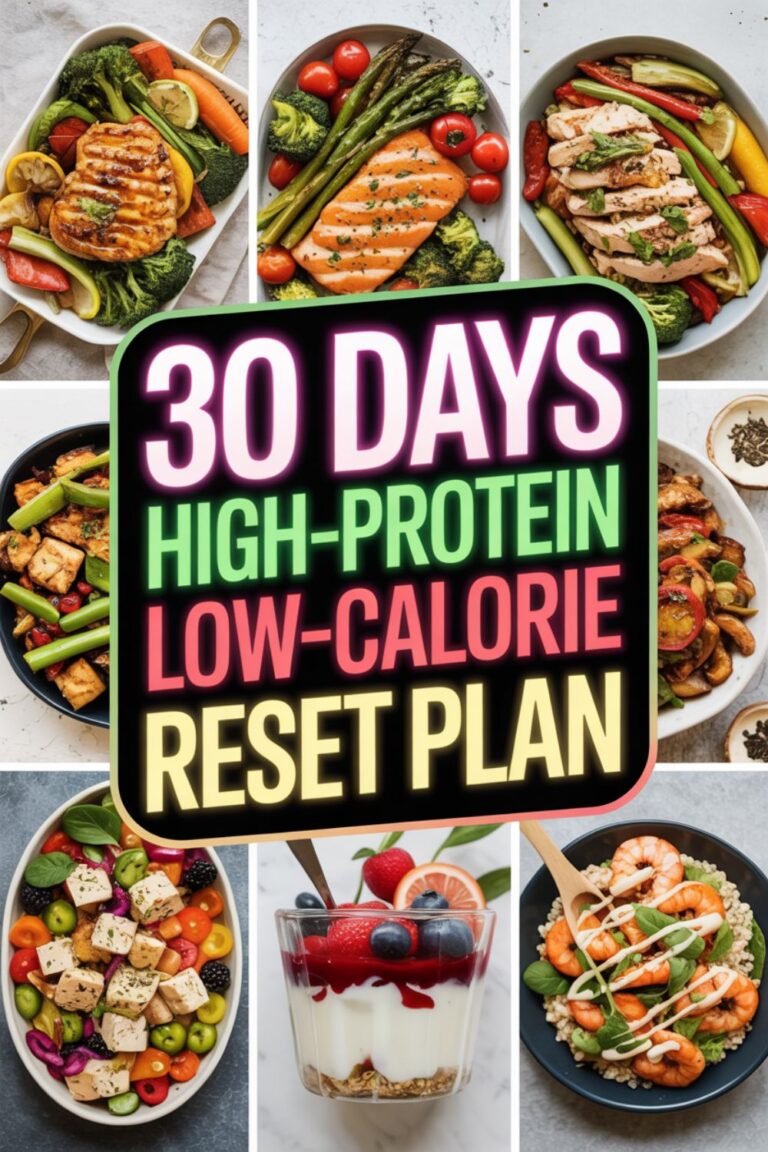
30-Day High-Protein
Low-Calorie Meal Plan
Every breakfast, lunch, dinner & snack — all 30 days fully mapped out. Just follow the plan.
- ✓50+ complete recipes with ingredients & step-by-step instructions
- ✓4-week day-by-day plans — every meal for all 30 days
- ✓4 weekly shopping lists organised by store section
- ✓Printable habit & progress tracker — 30 full days
- ✓100g+ protein per day — scientifically optimised macros
Instant PDF · Print at home
Results guaranteed with consistency
Similar Posts
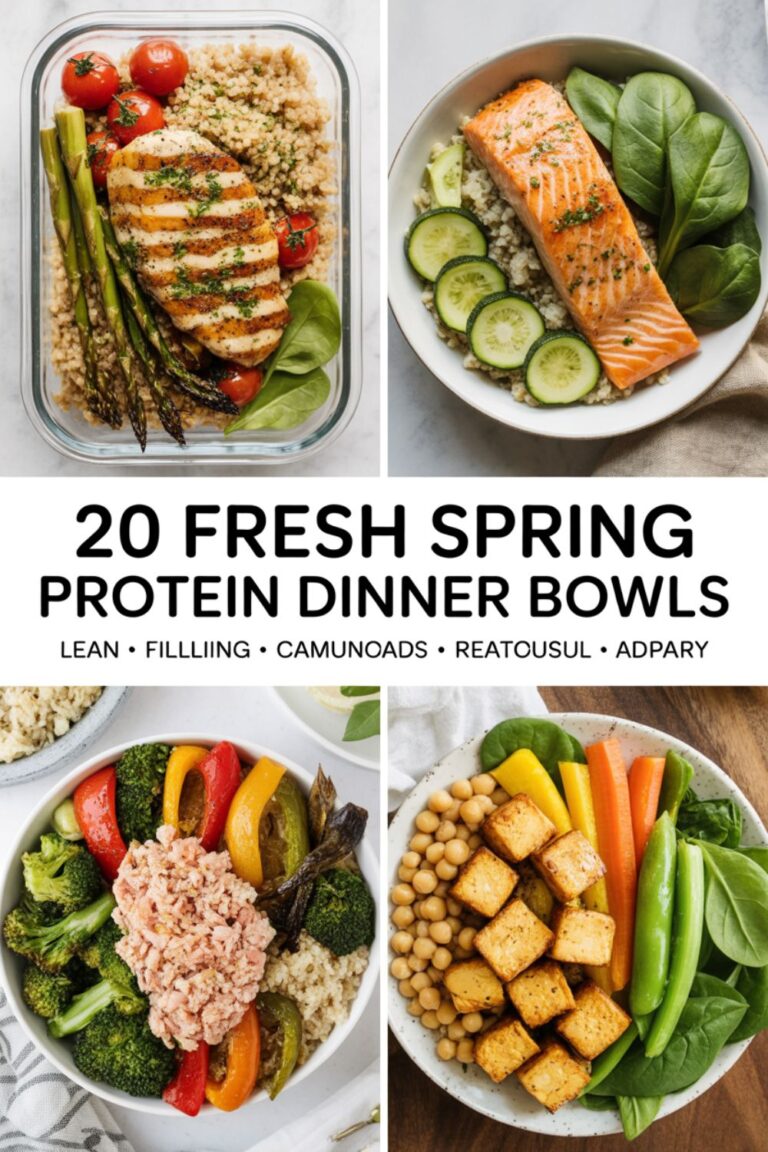
20 Fresh Spring Protein Dinner Bowls
20 Fresh Spring Protein Dinner Bowls 20 Fresh Spring Protein Dinner Bowls Look, I’ll be honest—winter left me sluggish, bloated, and craving anything that didn’t come out of a slow cooker. But the second those first spring greens hit the farmer’s market, something clicked. I wanted fresh, I wanted vibrant, and yeah, I still wanted…
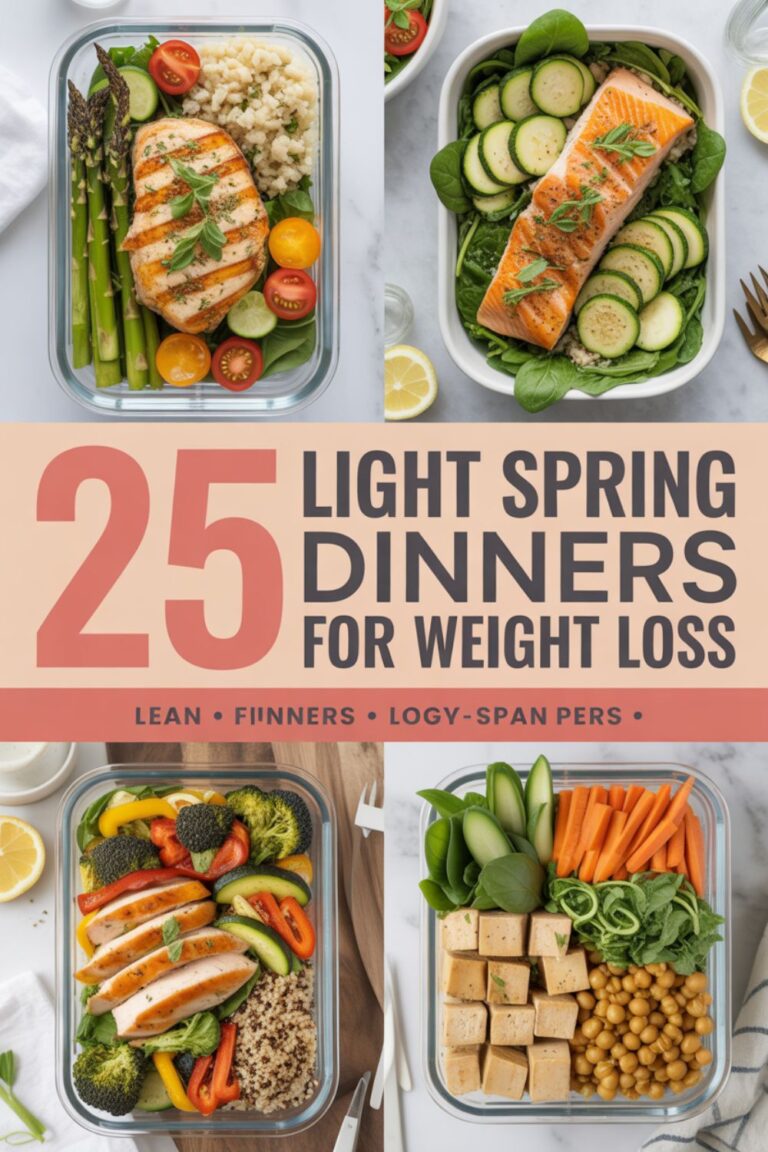
25 Light Spring Dinners for Weight Loss
25 Light Spring Dinners for Weight Loss 25 Light Spring Dinners for Weight Loss Listen, I get it. You’re tired of the same boring grilled chicken and steamed broccoli routine, and your taste buds are begging for something that actually tastes like food. Spring is basically nature’s way of saying, “Hey, here’s a bunch of…
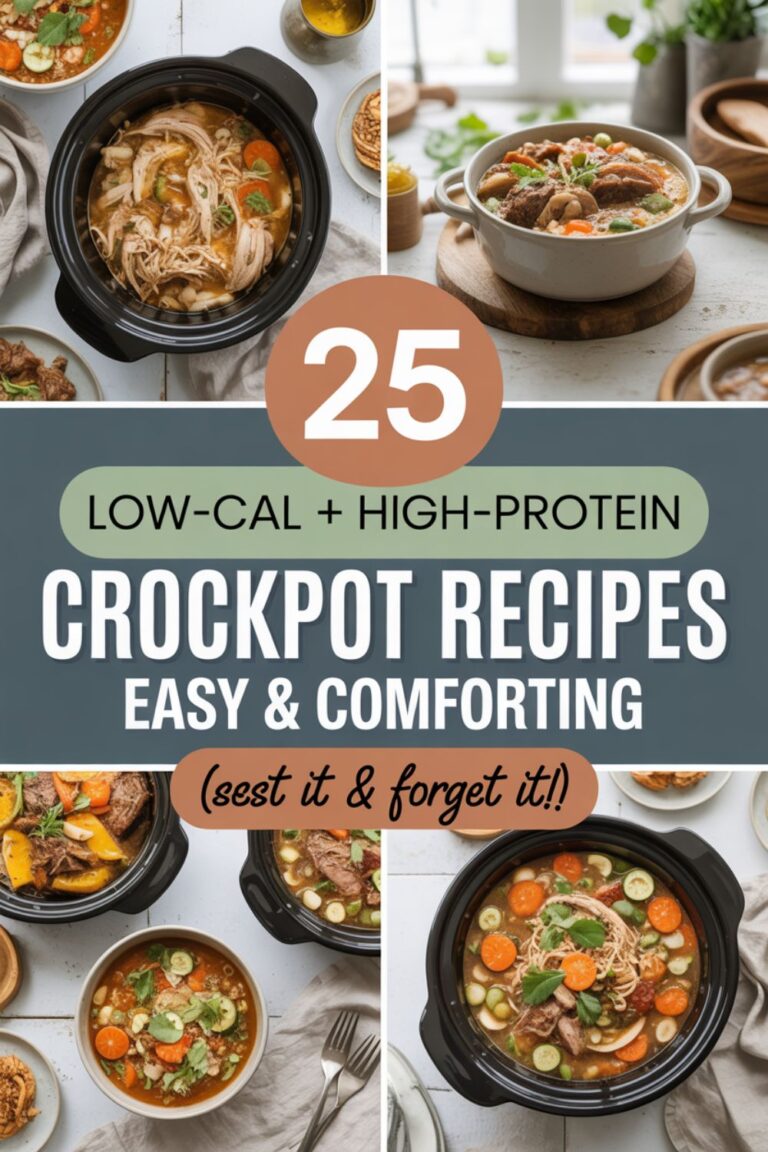
25 Easy Low-Calorie High-Protein Crockpot Recipes
25 Easy Low-Calorie High-Protein Crockpot Recipes 25 Easy Low-Calorie High-Protein Crockpot Recipes Look, I’m not going to pretend I’m some meal prep wizard who has it all figured out. Most weeks, I’m scrambling at 6 PM wondering what to make for dinner, and the last thing I want is something complicated. That’s where my crockpot…
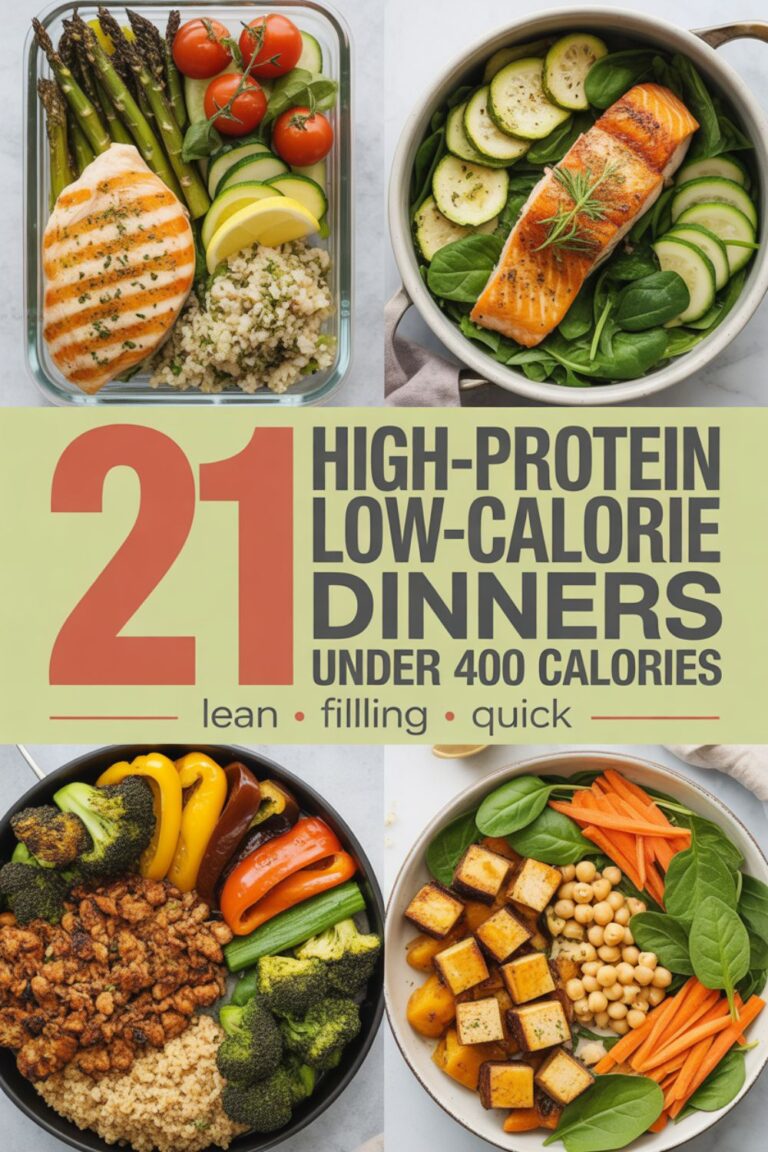
21 High-Protein Low-Calorie Dinners Under 400 Calories
21 High-Protein Low-Calorie Dinners Under 400 Calories | FullTasteCo FullTasteCo — Real Food, Real Results High-Protein Dinners 21 High-Protein Low-Calorie Dinners Under 400 Calories Satisfying, flavor-packed meals that actually keep you full — no bland chicken breast required. 21 Recipes Under 400 Calories Each 25g+ Protein Per Serving Meal Prep Friendly Let me be upfront…
25 High-Protein Dinners for Busy Moms
25 High-Protein Dinners for Busy Moms | FullTaste Co FullTaste Co High-Protein Dinners 25 High-Protein Dinners for Busy Moms Quick, satisfying, and actually delicious — because dinner shouldn’t be a second job after an already full day. By FullTaste Kitchen 25 Recipes 30+ Grams Protein Let’s just be real for a second. You get home…
30-Day High-Protein Low-Calorie Reset Plan
30-Day High-Protein Low-Calorie Reset Plan 30-Day High-Protein Low-Calorie Reset Plan Let’s be real—you’ve probably tried a dozen different eating plans, felt great for about five days, then face-planted into a pizza by day six. Been there, done that, have the stretchy pants to prove it. But what if I told you there’s a way to…