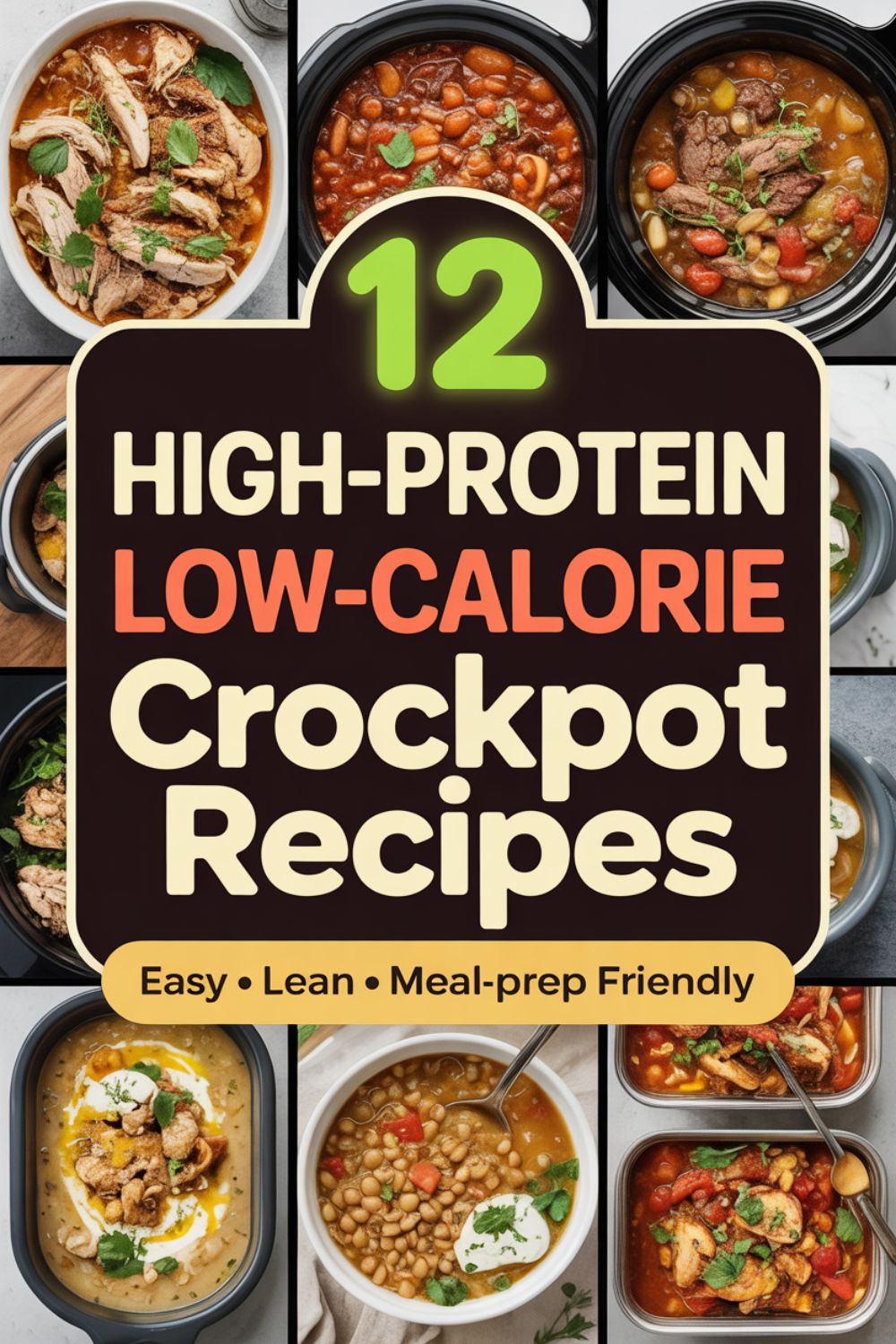
12 High-Protein Low-Calorie Crockpot Recipes
Look, I’m not going to pretend that meal prep is some kind of magical unicorn experience where everything goes perfectly and you feel like a domestic goddess. Most days, I’m frantically throwing ingredients into my crockpot at 7 AM while simultaneously trying to remember if I brushed my teeth. But here’s the thing about high-protein, low-calorie crockpot cooking—it’s genuinely saved my sanity more times than I can count.
The beauty of these recipes isn’t just that they’re ridiculously easy. It’s that they actually deliver on the promise of keeping you full without derailing your goals. Research shows that consuming more protein than the standard dietary allowance helps reduce body weight while preserving lean muscle mass, which is exactly what we’re going for here.
I’ve spent the last few years testing crockpot recipes that don’t taste like sad diet food, and these twelve have become my go-to rotation. They’re protein-packed, calorie-conscious, and most importantly—they don’t require you to stand over a stove after a long day.
Why Your Crockpot Is Actually a Protein Powerhouse
Here’s something I didn’t realize until I started really paying attention to how I was cooking: the slow cooker does something pretty remarkable to protein sources. The low, gentle heat breaks down tough cuts of meat into tender, juicy perfection without requiring any babysitting. According to the USDA, the direct heat from the pot combined with lengthy cooking and steam created within the tightly-covered container actually helps destroy bacteria while maintaining nutrients.
But beyond food safety, there’s a practical magic happening here. When you’re trying to hit those protein macros without blowing your calorie budget, you need cooking methods that don’t require adding tons of oil or butter. The crockpot lets you use lean cuts of meat that might otherwise turn out dry and disappointing.
The Protein-to-Calorie Ratio That Actually Matters
Let’s talk numbers for a second, but I promise not to turn this into a math lecture. When I say “high-protein, low-calorie,” I’m generally aiming for recipes where protein makes up at least 30-35% of the total calories, with the entire meal clocking in under 400 calories per serving. Studies on low-calorie, high-protein diets show they can improve body composition and even enhance sleep quality in adults—which honestly, who couldn’t use better sleep?
The sweet spot I’ve found is about 35-45 grams of protein per serving, with total calories between 250-350. This keeps me satisfied for hours without that sluggish, overstuffed feeling. And before you ask—no, I don’t obsessively weigh every ingredient. I did that at first to get a sense of portions, and now I just eyeball it.
Understanding Protein Quality in Slow-Cooked Meals
Not all protein sources are created equal, especially when you’re slow-cooking them for 6-8 hours. Chicken breast, lean turkey, and pork tenderloin hold up beautifully. Tougher cuts like chuck roast or brisket actually benefit from the extended cooking time. I’ve learned to love top round beef for crockpot recipes—it’s lean, affordable, and transforms into something tender and delicious.
For plant-based options, beans and lentils are your best friends. They’re packed with protein and fiber, and they’re practically impossible to overcook in a crockpot. I keep this set of glass storage containers stocked with pre-cooked beans and lentils in my fridge at all times.
Speaking of plant-based protein, if you’re looking to mix things up beyond traditional crockpot fare, these high-protein vegan meal ideas offer incredible variety while keeping calories in check.
My Top 12 High-Protein Low-Calorie Crockpot Recipes
Alright, let’s get to the good stuff. These recipes have been tested, tweaked, and perfected through countless Sunday meal prep sessions. They’re organized by protein source because that’s honestly how I think about meal planning these days.
1. Salsa Verde Chicken with Black Beans
This recipe is so stupidly simple that I almost feel guilty calling it a “recipe.” Four chicken breasts, a jar of salsa verde, a can of black beans, and some spices. That’s it. Eight hours later, you have 42 grams of protein and only 280 calories per serving. I shred the chicken right in the crockpot using two forks—no cutting board required. Get Full Recipe
The salsa verde keeps everything moist without adding significant calories, and the black beans boost both the protein and fiber content. I usually prep this on Sunday and portion it out into these meal prep containers for easy lunches all week.
2. Tuscan White Bean and Turkey Stew
Ground turkey gets a bad rap for being bland, but this stew proves the haters wrong. I brown the turkey first with garlic and Italian seasoning, then let it simmer all day with white beans, tomatoes, and fresh spinach added at the end. Each bowl delivers 38 grams of protein for just 290 calories. Get Full Recipe
The secret weapon here? A parmesan rind thrown into the pot. It adds this incredible depth of umami flavor without barely any calories. Just remember to fish it out before serving—learned that one the hard way.
3. Korean-Inspired Beef and Mushroom Bowl
This one takes about ten minutes of prep and yields something that tastes way fancier than it has any right to be. Lean beef, shiitake mushrooms, ginger, garlic, and a sauce made from low-sodium soy sauce and a tiny bit of honey. The result? 40 grams of protein and 310 calories per serving. Get Full Recipe
I serve this over riced cauliflower instead of regular rice to keep the calories down. The mushrooms add this meaty texture that makes the dish feel more substantial than the calorie count suggests. My rice cauliflower tool of choice is this food processor attachment—it turns a head of cauliflower into rice in about thirty seconds.
If you’re into Asian-inspired flavors but want something you can throw together even faster, check out these five-ingredient protein recipes. Some of them work brilliantly in the crockpot too.
4. Lemon Herb Chicken with Artichokes
Mediterranean flavors in a crockpot? Absolutely. This dish features bone-in chicken thighs (yes, thighs—I’ll explain why in a second), artichoke hearts, kalamata olives, lemon, and fresh herbs. Despite using thighs, each serving has 35 grams of protein and only 340 calories because I remove the skin before cooking. Get Full Recipe
Here’s the thing about chicken thighs—they’re more forgiving in a crockpot than breasts. They won’t dry out even if you accidentally cook them an extra hour. The bone adds flavor, and removing the skin before cooking eliminates most of the fat. It’s the best of both worlds.
5. Tex-Mex Stuffed Pepper Soup
All the flavors of stuffed peppers without the tedious stuffing part. Ground turkey or extra-lean ground beef, bell peppers, onions, tomatoes, and cauliflower rice come together in this ridiculously satisfying soup. It clocks in at 36 grams of protein and 265 calories per generous bowl. Get Full Recipe
I add the cauliflower rice in the last hour of cooking so it doesn’t turn to mush. Top with a dollop of Greek yogurt instead of sour cream, and you’ve got yourself a meal that tastes indulgent but fits your macros perfectly.
For more soup inspiration that won’t wreck your calorie goals, these slow cooker protein meals include several incredible soup options that my readers swear by.
6. Balsamic Glazed Pork Tenderloin
Pork tenderloin is criminally underrated for high-protein cooking. It’s incredibly lean, cooks beautifully in a crockpot, and absorbs flavors like a sponge. This version gets a simple balsamic glaze made with balsamic vinegar, Dijon mustard, and a touch of maple syrup. You’re looking at 44 grams of protein and just 295 calories per serving. Get Full Recipe
The key is not to overcook it. I use this instant-read thermometer to check for doneness—145°F is your target. Let it rest for a few minutes before slicing, and you’ll have the most tender, juicy pork you’ve ever made in a crockpot.
Kitchen Tools That Make These Recipes Easier
These are the tools I actually use every single week. No fancy gadgets you’ll use once—just practical stuff that makes high-protein cooking less of a hassle.
Programmable 6-Quart Crockpot
The one I swear by. It switches to warm automatically so your food doesn’t overcook if you’re running late.
Silicone Crockpot Liners
Reusable, eco-friendly, and they make cleanup laughably easy. I honestly can’t remember the last time I scrubbed my crockpot.
Digital Food Scale
Essential for getting your portions right when you’re tracking macros. This one switches between grams and ounces with one button.
High-Protein Meal Prep Guide (eBook)
A digital guide I created with meal prep timing, storage tips, and macro breakdowns for 50+ recipes including all these crockpot favorites.
Crockpot Recipe Collection (PDF)
Printable recipes with shopping lists and macro calculations. Perfect for keeping in the kitchen or saving to your phone.
Weekly Meal Planner Template
A simple spreadsheet that helps you plan, shop, and track what’s in your crockpot each week. Takes the guesswork out of meal planning.
7. Moroccan-Spiced Chickpea and Chicken
This recipe brings together cumin, coriander, cinnamon, and a hint of cayenne with chicken breast and chickpeas. It’s aromatic, satisfying, and feels way more exotic than the effort required. Each serving provides 37 grams of protein and 315 calories. Get Full Recipe
I serve this over a small amount of couscous or with a side of roasted vegetables. The chickpeas add texture and extra protein, plus they’re loaded with fiber that keeps you full for hours. Pro tip: use canned chickpeas and just drain them well—no need to cook them from dried for this recipe.
8. Thai-Inspired Coconut Curry Turkey
Light coconut milk, red curry paste, ground turkey, and loads of vegetables make this dish feel indulgent while staying remarkably light. You get 39 grams of protein for 330 calories per serving. Get Full Recipe
The trick with coconut milk in a crockpot is adding it in the last hour of cooking. If you add it too early, it can separate and get weird. Trust me on this—I’ve made that mistake more than once. I use this brand of red curry paste because it’s got serious flavor without being nuclear-level spicy.
Looking for more dinner inspiration that won’t leave you hungry an hour later? These high-protein dinner recipes include several that can be adapted for the crockpot with minor tweaks.
9. Italian Sausage and Lentil Stew
I use turkey Italian sausage for this one—it’s got all the flavor of regular sausage with a fraction of the fat. Combined with green lentils, tomatoes, and Italian herbs, it’s basically a hug in a bowl. Each serving delivers 41 grams of protein and 295 calories. Get Full Recipe
Green lentils hold their shape better than red or brown lentils in long cooking times, which is why I specifically call for them here. They add this wonderful texture that makes the stew feel hearty and substantial. Plus, lentils are stupid cheap—we’re talking pennies per serving.
10. Honey Mustard Chicken with Root Vegetables
This is comfort food that happens to fit your macros. Chicken breast, carrots, parsnips, and turnips get coated in a simple honey mustard sauce made with Dijon, a touch of honey, and apple cider vinegar. It’s 38 grams of protein and 305 calories per serving. Get Full Recipe
Root vegetables are perfect for crockpot cooking because they can handle the long cook time without turning to mush. Cut them into larger chunks—about 2-inch pieces—and they’ll be perfectly tender by the time the chicken is done. The natural sweetness of the vegetables plays beautifully with the tangy mustard sauce.
11. Cuban-Style Mojo Pork
Citrus, garlic, and oregano transform lean pork shoulder into something magical. Yes, I said pork shoulder—hear me out. I trim off all visible fat before cooking, and the crockpot renders out most of what’s left. The result is 42 grams of protein and 320 calories per serving of incredibly flavorful meat. Get Full Recipe
This is one of those recipes where the leftovers are even better than the first serving. The flavors meld together overnight, and the pork reheats beautifully. I use it in everything from breakfast scrambles to lettuce wrap tacos throughout the week.
If you’re meal prepping for the entire week and want to maximize your time investment, these meal prep-friendly protein recipes are designed to last 4-5 days in the fridge without losing quality.
12. Greek-Style Lemon Chicken with Orzo
Okay, so adding orzo to a crockpot sounds sketchy, I know. But I add it in the last 30-45 minutes with extra broth, and it comes out perfectly. Combined with chicken, lemon, oregano, and spinach, this dish tastes like a trip to the Mediterranean. You’re getting 36 grams of protein and 340 calories per serving. Get Full Recipe
The key is using whole wheat orzo, which holds up better to the extended cooking time and adds extra fiber. I stir in fresh baby spinach right at the end—it wilts in about two minutes from the residual heat. Top with a sprinkle of feta cheese (I measure it with this mini kitchen scale) and a squeeze of fresh lemon juice.
Getting the Most Out of Your Crockpot for Protein Cooking
After years of crockpot experimentation, I’ve learned some tricks that make a real difference in the final product. These aren’t just nice-to-knows—they’re the difference between “pretty good” and “restaurant quality.”
Temperature and Timing Actually Matter
Most crockpot recipes give you a range—like “6-8 hours on low or 3-4 hours on high.” That range exists because every crockpot heats differently. I learned this the hard way when I got a new crockpot and my usual recipes were coming out overdone. Research from the University of Minnesota Extension shows that slow cookers should maintain temperatures between 185°F and 200°F on the low setting.
My advice? Start with the minimum time suggested, then check for doneness. You can always cook something longer, but you can’t uncook it. For chicken breast, I aim for 165°F internal temperature. For tougher cuts like beef chuck, I’m looking for meat that shreds easily with a fork.
Layering for Success
The way you layer ingredients in your crockpot actually impacts how evenly everything cooks. Vegetables—especially dense ones like carrots and potatoes—go on the bottom and sides. They need more heat and time to soften. Protein goes on top because it cooks faster and you don’t want it sitting in liquid the entire time.
For recipes with delicate ingredients like fresh herbs or spinach, add them in the last 15-30 minutes. They’ll wilt and release flavor without turning into brown mush. I keep a kitchen timer on my counter specifically for these last-minute additions because I will absolutely forget otherwise.
The Liquid Equation
One of the biggest mistakes I see people make is adding too much liquid. Unlike stovetop cooking where liquid evaporates, crockpots trap moisture. Start with about half the liquid you think you’ll need. You can always add more at the end if things look dry, but you can’t take it back out.
For most of these high-protein recipes, I use no more than 1-1.5 cups of liquid for a standard 6-quart crockpot. The meat and vegetables will release their own juices as they cook, adding to the overall liquid content. If you end up with too much liquid at the end, remove the lid and let it cook on high for 30 minutes to reduce.
For those just starting their protein-focused journey, these beginner-friendly high-protein meals offer a gentler introduction to macro tracking without overwhelming complexity.
Real Talk About Meal Prep and Sustainability
Let’s address the elephant in the room—meal prep can feel monotonous. Eating the same crockpot chicken for five days straight sounds miserable because, well, it kind of is. Here’s how I keep things interesting without creating more work for myself.
The Base Recipe Method
Instead of making one giant batch of a single recipe, I make two smaller batches of different recipes. One chicken-based, one beef or pork-based. This gives me variety throughout the week without doubling my prep time. The recipes I’ve shared above are specifically designed to yield 4-6 servings, which is perfect for this approach.
I also change up how I serve the same base protein. That salsa verde chicken from recipe #1? Monday it’s over cauliflower rice, Wednesday it’s in a lettuce wrap, Friday it’s mixed into scrambled eggs for breakfast. Same protein, completely different eating experience.
Storage and Reheating Without Ruining Everything
Proper storage is crucial for maintaining both food safety and quality. I portion everything into individual containers as soon as it’s cool enough to handle safely—usually within two hours of finishing cooking, per USDA guidelines. Glass containers work better than plastic for these recipes because you can reheat directly in them.
When reheating, add a splash of water or broth to prevent drying out. Microwave in 90-second intervals, stirring between each, until heated through. It takes an extra minute but makes a huge difference in texture. Some people swear by reheating on the stovetop, and while that does work beautifully, I’m usually too lazy for that extra cleanup.
If you’re prepping for athletic recovery or high-activity days, you might want to check out these athlete-focused meal prep ideas. They include guidance on adjusting portions based on training intensity.
Troubleshooting Common Crockpot Protein Problems
Even with foolproof recipes, things can go sideways. Here are the issues I’ve encountered and actually solved (not just theoretically, but through painful trial and error).
My Chicken Turned Out Dry
This usually means you cooked it too long or on too high heat. Chicken breast is particularly unforgiving—it goes from perfectly cooked to cardboard texture in about 30 minutes. Switch to bone-in, skinless chicken thighs for more forgiving results. If you’re committed to breast meat, check it at the earliest suggested cook time.
Another culprit? Not enough liquid or fat. I know we’re keeping things low-calorie, but you need some moisture. A tablespoon of olive oil or a half-cup of broth can make the difference between dry and juicy.
Everything Tastes Bland
Crockpot cooking can mute flavors, especially salt and acid. I’ve learned to be generous with seasonings—almost double what I’d use for stovetop cooking. Fresh herbs added at the end make a massive difference too. A handful of fresh cilantro, parsley, or basil stirred in right before serving brings everything to life.
Acid is your friend. A squeeze of lemon juice, splash of vinegar, or spoonful of tomato paste at the end brightens up the entire dish. This is especially important for high-protein, low-fat recipes that can taste a bit flat without that acid component.
The Texture Is All Wrong
If vegetables are mushy, you’re cutting them too small or cooking too long. Aim for larger chunks and consider adding quick-cooking vegetables like zucchini or bell peppers in the last hour. For grains or pasta, always add them at the end with extra liquid—they’ll absorb a surprising amount of moisture.
If meat is tough and stringy, ironically, it might need to cook longer. Tough cuts need time to break down. If you’re using a lean cut that’s supposed to be tender (like pork tenderloin), you’ve probably overcooked it. There’s a sweet spot, and it varies by cut and crockpot.
For more options that deliver serious protein without feeling like diet food, these protein-packed comfort foods prove you don’t have to sacrifice satisfaction for nutrition.
The Actual Nutrition Science (Without the Boring Parts)
I promised I wouldn’t turn this into a textbook, but understanding a few key points about protein and calorie management actually helps you make better choices when adapting these recipes or creating your own.
Why Protein Keeps You Full
Protein affects your hunger hormones in ways that carbs and fats don’t. Specifically, it increases levels of hormones like GLP-1, CCK, and PYY that signal fullness to your brain, while decreasing ghrelin, which triggers hunger. This isn’t woo-woo diet culture nonsense—it’s documented in clinical research.
The practical application? That 40-gram protein serving in your crockpot meal will genuinely keep you satisfied longer than a 40-gram carb serving. This is why these recipes emphasize protein first, then fill in with vegetables and modest amounts of grains.
The Thermic Effect Bonus
Here’s something cool—your body burns more calories digesting protein than it does digesting carbs or fat. It’s called the thermic effect of food, and for protein, it’s about 20-30% of the calories consumed. So if you eat 100 calories of protein, your body uses 20-30 of those calories just breaking it down.
Does this mean you can eat unlimited protein and lose weight? No, obviously not. But it does mean that in a calorie-matched comparison, higher-protein meals have a slight metabolic advantage. Every little bit helps, right?
Muscle Preservation During Weight Loss
If you’re using these recipes as part of a weight loss plan, adequate protein becomes even more critical. When you’re in a calorie deficit, your body looks for energy sources, and unfortunately, muscle tissue is on the menu. Higher protein intake helps protect that muscle mass, ensuring that the weight you lose comes primarily from fat stores.
According to recent research on low-calorie, high-protein diets, people who maintain higher protein intake while losing weight preserve significantly more lean muscle mass compared to those on standard protein diets. This matters because muscle tissue is metabolically active—it burns calories even at rest.
If muscle recovery is a priority for you, whether from workouts or general fitness goals, check out these protein recipes specifically designed for muscle recovery. Many translate perfectly to crockpot cooking.
Adapting These Recipes for Different Dietary Needs
These twelve recipes are just starting points. I’ve adapted them countless ways depending on what’s in my fridge or what dietary restrictions I’m dealing with (mine change, my family’s change, dinner guests have preferences—you know how it goes).
Making Them Dairy-Free
Most of these recipes are already dairy-free or can be easily adapted. Where I call for Greek yogurt as a topping, use coconut yogurt instead. For recipes with cheese, nutritional yeast provides umami flavor without dairy. It won’t melt like cheese, but it adds depth. Or just skip the cheese—many of these recipes don’t actually need it.
Plant-Based Swaps
Swapping meat for plant-based proteins requires a bit more thought because cooking times differ. Tempeh and seitan can generally replace meat 1:1 in crockpot recipes. Extra-firm tofu works too, but press it really well and add it in the last 2-3 hours to prevent it from getting spongy.
For ground meat recipes, crumbled tempeh or textured vegetable protein (TVP) work beautifully. I actually prefer TVP in some recipes—it absorbs flavors incredibly well and has a texture that’s surprisingly similar to ground meat. Soak it in vegetable broth before adding to the crockpot for best results.
Gluten-Free Modifications
Most of these recipes are naturally gluten-free or easily adapted. The only recipe that requires adjustment is the Greek-style lemon chicken with orzo—swap the orzo for quinoa or rice added in the last hour. For any recipe calling for soy sauce, use tamari instead. That’s literally the only change needed.
Low-FODMAP Options
Several of these recipes can be adapted for low-FODMAP diets. Replace onions and garlic with the green parts of scallions and garlic-infused oil. Skip the beans and lentils, adding extra protein through meat or low-FODMAP alternatives like firm tofu. It requires more planning, but it’s definitely doable.
Frequently Asked Questions
Can I cook frozen chicken in my crockpot for these recipes?
Technically you can, but I really don’t recommend it. The USDA advises against cooking frozen meat in slow cookers because it takes too long to reach safe temperatures, creating a window where bacteria can multiply. Plus, frozen meat releases excess water as it thaws, which throws off the recipe’s liquid balance. Just thaw your meat in the fridge overnight—it’s worth the planning ahead.
How long will these crockpot meals last in the fridge?
Most of these recipes stay good for 4-5 days when stored properly in airtight containers. I portion everything within two hours of cooking and refrigerate immediately. If you know you won’t eat something within that timeframe, freeze it instead—most of these recipes freeze beautifully for up to three months.
Can I double these recipes in my crockpot?
It depends on your crockpot size, but generally yes. The key is not filling it more than two-thirds full—you need space for heat circulation. If you’re doubling, you might need to add 30-60 minutes to the cooking time. Check the meat temperature with a thermometer to be sure it’s cooked through.
What’s the best size crockpot for these recipes?
I use a 6-quart programmable crockpot for all of these, and it’s the sweet spot for most households. It’s large enough to meal prep for the week but not so massive that small batches get lost in there. A 4-quart works fine if you’re cooking for one or two people, while an 8-quart is better for larger families.
How do I prevent my crockpot meals from getting watery?
Use less liquid than you think you need—the moisture from meat and vegetables will create additional liquid as they cook. If you end up with too much liquid at the end, remove the lid and cook on high for 30 minutes to reduce, or use a slotted spoon to serve. You can also thicken the liquid with a cornstarch slurry if needed, though this does add a few calories.
Making It Work in Real Life
Here’s the truth about high-protein, low-calorie crockpot cooking—it’s not magic, and it’s not going to solve all your meal planning problems overnight. What it will do is give you a reliable system for getting protein-packed meals on the table with minimal active cooking time.
I still have weeks where I forget to start the crockpot, or I get busy and order takeout instead of eating what I prepped. That’s normal. The goal isn’t perfection—it’s having tools and recipes that work when you need them. These twelve recipes have become part of my regular rotation because they deliver consistently good results without requiring me to be a hero in the kitchen.
Start with one or two recipes that sound appealing. Get comfortable with those before branching out. Pay attention to what works in your schedule and with your taste preferences. Adapt freely—these are guidelines, not commandments. The best meal plan is the one you’ll actually follow, and the best protein source is the one you’ll actually eat.
IMO, the crockpot remains one of the most underutilized tools for anyone trying to eat more protein without spending hours cooking. These recipes prove you can hit your macros, keep calories in check, and still enjoy food that tastes good. Not bad for a kitchen appliance that basically cooks dinner while you’re doing literally anything else.
30-Day High-Protein
Low-Calorie Meal Plan
Every breakfast, lunch, dinner & snack — all 30 days fully mapped out. Just follow the plan.
- ✓50+ complete recipes with ingredients & step-by-step instructions
- ✓4-week day-by-day plans — every meal for all 30 days
- ✓4 weekly shopping lists organised by store section
- ✓Printable habit & progress tracker — 30 full days
- ✓100g+ protein per day — scientifically optimised macros
Instant PDF · Print at home
Results guaranteed with consistency
Similar Posts
17 Low-Calorie Breakfast Recipeswith 30g Protein
17 Low-Calorie Breakfast Recipes with 30g Protein | FullTasteCo FullTaste Co. Breakfast Recipes 17 Low-Calorie Breakfast Recipeswith 30g Protein High-protein mornings that keep you full, fuel your day, and actually taste like something you want to eat. 17 Recipes 30g+ Protein Each Under 400 Calories Quick Prep Why 30 Grams of Protein at Breakfast Is…
30 High Protein Snacks Under 200 Calories
Table of Contents Why You’ll Love This Recipe Ingredients You’ll Need Tips for the Best Results Storage and Reheating Frequently Asked Questions 30 High Protein Snacks Under 200 Calories 🍴 Jump to Recipe ↓ I started keeping a running list of these snacks taped inside my pantry door a few years ago, back when I…
30-Day High-Protein Low-Calorie Snack Challenge
30-Day High-Protein Low-Calorie Snack Challenge 30-Day High-Protein Low-Calorie Snack Challenge Look, I’ll be honest with you. The snack game has been a disaster for most of us. We grab whatever’s closest when hunger strikes at 3 PM, and nine times out of ten, it’s something that leaves us hungrier an hour later. But what if…
20 High-Protein Low-Calorie Snacks That Fuel Fat Loss
20 High-Protein Low-Calorie Snacks That Fuel Fat Loss 20 High-Protein Low-Calorie Snacks That Fuel Fat Loss Listen, I get it. You’re hungry at 3 PM, staring into the void of your pantry, wondering if that stale granola bar is really going to cut it. Spoiler alert: it won’t. And you’ll be raiding the vending machine…
25 Low-Calorie Protein Snacks You Can Make at Home
25 Low-Calorie Protein Snacks You Can Make at Home 25 Low-Calorie Protein Snacks You Can Make at Home Look, I get it. That 3 PM hunger hits and suddenly you’re staring into your pantry like it owes you money. You want something that’ll actually fill you up without derailing your day, but you’re tired of…
19 High-Protein Recipes for Clean Eating
19 High-Protein Recipes for Clean Eating | FullTaste Co Clean Eating • High-Protein 19 High-Protein Recipes for Clean Eating You’ll Actually Want to Make Real food, real flavor, real results. No sad salads or flavorless chicken breasts required. 19 Recipes • Meal-Prep Friendly • Under 40 minutes each Let’s be real: the phrase “clean eating”…