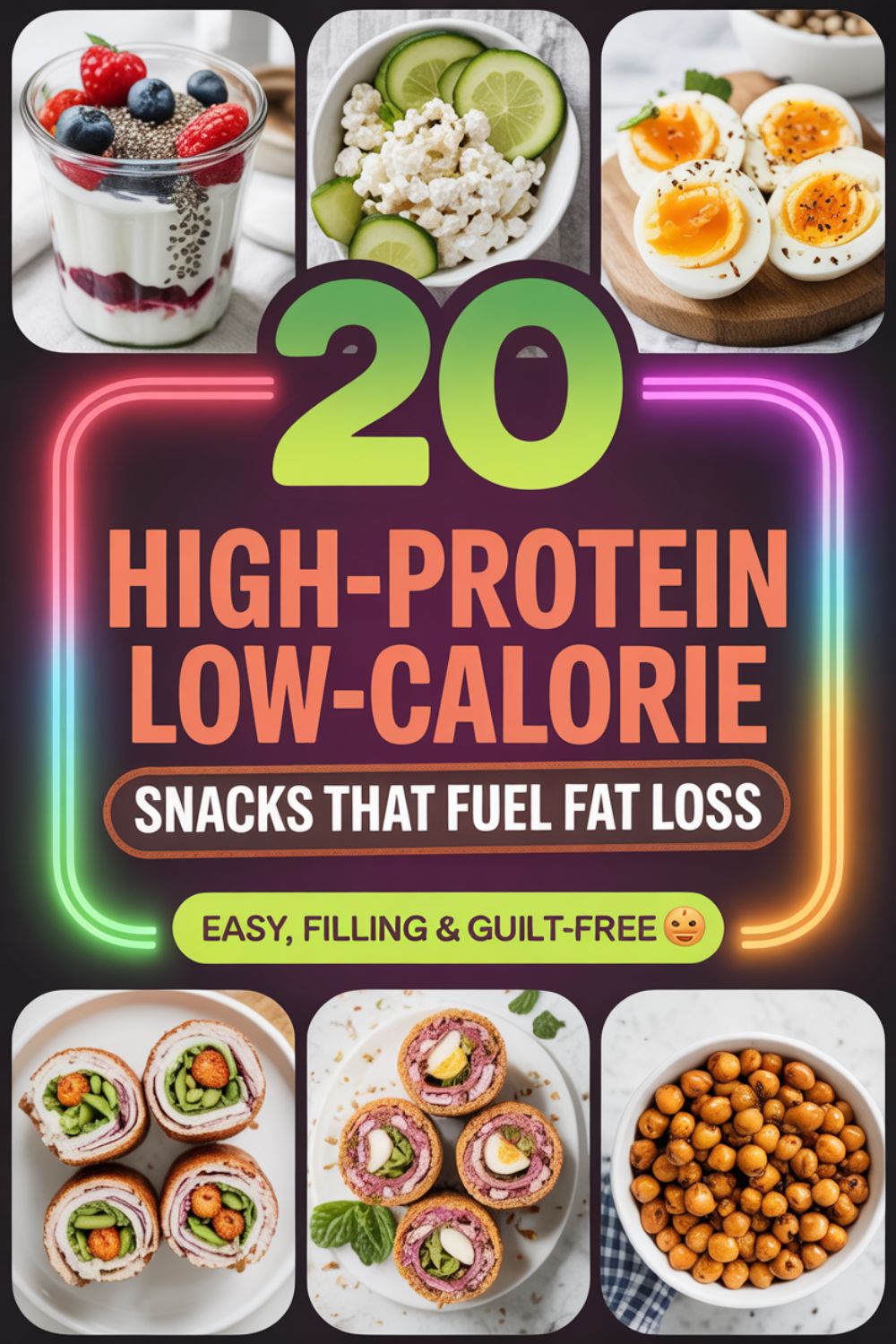
20 High-Protein Low-Calorie Snacks That Fuel Fat Loss
Listen, I get it. You’re hungry at 3 PM, staring into the void of your pantry, wondering if that stale granola bar is really going to cut it. Spoiler alert: it won’t. And you’ll be raiding the vending machine thirty minutes later, making questionable life choices involving Cheetos.
Here’s the thing about snacking when you’re trying to lose fat—most people get it completely wrong. They either starve themselves between meals like some medieval monk, or they grab whatever’s convenient and end up eating half their daily calories in “snacks” that barely keep them full for twenty minutes.
The solution? High-protein, low-calorie snacks that actually do their job. I’m talking about snacks that keep you satisfied, preserve your hard-earned muscle, and don’t derail your progress. No magic, no BS—just strategic eating that works with your body instead of against it.
Why Protein Actually Matters for Fat Loss
Before we dive into the snack list, let’s talk about why protein is your secret weapon. Your body burns more calories digesting protein than it does processing carbs or fats—a phenomenon called the thermic effect of food. Basically, your metabolism has to work harder, which means more calories burned just from eating. Pretty sweet deal, right?
But here’s where it gets really interesting. When you’re in a calorie deficit trying to lose fat, your body doesn’t discriminate—it’ll happily burn muscle along with fat if you’re not careful. Adequate protein intake sends a signal to your body that says, “Hey, we need this muscle, don’t touch it.” Research shows that higher protein diets preserve muscle mass during weight loss, especially when combined with resistance training.
Plus, protein keeps you full. Like, actually full. Not that fake fullness you get from a bag of pretzels that leaves you hunting for food an hour later. We’re talking sustained satiety that helps you naturally eat less without feeling deprived.
The 20 High-Protein Low-Calorie Snacks You Need
1. Greek Yogurt Parfait (but Make It Interesting)
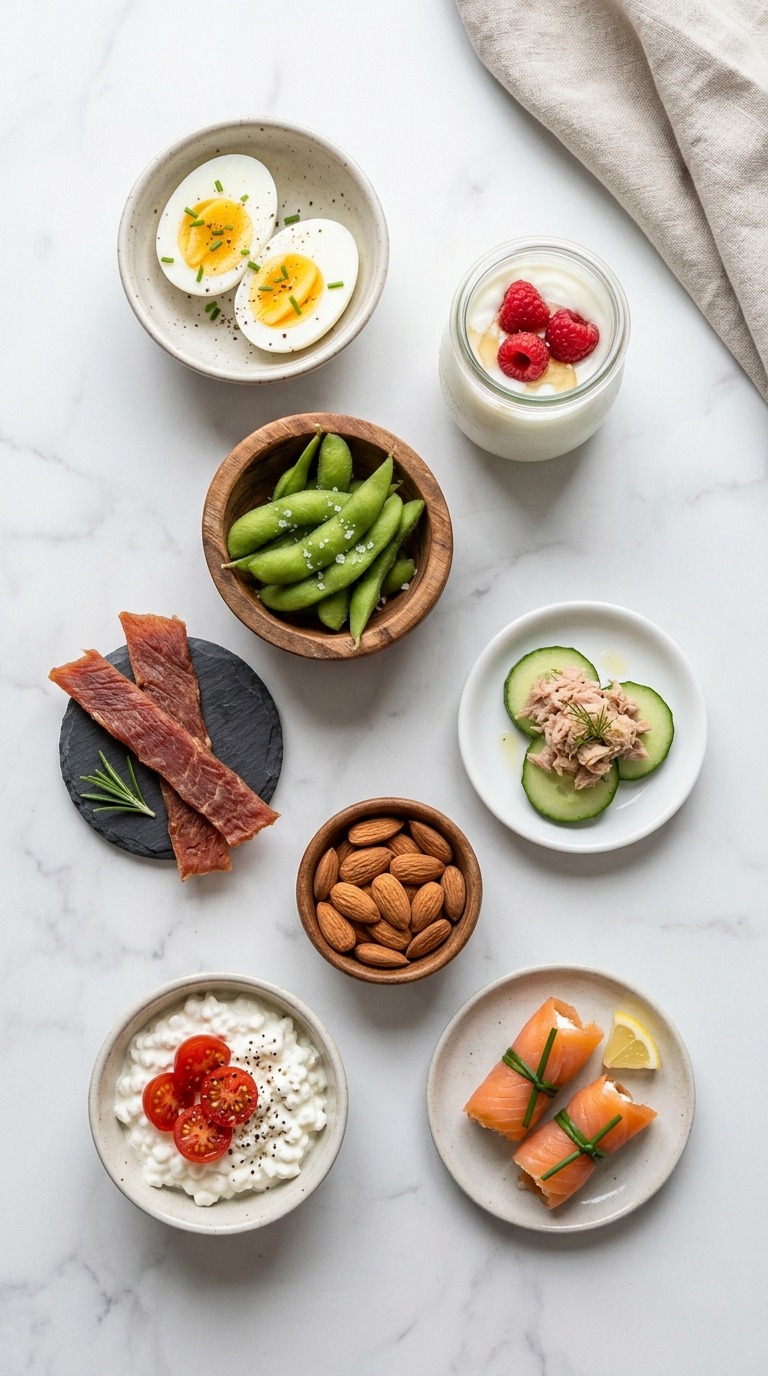
Plain Greek yogurt delivers about 15-20 grams of protein per cup, but let’s be honest—eating it plain feels like punishment. Layer it with a handful of berries and a sprinkle of cinnamon for sweetness without added sugar. If you’re feeling fancy, throw in some chia seeds for extra protein and omega-3s.
Skip the flavored varieties unless you enjoy spooning sugar into your mouth. Most commercial flavored yogurts pack more sugar than a candy bar. Just saying.
2. Hard-Boiled Eggs (The MVP of Protein Snacks)
Two hard-boiled eggs give you 12 grams of protein for about 140 calories. They’re portable, require zero cooking skills beyond boiling water, and contain every essential amino acid your body needs. I prep a batch every Sunday using my electric egg cooker—ten minutes, perfect eggs, zero babysitting.
Pro move: sprinkle them with everything bagel seasoning or a dash of hot sauce. You’re welcome.
3. Turkey Roll-Ups (No Bread Required)
Take a few slices of deli turkey (the nitrate-free kind if you’re being fancy), spread a thin layer of Dijon mustard, add some spinach or arugula, maybe a slice of cheese if you’re feeling it, and roll them up. Four ounces of turkey delivers about 24 grams of protein for roughly 120 calories.
This is my go-to when I need something substantial but don’t want to feel weighed down. Looking for more protein-packed meal ideas? Check out these low-calorie high-protein salads that work perfectly for quick lunches.
4. Cottage Cheese (Yes, Really)
I know, I know—cottage cheese has a PR problem. But hear me out. Half a cup gives you 14 grams of protein for about 80 calories. The texture thing? Mix it with some everything bagel seasoning and cucumber slices, and suddenly you’ve got a savory snack that actually tastes good.
Or go sweet with berries and a drizzle of honey. Either way, you’re getting slow-digesting casein protein that keeps you full for hours.
5. Edamame (The Underrated Plant Protein)
One cup of edamame pods delivers 17 grams of protein and only 180 calories. Plus, they’re fun to eat—there’s something oddly satisfying about popping those beans out of their pods. I buy the frozen kind, microwave them with a bit of water, and toss with sea salt.
Vegan? Plant-based? This is your protein powerhouse. For more plant-based options, you might love these high-protein vegan meals designed for plant-based diets.
6. Tuna Packets (The Ultimate Convenience Food)
Those little tuna pouches are genius. One packet gives you around 16 grams of protein for 70 calories, they’re shelf-stable, and they require zero prep. I keep a few in my desk drawer for emergencies.
Mix with some avocado mayo and eat with cucumber slices or bell pepper strips. Or just eat it straight from the packet like the busy person you are. No judgment here.
7. Roasted Chickpeas (Crunchy and Satisfying)
Half a cup of roasted chickpeas packs about 7 grams of protein and satisfies that need for something crunchy. Toss canned chickpeas with olive oil spray and your favorite spices, then roast at 400°F for 30 minutes.
They’re way more interesting than nuts and give you fiber as a bonus. Make a big batch and store them in an airtight container—they’ll last all week.
8. String Cheese with Almonds
One string cheese stick plus a small handful of almonds (about 10-12) gives you roughly 10 grams of protein and healthy fats to keep you satisfied. It’s the snack equivalent of a mini charcuterie board, minus the pretentious cheese names.
The combination of protein and fat helps stabilize blood sugar, which means no energy crashes an hour later.
9. Protein Smoothie (But Do It Right)
Blend a scoop of protein powder, frozen berries, spinach (you won’t taste it, promise), and unsweetened almond milk. You’re looking at 20-25 grams of protein depending on your powder.
Skip the fruit juice and definitely skip the frozen yogurt some recipes call for—that’s just sugar disguised as health food. If you’re into smoothies, these low-calorie high-protein smoothie recipes are specifically designed to boost metabolism.
10. Beef Jerky (Choose Wisely)
Good jerky delivers about 9 grams of protein per ounce with minimal calories. Bad jerky is basically sugar-coated leather. Look for brands with less than 3 grams of sugar per serving and ingredients you can actually pronounce.
Grass-fed beef jerky or turkey jerky are solid options. Just watch the sodium—some brands go overboard.
Speaking of protein-rich options, if you’re looking to diversify your meals throughout the week, check out these slow cooker high-protein meals that practically cook themselves.
11. Smoked Salmon with Cucumber
Two ounces of smoked salmon on cucumber rounds gives you 13 grams of protein plus omega-3 fatty acids. It’s fancy enough to impress guests but easy enough for a Tuesday afternoon snack.
Add a tiny schmear of cream cheese if you’re feeling indulgent, but honestly, good smoked salmon needs zero help.
12. Protein Bars (The Good Ones)
Not all protein bars are created equal. Some are basically candy bars with protein powder sprinkled in. Look for bars with at least 15 grams of protein, less than 5 grams of sugar, and recognizable ingredients.
My criteria: if I can’t pronounce three or more ingredients, it goes back on the shelf. Simple as that.
Snack Prep Essentials That Make Life Easier
Look, you can have the best intentions in the world, but if you don’t have the right tools, those good intentions die somewhere between 2 PM hunger and the vending machine. Here’s what actually helps:
• Glass meal prep containers – Because nobody wants plastic chemicals leaching into their food
• Electric egg cooker – Set it, forget it, perfect eggs every time
• Portable protein shaker bottle – For smoothies on the go without the clumps
• Macro tracking app subscription – Actually see where your protein’s coming from
• Meal planning template bundle – Takes the guesswork out of weekly prep
• High-protein recipe e-book – 50+ snack ideas that don’t suck
13. Egg White Bites (Starbucks Style, But Better)
Make a batch in a silicone muffin pan, freeze them, and reheat as needed. Mix egg whites with diced veggies, a bit of cheese, and whatever seasonings you’re into. Each bite has about 3-4 grams of protein, and they’re perfect for grabbing multiple when you need more substance.
Way cheaper than buying them at a coffee shop, and you control exactly what goes in them. Get Full Recipe
14. Chia Seed Pudding
Mix 2 tablespoons of chia seeds with half a cup of unsweetened almond milk, let it sit overnight, and wake up to 5 grams of protein plus a ton of fiber. Add berries, a dash of vanilla, maybe some stevia if you need sweetness.
The texture is definitely a thing—some people love it, some people think it’s weird. Give it a chance before you judge.
15. Roasted Turkey Breast Slices
Not deli meat—actual roasted turkey breast you can prep yourself or buy pre-cooked. Four ounces delivers 26 grams of protein for about 120 calories. Wrap it around some avocado slices, pair it with cherry tomatoes, or eat it plain.
It’s incredibly versatile and doesn’t come with the processed meat concerns of traditional deli slices.
16. Protein-Packed Hummus with Veggies
Regular hummus gives you about 2 grams of protein per 2 tablespoons, but the protein-fortified versions can pack 5-6 grams. Pair it with bell peppers, carrots, or snap peas.
The combination of protein, fiber, and healthy fats makes this a genuinely satisfying snack that won’t leave you hungry in thirty minutes.
17. Grilled Chicken Strips
Meal prep a batch of chicken breast strips on Sunday, season them however you like, and you’ve got grab-and-go protein all week. Three ounces gives you about 26 grams of protein.
I use my indoor grill pan because it gives that nice char without firing up an actual grill. Pair with some salsa or mustard for flavor without added calories. For complete meal ideas featuring chicken, these high-protein dinner recipes are money.
18. Protein Ice Cream (Yes, It Exists)
Brands like Halo Top, Enlightened, and Nick’s make ice cream with 5-6 grams of protein per serving and way fewer calories than regular ice cream. It’s not identical to Ben & Jerry’s, but it scratches the ice cream itch without destroying your progress.
Or make your own by blending frozen bananas with protein powder and a splash of milk. Instant soft-serve that’s actually nutritious.
19. Protein Pancakes (Not Just for Breakfast)
Mix protein powder with mashed banana and an egg, cook them up, and you’ve got pancakes with 15-20 grams of protein. Top with berries and a tiny drizzle of real maple syrup.
Who says snacks can’t be fun? Get Full Recipe
20. Protein Coffee (For the Caffeine Addicts)
Add a scoop of unflavored protein powder to your iced coffee, blend it smooth, and you’ve got a caffeinated protein drink. About 20 grams of protein plus your caffeine fix.
Make sure you blend it well—nobody wants clumpy coffee. An immersion blender works perfectly for this.
Making It Work in Real Life
Here’s the truth nobody tells you: having a list of snacks is useless if you don’t actually prep them. I’m not saying you need to spend your entire Sunday meal prepping like some Instagram fitness influencer. But you do need to set yourself up for success.
My approach? Pick three snacks from this list that actually sound good to you. Not what you think you should eat, but what you’d genuinely enjoy. Prep them in advance, portion them out, and make them as convenient as possible. When you’re hungry and tired, convenience wins every single time.
Keep a few shelf-stable options at your desk or in your car. Those tuna packets, protein bars, and individual nut packs are lifesavers when you’re stuck in meetings or traffic. For more meal prep inspiration, these meal prep-friendly recipes are designed specifically for busy weeks.
The Protein Timing Thing
You’ve probably heard conflicting advice about when to eat protein. Some people swear by eating it every three hours, others say timing doesn’t matter at all. Here’s what actually matters: consistency.
IMO, spreading protein throughout the day helps maintain stable blood sugar and keeps you from getting so hungry that you eat everything in sight. But stressing about eating every 2.5 hours? That’s overkill for most people.
Focus on getting protein at each main meal and having one or two protein-rich snacks between meals if you need them. That’s it. Don’t overthink it.
Common Mistakes to Avoid
Biggest mistake I see? People eating “high-protein” snacks that actually have more carbs than protein. That protein cookie with 8 grams of protein and 30 grams of carbs? Not what we’re going for here.
Another trap: eating too many nuts thinking they’re high-protein. Nuts are healthy, sure, but they’re actually higher in fat than protein. A handful of almonds has about 6 grams of protein but 14 grams of fat. Nothing wrong with that, but know what you’re actually eating.
And please, for the love of all that is holy, stop buying those sugar-free protein bars sweetened with sugar alcohols if they make your stomach unhappy. Life’s too short for digestive distress in the name of macros.
If you’re struggling to hit your protein goals throughout the day, you might find these high-protein breakfast bowls helpful for starting your day right.
Frequently Asked Questions
How much protein do I actually need per day?
Most people doing moderate activity need about 0.8-1.2 grams of protein per pound of body weight. If you’re actively trying to lose fat while preserving muscle, aim for the higher end of that range. A 150-pound person would shoot for 120-180 grams daily, spread across meals and snacks.
Can I eat too much protein?
For most healthy people, high protein intake isn’t a problem. Your body will use what it needs and excrete the rest. However, if you have kidney issues, talk to your doctor before significantly increasing protein. Also, eating excessive protein at the expense of other nutrients isn’t ideal—balance matters.
Are plant-based proteins as effective as animal proteins?
Plant proteins can absolutely support muscle maintenance and fat loss. The key is eating a variety of plant protein sources to get all essential amino acids. Combining foods like beans with grains, or using complete plant proteins like quinoa, edamame, and soy products works great.
Do protein snacks actually help with weight loss?
Yes, but not because protein is magic. High-protein snacks help by keeping you fuller longer, reducing overall calorie intake, and preserving muscle mass during fat loss. The key is that they should replace higher-calorie, lower-satiety snacks—not be added on top of everything else you’re already eating.
Should I eat protein before or after working out?
Both, ideally. Total daily protein intake matters more than precise timing, but having some protein before and after exercise can support muscle recovery and growth. A protein-rich snack 1-2 hours before training and another within an hour after is a solid approach for most people.
The Bottom Line
High-protein, low-calorie snacks aren’t about suffering through tasteless diet food. They’re about making strategic choices that support your goals while actually enjoying what you eat. The Greek yogurt, the hard-boiled eggs, the turkey roll-ups—these aren’t punishment. They’re fuel.
Pick the ones that sound good to you, prep them in advance, and make them as convenient as possible. That’s the real secret. Not some magic macronutrient ratio or perfectly timed eating window. Just consistent, protein-rich choices that keep you satisfied and on track.
Your 3 PM self will thank you. Trust me on this one.
30-Day High-Protein
Low-Calorie Meal Plan
Every breakfast, lunch, dinner & snack — all 30 days fully mapped out. Just follow the plan.
- ✓50+ complete recipes with ingredients & step-by-step instructions
- ✓4-week day-by-day plans — every meal for all 30 days
- ✓4 weekly shopping lists organised by store section
- ✓Printable habit & progress tracker — 30 full days
- ✓100g+ protein per day — scientifically optimised macros
Instant PDF · Print at home
Results guaranteed with consistency
Similar Posts
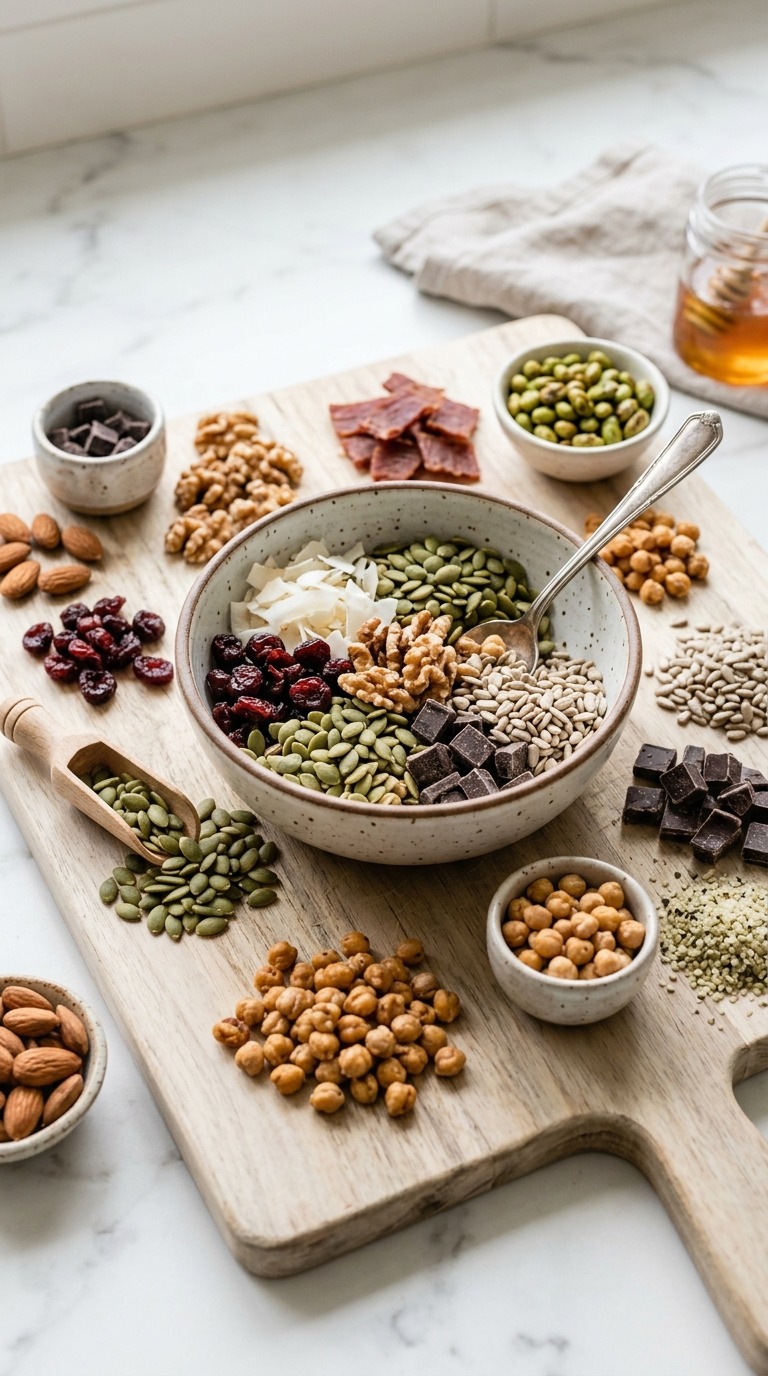
20 High-Protein Trail Mix Ideas For Hikers And Gym-Goers
Claude responded: 20 High-Protein Trail Mix Ideas For Hikers And Gym-Goers 20 High-Protein Trail Mix Ideas For Hikers And Gym-Goers Your trail mix is lying to you.
30-Day High-Protein Low-Calorie Snack Challenge
30-Day High-Protein Low-Calorie Snack Challenge 30-Day High-Protein Low-Calorie Snack Challenge Look, I’ll be honest with you. The snack game has been a disaster for most of us. We grab whatever’s closest when hunger strikes at 3 PM, and nine times out of ten, it’s something that leaves us hungrier an hour later. But what if…
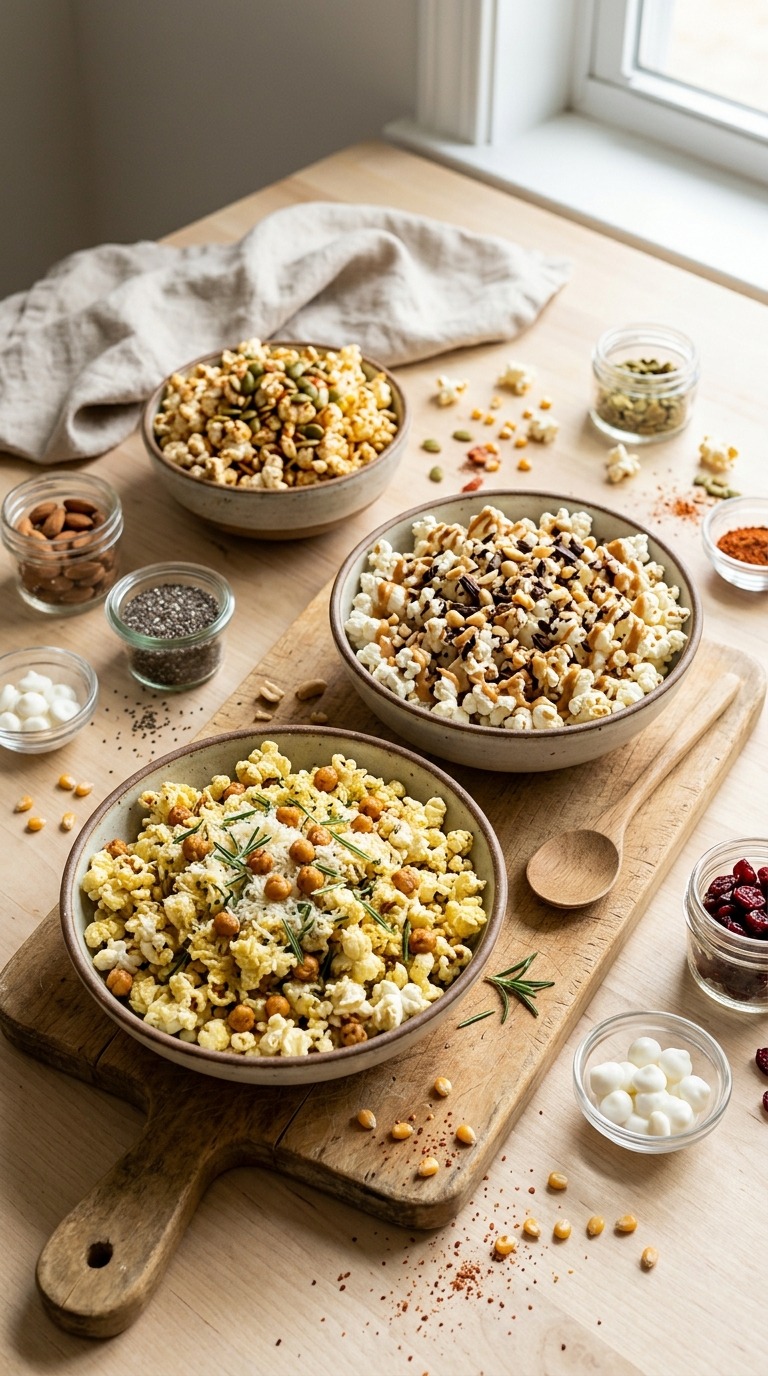
12 High-Protein Popcorn Recipes For Movie Night
Claude responded: 12 High-Protein Popcorn Recipes For Movie Night 12 High-Protein Popcorn Recipes For Movie Night Popcorn doesn’t have to be the nutritional villain of your movie night — it can actually work for you.
35 High-Protein Snacks Under 100 Calories You Can Make In Minutes
Claude responded: 35 High-Protein Snacks Under 100 Calories You Can Make In Minutes 35 High-Protein Snacks Under 100 Calories You Can Make In Minutes You’re hungry, it’s 3pm, and your willpower is held together with coffee and good intentions.
30 Easy Low-Calorie Protein Snack Ideas for Work
30 Easy Low-Calorie Protein Snack Ideas for Work 30 Easy Low-Calorie Protein Snack Ideas for Work Look, we’ve all been there. It’s 3 PM, your stomach’s growling louder than your boss’s complaints about the printer, and the vending machine is calling your name like a siren song. But here’s the thing—those chips and candy bars…
25 High-Protein Grocery Store Snacks Dietitians Actually Buy
Claude responded: 25 High-Protein Grocery Store Snacks Dietitians Actually Buy 25 High-Protein Grocery Store Snacks Dietitians Actually Buy You’re standing in the snack aisle, protein bar in hand, squinting at a label that reads “10g protein” above 30g of