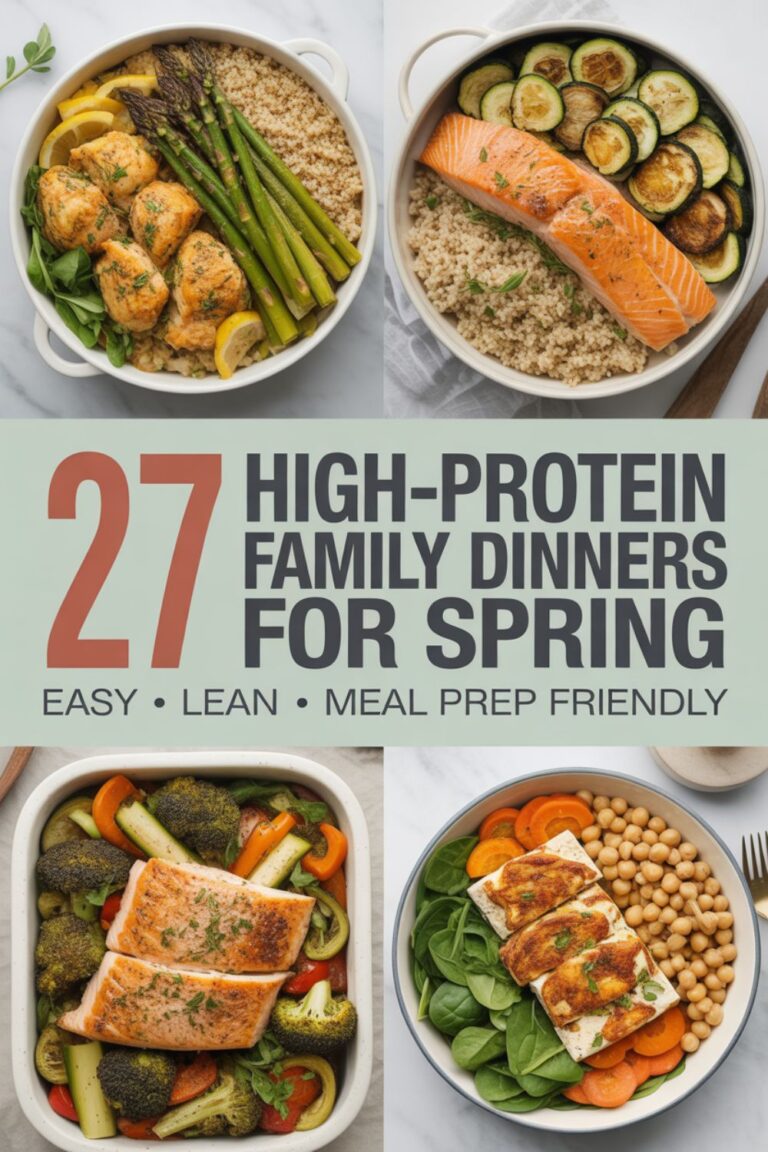
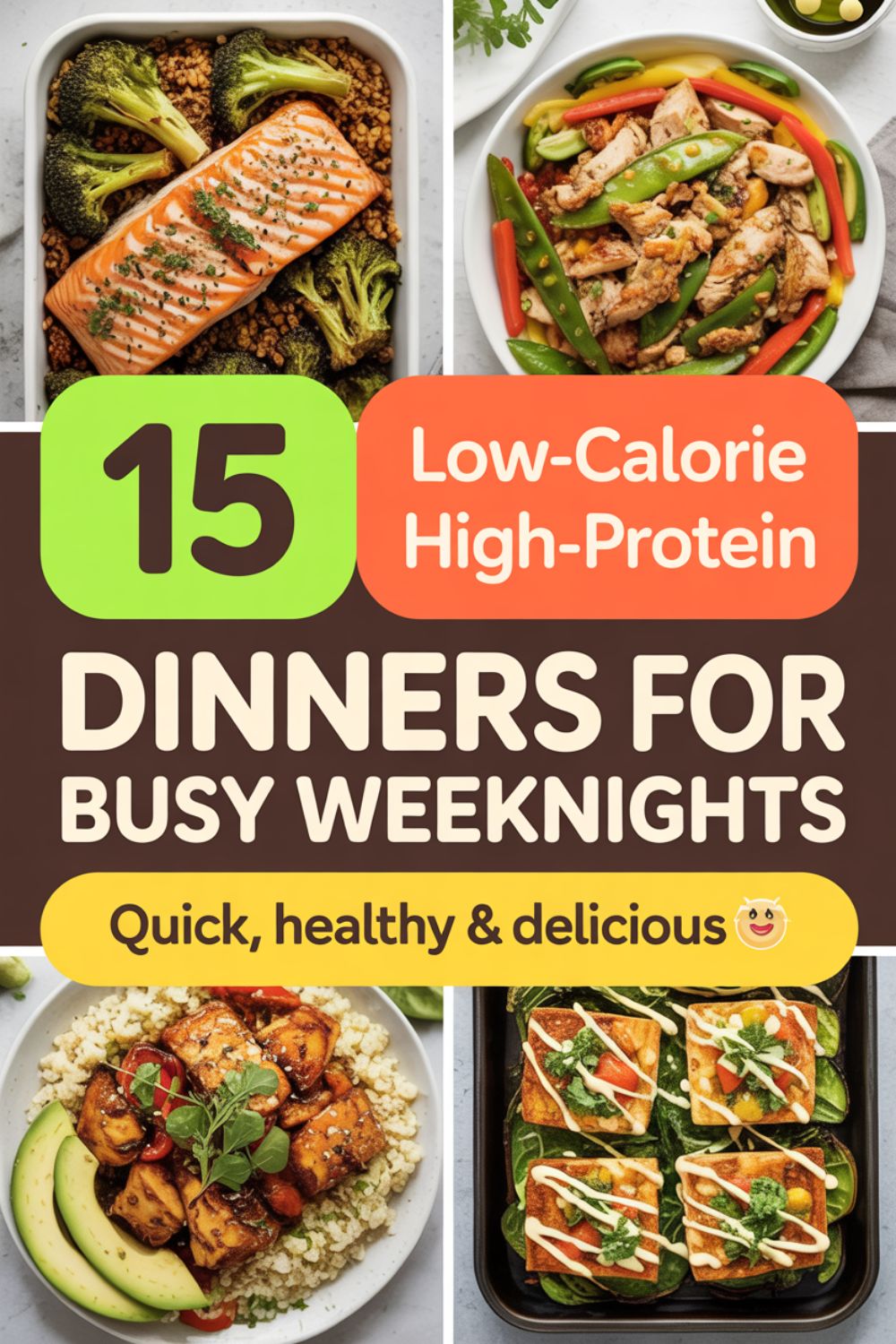
15 Low-Calorie High-Protein Dinners for Busy Weeknights
Look, I get it. You’re staring at the clock, it’s 6 PM, and you’ve got about as much energy as a deflated balloon. The last thing you want to do is spend an hour cooking something that’ll leave you hungry again by 9 PM or blow through your daily calorie budget before you’ve even thought about dessert.
Here’s the thing about high-protein, low-calorie dinners: they’re not just for bodybuilders or people doing some extreme diet. They’re for regular folks who want to feel full, maintain energy, and maybe not feel like garbage after dinner. Research shows protein helps you feel satisfied longer and supports everything from muscle maintenance to immune function.
I’ve spent way too many evenings throwing together sad desk lunches for dinner because I couldn’t be bothered to plan ahead. But once I figured out how to make high-protein meals that actually taste good and don’t require a culinary degree, things changed. These 15 dinners are what I come back to when life gets hectic.
Why High-Protein, Low-Calorie Dinners Actually Work
Before we get into the recipes, let’s talk about why this combo is so effective. Protein is basically the MVP of macronutrients. According to Harvard’s School of Public Health, protein plays crucial roles beyond just building muscle—it supports bone health, helps regulate blood pressure, and can even reduce heart disease risk when it comes from healthy sources.
When you combine high protein with lower calories, you’re creating meals that keep you satisfied without the caloric overload. I used to think low-calorie meant tiny portions and constant hunger, but that’s only true if you’re loading up on the wrong foods. A 400-calorie dinner packed with protein will keep you way more satisfied than a 600-calorie pasta dish that’s mostly carbs.
The 15 Dinners That’ll Save Your Weeknights
1. Grilled Lemon Herb Chicken with Roasted Broccoli
This is my go-to when I need something fast and reliable. Season a chicken breast with lemon juice, garlic, and whatever herbs you’ve got hanging around, then grill it for about 6-7 minutes per side. Toss some broccoli with olive oil and roast at 425°F for 20 minutes. Done. Around 350 calories, 40g protein.
The key here is not overcooking the chicken—nobody wants rubbery, dry meat. I use this instant-read thermometer to check when it hits 165°F, and it’s saved me from many hockey-puck dinners.
2. Spicy Turkey and Black Bean Bowl
Brown some ground turkey with cumin, chili powder, and a bit of cayenne. Mix in a can of black beans, throw it over cauliflower rice or regular rice, and top with salsa and a dollop of Greek yogurt. About 380 calories with a solid 35g of protein.
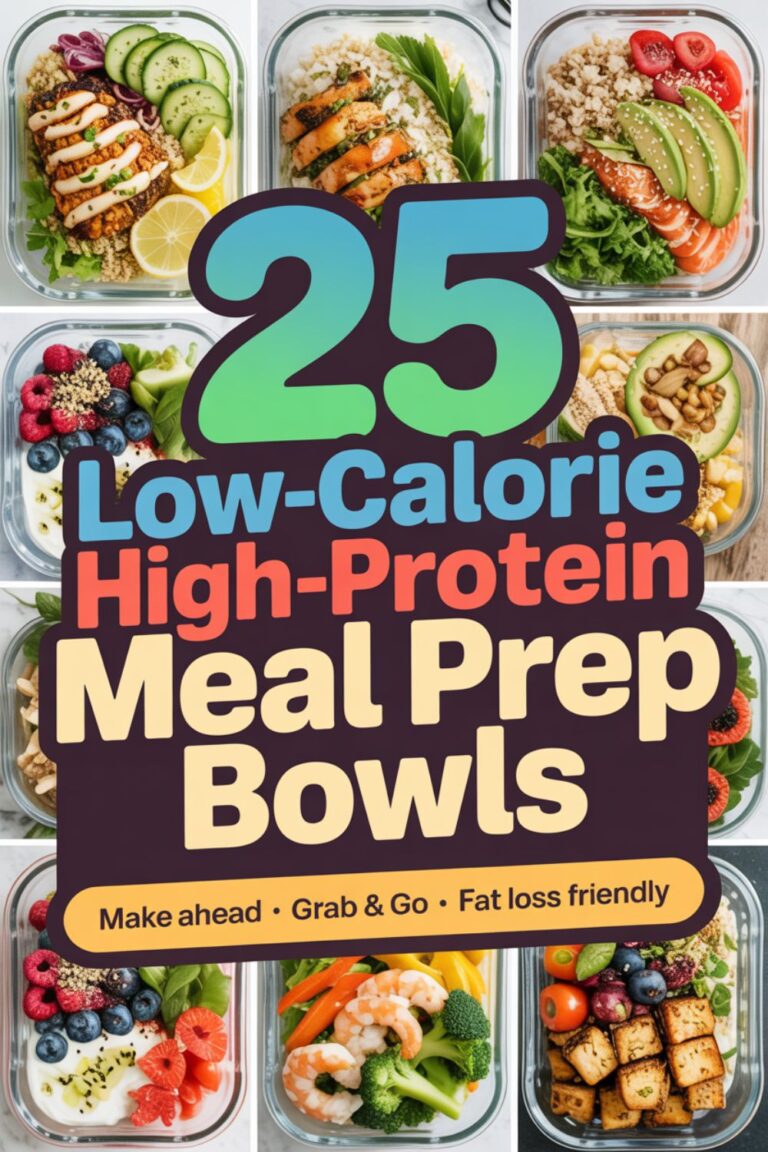
If you’re looking for more bowl inspiration that won’t derail your goals, check out these high-protein low-calorie bowls you can prep in under 20 minutes. They’re legitimately life-changing when you’re meal prepping.
3. Baked Cod with Garlic Green Beans
Fish gets a bad rap for being complicated, but cod is stupid easy. Pat it dry, season with salt, pepper, and a squeeze of lemon, then bake at 400°F for 12-15 minutes. Sauté green beans with minced garlic in a pan. The whole thing takes about 20 minutes and clocks in around 280 calories with 35g protein.
I grab my green beans from these reusable produce bags at the farmer’s market. Less plastic waste, and they keep veggies fresher longer in the fridge.
4. Stir-Fried Beef with Snow Peas
Get yourself some flank steak, slice it thin against the grain, and stir-fry it with snow peas, bell peppers, and a sauce made from low-sodium soy sauce, ginger, and a tiny bit of honey. Serve over zucchini noodles or a small portion of brown rice. Around 420 calories, 38g protein.
The trick to good stir-fry is high heat and not crowding the pan. I swear by my carbon steel wok for getting that restaurant-quality sear without drowning everything in oil.
5. Greek-Style Turkey Meatballs with Cucumber Salad
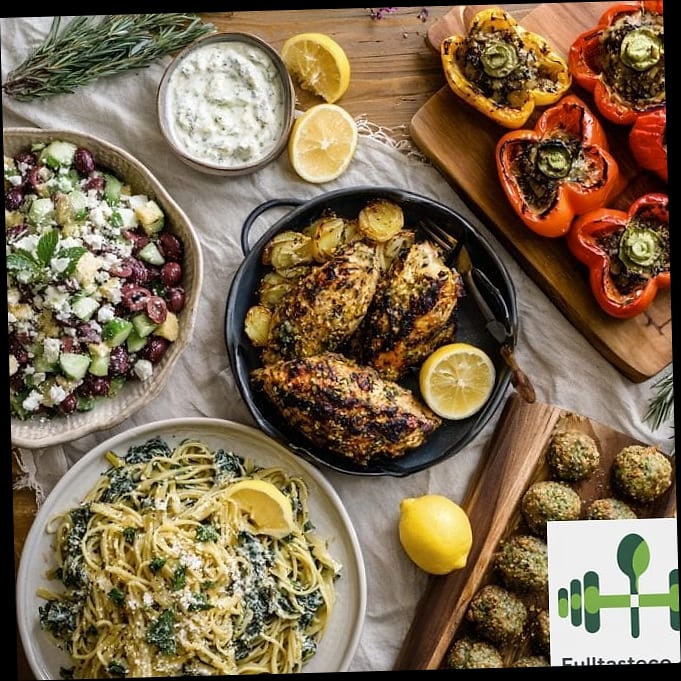
Mix ground turkey with minced garlic, oregano, and a bit of feta cheese, form into meatballs, and bake. Serve with a chopped cucumber salad tossed in lemon juice and olive oil. About 360 calories and 36g protein. Get Full Recipe
These meatballs freeze beautifully, so I usually make a double batch. Pop them in these freezer-safe containers and you’ve got emergency dinners for those nights when even microwaving feels like too much work.
Speaking of dinner solutions, if you’re into the whole set-it-and-forget-it vibe, you’ll want to check out these high-protein low-calorie slow cooker meals. They’re perfect for days when you know you’ll come home exhausted.
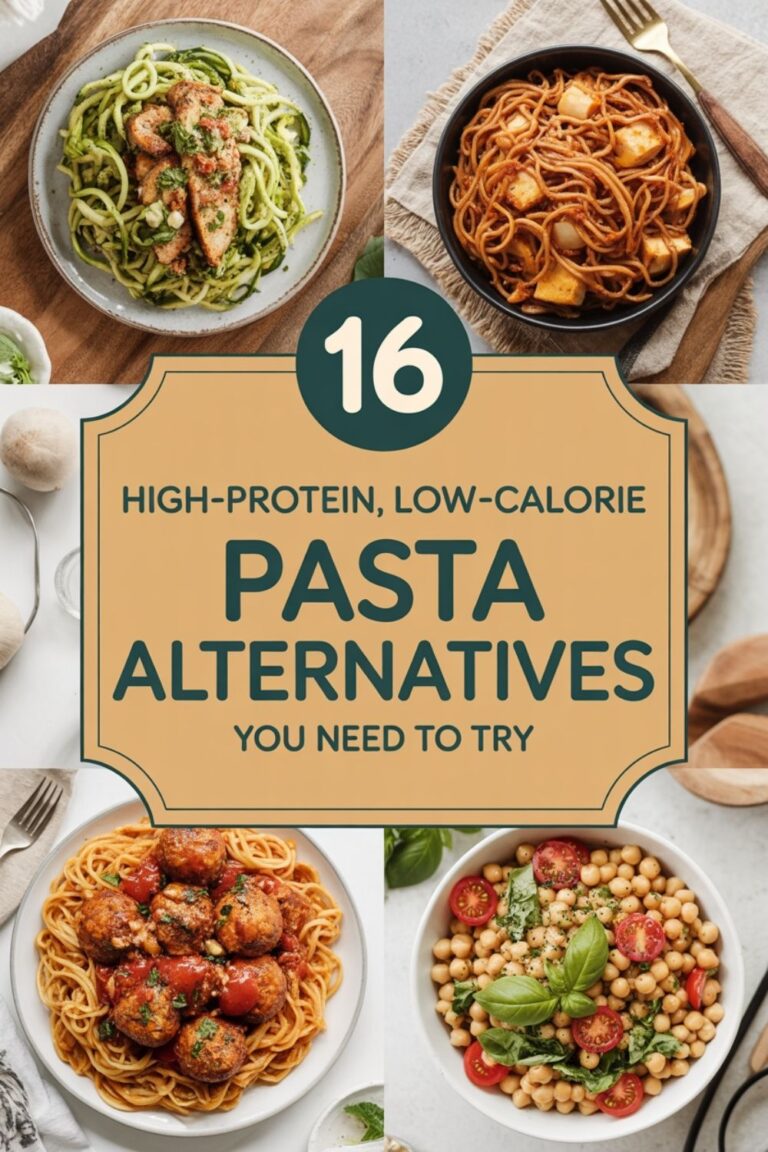
6. Shrimp and Zucchini Noodles with Marinara
Spiralize some zucchini, sauté shrimp with garlic until pink, toss with marinara sauce, and combine with the zucchini noodles. It’s basically a healthier take on shrimp pasta that won’t leave you feeling like you need a nap. Around 300 calories, 32g protein.
I use this handheld spiralizer because the big countertop ones are a pain to clean, and honestly, who has that kind of storage space?
7. Balsamic Chicken with Roasted Brussels Sprouts
Marinate chicken in balsamic vinegar, garlic, and Italian herbs for at least 30 minutes, then grill or bake. Roast halved Brussels sprouts until crispy. This one’s around 370 calories with 42g protein, and it tastes way fancier than the effort required.
Brussels sprouts have gotten a serious glow-up in recent years. Roast them at high heat with a bit of olive oil and they get this crispy, almost addictive quality. Nothing like the mushy things your mom used to boil.
8. Tuna Poke Bowl
Cube some sushi-grade tuna, toss with soy sauce, sesame oil, and green onions. Serve over a bed of mixed greens or a small portion of rice, with avocado, cucumber, and edamame. About 400 calories, 38g protein.
This is one of those meals that feels like you’re treating yourself to takeout, but it’s actually healthier and costs way less. Plus, fish is an excellent source of complete protein with all the essential amino acids your body needs.
For other quick lunch ideas that work just as well for dinner, these low-calorie high-protein wraps are clutch when you’re short on time.
9. Chicken Fajita Lettuce Wraps
Slice chicken breast thin, sauté with bell peppers and onions with fajita seasoning, and serve in butter lettuce leaves instead of tortillas. Top with salsa, a bit of cheese, and Greek yogurt instead of sour cream. Around 320 calories, 36g protein.
I keep pre-made fajita seasoning on hand because making it from scratch every time is just one more thing to remember, and let’s be real, we’ve all got enough on our plates already.
10. Lemon Garlic Salmon with Asparagus
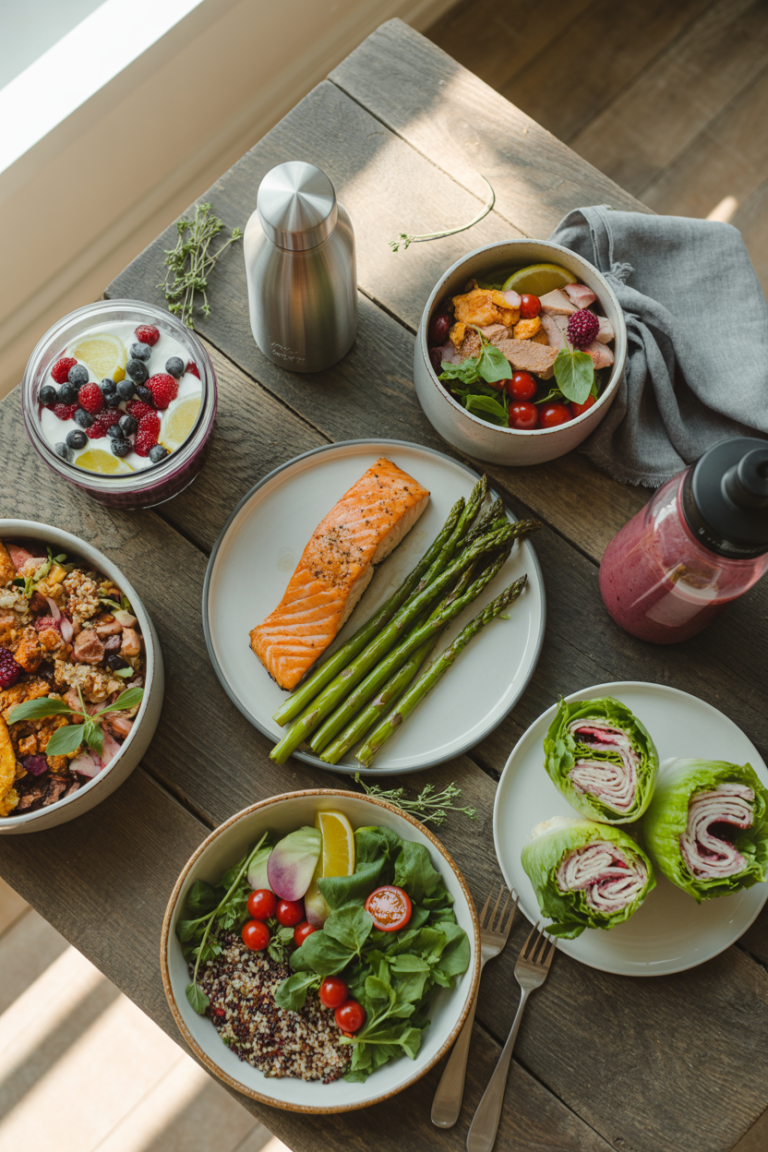
Season salmon with lemon, garlic, and dill, then bake alongside asparagus spears. The whole thing cooks in one pan, which means less cleanup. About 380 calories and 40g protein. Get Full Recipe
Salmon is one of those proteins that looks impressive but is actually pretty forgiving. Even if you slightly overcook it, it’s still edible, unlike chicken which turns into shoe leather if you breathe on it wrong.
11. Asian-Inspired Turkey Lettuce Cups
Cook ground turkey with ginger, garlic, and a splash of hoisin sauce. Spoon into butter lettuce cups and top with shredded carrots and chopped peanuts. Around 340 calories with 34g protein.
These are weirdly fun to eat and feel lighter than a regular meal, even though they’re plenty filling. I like to use this garlic press instead of mincing by hand because my knife skills are questionable at best.
12. Herb-Crusted Pork Tenderloin with Roasted Carrots
Coat pork tenderloin with a mixture of herbs, mustard, and a tiny bit of olive oil, then roast at 425°F for about 25 minutes. Roast carrots alongside. Slice the pork and serve. Around 390 calories, 38g protein.
Pork tenderloin is criminally underrated. It’s lean, cooks quickly, and doesn’t dry out as easily as chicken breast. Plus, it feels like a fancy dinner without the fancy effort.
13. Coconut Curry Shrimp
Sauté shrimp with lite coconut milk, curry paste, and a ton of vegetables like bell peppers, snap peas, and spinach. Serve over cauliflower rice. About 350 calories with 33g protein.
I keep this Thai curry paste in my pantry at all times. It’s one of those ingredients that makes you look like you know what you’re doing in the kitchen when really you just opened a jar.
If you’re vibing with these quick dinner ideas, you’ll probably also appreciate these low-calorie high-protein recipes with 5 ingredients or less. Minimal ingredients, maximum results.
14. Mexican-Spiced Chicken with Cauliflower Rice
Season chicken with cumin, paprika, and lime juice, then grill. Serve over cauliflower rice that you’ve sautéed with garlic and topped with black beans, corn, and pico de gallo. Around 360 calories, 37g protein.
Cauliflower rice has gone from weird health food to mainstream staple, and for good reason. You can buy it pre-riced in frozen bags, which saves you the arm workout of processing a whole head of cauliflower.
15. Italian Sausage and Pepper Skillet
Brown lean Italian turkey sausage, add sliced bell peppers and onions, season with Italian herbs, and cook until everything’s tender. Serve as-is or over a small portion of whole grain pasta. About 410 calories, 35g protein.
This is comfort food that doesn’t completely wreck your nutrition goals. I use turkey sausage instead of pork to keep the calories in check, and honestly, with all the seasoning, you really don’t miss the extra fat.
For more sheet pan magic like this, check out these low-calorie high-protein sheet pan dinners. One pan, minimal effort, maximum flavor.
Making It All Work: Meal Prep Strategy
Here’s where people usually go wrong with high-protein dinners: they treat each meal like its own separate event. That’s exhausting and unsustainable. The real trick is thinking in batches.
Pick two or three proteins for the week. Cook them all at once on Sunday. Prep your vegetables. Store everything separately in containers, then mix and match throughout the week. Monday you might have grilled chicken with roasted broccoli, Tuesday you use that same chicken in fajita wraps, Wednesday it goes in a salad.
I’m not one of those people who can eat the exact same meal five days in a row. Variety keeps me sane. But I can definitely use the same base ingredients in different combinations without feeling like I’m stuck in Groundhog Day.
Kitchen Tools That Actually Make This Easier
Look, you don’t need a ton of fancy equipment, but a few key items really do make the difference between “this is manageable” and “I’m ordering pizza again.”
- Glass meal prep containers (set of 10) – Microwavable, dishwasher-safe, and they don’t get gross and stained like plastic ones do
- Digital kitchen scale – Game-changer for portion control without having to guess or eyeball everything
- Cast iron grill pan – For those nights when outdoor grilling isn’t happening but you still want those grill marks
- MyFitnessPal Premium – Tracks macros way better than the free version, and you can scan barcodes instead of manually entering everything
- Meal Prep Masterclass (online course) – Walks you through batch cooking strategies if you’re starting from zero knowledge
- Printable Weekly Meal Planner PDF – Sometimes analog planning just works better than digital, and crossing things off feels good
The Protein Quality Question
Not all protein sources are created equal, and this matters more than people realize. Complete proteins contain all nine essential amino acids, while incomplete proteins are missing one or more.
Animal proteins—chicken, fish, beef, eggs, dairy—are complete proteins. Most plant proteins are incomplete, which is why vegetarians and vegans need to combine different sources throughout the day. Think rice and beans, hummus and pita, peanut butter and whole wheat bread.
I’m not here to start the whole animal vs. plant protein debate, but if you’re eating meat, you’ve got an easier time hitting your protein goals in fewer calories. A chicken breast has about 30g of protein for 165 calories. To get the same protein from chickpeas, you’re looking at around 400 calories. Both are fine, just different.
If you’re more interested in plant-based options, these high-protein low-calorie vegan meals prove you absolutely don’t need meat to hit your protein targets.
Common Mistakes That Tank Your Results
Mistake #1: Going Too Low on Calories
I see this all the time. People get excited about low-calorie eating and slash their intake way too aggressively. Then they’re starving, miserable, and binge on everything in sight by Thursday.
These dinners are designed to be satisfying at around 300-420 calories each. That’s appropriate for most people when you factor in breakfast, lunch, and snacks. Don’t try to eat 200-calorie dinners unless you’re specifically working with a nutritionist who told you to.
Mistake #2: Ignoring Vegetables
High-protein doesn’t mean all-protein. You still need fiber, vitamins, and volume. Vegetables provide all of that with minimal calories. Half your plate should be vegetables at dinner. This isn’t optional.
I used to think I hated vegetables, but it turns out I just hated boiled, mushy vegetables. Roasting, grilling, and sautéing with actual seasoning changes everything.
Mistake #3: Not Planning for Leftovers
Every single one of these dinners can be doubled and used for lunch the next day or frozen for later. If you’re cooking dinner anyway, you might as well cook extra. Future you will be grateful.
What About Taste Fatigue?
Here’s something nobody talks about: you can get sick of even your favorite foods if you eat them too often. I rotate through these 15 dinners instead of sticking to the same five because variety actually matters for long-term adherence.
Also, don’t be afraid to use sauces and seasonings. A lot of “diet” advice acts like flavor is the enemy, but that’s how you end up sad, eating plain chicken breast straight from the container at 7 PM. Hot sauce, mustard, balsamic vinegar, herbs, spices—use them liberally.
If you’re looking for even more variety without the hassle, these low-calorie high-protein Instant Pot recipes are perfect for busy days when you need something fast.
Adjusting for Your Goals
These dinners work whether you’re trying to lose weight, maintain, or even build muscle (though you might need to add more calories if that’s your goal). The beauty of high-protein, lower-calorie meals is their flexibility.
If you need more calories, add healthy fats: avocado, nuts, olive oil, cheese. If you need fewer, skip those additions and stick with the lean protein and vegetables. If you’re training hard, add a serving of sweet potato or brown rice.
I’m a big fan of customization based on what your body actually needs, not what some generic meal plan told you to eat. Pay attention to your hunger and energy levels, and adjust accordingly.
For those specifically focused on muscle recovery after workouts, check out these low-calorie high-protein recipes for muscle recovery. They’re optimized for post-workout nutrition.
The Convenience Factor
Let’s be honest—convenience is why most people abandon healthy eating. When cooking feels like a chore that takes an hour, takeout starts looking real attractive.
That’s why these dinners max out at about 30 minutes of active cooking time. Some, like the lettuce wraps or the shrimp dishes, take even less. You’re not spending your whole evening in the kitchen, and you’re not waking up at 5 AM to meal prep like some kind of fitness influencer.
I’ve also included options that work well with kitchen shortcuts like pre-chopped vegetables, rotisserie chicken, and frozen vegetables. No judgment here. Use the shortcuts that make your life easier.
Speaking of convenience, these low-calorie high-protein recipes you can freeze and reheat are lifesavers for emergency dinner situations.
Budget Considerations
High-protein eating doesn’t have to destroy your budget, but it does require some strategy. Chicken thighs are cheaper than breasts and actually taste better (fight me on this). Canned tuna and eggs are incredibly affordable protein sources. Ground turkey goes on sale regularly.
Buy proteins when they’re on sale and freeze what you won’t use immediately. Check the discount section of your grocery store’s meat department—they often mark down items close to their sell-by date, which is perfect if you’re cooking or freezing them that day.
Vegetables are cheapest when they’re in season. Frozen vegetables are just as nutritious as fresh and often cheaper, plus they won’t go bad in your crisper drawer before you get around to using them.
Frequently Asked Questions
How much protein do I actually need per meal?
Most people do well with 25-40g of protein per meal, depending on your size, activity level, and goals. These dinners fall right in that range. If you’re trying to build muscle or you’re very active, aim for the higher end. If you’re smaller or less active, the lower end is fine. The key is spreading your protein throughout the day rather than loading it all into one meal.
Can I still lose weight eating 400-calorie dinners?
Absolutely, as long as your total daily calories are appropriate for weight loss. A 400-calorie dinner is perfectly reasonable when you factor in breakfast, lunch, and snacks. The high protein content helps keep you full and preserves muscle mass while you’re in a calorie deficit, which is exactly what you want.
Do I need to eat chicken breast every night?
No, and you really shouldn’t. Variety in protein sources gives you different nutrients and keeps meals interesting. Rotate between chicken, fish, turkey, lean beef, pork, shrimp, and even plant-based proteins. Your taste buds and your body will thank you for the diversity.
How long do these meals last in the fridge?
Most of these dinners will keep for 3-4 days in the fridge when stored properly in airtight containers. Fish is the exception—eat that within 1-2 days. If you want to prep for longer, freeze individual portions and thaw them as needed. Cooked proteins freeze well for up to 3 months.
What if I don’t have time to cook every night?
That’s exactly why meal prep exists. Cook 2-3 of these dinners on Sunday, store them properly, and reheat throughout the week. Or do a hybrid approach: prep your proteins and chop your vegetables ahead of time, then do quick final assembly when you’re ready to eat. Even 20 minutes of Sunday prep makes weeknight dinners infinitely easier.
Final Thoughts
High-protein, low-calorie dinners don’t have to be complicated or boring. They definitely don’t have to taste like diet food. The recipes in this list prove you can eat well, feel satisfied, and still hit your nutrition goals without spending your entire life meal prepping or eating the same sad chicken and broccoli every night.
The key is finding a system that actually works for your life. Maybe that means cooking fresh every night if you enjoy it. Maybe it means batch prepping on weekends. Maybe it’s a mix of both, with some frozen emergency meals in the back of the freezer for when everything goes sideways.
Start with one or two of these dinners this week. See how you feel. Notice which ones you actually enjoy eating and which ones feel like a chore. Build your rotation from there. This isn’t about perfection—it’s about finding sustainable habits that support your goals without making you miserable.
And remember, protein and vegetables are your friends. They keep you full, give you energy, and make it way easier to stick with healthy eating long-term. Everything else is just details.
30-Day High-Protein
Low-Calorie Meal Plan
Every breakfast, lunch, dinner & snack — all 30 days fully mapped out. Just follow the plan.
- ✓50+ complete recipes with ingredients & step-by-step instructions
- ✓4-week day-by-day plans — every meal for all 30 days
- ✓4 weekly shopping lists organised by store section
- ✓Printable habit & progress tracker — 30 full days
- ✓100g+ protein per day — scientifically optimised macros
Instant PDF · Print at home
Results guaranteed with consistency