7-Day High-Protein Low-Calorie Meal Plan for Beginners
Look, I get it. You’re staring at your fridge right now, wondering how the heck you’re supposed to eat healthy when everything either tastes like cardboard or requires a culinary degree to prepare. Been there, done that, bought the sad salad.
Here’s the thing about high-protein, low-calorie eating that nobody tells you upfront: it doesn’t have to be complicated. You don’t need to meal prep like you’re feeding a small army or spend your entire Sunday cooking. You just need a solid plan that actually makes sense for real life.
This 7-day meal plan is designed for beginners who want to feel full, lose weight, and not hate every minute of it. We’re talking meals that clock in around 350-450 calories but pack 25-35 grams of protein. No weird ingredients you can’t pronounce. No recipes that take three hours. Just straightforward, delicious food that actually works.

Why High-Protein, Low-Calorie Actually Works
Before we jump into the meal plan, let’s talk science for a second. Protein is basically your metabolism’s best friend. When you eat it, your body actually burns more calories just digesting it compared to carbs or fats. It’s called the thermic effect of food, and protein wins that competition every time.
Plus, protein keeps you full. Like, actually full. Not that “I ate a salad and I’m hungry again in 45 minutes” kind of full. Research shows that high-protein diets can reduce cravings by up to 60% and increase feelings of fullness significantly.
When you combine high protein with lower calories, you’re creating the perfect storm for fat loss while maintaining muscle. Your body gets what it needs to function, repair, and stay strong, but you’re still in that calorie deficit needed for weight loss.
The Game Plan: What This Week Looks Like
Each day follows a simple structure: protein-packed breakfast, satisfying lunch, lean dinner, and optional snacks if you need them. We’re keeping calories between 1,200-1,500 per day, which is solid for most people trying to lose weight without feeling miserable.
The protein sources rotate between chicken, fish, turkey, Greek yogurt, eggs, and plant-based options. Why? Because eating chicken breast seven days straight is a one-way ticket to Sadness Town, and nobody wants that.
Day 1: Easing Into It
Breakfast: Greek Yogurt Power Bowl (320 calories, 28g protein)
Start your morning with 1 cup of plain Greek yogurt topped with half a cup of berries, a tablespoon of chia seeds, and a drizzle of honey. Mix in a scoop of vanilla protein powder if you want extra oomph. This bowl is stupidly simple but keeps you full until lunch without any of that mid-morning crash.
Lunch: Grilled Chicken Salad Supreme (380 calories, 35g protein)
We’re talking 4 ounces of grilled chicken breast over mixed greens, cherry tomatoes, cucumber, and red onion. Dress it with 2 tablespoons of balsamic vinaigrette. The key here is seasoning that chicken properly. Nobody wants bland protein sitting on lettuce. Use garlic powder, paprika, and a little salt before grilling.
If you’re looking for more lunch inspiration that won’t derail your goals, check out these low-calorie high-protein salad recipes that actually taste good.
Dinner: Baked Salmon with Roasted Veggies (420 calories, 32g protein)
A 5-ounce salmon fillet baked with lemon and dill, served alongside roasted broccoli and bell peppers. I usually throw everything on a sheet pan and let the oven do its thing. Less cleanup, more Netflix time.
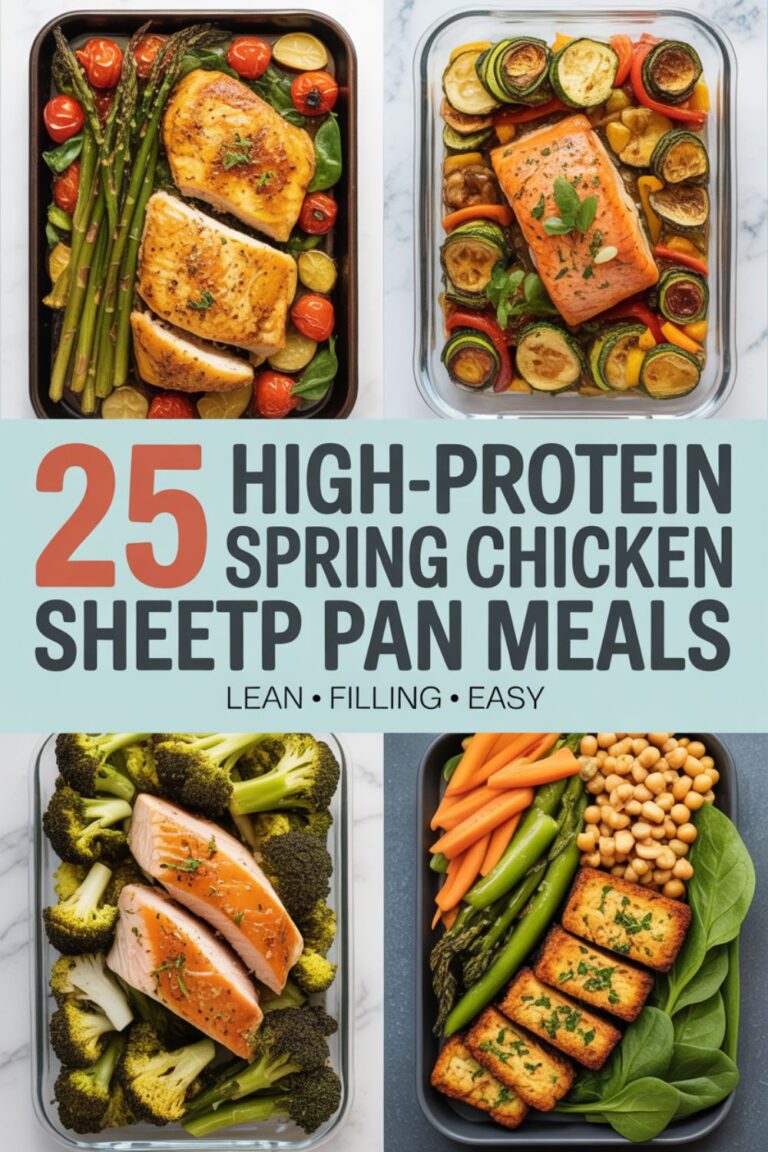
Speaking of easy dinners, you might want to bookmark these sheet pan dinners for nights when you just can’t even.
Day 2: Keeping Momentum
Breakfast: Veggie Egg Scramble (300 calories, 26g protein)
Three eggs scrambled with spinach, mushrooms, and diced tomatoes. Cook them in a non-stick skillet with just a tiny bit of olive oil spray. Add some everything bagel seasoning because life’s too short for boring eggs.
For those mornings when you need something grab-and-go, these breakfast bowls are seriously clutch.
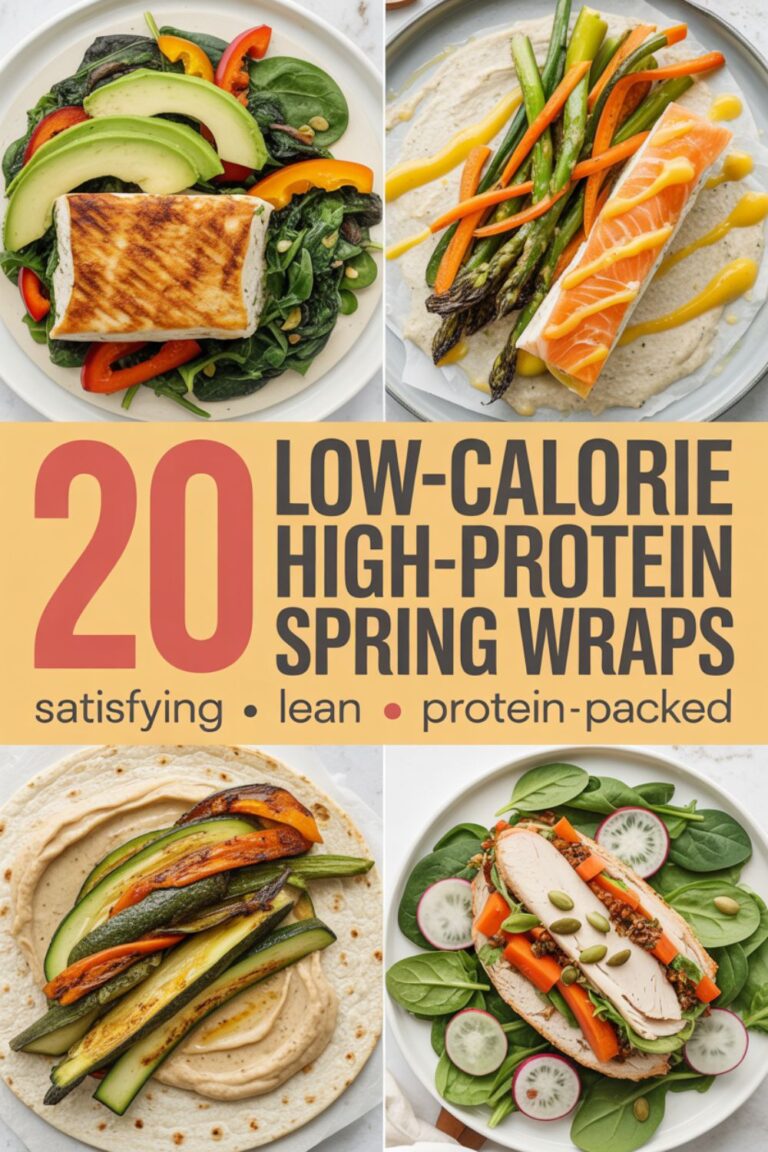
Lunch: Turkey and Hummus Wrap (360 calories, 30g protein)
A whole wheat wrap loaded with 4 ounces of sliced turkey breast, 2 tablespoons of hummus, lettuce, tomato, and cucumber. Roll it tight, slice it in half, and you’ve got yourself a lunch that actually travels well. Pro move: wrap it in foil to keep everything together.
Dinner: Lean Beef Stir-Fry (410 calories, 33g protein)
Four ounces of lean beef strips stir-fried with broccoli, snap peas, and bell peppers in a light soy-ginger sauce. Serve over cauliflower rice to keep those calories in check. The wok I use makes this come together in literally 15 minutes.
Day 3: Finding Your Groove
Breakfast: Protein Overnight Oats (330 calories, 25g protein)
Mix half a cup of oats with one cup of unsweetened almond milk, a scoop of protein powder, and let it sit overnight. Top with sliced banana and a tablespoon of almond butter in the morning. Store it in a mason jar and grab it on your way out. Game changer for busy mornings.
Lunch: Tuna Spinach Salad (340 calories, 32g protein)
One can of tuna (in water, drained) mixed with Greek yogurt instead of mayo, served over spinach with cherry tomatoes and shredded carrots. Add some lemon juice and black pepper. The Greek yogurt swap cuts calories without sacrificing that creamy texture.
Dinner: Chicken Fajita Bowl (400 calories, 35g protein)
Seasoned chicken breast strips with sautéed peppers and onions, served over cauliflower rice with a small dollop of Greek yogurt and salsa. Skip the tortilla, keep all the flavor. This is one of those meals where the seasoning does all the heavy lifting.
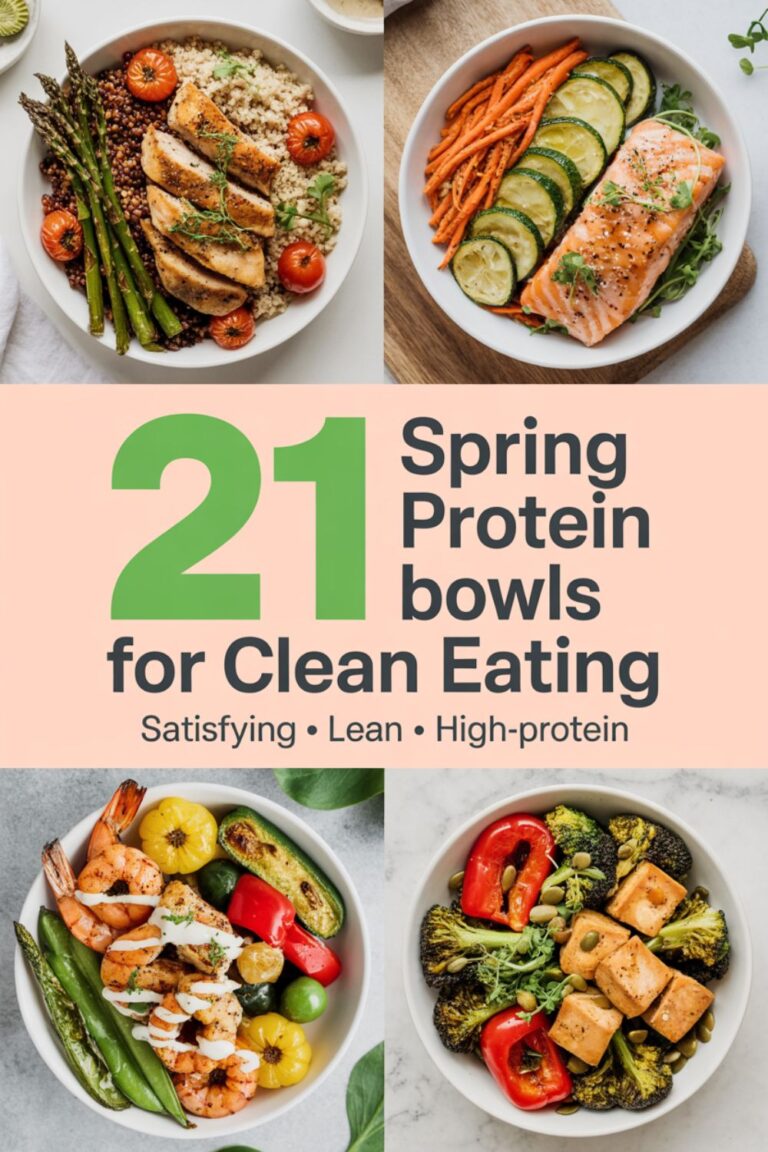
Need more bowl inspiration? These quick prep bowls are perfect for when you’re short on time but long on hunger.
The Middle Days: Staying Strong
Day 4: Midweek Motivation
Breakfast: Cottage Cheese Pancakes (310 calories, 28g protein)
Blend cottage cheese with eggs and a bit of oat flour to make surprisingly fluffy pancakes. Top with fresh berries. Cook these on a griddle pan for even heat distribution. These don’t taste like diet food, I promise.
Lunch: Shrimp and Avocado Salad (370 calories, 29g protein)
Six ounces of grilled shrimp with half an avocado, mixed greens, and a lime-cilantro dressing. Shrimp cooks fast, packs protein, and pairs perfectly with that creamy avocado. Just don’t overcook the shrimp or they’ll get rubbery.
Dinner: Turkey Meatballs with Zoodles (390 calories, 34g protein)
Homemade turkey meatballs (super easy: ground turkey, egg, breadcrumbs, Italian seasoning) served over zucchini noodles with marinara sauce. Make extra meatballs and freeze them. Future you will be grateful.
If you want to explore more creative ways to use your slow cooker for high-protein meals, check out these slow cooker recipes that practically cook themselves.
Day 5: Almost There
Breakfast: Smoked Salmon Toast (350 calories, 27g protein)
One slice of whole grain bread topped with 2 tablespoons of whipped cream cheese and 2 ounces of smoked salmon. Add capers and red onion if you’re feeling fancy. This breakfast makes you feel like you’re brunching at some expensive café, but it costs like three bucks.
Lunch: Chicken and Quinoa Bowl (380 calories, 31g protein)
Four ounces of grilled chicken with half a cup of cooked quinoa, roasted Brussels sprouts, and a tahini drizzle. Quinoa adds extra protein and keeps things interesting. Cook it in a rice cooker for perfect results every time.
Dinner: Cod with Asparagus (360 calories, 30g protein)
Baked cod seasoned with lemon and herbs, served with roasted asparagus and a small portion of roasted sweet potato. Cod is underrated, IMO. It’s mild, affordable, and takes on whatever flavors you throw at it.
Kitchen Tools That Make This Plan Actually Doable
Listen, you don’t need a kitchen full of fancy gadgets, but a few solid tools make meal prep way less painful. Here’s what I actually use on repeat:
- Glass Meal Prep Containers – The ones with the snap-lock lids that don’t leak all over your bag
- Digital Food Scale – Essential for portion control without guessing
- Vegetable Spiralizer – For making those zucchini noodles without wanting to cry
- MyFitnessPal Premium – Tracks macros like a boss
- Meal Prep Pro App – Sends you shopping lists and prep reminders
- High-Protein Recipe eBook – 100+ recipes when you get bored with this plan
Day 6: Weekend Prep
Breakfast: Protein Smoothie Bowl (340 calories, 26g protein)
Blend protein powder, frozen berries, half a banana, spinach, and almond milk until thick. Pour into a bowl and top with granola and chia seeds. Use a high-speed blender to get that perfect thick consistency.
Looking for more smoothie variations? These metabolism-boosting smoothies are perfect for mixing things up.
Lunch: Mediterranean Chicken Bowl (395 calories, 33g protein)
Grilled chicken with cucumber, tomatoes, red onion, olives, and feta cheese over mixed greens. Dress with olive oil and lemon juice. The feta adds a salty punch that makes everything better, and you don’t need much to get that flavor.
Dinner: Pork Tenderloin with Green Beans (410 calories, 36g protein)
Roasted pork tenderloin (so underrated) with garlic green beans and mashed cauliflower. Season the pork with rosemary and garlic, roast it at 400°F until it hits 145°F internal temp. Let it rest before slicing or it’ll dry out.
Day 7: Victory Lap
Breakfast: Breakfast Burrito Bowl (360 calories, 29g protein)
Scrambled eggs with black beans, salsa, a sprinkle of cheese, and avocado slices. Skip the tortilla, keep all the good stuff. This is filling enough to power you through a busy Sunday morning.
Lunch: Asian-Inspired Chicken Lettuce Wraps (350 calories, 32g protein)
Ground chicken sautéed with water chestnuts, green onions, and a light hoisin sauce, served in butter lettuce cups. These are messy, delicious, and way more fun than regular lunch. Get Full Recipe.
Dinner: Herb-Crusted Chicken with Roasted Vegetables (420 calories, 35g protein)
Chicken breast coated in herbs and a tiny bit of parmesan, baked alongside roasted carrots, zucchini, and red peppers. This feels fancy but requires minimal effort. That’s the sweet spot right there.
For more dinner ideas that won’t wreck your progress, these dinner recipes deliver big flavor without the calorie bomb.
Snack Attack: When Hunger Strikes Between Meals
Real talk: sometimes you need a snack. That’s fine. Just make it count.
Here are some go-to options that won’t derail your progress:
- Hard-boiled eggs – Make a dozen on Sunday, eat them throughout the week. About 70 calories and 6g protein each.
- String cheese with apple slices – The combo of protein and fiber keeps you satisfied. Around 150 calories total.
- Protein shake – Mix one scoop of protein powder with water or unsweetened almond milk. Quick, easy, about 120 calories.
- Turkey roll-ups – Turkey slices wrapped around cucumber sticks with a little mustard. Maybe 100 calories and super portable.
- Greek yogurt with cinnamon – Half a cup clocks in around 80 calories with 12g protein. Add stevia if you need sweetness.
Keep these on hand and you won’t find yourself face-down in a bag of chips at 3 PM. For kid-friendly options that adults can steal, check out these protein snack recipes.
The Prep Strategy: Sunday Setup for Success
I’m not going to tell you to spend your entire Sunday cooking. That’s insane. But spending 90 minutes prepping basics will save your sanity during the week.
What to prep ahead:
- Grill or bake all your chicken breasts. Season them differently so you don’t get bored.
- Chop vegetables for the week. Store them in airtight containers with a damp paper towel.
- Cook your grains (quinoa, rice) if you’re using them. They reheat fine.
- Make overnight oats for at least 3 mornings. They last 5 days in the fridge.
- Hard-boil a dozen eggs. Easiest protein ever.
Store everything in clear glass containers so you can see what you have. Out of sight, out of mind, and you’ll end up ordering pizza instead.
If you want a more comprehensive approach to weekly prep, these meal prep ideas take the guesswork out of planning.
Common Pitfalls and How to Dodge Them
Let’s talk about what usually goes wrong so you can avoid it.
Not Drinking Enough Water
Seriously, half the time you think you’re hungry, you’re actually just thirsty. Aim for at least 8 glasses a day. Keep a water bottle with you constantly. According to Mayo Clinic, proper hydration is crucial for metabolism and helps with appetite control.
Skipping Meals to “Save Calories”
This always backfires. You get too hungry, your blood sugar crashes, and you end up eating everything in sight. Stick to the three meals. Add snacks if needed. Consistency beats restriction every single time.
Not Tracking Portions
Eyeballing portions is how you accidentally eat 800 calories of “healthy” nuts. Get that food scale out. Weigh your proteins, measure your fats. It’s annoying at first but becomes second nature.
Eating the Same Thing Every Day
Burnout is real. Rotate your proteins, try different vegetables, switch up your seasonings. Boredom leads to quitting. If you need more variety, these plant-based high-protein meals offer completely different flavors.
Making It Work for Your Lifestyle
Here’s the truth: this meal plan is a template, not a prison sentence. You can swap things around based on what you actually like and what fits your schedule.
Hate fish? Replace it with chicken or turkey. Vegetarian? Swap animal proteins for tempeh, tofu, or legumes. Working weird hours? Eat your meals whenever makes sense for you. The timing matters way less than the consistency.
The goal is finding a rhythm that doesn’t make you miserable. If you’re forcing yourself to eat foods you hate, you’ll quit. Simple as that.
For athletes or people who work out regularly, you might need to adjust portions upward. Check out these athlete-focused meal prep ideas that account for higher activity levels.
What Results Look Like (Realistically)
Let’s set some actual expectations here. You’re not going to lose 20 pounds in a week. Anyone telling you that is selling something.
With this plan, expect to lose about 1-2 pounds per week if you’re consistent. Some weeks might be more, some might be less. Bodies are weird like that. The scale will fluctuate daily based on water retention, so don’t freak out if it goes up a pound overnight.
More importantly, pay attention to how you feel. More energy? Clothes fitting better? Better sleep? Those are wins that matter just as much as the number on the scale.
Take progress photos every two weeks. Sometimes the visual changes show up before the scale moves. Trust the process even when it feels slow.
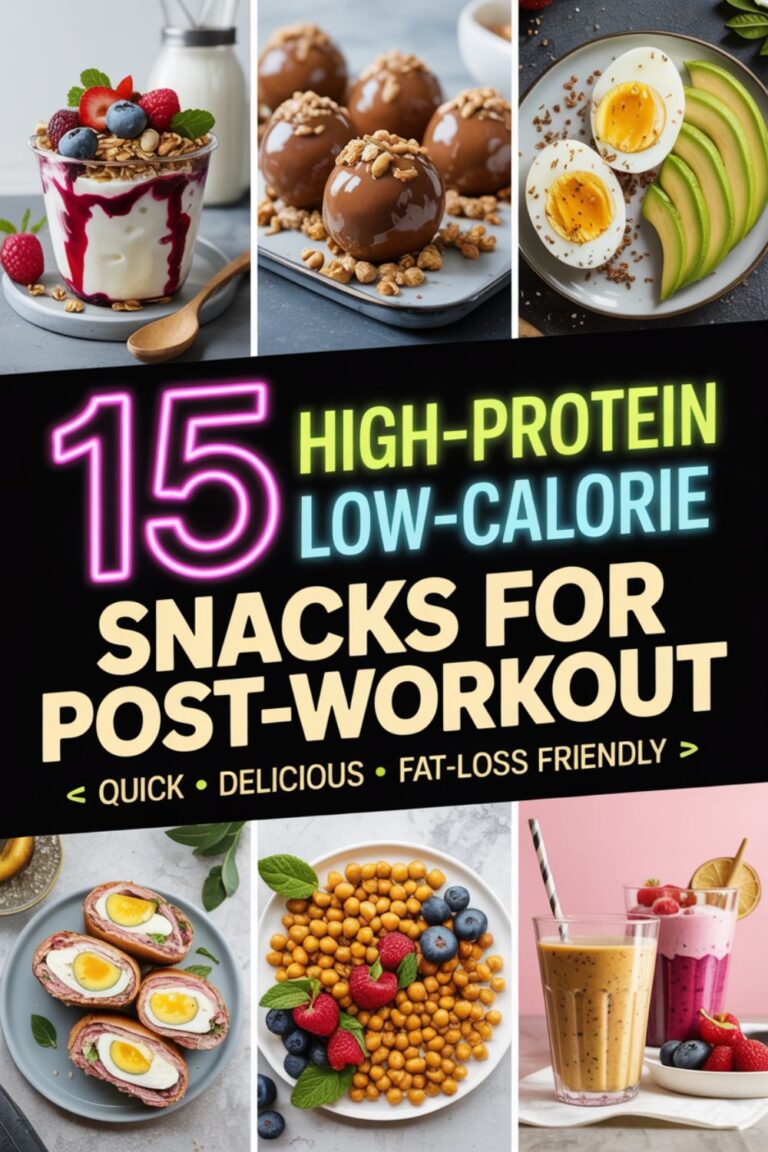
If you’re focused on muscle recovery after workouts, these post-workout recovery recipes are specifically designed to help your muscles rebuild.
Budget-Friendly Tips
Eating high-protein doesn’t have to drain your bank account. Here’s how to keep costs down:
- Buy chicken thighs instead of breasts sometimes – Cheaper, more flavorful, still high in protein.
- Use frozen vegetables – Just as nutritious, way cheaper, no waste.
- Buy in bulk – Get your Greek yogurt, eggs, and proteins from stores like Costco.
- Use canned tuna and salmon – Affordable protein that stores forever.
- Shop sales and freeze – When chicken goes on sale, buy extra and freeze it.
Eating healthy is an investment in yourself, but it doesn’t require premium prices for everything. Smart shopping makes a huge difference.
For meals that won’t break the bank, these 5-ingredient recipes keep both costs and complexity low.
Frequently Asked Questions
Can I repeat the same meals every day?
Sure, if you find a few meals you love, there’s nothing wrong with repeating them. Some people thrive on routine and find it easier to stay consistent when they’re not constantly thinking about what to eat. Just make sure you’re rotating your protein sources and vegetables enough to get a variety of nutrients. If you start feeling burned out or craving everything in sight, that’s your sign to mix things up.
What if I’m still hungry after meals?
First, make sure you’re drinking enough water throughout the day. Often what feels like hunger is actually thirst. If you’re genuinely hungry, add more non-starchy vegetables to your meals or have one of the suggested snacks. You can also increase portions slightly, especially if you’re very active. The calorie ranges in this plan work for most people, but everyone’s needs are different.
Do I need to take protein supplements?
Nope, not necessary. This meal plan hits protein targets through whole foods. Protein powder is just convenient for things like smoothies or overnight oats, but you can absolutely skip it and get your protein from chicken, fish, eggs, and Greek yogurt instead. Supplements are exactly that—supplemental, not required.
Can I eat out and still follow this plan?
Absolutely. Just make smart choices: grilled proteins instead of fried, vegetables instead of fries, dressing on the side. Most restaurants will accommodate requests like extra veggies or no sauce. It’s not about being perfect; it’s about making better choices consistently.
How long should I follow this meal plan?
You can follow it as long as it’s working for you. Some people do it for a month to establish good habits, others make it their regular eating pattern with minor tweaks. Listen to your body. If you feel great and you’re seeing results, keep going. If you need more variety or different calorie levels, adjust accordingly. This is a tool, not a life sentence.
Final Thoughts
Look, this meal plan isn’t magic. It’s just solid nutrition principles put into practice with actual food that tastes good. You’re going to have days where you nail it and days where you eat three cookies at midnight. That’s being human.
The key is not letting one off day turn into an off week, or an off month. Get back on track with the next meal. No guilt, no drama, just move forward.
Start with this 7-day plan. See how your body responds. Adjust portions if needed. Swap proteins you hate for ones you love. Make it work for your life instead of trying to force your life to work around some rigid diet plan.
You’ve got this. And if you don’t? That’s fine too. Try again tomorrow. Progress beats perfection every single time.
30-Day High-Protein
Low-Calorie Meal Plan
Every breakfast, lunch, dinner & snack — all 30 days fully mapped out. Just follow the plan.
- ✓50+ complete recipes with ingredients & step-by-step instructions
- ✓4-week day-by-day plans — every meal for all 30 days
- ✓4 weekly shopping lists organised by store section
- ✓Printable habit & progress tracker — 30 full days
- ✓100g+ protein per day — scientifically optimised macros
Instant PDF · Print at home
Results guaranteed with consistency