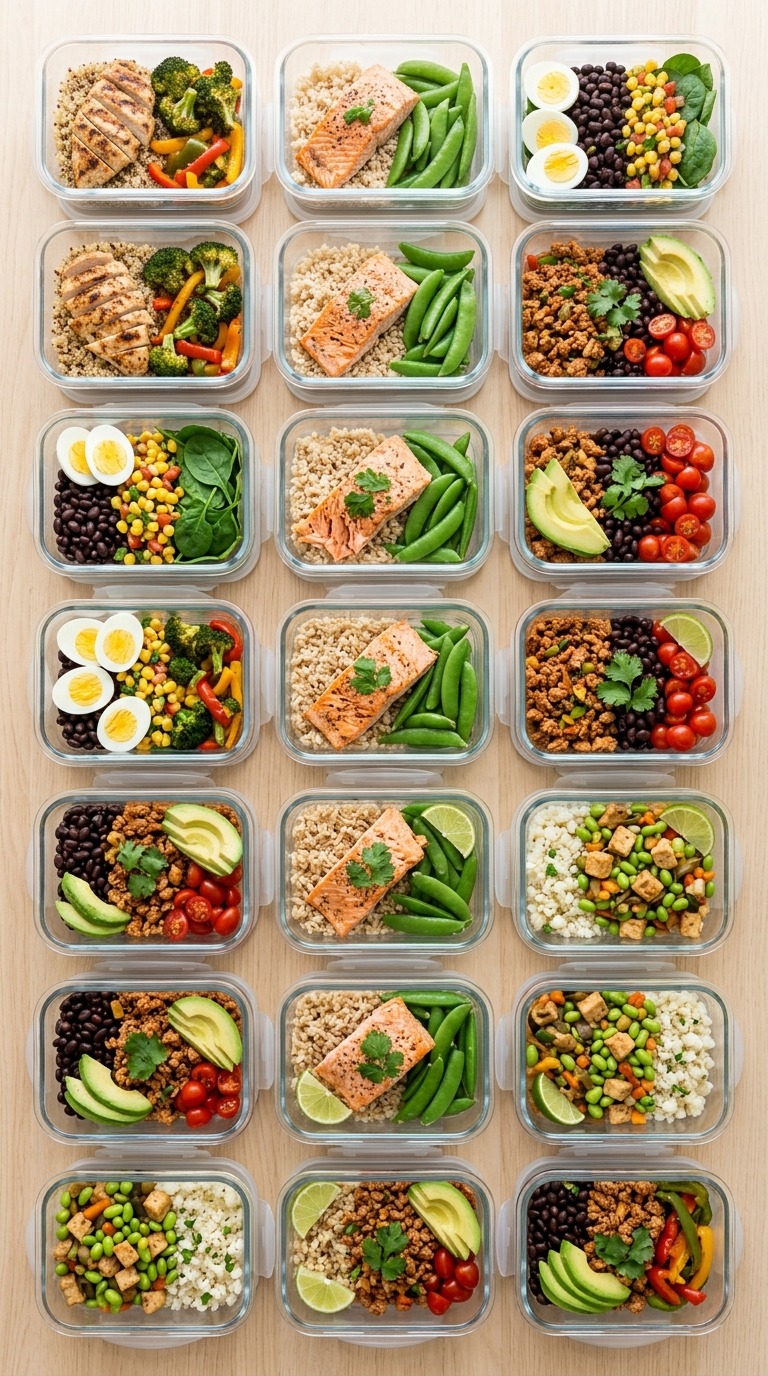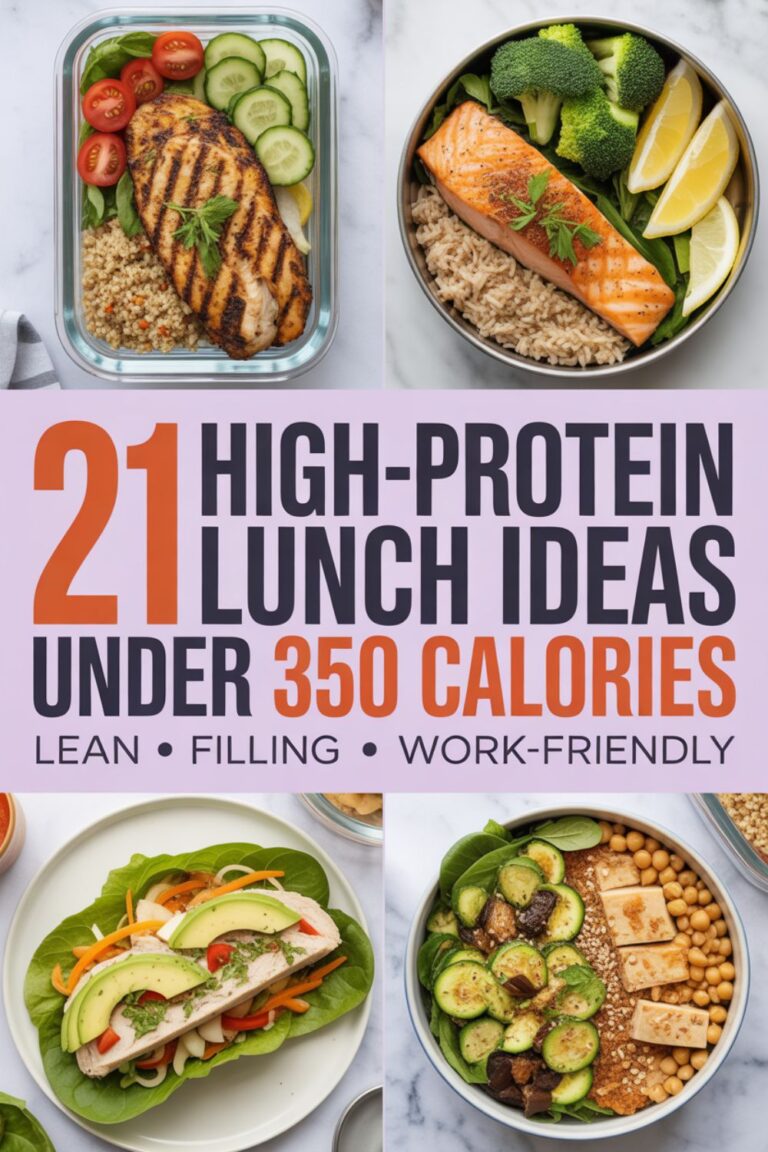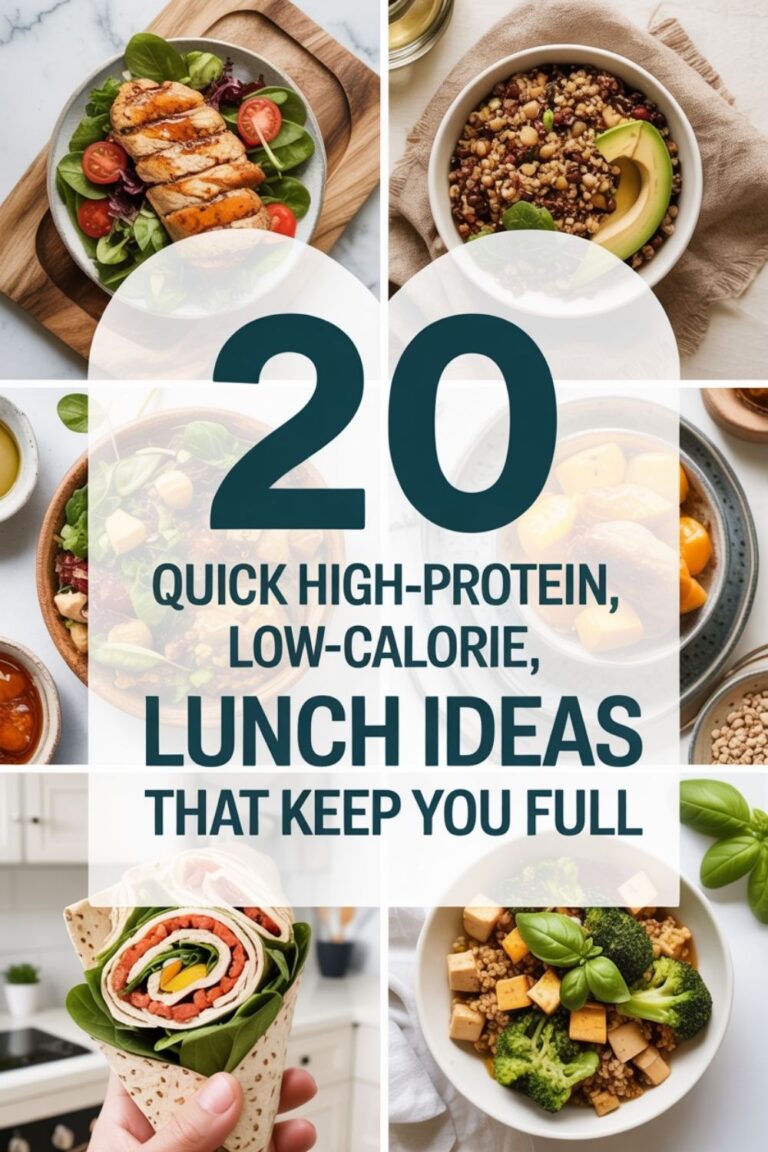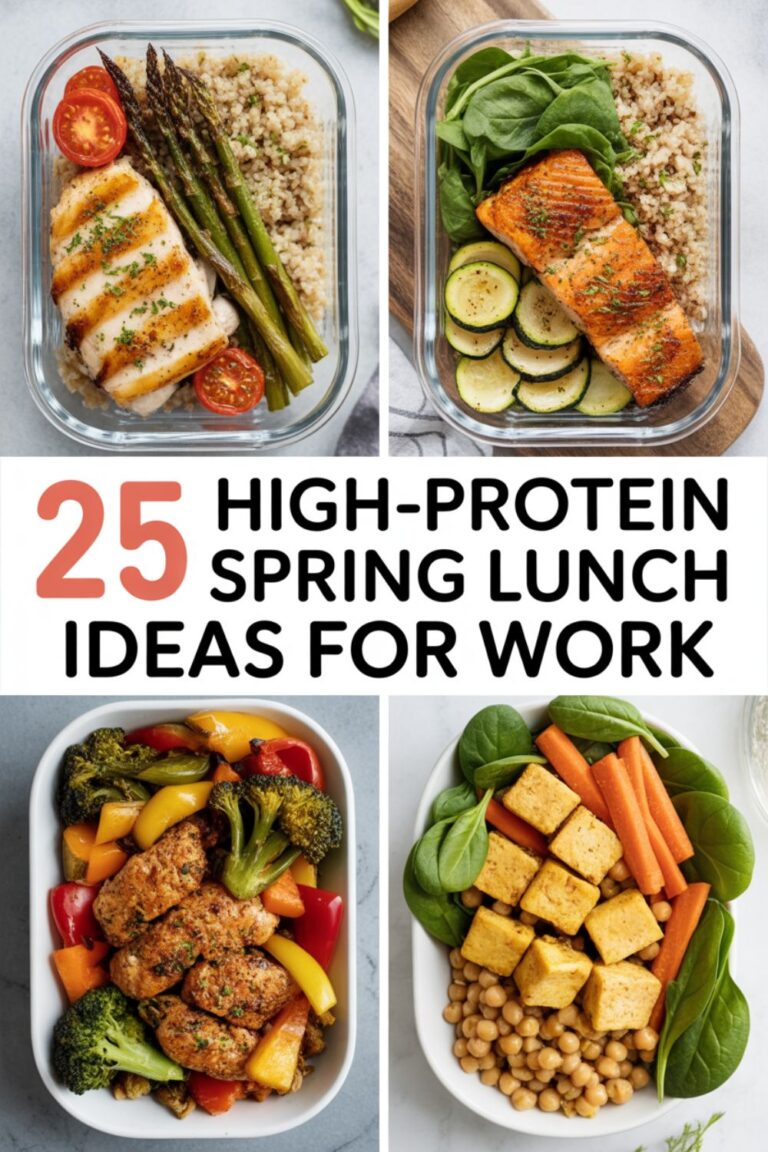
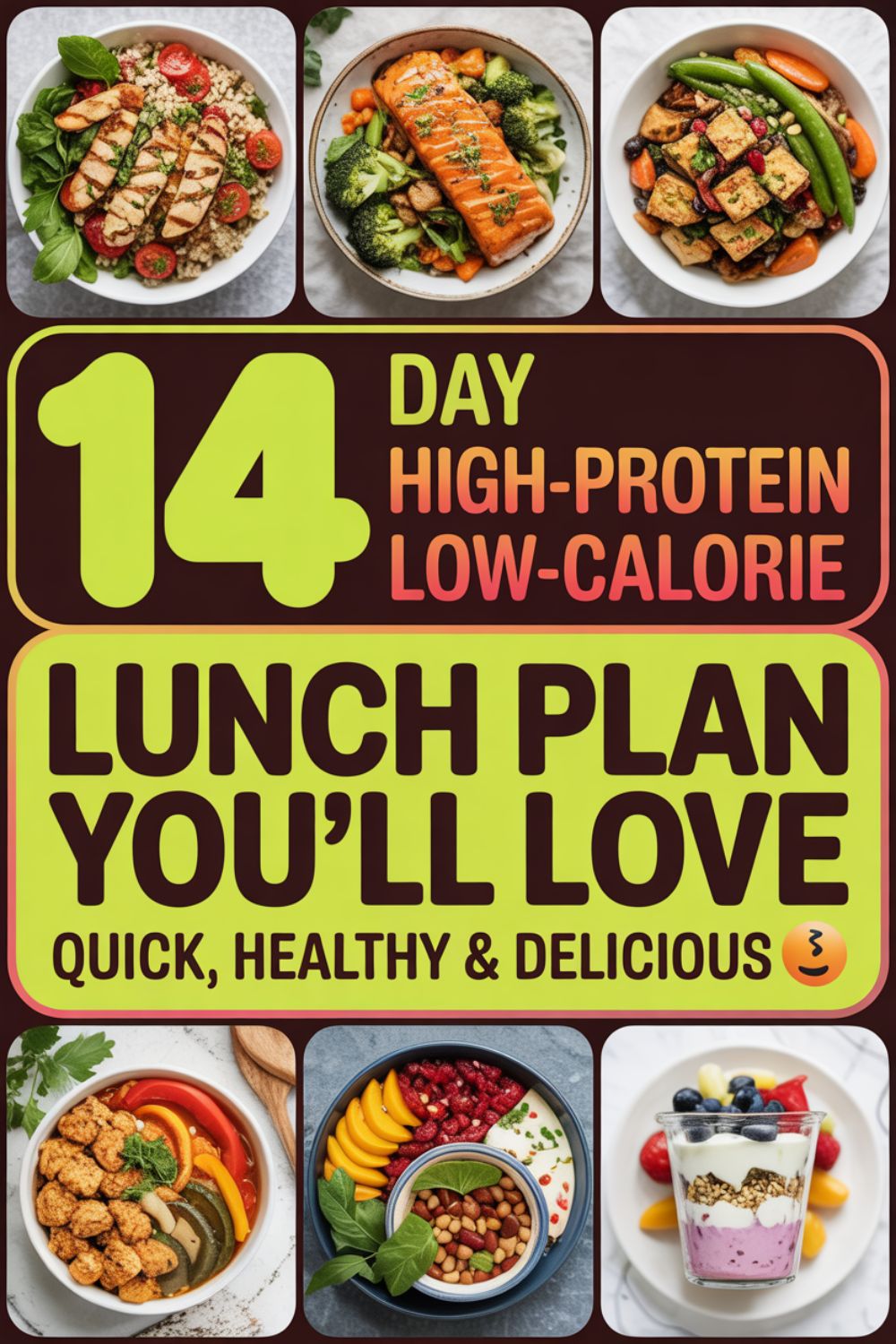
14-Day High-Protein Low-Calorie Lunch Plan You’ll Love
Look, I’m going to be honest with you—lunch is where most of us completely drop the ball on our nutrition goals. You skip breakfast because you’re running late, promise yourself you’ll eat something healthy at noon, then end up scarfing down whatever’s quickest while answering emails. Sound familiar?
Here’s the thing: a high-protein, low-calorie lunch isn’t just another diet gimmick. Research from clinical studies on high-protein diets shows that boosting your protein intake while keeping calories in check helps preserve muscle mass during weight loss—meaning you’re losing fat, not the good stuff. Plus, protein keeps you satisfied longer, so you’re not raiding the vending machine by 3 PM.
This 14-day plan takes all the guesswork out of lunch. No complicated recipes that require 47 ingredients. No meal prep that takes your entire Sunday. Just straightforward, delicious lunches that’ll keep you full and help you hit your goals without making you feel like you’re on some restrictive diet.
Why High-Protein, Low-Calorie Lunches Actually Work
Before we get into the meal plan, let’s talk about why this approach makes sense. I’m not asking you to take my word for it—there’s actual science backing this up.
When you eat protein, your body has to work harder to digest it compared to carbs or fats. This is called the thermic effect of food, and it means you’re literally burning more calories just by eating protein-rich meals. According to research on low-calorie, high-protein diets, this combination helps improve body composition and even enhances sleep quality in people trying to lose weight.
But here’s what really sold me: protein keeps you full. Like, actually satisfied full—not that fake “I just ate a salad but I’m already hungry again” kind of full. Studies show that higher protein intake reduces those hunger-inducing hormones while boosting the ones that tell your brain you’re satisfied. Translation? You stop thinking about food every 20 minutes.
Pro Tip
Prep your proteins on Sunday night—grill 3-4 chicken breasts, hard-boil a dozen eggs, and portion out your Greek yogurt. Thank yourself all week when lunch comes together in under 5 minutes.
The low-calorie part isn’t about starving yourself. It’s about being smart with your calories so you can eat enough volume to feel satisfied without overdoing it. Think massive salads loaded with veggies, lean proteins that pack a punch, and flavor combinations that make you forget you’re eating “healthy.”
How Much Protein Do You Actually Need?
Okay, so everyone’s throwing around protein numbers, but what do you actually need? According to nutritionists, aim for 20 to 40 grams of protein per lunch. Your exact needs depend on your weight, activity level, and goals, but that range works for most people.
Here’s a rough guide: take your body weight in pounds and multiply by 0.3 to get your minimum grams of protein per day. A 150-pound person would need about 68 grams daily. If you’re active or trying to build muscle, you can go higher—up to 1 gram per pound of body weight is generally safe.
The key is spreading it throughout the day. Your body can only use about 30 grams of protein at once, so loading up 100 grams at dinner doesn’t do you any favors. That’s where these low-calorie high-protein salad recipes come in clutch—they help you hit that sweet spot at lunch.
The 14-Day High-Protein Low-Calorie Lunch Plan
Alright, let’s get to the good stuff. I’ve designed this plan to give you variety without making you lose your mind. Each lunch clocks in at 300-450 calories with at least 25 grams of protein. Feel free to swap days around based on what you’re feeling—this isn’t a rigid program, it’s a framework.
Week 1: Building Your Foundation
Day 1: Mediterranean Tuna Salad Bowl
Protein: 32g | Calories: 380
Mix a can of water-packed tuna with cherry tomatoes, cucumber, red onion, kalamata olives, and a squeeze of lemon. Top with 2 tablespoons of crumbled feta. Serve over mixed greens.
I use this glass meal prep container for my tuna bowls—keeps everything crisp and doesn’t absorb smells like plastic does.
Day 2: Turkey and Hummus Wrap
Protein: 28g | Calories: 340
Spread 3 tablespoons of hummus on a whole wheat tortilla. Layer with 4 ounces of nitrate-free turkey breast, spinach, shredded carrots, and sliced bell peppers. Roll it up tight.
The key here is getting good-quality turkey—look for options with no nitrates and low sodium. Get Full Recipe
Day 3: Greek Yogurt Chicken Salad Lettuce Wraps
Protein: 35g | Calories: 290
Shred 4 ounces of rotisserie chicken and mix with 3 tablespoons Greek yogurt, diced celery, grapes, and a pinch of curry powder. Scoop into large romaine leaves.
These wraps are ridiculously good. The Greek yogurt swap saves you about 200 calories compared to mayo, and honestly? I think it tastes better. Speaking of protein-packed lunches, you might also love these low-calorie high-protein wraps that take the concept even further.
Day 4: Quinoa and Black Bean Power Bowl
Protein: 26g | Calories: 410
Combine 1/2 cup cooked quinoa, 1/2 cup black beans, roasted bell peppers, corn, and avocado slices. Top with salsa and a squeeze of lime.
Quinoa’s one of those rare plant foods that’s a complete protein. For vegetarians especially, this bowl is gold. I batch-cook quinoa using this rice cooker that has a quinoa setting—makes perfect fluffy quinoa every single time.
Day 5: Shrimp and Avocado Salad
Protein: 30g | Calories: 350
Toss 5 ounces of cooked shrimp with mixed greens, half an avocado, cherry tomatoes, and cucumber. Dress with olive oil, lemon juice, and garlic.
Pro move: buy frozen cooked shrimp and thaw what you need the night before. Saves money and they’re already seasoned. Get Full Recipe
Looking for more quick lunch inspiration? These high-protein low-calorie bowls you can prep in under 20 minutes have become my go-to when I’m short on time but still want something satisfying.
Day 6: Cottage Cheese and Veggie Plate
Protein: 28g | Calories: 320
Plate 1 cup of low-fat cottage cheese alongside sliced cucumbers, cherry tomatoes, bell pepper strips, and a handful of whole grain crackers. Sprinkle everything with za’atar or everything bagel seasoning.
I know cottage cheese isn’t everyone’s jam, but hear me out—the right seasoning transforms it. This za’atar blend makes it taste like you’re eating something way fancier than cottage cheese from a tub.
Day 7: Egg Salad Stuffed Tomatoes
Protein: 24g | Calories: 280
Mash 3 hard-boiled eggs with 2 tablespoons Greek yogurt, Dijon mustard, and chopped chives. Hollow out 2 large beefsteak tomatoes and stuff them with the egg salad. Serve with a side of mixed greens.
This is one of those lunches that feels fancy but takes like 10 minutes. The tomatoes add a fresh, juicy element that regular egg salad lacks. Get Full Recipe
Quick Win
Double your protein portions when you cook dinner, then use the leftovers for next day’s lunch. Your future self will high-five you.
Week 2: Leveling Up Your Lunch Game
Day 8: Asian-Inspired Chicken Lettuce Cups
Protein: 33g | Calories: 310
Sauté 4 ounces of ground chicken with ginger, garlic, and low-sodium soy sauce. Add water chestnuts and green onions. Spoon into butter lettuce leaves and top with sriracha.
These are basically deconstructed egg rolls minus the deep-frying. I prep the chicken filling on Sunday and just reheat it during the week. Takes 2 minutes to assemble. If you’re into this kind of quick Asian-inspired meal, check out these low-calorie high-protein recipes with 5 ingredients or less.
Day 9: Salmon and Cucumber Plate
Protein: 29g | Calories: 360
Top whole grain crackers with 3 ounces of canned salmon, sliced cucumber, capers, and a dollop of Greek yogurt mixed with dill. Add lemon wedges on the side.
Canned salmon is criminally underrated. It’s loaded with omega-3s, way cheaper than fresh, and you can keep it in your pantry forever. This brand of wild-caught salmon tastes way better than the cheaper stuff—worth the extra dollar.
Day 10: Lentil and Veggie Soup (Make-Ahead)
Protein: 25g | Calories: 330
Cook 1 cup lentils with diced tomatoes, carrots, celery, onion, and vegetable broth. Season with cumin and paprika. Portion into containers for the week.
This soup is stupid easy to make in bulk. I use this immersion blender to partially blend it—gives it a thicker, creamier texture without being completely smooth. Get Full Recipe
Kitchen Tools That Make These Recipes Easier
Real talk—having the right tools makes meal prep way less annoying. Here’s what I actually use every week:
Glass Meal Prep Containers (Set of 10)
Game-changer for keeping salads fresh. The compartments keep dressings separate until you’re ready to eat.
Digital Kitchen Scale
Takes the guesswork out of portions. Weighing your proteins ensures you’re hitting those macro targets.
Salad Spinner
Sounds fancy, but it’s basically mandatory for actually enjoying salads. Wet lettuce is sad lettuce.
High-Protein Meal Prep Guide (Digital)
Downloadable PDF with 50+ protein-packed lunch ideas, complete shopping lists, and macro breakdowns.
Macro Tracking App Subscription
Makes logging your meals painless. Scan barcodes, save favorite meals, track your progress over time.
14-Day Lunch Plan Printable
Stick it on your fridge. Includes shopping lists, prep timeline, and meal photos for each day.
Day 11: Steak and Veggie Salad
Protein: 35g | Calories: 420
Slice 4 ounces of leftover grilled steak over mixed greens, roasted bell peppers, red onion, and cherry tomatoes. Drizzle with balsamic vinegar.
IMO, this is the best use for leftover steak. Way better than trying to reheat it as a steak—that just dries it out. Cold steak on a salad? Chef’s kiss.
Day 12: Chickpea Salad Sandwich
Protein: 22g | Calories: 380
Mash 1 cup of chickpeas with 2 tablespoons Greek yogurt, Dijon mustard, chopped celery, and dill. Serve on whole grain bread with lettuce and tomato.
This is basically vegan “tuna” salad, except I think it tastes even better. The texture is spot-on. For more plant-based protein ideas, these high-protein low-calorie vegan meals are seriously impressive. Get Full Recipe
Day 13: Turkey Meatballs with Zucchini Noodles
Protein: 31g | Calories: 340
Make turkey meatballs with lean ground turkey, egg, and Italian seasoning. Serve over spiralized zucchini with marinara sauce.
Zucchini noodles are my go-to pasta swap. I spiralize them using this handheld spiralizer—way easier than those bulky countertop versions. Just don’t overcook them or they get mushy.
Day 14: Protein-Packed Cobb Salad
Protein: 40g | Calories: 450
Layer mixed greens with 3 ounces grilled chicken, 2 hard-boiled eggs, turkey bacon, cherry tomatoes, avocado, and blue cheese. Dress with red wine vinegar.
This is the grand finale salad. It’s got everything—different protein sources, tons of flavor, and enough substance to keep you full until dinner. Get Full Recipe
If you’ve made it through these two weeks and you’re hungry for more variety, I highly recommend exploring these low-calorie high-protein meals perfect for meal prep or these high-protein low-calorie recipes for dinner to keep your momentum going.
Meal Prep Strategies That Actually Work
Here’s what I’ve learned after meal prepping for years: you don’t need to cook everything on Sunday. That’s overwhelming and honestly, some foods don’t last well all week anyway.
Instead, use the component method. Prep your proteins, cook your grains, chop your veggies, and portion your dressings. Then assemble fresh each day. Takes 5 minutes max and everything tastes way better.
Here’s my Sunday routine:
- Grill or bake 3-4 chicken breasts
- Hard-boil a dozen eggs (I use this egg cooker that makes perfect eggs every time)
- Cook 2 cups of quinoa
- Wash and chop all vegetables for the week
- Portion out 1/2-cup servings of beans, hummus, and Greek yogurt
Store everything in clear containers so you can see what you have. Label them with dates if you’re Type A like that. Most prepped proteins last 4-5 days in the fridge, so if you’re planning the full 14 days, do a mid-week mini-prep on Wednesday.
Pro Tip
Freeze individual portions of cooked proteins in freezer bags. Thaw overnight in the fridge for an instant protein boost when you need it.
According to nutrition experts at GoodRx, pairing protein with fiber-rich vegetables and healthy fats creates the most satisfying, balanced meals that support weight loss goals.
Common Mistakes to Avoid
Let me save you from the mistakes I made when I first started this whole high-protein lunch thing.
Mistake 1: Going too low on calories. Yes, we want low-calorie, but 200-calorie lunches will leave you hangry by 2 PM. Aim for that 300-450 range. It’s low enough to support weight loss but substantial enough to actually sustain you.
Mistake 2: Relying only on chicken. I get it, chicken is easy and cheap. But eating it every single day gets old fast. Mix in eggs, fish, turkey, cottage cheese, Greek yogurt, and plant-based proteins like lentils and chickpeas. Variety keeps you from getting bored and quitting.
Mistake 3: Forgetting about vegetables. Don’t just eat a plain chicken breast and call it lunch. Load up on non-starchy veggies—they add volume, fiber, vitamins, and make your meals way more satisfying. If you’re struggling to get enough veggies in, check out these low-calorie high-protein sheet pan dinners that make veggie-loading effortless.
Mistake 4: Not seasoning your food. Bland food is the fastest way to fall off the wagon. Use herbs, spices, citrus, vinegars, and hot sauces liberally. They add tons of flavor without adding calories.
Mistake 5: Thinking you need fancy ingredients. Most of these meals use basic grocery store staples. Don’t let bougie recipes with ingredients you can’t pronounce intimidate you. Simple works just as well—if not better.
Making It Work for Your Lifestyle
This plan is flexible. Got a vegetarian in the house? Swap any animal protein for plant-based options like tempeh, tofu, or extra beans. Dairy-free? Use coconut yogurt instead of Greek yogurt and skip the cheese.
Eating out? Most restaurants can accommodate high-protein requests. Order grilled chicken or fish, double the veggies, skip the bread basket, and ask for dressing on the side. It’s not complicated.
Traveling? Pack some protein-rich snacks like jerky, protein bars, or individual nut butter packets. Hard-boiled eggs travel surprisingly well in a small cooler. I use this insulated lunch bag for day trips—keeps everything cold for hours.
The point isn’t perfection. Some days you’ll nail it, some days you’ll eat whatever’s available. That’s fine. Consistency over time matters more than being perfect every single day.
Tracking Your Progress
You don’t need to obsessively count every calorie, but having a general idea of what you’re eating helps. I recommend tracking for the first week just to get a baseline understanding of portion sizes and where your protein’s coming from.
Use a food tracking app—most are free and have huge databases. Scan barcodes, log your meals, and check your daily totals. After a week or two, you’ll develop intuition for what portions look like and can ease off the strict tracking if you want.
Beyond the scale, pay attention to how you feel. Are you less hungry between meals? Do you have more energy? Are your clothes fitting differently? Those non-scale victories matter just as much as the number on the scale.
Sarah from our community tried this plan and lost 15 pounds in 3 months without feeling deprived once. She said the key was finding lunches she actually looked forward to eating—not forcing herself to eat stuff she hated just because it was “healthy.”
Budget-Friendly Protein Sources
High-protein doesn’t have to mean expensive. Here are the protein sources I rely on that won’t drain your bank account:
- Eggs: Cheapest protein per gram, hands down. Buy the big cartons.
- Canned tuna and salmon: Look for sales and stock up. They last forever in the pantry.
- Frozen chicken breasts: Often cheaper than fresh and just as good quality.
- Greek yogurt: Buy the big tubs and portion it yourself instead of individual cups.
- Dried lentils and beans: Crazy cheap and packed with protein. Cook a big batch and freeze portions.
- Cottage cheese: Often on sale, lasts weeks in the fridge, versatile as heck.
- Ground turkey: Usually cheaper than ground beef and leaner too.
Shop sales, buy in bulk when possible, and don’t sleep on store brands. The quality difference is minimal but the price difference can be huge.
FYI, I buy most of my proteins at Costco or Aldi. You can easily do this plan for under $50 a week if you’re strategic about it.
Quick Win
Buy rotisserie chicken on Sunday. Use the breast meat for salads, the dark meat for wraps, then simmer the carcass for homemade broth. Three meals from one $5 chicken.
What About Snacks?
These lunches should keep you satisfied for 4-5 hours, but if you need a snack, keep it protein-focused. Good options include:
- String cheese with an apple
- Hard-boiled eggs with everything bagel seasoning
- Greek yogurt with berries
- Turkey jerky (I love this grass-fed beef jerky—not cheap but worth it)
- Protein shake blended with spinach and frozen berries
- Roasted chickpeas (make your own with this simple seasoning blend)
If you’re looking for more snack ideas that actually fill you up, these low-calorie high-protein snack recipes work for adults too—don’t let the “for kids” part fool you.
Hydration Matters More Than You Think
Quick side note—don’t forget to drink water. Sometimes what feels like hunger is actually thirst. Aim for half your body weight in ounces daily. A 150-pound person needs about 75 ounces.
I keep this 32-ounce water bottle at my desk and make myself finish it twice during the workday. Game-changer for curbing unnecessary snacking.
If plain water bores you, add lemon, cucumber, or mint. Just skip the juice and sweetened drinks—they add calories without making you feel full.
Frequently Asked Questions
Can I eat these lunches if I’m trying to build muscle?
Absolutely. These lunches provide the protein your muscles need to recover and grow. Just make sure you’re eating enough total calories throughout the day to support muscle growth—these lunches work great as part of a higher-calorie diet too. You might want to add an extra serving of protein or healthy fats to bump up the calories if you’re in a bulking phase.
What if I don’t like meal prepping?
No problem. Most of these lunches can be thrown together in 10 minutes or less with minimal prep. Just keep your fridge stocked with key ingredients like pre-washed greens, rotisserie chicken, canned tuna, Greek yogurt, and chopped veggies. You can absolutely make these meals fresh each day if that’s your preference.
Are these lunches suitable for people with diabetes?
Many of these meals can work well for managing blood sugar since they’re high in protein and low in refined carbs. However, everyone’s needs are different, so definitely consult with your doctor or a registered dietitian to make sure the carb counts align with your specific meal plan. You may need to adjust portions or swap certain ingredients.
How long do these prepped lunches stay fresh?
Most protein sources last 3-4 days in the fridge, while prepped veggies can last 4-5 days if stored properly. For best results, prep your proteins at the beginning of the week and again mid-week on Wednesday. Keep dressings and wet ingredients separate until you’re ready to eat—this prevents sogginess and extends freshness.
Can I repeat the same lunch multiple days in a row?
Of course. If you find a lunch you absolutely love, there’s no rule saying you can’t eat it every day. Some people prefer variety, others prefer simplicity. Do what works for you and keeps you consistent—that’s what matters most.
Wrapping It Up
Look, this 14-day plan isn’t magic. It won’t transform your body overnight, and it definitely won’t work if you don’t actually follow it. But here’s what it will do: give you a solid framework for eating lunches that keep you full, support your goals, and don’t taste like cardboard.
You’ve got 14 different lunches to choose from, meal prep strategies that actually work, and a bunch of kitchen tools that make the whole process easier. Pick a few favorites, rotate them throughout your week, and adjust as you go. There’s no prize for eating every single lunch exactly as written.
The real win here is finding a lunch routine that fits your life—not the other way around. Start with what sounds good, skip what doesn’t appeal to you, and don’t overthink it. High-protein, low-calorie eating doesn’t have to be complicated or miserable.
Give yourself two weeks. Actually try it. See how you feel. If nothing else, you’ll have learned how to make some legitimately good lunches that don’t require a culinary degree or three hours in the kitchen.
Now go make yourself some lunch. You’ve got this.
30-Day High-Protein
Low-Calorie Meal Plan
Every breakfast, lunch, dinner & snack — all 30 days fully mapped out. Just follow the plan.
- ✓50+ complete recipes with ingredients & step-by-step instructions
- ✓4-week day-by-day plans — every meal for all 30 days
- ✓4 weekly shopping lists organised by store section
- ✓Printable habit & progress tracker — 30 full days
- ✓100g+ protein per day — scientifically optimised macros
Instant PDF · Print at home
Results guaranteed with consistency