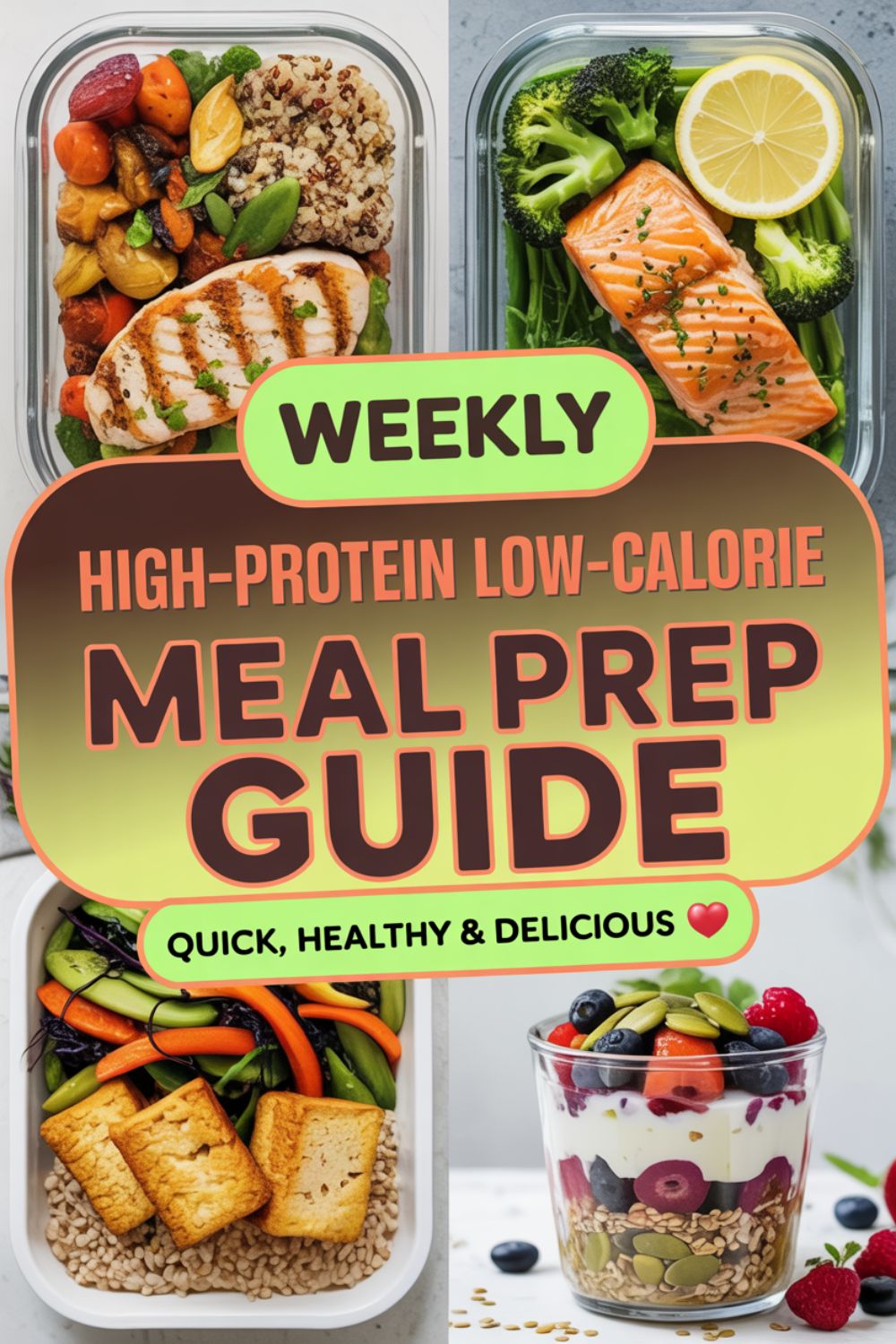
Weekly High-Protein Low-Calorie Meal Prep Guide
Look, I get it. You’re tired of staring into your fridge at 7 PM wondering what the hell you’re going to eat. Again. And those sad containers of mystery leftovers in the back? Yeah, we’ve all been there. But here’s the thing about meal prepping high-protein, low-calorie meals—it’s not just about saving time or money (though you’ll do both). It’s about finally feeling like you have your life together, at least in the food department.
I’ve been meal prepping for years now, and honestly, it’s changed everything. Sunday afternoons used to stress me out, but now? I actually look forward to setting up my week. And no, you don’t need fancy containers or a culinary degree. You just need a plan, which is exactly what I’m giving you.
Why High-Protein, Low-Calorie Actually Works
Before we jump into the recipes, let’s talk science for a second—don’t worry, I’ll keep it quick. Protein isn’t just some trendy macronutrient everyone’s obsessing over. Research shows that higher protein intake helps with satiety, meaning you feel fuller longer and naturally eat fewer calories throughout the day.
But here’s what really matters: when you’re eating high-protein meals, you’re not just losing weight—you’re preserving muscle mass. Studies on protein metabolism demonstrate that adequate protein combined with resistance training creates the perfect environment for muscle growth while you’re shedding fat. It’s like having your cake and eating it too, except the cake is actually grilled chicken.
The low-calorie part? That’s where meal prep becomes your secret weapon. When you’re tracking what goes into your meals and portioning everything out ahead of time, you’re not guessing. You know exactly what you’re eating, which makes it nearly impossible to accidentally blow your calorie budget on a random Tuesday.
Pro Tip
Prep your vegetables on Sunday night while watching TV. By Monday morning, you’ll thank yourself when you’re not rushing to chop bell peppers at 6 AM.
The Sunday Prep Strategy That Changed My Life
Sunday used to be my “dread the week ahead” day. Now it’s my power move. Here’s how I break it down, and trust me, this system works whether you’re feeding yourself or a whole family.
First thing—and this is crucial—pick three proteins max. I usually go with chicken breast, ground turkey, and either salmon or shrimp. Why three? Because variety keeps you sane, but more than three means you’re spending your entire Sunday in the kitchen. Nobody has time for that.
The Two-Hour Power Session
I block off two hours every Sunday afternoon. Sounds like a lot, but most of that is hands-off cooking time. While chicken bakes in the oven, I’m prepping vegetables. While rice cooks on the stove, I’m portioning out snacks. It’s all about multitasking without losing your mind.
Start by cooking your proteins in bulk. Season chicken breasts with whatever spices you’re feeling (I rotate between garlic powder, paprika, and Italian herbs), throw them on a sheet pan#, and bake at 425°F for about 25 minutes. Done. While that’s happening, brown your ground turkey in a large skillet# with some taco seasoning or just salt and pepper.
The real game-changer? Glass meal prep containers# with divided sections. I know they’re everywhere right now, but they genuinely make life easier. You can see what’s inside, they stack perfectly, and they don’t turn orange from tomato sauce like plastic does.
Speaking of easy prep methods, if you’re looking for even more hands-off cooking, these Instant Pot recipes are absolute lifesavers for busy weekdays. Seriously, set it and forget it.
Vegetables: The Volume Secret
Here’s something nobody tells you about low-calorie eating: volume matters. Like, really matters. You can’t just eat a tiny chicken breast and call it dinner. You’ll be raiding the pantry at 9 PM.
This is where vegetables become your best friend. I roast massive sheet pans of broccoli, Brussels sprouts, bell peppers, and zucchini. Toss them with a tiny bit of olive oil (measured, because oil calories add up fast), salt, pepper, and whatever seasonings match your protein. Roast at 425°F until they’re slightly charred. The charred bits? That’s where the flavor lives.
Pro tip number two: Don’t mix your vegetables in the containers yet. Keep them separate and combine them when you’re ready to eat. Vegetables get weird and soggy if they sit with your protein all week. Trust me on this one.
Quick Win
Buy pre-cut vegetables when they’re on sale. Yes, they cost more, but time is money. And if buying pre-cut broccoli means you’ll actually meal prep instead of ordering takeout, it’s worth every penny.
The Five Meals That Get Me Through Every Week
Okay, let’s get into the actual meals. These are my go-to combinations that I rotate through, and they’ve never let me down. Each one hits at least 30 grams of protein and stays under 400 calories. Math matters when you’re trying to lose weight, but taste matters more.
Meal 1: Teriyaki Chicken with Cauliflower Rice
This is the meal that proves low-calorie doesn’t mean boring. The secret is in the sauce—make your own teriyaki with soy sauce, a tiny bit of honey, ginger, and garlic. Skip the store-bought stuff; it’s loaded with sugar you don’t need.
Cook your chicken in bite-sized pieces# (faster cooking time), then toss with the sauce. Serve over cauliflower rice (which I buy frozen because life’s too short to rice a cauliflower), add steamed broccoli, and boom. Dinner’s done. Get Full Recipe.
The macros work out to about 35g protein, 8g fat, and 25g carbs. If you’re more carb-friendly, swap regular rice for the cauliflower. Your meal, your rules.
Meal 2: Turkey Taco Bowls
Ground turkey is criminally underrated. Season it with cumin, chili powder, garlic powder, and a bit of smoked paprika. Brown it in a pan, then layer it over mixed greens (yes, greens, not rice—volume, remember?).
Top with black beans, diced tomatoes, a tablespoon of Greek yogurt instead of sour cream, and a tiny sprinkle of cheese. The whole thing clocks in around 320 calories with 32g of protein. Add hot sauce liberally—it has zero calories and makes everything better.
If you need more variety in your lunch rotation, check out these salad recipes that are actually filling and don’t make you feel like a rabbit.
Meal 3: Lemon Herb Salmon with Asparagus
Salmon might seem fancy, but it’s actually one of the easiest proteins to prep. Buy it frozen, thaw it in the fridge overnight, season with lemon juice, dill, garlic, and a pinch of salt. Bake it on parchment paper (cleanup hack right there) at 400°F for about 12 minutes.
Pair it with roasted asparagus and either quinoa or sweet potato chunks. The omega-3s in salmon are great for your heart, and the whole meal feels like something you’d order at a restaurant. Except you made it for a fraction of the price.
I use this digital kitchen scale# to portion the salmon perfectly—4-ounce servings give you about 25g protein each.
Meal 4: Italian Chicken Meatballs with Zucchini Noodles
Mix ground chicken (or turkey, whatever’s cheaper) with Italian seasoning, minced garlic, a bit of parmesan, and an egg. Form into meatballs, bake on a silicone baking mat# at 400°F for 20 minutes. These freeze beautifully, so I usually make a double batch.
Spiralize zucchini (or buy it pre-spiralized because, again, time), sauté it quickly in a pan for just 2-3 minutes, then top with the meatballs and marinara sauce. The entire meal is under 350 calories with 30g protein.
For more quick meal ideas that come together fast, these 20-minute bowl recipes are clutch when you’re short on time.
Meal 5: Asian-Inspired Shrimp Stir-Fry
Shrimp cooks in literally three minutes, which makes it perfect for meal prep. Buy it frozen and pre-peeled—it’s cheaper and just as good as fresh. Thaw it in cold water for 15 minutes when you’re ready to cook.
Stir-fry your shrimp with snap peas, bell peppers, carrots, and whatever other vegetables you have lying around. Season with low-sodium soy sauce, sesame oil (just a teaspoon, it’s potent), garlic, and ginger. Serve over shirataki noodles# if you want to keep it super low-calorie, or regular brown rice if you need more carbs.
This meal is incredibly satisfying despite being only 280 calories. The shrimp brings 28g of protein, and the vegetables give you all the crunch and volume you need to feel full.
And if you’re craving more variety, these sheet pan dinners require minimal cleanup and maximum flavor.
Meal Prep Essentials I Actually Use
After years of trial and error, these are the tools and resources that actually earn their keep in my kitchen. No fluff, just stuff that works.
Glass Meal Prep Containers (Set of 10)#
Stackable, microwave-safe, and they don’t stain. The divided sections keep sauces from making everything soggy.
Digital Food Scale#
Accuracy matters when you’re tracking calories. This one switches between grams and ounces with one button.
Silicone Baking Mats (Pack of 2)#
Stop using foil and parchment paper. These are reusable, non-stick, and make cleanup laughably easy.
Meal Prep eBook Collection#
50+ tested recipes with full macros and grocery lists. Saves me from decision fatigue every single week.
Macro Tracking App Subscription#
Makes logging meals actually bearable. Barcode scanner and recipe builder are worth the monthly fee.
30-Day Meal Prep Challenge Guide#
Step-by-step daily tasks that turn meal prep from overwhelming to automatic. It’s like having a coach in your pocket.
Making Your Carbs Work Harder
Listen, carbs aren’t evil. Anyone who tells you to completely eliminate them is selling something. But when you’re keeping calories low, you want every carb to count. That means ditching white bread and pasta for options that give you more bang for your buck.
Quinoa is my favorite. One cup cooked gives you 8g protein along with the carbs, which is wild for a grain. Plus it has all nine essential amino acids, making it a complete protein. Cook a big batch on Sunday and add it to different meals throughout the week.
Sweet potatoes are another winner. They’re filling, loaded with fiber and vitamins, and they satisfy that need for something hearty. I cube them, toss with a tiny spray of oil, and roast until crispy. Way better than regular potatoes for keeping you full.
Brown rice, while boring, is reliable. It stores well, reheats perfectly, and doesn’t get weird in the fridge. Sometimes boring is exactly what you need. I make mine in a rice cooker# that has a timer function—set it before bed, wake up to perfect rice. Game changer.
The Snack Strategy Nobody Talks About
Here’s where most people sabotage themselves: snacks. You can meal prep perfect lunches and dinners, but if you’re grabbing whatever’s convenient when hunger hits between meals, you’re toast.
I prep snacks just like I prep meals. Hard-boiled eggs (make a dozen at once using the egg cooker# that’s honestly worth every penny), Greek yogurt portions measured out with berries, sliced vegetables with hummus already portioned into small containers#.
Protein bars are fine in a pinch, but read the labels. Some have as much sugar as a candy bar. I look for ones with at least 15g protein and under 200 calories. Keep a few in your bag, your car, your desk drawer. When hunger strikes and you’re nowhere near your meal prep, these save you from bad decisions.
String cheese is underrated. One stick gives you 6-7g protein for only 80 calories. Pair it with an apple and you’ve got a snack that’ll actually hold you over.
For more portable options, these snack recipes work for adults too, despite the title. Don’t let the “for kids” thing fool you.
Pro Tip
Make a “snack drawer” in your fridge with everything pre-portioned. When you’re hungry, you grab from the drawer. No thinking, no measuring, no excuses.
How to Not Get Bored (Because You Will)
Real talk: eating the same meals every week gets old fast. I combat this by rotating my seasonings and sauces rather than completely changing recipes. Same chicken, different flavor profile.
Week one might be Italian herbs, week two is Cajun spices, week three goes Asian with ginger and soy sauce. The protein and vegetables stay the same, but your taste buds think they’re getting variety. It’s a mind trick that actually works.
I also keep a few low-calorie hot sauces# on hand. Frank’s RedHot, sriracha, Cholula—these add flavor without adding calories. When your turkey meatballs are tasting bland on Thursday, hot sauce brings them back to life.
Another trick: change your cooking methods. Grill your chicken one week, bake it the next, throw it in the slow cooker the third week. Different textures make your brain think it’s eating something new.
If you’re really hitting a wall with your meal rotation, these simple 5-ingredient recipes prove you don’t need complexity for great taste.
The Breakfast Situation
I saved breakfast for later because, honestly, it’s the easiest meal to prep but the one people stress about most. You don’t need fancy egg muffins or overnight oats with seventeen ingredients. Keep it simple.
My default is egg white scrambles. I buy cartons of egg whites (yes, I know whole eggs are nutritious, but when you’re watching calories, whites give you more protein for fewer calories). Scramble them with vegetables on Sunday, portion into containers, microwave for 60 seconds before eating. Add salsa. Done.
Or Greek yogurt bowls. Mix plain Greek yogurt (not the flavored stuff loaded with sugar) with protein powder, top with berries and a small handful of granola. Each bowl packs 25-30g protein and keeps you full until lunch.
If you actually like overnight oats, make them in mason jars#. Layer oats, protein powder, unsweetened almond milk, and chia seeds. Let them sit overnight. Grab and go in the morning. Easy, portable, and you can make five at once.
For more morning ideas that don’t require you to be a morning person, check out these breakfast bowls designed for people who hate mornings as much as I do.
When Life Gets in the Way
Some weeks, Sunday meal prep doesn’t happen. You had plans, you were exhausted, you just couldn’t deal. It’s fine. You’re human. Have a backup strategy.
I keep frozen chicken breasts, frozen shrimp, and frozen vegetables stocked at all times. On weeks when I didn’t prep, I can throw together a decent meal in 20 minutes. It’s not as convenient as grab-and-go containers, but it beats ordering pizza.
Canned tuna is another lifesaver. Mix it with Greek yogurt instead of mayo, add some Dijon mustard and relish, serve on a bed of greens or in a whole wheat wrap. Five minutes, 30g protein, under 300 calories.
Rotisserie chickens from the grocery store are your friend. Shred one, portion it out, and you’ve got protein for three days. Yeah, it’s more expensive than buying raw chicken and cooking it yourself, but it’s way cheaper than takeout.
Speaking of backup plans, these freezer-friendly recipes are clutch for those weeks when everything goes sideways.
The Scale and Container Relationship
I mentioned the food scale earlier, but let me emphasize how important this tool is. Eyeballing portions is how you accidentally eat 600 calories when you thought it was 400. The scale doesn’t lie.
Get one that measures in grams—it’s more accurate than ounces. Weigh your proteins raw before cooking (they lose water weight during cooking, which can throw off your numbers). Weigh your carbs cooked (because that’s how nutrition labels list them).
For meal prep containers, size matters. I use different sizes depending on the meal. Breakfast containers are smaller (about 2-cup capacity), lunch and dinner containers are bigger (3-4 cups). Snack containers are tiny (1 cup max).
Label everything. I use a label maker# that prints the date and what’s inside. Sounds excessive, but when you open your fridge and see “Turkey Taco Bowl – 9/15” you know exactly what you’re grabbing and whether it’s still good.
Dealing with Social Situations
People get weird when you bring your own food to things. They take it personally, like you’re judging their food choices. You’re not—you’re just sticking to your plan. But navigating this requires some social finesse.
At work lunches, I’ve learned to eat half my meal prep before going out, then order a salad with protein. You’re participating socially without derailing your whole day. Plus nobody questions someone ordering a salad.
For dinner parties, offer to bring a dish. Make it something you can eat—like a big salad with grilled chicken or a vegetable tray with hummus. Then you know there’s at least one thing that fits your plan.
Don’t be the person who talks constantly about their diet. Just eat your food, enjoy the company, and move on. Making it a big deal makes everyone uncomfortable, including you.
The Money Talk
Meal prepping saves money, but only if you do it right. Buying ingredients you won’t use or letting prepped food go bad wastes both time and cash. Here’s how I keep costs down.
Buy proteins when they’re on sale and freeze them immediately. Chicken breasts, ground turkey, salmon—they all freeze well. I check the weekly ads, stock up when prices drop, and always have protein available.
Frozen vegetables are just as nutritious as fresh and they’re often cheaper. Plus they don’t go bad in three days like fresh produce does. I keep bags of broccoli, green beans, and mixed vegetables in the freezer always.
Generic brands work fine for basics like rice, quinoa, oats, and canned beans. Save your money for quality proteins and fresh vegetables. The difference between name-brand brown rice and store-brand is literally nothing except the price tag.
Bulk buying makes sense for non-perishables. If you have space, buying a 10-pound bag of rice or quinoa from a warehouse store cuts your per-serving cost dramatically. Just make sure you’ll actually use it before it goes stale.
Quick Win
Calculate cost per serving when meal prepping. When you realize your homemade lunch costs $3 versus $12 for takeout, meal prep suddenly feels a lot more worth the Sunday effort.
What I’ve Learned After Years of This
Meal prep isn’t perfect every week. Sometimes my containers leak in my bag. Sometimes I forget to take food out of the freezer to thaw. Sometimes I eat the same lunch four days in a row and want to scream by Thursday.
But you know what? I’m still doing it because the alternative—winging it every day—was way more stressful and expensive. Not to mention it made hitting my protein and calorie goals basically impossible.
The first few weeks are rough. You’re figuring out timing, learning which foods reheat well, discovering that cucumbers get disgustingly soggy after two days (learn from my mistakes). Give yourself grace during this learning phase.
Start small if you need to. Prep just lunches for the first week. Add dinners week two. Add breakfasts week three. You don’t have to go from zero to seven days of prepped meals overnight. Build the habit gradually.
Find containers you actually like using. If you hate the way they stack in your fridge or they’re annoying to open, you’ll stop using them. I went through three different brands before finding ones that worked for me.
For those just starting out, these beginner-friendly meal ideas ease you into the process without overwhelming you.
The Mindset Shift That Actually Matters
Here’s what nobody tells you: meal prep isn’t just about food. It’s about deciding in advance what future-you needs instead of letting hungry-right-now-you make bad decisions.
When you prep on Sunday, you’re setting up future-you for success. Monday-you doesn’t have to think, doesn’t have to choose, doesn’t have to resist temptation. The meal is already there, already portioned, already tracked.
This is especially important when you’re exhausted or stressed. Those are the moments when willpower fails everyone. But if your meal is sitting right there in the fridge? The path of least resistance becomes the healthy choice.
It’s not about being perfect. Some weeks you’ll meal prep like a champion. Other weeks you’ll be eating cereal for dinner on Wednesday. Both are fine. The goal is consistency over time, not perfection every single day.
I’ve also learned that planning for post-workout meals is crucial. These recovery recipes helped me stop eating whatever was closest after the gym.
Real People, Real Results
My friend Sarah started meal prepping last January. She lost 15 pounds in three months, but more importantly, she stopped feeling anxious about food. She knew what she was eating, when she was eating it, and how it fit into her goals. That mental clarity was worth more than the weight loss.
Another friend, Mike, swore he was “too busy” for meal prep. I convinced him to try it for two weeks. He now preps every Sunday without fail because, in his words, “I actually have more free time during the week now.” Not spending 30 minutes every evening figuring out dinner adds up fast.
These aren’t Instagram transformation stories. They’re regular people who got tired of the daily food stress and decided to do something about it. If they can make it work with their schedules, you probably can too.
The Reheating Rules You Need
Reheated food gets a bad rap, but only because most people do it wrong. Chicken doesn’t have to taste like rubber. Vegetables don’t have to be mushy. Here’s how to reheat properly.
For chicken, add a tiny bit of water or broth to the container before microwaving. Cover it (leave a corner open for steam to escape), and microwave in 30-second intervals, stirring between each interval. This keeps it moist instead of turning it into chicken jerky.
Vegetables reheat better when kept separate from proteins. If you mixed everything together, the vegetables will be overcooked mush by the time your chicken is hot. Keep them in different sections of your container or in separate containers entirely.
Fish is tricky. Salmon reheats decently, but shrimp gets rubbery fast. For shrimp meals, I actually keep the shrimp separate and add it cold to warm vegetables and grains. Sounds weird, works perfectly.
Rice and quinoa dry out in the microwave. Add a splash of water before reheating, cover, and give them a good stir halfway through. They’ll steam back to almost-fresh texture.
When Cravings Hit Hard
You’re going to crave things that aren’t in your meal prep. Pizza. Burgers. That Chinese takeout place that knows your order by heart. This is normal and doesn’t mean you’ve failed.
I build one “flexible meal” into my week—usually Friday dinner. I still track it, I still make it fit my macros, but it’s whatever I’m actually craving. Sometimes that’s homemade pizza with a protein-heavy crust. Sometimes it’s a burger with a lettuce wrap instead of a bun. The point is giving yourself permission to deviate from the plan within reason.
For sweet cravings, I keep protein powder on hand. Mix it with Greek yogurt and freeze it for protein ice cream. Or blend it with ice and almond milk for a thick shake. It scratches the dessert itch without derailing your whole day.
Savory cravings are harder. But here’s a trick: most cravings are for texture and flavor, not specific foods. Want something crunchy? Air-pop some popcorn and season it with nutritional yeast (tastes weirdly like cheese). Want something creamy? Greek yogurt with everything bagel seasoning hits different.
If you’re dealing with intense cravings regularly, you might not be eating enough. Seriously. Low-calorie doesn’t mean starvation. Recalculate your needs and make sure you’re fueling properly.
Questions Everyone Asks About Meal Prep
How long does prepped food actually stay good?
Most cooked proteins and vegetables last 3-4 days in the fridge, which is why I prep twice a week if needed. Fish is the exception—eat that within 2 days. If you’re prepping for the full week, freeze meals for days 5-7 and thaw them the night before. Anything that smells off or looks questionable gets tossed, no exceptions.
Can I meal prep if I don’t have a lot of containers?
Absolutely. Start with whatever you have—even Ziploc bags work for some things. I started with four containers and built up my collection over time. You don’t need matching sets or fancy divided containers to begin. Function over form, always.
What if I get sick of eating the same thing?
Don’t prep seven of the same meal. Make 2-3 different meals and alternate them throughout the week. Or prep components (proteins, carbs, vegetables) separately and mix and match daily. This gives you variety without the complexity of preparing seven different meals.
Is meal prep actually cheaper than just cooking daily?
For me, yes, because I shop with a specific list and don’t impulse-buy or waste food. When you prep, you buy exactly what you need and use all of it. Compare that to buying random groceries that go bad before you use them, and the savings add up. Plus you’re not spending money on last-minute takeout when you’re too tired to cook.
How do I meal prep if my family eats different foods?
Prep your components separately and let people build their own meals. For example, I make plain grilled chicken, steamed rice, and roasted vegetables. My family adds sauces and seasonings they like. I keep mine simple and weighed. It’s more work than prepping just for yourself, but still easier than cooking from scratch every night.
The Bottom Line
Meal prepping high-protein, low-calorie meals isn’t glamorous. It’s not going to change your life overnight. But it’s one of those small, consistent habits that compounds over time into something significant.
You’ll save money. You’ll save time during the week. You’ll hit your nutrition goals more consistently. You’ll stop feeling stressed about food decisions when you’re already exhausted from work. These benefits add up to make meal prep worth the Sunday afternoon investment.
Start with one meal. Maybe just lunches for the week. Get comfortable with that, then add breakfast or dinner. Build the habit slowly instead of trying to revolutionize your entire eating schedule at once.
And remember: meal prep is a tool, not a religion. Some weeks will be perfect. Other weeks you’ll eat cereal for dinner on Thursday and that’s fine. The goal is progress, not perfection. You’re trying to make your life easier, not add another thing to stress about.
So grab some containers, pick three proteins, and give it a shot. Worst case scenario, you spend a Sunday afternoon cooking and realize it’s not for you. Best case scenario, you solve one of the most annoying parts of daily life. Seems like a decent gamble to me.
30-Day High-Protein
Low-Calorie Meal Plan
Every breakfast, lunch, dinner & snack — all 30 days fully mapped out. Just follow the plan.
- ✓50+ complete recipes with ingredients & step-by-step instructions
- ✓4-week day-by-day plans — every meal for all 30 days
- ✓4 weekly shopping lists organised by store section
- ✓Printable habit & progress tracker — 30 full days
- ✓100g+ protein per day — scientifically optimised macros
Instant PDF · Print at home
Results guaranteed with consistency