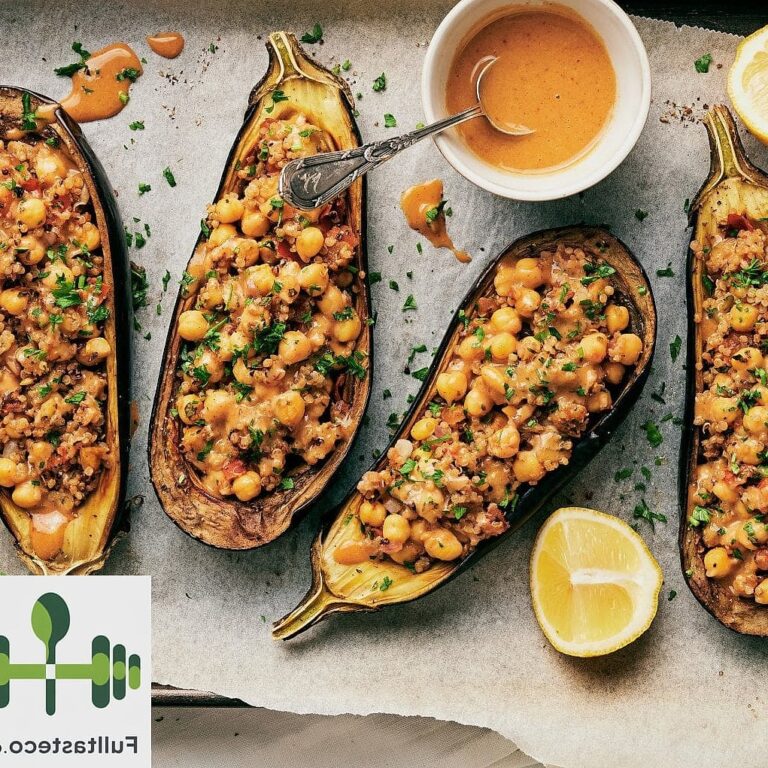
7-Day Low Cholesterol Diet Plan (With Food Swaps & Easy Recipes)
7-Day Low Cholesterol Diet Plan (With Food Swaps & Easy Recipes)
If your doctor recently told you to watch your cholesterol, you’re probably wondering where to even start. Do you have to give up eggs forever? Can you still enjoy pasta? Is cheese completely off the table?
Good news: lowering your cholesterol through diet doesn’t mean eating plain salads and feeling sorry for yourself. It means making some smart swaps, getting a bit more creative in the kitchen, and building meals around foods that genuinely help your heart. This 7-day low cholesterol diet plan is designed to be realistic, satisfying, and actually delicious — with easy recipes and food swaps built right in.
A quick note before we start: the main goals of a heart-healthy, low cholesterol diet are to reduce saturated fat, eliminate trans fats, increase soluble fiber, and include more omega-3 fatty acids and plant-based proteins. That’s the framework everything here is built around.
Day 1
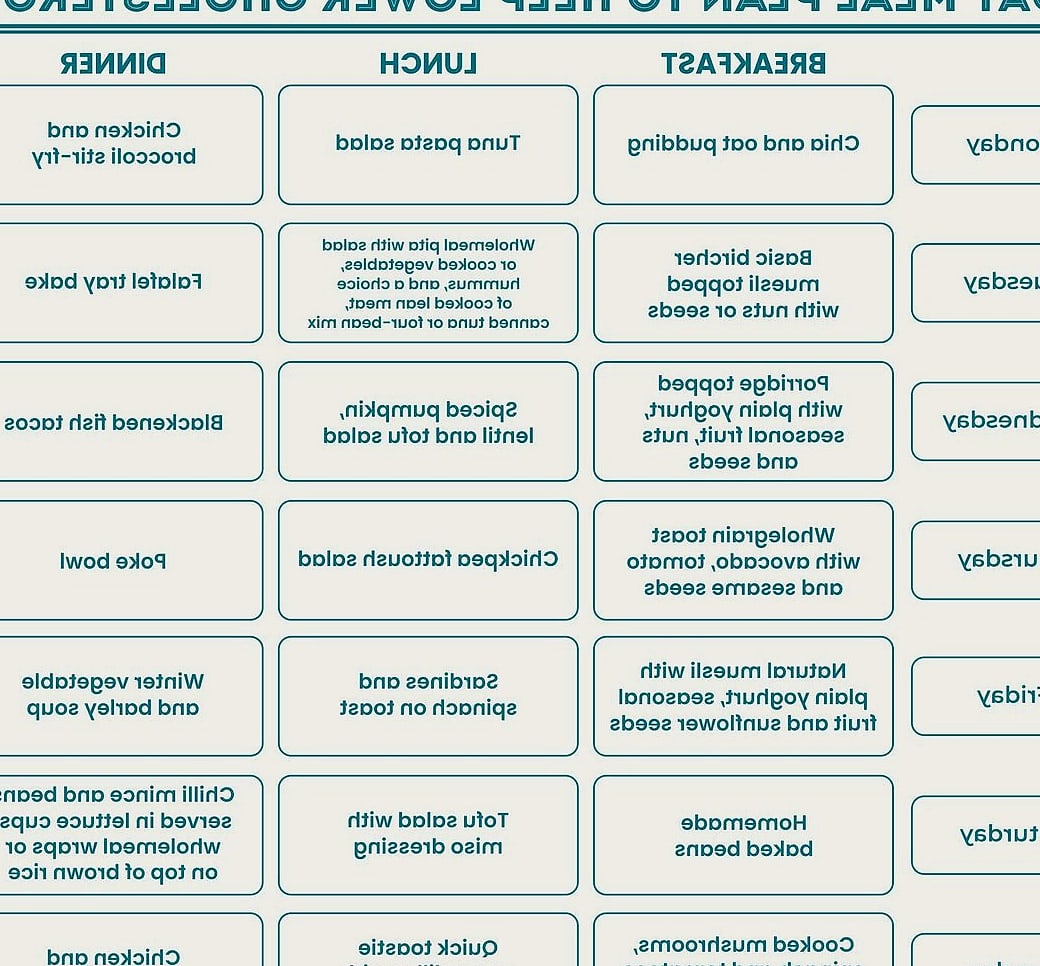
Breakfast: Oat porridge with sliced banana and a handful of walnuts. Oats are genuinely one of the best foods for lowering LDL cholesterol because of their beta-glucan content — a type of soluble fiber that works like a sponge for cholesterol in your digestive system. Top with a drizzle of honey if you need a little sweetness.
Lunch: Lentil and vegetable soup with a slice of whole grain bread. Lentils are cheap, filling, and full of soluble fiber. Make a big pot on Sunday and you’re sorted for two or three lunches.
Dinner: Baked salmon with steamed broccoli and brown rice. Salmon is rich in omega-3 fatty acids, which help raise HDL (the “good” cholesterol) while reducing triglycerides. Season with lemon, garlic, and a little olive oil — simple but really good.
Snack: An apple with a small handful of almonds. This combo gives you fiber and healthy fats to keep you full between meals.
Food swap tip: If you normally cook with butter, switch to extra virgin olive oil. It’s one of the easiest changes you can make and it genuinely adds better flavor to most savory dishes anyway.
Day 2
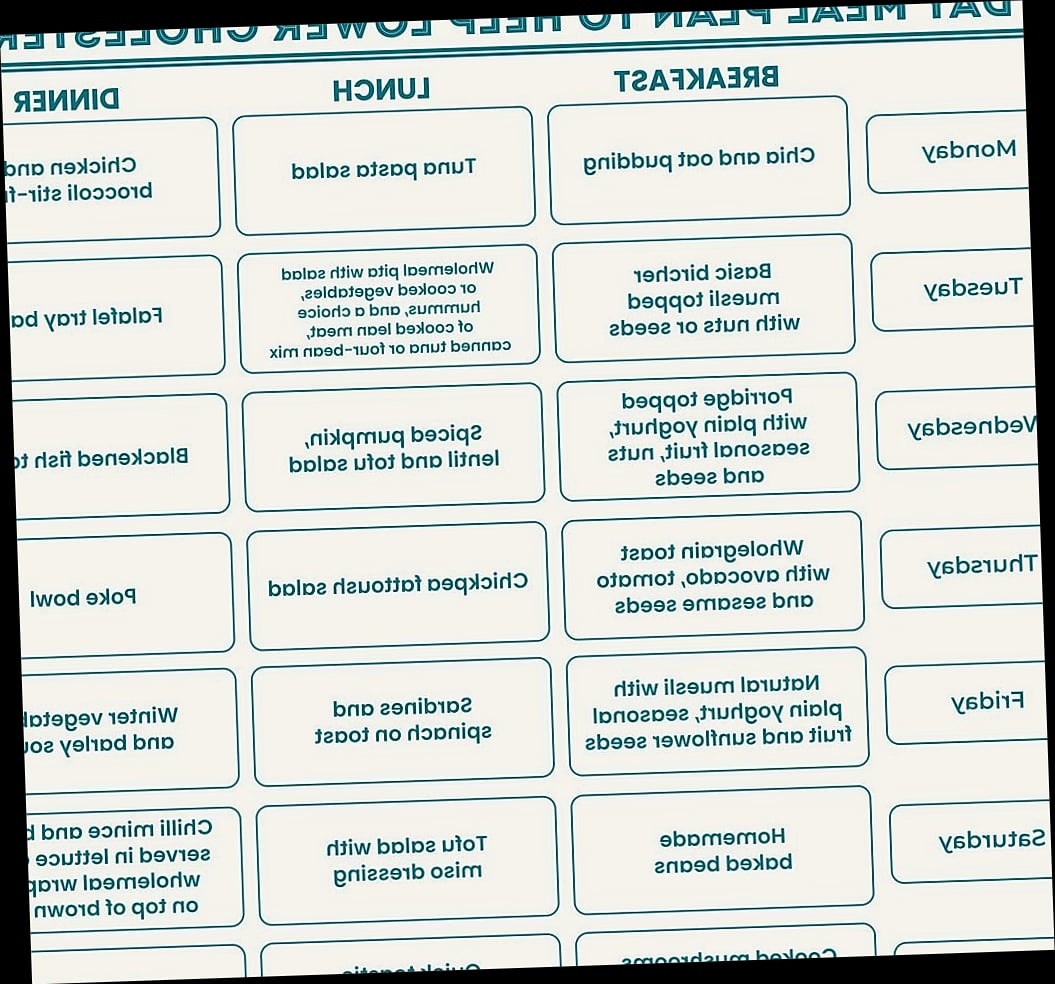
Breakfast: Greek yogurt (low-fat) with berries and a tablespoon of ground flaxseed. Flaxseed is a brilliant add-in — it’s high in soluble fiber and omega-3s, and you honestly can’t taste it mixed into yogurt.
Lunch: Chickpea and spinach salad with olive oil and lemon dressing, topped with sliced avocado. Chickpeas are a heart-healthy protein source, and avocado provides monounsaturated fats that support healthy cholesterol levels.
Dinner: Grilled skinless chicken breast with roasted sweet potato and a big green salad. Removing the skin from poultry significantly cuts the saturated fat — it’s one of those swaps that feels like nothing but actually matters.
Snack: A small bowl of blueberries or a pear.
Food swap tip: Replace full-fat cheese with a smaller amount of a stronger-flavored cheese like aged parmesan. You use less but still get that satisfying savory hit.
Day 3
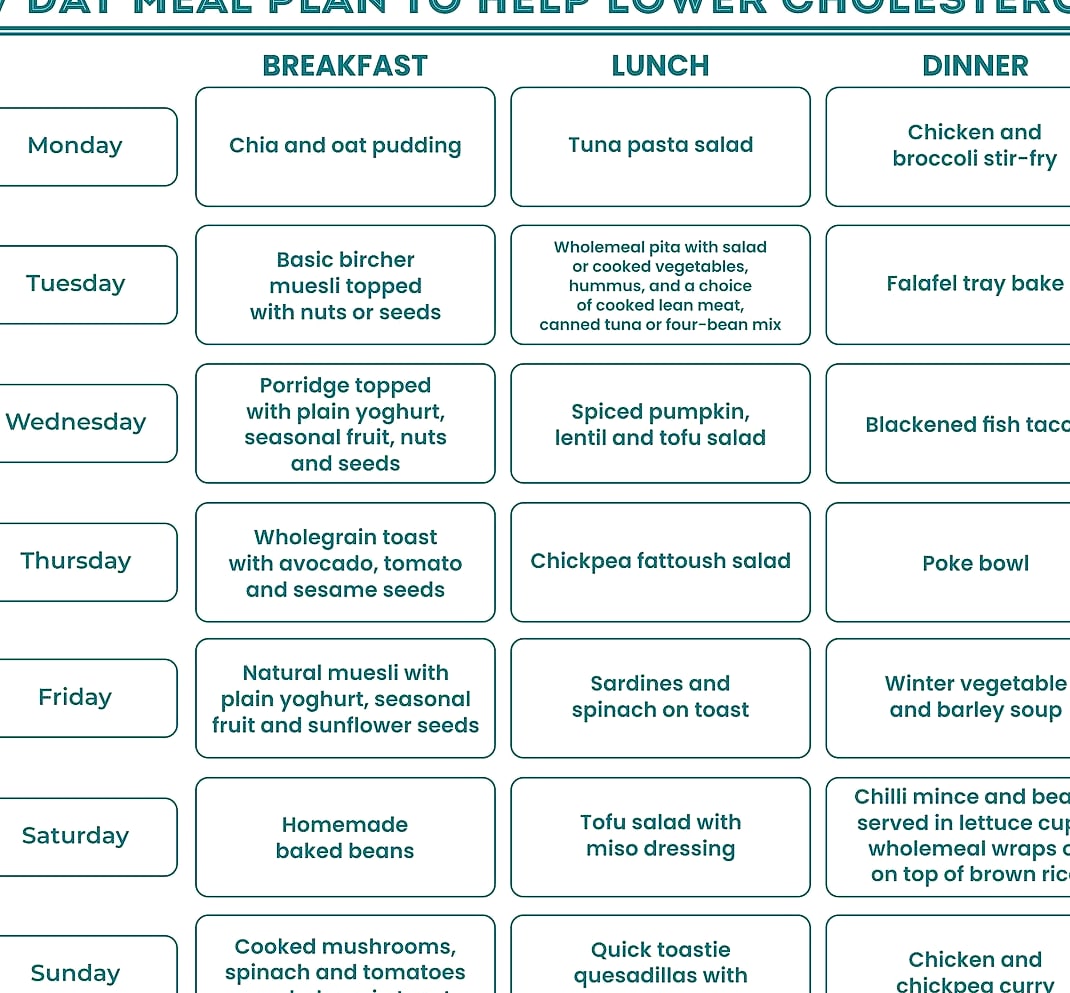
Breakfast: Whole grain toast with avocado and a poached egg. Yes, eggs are back on the menu. Current research suggests that for most people, moderate egg consumption doesn’t significantly raise LDL cholesterol the way saturated fat does. One or two eggs a few times a week is generally fine — just skip the side of bacon.
Lunch: Tuna salad stuffed into a whole wheat pitta with cucumber and tomato. Use olive oil or a small amount of low-fat mayo instead of regular mayo. Canned tuna in water (not oil) is a great lean protein option.
Dinner: Black bean tacos with corn tortillas, shredded cabbage, salsa, and a dollop of low-fat Greek yogurt instead of sour cream. The beans provide protein and fiber, and the yogurt swap saves you a decent chunk of saturated fat without losing the creamy texture.
Snack: Carrot sticks with hummus.
Food swap tip: Corn tortillas are lower in saturated fat than flour tortillas and have a lovely slightly nutty flavor when warmed in a dry pan.
Day 4
Breakfast: Smoothie made with oat milk, frozen berries, a banana, a tablespoon of almond butter, and a tablespoon of chia seeds. This is the one I reach for on busy mornings — blend it the night before and grab it from the fridge.
Lunch: Vegetable and barley soup. Barley is another excellent source of beta-glucan soluble fiber, similar to oats. It makes soups wonderfully thick and hearty.
Dinner: Baked cod with roasted tomatoes, olives, and cannellini beans. White fish is naturally low in saturated fat and pairs beautifully with Mediterranean flavors. The beans add fiber and make it filling enough that you won’t be rummaging in the kitchen at 9pm.
Snack: A small handful of unsalted walnuts or pumpkin seeds.
Food swap tip: Swap regular milk for oat milk or soy milk in recipes and drinks. Both have been shown to have a modest positive effect on cholesterol levels when used regularly.
Day 5
Breakfast: Overnight oats made with oat milk, a tablespoon of ground flaxseed, cinnamon, and fresh strawberries. Make these before bed and breakfast is completely done by morning. The cinnamon makes it feel almost like a treat.
Lunch: Large mixed salad with roasted chickpeas, cucumber, red pepper, cherry tomatoes, pumpkin seeds, and a tahini dressing. Roasted chickpeas are crunchy, satisfying, and infinitely better than croutons if you’re trying to eat well.
Dinner: Stir-fried tofu with mixed vegetables and soba noodles in a light soy and ginger sauce. Soy protein has been linked to modest reductions in LDL cholesterol, and tofu picks up flavor from whatever you cook it in. Press it well, cube it, and pan-fry until golden before adding to the stir-fry.
Snack: Sliced apple with a tablespoon of almond butter.
Food swap tip: If you find tofu texturally challenging, try tempeh instead — it’s firmer, chewier, and has a slightly nutty flavor that a lot of people prefer.
Day 6
Breakfast: Buckwheat pancakes with fresh fruit. Buckwheat is naturally gluten-free, high in fiber, and has a lovely earthy flavor. Make the batter with oat milk and a small amount of olive oil rather than butter.
Lunch: Mackerel on whole grain rye crackers with sliced cucumber and a squeeze of lemon. Mackerel is one of the richest sources of omega-3 fatty acids you can eat, and tinned mackerel is inexpensive and genuinely underrated.
Dinner: Slow-cooked vegetable and lentil dahl with brown rice. A good dahl is warming, deeply satisfying, and one of the most heart-healthy meals you can eat. Use coconut milk sparingly if you want creaminess — a small amount is fine, but it is higher in saturated fat, so keep the portion modest.
Snack: A small bowl of mixed berries or a fresh orange.
Food swap tip: When a recipe calls for cream, try using blended silken tofu or low-fat Greek yogurt as a substitute in sauces and soups. It sounds weird but it genuinely works.
Day 7
Breakfast: A bowl of bran flakes or a high-fiber cereal with oat milk and sliced banana. Simple, quick, and a solid source of soluble fiber to finish the week.
Lunch: Homemade bean and vegetable wrap with a whole wheat tortilla, butter beans, roasted red pepper, spinach, and salsa. Butter beans are creamy and mild — they work really well in wraps and are a great swap if you find lentils a bit heavy.
Dinner: Herb-crusted baked salmon with quinoa and roasted asparagus. Quinoa contains all nine essential amino acids and is a good source of fiber. It pairs beautifully with salmon and makes the whole plate feel a bit special without much extra effort.
Snack: A small handful of mixed nuts — walnuts, almonds, and brazil nuts are all particularly good for heart health.
Food swap tip: End the week by auditing your fridge and cupboards. Swap out any remaining full-fat dairy, processed meats like salami or sausages, and packaged snacks with hydrogenated oils. These are the biggest sources of saturated and trans fats in most people’s diets.
Foods to Include More Of
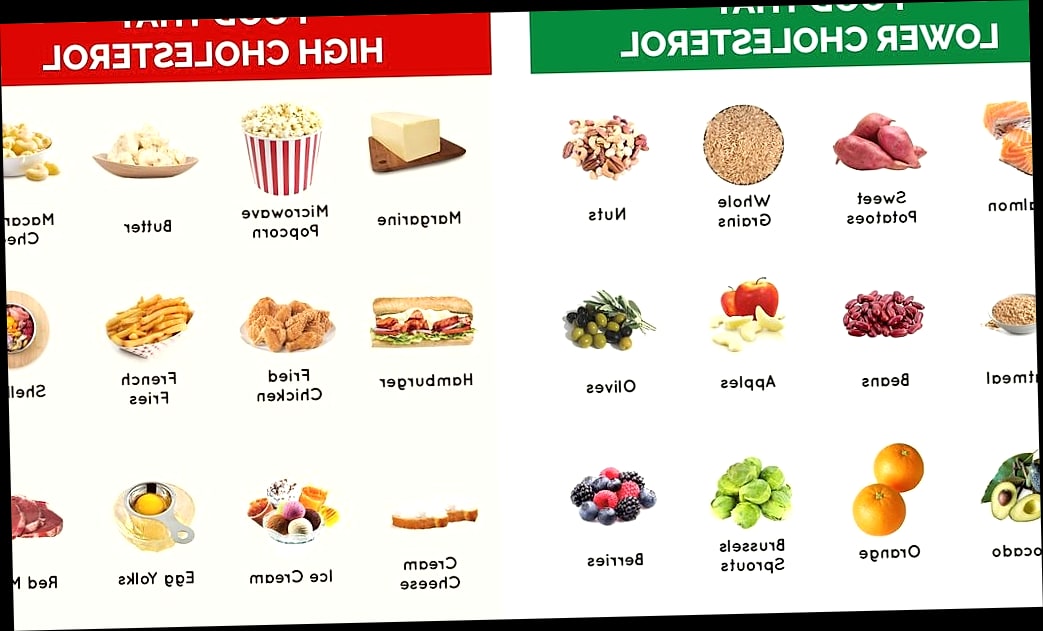
Soluble fiber is your best friend here. Get it from oats, barley, lentils, beans, apples, pears, and psyllium husk. Aim for at least 5–10 grams of soluble fiber a day for a meaningful reduction in LDL cholesterol.
Healthy fats matter too. Olive oil, avocado, nuts, seeds, and fatty fish should be regulars in your kitchen. These replace the saturated fats that raise LDL without making your food taste sad.
Plant proteins like beans, lentils, chickpeas, tofu, and tempeh can partially replace meat in your meals. You don’t have to go fully vegetarian — even swapping meat for plant protein two or three times a week makes a real difference.
Foods to Eat Less Of
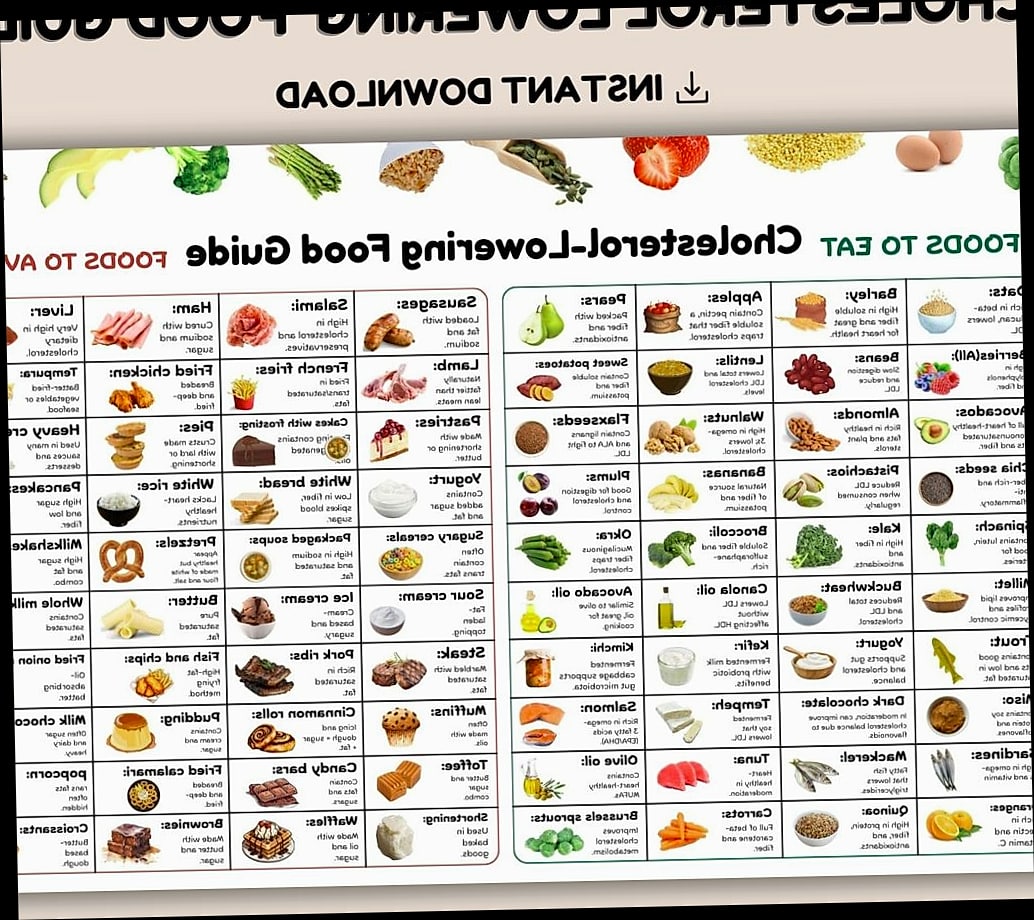
Saturated fat is the main thing to cut back on. It’s found in fatty red meat, full-fat dairy, butter, lard, palm oil, and many processed foods. You don’t need to eliminate everything, but reducing your intake is genuinely effective.
Trans fats are worth avoiding entirely if you can. They’re less common than they used to be, but still appear in some packaged biscuits, pastries, and fried foods. Check labels for “partially hydrogenated oils.”
Processed meats like bacon, sausages, and deli meats tend to be high in both saturated fat and sodium, which is a double hit for cardiovascular health. Save them for occasional treats rather than daily staples.
A Few Practical Tips to Make This Work
You don’t need to cook from scratch every single day. Batch-cooking grains, soups, and lentil dishes at the start of the week makes everything much more manageable. A rice cooker or slow cooker is genuinely helpful here if you have one.
Read labels when you’re shopping. Look at saturated fat per serving rather than just total fat — that’s the number that matters most for cholesterol.
And honestly? Don’t aim for perfection. One meal won’t tank your cholesterol levels, and one perfect week won’t fix everything either. This is about building habits over time. The fact that you’re looking at a 7-day low cholesterol diet plan and thinking it through is already a really solid start.
30-Day High-Protein
Low-Calorie Meal Plan
Every breakfast, lunch, dinner & snack — all 30 days fully mapped out. Just follow the plan.
- ✓50+ complete recipes with ingredients & step-by-step instructions
- ✓4-week day-by-day plans — every meal for all 30 days
- ✓4 weekly shopping lists organised by store section
- ✓Printable habit & progress tracker — 30 full days
- ✓100g+ protein per day — scientifically optimised macros
Instant PDF · Print at home
Results guaranteed with consistency