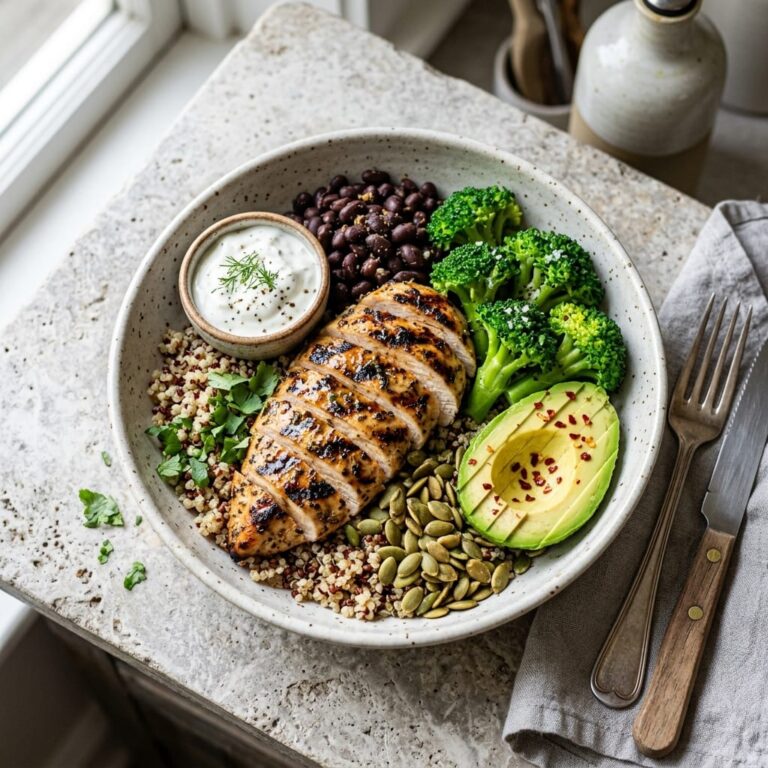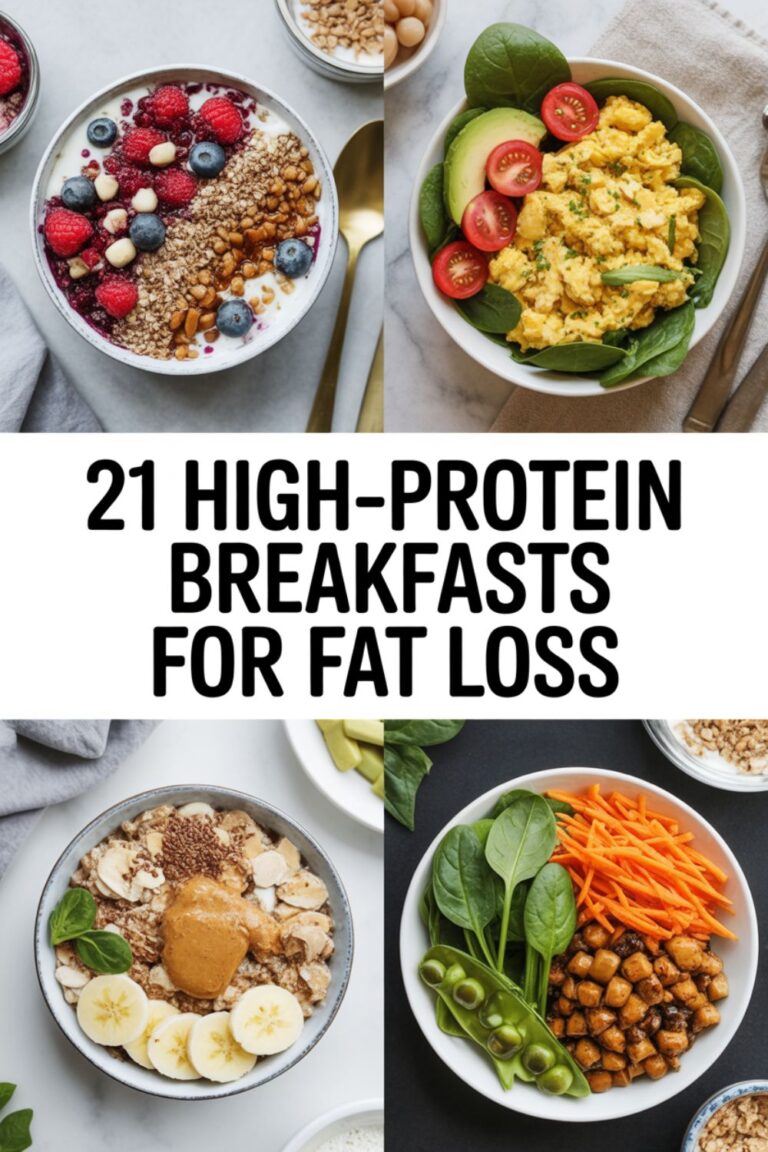
14-Day Calorie Deficit Meal Plan (Easy, Filling & Actually Realistic!)
Architected 14-day meal plan structure with word count targets and formatting guidelines
14-Day Calorie Deficit Meal Plan (Easy, Filling & Actually Realistic!)
If you’ve ever Googled “calorie deficit meal plan” and ended up staring at a spreadsheet of grilled chicken and broccoli for the hundredth time, I feel you. That stuff works, sure, but nobody sticks with food they dread eating.
This 14-day calorie deficit meal plan is built differently. The goal here is real food that fills you up, doesn’t take a culinary degree to make, and actually fits into a busy week. We’re talking roughly 1,500–1,700 calories a day (you can adjust up or down depending on your size, activity level, and goals), with a focus on protein, fiber, and foods that keep you satisfied instead of counting down the minutes until your next meal.
A few quick notes before we dive in. Portion sizes are approximate and meant as a starting point, not gospel. Swap proteins, veggies, and grains based on what you like and what’s in your fridge. And drink your water — staying hydrated makes a bigger difference in hunger and energy than people give it credit for.
Let’s get into it.
Day 1
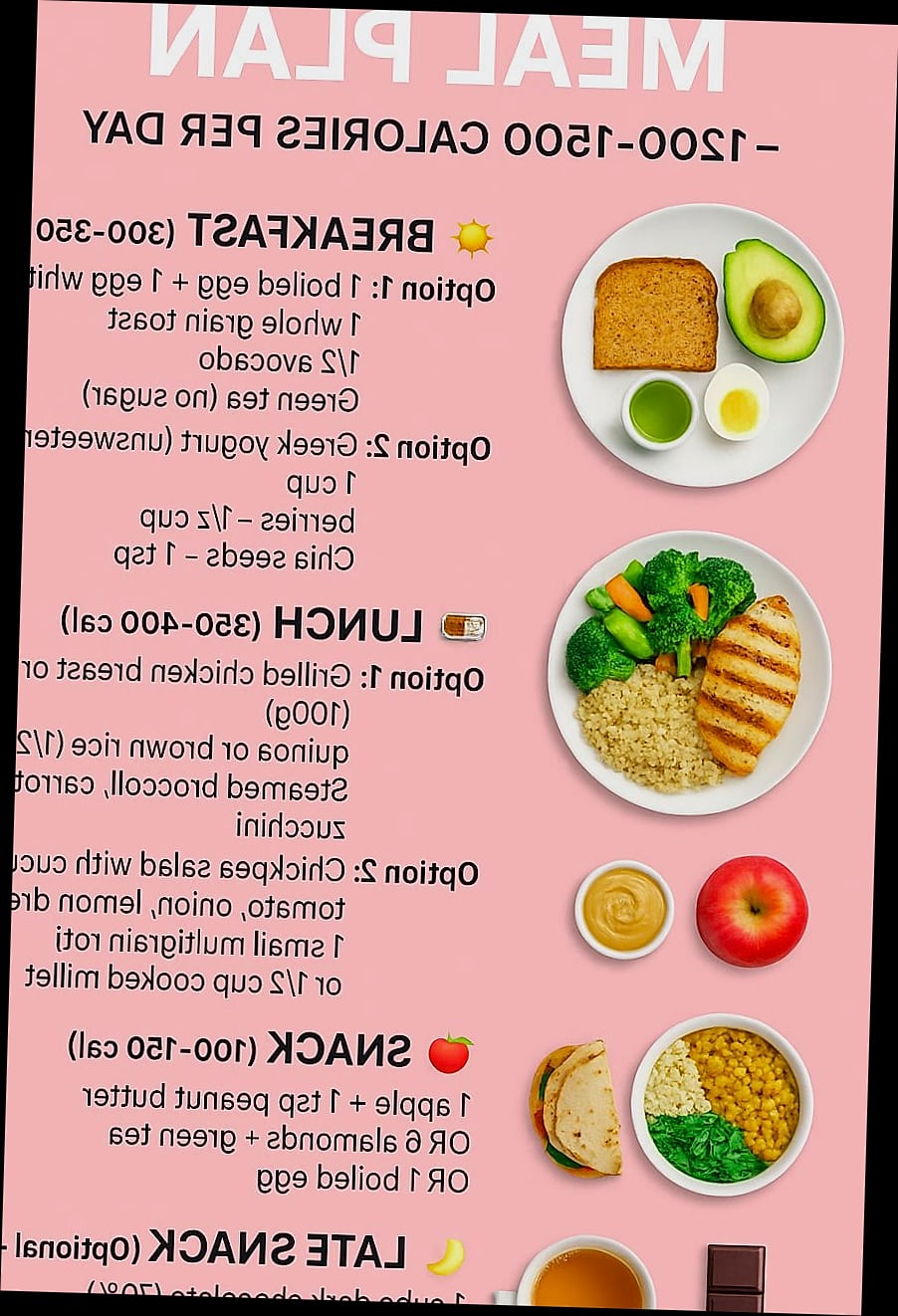
Breakfast: Greek yogurt with berries, a drizzle of honey, and a sprinkle of granola.
Lunch: Grilled chicken salad with mixed greens, cucumber, cherry tomatoes, and a light vinaigrette.
Dinner: Baked salmon with roasted asparagus and a small portion of quinoa.
Optional Snack: A handful of almonds or a small apple.
This day leans on lean protein and fiber-rich veggies to keep you full without going overboard on calories, and it’s an easy one to start the week with since nothing requires much prep.
Day 2
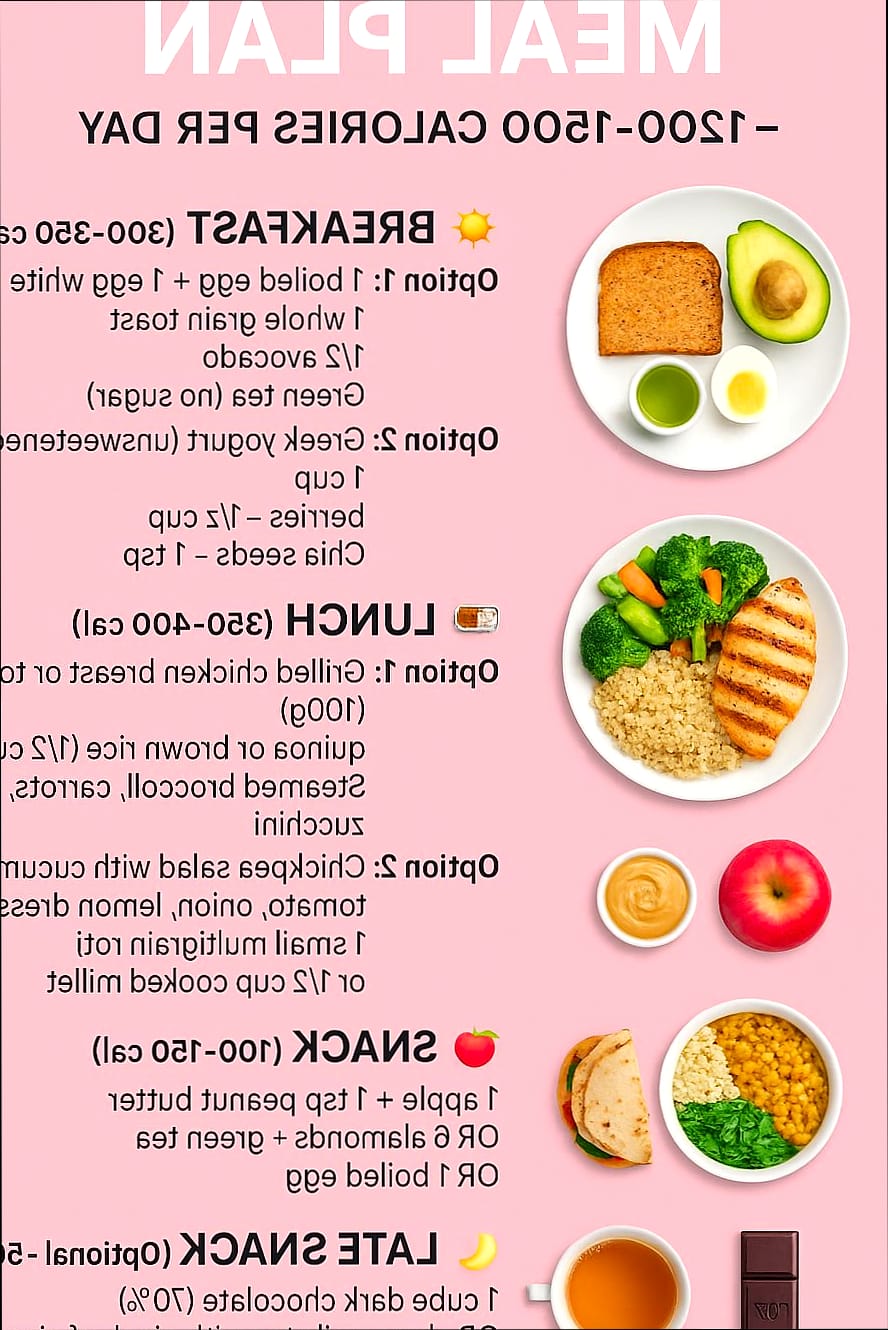
Breakfast: Veggie omelet with spinach, mushrooms, and a little feta cheese.
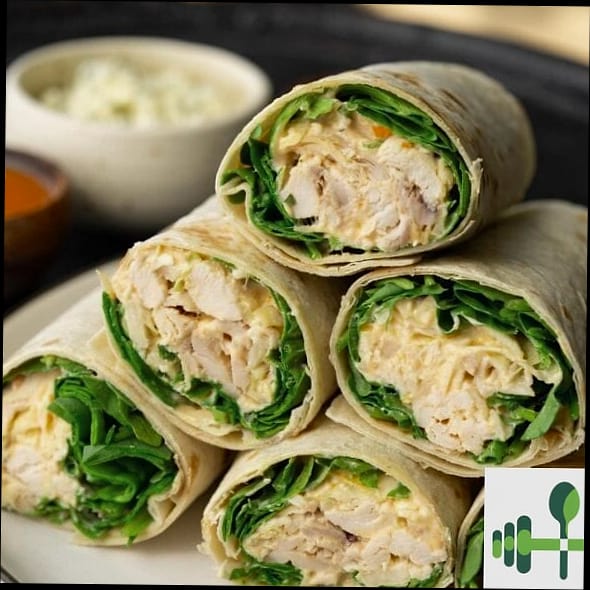
Lunch: Turkey and avocado wrap on a whole wheat tortilla with carrot sticks on the side.
Dinner: Stir-fried tofu or shrimp with broccoli, bell peppers, and brown rice.
Optional Snack: Cottage cheese with sliced cucumber.
Eggs in the morning are a great way to stay full until lunch, and the stir-fry dinner gives you a ton of volume from veggies without piling on calories.
Day 3
Breakfast: Overnight oats made with rolled oats, milk, chia seeds, and banana slices.
Lunch: Lentil soup with a side of whole grain bread.
Dinner: Grilled chicken breast with a big roasted vegetable medley (zucchini, carrots, onions).
Optional Snack: A handful of grapes or berries.
Lentil soup is one of those underrated meals that’s hearty, cheap, and surprisingly filling thanks to the fiber and protein combo.
Day 4
Breakfast: Smoothie with spinach, frozen berries, protein powder, and almond milk.
Lunch: Tuna salad (made with Greek yogurt instead of mayo) over mixed greens.
Dinner: Turkey meatballs with marinara sauce and zucchini noodles.
Optional Snack: A few rice crackers with hummus.
Swapping mayo for Greek yogurt in tuna salad is a simple trick that cuts calories without sacrificing that creamy texture.
Day 5
Breakfast: Whole grain toast with mashed avocado and a poached egg on top.
Lunch: Grilled chicken Caesar salad, light on the dressing.
Dinner: Baked cod with roasted sweet potato and steamed green beans.
Optional Snack: A small handful of walnuts.
Avocado toast doesn’t have to be a calorie bomb — keeping the portion in check while topping it with an egg adds protein and keeps you satisfied longer.
Day 6
Breakfast: Greek yogurt parfait layered with berries and a touch of granola.
Lunch: Black bean and corn salad with grilled chicken on top.
Dinner: Shrimp tacos on corn tortillas with cabbage slaw and a squeeze of lime.
Optional Snack: Sliced bell peppers with a couple tablespoons of guacamole.
This is a fun, flavorful day — the shrimp tacos feel like a treat but stay light since they’re not fried and the slaw adds crunch without much extra in the way of calories.
Day 7
Breakfast: Protein pancakes (made with oats, eggs, and banana) topped with a few berries.
Lunch: Leftover shrimp tacos or a quick chicken and veggie bowl.
Dinner: Grilled steak (small portion) with a big side salad and roasted potatoes.
Optional Snack: A piece of dark chocolate, because you’ve earned it after week one.
End of week one is a good time to use up leftovers and keep things simple — no need to reinvent the wheel every single day.
Day 8
Breakfast: Cottage cheese with pineapple chunks and a sprinkle of cinnamon.
Lunch: Chicken and vegetable soup with a side of crusty whole grain bread.
Dinner: Baked chicken thighs (skin removed) with roasted Brussels sprouts and wild rice.
Optional Snack: Celery sticks with peanut butter.
Cottage cheese is a sneaky-good high protein option that doesn’t get enough love — it’s creamy, filling, and pairs surprisingly well with fruit.
Day 9
Breakfast: Scrambled eggs with whole grain toast and half an avocado.
Lunch: Quinoa salad with chickpeas, cucumber, tomato, and feta.
Dinner: Grilled salmon with a side of roasted broccoli and a small portion of couscous.
Optional Snack: Greek yogurt with a drizzle of honey.
This is a high-protein, high-fiber day that should keep your energy steady without that mid-afternoon crash.
Day 10
Breakfast: Smoothie bowl with frozen mixed berries, a banana, protein powder, and a few chia seeds on top.
Lunch: Turkey lettuce wraps with shredded carrots and a light peanut sauce.
Dinner: Baked tilapia with lemon, roasted asparagus, and quinoa.
Optional Snack: A small handful of trail mix.
Lettuce wraps are a great low-calorie swap for tortillas when you want something crunchy and fresh instead of heavy.
Day 11
Breakfast: Overnight oats with peanut butter and sliced banana.
Lunch: Grilled chicken pita with cucumber, tomato, and tzatziki.
Dinner: Beef and vegetable stir-fry over a small portion of brown rice.
Optional Snack: Sliced apple with a tablespoon of almond butter.
We’re past the halfway point now, so this is a good day to check in with yourself — if a meal isn’t working for you, swap it for something similar you actually enjoy.
Day 12
Breakfast: Veggie egg muffins (made in advance) with a side of fruit.
Lunch: Mediterranean chickpea salad with olives, cucumber, and feta.
Dinner: Grilled chicken with roasted cauliflower and a small sweet potato.
Optional Snack: A few squares of dark chocolate or a small orange.
Egg muffins are one of those meal-prep heroes — make a batch on Sunday and you’ve got grab-and-go breakfasts for days.
Day 13
Breakfast: Greek yogurt with sliced peaches and a sprinkle of granola.
Lunch: Tuna salad lettuce wraps with cherry tomatoes on the side.
Dinner: Baked chicken parmesan (lighter version, baked not fried) with a side salad.
Optional Snack: A handful of mixed nuts.
A lighter take on chicken parmesan — baking instead of frying the chicken cuts a surprising amount of calories while keeping that crispy, cheesy comfort food vibe.
Day 14
Breakfast: Smoothie with spinach, frozen mango, Greek yogurt, and a splash of orange juice.
Lunch: Grilled shrimp salad with avocado, corn, and black beans.
Dinner: Your choice — a slightly bigger, more relaxed dinner like grilled steak with roasted vegetables or your favorite dish from earlier in the plan, just to celebrate finishing two solid weeks.
Optional Snack: Whatever sounds good in moderation.
You made it through two full weeks, so let day 14 feel like a small win, not another box to check.
So, what now? Honestly, the best thing you can do with this plan is treat it as a template rather than a rulebook. If you hate fish, swap it for chicken. If lentil soup isn’t your thing, find another high-fiber lunch you actually look forward to. The whole point of a calorie deficit meal plan is sustainability — it only works if you can keep doing it.
A few habits that make a real difference alongside the meals themselves: cooking proteins and grains in batches on Sunday so weekday meals take ten minutes instead of forty, keeping cut veggies and fruit visible in the fridge so they’re your first grab when you’re hungry, and not being afraid to repeat meals you genuinely enjoy. Variety is nice, but it’s not required for results.
And if you have a day where you go over, or skip a meal, or end up ordering takeout because life happens — that’s fine. One day doesn’t undo two weeks of consistent effort. Pick the plan back up the next meal, not the next Monday.
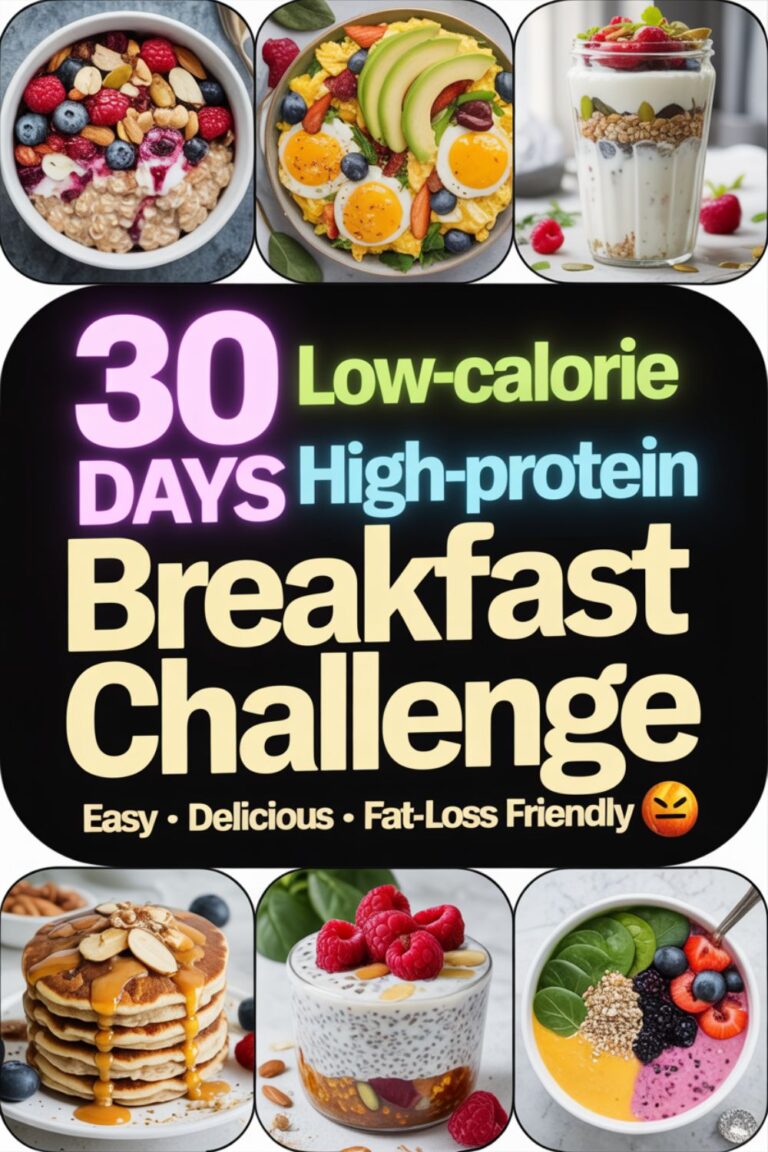
30-Day High-Protein
Low-Calorie Meal Plan
Every breakfast, lunch, dinner & snack — all 30 days fully mapped out. Just follow the plan.
- ✓50+ complete recipes with ingredients & step-by-step instructions
- ✓4-week day-by-day plans — every meal for all 30 days
- ✓4 weekly shopping lists organised by store section
- ✓Printable habit & progress tracker — 30 full days
- ✓100g+ protein per day — scientifically optimised macros
Instant PDF · Print at home
Results guaranteed with consistency