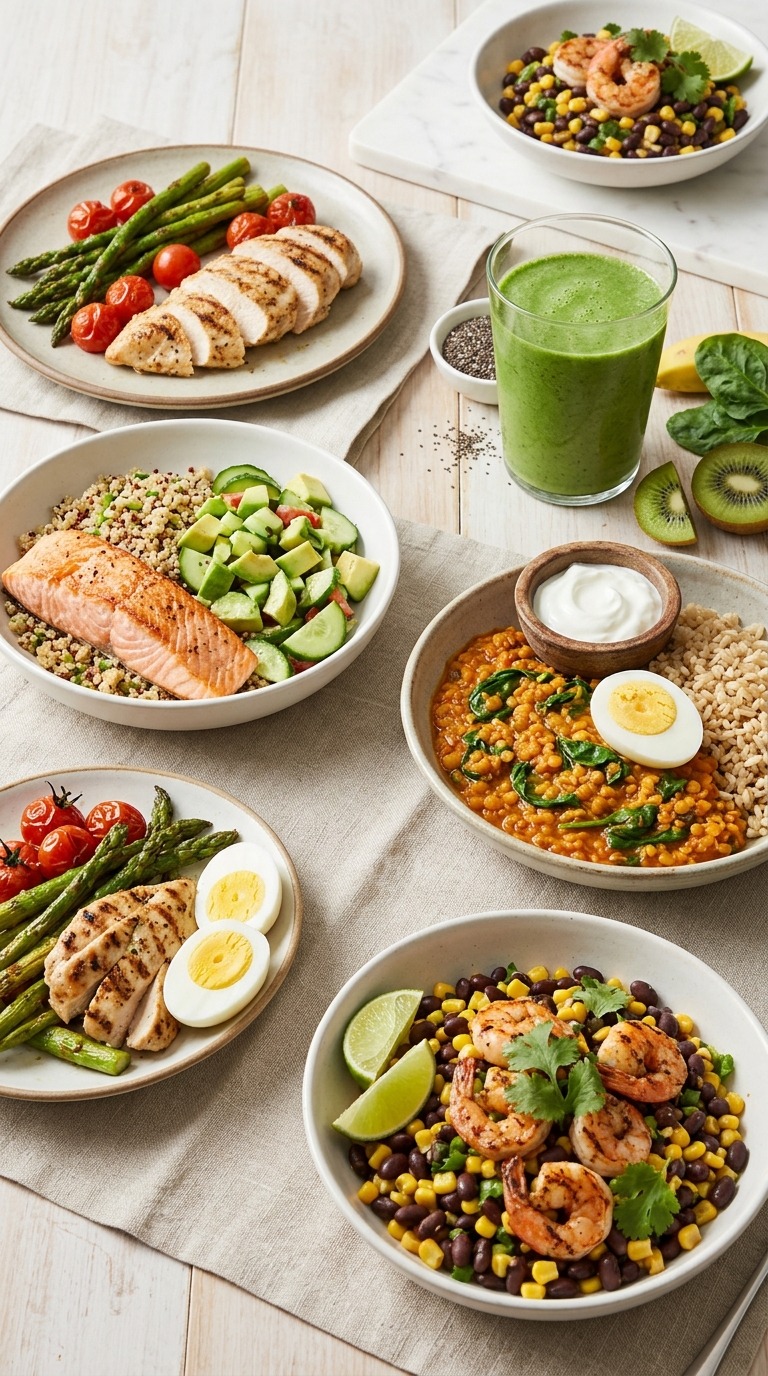
15 High-Protein Low-Calorie Meal Ideas for Weight Loss Beginners
So you’ve decided to get serious about weight loss, and someone—probably your annoyingly fit friend or that health-focused coworker—told you that protein is the magic word. They’re not wrong. But here’s the thing nobody mentions: figuring out what to actually eat when you’re starting out feels like trying to solve a Rubik’s cube blindfolded.
I spent my first month of “eating healthy” munching on plain chicken breast and sad salads, wondering why everyone raved about this lifestyle. Turns out, high-protein low-calorie meals don’t have to taste like cardboard. They can actually be delicious, satisfying, and ridiculously simple to make. Whether you’re trying to shed a few pounds or just want to feel less like a sluggish potato, these 15 meal ideas will keep you full without derailing your progress.
Why Protein Actually Matters for Weight Loss
Before we jump into the recipes, let’s talk about why protein isn’t just gym-bro propaganda. When you eat protein, your body works harder to digest it compared to carbs or fats. This process, called the thermic effect of food, means you burn more calories just breaking down your meal. Pretty neat, right?
But here’s the real kicker: protein keeps you full. Like, actually full. Not that fake full you get from a bag of chips where you’re hungry again in 20 minutes. According to research on protein and satiety, adequate protein intake helps reduce cravings and prevents that 3 PM vending machine raid we’re all guilty of.
When you’re cutting calories for weight loss, you risk losing muscle along with fat. Protein helps preserve that muscle tissue, which keeps your metabolism humming along nicely. More muscle means more calories burned at rest, which is basically the dream scenario for anyone trying to lose weight without living at the gym.
How Much Protein Do You Actually Need?
Here’s where things get a bit personal. The standard recommendation floats around 0.8 grams per kilogram of body weight, but that’s for sedentary folks just trying to avoid deficiency. For weight loss? You’ll want to bump that up.
Most experts suggest aiming for 1.2 to 1.6 grams per kilogram of body weight when you’re trying to lose fat while maintaining muscle. For a 150-pound person, that’s roughly 80-110 grams of protein per day. Sounds like a lot? It’s actually pretty doable when you spread it across three meals and maybe a snack.
The trick is choosing protein sources that don’t come with a calorie bomb attached. A ribeye steak has protein, sure, but it also packs enough calories to blow your deficit. That’s where these lean, high-protein options come in handy.
Breakfast Ideas That Won’t Bore You to Tears
1. Greek Yogurt Protein Bowl
I used to think yogurt was what you ate when you ran out of actual food. Then I discovered Greek yogurt, and honestly, it changed my breakfast game. A cup of plain nonfat Greek yogurt delivers about 20 grams of protein for roughly 100 calories.
Here’s how I make mine interesting: I throw in a handful of berries (frozen works great and they’re cheaper), a sprinkle of granola for crunch, and maybe some chia seeds if I’m feeling fancy. The chia seeds add fiber and healthy fats without many calories. Sometimes I’ll add a drizzle of honey, but honestly, the berries usually make it sweet enough.
Want to meal prep this? Layer everything in mason jars the night before. The yogurt stays cold, and you grab it on your way out the door. No excuses, no drive-thru breakfast sandwiches.
2. Egg White Veggie Scramble
Whole eggs are great, but when you’re watching calories, egg whites become your best friend. Three egg whites give you about 11 grams of protein for only 50 calories. Toss in some spinach, mushrooms, tomatoes, and bell peppers, and you’ve got a meal that actually fills you up.
I cook mine in a nonstick skillet—the kind with the ceramic coating that doesn’t require a gallon of oil. A quick spray of cooking oil, sauté your veggies first to get them tender, then pour in the egg whites. Season with garlic powder, black pepper, and maybe some hot sauce if you’re into that.
Pro tip: add a tablespoon of salsa on top. It’s basically zero calories and makes everything taste less like you’re on a diet. Get Full Recipe for the perfect veggie-to-egg ratio that actually tastes good.
3. Protein Overnight Oats
Oats get a bad rap in the low-calorie world because people dump in sugar, dried fruit, and enough peanut butter to fuel a small army. But done right, overnight oats can be a protein powerhouse that stays under 300 calories.
My go-to ratio: half a cup of rolled oats, half a cup of unsweetened almond milk, a scoop of vanilla protein powder, and a tablespoon of chia seeds. Mix it all in a portable container with a tight lid, let it sit overnight, and boom—breakfast is ready when you wake up.
The protein powder is key here. It bumps the protein content up to around 25-30 grams depending on your powder. I prefer vanilla because it plays nice with everything, but chocolate works too if you’re craving something richer.
Speaking of morning inspiration, you might want to check out high-protein breakfast bowls or try a chocolate protein smoothie bowl for variety when the oatmeal routine gets old.
Quick Lunch Options for Busy Days
4. Tuna Salad Lettuce Wraps
Canned tuna is like the unsung hero of high-protein eating. One can gives you about 25 grams of protein for around 120 calories. Mix it with a little plain Greek yogurt instead of mayo (saves calories and adds more protein), add some diced celery and red onion, squeeze in some lemon juice, and you’ve got yourself a legitimate meal.
Skip the bread and wrap it in big butter lettuce leaves or romaine. You save calories, get some extra crunch, and honestly? It tastes fresher this way. I keep those pop-top tuna cans in my desk drawer for emergency lunches. No can opener needed, and you look slightly less chaotic eating lunch at your desk.
5. Chicken and Cauliflower Rice Bowl
Real talk: cauliflower rice isn’t actual rice. It doesn’t taste like rice. But it gives you that rice-adjacent experience for a fraction of the calories, and when you’re trying to fit in more protein, those calories matter.
I buy the pre-riced bags from the freezer section because I’m not standing there grating a cauliflower like some kind of medieval peasant. Microwave it, drain out the excess water (this step is crucial unless you like soggy sadness), and top it with grilled chicken breast, some teriyaki sauce, and steamed broccoli.
Four ounces of chicken breast packs 26 grams of protein for about 120 calories. Season it with whatever makes you happy—I rotate between lemon pepper, cajun seasoning, and a basic Italian herb blend so I don’t get bored.
6. Turkey and Hummus Veggie Wrap
Deli turkey isn’t fancy, but it works. Four slices give you roughly 12-14 grams of protein for under 100 calories. Spread two tablespoons of hummus on a whole wheat tortilla (look for the high-fiber ones), layer on the turkey, and load up with cucumber, shredded carrots, spinach, and tomato.
The hummus adds creaminess and healthy fats that actually help you absorb certain vitamins from those veggies. Plus, it makes the whole thing not taste like you’re eating cardboard. Roll it tight, slice it in half, and you’ve got a lunch that looks like you tried.
For more easy lunch wraps or meal prep ideas for beginners, there are tons of variations that keep this formula interesting without adding a bunch of calories.
Dinner Solutions That Don’t Suck
7. Baked Cod with Roasted Vegetables
Fish scares a lot of people, but cod is the training-wheels fish. It’s mild, doesn’t smell up your house like some other fish, and it’s absolutely loaded with protein. A four-ounce serving has about 20 grams of protein for only 90 calories.
Season it with lemon, garlic, and a bit of paprika, then bake it on a sheet pan next to your vegetables. I usually do Brussels sprouts, asparagus, or green beans—whatever’s on sale, honestly. Drizzle everything with a tiny bit of olive oil, and roast it all at 400°F for about 20 minutes.
Use a silicone baking mat on your sheet pan. Nothing sticks, cleanup takes 30 seconds, and you’ll actually want to cook instead of ordering takeout because washing dishes won’t be a nightmare.
8. Lean Turkey Chili
Chili is one of those magical meals you can make in bulk and eat all week without wanting to throw it out the window. Ground turkey is way leaner than beef—93% lean turkey has about 22 grams of protein per 4 ounces with significantly fewer calories than ground beef.
Brown the turkey in a large pot, add diced tomatoes, kidney beans, chili powder, cumin, garlic, and onion. Let it simmer for 30 minutes while you do literally anything else. The beans add extra protein and fiber, which means you stay full longer and your digestive system stays happy.
Top with a dollop of plain Greek yogurt instead of sour cream. Same creamy texture, extra protein, fewer calories. It’s these tiny swaps that actually add up. Get Full Recipe for my exact seasoning ratios that don’t require a culinary degree.
9. Grilled Chicken with Zucchini Noodles
Zucchini noodles, or “zoodles” if you want to sound trendy, are another veggie swap that saves you calories for more protein. You need a spiralizer for this, but they’re like fifteen bucks and weirdly fun to use.
Spiralize two medium zucchinis, sauté them quickly in a pan with a little garlic (they only need about 3-4 minutes or they get mushy), and top with grilled chicken and your favorite low-calorie marinara sauce. The whole meal comes in around 350 calories with over 30 grams of protein.
The trick with zoodles is not to overcook them. They release water like crazy, and nobody wants watery noodles. High heat, short cooking time, and drain them if needed.
According to nutrition research on vegetable substitutes, these veggie swaps help increase overall vegetable intake while reducing calorie density—which is exactly what you want when losing weight without feeling deprived.
10. Shrimp Stir-Fry
Shrimp is criminally underrated for weight loss. Four ounces has about 24 grams of protein for roughly 120 calories, and it cooks in literally five minutes. I keep a bag of frozen shrimp in my freezer for those nights when meal prep didn’t happen and I need something fast.
Thaw the shrimp under cold water, toss them in a hot wok or large skillet with a spray of oil, add whatever vegetables you have (I usually do bell peppers, snap peas, and broccoli), and season with soy sauce, garlic, and ginger. Serve it over cauliflower rice or regular rice if you have the calories to spare.
The best part? From start to finish, this takes about 15 minutes. No excuses about not having time to cook healthy meals when you can make this faster than delivery would arrive.
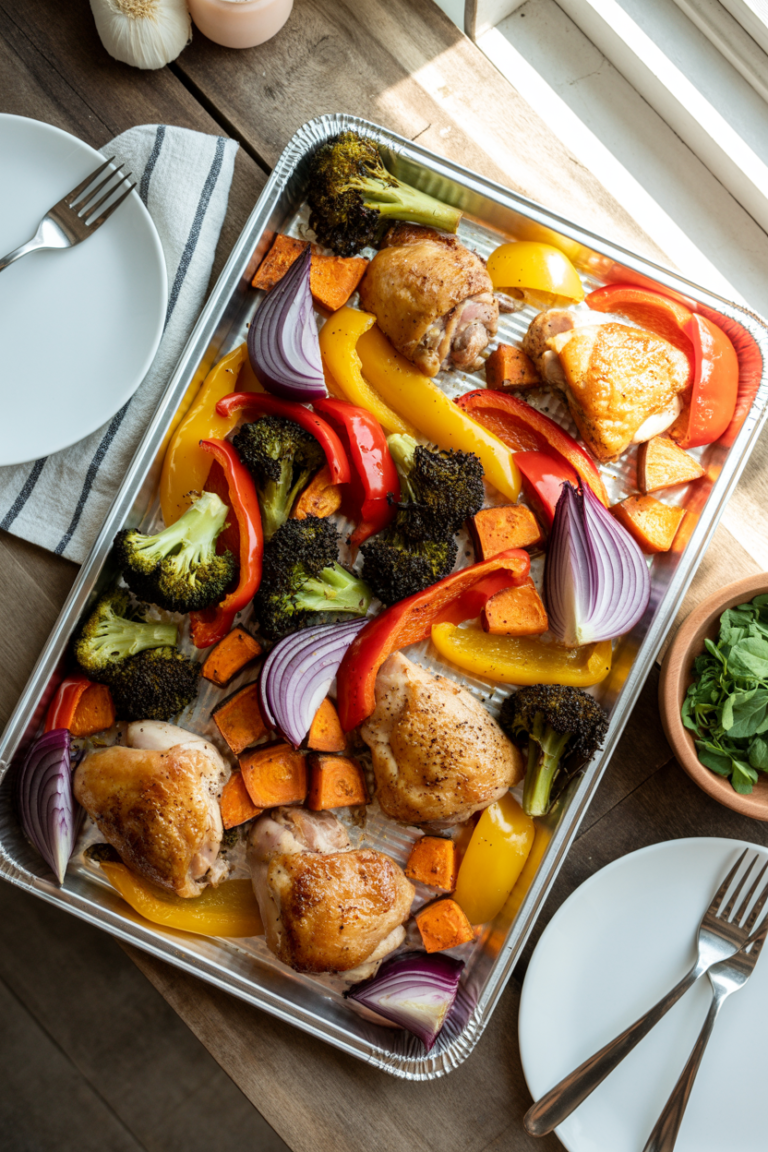
If you’re looking for more quick dinner ideas, try sheet pan chicken dinners or one-pot high-protein meals that make cleanup just as easy as cooking.
Snack Options That Won’t Wreck Your Progress
11. Cottage Cheese with Cherry Tomatoes
I know, I know—cottage cheese is divisive. Some people love it, some people think it looks weird. But half a cup of low-fat cottage cheese packs 14 grams of protein for about 80 calories, and when you mix it with cherry tomatoes, a drizzle of balsamic vinegar, and some black pepper, it’s actually really good.
The combination of creamy and acidic just works. Plus, it’s savory instead of sweet, which I appreciate when I’m snacking at night and don’t want to trigger a sugar craving that leads to raiding the pantry.
12. Hard-Boiled Eggs with Everything Bagel Seasoning
Hard-boiled eggs are the OG meal prep food. Make a dozen on Sunday, keep them in your fridge, and you’ve got grab-and-go protein all week. Two eggs give you 12 grams of protein for about 140 calories.
The everything bagel seasoning trick changed the game for me. Plain hard-boiled eggs are fine, but they’re boring. Sprinkle on some everything bagel seasoning, and suddenly they taste like actual food you’d choose to eat instead of protein you’re forcing down.
I use one of those egg cooker gadgets that steams them perfectly every time. No babysitting a pot of boiling water, no guessing if they’re done, and the shells practically fall off. Worth every penny for the convenience alone.
13. Protein Smoothie
Smoothies can either be a healthy protein bomb or a 600-calorie sugar fest disguised as health food. The difference is what you put in them. My standard recipe: one scoop protein powder, half a frozen banana, a handful of spinach, a cup of unsweetened almond milk, and ice.
Blend it in a decent blender that can actually handle ice without sounding like it’s dying. You get around 25-30 grams of protein depending on your powder, and the whole thing comes in under 250 calories.
The spinach sounds weird, but you genuinely cannot taste it. The banana masks everything. If you want it thicker and creamier, add a tablespoon of PB2 (powdered peanut butter with most of the fat removed). You get that peanut butter flavor for a fraction of the calories.
For more protein smoothie recipes or post-workout shake ideas, there are endless variations once you nail the basic formula.
Vegetarian High-Protein Options
14. Lentil and Vegetable Soup
If you think vegetarian meals can’t hit high protein numbers, lentils would like a word. One cup of cooked lentils has about 18 grams of protein and tons of fiber. Make a big pot of lentil soup with carrots, celery, onions, crushed tomatoes, and vegetable broth, and you’ve got lunches for days.
Season it with cumin, turmeric, and a bay leaf. The smell alone will make you feel like you know what you’re doing in the kitchen. Freeze individual portions in freezer-safe containers, and you’ve got emergency meals for those days when cooking feels impossible.
The beauty of lentils is they’re filling, cheap, and you don’t need to meal plan like you’re launching a military operation. They also don’t require soaking like other beans, which means you can decide to make this at 5 PM and actually eat it by 6:30 PM.
15. Tofu and Vegetable Stir-Fry
Tofu gets a bad reputation because most people don’t know how to cook it properly. The secret? Press out the water first, then get it crispy. A tofu press makes this stupid easy, but you can also just wrap it in paper towels and stick a heavy pan on top for 15 minutes.
Cut it into cubes, toss with a bit of cornstarch (this is the crispy secret), and pan-fry until golden. Four ounces of firm tofu has about 10 grams of protein for 80 calories. Add it to a stir-fry with whatever vegetables you like, season with soy sauce and sesame oil, and serve over cauliflower rice.
Tofu takes on whatever flavors you cook it with, which makes it perfect for different cuisines. Go Asian with soy and ginger, Mediterranean with lemon and oregano, or Mexican with cumin and chili powder. The protein stays the same, but your taste buds won’t get bored.
Meal Prep Tips That Actually Work
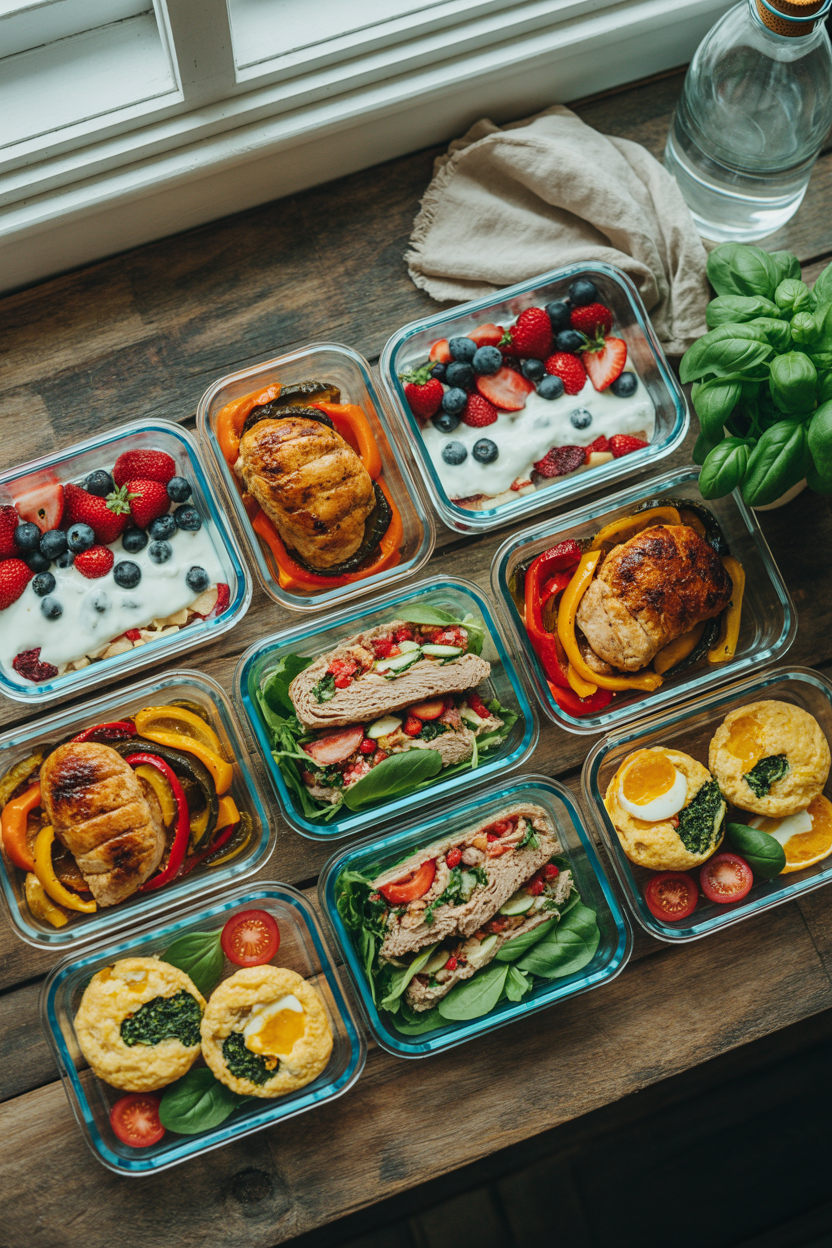
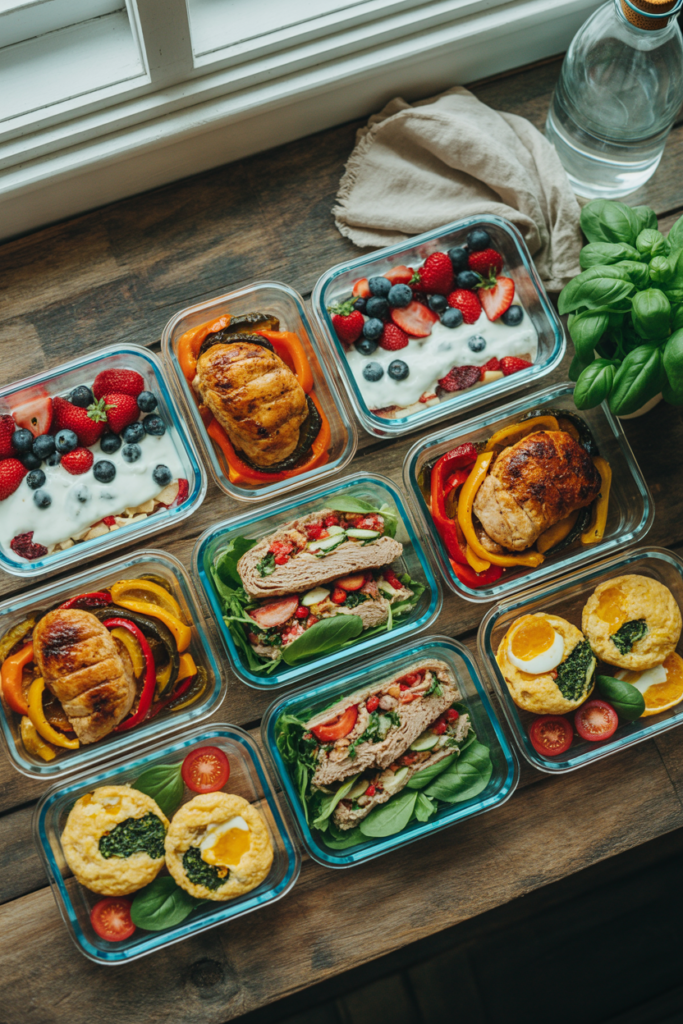
Listen, I’m not going to tell you to spend your entire Sunday cooking because that’s unrealistic for most people. But doing a little prep work makes eating high-protein low-calorie meals way easier during the week.
Start with proteins. Grill or bake several chicken breasts, hard-boil a dozen eggs, and portion out some Greek yogurt into individual containers. These become the building blocks for quick meals. When your protein is already cooked and ready, you’re way less likely to order pizza because you’re tired.
Pre-chop vegetables. Not all of them, because some go bad quickly, but peppers, onions, and carrots hold up well in the fridge for 4-5 days. Store them in airtight containers with a paper towel to absorb moisture.
Batch cook one thing. Pick one recipe—maybe that turkey chili or lentil soup—and make a huge batch. Portion it out, freeze half, and you’ve got backup meals that don’t involve staring into your fridge wondering what miracle you can create from random ingredients.
IMO, meal prep doesn’t need to be Instagram-perfect with matching containers and color-coded schedules. It just needs to make your life easier and keep you from eating garbage when you’re hungry and tired.
Common Mistakes Beginners Make
The biggest mistake I see people make? Going too extreme too fast. They drop their calories to nothing, eat only chicken and broccoli, and wonder why they’re miserable and giving up by week three.
Mistake one: Not eating enough. Yes, you need a calorie deficit to lose weight, but if you drop too low, your body fights back. You get hungry, cranky, and your workouts suffer. Aim for a moderate deficit of 300-500 calories below your maintenance level. This keeps weight loss steady without making you want to quit.
Mistake two: Ignoring hunger cues. Protein helps with satiety, but if you’re genuinely hungry, eat something. A small protein-rich snack won’t derail your progress. Ignoring hunger usually leads to binge eating later, which definitely will derail things.
Mistake three: Making everything bland. Food doesn’t need to be boring to be healthy. Herbs, spices, hot sauce, lemon juice, garlic, ginger—all of these add huge flavor for basically zero calories. Your meals should taste good, or you won’t stick with this long enough to see results.
For more guidance on avoiding pitfalls, check out weight loss tips for beginners or read about common calorie-counting mistakes that trip people up early on.
You Might Also Like
Looking for more ideas to keep your meal plan interesting? Here are some recipes that work perfectly with this high-protein approach:
More Protein-Packed Meals:
- 30-Minute High-Protein Dinners
- Meal Prep Bowls for Weight Loss
Quick Breakfast Options:
- Make-Ahead Egg Muffin Recipes
- Protein Pancake Variations
Snack Ideas:
- Low-Calorie High-Protein Snacks
- Healthy Grab-and-Go Options
The Bottom Line on High-Protein Eating
Here’s what nobody tells you about weight loss: it’s not about perfection. It’s about finding meals you actually enjoy eating that happen to support your goals. These 15 high-protein low-calorie meal ideas give you a solid foundation, but you’ll probably end up tweaking them based on what you like.
Some days you’ll nail your protein target and feel like a nutrition superhero. Other days you’ll order takeout and call it a rest day. Both are fine. Weight loss happens over weeks and months, not individual meals.
The goal is progress, not perfection. Start with one or two of these meals that sound good to you. Get comfortable making them. Then add another one. Before you know it, you’ll have a rotation of go-to meals that keep you full, taste good, and don’t require an advanced degree in nutrition to figure out.
You’ve got this. And if all else fails, there’s always Greek yogurt and hard-boiled eggs. They’re boring, but they work.
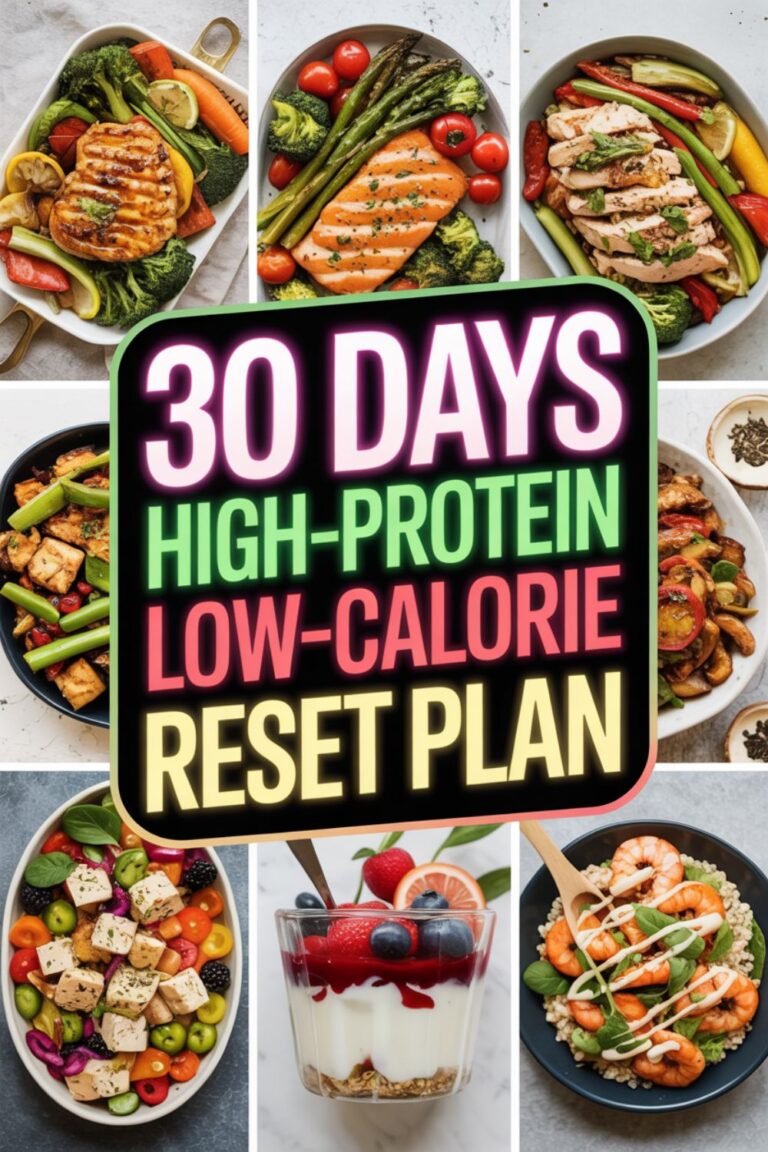
30-Day High-Protein
Low-Calorie Meal Plan
Every breakfast, lunch, dinner & snack — all 30 days fully mapped out. Just follow the plan.
- ✓50+ complete recipes with ingredients & step-by-step instructions
- ✓4-week day-by-day plans — every meal for all 30 days
- ✓4 weekly shopping lists organised by store section
- ✓Printable habit & progress tracker — 30 full days
- ✓100g+ protein per day — scientifically optimised macros
Instant PDF · Print at home
Results guaranteed with consistency