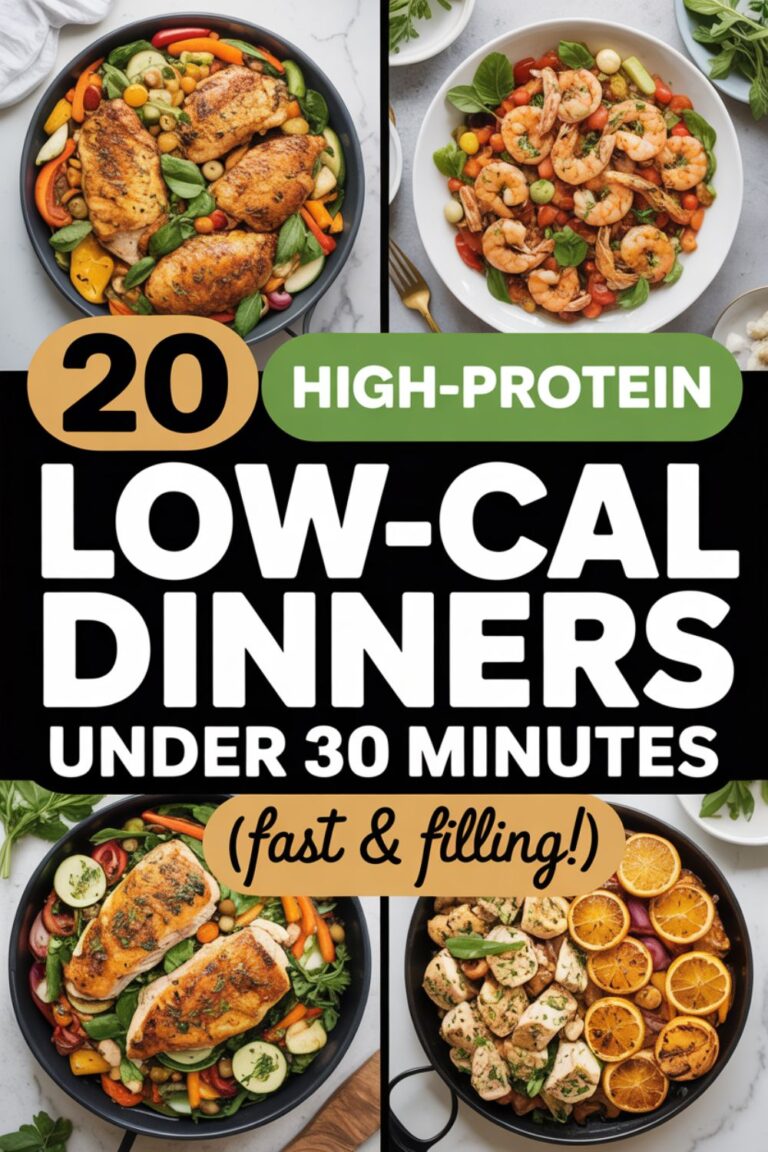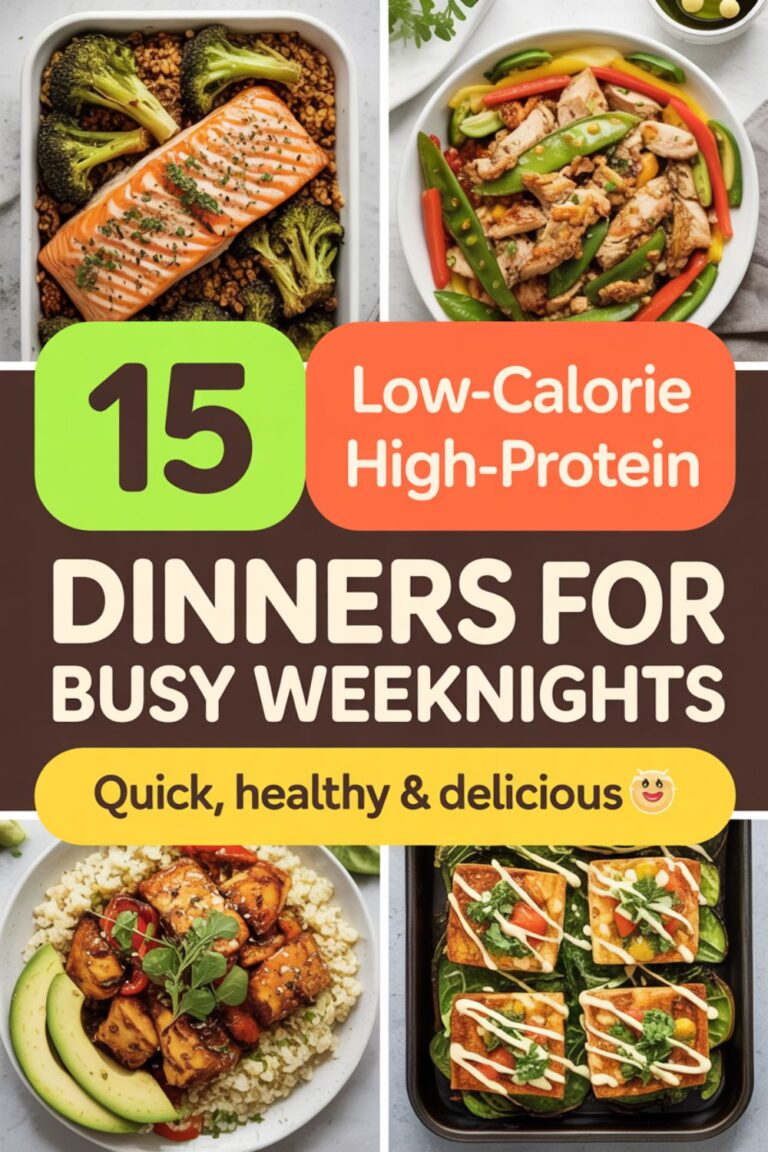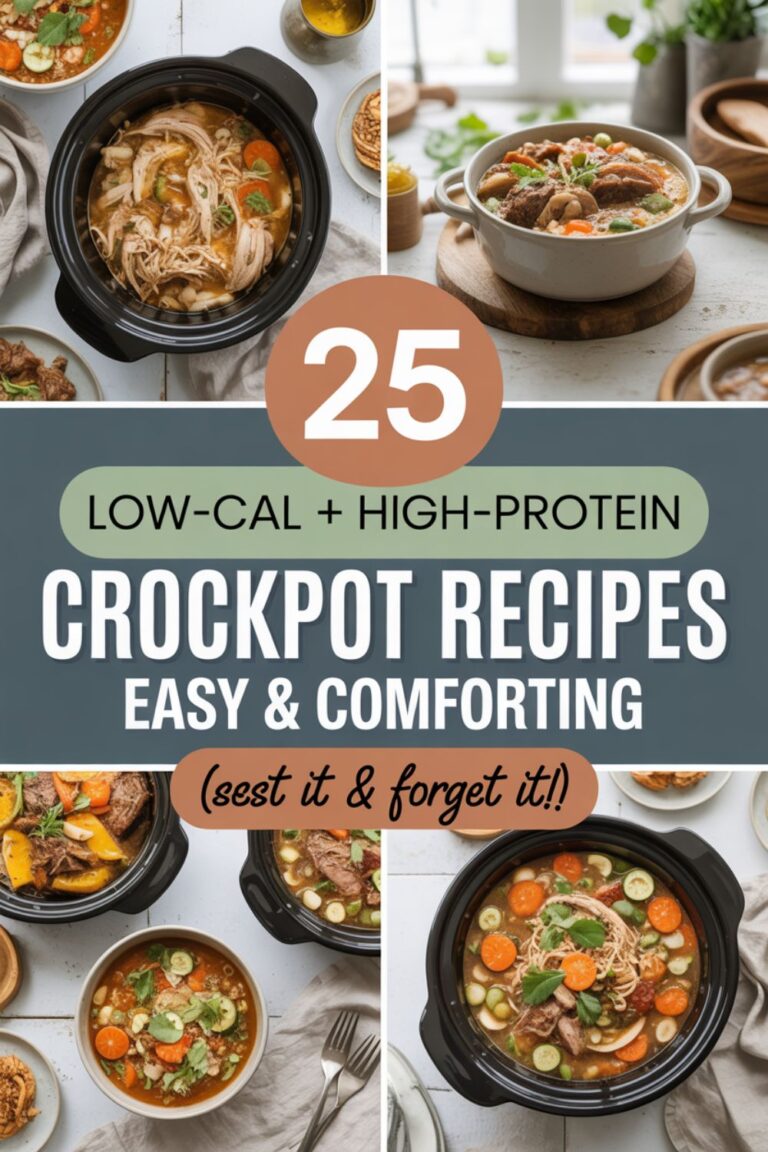
20 Low-Calorie High-Protein Recipes for Muscle Recovery
You crushed that workout. Your muscles are screaming, you’re exhausted, and now you’re standing in front of your fridge wondering what the hell to eat that’ll actually help you recover without undoing all that hard work. Protein shakes are fine, but drinking your meals gets old fast. And chicken breast? Again? There’s got to be a better way.
I’ve been there—wolfing down dry chicken and plain rice because I thought that’s what serious training required. Turns out, muscle recovery meals can actually taste good and keep your calories in check. Whether you’re lifting heavy, running long distances, or just trying to bounce back from a brutal HIIT session, these 20 recipes pack enough protein to help your muscles repair while keeping the calorie count reasonable.
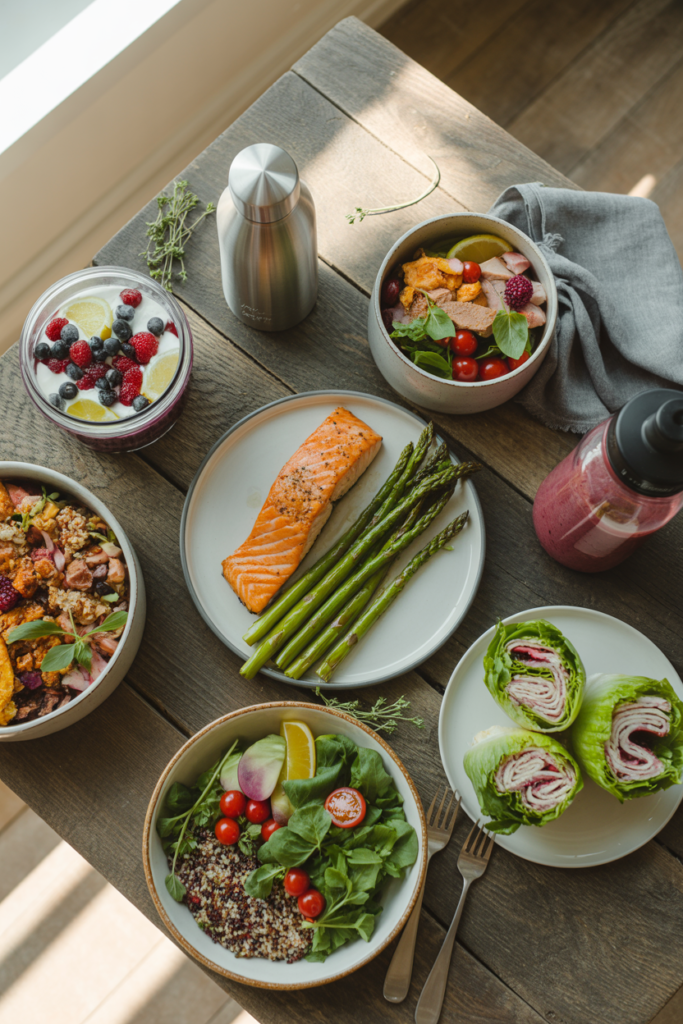
Why Protein Timing Actually Matters for Recovery
Let’s get real about something: the whole “anabolic window” thing? It’s not quite the emergency situation the supplement industry wants you to believe. Research shows that consuming protein after exercise helps reduce strength decrements and supports recovery from 24 to 72 hours following intense training, but you don’t need to chug a shake the second you finish your last rep.
That said, protein does matter. A lot. When you exercise, especially resistance training, you create tiny tears in your muscle fibers. Your body needs amino acids from protein to repair those tears and build them back stronger. Without adequate protein, you’re basically working out for nothing.
Here’s what the science actually tells us: consuming protein every 3 hours during the recovery period appears to optimize muscle protein synthesis rates. So instead of obsessing over that mythical 30-minute window, think about spacing your protein intake throughout the day. Easier to manage, less stressful, and it works just as well.
The sweet spot for most active people? Aim for 20-30 grams of protein per meal, three to four times a day. This keeps your amino acid levels elevated and gives your muscles the building blocks they need without overwhelming your digestive system or your calorie budget.
How Much Protein Do You Really Need for Recovery?
This depends on what you’re doing in the gym. If you’re lifting heavy and trying to build muscle, you need more than someone who’s just staying active. According to research published in the Journal of the International Society of Sports Nutrition, athletes and serious gym-goers should target 1.6 to 2.2 grams of protein per kilogram of body weight daily to maximize recovery and muscle growth.
For a 150-pound person, that works out to roughly 110-150 grams of protein per day. Sounds like a lot? It’s actually pretty manageable when you break it down across your meals and snacks. Each of these recipes contributes a solid chunk toward that goal without forcing you to eat a whole rotisserie chicken by yourself.
The calorie part matters too. You need enough energy to fuel recovery, but if you’re eating surplus calories, you’ll gain fat along with muscle. These recipes aim for that sweet spot: high protein, moderate calories, and enough flavor that you’ll actually want to eat them repeatedly.
Quick Post-Workout Recovery Meals
1. Cottage Cheese and Berry Bowl
Cottage cheese is criminally underrated for post-workout recovery. One cup of low-fat cottage cheese delivers about 28 grams of protein for roughly 160 calories, and it’s mostly casein protein, which digests slowly and keeps feeding your muscles for hours.
Top it with mixed berries—I usually do strawberries, blueberries, and raspberries—and a sprinkle of sliced almonds. The berries provide antioxidants that help reduce inflammation, and the almonds add a bit of healthy fat and crunch. Takes literally two minutes to throw together.
I keep those individual cottage cheese containers in my fridge for exactly this purpose. Grab one, dump berries on top, and you’re done. No cooking, no prep, just protein and recovery in a bowl.
2. Greek Yogurt Protein Parfait
Plain Greek yogurt is another recovery powerhouse. A cup gives you 20 grams of protein for about 100 calories if you go with the nonfat variety. Layer it with granola and fresh fruit, and you’ve got yourself a legitimate post-workout meal that doesn’t taste like punishment.
I make mine with unsweetened Greek yogurt, a quarter cup of granola (watch the portions—granola sneaks in calories fast), and whatever fruit I have around. Banana slices work great, as do peaches or mango. Drizzle with a tiny bit of honey if you need the sweetness.
The carbs from the fruit and granola help replenish glycogen stores, which is especially important if you just finished a high-intensity workout. Your muscles need that glycogen topped off to recover properly and perform well next time.
Speaking of recovery meals, you might want to check out post-workout smoothie bowls or high-protein breakfast ideas for more quick options that hit these same macros.
3. Tuna and Avocado Lettuce Wraps
Canned tuna is probably the most cost-effective protein source on the planet. A five-ounce can has about 30 grams of protein for around 120 calories. Mix it with mashed avocado instead of mayo—you get healthy fats, creamier texture, and way fewer empty calories.
Add some diced celery, red onion, and a squeeze of lime. Spoon it into butter lettuce leaves or romaine hearts. If you’re extra hungry, eat it with whole grain crackers on the side for some extra carbs.
I keep a manual can opener in my gym bag because I’m that person who sometimes eats this in the parking lot. Zero shame. Recovery doesn’t wait, and this meal delivers exactly what your muscles need without requiring a kitchen.
4. Egg White Scramble with Vegetables
Four egg whites give you about 14 grams of protein for only 68 calories. Throw in a whole egg for an extra 6 grams of protein and some healthy fats, and you’ve got the base for an excellent recovery meal.
Scramble them with spinach, mushrooms, tomatoes, and bell peppers. I cook mine in a nonstick skillet with cooking spray because I’m not wasting calories on cooking oil when I could use those calories for actual food. Season with garlic powder, black pepper, and maybe some hot sauce.
Add a slice of whole wheat toast or a small serving of sweet potato on the side for carbs. Your body needs those carbs post-workout to shuttle amino acids into your muscles and kickstart the recovery process.
Protein-Packed Lean Meat Dishes
5. Grilled Chicken Breast with Roasted Vegetables
Yes, chicken breast again. But hear me out—when you season it properly and don’t cook it into shoe leather, it’s actually really good. Four ounces of grilled chicken breast has 26 grams of protein for about 120 calories.
I marinate mine in lemon juice, olive oil (just a tablespoon for the whole batch), garlic, and herbs. Let it sit for at least 30 minutes, then grill it until it hits 165°F internal temp. Use a meat thermometer so you stop guessing and ruining perfectly good chicken.
Roast vegetables on a sheet pan while the chicken cooks. Brussels sprouts, asparagus, and bell peppers work great. The fiber from the vegetables helps with satiety and digestion, plus you get a ton of micronutrients your body needs for recovery. Get Full Recipe for my exact marinade ratios that make chicken not suck.
6. Turkey and Quinoa Power Bowl
Ground turkey is leaner than ground beef and cooks faster. Four ounces of 93% lean ground turkey packs 22 grams of protein for about 170 calories. Brown it in a pan with cumin, chili powder, garlic, and a bit of smoked paprika.
Serve it over quinoa—a half cup of cooked quinoa adds another 4 grams of protein plus all nine essential amino acids. Top with black beans, diced tomatoes, a dollop of plain Greek yogurt (instead of sour cream), and some fresh cilantro.
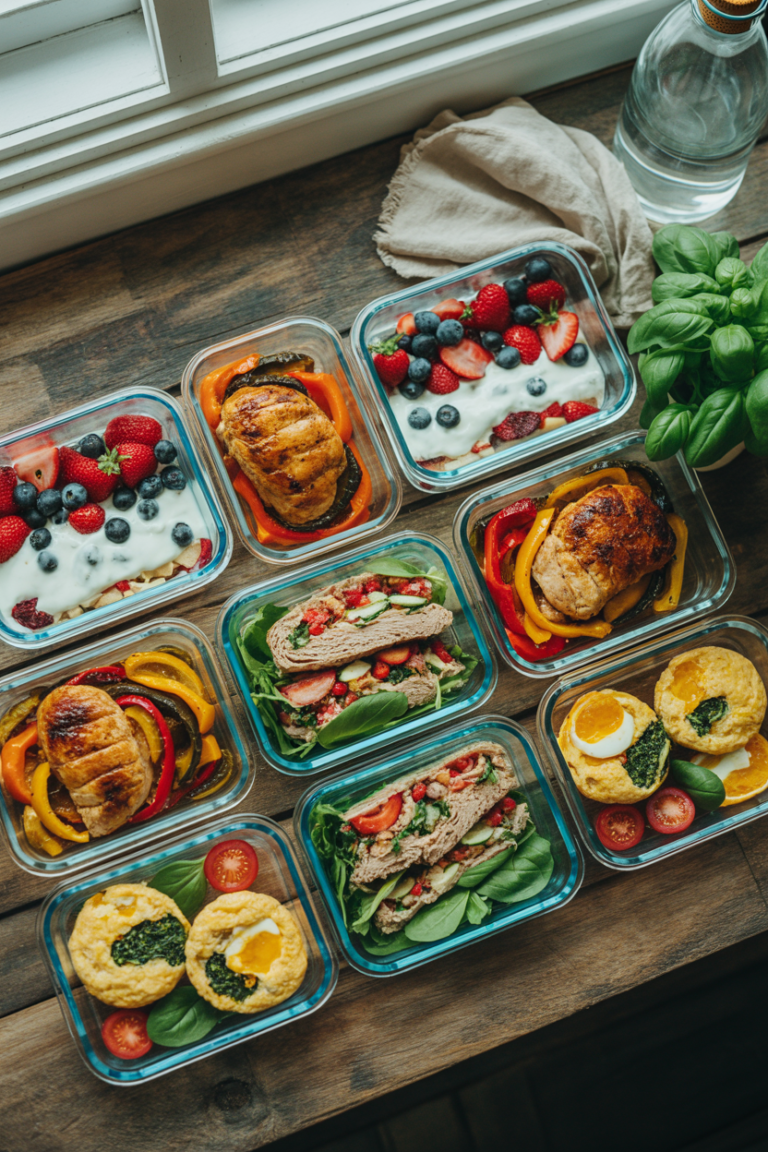
This bowl hits around 35-40 grams of protein total and gives you a solid mix of carbs and protein for optimal recovery. I meal prep these in glass containers on Sunday and eat them throughout the week. They reheat perfectly and taste even better the next day.
7. Lean Beef Stir-Fry
Beef gets a bad rap in the low-calorie world, but lean cuts like sirloin or round steak work great for recovery meals. Four ounces of lean beef has about 28 grams of protein for around 180 calories, plus it’s loaded with iron and zinc—both crucial for recovery and immune function.
Slice it thin against the grain, stir-fry it in a wok or large skillet with a spray of oil, and throw in whatever vegetables you have. I usually do snap peas, bell peppers, broccoli, and onions. Season with soy sauce, garlic, ginger, and a tiny bit of sesame oil for flavor.
Serve over cauliflower rice to keep calories low, or regular rice if you need more carbs. The entire meal comes together in about 15 minutes, which is crucial when you’re starving post-workout and tempted to order pizza.
For more quick dinner solutions, try high-protein sheet pan meals or one-pot muscle recovery dinners that make cleanup just as easy as cooking.
8. Baked Cod with Lemon and Herbs
Fish is stupid easy to cook and incredibly lean. A four-ounce portion of cod has about 20 grams of protein for only 90 calories. Season it with lemon, garlic, dill, and a bit of white wine (the alcohol cooks off, calm down), then bake it at 400°F for about 12-15 minutes.
The fish is done when it flakes easily with a fork. Serve it with roasted asparagus or green beans on the side. The omega-3s in fish help reduce exercise-induced inflammation, which speeds up recovery and reduces muscle soreness.
I use a silicone baking mat on my sheet pan for this. Nothing sticks, cleanup is instant, and you’re not eating little bits of parchment paper that inevitably stick to your food.
High-Protein Plant-Based Recovery Options
9. Lentil and Vegetable Curry
If you think plant-based meals can’t support muscle recovery, lentils would like a word. One cup of cooked lentils has about 18 grams of protein plus tons of fiber. Simmer them with curry powder, turmeric, garlic, ginger, crushed tomatoes, and coconut milk.
Add whatever vegetables you want—I usually throw in cauliflower, chickpeas for extra protein, and spinach. Let it all simmer together for 20-30 minutes. Serve over brown rice or quinoa for complete protein.
The anti-inflammatory properties of turmeric are legit backed by science and can help reduce post-exercise muscle damage. Plus, this freezes beautifully in freezer-safe containers, so make a huge batch and you’ve got recovery meals for weeks.
10. Tofu Scramble with Black Beans
Properly cooked tofu doesn’t taste like sadness, I promise. The secret is pressing out all the water first with a tofu press or just wrapping it in paper towels and sticking something heavy on top for 15 minutes.
Crumble the pressed tofu into a pan, season it with turmeric (for color), nutritional yeast, garlic powder, and black pepper. Add some black beans for extra protein—half a cup adds 8 grams of protein. Throw in spinach, tomatoes, and bell peppers.
Four ounces of firm tofu has about 10 grams of protein, so with the beans and vegetables, this meal easily hits 20+ grams. Serve with a side of whole wheat toast or wrap it in a tortilla for a breakfast burrito situation.
11. Edamame and Quinoa Salad
Edamame is one of those rare plant foods that’s a complete protein. One cup of shelled edamame delivers 17 grams of protein for about 190 calories. Toss it with cooked quinoa, diced cucumbers, cherry tomatoes, red onion, and a simple lemon vinaigrette.
Add some feta cheese if you eat dairy—it bumps up the protein and adds a salty tang that makes the whole thing taste way better. This salad is great cold, which means it’s perfect for meal prep or eating straight from the fridge when you can’t be bothered to heat anything up.
I keep a bag of frozen shelled edamame in my freezer at all times. Five minutes in boiling water and they’re ready to go. Way easier than shelling them yourself, which is tedious as hell.
Recovery Smoothies and Shakes
12. Chocolate Peanut Butter Protein Smoothie
Smoothies get a bad rap when people load them with sugar bombs, but done right, they’re excellent for recovery. Blend one scoop of chocolate protein powder (usually 20-25 grams of protein), one tablespoon of peanut butter powder (PB2 or similar), half a frozen banana, unsweetened almond milk, and ice.
The whole thing comes in under 300 calories and gives you 25-30 grams of protein depending on your powder. The banana provides quick-digesting carbs to replenish glycogen, and the peanut butter powder gives you that creamy, indulgent taste for minimal calories.
I use a high-powered blender that can actually handle ice without sounding like it’s dying. Cheap blenders work too, just thaw your banana a bit first so you don’t burn out the motor.
13. Berry Protein Smoothie Bowl
Same concept as a regular smoothie, but thicker and eaten with a spoon. Blend one scoop vanilla protein powder, frozen mixed berries, half a cup of plain Greek yogurt, and just enough unsweetened almond milk to get it moving. You want it thick enough that it doesn’t slosh around.
Pour it into a bowl and top with sliced almonds, more fresh berries, and maybe a sprinkle of granola. The toppings add texture and make it feel more like an actual meal than just drinking something. Total protein: around 35 grams depending on your exact portions.
This is excellent post-morning workout because it’s refreshing, not too heavy, and you can prep the ingredients the night before in a freezer-safe bag so it’s ready to blend.
14. Green Recovery Smoothie
Don’t let the color scare you off. Blend one scoop vanilla protein powder, a huge handful of spinach, half a frozen banana, a tablespoon of chia seeds, and unsweetened almond milk. The spinach adds vitamins and minerals without any noticeable taste—the banana completely masks it.
Chia seeds add omega-3s and fiber, which help with inflammation and digestion. The whole smoothie comes in around 250 calories with 25-30 grams of protein. If you want it sweeter, add a few drops of stevia or a tiny drizzle of honey.
For more recovery smoothie ideas or post-workout protein shakes, there are endless variations once you nail the base formula of protein powder plus fruit plus liquid.
Quick Snack Options for Between Meals
15. Hard-Boiled Eggs with Mustard
Sometimes the simplest options are the best. Two hard-boiled eggs give you 12 grams of protein for about 140 calories. I make a dozen every Sunday using an egg steamer that does all the work for me. No watching pots, no guessing when they’re done, and the shells practically fall off.
Slice them in half and add a dab of Dijon mustard. Or sprinkle on some everything bagel seasoning for more flavor. Keep them in your fridge for grab-and-go protein when you need a quick boost between meals.
The fat in egg yolks helps with hormone production, which is important for recovery. Don’t fall for the egg white-only trap unless you’re really watching calories. The yolks have most of the nutrients.
16. Protein Energy Balls
Mix together one cup of rolled oats, half a cup of vanilla protein powder, a third cup of peanut butter (or almond butter), two tablespoons of honey, and a quarter cup of dark chocolate chips. Roll into balls and store in the fridge in an airtight container.
Each ball has about 5-6 grams of protein and around 100 calories. They’re perfect for pre or post-workout snacks, and you can customize them with different mix-ins like dried cranberries, coconut flakes, or chopped nuts.
These stay good in the fridge for two weeks, though they never last that long at my house. IMO, they’re way better than store-bought protein bars and cost about a third as much.
17. Turkey Roll-Ups
Take a slice of deli turkey (about 5 grams of protein per slice), spread it with a bit of hummus or laughing cow cheese wedge, add a pickle spear or some cucumber strips, and roll it up. Make four or five of these and you’ve got a snack with 20-25 grams of protein.
Zero cooking required. You can prep these in the morning and keep them in a reusable silicone bag in the fridge at work. Way better than hitting the vending machine at 3 PM when your energy crashes.
The pickle adds crunch and basically zero calories. Plus, the sodium helps with hydration if you’ve been sweating hard during your workout.
Complete Recovery Dinners
18. Shrimp and Vegetable Stir-Fry
Shrimp is one of the fastest-cooking proteins you can buy. Four ounces of shrimp has 24 grams of protein for only 120 calories. Keep a bag of frozen shrimp in your freezer and thaw them under cold running water for five minutes when you’re ready to cook.
Heat up a large skillet or wok, spray with oil, and toss in the shrimp. They cook in literally 3-4 minutes. Add whatever vegetables you have—bell peppers, snap peas, broccoli, onions—and season with garlic, ginger, soy sauce, and a touch of sesame oil.
Serve over cauliflower rice to keep it low-calorie, or regular rice if you crushed a particularly hard workout and need more carbs. Total cook time is under 15 minutes, which is crucial when you’re exhausted and hungry.
19. Baked Chicken Thighs with Sweet Potato
Chicken thighs are dark meat, so they have more fat than breast meat, but they’re also way more flavorful and harder to overcook. Four ounces of skinless chicken thigh has about 22 grams of protein for around 170 calories.
Season with paprika, garlic powder, onion powder, and black pepper. Bake at 425°F for about 25-30 minutes alongside a medium sweet potato. The sweet potato provides complex carbs that digest slowly and keep your energy stable while your muscles repair.
Use a sheet pan for this so everything cooks together and you only have one thing to clean. I’m all about minimizing dishes when I’m tired from training. Get Full Recipe for the exact seasoning blend that makes this taste way better than it should.
20. Salmon and Asparagus
Salmon is basically the king of recovery foods. A four-ounce portion has about 25 grams of protein for roughly 200 calories, plus it’s loaded with omega-3 fatty acids that reduce inflammation and speed up recovery.
Season with lemon, dill, garlic, and a bit of salt and pepper. Bake at 400°F for about 12-15 minutes. Roast asparagus on the same pan—just toss it with a tiny spray of oil and some salt.
The vitamin D in salmon supports immune function and bone health, both important when you’re training hard. I prefer buying salmon fillets with the skin on because it helps hold everything together while cooking and gets crispy if you do it right.
If you’re looking for more complete dinner solutions, check out high-protein sheet pan dinners or 30-minute muscle recovery meals that make weeknight cooking actually manageable.
Meal Prep Strategies That Don’t Suck
FYI, meal prep doesn’t have to mean spending your entire Sunday cooking. Pick two or three recipes from this list and batch cook them. Store in individual portions so you can grab and go throughout the week.
I usually prep a big batch of grilled chicken, a pot of lentil curry, and hard-boil a dozen eggs. That gives me enough variety that I don’t get bored, but I’m not spending four hours in the kitchen either.
Invest in decent meal prep containers with compartments. The three-section ones are perfect because you can keep your protein, carbs, and vegetables separate until you’re ready to eat. They’re microwave-safe, dishwasher-safe, and stack neatly in the fridge.
Label everything with the date you made it. I use reusable labels that stick to the containers and wash off easily. Most cooked proteins last 3-4 days in the fridge, so plan accordingly or freeze half of what you make.
Common Recovery Nutrition Mistakes
The biggest mistake I see? People smash a great workout and then eat like garbage because they think they “earned it.” Your muscles don’t care about your feelings or your workout intensity. They need specific nutrients to repair and grow stronger.
Mistake one: Not eating enough protein. If you’re training hard and only eating 50-60 grams of protein per day, you’re leaving gains on the table. Your body can’t build muscle from nothing. Hit your protein targets consistently.
Mistake two: Ignoring carbs. Low-carb diets are trendy, but carbs refill your glycogen stores and help shuttle amino acids into your muscles. After a hard workout, your body needs those carbs. Don’t fear them.
Mistake three: Eating too late. While protein timing isn’t as critical as once thought, going 6-8 hours without food after training isn’t optimal. Try to eat within 2-3 hours post-workout. Your muscles are primed to use those nutrients.
For more guidance on nutrition timing and recovery, check out muscle building nutrition tips or read about post-workout meal timing strategies that actually work.
You Might Also Like
Looking for more ways to support your training and recovery? Here are some recipes and articles that complement this high-protein approach:
More Recovery Meals:
- 30-Minute Post-Workout Dinners
- High-Protein Meal Prep Bowls
Quick Protein Options:
- Grab-and-Go High-Protein Snacks
- Portable Muscle Recovery Foods
Complete Nutrition Guides:
- Macro Tracking for Beginners
- Building a Muscle Recovery Meal Plan
The Real Deal on Recovery Nutrition
Here’s what nobody tells you: perfect nutrition doesn’t exist. Some days you’ll hit your protein targets and eat balanced recovery meals. Other days you’ll eat cold pizza for breakfast and call it carbs and protein. Both are fine in the big picture.
The goal is consistency over perfection. If you can nail your protein intake and recovery nutrition 80% of the time, you’re doing great. Don’t stress about the other 20%. Your body is remarkably adaptable and forgiving.
These 20 recipes give you a solid foundation of high-protein, low-calorie meals that support muscle recovery without requiring a culinary degree. Pick the ones that sound good to you, make them a few times, and they’ll become part of your regular rotation.
Recovery happens between workouts, not during them. Feed your body right, get enough sleep, and trust the process. Your muscles will thank you by getting stronger, recovering faster, and performing better next time you hit the gym.
30-Day High-Protein
Low-Calorie Meal Plan
Every breakfast, lunch, dinner & snack — all 30 days fully mapped out. Just follow the plan.
- ✓50+ complete recipes with ingredients & step-by-step instructions
- ✓4-week day-by-day plans — every meal for all 30 days
- ✓4 weekly shopping lists organised by store section
- ✓Printable habit & progress tracker — 30 full days
- ✓100g+ protein per day — scientifically optimised macros
Instant PDF · Print at home
Results guaranteed with consistency