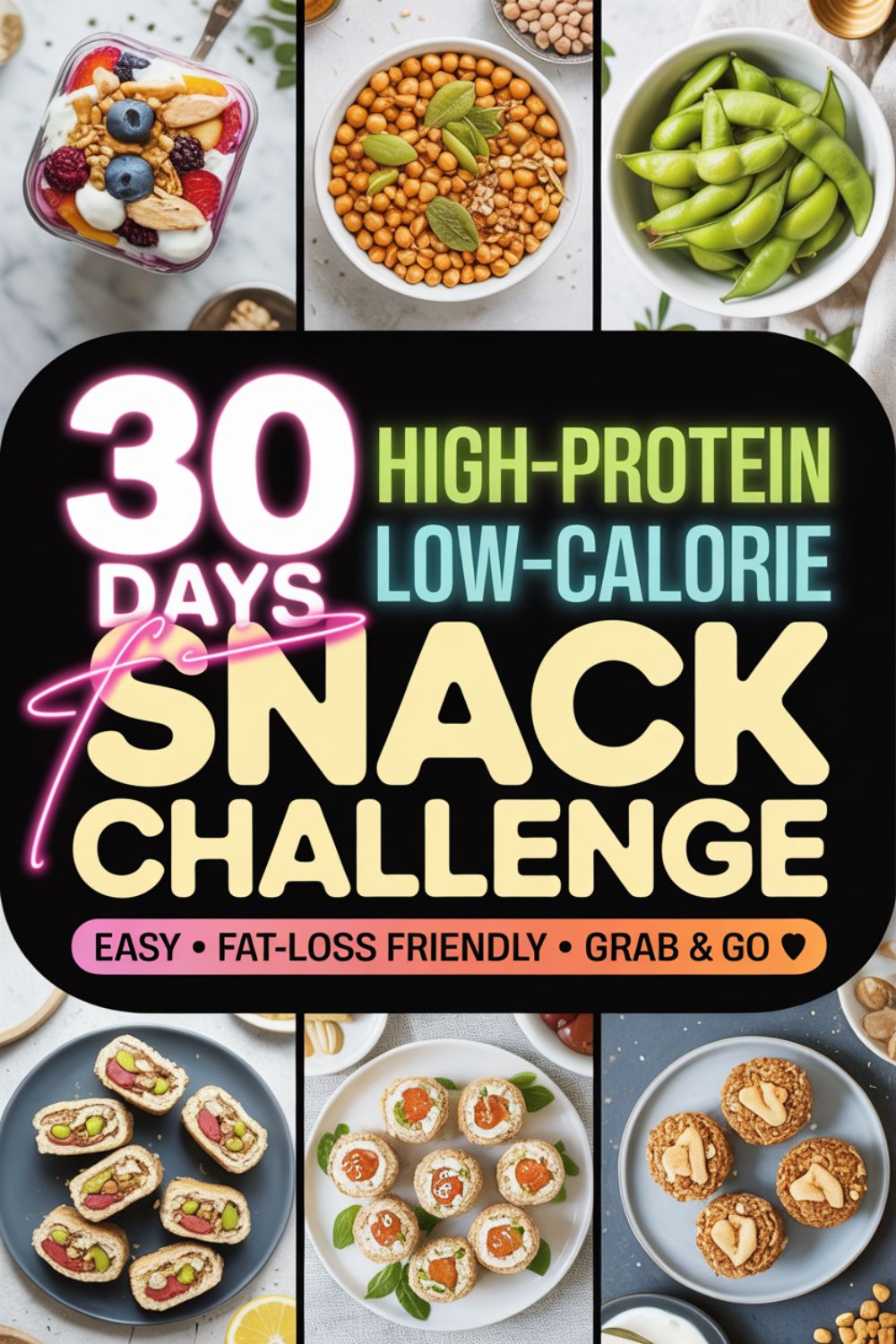
30-Day High-Protein Low-Calorie Snack Challenge
I’ve been down the rabbit hole of terrible snacking habits myself. Chips at my desk, cookies in the car, granola bars that were basically candy in disguise. The cycle was exhausting, and my energy levels were all over the place. Then I discovered something that changed everything: high-protein, low-calorie snacks weren’t just about weight loss—they were about feeling genuinely satisfied between meals.
This 30-day challenge isn’t some rigid meal plan that’ll make you miserable. It’s a flexible framework that teaches you how to choose snacks that work with your body, not against it. And trust me, once you get through these 30 days, you’ll never look at snacking the same way again.
Why Protein Changes Everything When It Comes to Snacking
Here’s the thing about protein that nobody really talks about: it’s not just for bodybuilders chugging shakes at the gym. Research from Harvard Health shows that protein slows down digestion and stabilizes blood sugar, which means you actually feel full for longer. Your body can only process about 20 to 40 grams of protein at a time, so spreading it throughout the day with smart snacks makes way more sense than loading up at dinner.
I used to think calories were the enemy. Turns out, it’s not about eating less—it’s about eating smarter. When you combine high protein with low calories, you’re giving your body exactly what it needs to feel satisfied without the extra baggage. Your hunger hormone ghrelin gets suppressed, while peptide YY (the fullness hormone) increases. Science is pretty cool like that.
The best part? You don’t need to become a nutrition expert to make this work. Once you understand the basics, it becomes second nature.
Pro Tip: Aim for snacks with at least 10-15 grams of protein and under 200 calories. This sweet spot keeps you satisfied without derailing your daily goals.
Setting Up Your 30-Day Challenge for Success
Before you jump into this challenge, let’s talk strategy. I’ve seen too many people fail at dietary changes because they tried to overhaul everything at once. This challenge is different because it’s progressive and realistic.
Week One: The Foundation Phase
Your first week is all about awareness and preparation. Don’t try to be perfect—just start paying attention to what you’re currently snacking on and when. Keep a simple log on your phone. Notice patterns. Are you reaching for snacks out of boredom or actual hunger? This is crucial information.
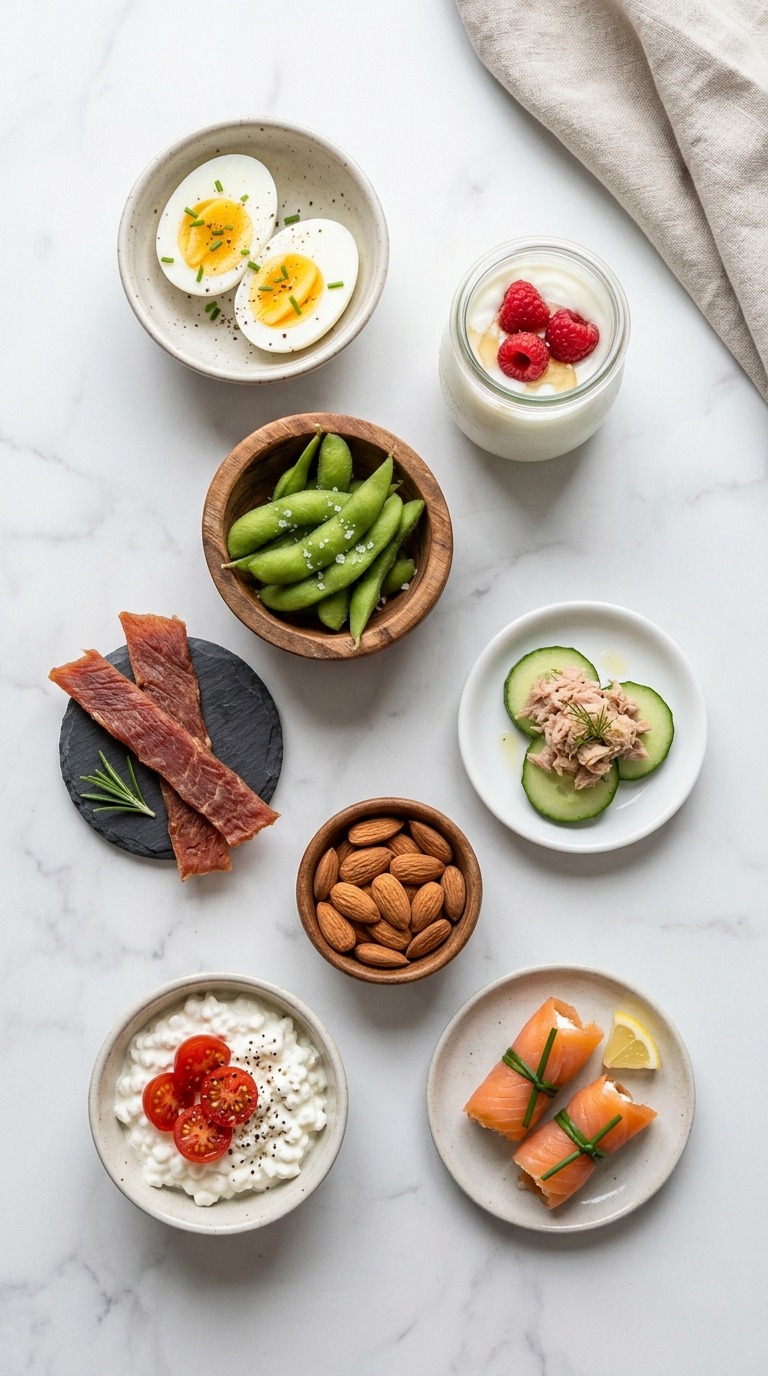
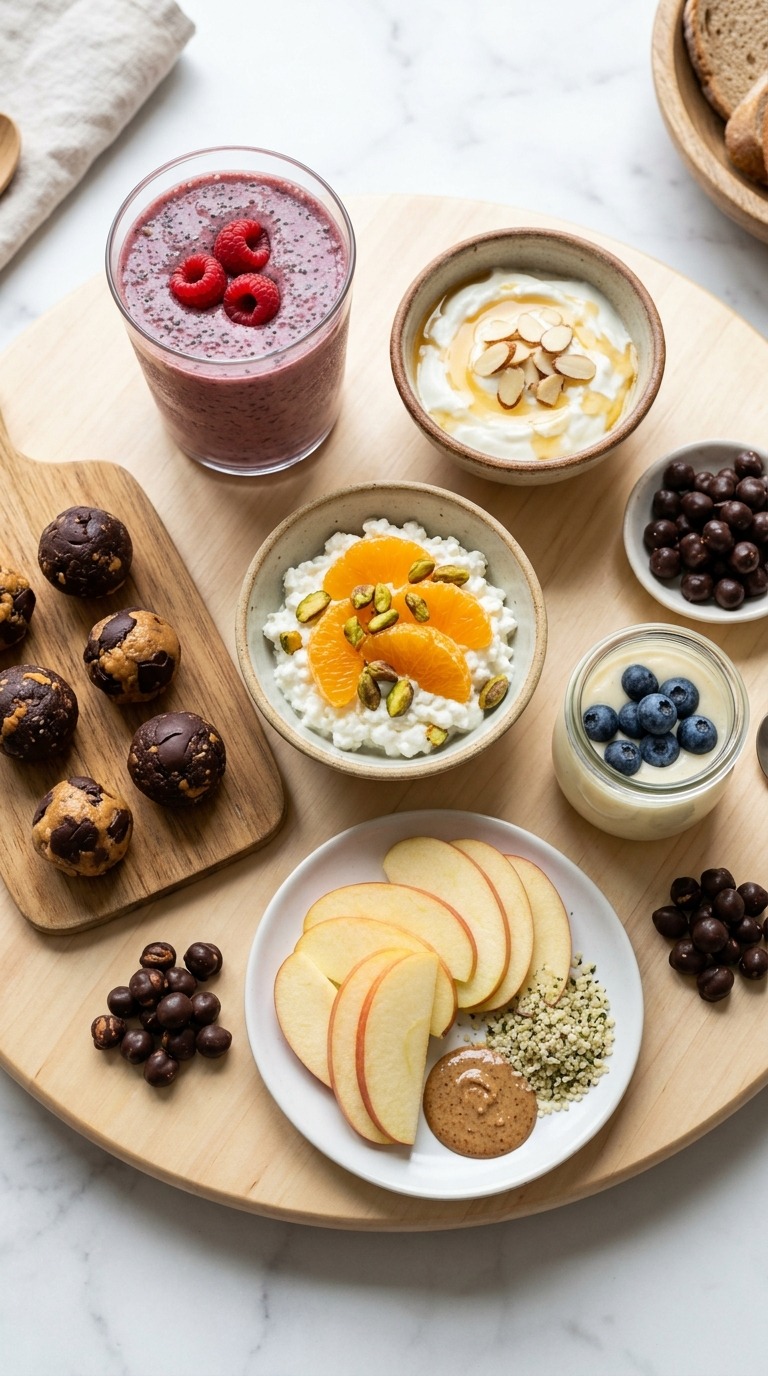
During this week, stock your kitchen with high-protein staples. Greek yogurt becomes your best friend (seriously, get the plain kind and add your own flavors). Hard-boiled eggs are clutch for grab-and-go moments. If you need quick breakfast inspiration to complement your snacking routine, these low-calorie protein-packed breakfasts will set you up for success all day long.
I always prep a batch of this meal prep container set on Sunday nights with portioned snacks. Game changer. You can grab containers, portion out Greek yogurt, prep veggies, and basically eliminate decision fatigue when hunger hits.
Week Two: Building the Habit
Now we’re getting somewhere. Week two is when you actively replace one daily snack with a high-protein option. Just one. Don’t go crazy and try to change everything. Maybe it’s your mid-morning snack or that 3 PM slump situation. Pick the time when you’re most likely to succeed.
My go-to during this phase was cottage cheese with everything bagel seasoning. Sounds weird, tastes amazing, and packs about 14 grams of protein per half cup. You can also check out these high-protein snacks that fuel fat loss for more ideas that actually work.
“I started this challenge thinking I’d be hungry all the time. By week two, I realized I was actually eating less overall because the protein kept me so satisfied. Down 6 pounds and my energy is through the roof!” – Jessica M., tried the challenge in October 2024
Week Three: Expanding Your Options
This is where it gets fun. You’re replacing two snacks per day now, and you should have a solid rotation of options you actually enjoy. Variety matters here—eating the same thing every day is a fast track to giving up.
Try mixing it up with turkey roll-ups, roasted chickpeas (which you can make in this compact air fryer), or protein smoothies. Speaking of which, these metabolism-boosting smoothies are perfect when you want something quick and portable.
I discovered edamame during week three of my first challenge. A cup has 17 grams of protein and only about 190 calories. You can buy these frozen edamame pods and just microwave them with a little sea salt. Takes three minutes, and it’s incredibly satisfying.
Week Four: Full Integration
By week four, high-protein snacking should feel pretty natural. All your snacks are now protein-focused, and you’re probably noticing some serious changes. Better energy, fewer cravings, maybe some weight loss if that was your goal.
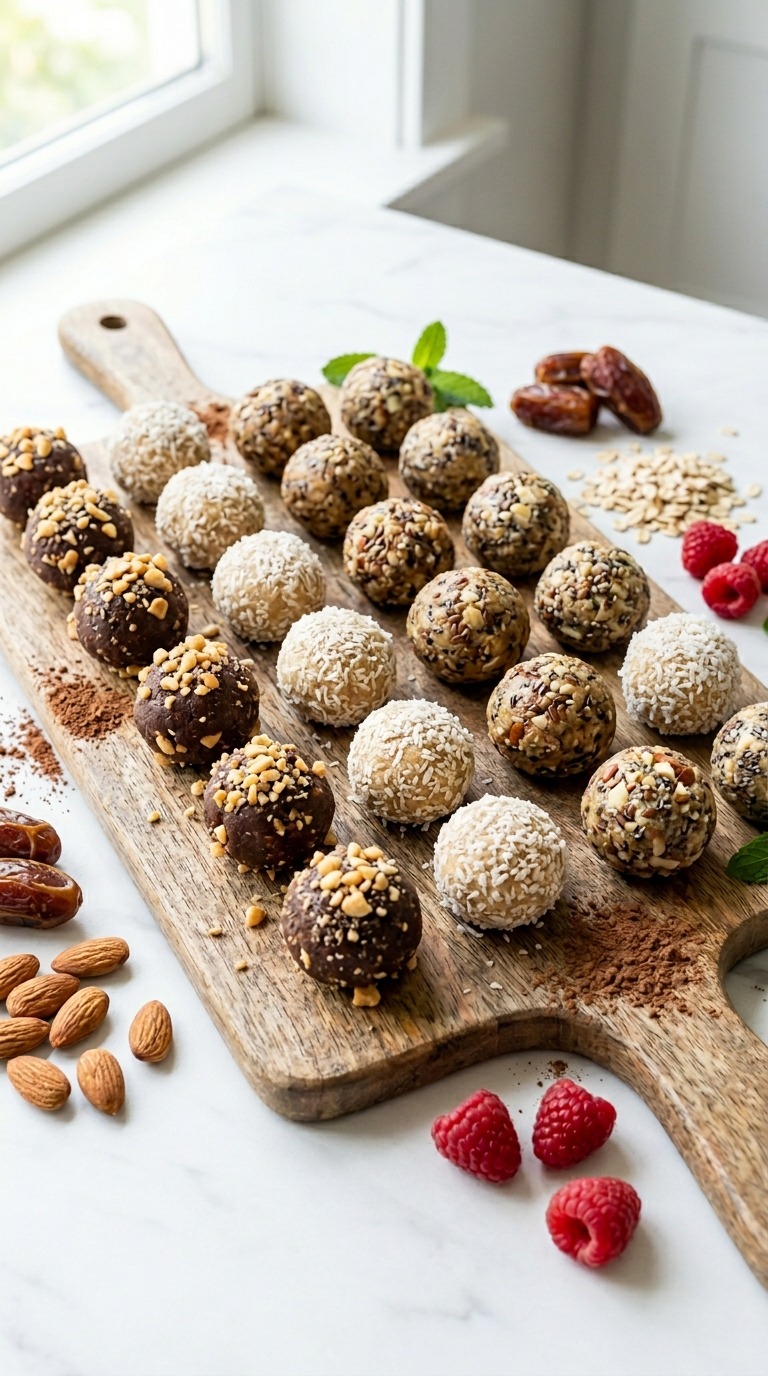
This is also when you can start getting creative. Make your own protein balls, experiment with different nut butters, try making your own beef jerky in a dehydrator. The possibilities are endless once you understand the formula.
For complete meal inspiration that complements your snacking strategy, these meal prep-friendly recipes will keep you on track all month long.
Quick Win: Prep your snacks Sunday night and you’ll thank yourself all week. I use these glass meal prep containers to portion everything out in advance.
The Best High-Protein Low-Calorie Snacks to Rotate
Let’s talk specifics. You need a solid lineup of snacks that you can rotate through without getting bored. Here are my tried-and-true favorites that have stood the test of multiple 30-day challenges.
Greek Yogurt Variations
Plain Greek yogurt is your blank canvas. One cup of nonfat Greek yogurt has about 17 grams of protein and only 100 calories. Mix in cinnamon and a few berries, or go savory with cucumber and dill. I’ve even done it with salsa and it was surprisingly good.
The key is buying plain and adding your own flavors. Those pre-flavored ones are loaded with sugar and kind of defeat the purpose. Get yourself this yogurt container for on-the-go portions.
Hard-Boiled Eggs: The OG Protein Snack
One large hard-boiled egg gives you 6 grams of protein for only 78 calories. They’re portable, cheap, and you can make a dozen at once. I use this egg cooker because I’m lazy and it’s foolproof—perfect eggs every single time.
Try them with everything bagel seasoning, hot sauce, or mashed with a tiny bit of avocado on cucumber slices. The combinations are endless.
Protein-Packed Vegetables
Not all veggies are created equal in the protein department, but edamame and chickpeas are the MVPs. Roasted chickpeas are addictive—toss them with olive oil and your favorite spices, then roast at 400°F for about 30 minutes. They get crispy and satisfying, with 6 grams of protein per half cup.
For more creative ways to work vegetables into high-protein meals, check out these plant-based high-protein meals that prove you don’t need meat to hit your protein goals.
The Nut Butter Strategy
Nut butters are tricky because they’re calorie-dense, but when portioned correctly, they’re perfect. Two tablespoons of almond butter has about 7 grams of protein and 190 calories. Pair it with apple slices or celery sticks, and you’ve got a winner.
I keep these portion-control containers filled with exactly two tablespoons so I don’t accidentally eat half the jar in one sitting. It’s happened. Learn from my mistakes.
Cottage Cheese Creations
If you haven’t given cottage cheese a fair shot recently, you’re missing out. Low-fat cottage cheese has about 12 grams of protein per half cup and only 80 calories. The texture isn’t for everyone, but blending it smooth changes the game completely.
Mix it with tomatoes and basil, or go sweet with cinnamon and a drizzle of honey. You can even use it as a base for dips. Actually, speaking of dips, these muscle recovery recipes include some amazing high-protein dip ideas worth trying.
Looking for more variety in your protein-packed eating? These meal prep bowls and one-pan meals make it easy to stay consistent beyond just snacking.
Kitchen Tools & Meal Prep Essentials That Make This Challenge Easier
Look, you don’t need a ton of fancy equipment to make this work, but a few key items will seriously simplify your life. Here’s what’s actually worth having:
Physical Products:
- Glass Meal Prep Containers (Set of 10) – Perfect for portioning snacks in advance. I use these every single week.
- Digital Food Scale – Takes the guesswork out of portions. Trust me, your eyeball measurements are probably off.
- Mini Blender for Smoothies – Makes single-serve protein smoothies without the hassle of cleaning a giant blender.
Digital Resources:
- MyFitnessPal Premium – Tracking macros becomes incredibly easy with the barcode scanner and recipe calculator.
- High-Protein Snack Recipe eBook Bundle – Over 100 recipes specifically designed for this type of challenge.
- 30-Day Challenge Tracker Printable – Stay accountable with daily check-ins and progress tracking sheets.
None of these are absolutely necessary, but they’ve made my challenge rounds way more manageable. The meal prep containers especially—total game changer for keeping portions in check.
Overcoming the Common Obstacles
Let’s get real for a second. This challenge isn’t always going to be smooth sailing. There will be days when you want to face-plant into a bag of chips, and that’s completely normal. The difference between success and failure often comes down to how you handle these moments.
The Boredom Factor
Eating the same snacks every day gets old fast. Combat this by having at least seven different options in rotation. Think of it like a weekly playlist—you need variety to stay interested. One week might be heavy on Greek yogurt, the next week you’re all about hard-boiled eggs and turkey roll-ups.
When you need to shake things up completely, these kid-friendly snack recipes are actually perfect for adults too. They’re fun, creative, and break up the monotony.
Social Situations and Peer Pressure
Office birthday cake. Happy hour. Family gatherings. These are snacking landmines. My strategy? Don’t be weird about it, but also don’t feel obligated to eat junk just because everyone else is. Bring your own snacks to work, eat before social events so you’re not starving, and remember that one challenge day isn’t worth derailing your progress.
FYI, I’ve found that being casual about it works better than making a big announcement. Just quietly do your thing. Most people won’t even notice.
The Weekend Trap
Weekends are where good intentions go to die. Your routine is different, you’re home more, and the fridge is right there. Plan for this. Prep weekend snacks on Friday night. Have activities that keep you busy. Make sure you’re not just sitting around thinking about food all day.
I schedule my grocery shopping and meal prep for Sunday mornings, which automatically keeps me on track and sets up the following week. These weekly meal prep strategies work perfectly alongside the snack challenge.
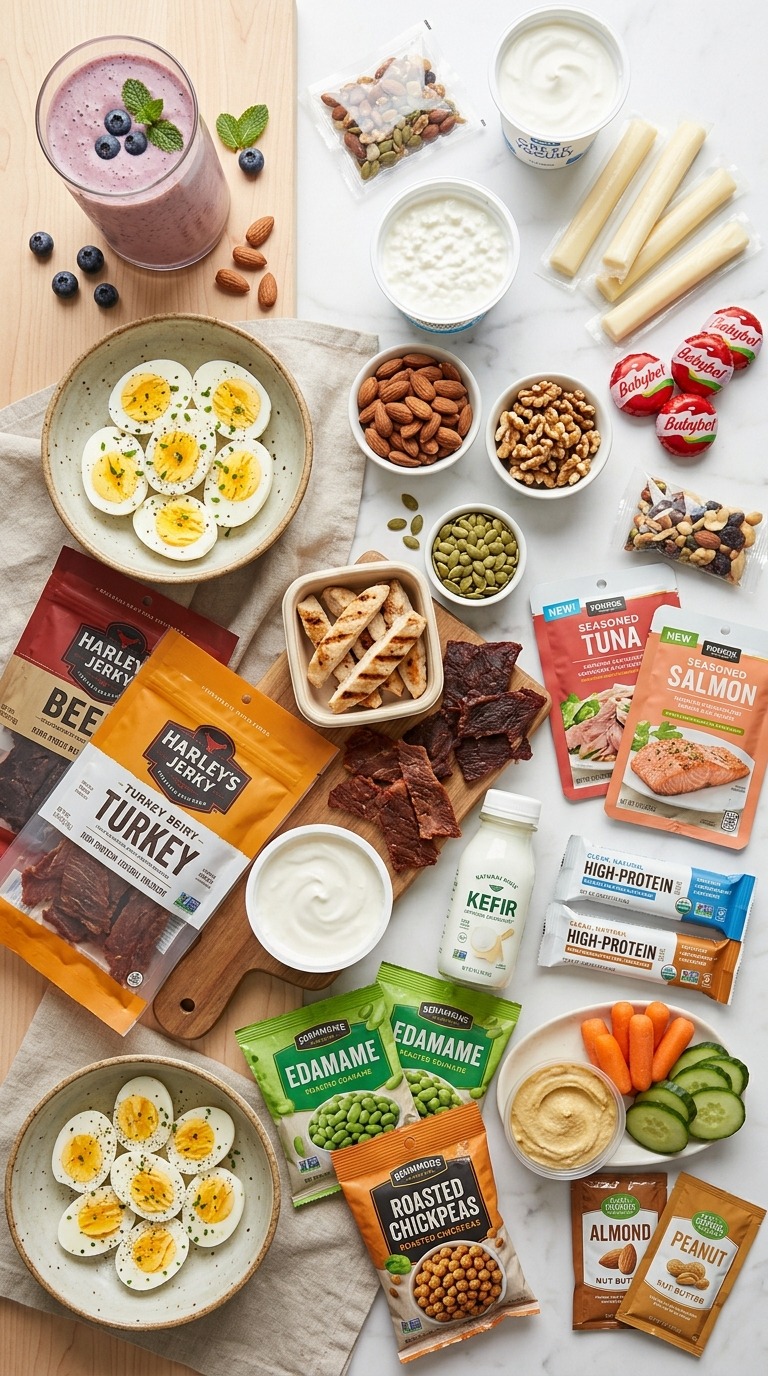
Pro Tip: Keep emergency protein options everywhere—your car, your desk, your gym bag. String cheese, protein bars, or small bags of almonds work perfectly. When hunger strikes unexpectedly, you’ll be prepared.
Dealing with Actual Hunger vs. Cravings
Learning to distinguish between real hunger and boredom/emotional eating is crucial. Real hunger builds gradually and is satisfied by a variety of foods. Cravings hit suddenly and demand specific things (usually carbs or sugar).
When a craving hits, wait 10 minutes and drink water. If you’re still “hungry” after that, have a protein snack. Half the time, the craving passes. The other half, you’ve given your body actual fuel instead of empty calories.
“The hardest part was the first week, not gonna lie. But once I got past that initial adjustment and started seeing results, everything clicked. I’ve now done three rounds of this challenge and my relationship with food has completely changed.” – Marcus T., completed challenge in September 2024
Tracking Your Progress Without Losing Your Mind
You don’t need to obsess over every metric, but some level of tracking helps you stay accountable and see patterns. I’m not talking about weighing yourself daily or counting every single calorie—that’s a recipe for burnout.
Instead, focus on these key markers: How’s your energy? Are you feeling satisfied between meals? What’s happening with your cravings? How are your clothes fitting? These qualitative measures often matter more than the number on the scale.
That said, tracking your protein intake for the first two weeks can be eye-opening. Most people are shocked at how little protein they were actually eating before. Use this macro tracking app to get a clear picture of where you’re at.
The Power of Non-Scale Victories
Weight loss is great if that’s your goal, but it’s not the only measure of success. Better sleep, clearer skin, improved focus, stable energy—these are all valid wins. I noticed my afternoon brain fog completely disappeared after two weeks of consistent protein snacking.
Keep a simple journal (even just notes on your phone) about how you feel each day. Looking back at these entries when you’re tempted to quit can be incredibly motivating.
Making It Stick Beyond 30 Days
Here’s the truth: 30 days is just the beginning. The real magic happens when these habits become automatic. After your first challenge, the goal is to maintain this way of eating without thinking about it constantly.
Most of my snack choices now are protein-based, and I don’t even have to think about it anymore. It took three challenge rounds to get to that point, and that’s okay. Sustainable change doesn’t happen overnight.
For long-term success, consider transitioning into these beginner-friendly meal plans or the full 30-day fat loss challenge that extends beyond just snacking.
Building Your Personal Rotation
By the end of 30 days, you should have identified 10-15 snacks that work for you. These become your core rotation. You know what they are, you know how to prep them, and you actually enjoy eating them. This is your sustainable foundation.
Seasonal variations keep things interesting. Summer might be more about cold snacks like Greek yogurt parfaits and veggie sticks with hummus. Winter might lean toward warm options like roasted chickpeas or protein-rich soups. If you’re looking for complete seasonal meal ideas, these weeknight dinners pair perfectly with your snacking routine.
The Budget-Friendly Approach
High-protein snacking doesn’t have to be expensive. Eggs are cheap. Canned tuna is cheap. Plain Greek yogurt bought in larger containers is way more economical than individual portions. Dried chickpeas that you roast yourself cost pennies compared to store-bought roasted versions.
I spend about $30 per week on all my protein snacks, which actually saves me money compared to the random junk I used to buy. Buy this bulk buying guide to learn how to stock up smartly and save even more.
When you’re ready to expand beyond snacks, these 5-ingredient meals keep things simple and affordable while maintaining that high-protein focus.
Protein Quality Matters More Than You Think
Not all protein sources are created equal. Research shows that animal-based proteins generally contain all essential amino acids, making them complete proteins. Plant-based options often need to be combined to get the full amino acid profile.
This doesn’t mean you can’t do this challenge as a vegetarian or vegan—it just means you need to be a bit more strategic. Combining nuts with whole grains, or beans with rice, creates complete protein profiles. For plant-based folks, these vegan high-protein meals provide excellent guidance.
Understanding Protein Timing
Your body processes protein best in smaller amounts throughout the day rather than one massive intake. This is why the snacking approach works so well. Spreading 100 grams of protein across five smaller eating occasions is more effective than cramming it into two big meals.
IMO, the post-workout window is slightly overrated, but having a protein-rich snack within an hour of exercise does help with recovery. These muscle recovery recipes are specifically designed for that purpose. Get Full Recipe
Frequently Asked Questions
How much protein should I aim for in each snack?
Aim for 10-20 grams of protein per snack, depending on your size and activity level. This range is backed by research showing it’s enough to trigger satiety hormones without overloading your digestive system. If you’re very active or have longer gaps between meals, go for the higher end. Less active folks or those with frequent eating occasions can stick to the lower end.
Can I do this challenge if I’m vegetarian or vegan?
Absolutely! You’ll just need to focus on plant-based protein sources like Greek yogurt (if you eat dairy), edamame, chickpeas, nuts, seeds, and plant-based protein powders. Combine different plant proteins throughout the day to ensure you’re getting all essential amino acids. The challenge works just as well with plant-based options.
What if I mess up a day or eat something off-plan?
Life happens, and one day won’t ruin your progress. Don’t use it as an excuse to give up entirely—that’s the real trap. Just get back on track with your next snack. The challenge is about building sustainable habits, not achieving perfection. I’ve had plenty of off days during my challenges, and they never stopped the overall positive results.
Will eating this much protein damage my kidneys?
For healthy individuals with normal kidney function, higher protein intake is safe and well-studied. The amounts suggested in this challenge are well within recommended ranges. However, if you have pre-existing kidney issues or other health conditions, consult your doctor before making significant dietary changes. Most people can safely consume up to 2 grams per kilogram of body weight without issues.
How quickly will I see results?
Most people notice improved energy and reduced cravings within the first week. Physical changes like weight loss or improved body composition typically become noticeable around week two or three, depending on your starting point and other dietary factors. Remember, this challenge is as much about building sustainable habits as it is about immediate results. The real win is how you feel 30 days from now compared to today.
Your Challenge Starts Now
Look, I’m not going to promise you’ll lose 20 pounds in 30 days or that this will magically solve all your food issues. What I can promise is that if you commit to this challenge, you’ll understand your body’s hunger signals better, you’ll have a toolkit of satisfying snacks that actually work, and you’ll probably feel a whole lot better than you do right now.
The beauty of this challenge is its simplicity. You’re not cutting out entire food groups or following some complicated meal timing protocol. You’re just making smarter choices about what you put in your body between meals. That’s it.
Start with week one tomorrow. Don’t wait for the “perfect” Monday or the first of the month. Just start. Grab some Greek yogurt, hard-boil a dozen eggs, and commit to paying attention to your snacking patterns for seven days. That’s your only assignment.
The transformation that happens over 30 days isn’t just about the numbers on the scale or the protein grams you consume. It’s about reclaiming control over your eating habits and proving to yourself that you can stick with something that makes you feel good. And honestly, that’s worth way more than any quick fix diet could ever offer.
Ready to get started? Your future self is going to thank you for this.