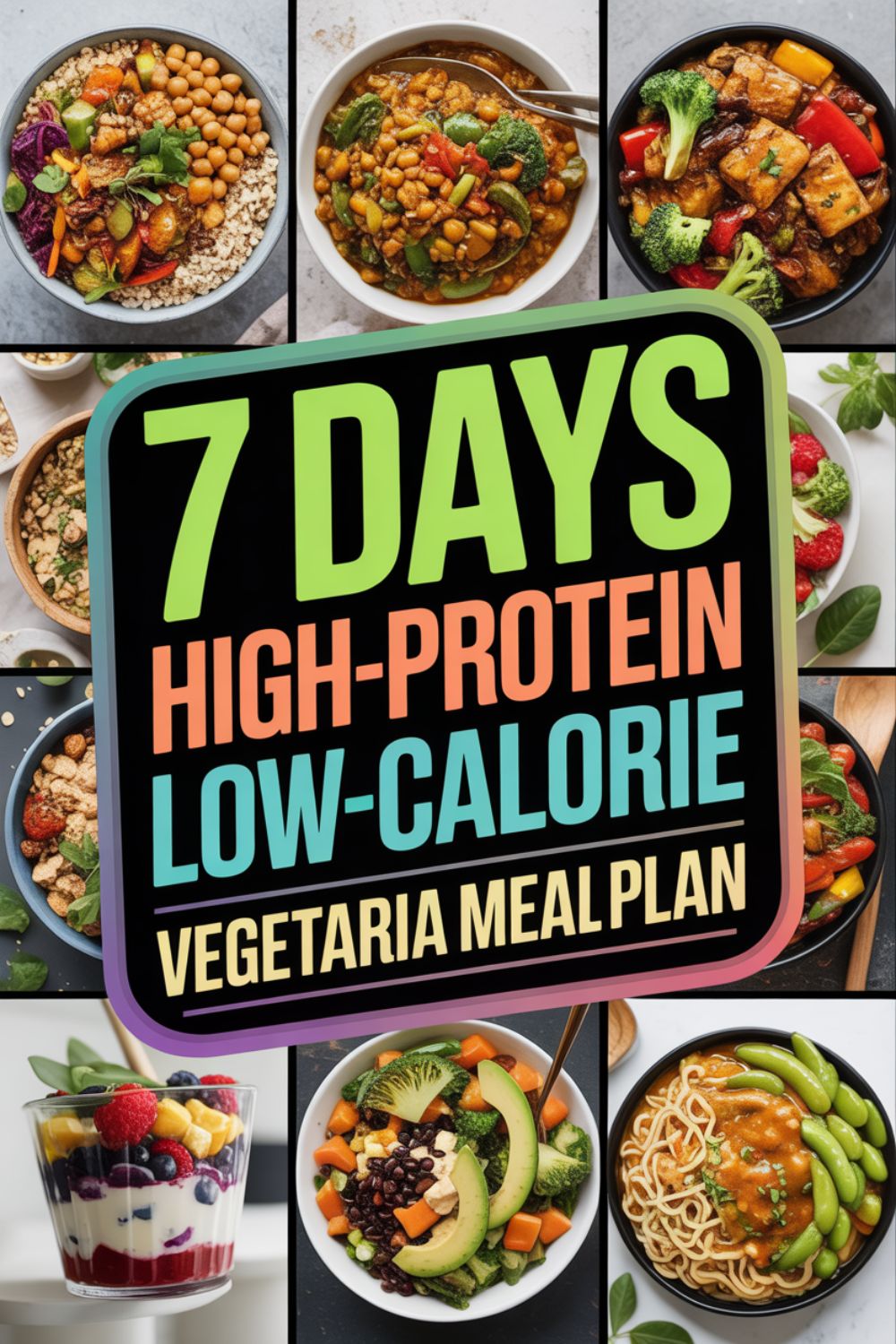
7-Day High-Protein Low-Calorie Vegetarian Meal Plan
Look, I’m not going to sugarcoat this—pulling together a week of high-protein, low-calorie vegetarian meals that actually taste good can feel like trying to solve a Rubik’s cube blindfolded. I’ve been there, staring into my fridge at 6 PM, wondering how many times I can eat chickpeas before I lose my mind.
But here’s the thing: it doesn’t have to be that hard. After years of trial, error, and some truly questionable tofu experiments, I’ve cracked the code on vegetarian eating that’s protein-packed without turning every meal into a calorie bomb. This isn’t about surviving on sad salads or choking down flavorless protein shakes. We’re talking real food that’ll keep you full, support your fitness goals, and won’t bore you to tears by Wednesday.
Whether you’re trying to build muscle, shed a few pounds, or just want to feel less like a carb-loaded zombie by 3 PM, this seven-day plan has your back. No weird supplements required, no spending half your paycheck at Whole Foods, and definitely no pretending that plain steamed broccoli counts as dinner.
Why High-Protein Vegetarian Eating Actually Works
Here’s something that might surprise you: getting enough protein on a vegetarian diet isn’t nearly as hard as the gym bros would have you believe. Research from Harvard Health shows that plant-based protein sources can absolutely meet your nutritional needs when you know what you’re doing.
The secret sauce? Variety. Instead of relying on chicken breast seven nights a week (which, let’s be honest, sounds like a special kind of torture), you’re mixing legumes, whole grains, nuts, seeds, and yes—even vegetables pack more protein than you’d think. One cup of cooked lentils gives you about 18 grams of protein. That’s not shabby at all.
And before you ask—no, you don’t need to combine proteins at every single meal like it’s 1975. According to current nutrition research, as long as you’re eating a varied diet throughout the day, your body’s got this whole amino acid thing figured out.
The Protein Math That Actually Makes Sense
Let’s talk numbers for a sec. Most adults need roughly 0.8 to 1 gram of protein per kilogram of body weight. If you’re active or trying to build muscle, you might want to bump that up to 1.2-1.6 grams per kilogram. For a 150-pound person, that’s anywhere from 55 to 110 grams daily, depending on your goals.
The beautiful thing about this meal plan? You’ll hit those targets without even trying that hard. We’re strategically stacking protein throughout the day so you’re not trying to cram 50 grams into dinner and ending up in a food coma.
Plus, keeping calories in check doesn’t mean you’re eating like a rabbit. We’re aiming for meals that sit comfortably in the 350-500 calorie range, which leaves plenty of room for snacks and the occasional square (or three) of dark chocolate. Balance, people.
What Makes This Plan Different
I’m not going to pretend this is revolutionary. But what it IS is practical. Every recipe in this plan uses ingredients you can actually find at a normal grocery store. No exotic superfoods that cost your monthly rent. No twenty-ingredient smoothies that require a PhD to prepare.
We’re talking beans, lentils, tofu, tempeh, Greek yogurt (if you’re lacto-vegetarian), eggs (if you’re ovo-vegetarian), nuts, seeds, and good old-fashioned vegetables. The stuff that’s been keeping vegetarians thriving for, oh, thousands of years.
If you’re just starting out with high-protein vegetarian eating, you might also want to check out these beginner-friendly meal plans that ease you into the groove without overwhelming your kitchen skills.
Meal Prep Essentials That’ll Change Your Life
Listen, I resisted buying proper meal prep containers for way too long. Plastic tupperware from 1997 just doesn’t cut it when you’re serious about this. I grabbed a set of glass containers last year and honestly, it’s been a game-changer. They don’t get weird and stained, they’re microwave-safe, and I can actually see what’s inside without playing fridge roulette.
Your crusty old blender is not going to cut it for creamy hummus or smooth protein smoothies. Trust me on this. A decent high-speed blender will pulverize chickpeas, blend frozen fruit without sounding like it’s dying, and actually clean up in less than five minutes. Worth every penny.
Real talk: I cook dried beans from scratch now, and I’m not even sorry about being that person. An Instant Pot turns dried chickpeas into tender, ready-to-eat legumes in 35 minutes. No soaking overnight, no babysitting a pot for hours. It’s basically magic for high-protein meal prep.
If you’re the type who gets decision fatigue just thinking about what to eat, grab a digital meal planner template. Having a visual plan stops you from ordering takeout on Wednesday because you “forgot” to prep lunch. Plus, you can reuse it every week.
Sometimes you need more than just a meal plan—you need a whole arsenal of ideas. I keep a vegetarian recipe e-book on my phone for those moments when I’m sick of my own cooking but don’t want to spiral into pizza delivery.
Look, tracking macros isn’t for everyone, but if you’re serious about hitting protein goals, a good tracking app subscription keeps you honest. Most have vegetarian-specific food databases so you’re not manually entering “1/4 cup nutritional yeast” every single time.
Day 1: Starting Strong Without Overthinking It
Breakfast: Protein-Packed Overnight Oats
Forget everything you think you know about overnight oats being sad and mushy. When you do them right, they’re creamy, filling, and legitimately delicious. Mix half a cup of rolled oats with Greek yogurt (or a thick coconut yogurt if you’re vegan), chia seeds, a scoop of protein powder, and some berries. Let it hang out in the fridge overnight.
The protein breakdown here is impressive—you’re looking at around 25-30 grams depending on your yogurt choice, all for about 350 calories. Top it with some raw almonds in the morning for extra crunch and healthy fats.
For more morning inspiration beyond basic oats, these protein-packed breakfast ideas will keep your mornings interesting without adding an hour to your routine.
Lunch: Mediterranean Chickpea Bowl
This is where meal prep really shines. Roasted chickpeas, quinoa, cucumbers, tomatoes, red onion, kalamata olives, and a massive handful of spinach. Drizzle with lemon-tahini dressing and crumble some feta on top if you’re into dairy.
Chickpeas alone give you about 15 grams of protein per cup, quinoa adds another 8 grams, and the tahini brings a few more to the party. You’re sitting pretty at around 30 grams of protein for a lunch that’ll keep you full until dinner without making you want to nap under your desk.
Pro move: Make a triple batch of the tahini dressing and keep it in a squeeze bottle. Game changer for lazy weeknight dinners.
Dinner: Black Bean and Sweet Potato Enchiladas
Yeah, enchiladas can absolutely fit into a low-calorie, high-protein plan. The secret is going heavy on the beans and veggies, light on the cheese (I know, tragic), and using whole wheat tortillas instead of the flour ones that are basically just delicious air.
Black beans are criminally underrated. One cup has about 15 grams of protein and 15 grams of fiber, which means your digestive system will be very happy with you. Add roasted sweet potato, some sautéed peppers and onions, and a homemade enchilada sauce that’s basically just blended tomatoes with spices. Get Full Recipe
Top with a sprinkle of cheese (because we’re not monsters) and some fresh cilantro. You’re looking at about 400 calories per serving with roughly 20 grams of protein.
Day 2: Keeping the Momentum Going
Breakfast: Tofu Scramble That Doesn’t Suck
I used to think tofu scrambles were exclusively for people who’d given up on enjoying breakfast. Then I learned the secret: press your tofu properly, season it like you mean it, and crisp it up in a hot pan.
Crumble firm tofu into a skillet with turmeric (for color), nutritional yeast (for that cheesy vibe), garlic powder, and whatever veggies need using up. Spinach, mushrooms, bell peppers—all fair game. One serving gives you about 20 grams of protein for under 300 calories.
Serve it with a slice of whole grain toast and some avocado, and you’ve got a breakfast that’ll actually keep you satisfied. If you’re skeptical about tofu, start here. It’s a gateway scramble.
Speaking of protein-rich breakfasts, you might also love these breakfast bowl variations or this protein pancake collection for when you’re craving something a little more indulgent.
Lunch: Lentil and Vegetable Soup
Soup for lunch sounds boring until you realize you can make a giant pot on Sunday and basically not think about lunch for four days straight. This isn’t your grandma’s watery vegetable soup—we’re talking thick, hearty, stick-to-your-ribs lentil soup.
Brown or green lentils work best here because they hold their shape. Red lentils turn to mush (which is fine for other things, just not this). Carrots, celery, onions, garlic, tomatoes, and whatever other vegetables are hanging out in your crisper drawer. Season with cumin, smoked paprika, and a bay leaf.
One big bowl has about 18 grams of protein and only 250 calories. Pair it with a piece of whole grain bread, and you’re golden. I like using my Dutch oven for this—it goes from stovetop to oven if you want to finish it off with a crispy top layer.
Dinner: Tempeh Stir-Fry with Brown Rice
Tempeh is tofu’s cooler, nuttier cousin. It’s fermented, which means it’s got probiotics, and it has a firmer texture that actually gets crispy when you cook it right. Cut it into cubes, marinate it in soy sauce, rice vinegar, garlic, and ginger for at least 30 minutes (longer if you can).
Stir-fry it with broccoli, snap peas, carrots, and bell peppers. Serve over brown rice. The whole plate clocks in around 420 calories with about 25 grams of protein. Plus, stir-fries are basically a “use whatever’s in your fridge” situation, so you can’t really mess it up.
FYI, the quality of your soy sauce matters more than you’d think. Get the good stuff—it makes a noticeable difference in flavor.
Day 3: Halfway Through and Still Crushing It
Breakfast: Greek Yogurt Parfait with Nuts and Seeds
This is my go-to when I’m running late but still want something substantial. Layer Greek yogurt with berries, a drizzle of honey, chia seeds, hemp hearts, and some chopped walnuts. Takes literally three minutes to throw together.
Greek yogurt is a protein powerhouse—one cup has about 20 grams. Add the nuts and seeds, and you’re closer to 25-28 grams. The whole thing sits around 350 calories, and the fat from the nuts keeps you full way longer than you’d expect.
I keep individual portions of mixed nuts and seeds in small containers so I’m not measuring anything out at 7 AM. Future you will appreciate present you for that one.
Lunch: Quinoa and Black Bean Salad
Cold salads that actually fill you up are criminally underrated. This one’s got quinoa, black beans, corn, diced bell peppers, red onion, cilantro, and a lime-cumin vinaigrette that’s so good you’ll want to drink it (don’t, but I get it).
Between the quinoa and black beans, you’re getting about 20 grams of protein per serving. Add some diced avocado on top for healthy fats, and you’ve got lunch that travels well, tastes great cold, and doesn’t require reheating in that sketchy office microwave.
For more salad inspiration that won’t leave you hungry an hour later, check out these high-protein salad recipes.
Dinner: Stuffed Bell Peppers with Quinoa and Chickpeas
Stuffed peppers are one of those dishes that look way more impressive than the effort required. Cut bell peppers in half, scoop out the seeds, fill them with a mixture of cooked quinoa, chickpeas, diced tomatoes, onions, and Italian seasoning. Top with a little mozzarella if you want.
Bake them until the peppers are tender and the tops are golden. Each serving gives you about 18 grams of protein for roughly 380 calories. Get Full Recipe
Make extra filling and use it as a burrito bowl base later in the week. Versatility is the name of the game here.
These stuffed peppers pair perfectly with other high-protein comfort foods. If you’re looking for more cozy dinner ideas, these comfort food recipes hit the spot without derailing your goals.
Day 4: Finding Your Groove
Breakfast: Peanut Butter Protein Smoothie
Smoothies get a bad rap because people turn them into 800-calorie milkshakes disguised as health food. This one’s different. Blend banana, spinach (you won’t taste it, I promise), natural peanut butter, protein powder, unsweetened almond milk, and a handful of ice.
You’re getting about 30 grams of protein for around 320 calories. The peanut butter adds healthy fats and makes it actually taste like a treat. Drink it slowly—chugging smoothies is a one-way ticket to Hungry Town by 10 AM.
IMO, natural peanut butter (the kind where the oil separates on top) tastes way better than the super-processed stuff. Store it upside down in the fridge—the oil redistributes evenly that way.
Lunch: White Bean and Kale Soup
Another soup, because soup is brilliant and I will not apologize for it. This one’s got white beans, kale, carrots, celery, garlic, and vegetable broth. Season with thyme, rosemary, and a squeeze of lemon at the end.
White beans are sneakily high in protein—about 17 grams per cup. The kale adds iron and makes you feel like you have your life together. Total calories per bowl: around 280. Add a slice of crusty bread if you’re extra hungry.
I make this in my slow cooker on low for 6 hours, and it’s ready when I get home. Zero effort, maximum reward.
Dinner: Baked Falafel with Tahini Sauce
Traditional deep-fried falafel is delicious but also a calorie bomb. Baked falafel gives you all the flavor without the oil bath. Blend chickpeas, fresh herbs, onion, garlic, and spices. Form into patties, brush with a tiny bit of olive oil, and bake until crispy.
Serve in whole wheat pita with lettuce, tomatoes, cucumber, and a generous drizzle of tahini sauce. Each serving has about 22 grams of protein for roughly 420 calories. Get Full Recipe
The tahini sauce recipe is stupid simple: tahini, lemon juice, garlic, water to thin it out, salt. That’s it. Keep a jar in the fridge—it makes everything better.
Day 5: The Home Stretch
Breakfast: Veggie-Loaded Egg Muffins
If you eat eggs, these are absurdly convenient. Whisk eggs with milk, salt, and pepper. Pour into a muffin tin filled with sautéed vegetables—spinach, mushrooms, tomatoes, onions, whatever. Bake at 350°F for about 20 minutes.
Make a dozen on Sunday, grab two for breakfast, and you’re done. Two muffins have about 14 grams of protein for only 180 calories, so you can pair them with whole grain toast and avocado without blowing your calorie budget.
They reheat in 30 seconds in the microwave, which is clutch on mornings when you’re running late. Store them in one of those silicone muffin pans—they pop right out without any greasing required.
Lunch: Edamame and Vegetable Fried Rice
Fried rice is typically a vehicle for leftover takeout, but this version is intentionally healthy. Use day-old brown rice (fresh rice gets mushy), frozen edamame, peas, carrots, scrambled egg or scrambled tofu, soy sauce, and sesame oil.
Edamame is a complete protein, which is rare for plant-based sources. One cup has about 17 grams of protein. Combined with the rice and egg, you’re looking at around 25 grams of protein for 380 calories.
The key to good fried rice is a screaming hot pan and not overcrowding it. Cook in batches if you have to. Your patience will be rewarded with actual fried rice instead of steamed rice with soy sauce.
For more quick lunch ideas that won’t leave you meal-prepping all weekend, these easy lunch recipes are lifesavers.
Dinner: Lentil Bolognese with Zucchini Noodles
Pasta doesn’t have to be off-limits, but spiralized zucchini keeps this dinner lighter while still being satisfying. Make a Bolognese sauce with brown lentils instead of ground meat—you won’t even miss it.
Sauté onions, carrots, celery, and garlic. Add cooked lentils, crushed tomatoes, tomato paste, red wine (optional but recommended), and Italian herbs. Let it simmer until thick and rich. Serve over zucchini noodles or regular whole wheat pasta if you prefer.
One serving has about 20 grams of protein for around 340 calories with zucchini noodles, or 450 if you use regular pasta. Either way, it’s a solid dinner that tastes like the real deal. Get Full Recipe
I use a spiralizer for the zucchini noodles—it’s way faster than trying to julienne them by hand, and you don’t risk losing a finger in the process.
Day 6: Almost There
Breakfast: Chia Pudding with Berries and Almonds
Chia seeds are tiny but mighty. Mix them with your milk of choice (I like unsweetened almond milk), a bit of maple syrup or honey, and vanilla extract. Let it sit overnight—the seeds absorb the liquid and turn into a pudding-like texture.
Top with fresh berries and sliced almonds in the morning. Three tablespoons of chia seeds have about 6 grams of protein, plus omega-3s and fiber. Add some vanilla protein powder to the mix to bump it up to around 20 grams total.
The texture is admittedly weird if you’re not used to it, but give it a few tries. It grows on you, kind of like how cilantro tastes like soap until one day it doesn’t.
Lunch: Spicy Peanut Tofu Bowl
This is the kind of lunch that makes your coworkers jealous. Press and cube extra-firm tofu, toss it with cornstarch, and bake until crispy. Toss it in a peanut sauce made from peanut butter, soy sauce, rice vinegar, sriracha, and a touch of maple syrup.
Serve over brown rice with steamed broccoli, shredded carrots, and edamame. The whole bowl has about 28 grams of protein for roughly 450 calories. It’s filling, flavorful, and way better than whatever sad sandwich you were considering.
The peanut sauce is ridiculously versatile—use it on noodles, as a salad dressing, or as a dip for spring rolls. Make a double batch and keep it in the fridge.
Dinner: Chickpea and Spinach Curry
Curry is one of those dishes that sounds fancy but is actually incredibly simple. Sauté onions, garlic, and ginger. Add curry powder, cumin, turmeric, and coriander. Stir in chickpeas, diced tomatoes, coconut milk, and a big handful of spinach.
Let it simmer until everything’s melded together and your kitchen smells amazing. Serve over brown rice or with naan bread. One serving has about 18 grams of protein for around 400 calories. Get Full Recipe
I keep a jar of curry powder and a tube of ginger paste on hand specifically for this recipe. Saves time and tastes just as good as fresh ginger unless you’re a total purist.
Day 7: Finishing Strong
Breakfast: Whole Grain Waffles with Almond Butter and Banana
You made it to day seven. Celebrate with waffles. Use a whole grain or protein waffle mix, top with almond butter, sliced banana, and a drizzle of honey. If you want to get fancy, add some chia seeds or hemp hearts on top.
Two waffles with toppings clock in around 380 calories with about 18 grams of protein. Pair with a protein-rich side like Greek yogurt if you need more to hit your target.
A good Belgian waffle maker is one of those kitchen gadgets you don’t think you need until you have one, and then you use it every weekend. Just saying.
Lunch: Three-Bean Chili
Chili is the ultimate high-protein vegetarian meal. Black beans, kidney beans, pinto beans, diced tomatoes, tomato sauce, onions, peppers, garlic, chili powder, cumin, and a touch of cocoa powder for depth.
Let it simmer for at least an hour if you can—the longer it cooks, the better it tastes. One big bowl has about 20 grams of protein for only 320 calories. Top with a dollop of Greek yogurt, shredded cheese, and green onions.
Chili freezes beautifully, so make a huge pot and portion it out for future lazy dinners. This is the kind of recipe that’s actually better the next day after the flavors have had time to hang out.
If you’re loving these one-pot wonders, check out these crockpot recipes for even more set-it-and-forget-it meal options.
Dinner: Portobello Mushroom Steaks with Quinoa Pilaf
Here’s the thing about portobello mushrooms: when you marinate and grill them right, they have this meaty, umami-rich quality that’s genuinely satisfying. Marinate them in balsamic vinegar, olive oil, garlic, and rosemary for at least 30 minutes.
Grill or roast them until tender. Serve with a quinoa pilaf made with vegetable broth, diced carrots, peas, and almonds. The mushrooms have about 5 grams of protein, but the quinoa pilaf brings it up to around 18 grams total for the plate. Add a side of roasted asparagus for about 400 calories total.
This is the kind of dinner you can serve to non-vegetarians without anyone complaining that “something’s missing.” The mushrooms are that good.
Making This Plan Work for Your Life
Look, meal plans are great in theory, but life happens. You’ll have days when you’re too tired to cook, days when you eat out, days when you just want cereal for dinner. That’s fine. The goal here isn’t perfection—it’s having a solid framework that makes high-protein vegetarian eating easier most of the time.
Feel free to swap meals around based on what you’re craving. Breakfast for dinner? Go for it. Eating the same lunch four days in a row because you made a massive batch? Also fine. The structure is here to help you, not stress you out.
If you find yourself struggling with variety after following this plan for a few weeks, these meal prep-friendly recipes offer tons of rotation options to keep things interesting.
Batch Cooking Strategies That Actually Save Time
The secret to sticking with this long-term? Batch cooking. I know it sounds like one of those things organized people on Pinterest do, but trust me, it’s worth it.
Every Sunday, I cook:
- A big pot of quinoa or brown rice (stores in the fridge for five days)
- 2-3 cups of dried beans or lentils (way cheaper than canned)
- Roasted vegetables—whatever’s on sale (sheet pan in the oven, easy)
- A batch of overnight oats or chia pudding for grab-and-go breakfasts
- One big soup or chili that I’ll eat for lunches all week
This takes maybe two hours on a Sunday afternoon, usually while I’m catching up on podcasts or watching something mindless. Then during the week, “cooking” is just assembling components into different combinations.
Monday’s roasted chickpeas, quinoa, and veggies become a bowl. Wednesday, they become a wrap. Friday, they go into a soup. Same ingredients, different meals, zero extra effort.
Protein Powder: Do You Actually Need It?
Probably not, but it can make life easier. If you’re consistently hitting 80-100 grams of protein daily from whole foods, you’re good. Protein powder is just a convenience tool, not a requirement.
That said, a scoop of protein powder in your morning smoothie or oats can bump up your protein intake by 20-25 grams without much effort. I keep a plant-based protein powder around for those mornings when I need breakfast in under five minutes.
Look for ones with minimal ingredients and no weird artificial sweeteners. If you can’t pronounce half the ingredients, skip it.
What About Snacks?
Snacks are where a lot of people accidentally blow their calorie budget. The meals in this plan are designed to keep you satisfied, but if you need something between meals, reach for protein-rich options:
- Greek yogurt with berries
- A handful of almonds or cashews
- Hummus with vegetables
- Hard-boiled eggs (if you eat them)
- Edamame with sea salt
- String cheese (if you do dairy)
- Apple slices with peanut butter
For more structured snack ideas that won’t derail your progress, these high-protein snacks are specifically designed to keep you full between meals.
Aim for 150-200 calories per snack with at least 5-10 grams of protein. That’ll tide you over without turning your snack into a fourth meal.
Common Mistakes (And How to Avoid Them)
Mistake #1: Not Eating Enough Calories
In the quest to keep calories low, some people swing too far in the other direction and end up starving themselves. Bad idea. Your body needs fuel, especially if you’re active.
Most women need at least 1,500-1,800 calories daily, and men need 1,800-2,200, depending on activity level. Don’t go below that unless you’re working with a doctor or dietitian. You’ll just end up miserable, binge-eating, and giving up on the whole thing.
Mistake #2: Relying Too Heavily on Processed Meat Alternatives
Veggie burgers and fake chicken nuggets have their place, but they shouldn’t be the foundation of your diet. Many are packed with sodium, preservatives, and fillers. They’re fine occasionally, but lean toward whole food protein sources most of the time.
Beans, lentils, tofu, tempeh, nuts, seeds, whole grains—these should be your go-to proteins, not stuff from a box that’s trying to taste like something it’s not.
Mistake #3: Forgetting About Iron and B12
Vegetarians need to pay attention to iron and vitamin B12. Iron from plant sources (non-heme iron) isn’t absorbed as easily as iron from meat, so eat iron-rich foods with vitamin C to boost absorption. Think lentil soup with a side of bell peppers, or spinach salad with strawberries.
B12 is only naturally found in animal products, so if you’re fully plant-based, you’ll need fortified foods or a supplement. No getting around it—this is one area where you can’t wing it.
Mistake #4: Not Planning Ahead
The number one reason people fall off any eating plan? Lack of preparation. When you’re hungry and there’s nothing ready to eat, you’ll order pizza. Every time.
Spend an hour or two on Sunday prepping, and you’ll thank yourself all week. It’s not about being perfect or having Instagram-worthy meal prep containers. It’s about making healthy eating the path of least resistance.
Your Questions, Answered
Can I really build muscle on a vegetarian diet?
Absolutely. As long as you’re getting enough total protein (around 1.6-2.2 grams per kilogram of body weight for muscle building) and eating in a slight calorie surplus, your muscles don’t care whether the protein came from chicken or chickpeas. Focus on progressive overload in your training and consistent protein intake throughout the day.
What if I don’t like tofu or tempeh?
No problem—there are plenty of other protein sources. Stick with beans, lentils, chickpeas, quinoa, Greek yogurt, eggs (if you eat them), nuts, and seeds. You can absolutely hit your protein goals without touching soy products. The key is variety and eating protein at every meal.
How do I know if I’m getting enough protein?
Track your food for a few days using an app like MyFitnessPal or Cronometer. It’ll give you a clear picture of whether you’re hitting your targets. After a while, you’ll develop an intuitive sense of what a high-protein day looks like without needing to track constantly.
Can I follow this plan if I’m vegan?
Yes, with minor modifications. Swap Greek yogurt for a high-protein plant-based yogurt (look for ones with at least 15 grams of protein per serving), skip the eggs or use tofu scrambles instead, and replace any cheese with nutritional yeast or cashew-based alternatives. The structure of the plan works perfectly for vegans.
Will I lose weight on this plan?
It depends on your total calorie needs and activity level. This plan provides roughly 1,500-1,800 calories per day depending on portion sizes, which creates a deficit for most people. Combine it with regular exercise and you’ll likely see steady, sustainable weight loss. But remember, the scale isn’t everything—focus on how you feel and how your clothes fit.
The Bottom Line
High-protein vegetarian eating doesn’t have to be complicated, boring, or expensive. With a little planning and some basic cooking skills, you can absolutely hit your protein targets while keeping calories in check.
This seven-day plan is just a starting point. Use it as a template, swap things around based on your preferences, and don’t stress if you need to repeat meals or skip days. The best meal plan is the one you’ll actually stick with, not the one that looks perfect on paper but makes you miserable in real life.
Start with what feels manageable. Maybe that’s just batch cooking on Sundays. Maybe it’s trying one new recipe per week. Maybe it’s simply being more intentional about including a protein source at every meal. Whatever it is, small consistent changes beat massive overhauls that last three days before you give up.
You’ve got this. Now go make yourself something delicious.
30-Day High-Protein
Low-Calorie Meal Plan
Every breakfast, lunch, dinner & snack — all 30 days fully mapped out. Just follow the plan.
- ✓50+ complete recipes with ingredients & step-by-step instructions
- ✓4-week day-by-day plans — every meal for all 30 days
- ✓4 weekly shopping lists organised by store section
- ✓Printable habit & progress tracker — 30 full days
- ✓100g+ protein per day — scientifically optimised macros
Instant PDF · Print at home
Results guaranteed with consistency
Similar Posts
15 High-Protein Low-Calorie Meal Ideas for Weight Loss Beginners
15 High-Protein Low-Calorie Meal Ideas for Weight Loss Beginners So you’ve decided to get serious about weight loss, and someone—probably your annoyingly fit friend or that health-focused coworker—told you that protein is the magic word. They’re not wrong. But here’s the thing nobody mentions: figuring out what to actually eat when you’re starting out feels…
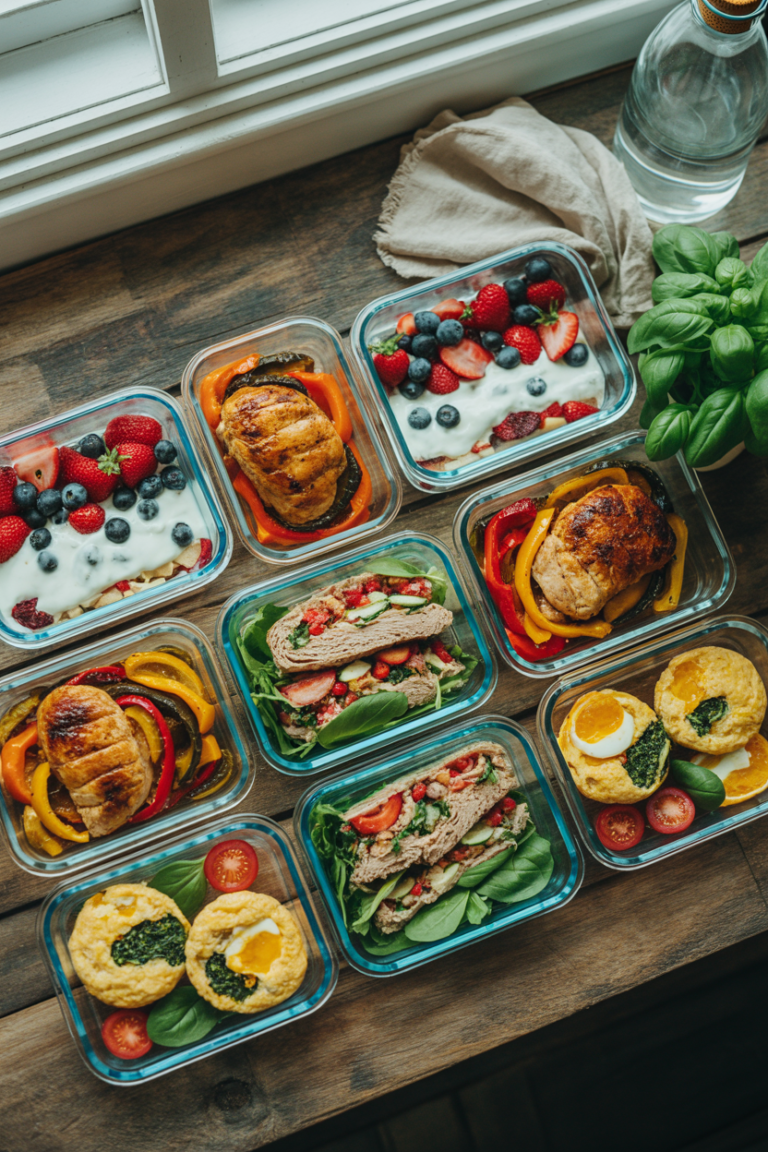
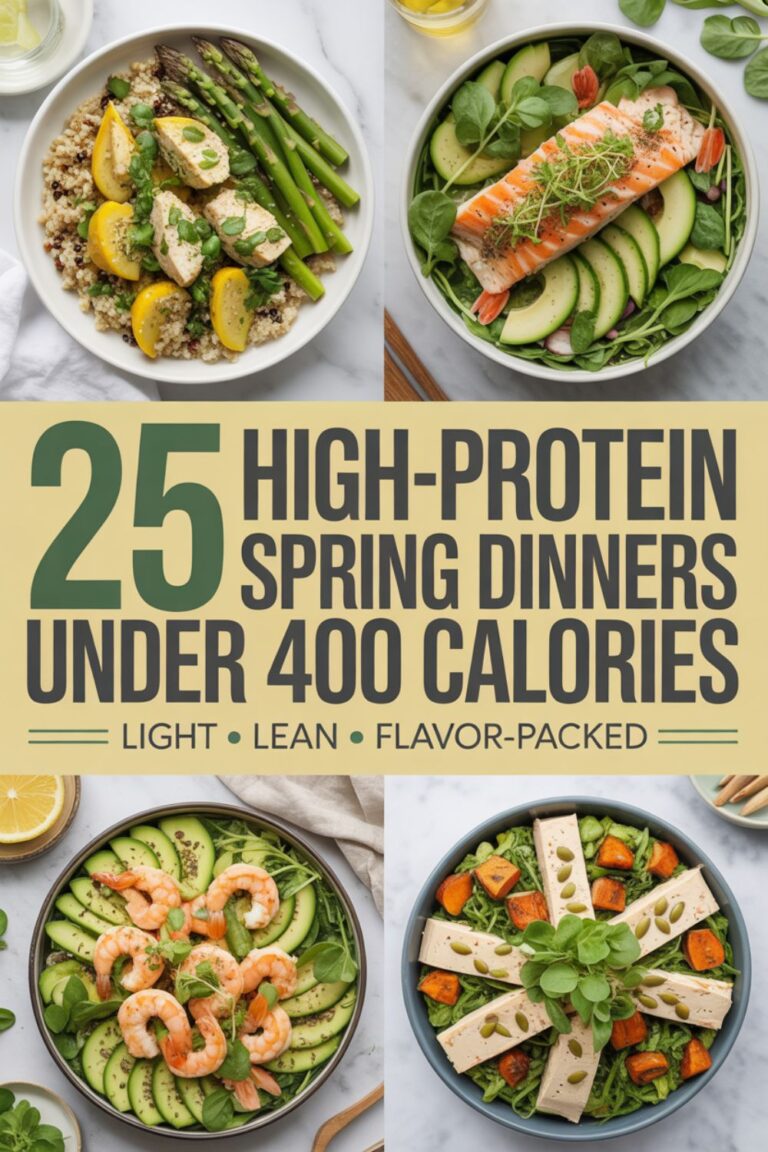
25 High-Protein Spring Dinners Under 400 Calories
25 High-Protein Spring Dinners Under 400 Calories | FullTaste Co FullTaste Co — Real Food, Real Results Spring Dinner Series 25 High-Protein Spring Dinners Under 400 Calories Fresh flavors, serious protein, and a calorie count that actually makes sense. These are the spring dinners your meal plan has been missing. 25 Recipes Under 400 Calories…
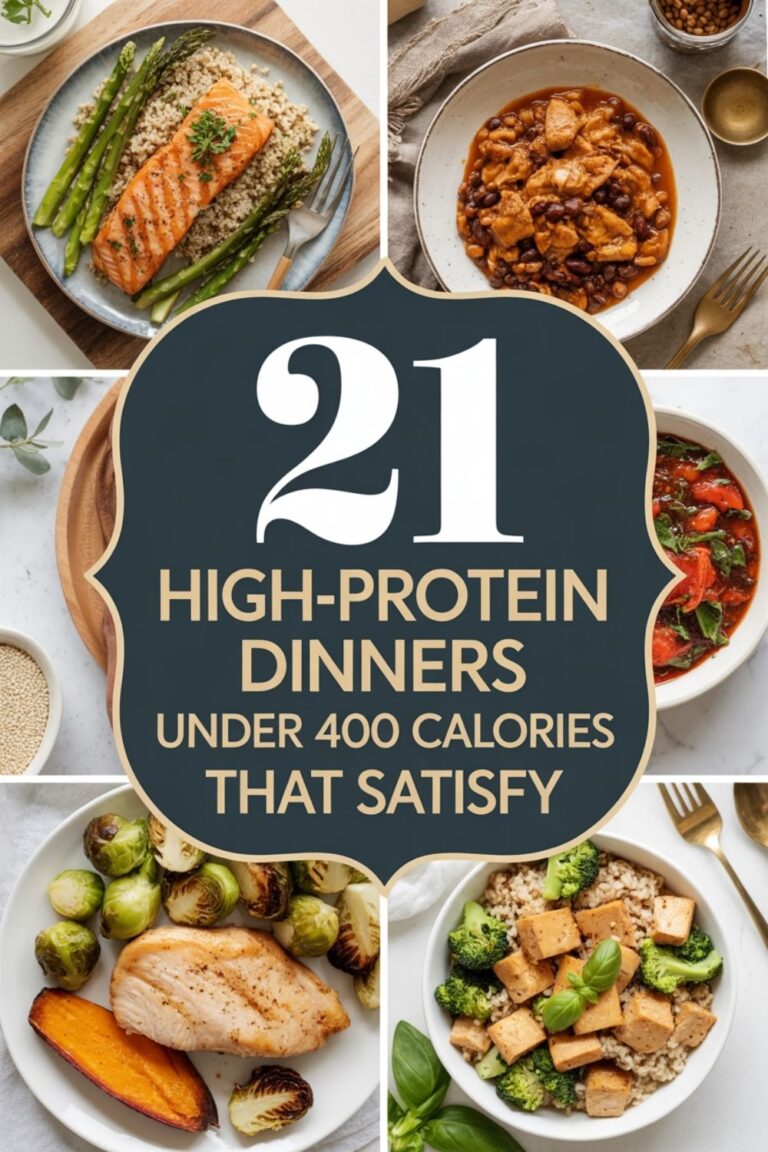
21 High-Protein Dinners Under 400 Calories
21 High-Protein Dinners Under 400 Calories 21 High-Protein Dinners Under 400 Calories Look, I get it. You want to lose weight, but you also want to keep your muscle. You’re tired of those bland chicken breast dinners that leave you feeling like you just ate cardboard. And honestly? The whole “eat less, move more” mantra…
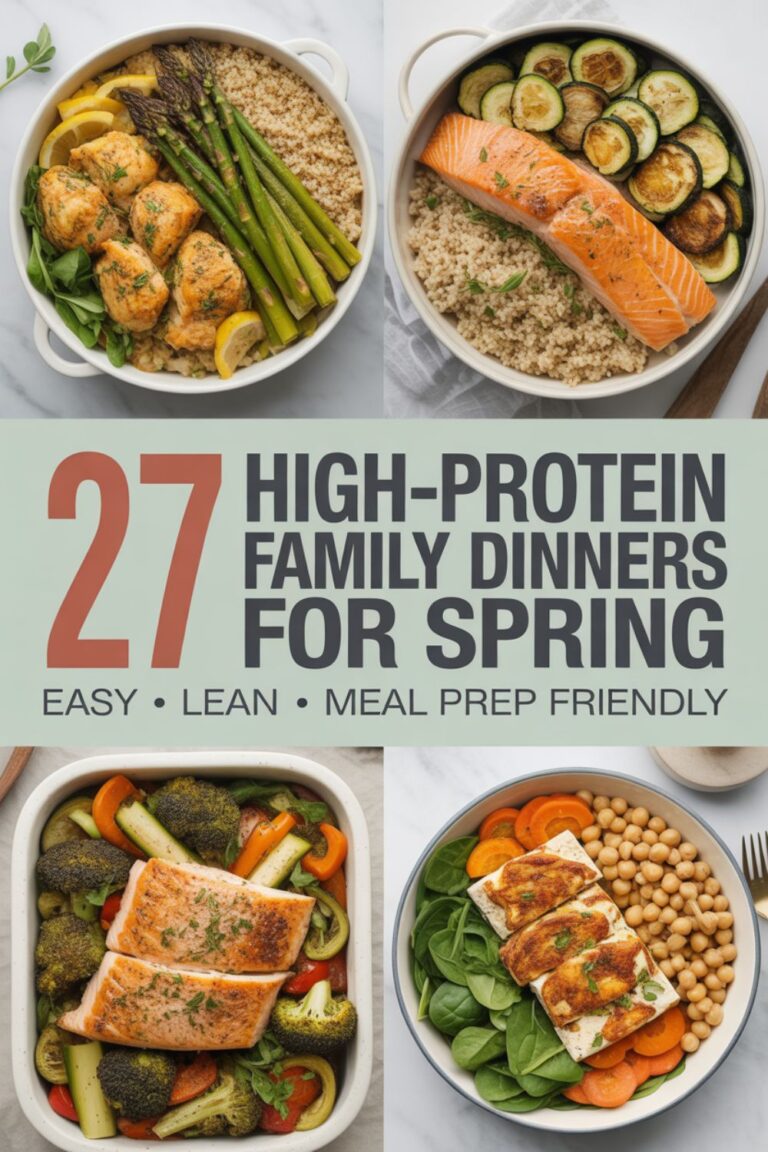
27 High-Protein Family Dinners for Spring
27 High-Protein Family Dinners for Spring | FullTaste Co FullTaste Co — Real Food, Real Flavor Spring Dinner Collection 27 High-Protein Family Dinners for Spring Fresh ingredients, easy prep, and enough protein to actually keep everyone full past 8pm. 27 Recipes Spring 2025 Family-Friendly 30–45 min avg The Full List: 27 Spring Dinners, High in…
20 High-Protein Low-Calorie Recipes for Dinner
20 High-Protein Low-Calorie Recipes for Dinner Under 30 Minutes 20 High-Protein Low-Calorie Recipes for Dinner Quick & Delicious Meals Ready in Under 30 Minutes Are you searching for quick, nutritious dinner solutions that don’t compromise on flavor or your fitness goals? You’ve come to the right place! These 20 high-protein, low-calorie recipes are specifically designed…
27 Low-Calorie Dinners for Busy Weeknights
27 Low-Calorie Dinners for Busy Weeknights | FullTasteCo FullTaste Co. Recipes Meal Plans Snacks Weeknight Dinners 27 Low-Calorie Dinners for Busy Weeknights By the FullTaste Team February 2026 27 Recipes Under 500 Cal Each Here is the honest truth about weeknight dinners: most of the time, you are tired, you are hungry, and the last…