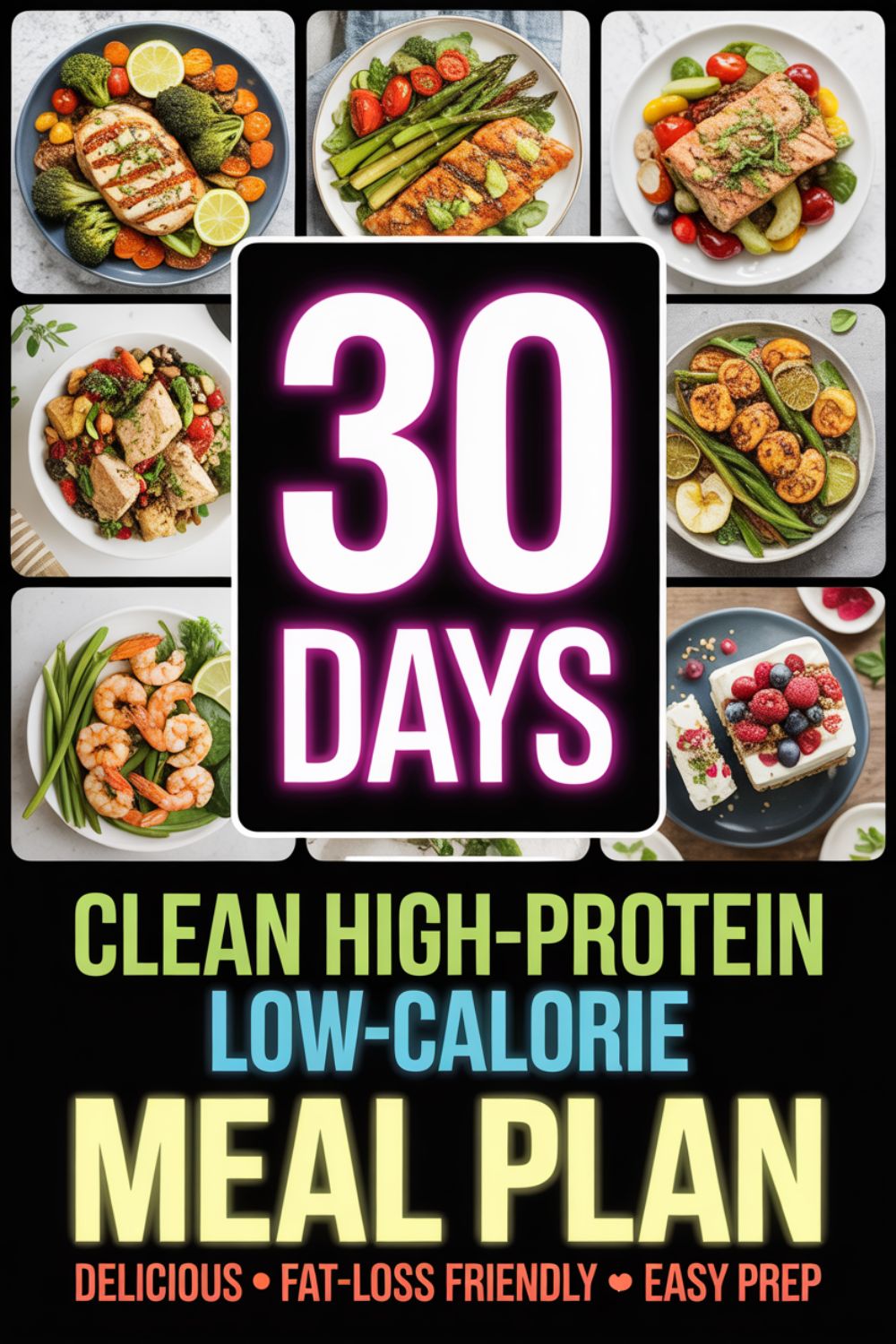
30-Day Clean High-Protein Low-Calorie Meal Plan
Let’s be real for a second—meal planning for an entire month sounds about as fun as doing your taxes while sitting in traffic. But here’s the thing: when you nail down a solid high-protein, low-calorie plan, you’re basically giving yourself a month-long vacation from the “what’s for dinner?” panic. I’ve been exactly where you are, standing in front of the fridge at 6 PM with zero ideas and even less energy.
This 30-day plan isn’t some restrictive nightmare where you’re eating boiled chicken and sadness. It’s actually clean eating that tastes good and keeps you full. We’re talking real food, real flavor, and enough protein to keep your muscles happy while the calories stay in check. No magic pills, no weird shakes—just straightforward meals that work.
Why High-Protein, Low-Calorie Actually Makes Sense
I’m not going to bore you with a science lecture, but protein is basically your body’s best friend when you’re trying to eat clean and drop some weight. Research shows that protein helps you feel fuller longer, which means you’re less likely to raid the pantry at 10 PM. It also keeps your muscle mass intact while you’re in a calorie deficit—something that’s actually pretty important if you don’t want to end up looking like a deflated balloon.
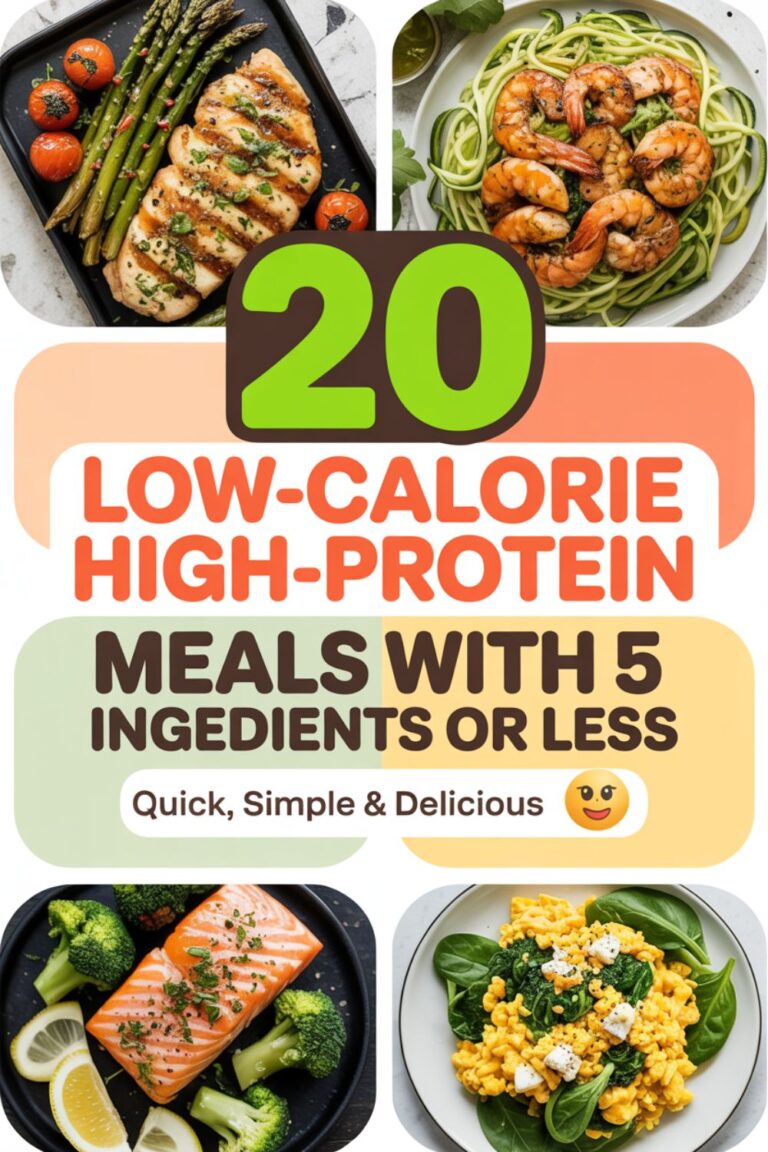
The clean eating part? That just means we’re ditching the processed garbage and focusing on whole foods. Think lean meats, fish, eggs, legumes, vegetables, and whole grains. Nothing that comes from a package with ingredients you can’t pronounce. According to Mayo Clinic Health System, aiming for about 15-30 grams of protein per meal helps with satiety and weight management throughout the day.
Setting Up Your 30-Day Clean Eating Foundation
Before you dive headfirst into meal prep containers and grocery lists, let’s talk strategy. A month-long plan only works if you’re not trying to reinvent the wheel every single day. The secret? Rotation and simplicity.
The Protein Rotation Strategy
You don’t need 30 different protein sources. Honestly, that’s just exhausting. Stick with 4-5 favorites and rotate them throughout the week. I typically go with chicken breast, turkey, salmon, eggs, and Greek yogurt. Maybe throw in some tofu if you’re feeling adventurous. These high-protein recipes for muscle gain show you exactly how versatile these proteins can be.
The beauty of this approach is that your body gets all the essential amino acids it needs without you going bankrupt at the grocery store. Plus, when you’re familiar with cooking the same proteins, you get faster and better at it. Win-win.
The Calorie Sweet Spot
Let’s talk numbers without making this feel like math class. For most people doing clean eating with weight loss goals, you’re looking at somewhere between 1,400 to 1,800 calories per day, depending on your size and activity level. That might sound low if you’re used to eating 3,000 calories of whatever, but when it’s all high-protein, nutrient-dense food, you won’t be starving.
Breaking that down across three meals and a snack gives you roughly 400-500 calories per meal and a 200-calorie snack. Totally doable, especially when protein makes up a good chunk of those calories. If you’re new to this whole thing, check out these meal ideas for weight loss beginners to see what realistic portions actually look like.
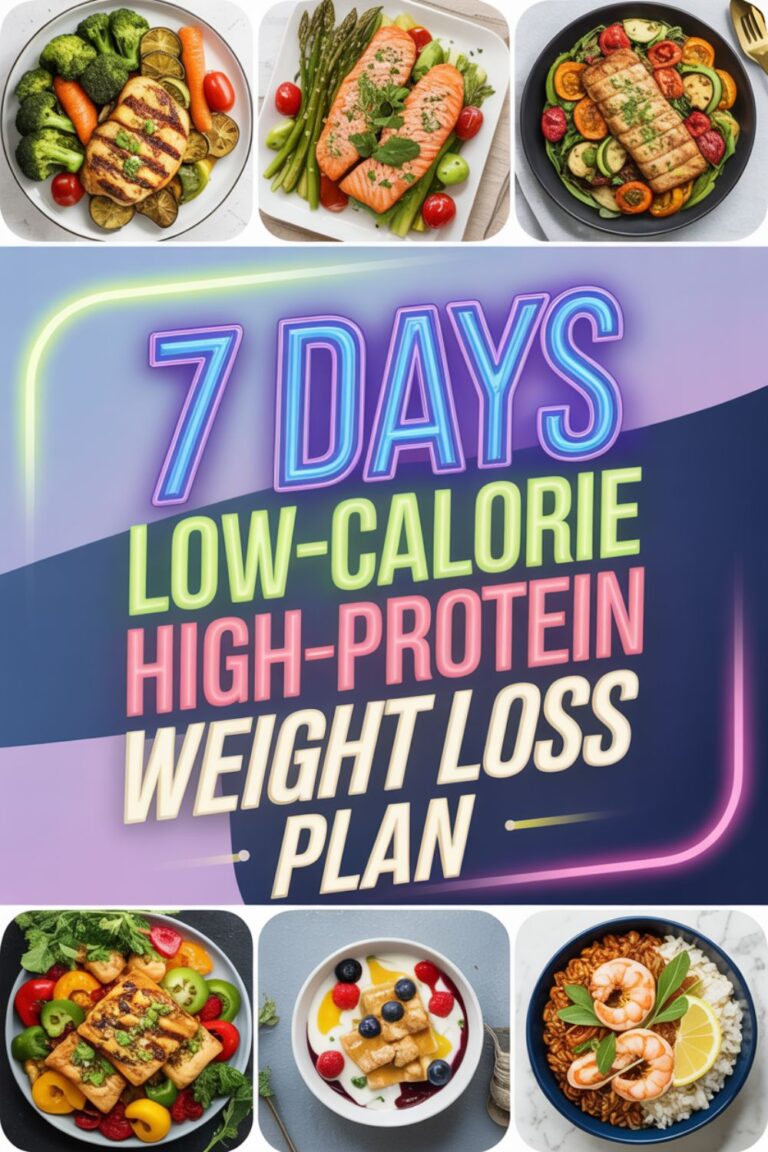
Speaking of getting started, the 7-day high-protein meal plan for beginners is perfect if you want to ease into this before committing to the full month.
Your Week-by-Week Breakdown
Alright, let’s get into the actual plan. I’m breaking this down week by week because trying to plan 30 days at once is overwhelming and frankly, nobody’s got time for that.
Week 1: Foundation Phase
This week is all about getting comfortable with the basics. No fancy recipes, no complicated techniques—just solid, reliable meals that you can make without losing your mind.
Breakfast options: Stick with high-protein breakfasts that take minimal effort. Scrambled eggs with spinach, Greek yogurt with berries, or protein overnight oats. These breakfast bowls for busy mornings are literally lifesavers when you’re rushing out the door. Get Full Recipe for any of these and you’ll see they’re easier than you think.
Lunch rotation: Keep it simple with grilled chicken over mixed greens, tuna salad lettuce wraps, or turkey and veggie roll-ups. I love using a mandoline slicer to prep all my veggies on Sunday—makes throwing together salads during the week stupidly easy.
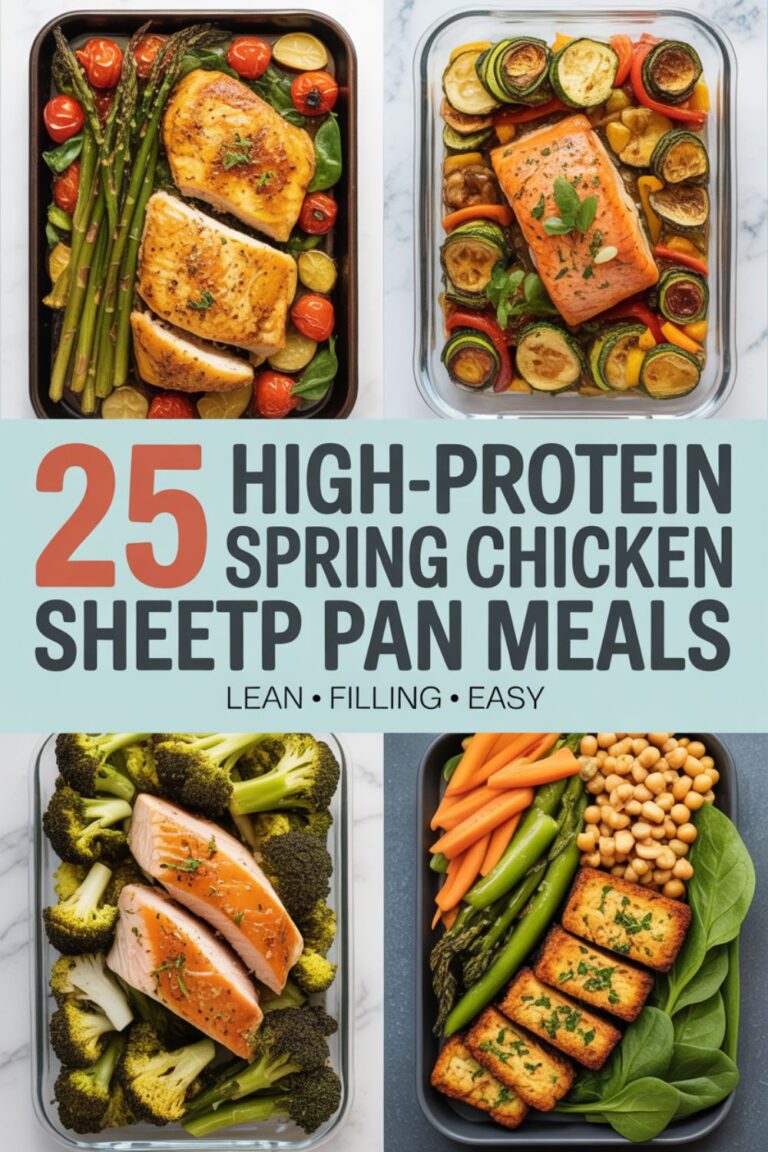
Dinner staples: Baked salmon with roasted broccoli, turkey meatballs with zucchini noodles, or chicken stir-fry with loads of vegetables. The key here is using a large sheet pan so you can cook everything at once. Check out these sheet pan dinners for effortless cooking if you want the exact method I use.
Week 2: Building Variety
Now that you’ve got the hang of basic meal prep, let’s add some variety without adding complexity. This is where you start mixing up your protein sources and trying different flavor profiles.
Start incorporating more fish options—cod, tilapia, or even canned sardines if you’re brave. These high-protein salad recipes show you how to make fish interesting without deep-frying it.
Experiment with different cooking methods too. Instead of always grilling, try baking, air frying, or even poaching. I picked up a digital instant-read thermometer and it completely changed my chicken game—no more dry, overcooked disasters.
For something different, try these bowls you can prep in under 20 minutes. They’re perfect for when you want variety but don’t have hours to spend in the kitchen.
Week 3: Mastering Meal Prep
By week three, you should be feeling pretty confident. This is where you level up to actual meal prep—making multiple meals at once and storing them properly.
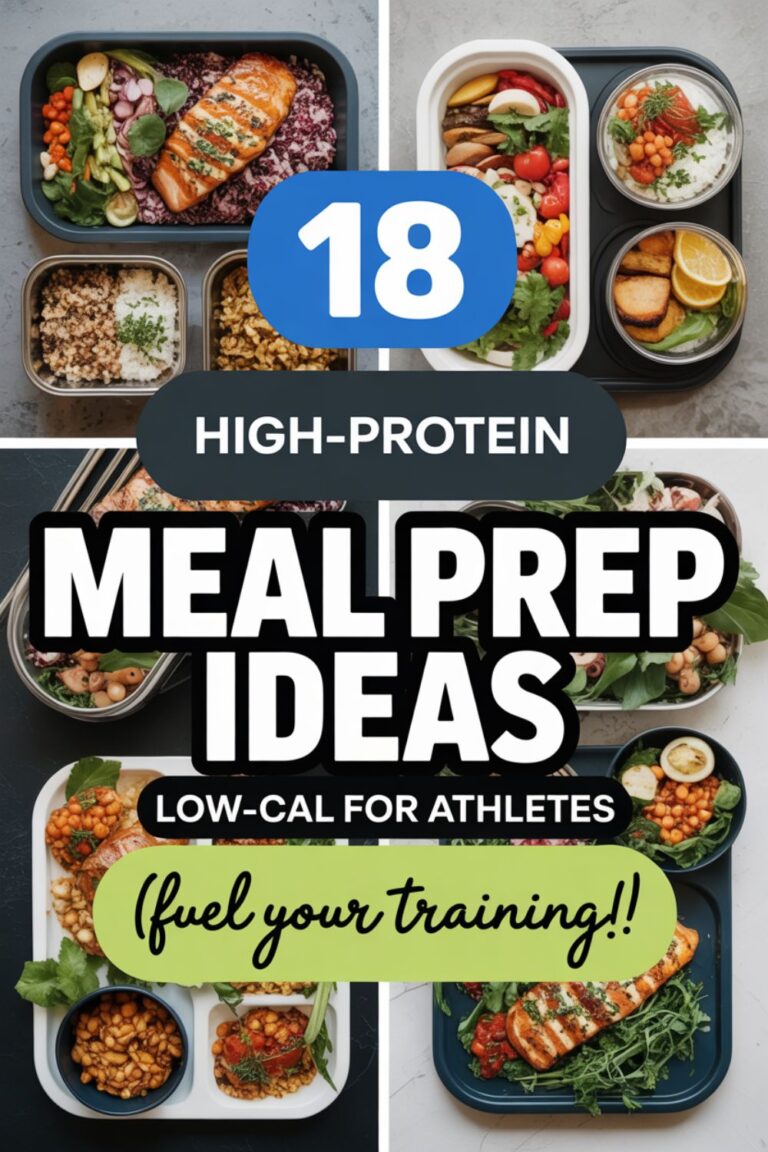
Sunday becomes your prep day. Spend 2-3 hours cooking and you’ll have most of your week sorted. Those meals perfect for meal prep are designed specifically for this. Get Full Recipe and you’ll see how everything comes together.
Invest in some quality glass meal prep containers—the ones with compartments are chef’s kiss. They keep your food fresh, make portions obvious, and you can reheat right in them. Game changer.
This is also when you want to start thinking about freezer-friendly options. These recipes you can freeze and reheat are perfect for making double batches and having backup meals ready.
Week 4: Sustainable Habits
The final week is about cementing these habits so you can keep going beyond 30 days. You’re not just following a plan anymore—you’re living a lifestyle.
Start experimenting with your own recipe variations. Take the base meals you love and tweak them. Swap chicken for turkey, try different vegetables, play with spices. These 5-ingredient-or-less recipes show you how simple substitutions can create entirely different meals.
If you’re following this plan for muscle recovery or post-workout nutrition, check out these muscle recovery recipes that are specifically designed for active folks.
Kitchen Tools That Make This Plan Actually Work
Look, you can technically do this with a dull knife and a sad nonstick pan, but these tools make everything so much easier it’s almost unfair:
Physical Products:
- Set of glass meal prep containers with locking lids – Seriously, get the good ones with separate compartments. Your future self will thank you when you’re grabbing a perfectly portioned lunch at 6 AM.
- Digital kitchen scale – Takes the guesswork out of portions, especially when you’re starting out. You’ll be shocked at what “4 oz of chicken” actually looks like.
- Large rimmed sheet pans (set of 2) – For those nights when you want to throw everything on one pan and walk away. Heavy-duty ones won’t warp in the oven.
Digital Resources:
- MyFitnessPal Premium – The barcode scanner alone is worth it. Makes tracking macros actually bearable.
- Meal Prep Sunday App – Helps you plan, shop, and organize without losing your mind. The grocery list feature is clutch.
- High-Protein Recipe eBook Bundle – 200+ recipes specifically designed for clean eating. Way cheaper than buying three cookbooks.
Sample Day-to-Day Eating Pattern
Theory is great and all, but let’s get practical. Here’s what a typical day might actually look like when you’re following this plan.
Morning: 7 AM
Breakfast (400 calories, 35g protein): Three-egg white omelet with one whole egg, loaded with spinach, mushrooms, and bell peppers. Side of berries. Coffee, black obviously, because we’re keeping it clean.
I usually prep the veggies the night before and keep them in a small glass container in the fridge. Crack the eggs straight into a bowl, dump in the veggies, scramble, and you’re eating in under 10 minutes.
Mid-Morning: 10 AM
Snack (180 calories, 20g protein): Plain Greek yogurt with a tablespoon of almond butter mixed in. Sounds weird, tastes amazing, keeps you full until lunch.
Afternoon: 1 PM
Lunch (450 calories, 40g protein): Grilled chicken breast over a massive salad with every vegetable you can think of, chickpeas for extra protein and fiber, and a simple lemon-olive oil dressing. These wraps for quick lunches also work great if you’re tired of salads.
Pro move: Use mason jars to prep salads for the week. Dressing on the bottom, hearty veggies next, greens on top. Shake it up when you’re ready to eat.
Evening: 6 PM
Dinner (500 calories, 45g protein): Baked salmon with roasted Brussels sprouts and sweet potato. Season everything with garlic, herbs, and a tiny bit of olive oil. Get Full Recipe and you’ll see this is a 25-minute meal, tops.
For variety throughout the month, rotate in these dinner recipes that hit similar macros but taste completely different.
Late Evening: 8 PM (if needed)
Optional snack (150 calories, 15g protein): Handful of almonds or some cottage cheese with cucumber slices. Only if you’re genuinely hungry—don’t eat just because the clock says you should.
Dealing with Real-Life Situations
Let’s address the elephant in the room: life happens. You’re not going to have perfect meal prep every single day for 30 days straight. That’s not realistic and it’s definitely not sustainable.
When You’re Traveling or Eating Out
Restaurant meals can absolutely fit into this plan. Order grilled proteins, ask for veggies instead of fries, and request sauces on the side. Most places are cool with modifications—just don’t be a jerk about it.
Pack protein powder packets when you’re traveling. Mix with water in a shaker bottle and boom—instant meal replacement when airport food is your only option. These protein smoothies are also great for on-the-go situations.
When You’re Just Not Feeling It
Some days, meal prep feels impossible. That’s when these 5-ingredient-or-less meals save your butt. They’re so simple that even on your worst day, you can pull them off.
Keep a few frozen backup options ready. Those crockpot recipes are perfect for throwing together in the morning when you know evening-you won’t want to cook. If you’ve got an Instant Pot gathering dust, these Instant Pot recipes for busy days are clutch.
Flavor Without the Calories
Clean eating doesn’t mean eating bland food that tastes like cardboard. The key is using herbs, spices, citrus, and vinegars to add massive flavor without adding calories.
Stock your spice cabinet with the basics: garlic powder, onion powder, smoked paprika, cumin, oregano, basil, and red pepper flakes. A quality spice rack organizer keeps everything visible so you actually use them instead of letting them die in the back of your cabinet.
Fresh herbs are your best friend. Cilantro, parsley, basil, and dill can transform basic chicken into something you’d actually want to eat. I keep a herb keeper on my counter and buy fresh herbs weekly. They last way longer than in those plastic containers.
Hot sauce, mustard, balsamic vinegar, and lemon juice are all practically calorie-free and add tons of flavor. These comfort foods that actually work show you how to make satisfying meals without relying on heavy sauces.
Protein Sources Beyond Chicken Breast
If I have to eat another dry chicken breast, I might lose it. Thankfully, there are tons of protein options that aren’t boring as hell.
Fish and Seafood
Salmon, tuna, cod, tilapia, shrimp—all excellent protein sources with way more omega-3s than chicken. Fresh is great, but frozen is totally fine and often cheaper. Those slow cooker meals you’ll love include several fish options that are hard to mess up.
Plant-Based Options
Even if you’re not vegetarian, adding plant proteins keeps things interesting and saves money. Lentils, chickpeas, black beans, tofu, tempeh, and edamame all pack serious protein. Check out these vegan meals for plant-based diets for ideas.
Mixing animal and plant proteins throughout the week gives you a broader range of nutrients and keeps your gut bacteria happy. Science says diversity in your diet is good—I say it keeps you from wanting to throw your meal prep containers out the window.
Dairy and Eggs
Greek yogurt, cottage cheese, and eggs are cheap, versatile, and packed with protein. I go through about 2-3 dozen eggs per week, which sounds insane but makes sense when you’re meal prepping. A egg cooker makes hard-boiled eggs stupidly easy—perfect for grab-and-go protein.
Staying Accountable for 30 Days
Here’s the truth: motivation fades fast. What keeps you going is systems, not willpower.
Take progress photos every week. Not to post on Instagram (unless that’s your thing), but to actually see changes that the scale might not show. The scale is a liar anyway—water weight, muscle gain, and a hundred other factors make that number basically meaningless day to day.
Track your meals, at least for the first two weeks. FYI, I know tracking can be annoying, but it’s eye-opening. You’ll quickly figure out which meals hit your protein goals easily and which ones need tweaking. After a couple weeks, you can usually eyeball it.
Find an accountability buddy or join an online community. When you’ve meal-prepped for Sunday and really don’t want to, knowing someone else is doing it too helps. Sounds cheesy, works anyway.
Common Questions About This 30-Day Plan
Can I drink coffee and tea on this plan?
Absolutely, as long as you’re not dumping half a cup of sugar and cream into it. Black coffee and unsweetened tea are totally fine and can actually help with appetite control. If you need a little something, use a splash of unsweetened almond milk or a tiny bit of stevia.
What if I’m still hungry after meals?
First, make sure you’re drinking enough water—sometimes thirst masquerades as hunger. If you’re genuinely still hungry, add more non-starchy vegetables to your meals. They’re super low in calories but add volume and fiber. You might also need slightly more calories depending on your activity level, which is totally fine to adjust.
Is this plan safe for people with dietary restrictions?
The framework is flexible enough to work with most dietary needs. Swap proteins based on what you can eat, adjust for allergies, and modify as needed. If you have specific health conditions, chat with your doctor or a registered dietitian before starting any new eating plan—that’s just smart practice.
How much weight can I realistically lose in 30 days?
Healthy, sustainable weight loss is typically 1-2 pounds per week, so 4-8 pounds over 30 days is realistic. Some people lose more initially due to water weight, but don’t expect dramatic drops every week. Focus more on how you feel, your energy levels, and how your clothes fit rather than obsessing over the scale.
Can I eat out or have social meals during this plan?
Of course! This isn’t prison. The goal is sustainable eating habits, not social isolation. Just make smart choices when you’re out—grilled proteins, veggie sides, and go easy on sauces and dressings. One restaurant meal isn’t going to derail everything unless you’re eating out every single day.
What Happens After Day 30
So you’ve made it through 30 days of clean, high-protein eating. Now what? This is where most people either keep going or fall off the wagon completely.
The truth is, this plan isn’t meant to be a temporary thing you suffer through and then abandon. It’s meant to teach you how to eat in a way that’s sustainable long-term. After 30 days, you should have a solid rotation of meals you actually like, an understanding of portions, and some kitchen skills that make healthy eating way less painful.
You can definitely loosen up a bit—add back some foods you’ve been avoiding, increase calories slightly if you were aggressive with the deficit, or try more varied recipes. These comfort food recipes show you how to enjoy your favorites while still keeping protein high and calories reasonable.
The habits you’ve built—meal planning, grocery shopping with a list, prepping proteins in advance—those stick around. They become part of your routine instead of something you have to think about constantly.
If you’re looking to continue structured eating, that 30-day challenge for fat loss takes things a step further with more aggressive goals.
Final Thoughts
Look, I’m not going to pretend that 30 days of structured eating is easy. It takes effort, planning, and some getting used to. But it’s also not as complicated or miserable as diet culture wants you to believe.
You’re eating real food, getting plenty of protein to keep you full and preserve muscle, and keeping calories in check without starving. That’s basically the entire formula for successful, sustainable fat loss and better health. No pills, no shakes, no weird elimination diets.
The first week is always the hardest because you’re building new habits and figuring out your rhythm. By week two, things start clicking. Week three, you’re on autopilot. And by week four, you’re basically a meal prep wizard who can throw together a high-protein, low-calorie meal in your sleep.
Will you have perfect days? Probably not. Will you occasionally eat something that’s not on the plan? Definitely. And that’s completely fine. Progress, not perfection, is the goal here.
The fact that you’re reading this and considering a 30-day commitment to cleaner eating means you’re already ahead of most people. Most folks never even try—they just keep eating the same way and wondering why nothing changes. You’re different. You’re actually doing something about it.
So grab those meal prep containers, make your grocery list, and commit to just one month. Thirty days. You can do basically anything for 30 days. And who knows? You might actually enjoy it enough to keep going.
30-Day High-Protein
Low-Calorie Meal Plan
Every breakfast, lunch, dinner & snack — all 30 days fully mapped out. Just follow the plan.
- ✓50+ complete recipes with ingredients & step-by-step instructions
- ✓4-week day-by-day plans — every meal for all 30 days
- ✓4 weekly shopping lists organised by store section
- ✓Printable habit & progress tracker — 30 full days
- ✓100g+ protein per day — scientifically optimised macros
Instant PDF · Print at home
Results guaranteed with consistency