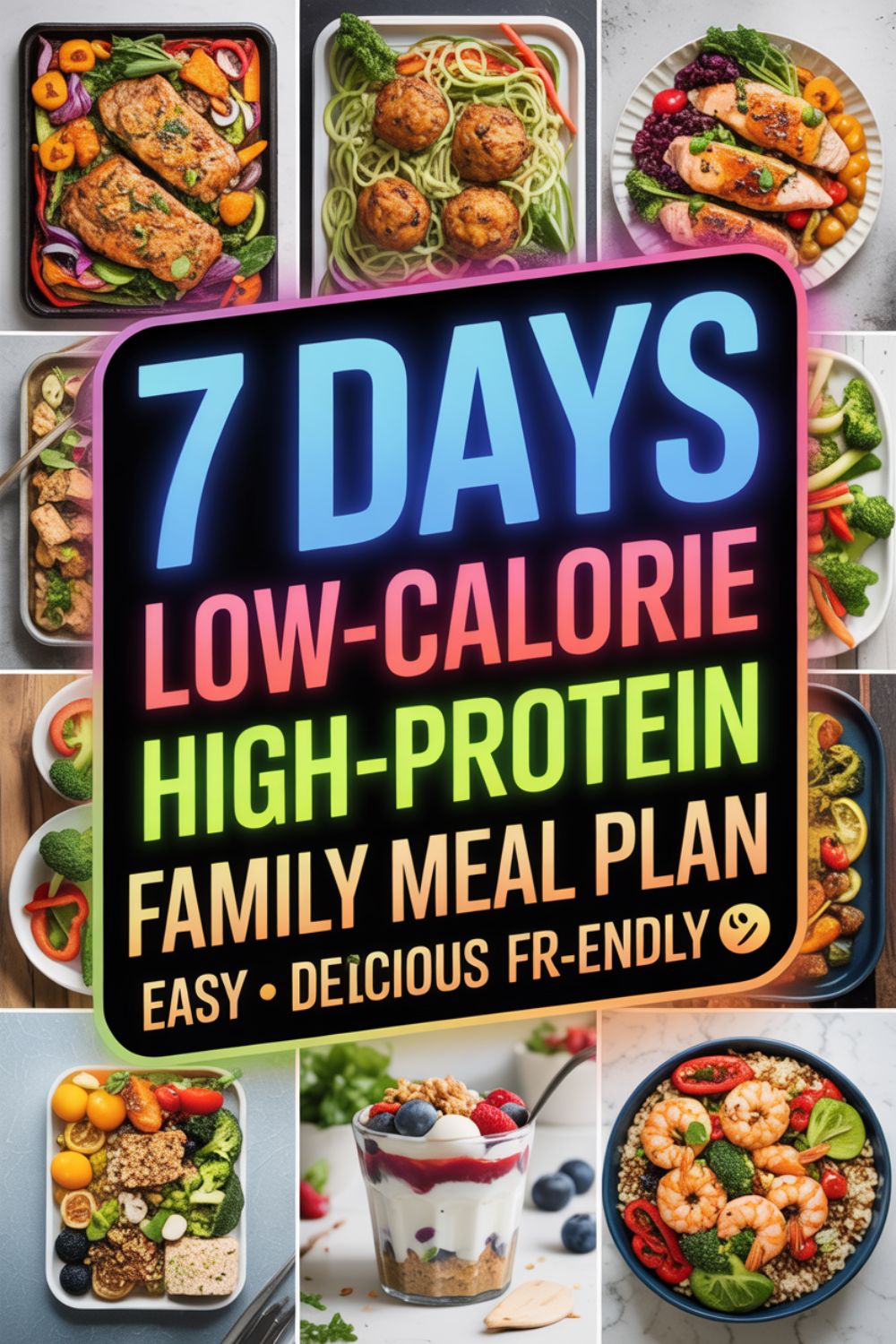
7-Day Low-Calorie High-Protein Family Meal Plan
Let me be honest with you—feeding an entire family while trying to keep things healthy, high in protein, and low in calories sounds like one of those impossible math problems you swore you’d never need after high school. But here’s the thing: it’s totally doable, and you don’t need to cook separate meals for yourself and the kids or survive on sad chicken breast and steamed broccoli.
I’ve spent way too many Sunday afternoons meal planning only to throw it all out the window by Tuesday because life got messy. So I created this 7-day family meal plan that actually works for real households with picky eaters, busy schedules, and zero patience for complicated recipes. We’re talking meals that hit around 400-500 calories with at least 30 grams of protein per serving, and yes, your kids might actually eat them.
This plan isn’t about restriction or bland food. It’s about smart swaps, strategic meal prep, and recipes that don’t make you want to order pizza halfway through the week. Ready to make dinner time less stressful and way more nutritious? Let’s get into it.
Why High-Protein, Low-Calorie Works for Families
Here’s what nobody tells you about family nutrition: you don’t need a degree in dietetics to feed your people well. High-protein meals keep everyone fuller longer, which means fewer snack attacks and less whining about being hungry twenty minutes after dinner. According to Harvard Health, adequate protein intake supports everything from muscle maintenance to immune function—pretty important when you’re raising tiny humans.
Low-calorie doesn’t mean low satisfaction. It means we’re cutting out the junk that adds calories without adding nutrition. Think less processed food, fewer empty carbs, and more whole ingredients that actually fuel bodies properly. Your family gets nutrients, you get peace of mind, and everyone wins.
The secret? Strategic meal planning and smart protein choices. We’re using lean meats, fish, Greek yogurt, legumes, and eggs to pack in protein without the calorie bomb that comes with, say, bacon-wrapped anything. And trust me, after years of trial and error, I’ve learned that variety is the only thing standing between you and a full-scale dinner rebellion from the kids.
The 7-Day Family Meal Plan Breakdown
Day 1: Lemon Herb Grilled Chicken with Roasted Vegetables
Starting strong with a classic that never fails. This lemon herb grilled chicken is marinated in garlic, lemon juice, and fresh herbs—super simple but packed with flavor. Pair it with a medley of roasted bell peppers, zucchini, and cherry tomatoes tossed in olive oil. You’re looking at about 420 calories and 38 grams of protein per serving.
The kids actually eat this one because the chicken stays juicy (don’t overcook it, folks) and the veggies get those caramelized edges that even picky eaters find hard to resist. I use this instant-read thermometer to make sure I pull the chicken at exactly 165°F—no more dry, sad poultry.
If you’re looking for more dinner inspiration that keeps prep time minimal, these low-calorie high-protein dinners for busy weeknights are absolute lifesavers.
Day 2: Turkey and Black Bean Burrito Bowls
Taco Tuesday just got a protein upgrade. These burrito bowls use lean ground turkey (93/7 blend is your friend), black beans, brown rice, and all the toppings your family loves—salsa, a dollop of Greek yogurt instead of sour cream, shredded lettuce, and a sprinkle of cheese. Total damage? Around 450 calories with 35 grams of protein.
What I love about this meal is the customization factor. Everyone builds their own bowl, which means the kids can skip the things they hate and you don’t have to make three separate dinners. I prep all the components in these stackable glass bowls and let everyone go wild.
The seasoning makes or breaks this dish. Don’t just dump in taco seasoning from a packet—those are loaded with sodium and weird additives. Make your own with cumin, paprika, garlic powder, and a pinch of cayenne. Takes two minutes and tastes infinitely better.
Day 3: Baked Salmon with Quinoa and Steamed Broccoli
Fish night doesn’t have to be complicated. This baked salmon is brushed with a mixture of Dijon mustard and honey, then baked until flaky perfection. Serve it over fluffy quinoa (a complete protein, FYI) and steamed broccoli. You’re at roughly 430 calories and 34 grams of protein per serving.
Pro tip for getting kids to eat fish: don’t tell them it’s fish until after they’ve tried it. I’m only half joking. But seriously, salmon is mild enough that most kids will eat it if you don’t make a big deal about it. The honey-mustard glaze helps a lot.
I line my baking sheet with this silicone baking mat—zero sticking, zero scrubbing. Makes cleanup so easy I actually don’t mind making fish on a weeknight.
Looking for more easy wins? Check out these low-calorie high-protein meals with 5 ingredients or less for nights when you just can’t even.
Day 4: Slow Cooker Turkey Chili
This is hands-down my favorite meal on the entire plan because I literally dump everything in the slow cooker in the morning and forget about it until dinner. Turkey chili loaded with tomatoes, kidney beans, onions, and peppers comes out rich and hearty. About 380 calories and 32 grams of protein per bowl.
Serve it with a side of cornbread or over a baked sweet potato if your family needs more substance. My kids like to top theirs with shredded cheese and Greek yogurt, which adds a bit of extra protein and creaminess without going overboard on calories.
The beauty of chili is that it gets better over time, so make a double batch and freeze half for those nights when you just can’t. If slow cooking is your jam, you’ll love these high-protein low-calorie slow cooker meals—they’re all as easy as this one.
Day 5: Shrimp Stir-Fry with Snow Peas and Bell Peppers
Fast, fresh, and so much better than takeout. This shrimp stir-fry comes together in under 20 minutes using frozen shrimp (thaw them in cold water), tons of veggies, and a simple sauce made from low-sodium soy sauce, garlic, and ginger. Serve over cauliflower rice to keep it low-carb or regular brown rice if your family prefers. Either way, you’re at about 410 calories and 36 grams of protein.
Shrimp cooks in literally three minutes, so don’t walk away from the stove or you’ll end up with rubber. I learned this the hard way. Also, a really hot pan is key—you want that sear, not steamed shrimp soup.
I use this carbon steel wok for stir-fries because it gets screaming hot and gives you that restaurant-quality char. Total game-changer if you’re serious about your weeknight stir-fries.
For more quick dinner solutions, these low-calorie high-protein one-pan meals are perfect when you’re short on time and energy.
Day 6: Baked Chicken Parmesan with Zucchini Noodles
Comfort food that won’t wreck your macros? Yes, please. This baked chicken parmesan uses crushed cornflakes instead of breadcrumbs for a lighter coating, topped with marinara and a modest amount of mozzarella. Serve it over spiralized zucchini noodles (zoodles) and you’ve got about 440 calories with 40 grams of protein.
I know, I know—zucchini noodles instead of pasta sounds like a form of punishment. But here’s the thing: you can toss the zoodles in a tiny bit of olive oil and garlic, sauté them for literally two minutes, and they’re actually good. Not just “good for you” good. Actually tasty.
If your family stages a revolt over the zoodles, meet them halfway with half regular pasta and half zucchini. Progress, not perfection. For the full recipe with exact measurements and tips, Get Full Recipe.
Day 7: Sheet Pan Fajitas with Chicken and Peppers
We’re ending the week with minimal cleanup because you deserve a break. These sheet pan fajitas require one pan, sliced chicken breast, bell peppers, onions, and fajita seasoning. Roast everything together at 425°F for about 25 minutes. Each serving clocks in around 400 calories and 37 grams of protein.
Serve with warm whole wheat tortillas, fresh cilantro, lime wedges, and all the fixings. The kids can assemble their own, which keeps them engaged and makes them way more likely to actually eat dinner without complaints.
Sheet pan dinners are my secret weapon for busy weeks. If you want more options, check out these low-calorie high-protein sheet pan dinners—all equally effortless.
Smart Breakfast and Snack Ideas for the Week
Dinner is only one piece of the puzzle. You still need to feed your family breakfast and handle the inevitable snack requests. Here are my go-to high-protein, low-calorie options that actually get eaten:
- Greek Yogurt Parfaits: Layer plain Greek yogurt with berries and a sprinkle of granola. About 250 calories and 20 grams of protein. Kids love these if you let them build their own.
- Egg Muffins: Whisk eggs with diced veggies and a bit of cheese, pour into a silicone muffin pan, and bake. Grab-and-go breakfast magic.
- Protein Smoothies: Blend frozen fruit, protein powder, spinach (they won’t taste it, I promise), and unsweetened almond milk. Around 200 calories and 25 grams of protein. Get Full Recipe.
- Hard-Boiled Eggs with Fruit: The simplest snack ever. Two eggs plus an apple = protein and fiber to keep hunger at bay.
- Turkey Roll-Ups: Deli turkey wrapped around cucumber sticks with a smear of hummus. Low-calorie, high-protein, and surprisingly satisfying.
For more morning inspiration, these protein-packed breakfasts for busy mornings are total lifesavers when you’re rushing out the door.
Meal Prep Strategy: Setting Yourself Up for Success
Here’s the truth: meal plans only work if you actually prep ahead. I’m not talking about spending your entire Sunday in the kitchen—I’m talking strategic shortcuts that save you during the week.
Sunday Prep Session (1-2 hours):
- Grill or bake 3-4 chicken breasts and portion them out
- Chop all your veggies for the week and store in these airtight containers
- Cook a big batch of quinoa or brown rice
- Hard-boil a dozen eggs
- Portion out snacks like nuts, cheese sticks, and veggie sticks
This prep work makes weeknight cooking so much faster. When you’re not starting from scratch every single night, you’re way less likely to throw in the towel and order takeout. Research from Mayo Clinic shows that meal planning significantly improves dietary quality and reduces food waste—basically, it’s a win all around.
If you’re new to meal prep, these low-calorie high-protein meals perfect for meal prep will walk you through exactly how to batch cook like a pro.
Meal Prep Essentials Used in This Plan
Okay, real talk—the right tools make this whole thing way easier. Here are the things I actually use every single week:
- Glass Meal Prep Containers (5-pack) – Microwave-safe, dishwasher-safe, and they don’t stain or smell weird after a week. Worth every penny.
- Instant-Read Meat Thermometer – No more guessing if chicken is done. Just check, pull at 165°F, and enjoy perfectly cooked protein every time.
- Silicone Baking Mats (2-pack) – I use these on everything. Zero sticking, easy cleanup, and they last forever.
- Printable Weekly Meal Planning Template – Seriously helps me stay organized. I fill it out Sunday morning with my coffee.
- Macro Tracking App Subscription – If you’re serious about hitting protein goals, tracking helps. I use this to log meals and stay accountable.
- Family-Friendly Recipe Ebook Bundle – 50+ high-protein, low-calorie recipes the whole family will eat. Has saved dinner more times than I can count.
Adapting the Plan for Picky Eaters
Let’s address the elephant in the room: what if your kids refuse to eat anything that doesn’t come in nugget form? I’ve been there, and I have strategies.
The “One Bite Rule”: Everyone tries one bite of everything. No forcing, no pressure, just exposure. Over time, repeated exposure actually works. It’s backed by research from the Academy of Nutrition and Dietetics—kids need 10-15 exposures to a new food before they’ll accept it.
Build-Your-Own Options: Notice how many of these meals let everyone customize? That’s intentional. Kids are way more likely to eat something they helped assemble. Taco bowls, stir-fries, and fajitas all work perfectly for this approach.
Sneaky Protein Boosts: Add a scoop of unflavored protein powder to pancake batter, muffins, or smoothies. They’ll never know, and you’ll hit your protein goals without a fight.
Don’t stress about getting it perfect every night. If your kid only eats the chicken and ignores the vegetables, that’s still protein in their system. Progress over perfection, remember?
Common Mistakes to Avoid
After doing this for years, I’ve made every mistake in the book. Here’s what to avoid:
- Overseasoning or underseasoning: Bland food gets rejected, but so does food that’s too spicy for kids. Find that middle ground with herbs and mild spices.
- Overcooking protein: Dry chicken is nobody’s friend. Use a thermometer and pull protein just before it hits target temp—it’ll continue cooking while resting.
- Making too many new recipes at once: Stick to 2-3 new recipes per week max. The rest should be proven winners your family already likes.
- Forgetting about leftovers: Cook once, eat twice. Double your recipes when possible so you have ready-made lunches or easy dinners later in the week.
- Not involving the family: Let kids help with age-appropriate tasks. They’re more invested when they’ve participated, even if it’s just washing lettuce or stirring a bowl.
Speaking of avoiding mistakes, if you’re brand new to this whole high-protein thing, check out these meal ideas for weight loss beginners—they break down the basics without overwhelming you.
Making It Work with Different Dietary Needs
Not everyone in your family might eat the same way, and that’s okay. Here’s how to adapt this plan:
Plant-Based Variations
Swap chicken for chickpeas, turkey for lentils, and fish for tofu. Seriously, most of these recipes work perfectly with plant-based proteins. The burrito bowls? Amazing with black beans and pinto beans. The stir-fry? Tofu soaks up that sauce beautifully. If you’re looking for full vegan meal plans, these high-protein low-calorie vegan meals have you covered.
Dairy-Free Adjustments
Swap Greek yogurt for coconut yogurt, use dairy-free cheese alternatives, and skip the cheese on the chicken parm if needed. Most of these meals are naturally dairy-free or easily adaptable. Nutritional yeast can give you that cheesy flavor without actual dairy—weird but effective.
Gluten-Free Options
Use gluten-free tortillas, swap regular pasta for chickpea pasta (higher in protein anyway), and check your sauces for hidden gluten. Most whole foods are naturally gluten-free, so this plan adapts pretty easily.
Frequently Asked Questions
How much protein do kids actually need per day?
It varies by age and activity level, but generally, kids need about 0.5-0.8 grams of protein per pound of body weight. A 50-pound kid needs roughly 25-40 grams daily. These meals easily meet those needs without going overboard. Always consult your pediatrician if you have specific concerns about your child’s nutrition.
Can I freeze these meals for later?
Absolutely. The turkey chili, chicken parmesan, and even the cooked proteins freeze beautifully. I portion them into freezer-safe containers and label with dates—they’re good for up to 3 months. Just avoid freezing anything with a lot of raw vegetables or dairy-heavy sauces, as the texture can get weird.
What if I don’t have time to meal prep on Sundays?
Break it up. Do 30 minutes Saturday morning and 30 minutes Sunday evening. Or prep just the proteins on Sunday and chop veggies as you go during the week. The point isn’t perfection—it’s making things easier than cooking completely from scratch every night. Even minimal prep beats no prep.
Are low-calorie diets safe for growing kids?
This plan isn’t about restricting kids’ calories—it’s about feeding the whole family nutritious, balanced meals. Kids should eat until they’re satisfied, and portion sizes will naturally vary based on age and activity level. The “low-calorie” aspect mainly helps adults manage their intake while ensuring everyone gets adequate protein and nutrients.
How do I handle picky eaters who refuse everything?
Start small. Offer one familiar food alongside new options, use the one-bite rule without pressure, and keep exposing them to variety. It takes time, but consistency works. Also, involving kids in meal planning and cooking helps tremendously—they’re more willing to try something they helped make.
Final Thoughts
Look, feeding a family healthy meals doesn’t have to be complicated or time-consuming. This 7-day plan proves you can hit your protein goals, keep calories in check, and actually enjoy what you’re eating—all without making separate meals for everyone or spending hours in the kitchen.
The key is consistency, smart prep work, and giving yourself grace when things don’t go perfectly. Some weeks you’ll nail every meal. Other weeks you’ll order pizza twice and call it a win that everyone got fed. Both scenarios are fine.
Start with one or two recipes from this plan that sound doable for your family. Master those, then add more. Before you know it, you’ll have a rotation of healthy, high-protein meals that everyone actually eats without complaint. Well, mostly without complaint. We’re talking about kids here.
What matters most is that you’re taking steps toward feeding your family better, and that’s something to feel good about. Now go make some dinner magic happen.
30-Day High-Protein
Low-Calorie Meal Plan
Every breakfast, lunch, dinner & snack — all 30 days fully mapped out. Just follow the plan.
- ✓50+ complete recipes with ingredients & step-by-step instructions
- ✓4-week day-by-day plans — every meal for all 30 days
- ✓4 weekly shopping lists organised by store section
- ✓Printable habit & progress tracker — 30 full days
- ✓100g+ protein per day — scientifically optimised macros
Instant PDF · Print at home
Results guaranteed with consistency
Similar Posts
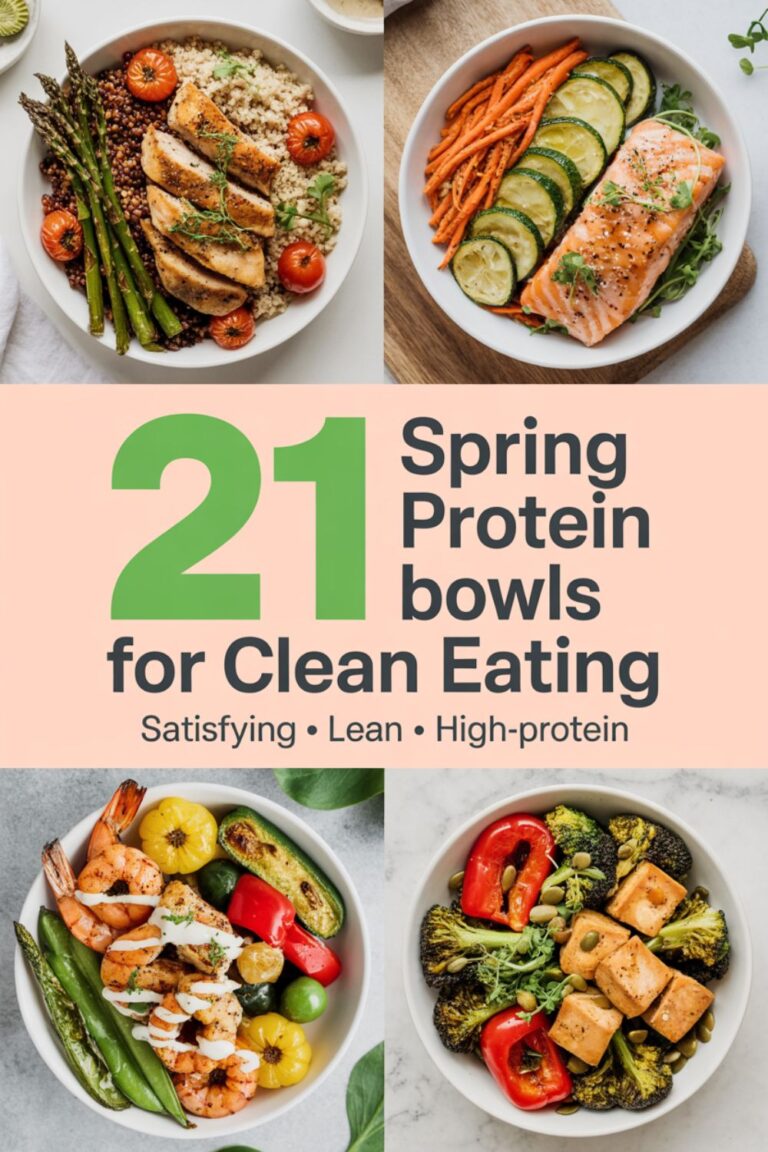
21 Spring Protein Bowls for Clean Eating
21 Spring Protein Bowls for Clean Eating 21 Spring Protein Bowls for Clean Eating Spring just hit different this year. Maybe it’s the longer days or the fact that my jeans fit better when I’m not face-deep in comfort food, but I’m ready to shake up my meal routine. I’ve been obsessed with protein bowls…
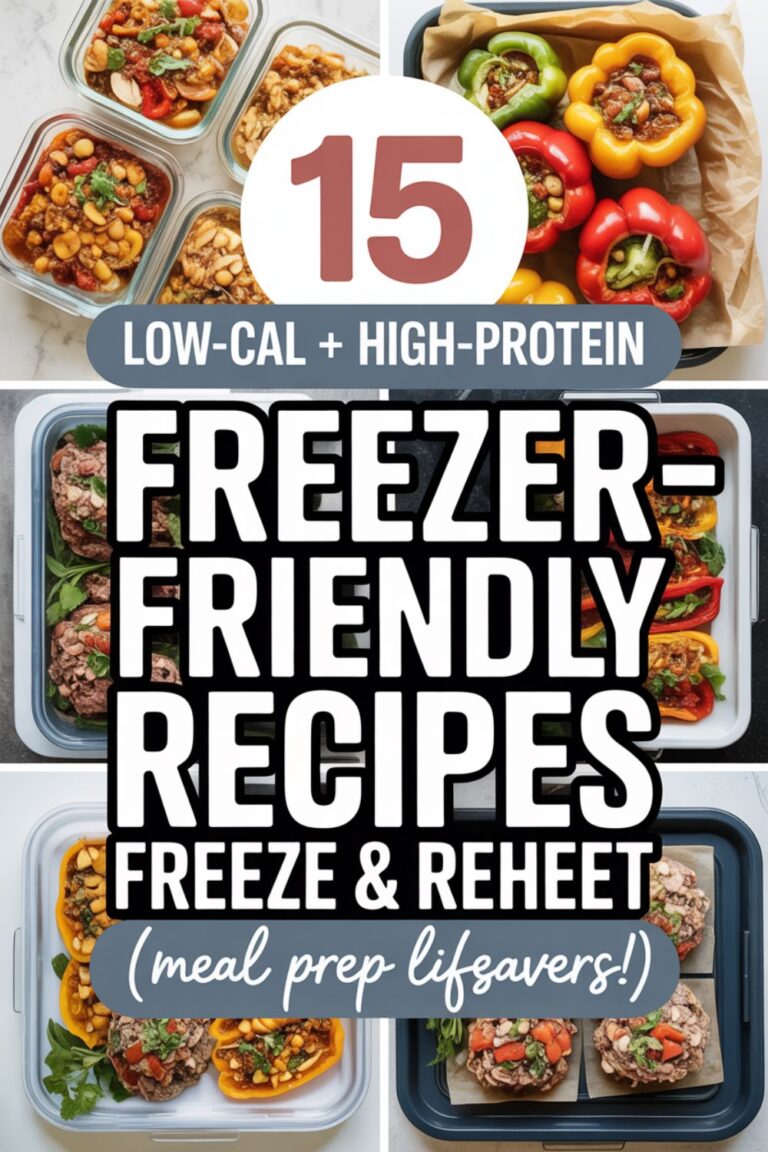
15 Low-Calorie High-Protein Recipes You Can Freeze and Reheat
15 Low-Calorie High-Protein Recipes You Can Freeze and Reheat 15 Low-Calorie High-Protein Recipes You Can Freeze and Reheat Look, I’m just gonna say it—meal prep gets a bad rap because most people are doing it wrong. They’re chopping vegetables on Sunday evening with tears in their eyes, wondering why they signed up for this torture,…
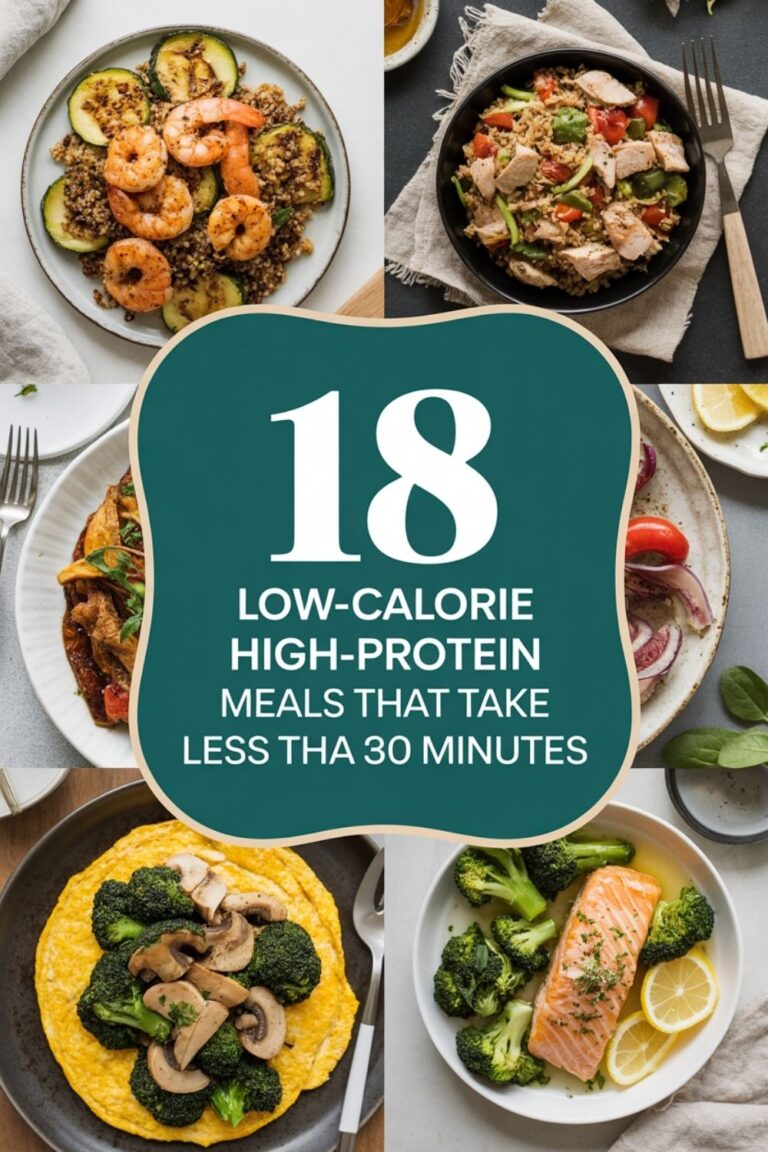
18 Low-Calorie High-Protein Meals That Take Less Than 30 Minutes
18 Low-Calorie High-Protein Meals That Take Less Than 30 Minutes 18 Low-Calorie High-Protein Meals That Take Less Than 30 Minutes Look, I get it. You’re trying to eat better, hit your protein goals, and somehow not spend half your life cooking or choking down bland chicken breast. The struggle is real, and honestly, most protein-packed…
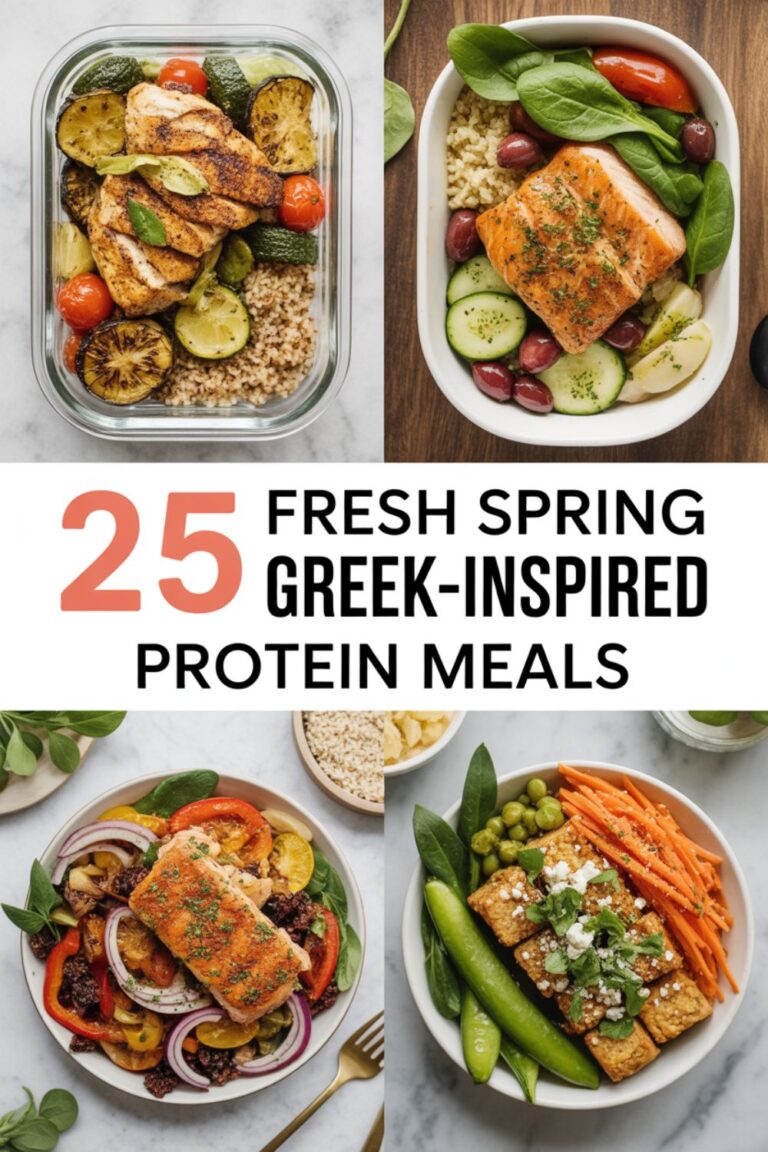
25 Fresh Spring Greek-Inspired Protein Meals
25 Fresh Spring Greek-Inspired Protein Meals 25 Fresh Spring Greek-Inspired Protein Meals Spring just hit different this year. Maybe it’s the longer days or the fact that I can finally throw open my windows without freezing, but something about warmer weather makes me crave lighter, brighter food. And when I say lighter, I don’t mean…
21 Low-Calorie Holiday Desserts with Protein
21 Low-Calorie Holiday Desserts with Protein | FullTaste Co FullTaste Co Holiday Desserts 21 Low-Calorie Holiday Desserts with Protein Because the holiday table deserves treats that taste indulgent and still leave room for seconds — without the aftermath. Let’s be real. Every year, the holidays roll around and everyone with a nutrition goal grips their…