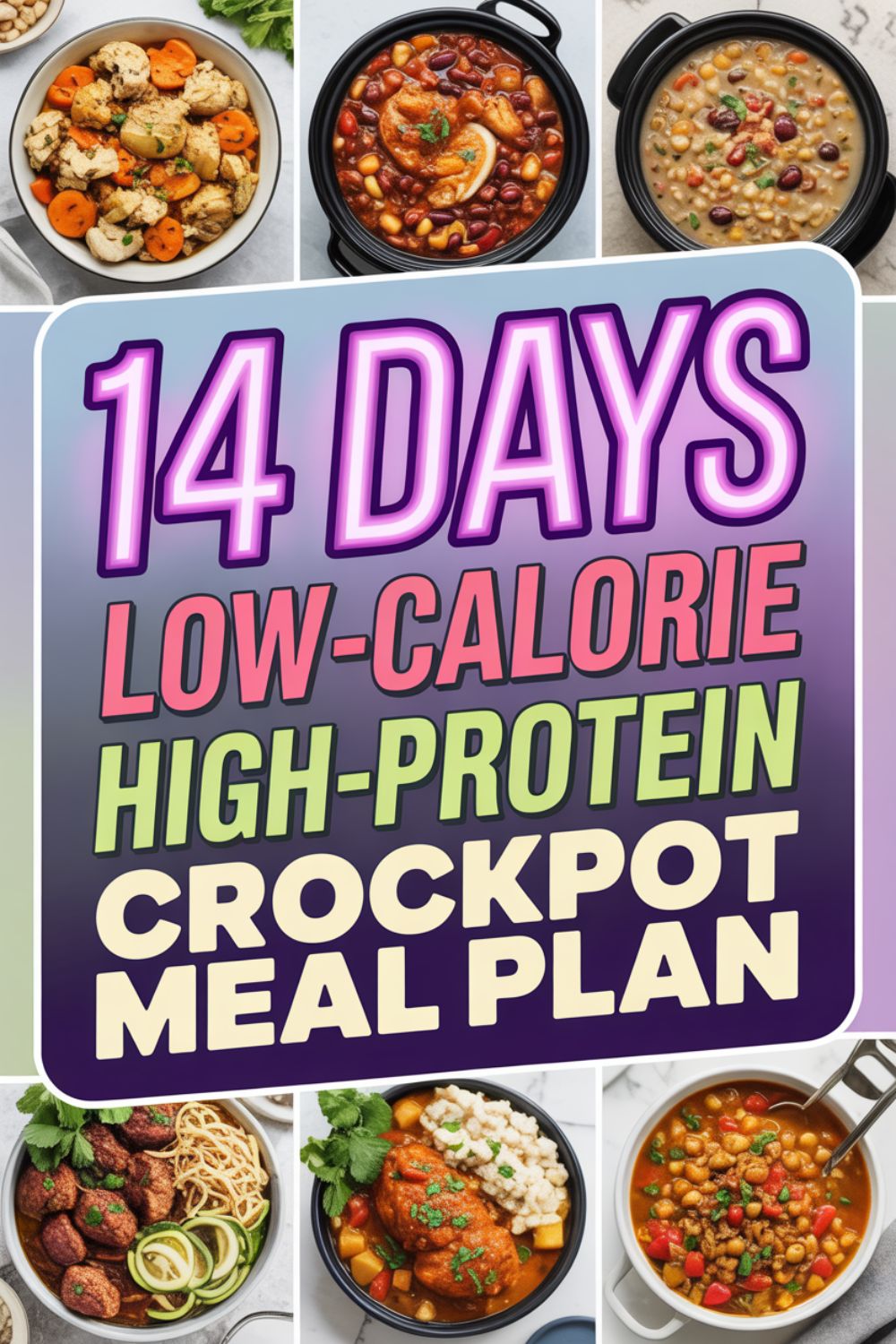
14-Day Low-Calorie High-Protein Crockpot Meal Plan
Your complete guide to effortless, protein-packed slow cooker meals
Look, I get it. You’re tired after work, the last thing you want to do is stand over a stove for an hour, and yet somehow you’re supposed to hit your protein goals while keeping calories in check. Sounds like a recipe for takeout and regret, right?
That’s where this 14-day crockpot meal plan comes in. I’ve been meal prepping with my slow cooker for years now, and honestly, it’s the only reason I haven’t survived solely on cereal and questionable leftovers. The crockpot does the heavy lifting while you’re at work, at the gym, or binge-watching your favorite show. You come home to food that actually smells amazing and hits those macros without the drama.
This isn’t one of those plans that requires you to eat plain chicken and broccoli for two weeks straight. We’re talking real food with actual flavor—think tender pulled meats, hearty stews, and meals that keep you full for hours. Each day is designed to deliver high protein while keeping calories reasonable, because who wants to spend their evenings calculating every bite?
Why the Crockpot is Your Secret Weapon for High-Protein Eating
Before we dive into the actual plan, let’s talk about why slow cookers are basically magic for anyone trying to eat more protein without losing their mind. First off, they’re ridiculously forgiving. You can toss in cheaper cuts of meat—the ones that would turn into shoe leather on the stovetop—and the slow, gentle heat breaks them down into something tender and delicious.
Plus, there’s something satisfying about dumping ingredients into a pot in the morning and forgetting about it until dinner. No babysitting, no stirring every five minutes, no accidentally burning things because you got distracted by a text. Just set it and go live your life.
The beauty of crockpot cooking for protein goals is that tougher proteins like chicken thighs, beef chuck, and pork shoulder—all relatively affordable and packed with protein—become fall-apart tender after hours of slow cooking. You’re not stuck with dry, sad chicken breasts that you have to drown in sauce just to choke down.
What Makes This Plan Actually Work
I’ve tried a lot of meal plans over the years, and most of them fail for the same reasons: they’re too complicated, require ingredients you’ll never use again, or taste like cardboard. This plan avoids all that nonsense.
Each recipe in this 14-day rotation is built around lean proteins, fiber-rich vegetables, and simple seasonings you probably already have. We’re targeting around 30-40 grams of protein per serving while keeping calories between 300-450 per meal, depending on what you pair it with. That’s not some arbitrary number—research from Harvard Health suggests that spreading protein intake throughout the day helps with muscle maintenance and satiety.
Here’s what a typical day looks like: You’ll prep your breakfast the night before (think overnight oats or egg bites you can heat up), lunch is usually leftovers from the previous night’s dinner (meal prep FTW), and dinner is whatever’s been simmering in your crockpot all day. Simple, sustainable, and you’re not eating the same thing every single day.
Also, let’s be real—variety matters. Nobody sticks with a plan that bores them to tears. That’s why we’re rotating through different proteins and flavor profiles. Monday might be salsa verde chicken, Wednesday could be beef and vegetable stew, and Friday you’re enjoying teriyaki pork. Your taste buds stay interested, which means you actually stick with it.
The Complete 14-Day Meal Plan Breakdown
Days 1-3: Getting Started Strong
Day 1: Slow Cooker Salsa Verde Chicken
Start your plan with something easy and flavorful. This recipe uses chicken breasts, salsa verde, and a few spices. It’s lean, protein-packed, and ridiculously versatile. Shred it up and use it for wraps, throw it over a salad, or pile it onto a sweet potato. You’re looking at about 35 grams of protein per serving with minimal calories from the salsa.
Day 2: Beef and Vegetable Stew
Day two we’re switching to beef. Use a lean chuck roast cut into chunks, add carrots, celery, onions, and a rich beef broth. The slow cooker turns that tough beef into melt-in-your-mouth goodness. This is comfort food that doesn’t wreck your macros—around 32 grams of protein and loaded with fiber from all those veggies. Plus, stew always tastes better on day two, so make extra.
Day 3: Turkey Chili
Chili is crockpot gold. Ground turkey keeps it lean, black beans add extra protein and fiber, and tomatoes give you that rich, hearty base. Season it with cumin, chili powder, and garlic, and you’ve got a meal that’ll keep you full for hours. We’re talking 38 grams of protein per bowl. Pair it with a small side of cornbread if you’re feeling fancy, or just eat it straight up.
Speaking of high-protein meals that won’t leave you hungry, you might want to check out these Instant Pot recipes for even more variety, or explore these slow cooker meals that follow the same principles.
Days 4-7: Building Momentum
Day 4: Honey Garlic Pork Tenderloin
Pork tenderloin is criminally underrated for high-protein eating. It’s lean, affordable, and the crockpot makes it incredibly tender. A simple honey garlic sauce (just honey, soy sauce, garlic, and a splash of apple cider vinegar) gives it serious flavor without adding many calories. You’re hitting around 40 grams of protein here, and leftovers make incredible sandwiches the next day.
Day 5: Italian Chicken with Tomatoes and Zucchini
Back to chicken, but Italian-style this time. Chicken thighs (yes, thighs—they stay moist in the slow cooker), cherry tomatoes, zucchini, Italian herbs, and a touch of balsamic vinegar. It’s light, it’s fresh, and it has that Mediterranean vibe without being complicated. Around 33 grams of protein, and you can serve it over cauliflower rice or regular rice depending on your calorie goals.
Day 6: Beef Barbacoa
This one’s a flavor bomb. Beef chuck roast, chipotle peppers, lime juice, cumin, and beef broth. Let it cook low and slow until it falls apart. The result is tender, smoky, slightly spicy beef that works in burrito bowls, tacos, or just eaten with a fork straight from the container (no judgment). Protein sits around 36 grams per serving, and the leftovers only get better.
Day 7: White Chicken Chili
By day seven, you might be craving something different. White chicken chili delivers. Chicken breast, white beans, green chilies, chicken broth, and a bit of cream cheese for richness. It’s creamy without being heavy, and you get a solid 35 grams of protein. Top it with fresh cilantro and a squeeze of lime, and you’ve got yourself a winner.
Days 8-11: Mixing It Up
Day 8: Teriyaki Pork Shoulder
Pork shoulder is one of those cuts that transforms in the crockpot. Mix up a quick teriyaki sauce (soy sauce, ginger, garlic, a little brown sugar, and pineapple juice), pour it over the pork, and let it work its magic. The end result is tender, flavorful meat that works over rice, in lettuce wraps, or mixed into quick prep bowls. You’re getting about 38 grams of protein per serving.
Day 9: Greek Chicken with Lemon and Herbs
Greek flavors are bright and fresh, perfect for breaking up the heavier meals. Chicken thighs, lemon juice, oregano, garlic, and a handful of olives and tomatoes. It’s tangy, herby, and feels lighter without sacrificing protein (around 34 grams). Serve it with a simple Greek salad on the side for a complete meal that doesn’t feel like “diet food.”
Day 10: Beef Stroganoff (Lightened Up)
Yes, you can make stroganoff in a crockpot, and yes, it can fit your macros. Use lean beef strips, mushrooms, onions, beef broth, and a bit of Greek yogurt instead of sour cream to keep it lighter. It’s creamy, comforting, and has about 32 grams of protein per serving. Serve it over egg noodles or zucchini noodles—your call.
Day 11: Cajun Chicken and Sausage
Spice things up with Cajun flavors. Chicken breast, turkey sausage (for extra protein without too much fat), bell peppers, onions, and Cajun seasoning. It’s got a kick, it’s satisfying, and you’re looking at around 40 grams of protein. This one’s great if you’re tired of bland, boring meals.
For even more inspiration on keeping your protein intake high while managing calories, you might find these sheet pan dinners helpful for nights when you want to switch things up.
Days 12-14: Finishing Strong
Day 12: Korean Beef
Korean beef is sweet, savory, and unbelievably easy. Ground beef (go for 93% lean), soy sauce, brown sugar, ginger, garlic, and a splash of sesame oil. Serve it over rice or cauliflower rice with some steamed broccoli. Protein comes in around 35 grams, and it tastes like takeout without the guilt or the expense.
Day 13: Tuscan Chicken
Creamy sun-dried tomato chicken with spinach—sounds fancy, tastes incredible, and it’s shockingly easy. Chicken breasts, sun-dried tomatoes, spinach, garlic, chicken broth, and a little cream cheese. The slow cooker blends all those flavors together perfectly. You’re getting about 37 grams of protein, and it feels like a restaurant meal you made in your pajamas.
Day 14: Pulled Chicken for Meal Prep
End the two weeks with a versatile pulled chicken that you can use for literally anything. Just chicken, chicken broth, and your choice of seasonings (I usually go with garlic powder, onion powder, and paprika). Shred it up and portion it out for the week ahead. Use it in simple recipes, add it to salads, stuff it in wraps, or eat it with roasted vegetables. Around 40 grams of pure protein per serving.
Kitchen Tools That Make This Plan Easier
6-Quart Programmable Crockpot
The MVP of this entire plan. Get one with a timer so you can set it and actually leave the house without worrying. I’ve had mine for five years and it’s still going strong.
Glass Meal Prep Containers Set
Trust me, plastic containers stain and smell weird after a while. These glass ones go from fridge to microwave without any drama, and they actually seal properly so you’re not dealing with leaks in your bag.
Kitchen Scale
If you’re serious about hitting your protein goals, weighing your food makes a huge difference. No more guessing whether that’s 4 ounces or 6 ounces of chicken.
Slow Cooker Liners
These are kind of genius for lazy people like me. Line your crockpot, cook your meal, then just toss the liner when you’re done. Cleanup takes literally 30 seconds.
Printable Meal Planner PDF
A simple weekly meal planning template that you can print out and stick on your fridge. Helps you stay organized and actually stick with the plan instead of winging it every day.
Macro Tracking App Subscription
Makes tracking your protein and calories way less painful. Just scan barcodes or search for foods, and it does the math for you. Worth every penny if you’re serious about your goals.
How to Actually Stick With This Plan
Here’s the thing nobody tells you about meal plans: the plan itself isn’t usually the problem. It’s life getting in the way. You have a rough day, you’re exhausted, and suddenly ordering pizza sounds way easier than dealing with meal prep.
So let’s talk about how to make this work in real life, not in some fantasy world where you have unlimited time and energy.
Prep what you can on Sunday. I know, I know, nobody loves spending Sunday afternoon in the kitchen. But spending an hour chopping vegetables, portioning out proteins, and getting your crockpot ingredients into bags or containers saves you so much stress during the week. Put on a podcast or some music, pour yourself a coffee, and knock it out.
Keep it simple. You don’t need to make every meal Instagram-worthy. Sometimes dinner is just shredded chicken over rice with some steamed broccoli. That’s fine. It hits your macros, it tastes good, and you didn’t stress yourself out making it happen.
Don’t be weird about leftovers. Eating the same thing for lunch two or three days in a row is not a punishment. It’s efficient. Plus, a lot of these crockpot meals actually taste better on day two when the flavors have had time to meld together.
Have backup options. Keep some frozen vegetables, canned beans, and extra protein (frozen chicken breasts, ground turkey) on hand. If you forget to prep something or life throws you a curveball, you can still throw together a decent meal without derailing everything.
Customizing the Plan to Fit Your Life
This plan is designed to be flexible because everyone’s needs are different. Maybe you need more calories because you’re super active, or maybe you need fewer because you’re trying to create a bigger deficit. Here’s how to adjust things without overthinking it.
If you need more calories: Add a serving of brown rice, quinoa, or sweet potato to your meals. These are nutrient-dense carbs that’ll fuel your workouts and keep you satisfied. You could also increase your portion sizes slightly or add a healthy fat like avocado or a drizzle of olive oil.
If you need fewer calories: Serve your proteins over cauliflower rice instead of regular rice, load up on extra vegetables (they’re filling and low-calorie), and maybe skip any added oils or butter in the recipes. The protein stays the same, but overall calories come down.
If you’re vegetarian: You can absolutely adapt this plan. Swap the meats for things like tempeh, tofu, or extra beans and lentils. You might need to add protein powder to smoothies or snacks to hit the same protein levels, but it’s totally doable. Check out these plant-based high-protein meals for ideas.
If you’re cooking for a family: Most of these recipes scale up easily. Just double or triple the ingredients and use a bigger crockpot (or two crockpots if you’re really committed). Kids might be picky about some of the spicier options, so you can always set aside a portion before adding things like hot sauce or chili peppers.
According to Mayo Clinic, protein should make up about 10-35% of your daily calories, and most adults need around 0.8 to 1.2 grams per kilogram of body weight depending on activity level. This plan is designed to fall right in that sweet spot without going overboard.
Common Mistakes and How to Avoid Them
Let’s talk about where people usually mess up with crockpot meal plans, because forewarned is forearmed, right?
Overcooking your proteins. Just because it’s a slow cooker doesn’t mean you can leave it on high for 10 hours and expect good results. Chicken breasts, in particular, can get dry and stringy if you cook them too long. Stick to the recommended times (usually 4-6 hours on low for most proteins) and check for doneness before you just assume it’s fine.
Not seasoning enough. Slow cookers are magical, but they’re not miracle workers. If you just throw bland chicken and plain vegetables in there, you’re going to get bland food out. Use herbs, spices, citrus, vinegar, and sauces to build flavor. Don’t be shy with seasoning.
Ignoring food safety. Don’t leave cooked food sitting in the crockpot on warm for hours and hours. Once it’s done, portion it out and get it into the fridge within a couple of hours. Nobody wants food poisoning, and protein-rich foods can be breeding grounds for bacteria if left at unsafe temperatures too long.
Trying to wing it without a plan. I know some people can just freestyle their meals every day, but for most of us, that’s how we end up eating cereal for dinner three nights in a row. Having a plan—even a loose one—keeps you on track and makes grocery shopping way easier.
The Real Benefits Beyond Just Protein
Sure, this plan is designed to help you hit your protein goals without spending all your time in the kitchen, but there are some other perks worth mentioning.
Your grocery bill will probably go down. When you’re cooking with a plan, you buy what you need and actually use it instead of impulse-buying random stuff that ends up rotting in your fridge. Plus, crockpot cooking is perfect for cheaper cuts of meat, which saves you money without sacrificing quality.
You’ll waste less food. Leftovers are built into this plan. You’re not making tiny portions that leave you hungry an hour later, and you’re not making so much that half of it goes bad. Everything gets used, either as lunch the next day or frozen for later.
Less decision fatigue. Figuring out what to eat every single night is exhausting. With this plan, you already know what you’re making, so you can save your mental energy for more important things (like deciding which show to binge-watch next).
You’ll actually feel better. Eating enough protein helps with satiety, which means you’re less likely to snack on junk between meals. It also supports muscle recovery if you’re working out, helps keep your blood sugar stable, and generally makes you feel more energized throughout the day.
For more ideas on protein-packed meals that support recovery and energy, take a look at these muscle recovery recipes or these meal prep ideas for athletes.
What to Do After the 14 Days
So you’ve made it through the full two weeks. Now what? You’ve got a few options here.
Repeat the cycle. If it worked for you and you didn’t get bored, there’s nothing wrong with running through the same 14 days again. Some people thrive on routine, and if that’s you, lean into it.
Mix and match your favorites. Maybe there were a few recipes you absolutely loved and a couple you could take or leave. Keep the ones you liked, swap out the ones you didn’t, and create your own custom rotation. You’ve already got the framework—now make it yours.
Expand your recipe collection. Once you’ve got the basics down, branch out. Try new flavor profiles, experiment with different proteins, or adapt recipes you find elsewhere to work in your crockpot. The skills you’ve learned over these 14 days—planning, prepping, cooking efficiently—will serve you well no matter what recipes you tackle next.
Keep tracking your progress. Whether that’s how you feel, how your clothes fit, or actual numbers on the scale, keep tabs on what’s working. Adjust as needed. Maybe you need a bit more food on workout days, or maybe you can tighten things up a bit on rest days. The point is to stay flexible and responsive to what your body needs.
If you’re looking for more structured guidance beyond these two weeks, check out this 7-day meal plan for beginners or this 14-day meal prep plan for continued success.
Frequently Asked Questions
Can I freeze these crockpot meals?
Absolutely. Most of these recipes freeze really well, especially the stews, chilis, and shredded meats. Portion them into individual containers or freezer bags, label them with the date, and freeze for up to three months. Thaw overnight in the fridge and reheat on the stovetop or in the microwave. Just know that anything with dairy might separate a bit when frozen and reheated—it’ll still taste fine, just might look slightly different.
What if I don’t have a crockpot?
You can adapt most of these recipes for the stovetop or oven, though you’ll need to babysit them more. An Instant Pot or pressure cooker also works great and cooks things faster. The crockpot is just convenient because you can literally walk away and forget about it, but the recipes themselves aren’t dependent on that specific appliance.
How do I know if I’m eating enough protein?
A good rule of thumb is to aim for about 0.8-1.2 grams of protein per kilogram of body weight, depending on your activity level. If you’re working out regularly or trying to build muscle, you might want to be on the higher end of that range. Track your intake for a few days using an app to see where you land, then adjust as needed.
Can I meal prep all 14 days at once?
Technically yes, but I wouldn’t recommend it. Most cooked proteins are best within 3-4 days in the fridge. You could batch cook and freeze everything, but then you’re just thawing and reheating meals instead of having them fresh. I’d suggest prepping 3-4 days at a time—it’s a better balance of convenience and freshness.
What if I’m vegetarian or vegan?
You can definitely adapt this plan. Swap the proteins for plant-based options like tofu, tempeh, seitan, or legumes (chickpeas, lentils, black beans). You might need to supplement with protein powder or eat slightly larger portions to hit the same protein numbers, but it’s totally doable. The cooking methods and meal structures stay the same—you’re just changing the main protein source.
Look, at the end of the day, this 14-day crockpot meal plan isn’t about perfection. It’s about making your life easier while still hitting your protein and calorie goals. You’re not going to nail every single meal, and that’s fine. The point is to have a system that works most of the time, not to stress yourself out trying to be perfect.
The crockpot is your friend here. It doesn’t judge you for being tired after work. It doesn’t care if you forgot to marinate the chicken for four hours like some recipe demanded. You throw stuff in, turn it on, and come home to food that actually tastes good and helps you reach your goals.
Give this plan a shot for the full two weeks. See how you feel, see how your body responds, and then decide if you want to keep going or adjust things. Maybe you’ll discover your new favorite weeknight dinner, or maybe you’ll just appreciate having a plan that takes the guesswork out of healthy eating.
Either way, you’ve got this. Your crockpot has your back, and now you have the recipes and strategies to make it work. Time to get cooking—or more accurately, time to set it and forget it.
30-Day High-Protein
Low-Calorie Meal Plan
Every breakfast, lunch, dinner & snack — all 30 days fully mapped out. Just follow the plan.
- ✓50+ complete recipes with ingredients & step-by-step instructions
- ✓4-week day-by-day plans — every meal for all 30 days
- ✓4 weekly shopping lists organised by store section
- ✓Printable habit & progress tracker — 30 full days
- ✓100g+ protein per day — scientifically optimised macros
Instant PDF · Print at home
Results guaranteed with consistency