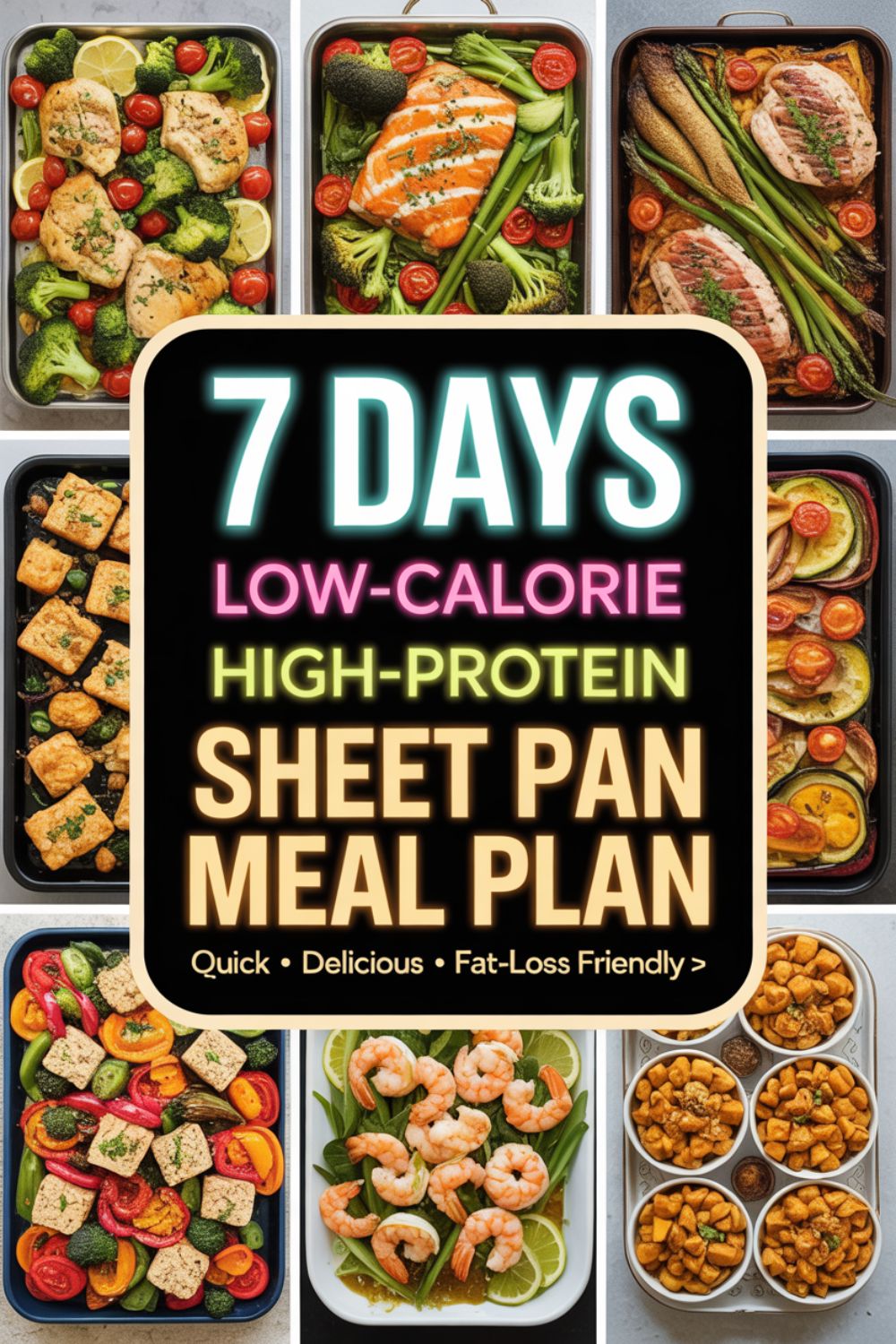
7-Day Low-Calorie High-Protein Sheet Pan Meal Plan
Let me guess: you’re tired of spending hours in the kitchen juggling multiple pans, washing a mountain of dishes, and still somehow ending up with meals that don’t hit your protein goals. Yeah, I’ve been there too. That’s exactly why I fell head over heels for sheet pan cooking—and more specifically, sheet pan meals that actually work for people trying to eat clean without living in the kitchen.
Here’s the thing about sheet pan meals: they’re not just about convenience. When you nail the protein and keep calories in check, you’ve basically found the holy grail of weeknight cooking. Everything roasts together, flavors meld beautifully, and cleanup? It’s literally one pan. This week-long plan I’m sharing isn’t some aspirational meal prep fantasy—it’s what actually works when you need real food, real fast.
Over the next seven days, you’re going to discover how ridiculously simple it is to hit 25-35 grams of protein per meal while keeping things under 450 calories. No weird ingredients, no complicated techniques, just straightforward cooking that delivers.
Why Sheet Pan Meals Actually Work for High-Protein Goals
Before we dive into the meal plan, let’s talk about why this approach isn’t just another food trend. According to Harvard’s Nutrition Source, strategic protein intake throughout the day supports muscle maintenance and satiety—two things that make or break any eating plan.
Sheet pans let you cook proteins and vegetables at high heat simultaneously, which means you’re getting that beautiful caramelization while preserving nutrients. The proteins stay juicy, the vegetables get those crispy edges everyone loves, and you’re not standing over a stove managing multiple cooking times.
I’ve tested this approach with everything from chicken thighs to salmon, and the results are consistently solid. You know what else? When you nail the protein-to-veggie ratio on a single pan, portion control becomes automatic. No more guessing if you’re eating enough protein or overdoing the carbs.
Line your sheet pan with parchment paper or use a silicone baking mat before you start prepping. Your future self will thank you when cleanup takes literally 30 seconds instead of 15 minutes of scrubbing.
The Science Behind Low-Calorie, High-Protein Eating
Here’s something that took me way too long to figure out: not all calories are created equal, and protein plays a completely different role in your body compared to fats and carbs. Research published in the National Institutes of Health shows that higher protein intake supports muscle preservation, especially when you’re in a caloric deficit.
What does that mean for your sheet pan meals? When you prioritize lean proteins like chicken breast, white fish, or even extra-firm tofu, you’re getting maximum satiety with minimal calories. Your body actually burns more calories digesting protein than it does processing carbs or fats—it’s called the thermic effect of food, and it’s basically a metabolism boost built into your meal plan.
The beauty of sheet pan cooking is that you can easily hit that sweet spot of 25-35 grams of protein per meal without relying on supplements or protein powders. Just real food, properly portioned and deliciously seasoned.
Speaking of protein-packed meals, if you’re looking for more variety beyond sheet pans, these low-calorie high-protein salad recipes are perfect for quick lunches that keep you full.
Your 7-Day Sheet Pan Meal Plan Blueprint
Alright, let’s get into the actual plan. I’ve structured this to give you variety without making grocery shopping a nightmare. Each day focuses on a different protein source, and I’ve included prep times because I know your time is valuable.
Day 1: Lemon Herb Chicken with Asparagus and Cherry Tomatoes
Nutrition per serving: 320 calories, 38g protein, 28g carbs, 8g fat
Start your week strong with this Mediterranean-inspired combination. The lemon juice not only adds brightness but also helps tenderize the chicken while it roasts. I use bone-in, skin-on chicken thighs for this one because they stay incredibly moist, but if you’re going for lower calories, boneless skinless breasts work great too.
Asparagus roasts beautifully at 425°F—those tips get slightly crispy while the stalks stay tender. Cherry tomatoes burst and create this naturally sweet, slightly acidic sauce that pools around everything. Pro move: save those pan drippings and drizzle them over brown rice or quinoa if you’re adding a side.
For the full detailed instructions on this recipe, Get Full Recipe.
Prep your veggies on Sunday night. Trim the asparagus, halve the tomatoes, and store them in airtight containers. When dinnertime rolls around, you’ll literally just toss everything on the pan and slide it into the oven.
Day 2: Spicy Salmon with Broccoli and Red Onions
Nutrition per serving: 385 calories, 34g protein, 22g carbs, 18g fat
Salmon is one of those proteins that sounds fancy but is stupid easy to cook on a sheet pan. The healthy fats in salmon actually support your metabolism, and according to Healthline’s nutrition research, omega-3s may help with muscle recovery after workouts.
I coat the salmon with a simple spice blend—smoked paprika, garlic powder, a tiny bit of cayenne—and let the oven work its magic. The broccoli gets those crispy edges that make vegetables actually crave-worthy, and red onions caramelize into sweet, tender ribbons.
Here’s the timing trick: broccoli needs about 20 minutes at 425°F, while salmon only needs 12-15. Put the broccoli in first, then add the salmon halfway through. Boom, perfectly cooked everything.
If you’re meal prepping and want more inspiration for the week ahead, check out these low-calorie high-protein meals perfect for meal prep that include complete nutritional breakdowns.
Day 3: Turkey Meatballs with Zucchini and Bell Peppers
Nutrition per serving: 295 calories, 32g protein, 19g carbs, 11g fat
Ground turkey is criminally underrated for sheet pan meals. It’s lean, affordable, and absorbs flavors like nobody’s business. I roll these meatballs with Italian seasoning, a touch of parmesan, and some minced garlic—nothing complicated.
The vegetables for this one are all about color and texture contrast. Zucchini releases moisture as it cooks, which actually helps keep the meatballs from drying out. Bell peppers add sweetness and a slight char that brings everything together.
Use a small cookie scoop to portion the meatballs—they’ll all be uniform size, which means even cooking. Trust me, this tiny tool is a game-changer for meal prep consistency.
Want to explore more ways to use ground turkey? These high-protein low-calorie meal ideas for weight loss beginners feature several ground protein options that are super approachable.
Day 4: Balsamic Pork Tenderloin with Brussels Sprouts
Nutrition per serving: 340 calories, 36g protein, 24g carbs, 10g fat
Pork tenderloin is the unsung hero of high-protein cooking. It’s incredibly lean—leaner than chicken thighs, actually—and when you marinate it in balsamic vinegar with some Dijon mustard, the flavor is next level.
Brussels sprouts get a bad rap because people usually steam them into mushy sadness. Roasted at high heat? They’re crispy, nutty, and addictive. Cut them in half, toss with olive oil, and watch them transform into caramelized little flavor bombs.
The balsamic glaze reduces as everything cooks, creating this sweet-tangy coating that makes you wonder why you ever bothered with complicated sauces. I usually throw in some halved baby potatoes too if I’ve got them lying around.
Day 5: Lemon Pepper Cod with Green Beans and Tomatoes
Nutrition per serving: 280 calories, 30g protein, 18g carbs, 9g fat
White fish like cod is perfect when you want high protein without heavy calories. It’s also incredibly forgiving—unlike salmon, you can’t really overcook it to the point of disaster. The lemon pepper seasoning keeps things simple but effective.
Green beans roast faster than you’d think, especially the thin haricots verts variety. Tomatoes add moisture and prevent everything from drying out. I sometimes use grape tomatoes because they’re naturally sweeter and hold up better under high heat.
This is probably the lightest meal of the week calorie-wise, which makes it perfect for days when you know you’re having a bigger breakfast or lunch. It’s also great for when you need something that cooks fast—total time is under 25 minutes.
For even more quick and simple ideas, these low-calorie high-protein recipes with 5 ingredients or less are perfect for when you want maximum results with minimal effort.
Invest in a reliable instant-read thermometer. Fish is done at 145°F, chicken at 165°F, and pork at 145°F. No more guessing, no more dry protein. This one tool has saved me from so many kitchen disasters.
Day 6: Honey Mustard Chicken Thighs with Cauliflower and Carrots
Nutrition per serving: 365 calories, 33g protein, 26g carbs, 14g fat
We’re back to chicken, but this time with a sweet and tangy glaze that makes even picky eaters happy. The honey mustard combo is classic for a reason—honey caramelizes under high heat while mustard adds that sharp contrast.
Cauliflower is one of my favorite sheet pan vegetables because it gets these incredible crispy edges. I cut it into thick steaks rather than florets sometimes, which gives you more surface area for browning. Carrots add natural sweetness and hold up well to longer cooking times.
If you’re prepping this in advance, mix the honey mustard sauce ahead and store it separately. Just brush it on the chicken before it goes in the oven. The sauce can burn if it’s on there too long, so I usually add it in the last 15 minutes of cooking.
Day 7: Mediterranean Shrimp with Peppers and Artichoke Hearts
Nutrition per serving: 310 calories, 29g protein, 21g carbs, 12g fat
End the week with shrimp because it’s fast, flavorful, and feels slightly indulgent even though it’s super lean. Shrimp cooks in about 8-10 minutes at 400°F, so this is truly a last-minute meal option.
The Mediterranean vibe comes from jarred artichoke hearts (I use the ones in water, not oil), bell peppers, and a generous squeeze of lemon. Add some feta at the end if you’ve got calories to spare—it’s worth it.
Here’s a trick I learned the hard way: don’t crowd the shrimp. If they’re touching, they’ll steam instead of roast. Use two sheet pans if needed, or just make this recipe for two people max per pan.
Get Full Recipe for complete cooking instructions and timing details.
Looking for more seafood options that keep protein high and calories low? These low-calorie high-protein recipes for muscle recovery include several fish and shellfish options perfect for post-workout meals.
Meal Prep Strategy That Actually Works
Let’s get real about meal prep for a second. I’ve tried the whole “spend five hours on Sunday cooking everything” approach, and honestly? It’s exhausting and I never stick with it. Here’s what actually works for sheet pan meals.
The Two-Hour Sunday Session:
Set aside two hours max. Use the first hour to prep all your vegetables—chop, dice, slice, whatever needs doing. Store them in glass meal prep containers with labels. The second hour is for marinating your proteins and portioning them into freezer-safe bags.
I usually prep three proteins at once: Monday’s chicken, Wednesday’s turkey meatballs (already rolled), and Friday’s cod (still frozen is fine). The other days, I use proteins that cook so fast they don’t need advance prep, like shrimp or quick-cooking pork.
The Hybrid Approach:
If two hours sounds like too much, try this: prep veggies only on Sunday. Keep proteins in their original packaging until the night before you cook them. Pull tomorrow’s protein from the freezer and let it thaw in the fridge overnight. In the morning, throw together a quick marinade, and you’re set.
For more complete meal planning strategies that work with real life, check out this 7-day high-protein low-calorie meal plan for beginners that includes shopping lists and prep schedules.
Kitchen Tools That Make These Recipes Easier
Look, you don’t need a kitchen full of gadgets to nail sheet pan cooking. But these six tools have genuinely made my life easier, and they’re worth considering if you’re serious about making this a regular thing.
Heavy-Duty Aluminum Sheet Pans (Set of 2)
Get the commercial-grade ones with a rim. They won’t warp at high heat, and the rim prevents juices from running all over your oven. I’ve had mine for three years and they still look brand new.
Reusable Silicone Baking Mats
These changed the game for me. No more scrubbing pans or wasting parchment paper. They’re heat-resistant up to 480°F and create a non-stick surface that makes cleanup ridiculously easy.
Digital Instant-Read Thermometer
Takes the guesswork out of cooking proteins perfectly. Chicken thighs, fish, pork—everything comes out exactly right when you can check the internal temp in two seconds.
Meal Prep Mastery eBook
This digital guide breaks down the exact strategies for prepping five days of high-protein meals in under two hours. Includes shopping templates and timing charts that actually make sense.
Sheet Pan Cooking Course
A comprehensive video course that teaches you the science behind perfect roasting temperatures, timing coordination, and how to create your own recipes. Worth it if you want to master the technique.
Protein Calculator & Meal Planning App
This app lets you track your macros, plan your week, and adjust recipes based on your specific goals. The database includes most common sheet pan proteins and vegetables with accurate nutritional info.
Common Mistakes to Avoid
I’ve made literally every sheet pan mistake possible, so let me save you the trouble. These are the ones that actually matter.
Overcrowding the pan: This is the number one issue. When vegetables and proteins are packed too tightly, they steam instead of roast. You lose all those crispy edges and caramelized flavors. Use two pans if you need to—it’s worth it.
Using the wrong temperature: Most proteins and vegetables hit their sweet spot between 400-425°F. Lower than that and you’re basically baking everything into mush. Higher, and you risk burning the outside while the inside stays raw.
Ignoring size consistency: Cut vegetables roughly the same size. Otherwise you get some pieces that are charred while others are still crunchy. This sounds obvious but I still catch myself rushing through veggie prep and paying for it later.
Not adjusting for frozen vegetables: Frozen veggies release a ton of moisture. If you’re using them (which is totally fine), add them to the pan 5-10 minutes before you think they’re done, not at the beginning.
Want to avoid beginner mistakes altogether? These low-calorie high-protein meal plans for beginners walk you through each step with photos and troubleshooting tips.
Customizing the Plan for Your Goals
This base plan averages about 320 calories and 32 grams of protein per meal. But your needs might be different, and that’s completely fine. Here’s how to adjust.
For weight loss: Keep the protein portions the same but reduce added fats. Skip the olive oil on vegetables and use cooking spray instead. This can save you 100-120 calories per meal without sacrificing protein or satiety.
For muscle gain: Add a starchy vegetable like sweet potatoes or regular potatoes to each pan. They’ll roast right alongside everything else and bump your calories up by 150-200 while adding quality carbs for recovery.
For vegetarian protein: Swap the animal proteins for extra-firm tofu, tempeh, or seitan. Press the tofu well before cubing it, and toss it with a tiny bit of cornstarch for crispy edges. The timing and temperatures stay the same.
If you’re specifically targeting fat loss while maintaining muscle, these 30-day high-protein low-calorie challenges provide structured approaches with daily meal ideas.
Track your first week of meals using a simple food journal or app. Note how hungry you feel between meals, your energy levels, and whether you’re hitting your goals. Then adjust portion sizes or add side dishes as needed. Everyone’s needs are different.
Making It Work with Real Life
Look, meal plans are great in theory, but life happens. You’re going to have nights when you’re running late, days when you forget to thaw the protein, or weeks when you just can’t deal with cooking seven different recipes.
Here’s my backup strategy: keep three sheet pan meals in your repertoire that you can make without thinking. For me, it’s lemon chicken with asparagus, balsamic pork with brussels sprouts, and honey mustard chicken with whatever vegetables are in my fridge.
I also keep pre-cooked rotisserie chicken as an emergency protein. Shred it, toss it on a pan with vegetables for the last 10 minutes of roasting, and boom—you’ve got a meal in 20 minutes flat.
The point isn’t perfection. The point is having a system that works more often than it doesn’t. Some weeks you’ll nail all seven days. Other weeks you’ll hit four or five and order pizza on Friday. Both scenarios are fine.
For those weeks when you need maximum efficiency with minimal thinking, these low-calorie high-protein sheet pan dinners are literally designed for effortless cooking—most use five ingredients or less.
Nutrition Considerations Beyond Protein
While we’re focused on protein here, it’s worth talking about the other nutritional benefits you’re getting from these meals. The vegetables in each recipe provide fiber, vitamins, and minerals that support everything from digestion to immune function.
According to research from the International Society of Sports Nutrition, combining protein with vegetables creates meals that support both muscle protein synthesis and overall metabolic health.
The variety of colors across the week—reds from tomatoes, greens from asparagus and broccoli, oranges from carrots—means you’re getting a broad spectrum of antioxidants and phytonutrients. It’s not just about hitting protein numbers; it’s about building meals that actually nourish you.
Each recipe in this plan includes healthy fats from either the protein source itself (like salmon) or a controlled amount of olive oil. These fats help with nutrient absorption and satiety, which is why you can eat a 320-calorie meal and actually feel satisfied for hours.
For more information on balancing macronutrients effectively, these high-protein low-calorie bowls demonstrate how to structure meals that keep all your macros in check.
Storage and Reheating Tips
Sheet pan meals reheat surprisingly well if you do it right. Here’s what I’ve learned after testing basically every reheating method known to humanity.
Storage: Let everything cool completely before storing. I use divided glass containers so proteins and vegetables don’t get mushy from sitting together. These meals stay fresh in the fridge for 4-5 days.
Reheating: Skip the microwave if you can. It makes everything soggy and sad. Instead, reheat in a 350°F oven for 10-12 minutes. The vegetables get their texture back, and proteins don’t dry out.
If you must use the microwave (I get it, work lunch breaks are short), add a tablespoon of water to the container and cover it loosely. Heat in 1-minute increments, stirring between each. It’s not perfect but it’s way better than nuking it on high for three minutes straight.
Freezing: Most of these meals freeze well for up to three months. The exceptions are anything with fish (texture gets weird) and recipes with high-moisture vegetables like zucchini. Freeze in individual portions, thaw overnight in the fridge, and reheat as normal.
If you’re big on meal prep and want to master the storage game, check out these low-calorie high-protein recipes you can freeze and reheat for even more options.
Frequently Asked Questions
Can I use frozen vegetables for these sheet pan meals?
Absolutely, but you need to adjust the timing. Frozen vegetables release a lot of moisture as they thaw, which can make everything soggy if you’re not careful. My recommendation is to add frozen veggies about 10 minutes after the protein goes in, giving them less time to release water. Also, skip the oil when using frozen vegetables—they don’t need it and it just makes them greasy.
How do I prevent chicken from drying out on a sheet pan?
Two tricks that work every time: First, don’t overcook it—chicken breast is done at 165°F internal temperature, not a degree more. Second, let it rest for 5 minutes after taking it out of the oven. Those juices will redistribute and you’ll get moist, tender chicken instead of dry protein bricks. If you’re using chicken breast, consider pounding it to even thickness so it cooks uniformly.
What’s the best way to season sheet pan meals without adding extra calories?
Herbs and spices are your best friends here. Fresh or dried doesn’t matter much—both add tons of flavor with zero calories. My go-to combinations are lemon zest + garlic powder + dried oregano for Mediterranean vibes, or smoked paprika + cumin + chili powder for a Southwest feel. Vinegars are also great—balsamic, red wine, or apple cider vinegar add acidity and depth without meaningful calories.
Can I meal prep all seven days at once or should I do it in batches?
I recommend prepping in two batches: one on Sunday for Monday through Thursday, and another mid-week for Friday through Sunday. This keeps ingredients fresher and prevents burnout from spending your entire Sunday in the kitchen. The vegetables especially hold up better when they’re only prepped 2-3 days in advance rather than a full week.
What if I don’t like one of the proteins in the meal plan?
Swap it out. The beauty of sheet pan cooking is that the technique stays the same regardless of protein. Don’t like salmon? Use chicken instead. Not a fan of pork? Turkey tenderloin works great with the same seasonings. Just keep the cooking times appropriate for whatever protein you’re using and you’ll be fine.
Sheet pan cooking isn’t revolutionary, but it’s consistently reliable. And when you’re trying to hit specific protein and calorie targets while juggling real life, reliability matters more than fancy techniques or complicated recipes.
This seven-day plan gives you a solid foundation. You’ll get comfortable with the timing, figure out which vegetables you actually like roasted, and discover that hitting 30+ grams of protein per meal doesn’t require protein shakes or expensive supplements—just smart planning and a hot oven.
Start with one or two days this week. See how it feels. Adjust the seasonings to match your preferences. Maybe swap out proteins you don’t love. The framework is here; make it work for your life, not someone else’s Instagram feed.
And here’s the truth nobody tells you: some weeks you’ll crush it and feel like a meal prep champion. Other weeks you’ll barely manage three sheet pan dinners and rely on backup options. Both versions of you are doing just fine. The goal is progress, not perfection, and having a plan that makes healthy eating slightly easier most of the time.
30-Day High-Protein
Low-Calorie Meal Plan
Every breakfast, lunch, dinner & snack — all 30 days fully mapped out. Just follow the plan.
- ✓50+ complete recipes with ingredients & step-by-step instructions
- ✓4-week day-by-day plans — every meal for all 30 days
- ✓4 weekly shopping lists organised by store section
- ✓Printable habit & progress tracker — 30 full days
- ✓100g+ protein per day — scientifically optimised macros
Instant PDF · Print at home
Results guaranteed with consistency
Similar Posts
15 Filling Meals Under 400 Calories (Low-Cal, High Satisfaction)
Table of Contents Why You’ll Love This Recipe Ingredients You’ll Need Tips for the Best Results Storage and Reheating Frequently Asked Questions 15 Filling Meals Under 400 Calories (Low-Cal, High Satisfaction) 🍴 Jump to Recipe ↓ Eating light doesn’t have to mean eating sad. If you’ve ever finished a “healthy” meal and immediately started thinking…
17 Low-Calorie Meals with 30g of Protein
17 Low-Calorie Meals with 30g of Protein – Delicious, Filling & Actually Easy Full Taste Co — Real Food, Real Flavor High Protein • Low Calorie 17 Low-Calorie Meals with 30g of Protein That Actually Keep You Full Delicious, satisfying recipes that hit your macros without making dinner feel like a punishment. 17 Recipes 30g+…
25 Spring High-Protein No-Cook Meals
25 Spring High-Protein No-Cook Meals 25 Spring High-Protein No-Cook Meals Look, I get it. Spring rolls around and suddenly you’re supposed to want to cook everything fresh and light and Instagram-worthy. But what if I told you that the best spring meals don’t require turning on your stove at all? Yeah, I’m talking about high-protein,…
25 High-Protein Low-Calorie Meals for Weight Loss
25 High-Protein Low-Calorie Meals for Weight Loss Introduction Trying to lose weight but still want to eat like a normal human? Yeah… same here. I’ve tested a ton of “healthy meals,” and honestly, some of them felt like punishment on a plate. But once I figured out how to mix high protein + low calories,…
25 Spring Meal Prep Ideas(High-Protein, Low-Calorie)
25 Spring Meal Prep Ideas (High-Protein, Low-Calorie) | FullTasteCo FullTaste Co. Home Meal Plans Recipes About Spring Meal Prep 25 Spring Meal Prep Ideas(High-Protein, Low-Calorie) By the FullTaste Kitchen Team Updated February 2026 25 min read Spring shows up and somehow every single person you know decides it’s time to eat better, move more, and…
18 High-Protein Low-Calorie Meal Prep Ideas for Athletes
18 High-Protein Low-Calorie Meal Prep Ideas for Athletes 18 High-Protein Low-Calorie Meal Prep Ideas for Athletes Look, if you’re an athlete who’s tired of eating the same bland chicken and broccoli combo for the fifth time this week, I feel you. Meal prepping doesn’t have to be a soul-crushing exercise in culinary monotony. Whether you’re…