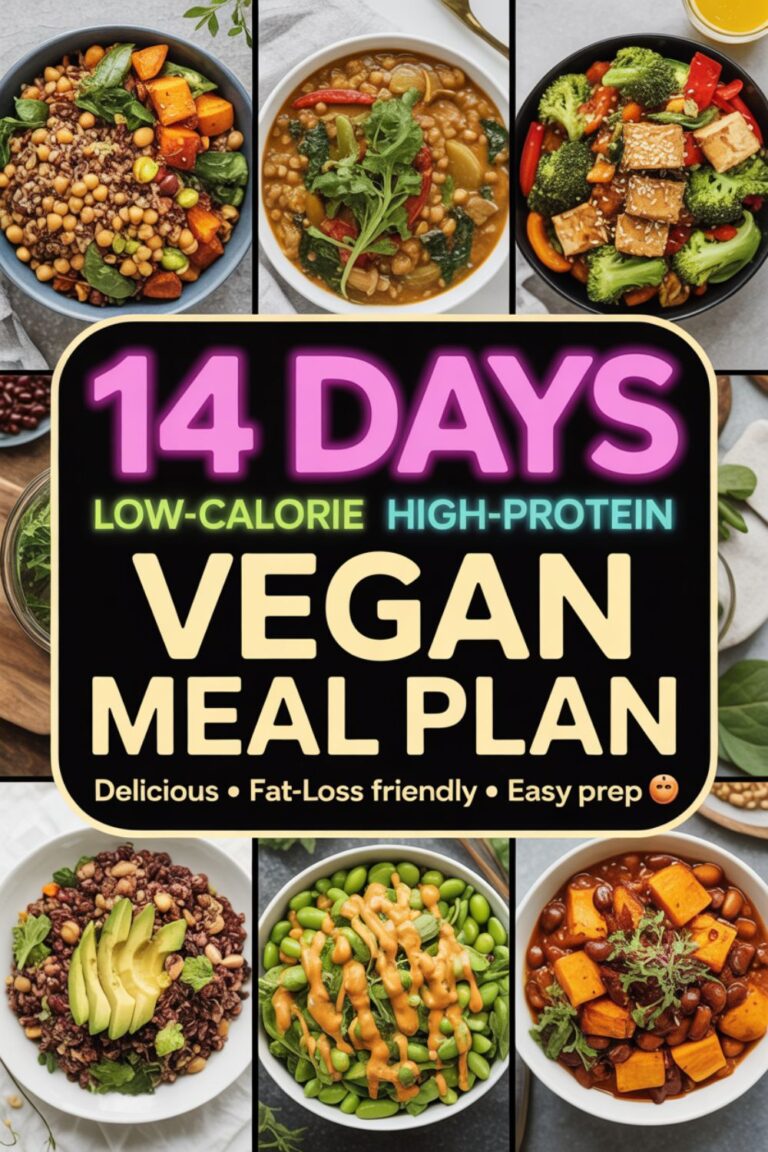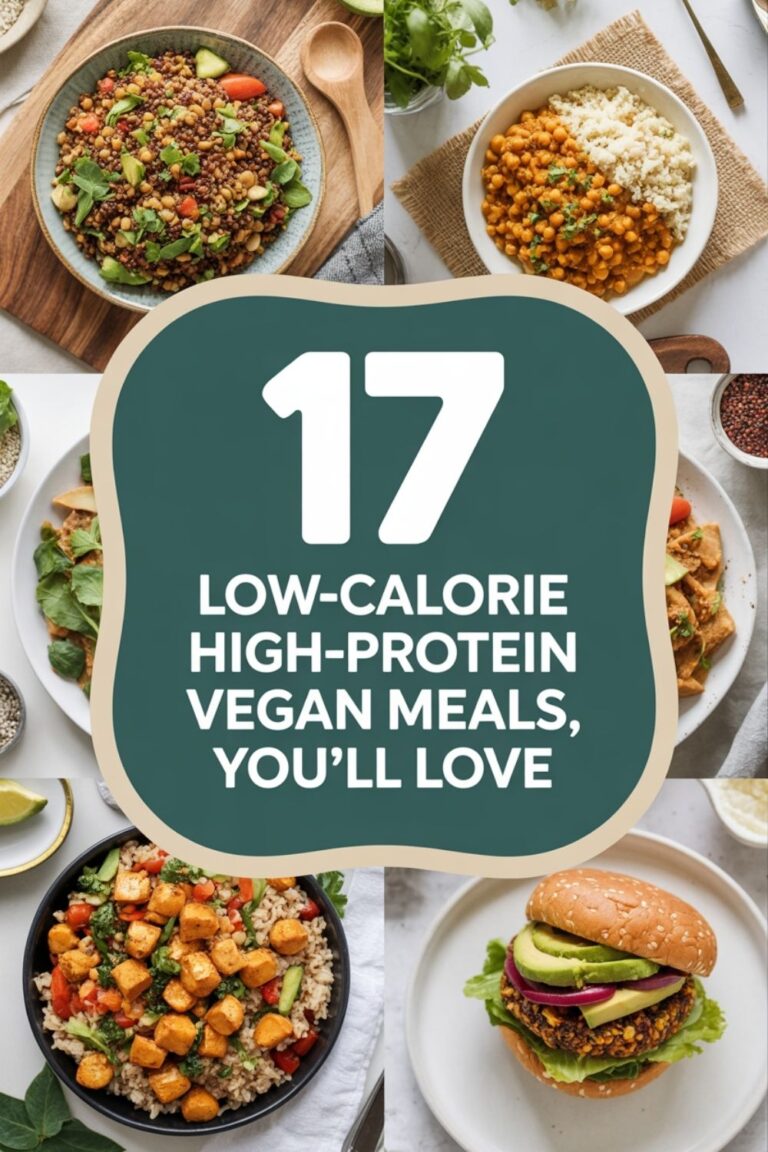

25 High-Protein Low-Calorie Vegan Meals for Plant-Based Diets
Someone probably told you that getting enough protein on a vegan diet is impossible. Maybe they said you’d feel weak, lose muscle, or constantly crave meat. Spoiler alert: they were wrong. I’ve been eating plant-based for years and haven’t turned into a wilted piece of lettuce yet.
The protein question gets old fast when you’re vegan. Yes, you can absolutely hit your protein targets without touching animal products. No, you don’t need to live on tofu and protein powder (though both have their place). These 25 high-protein low-calorie vegan meals prove that plant-based eating can be satisfying, delicious, and packed with enough protein to fuel your body properly.
The Truth About Vegan Protein Sources
Let’s clear something up right away: the whole “incomplete protein” panic is mostly outdated. Yes, most plant proteins don’t contain all nine essential amino acids in one food. But your body doesn’t require complete proteins at every single meal. As long as you eat a variety of plant foods throughout the day, you’ll get all the amino acids you need.
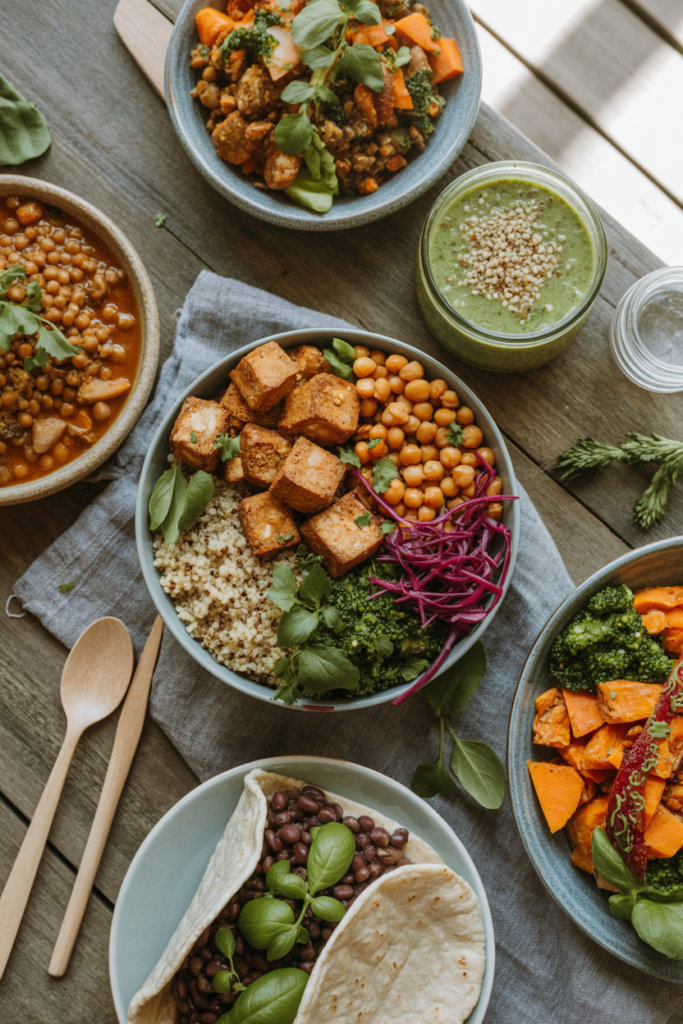
That said, several plant foods are actually complete proteins. Quinoa, soy products like tofu and tempeh, and foods like nutritional yeast provide all nine essential amino acids. Even beans paired with rice create a complete protein profile because they complement each other’s amino acid gaps.
Here’s what really matters: getting enough total protein. Most active people need around 0.8 to 1.2 grams of protein per kilogram of body weight. If you’re training hard or trying to build muscle, bump that up to 1.6-2.0 grams per kilogram. For a 150-pound person, that’s roughly 80-120 grams of protein per day.
The key is choosing protein-dense plant foods that don’t pack a ton of extra calories. That’s where these recipes come in—they maximize protein while keeping calories reasonable so you can eat satisfying portions without blowing your daily targets.
High-Protein Breakfast Ideas
1. Tofu Scramble with Nutritional Yeast
Forget boring cereal. A proper tofu scramble delivers serious protein and tastes way better than it sounds. One block of firm tofu (14 ounces) has about 36 grams of protein for roughly 320 calories. Crumble it into a pan after pressing out the water with a tofu press for 15 minutes.
Season with turmeric for color, nutritional yeast for that cheesy umami flavor, garlic powder, black pepper, and a pinch of black salt (kala namak) if you want that eggy sulfur taste. Add spinach, tomatoes, mushrooms, and bell peppers. The whole thing takes 10 minutes and gives you around 20-25 grams of protein per serving.
I cook mine in a cast iron skillet because it gets hot enough to actually crisp the tofu edges instead of steaming everything into mush. Serve with whole wheat toast or wrap it in a tortilla for a breakfast burrito situation.
2. Protein-Packed Overnight Oats
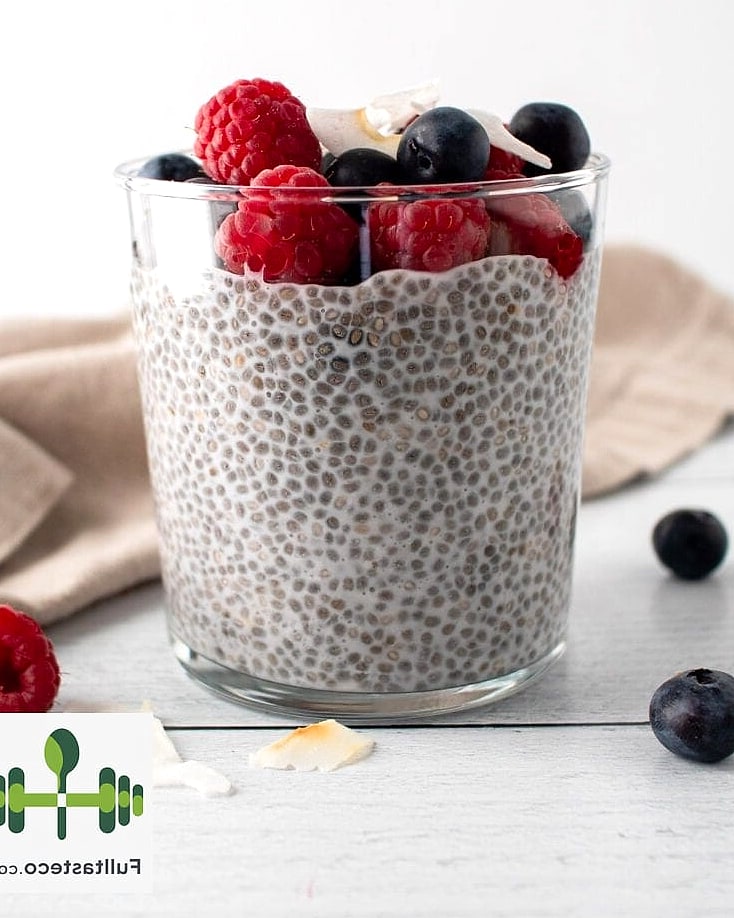
Oats alone aren’t particularly high in protein, but we can fix that. Mix half a cup of rolled oats with a scoop of vanilla plant-based protein powder, a tablespoon of chia seeds, a tablespoon of ground flaxseed, and unsweetened almond milk. Let it sit overnight in the fridge in a mason jar with a lid.
Top with berries, a tablespoon of almond butter, and maybe some hemp hearts for extra protein and omega-3s. The whole bowl comes in around 350 calories with 30-35 grams of protein depending on your protein powder. It’s ready when you wake up, which is crucial on those mornings when you can barely function.
The chia and flax seeds not only boost protein but add fiber that keeps you full until lunch. Plus, the omega-3 fatty acids are good for your brain and heart—the kind of stuff your body actually needs.
3. Chickpea Flour Pancakes
Chickpea flour (also called besan or gram flour) is a game changer. Mix half a cup of chickpea flour with water to form a batter, add a pinch of baking powder, salt, and whatever seasonings you want. Pour it into a hot nonstick griddle and cook like regular pancakes.
Half a cup of chickpea flour has about 11 grams of protein, and you can easily make this savory instead of sweet. Add diced onions, tomatoes, and cilantro to the batter for a savory version that goes great with salsa or chutney. Or keep it sweet and top with berries and a drizzle of maple syrup.
These are common in Indian cuisine (called besan chilla), and people have been eating them for centuries because they’re filling, cheap, and actually taste good. Get Full Recipe for my exact measurements that prevent the batter from being too thick or runny.
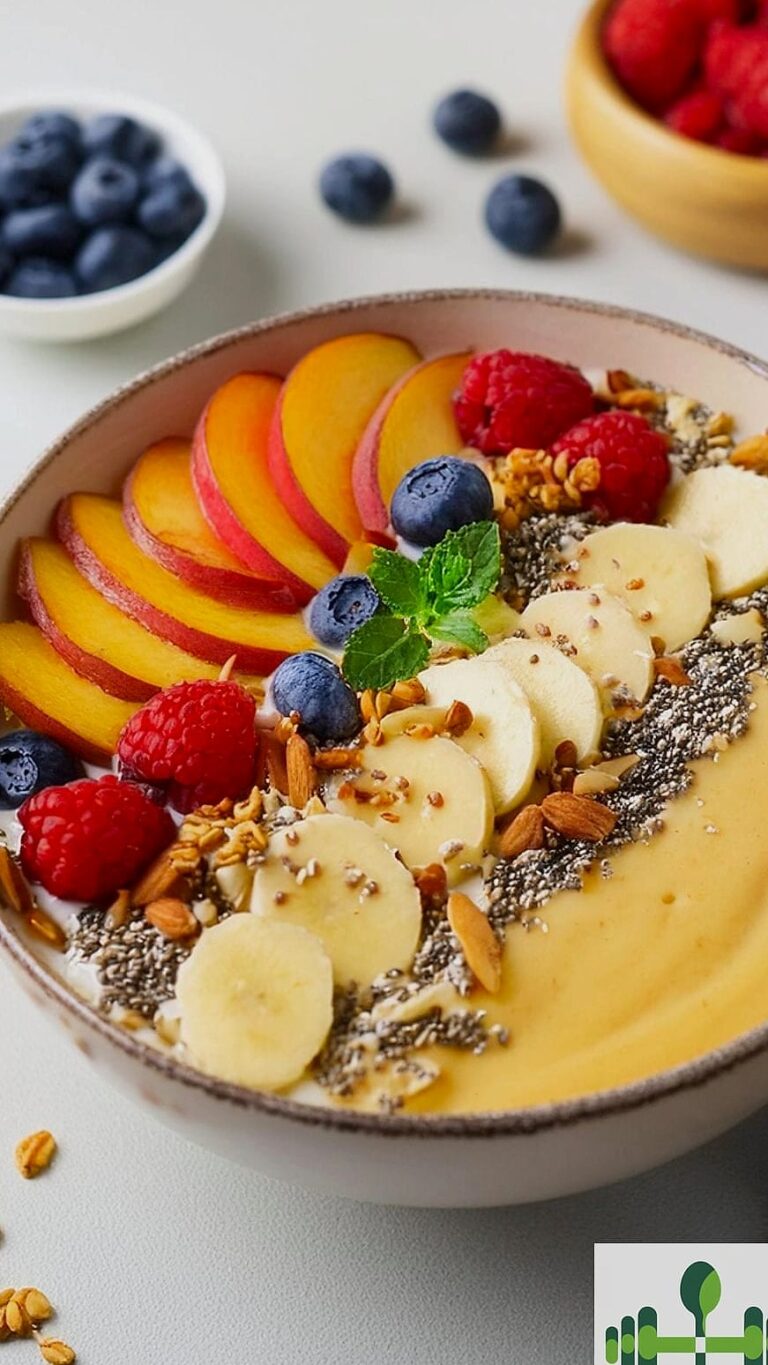
Speaking of morning meals, you might want to try vegan protein smoothie bowls or plant-based breakfast burritos for more variety when the pancake routine gets stale.
4. Tempeh Bacon and Avocado Toast
Tempeh is fermented soybeans pressed into a cake, and it’s one of the best plant-based proteins available. Three ounces of tempeh has about 16 grams of protein for around 160 calories. Slice it thin, marinate it in soy sauce, maple syrup, smoked paprika, and a touch of liquid smoke, then pan-fry until crispy.
Pile it on whole grain toast with mashed avocado, tomato slices, and maybe some microgreens if you’re feeling fancy. The healthy fats from the avocado help you absorb fat-soluble vitamins, and the whole meal gives you a solid 20+ grams of protein to start your day.
I use a mandoline slicer to get the tempeh really thin so it crisps up better. Thick slices stay chewy and weird, but thin slices get properly bacon-adjacent.
Protein-Rich Lunch Options
5. Lentil and Quinoa Bowl
This is my go-to meal prep lunch. Cook a batch of green or brown lentils (one cup dry yields about three cups cooked with 18 grams of protein per cup), cook some quinoa (which adds another 8 grams of protein per cup), and roast whatever vegetables you have.
Layer them in a bowl with tahini dressing—mix tahini, lemon juice, garlic, and water until it’s pourable. Add some raw spinach or arugula on top. The whole bowl comes in around 400 calories with 25-30 grams of protein, and it tastes even better the next day.
I prep these in glass meal prep containers on Sunday and eat them all week. The key is keeping the dressing separate until you’re ready to eat, otherwise everything gets soggy and sad.
6. Black Bean and Sweet Potato Burrito
Black beans are protein champions. One cup of cooked black beans has about 15 grams of protein for roughly 225 calories. Mash them slightly with cumin, chili powder, and garlic, then stuff them in a whole wheat tortilla with roasted sweet potato cubes, salsa, and a bit of guacamole.
The sweet potato adds complex carbs and fiber, plus it’s loaded with vitamin A. Wrap it tight in foil and you’ve got a portable lunch that won’t fall apart in your bag. If you want extra protein, add some hemp seeds sprinkled on top—three tablespoons add another 10 grams of protein.
These freeze beautifully too. Make a dozen on Sunday, wrap them individually, and microwave them as needed throughout the week.
7. Seitan and Vegetable Stir-Fry
Seitan is wheat gluten, and it has one of the highest protein contents of any plant food. Three and a half ounces has about 25 grams of protein for only 370 calories. You can buy it pre-made or make your own if you’re ambitious, but honestly, store-bought works fine.
Slice it thin and stir-fry it in a wok or large skillet with whatever vegetables you have—I usually do broccoli, bell peppers, snap peas, and onions. Season with soy sauce, garlic, ginger, and a tiny drizzle of sesame oil. Serve over brown rice or cauliflower rice.
The texture is surprisingly meat-like, which freaks some people out but makes it great for satisfying those cravings when you first go vegan. Just FYI, if you’re gluten-free, skip this one—it’s literally all gluten.
For more quick vegan lunch ideas or plant-based meal prep bowls, there are tons of combinations that keep this basic formula interesting without getting repetitive.
8. Chickpea Salad Sandwich
Mash a can of chickpeas (drained and rinsed) with a fork, leaving some chunks for texture. Mix with vegan mayo or tahini, diced celery, red onion, Dijon mustard, lemon juice, and whatever seasonings you want. One can of chickpeas has about 20 grams of protein.
Pile it on whole grain bread with lettuce and tomato. It’s basically the vegan version of tuna salad, and it hits that same creamy, savory, satisfying note. I keep cans of chickpeas in my pantry specifically for this because it requires zero cooking and comes together in five minutes.
Use a potato masher if you’re making a big batch. Way easier than mashing with a fork like some kind of medieval peasant.
Hearty Dinner Solutions
9. Lentil Bolognese
This sauce is so good that meat-eaters won’t even notice it’s vegan. Sauté diced onions, carrots, and celery in a large pot, add a cup of dried red lentils, crushed tomatoes, tomato paste, vegetable broth, garlic, Italian herbs, and let it simmer for 30 minutes.
The lentils break down and create a thick, meaty texture. Serve it over whole wheat pasta or zucchini noodles. One cup of cooked red lentils has 18 grams of protein, and the whole meal (with pasta) easily hits 25-30 grams per serving.
I make this in a Dutch oven because it distributes heat evenly and you can make enough to feed an army. Freeze half in freezer-safe containers and you’ve got emergency dinners for busy weeks. Get Full Recipe for the exact seasoning ratios that make this taste like it simmered for hours.
10. Spicy Peanut Tempeh Bowl
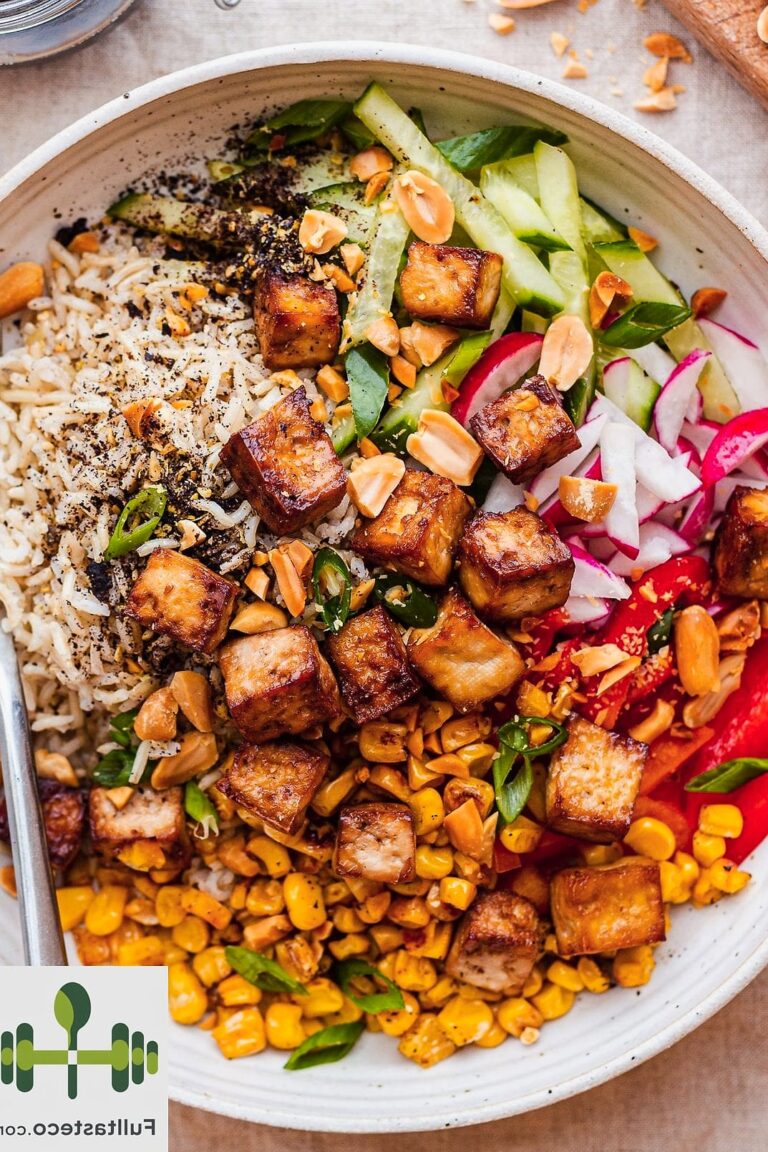
Cube a block of tempeh and pan-fry it until golden and crispy. Mix together a sauce with natural peanut butter, soy sauce, lime juice, sriracha, garlic, and a touch of maple syrup. Toss the crispy tempeh in the sauce and serve over brown rice with steamed broccoli and shredded carrots.
The peanut butter adds extra protein—two tablespoons have 8 grams of protein—and healthy fats that make the meal more satisfying. The whole bowl comes in around 450 calories with 30+ grams of protein. It’s sweet, spicy, savory, and hits every craving simultaneously.
I use a microplane grater for fresh ginger in the sauce because jarred ginger tastes flat and boring in comparison. Fresh makes everything taste brighter.
11. White Bean and Vegetable Curry
White beans (cannellini or great northern) are mild and creamy, perfect for soaking up curry flavors. Sauté onions, garlic, and ginger, add curry powder, turmeric, and garam masala, then throw in two cans of white beans (drained and rinsed), a can of diced tomatoes, coconut milk, and whatever vegetables you want.
Simmer for 20 minutes until everything melds together. One cup of white beans has about 17 grams of protein, and with two cups in this recipe, you’re looking at serious protein per serving. Serve over brown rice or with whole wheat naan bread if you can find a vegan version.
The coconut milk makes it creamy without any dairy, and the spices are anti-inflammatory, which is great if you’re active and dealing with muscle soreness.
12. Tofu and Broccoli Stir-Fry
Press a block of extra-firm tofu to remove water, cut it into cubes, and toss with cornstarch—this is the secret to crispy tofu that doesn’t turn to mush. Pan-fry in a nonstick wok until all sides are golden, then set aside.
Stir-fry broccoli florets with garlic and ginger, add the tofu back in, and toss with a sauce made from soy sauce, rice vinegar, and a touch of maple syrup. Serve over brown rice or cauliflower rice. The whole meal has 25-30 grams of protein and takes about 20 minutes start to finish.
The cornstarch trick works because it creates a protective coating that gets crispy when it hits hot oil. Without it, tofu just steams and stays soft, which isn’t bad but definitely isn’t crispy.
Speaking of dinner ideas, check out vegan sheet pan dinners or one-pot plant-based meals that make cleanup just as easy as cooking.
Quick Snacks and Small Meals
13. Roasted Chickpeas
Drain and rinse a can of chickpeas, pat them completely dry with paper towels, toss with a tiny bit of oil and your favorite seasonings, and roast at 400°F for 30-40 minutes until crispy. One can yields about 20 grams of protein total.
I make big batches in different flavors—curry powder, ranch seasoning, cinnamon sugar—and keep them in an airtight container on the counter. They’re crunchy, satisfying, and way healthier than chips when you need something to mindlessly snack on.
Just make sure they’re completely dry before roasting or they’ll steam instead of crisp up. That’s the most common mistake people make with roasted chickpeas.
14. Edamame with Sea Salt
Sometimes the simplest options are the best. Boil frozen edamame in the pods for 5 minutes, drain, and sprinkle with coarse sea salt. One cup of shelled edamame has 17 grams of protein for about 190 calories.
You can eat them while watching TV, sitting at your desk, or whenever you need a quick protein boost. I keep bags of frozen edamame in my freezer at all times. They’re ready in minutes and require basically zero effort.
The pods themselves aren’t edible—you squeeze the beans out with your teeth. If you didn’t know that and just bit into a whole pod, I apologize for not mentioning it sooner.
15. Peanut Butter and Banana Rice Cakes
Spread two tablespoons of natural peanut butter on a brown rice cake, top with banana slices, and sprinkle with hemp seeds or chia seeds. Two tablespoons of peanut butter have 8 grams of protein, and the hemp seeds add another 3 grams.
It’s sweet, crunchy, creamy, and filling—everything you want in a snack. The carbs from the rice cake and banana give you quick energy, while the protein and fat from the peanut butter keep you satisfied longer.
I prefer crunchy peanut butter for this because extra texture makes it more interesting. Smooth works too if you’re a smooth peanut butter person (though I’ll never understand you).
16. Protein Energy Bites
Mix together one cup of rolled oats, half a cup of plant-based protein powder, a third cup of almond butter, a quarter cup of maple syrup, two tablespoons of chia seeds, and a quarter cup of dark chocolate chips. Roll into balls and refrigerate in an airtight container.
Each ball has about 5-6 grams of protein and makes a perfect pre or post-workout snack. They stay good in the fridge for two weeks, though they never last that long at my house. IMO, these beat any store-bought protein bar in taste and cost.
You can customize them with different nut butters, dried fruit, coconut flakes, or cacao nibs for a more bitter chocolate flavor. The base recipe works with pretty much any add-ins.
For more vegan snack ideas or high-protein portable options, there are endless variations on this theme that keep snacking interesting.
Protein-Packed Soups and Stews
17. Split Pea Soup
Split peas are criminally underrated. One cup of cooked split peas has about 16 grams of protein. Simmer them with vegetable broth, diced carrots, celery, onions, garlic, and thyme until everything breaks down into a thick, comforting soup.
Add some liquid smoke for a smoky flavor that mimics traditional ham-based split pea soup. The whole pot comes together in about 45 minutes and feeds you for days. I make this in a large soup pot and freeze individual portions for easy lunches.
The split peas naturally thicken the soup as they break down, so you don’t need any flour or cornstarch. It’s creamy without any cream, which is pretty magical.
18. Three-Bean Chili
Combine kidney beans, black beans, and pinto beans with crushed tomatoes, tomato paste, onions, bell peppers, garlic, chili powder, cumin, and paprika. Let it simmer for at least 30 minutes. Each cup of mixed beans adds around 15 grams of protein.
Top with nutritional yeast (adds another 8 grams of protein per two tablespoons), diced avocado, and fresh cilantro. Serve with cornbread or over brown rice. The fiber from the beans keeps you full for hours, and the whole meal is dirt cheap to make.
I use canned beans because I’m not waiting overnight for dried beans to soak, and you know what? Canned beans work perfectly fine. Life’s too short for bean-soaking gatekeeping.
19. Red Lentil Dahl
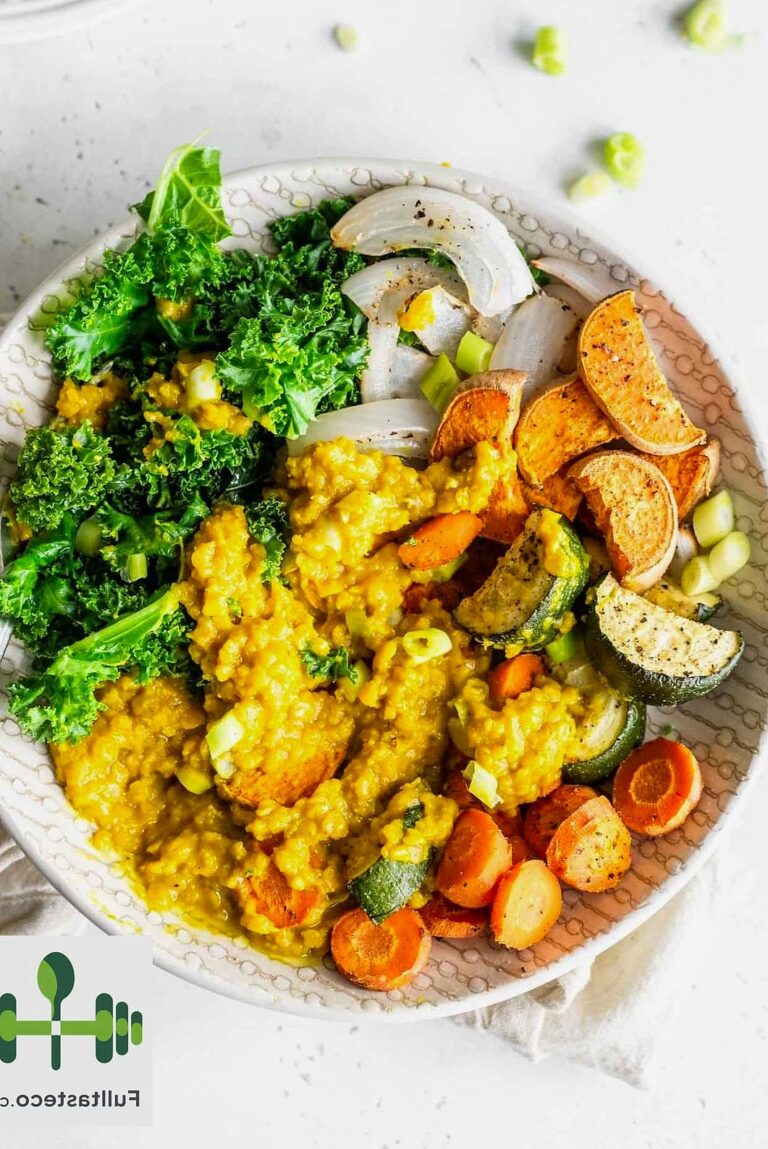
This Indian lentil dish is comfort food at its finest. Sauté onions, garlic, ginger, and curry spices, add red lentils and vegetable broth, and simmer until the lentils break down into a thick, creamy consistency. Finish with a can of coconut milk and fresh cilantro.
One cup of red lentils has 18 grams of protein, and the whole pot of dahl probably has 50+ grams total. Serve over basmati rice or with whole wheat naan bread. The spices are anti-inflammatory and packed with antioxidants.
Red lentils cook way faster than other lentils—about 20 minutes versus 45 minutes for green or brown lentils. That makes them perfect for weeknight dinners when you’re tired and hungry.
Complete Protein Combinations
20. Rice and Bean Bowl
This is basic but effective. Cook brown rice and black beans separately, then combine them in a bowl. Rice is low in lysine but high in methionine, while beans are high in lysine but low in methionine—combining them creates a complete protein with all nine essential amino acids.
Top with salsa, guacamole, shredded lettuce, and maybe some vegan sour cream if you want it creamy. The whole bowl has 20-25 grams of protein and is infinitely customizable. Add roasted vegetables, different types of beans, or switch up the grains.
I meal prep these in compartmented containers so I can mix and match throughout the week. Keep the wet ingredients separate until you’re ready to eat so nothing gets soggy.
21. Quinoa and Chickpea Buddha Bowl
Quinoa is one of the few plant foods that’s naturally a complete protein. One cup of cooked quinoa has 8 grams of protein. Add roasted chickpeas (another 12-15 grams), roasted sweet potato, raw spinach, shredded carrots, and a tahini-lemon dressing.
The whole bowl is colorful, Instagram-worthy, and packed with around 25-30 grams of protein. It’s the kind of meal that makes you feel virtuous and satisfied at the same time. Roast everything on a sheet pan for easy cleanup.
The tahini dressing is key—it adds healthy fats and makes everything stick together instead of being a bunch of random components in a bowl. Don’t skip it.
22. Peanut Butter Toast with Hemp Seeds
This sounds too simple to be on the list, but hear me out. Whole wheat bread has some protein, peanut butter adds 8 grams per two tablespoons, and three tablespoons of hemp seeds add another 10 grams. Suddenly you’re at 20+ grams of protein for a quick meal.
Toast the bread, spread the peanut butter, sprinkle hemp seeds on top, and maybe add sliced banana or a drizzle of honey if you’re not strictly vegan. It takes two minutes and actually tastes good, unlike some high-protein foods that taste like cardboard.
Hemp seeds have a mild, nutty flavor and don’t overpower anything. They’re also rich in omega-3 and omega-6 fatty acids, which are important for brain health and reducing inflammation.
Innovative High-Protein Recipes
23. Protein-Packed Veggie Burgers
Most store-bought veggie burgers are disappointingly low in protein. Make your own by combining black beans, quinoa, oats, nutritional yeast, flax eggs (ground flax mixed with water), and your favorite seasonings. Form into patties and bake at 375°F for 25-30 minutes.
Each burger has around 15-18 grams of protein depending on your exact proportions. Serve on a whole wheat bun with all the fixings, or skip the bun and eat it over a salad for fewer calories. These freeze perfectly—wrap them individually and you’ve got quick meals ready whenever.
I use a food processor to pulse everything together because it’s faster and more consistent than mashing by hand. You want some texture but not completely smooth.
24. Lentil and Walnut “Meat” Tacos
Cook green or brown lentils until tender, then sauté them with diced walnuts, taco seasoning, and a bit of tomato paste. The lentils and walnuts together create a meaty texture that’s surprisingly satisfying. One cup of this mixture has around 20 grams of protein.
Serve in corn tortillas with all your favorite taco toppings—lettuce, tomatoes, salsa, guacamole, and vegan cheese if you’re into that. The walnuts add omega-3s and healthy fats that make the meal more filling.
This “meat” also works great in burritos, nachos, or over rice bowls. Make a double batch and use it throughout the week in different ways.
25. Tempeh and Vegetable Kebabs
Cut tempeh into cubes, marinate it in a mixture of soy sauce, maple syrup, garlic, and smoked paprika for at least 30 minutes. Thread onto metal or wooden skewers with bell peppers, onions, mushrooms, and cherry tomatoes. Grill or bake at 400°F for 20 minutes.
The tempeh provides serious protein—about 16 grams per serving—and the vegetables add fiber, vitamins, and minerals. Serve with quinoa or brown rice and a side of tahini sauce. It’s colorful, impressive-looking, and tastes way better than it has any right to.
If you’re using wooden skewers, soak them in water for 30 minutes first so they don’t catch fire. Trust me on this one.
Meal Prep Strategies for Vegan Protein
Batch cooking is your friend when you’re trying to hit protein targets on a plant-based diet. Pick two or three recipes from this list each week and make big batches. I usually do a pot of lentils or beans, roast a bunch of chickpeas, and prep some quinoa or rice.
Store everything in glass containers so you can see what you have and mix and match throughout the week. Label them with dates using reusable labels so you know what’s still fresh. Most cooked legumes and grains last 4-5 days in the fridge.
Prep your dressings and sauces separately and keep them in small mason jars. They last longer than pre-dressed salads and you can portion them out as needed. A good tahini dressing or peanut sauce makes everything taste better.
Keep your pantry stocked with canned beans, lentils, quinoa, and protein powder. These are your emergency foods for when meal prep didn’t happen and you’re too tired to cook from scratch.
Common Vegan Protein Mistakes to Avoid
The biggest mistake new vegans make? Replacing meat with vegan junk food instead of actual protein-rich plants. Oreos are vegan, but they won’t keep you full or help you meet your protein goals. Focus on whole food sources first, then use processed foods as occasional convenience items.
Mistake one: Not eating enough variety. If you only eat chickpeas for protein, you’ll get bored and potentially miss out on different nutrient profiles. Rotate through different beans, lentils, whole grains, and soy products to cover all your bases.
Mistake two: Forgetting about protein timing. While it’s less critical than once thought, spacing your protein throughout the day helps with satiety and muscle maintenance. Aim for 20-30 grams at each meal rather than eating all your protein at dinner.
Mistake three: Ignoring supplementation. Even with perfect planning, vegans should supplement B12, and possibly vitamin D and omega-3s (from algae). These aren’t related to protein but are crucial for overall health on a plant-based diet.
For more detailed guidance, check out vegan nutrition basics or read about plant-based meal planning that covers all the nutritional bases beyond just protein.
You Might Also Like
Looking for more plant-based meal inspiration? Here are some recipes that complement this high-protein approach:
More Vegan Protein Meals:
- 30-Minute Vegan Dinners
- High-Protein Vegan Meal Prep
Plant-Based Breakfast Ideas:
- Vegan Protein Smoothies
- Savory Breakfast Bowls
Complete Guides:
- Vegan Athlete Meal Plans
- Plant-Based Protein Sources Guide
Final Thoughts on Vegan Protein
Here’s the reality: getting enough protein on a vegan diet requires a bit more planning than just grilling a chicken breast, but it’s absolutely doable. Once you nail down your go-to protein sources and learn a few solid recipes, it becomes second nature.
You don’t need fancy supplements or expensive superfoods. Beans, lentils, tofu, tempeh, whole grains, nuts, and seeds will cover most of your protein needs. The rest is just learning how to season them properly and combine them in ways that taste good.
Start with a few recipes from this list that sound appealing. Master those, then branch out. Before long, you’ll have a rotation of high-protein vegan meals that you can make without thinking, and hitting your protein targets won’t feel like a chore.
The goal is sustainability, not perfection. Some days you’ll meal prep like a champion. Other days you’ll eat peanut butter straight from the jar and call it protein. Both are valid approaches to fueling your body on a plant-based diet.
30-Day High-Protein
Low-Calorie Meal Plan
Every breakfast, lunch, dinner & snack — all 30 days fully mapped out. Just follow the plan.
- ✓50+ complete recipes with ingredients & step-by-step instructions
- ✓4-week day-by-day plans — every meal for all 30 days
- ✓4 weekly shopping lists organised by store section
- ✓Printable habit & progress tracker — 30 full days
- ✓100g+ protein per day — scientifically optimised macros
Instant PDF · Print at home
Results guaranteed with consistency