30-Day Low-Calorie High-Protein Breakfast Challenge: Transform Your Mornings (And Your Body)
Look, I’m not gonna sugarcoat it—most mornings feel like a race against time, and breakfast is usually the first casualty. But here’s the thing: skipping breakfast or grabbing whatever sugary nonsense is convenient might be sabotaging your entire day. What if I told you that spending just 30 days committing to low-calorie, high-protein breakfasts could completely rewire how you feel, look, and perform?
This isn’t some trendy diet that’ll have you eating kale smoothies for eternity. This is a realistic, research-backed challenge that’ll help you build a sustainable morning routine. Think fewer cravings, better focus, and—yeah—some actual fat loss if that’s what you’re after.
Why Protein at Breakfast Actually Matters (Science Backs This Up)
Let me hit you with some real talk about protein. Research published in the American Journal of Clinical Nutrition found that people who eat high-protein breakfasts experience significant reductions in hunger hormones and increases in satiety hormones throughout the day. Translation? You’re less likely to ransack the office vending machine by 10 AM.
When you start your day with adequate protein—we’re talking around 25-35 grams—your body shifts into a different metabolic gear. Your blood sugar stabilizes, your concentration improves, and those annoying mid-morning crashes become a thing of the past. Studies from the American Society for Nutrition show that protein-rich breakfasts can boost energy expenditure and improve glucose regulation for hours after eating.
Plus, let’s be honest: maintaining muscle while losing fat is the holy grail, right? Protein at breakfast helps preserve that hard-earned muscle tissue, especially when you’re in a calorie deficit. It’s not just about eating less—it’s about eating smarter.
Pro Tip: Prep your protein sources Sunday night. Hard-boil a dozen eggs, portion out Greek yogurt into containers, and pre-cook some turkey sausage. Thank yourself all week.
What This Challenge Actually Looks Like
Here’s the deal with this 30-day challenge: you’re committing to eating a breakfast that contains 300-400 calories and at least 25-30 grams of protein every single morning. That’s it. No weird supplements, no eliminating entire food groups, no drinking nothing but celery juice.
The Ground Rules
- Minimum 25 grams of protein per breakfast (30+ is even better)
- Keep total calories between 300-400 for most breakfasts
- Eat within 1 hour of waking up (if possible)
- Include a variety of protein sources throughout the week
- Prep ahead when you can—future you will be grateful
The beauty here is flexibility. Some mornings you might whip up a quick egg scramble with veggies. Other days, you’ll grab overnight oats made with protein powder. The goal is consistency, not perfection.
Week One: Getting Your Feet Wet
The first week is all about establishing the habit. Don’t overthink it. Start with simple options you already know how to make. Scrambled eggs with turkey bacon? Perfect. Greek yogurt with nuts and berries? Absolutely. A protein shake with a banana and almond butter? You’re nailing it.
I recommend using meal prep containers to portion everything out. Makes mornings ridiculously easy when you’re half-asleep. Speaking of which, if you’re serious about this, you might want to check out these low-calorie protein-packed breakfasts for busy mornings—they’re lifesavers when you’re in a rush.
“I started this challenge thinking I’d never stick with it, but after week one, I noticed I wasn’t starving by lunch anymore. My energy was more stable, and I actually looked forward to breakfast. Lost 4 pounds in the first two weeks without even trying.” — Sarah M., challenge participant
Building Your Protein Breakfast Arsenal
Let’s talk real food here. The key to not getting bored (and subsequently giving up) is variety. You need options, and thankfully, high-protein breakfast foods are everywhere.
Your Go-To Protein Sources
- Eggs: The OG breakfast protein. One large egg has about 6g protein. Make omelets, scrambles, frittatas—whatever floats your boat.
- Greek yogurt: Look for brands with 15-20g protein per serving. Plain is better (you control the sweetness).
- Cottage cheese: Underrated and versatile. Mix it with fruit or use it in savory dishes.
- Protein powder: Whey, casein, or plant-based—your choice. I use vanilla whey protein powder in everything from smoothies to pancake batter.
- Turkey or chicken sausage: Leaner than pork, still delicious. Pre-cook these for grab-and-go convenience.
- Smoked salmon: Fancy but worth it for weekend brunches. Pairs perfectly with eggs.
- Protein pancakes: Yes, they exist and yes, they’re amazing. Get Full Recipe for my go-to version.
The trick is rotating through these so you don’t feel like you’re eating the same thing every day. Monday might be eggs, Tuesday is Greek yogurt with nuts, Wednesday you’re doing a high-protein smoothie, and so on.
Kitchen Tools That Make These Recipes Actually Happen
Real talk—having the right gear makes this whole challenge about 10x easier. Here’s what I actually use in my kitchen:
Physical Products:
- Non-stick egg pan (10-inch) – Because nobody wants scrambled eggs welded to their cookware
- Glass meal prep containers (set of 10) – Prep once, eat all week without the guilt
- High-speed blender – For smoothies that don’t taste like chunky sadness
Digital Resources:
- MyFitnessPal Premium – Track macros without losing your mind
- Meal Prep Pro App – Generates shopping lists automatically from recipes
- 30-Day Breakfast Challenge PDF Guide – Complete with shopping lists and prep schedules
Sample Week of High-Protein Breakfasts
Alright, let’s get practical. Here’s what an actual week might look like when you’re doing this challenge. These are all under 400 calories and pack at least 25g of protein.
Monday: Classic Veggie Scramble
Three eggs scrambled with spinach, mushrooms, and bell peppers. Side of turkey bacon. Toast optional but honestly, save those calories for something better. This combo gives you about 30g of protein and keeps you full until lunch without question.
Tuesday: Greek Yogurt Power Bowl
1.5 cups plain Greek yogurt (the good stuff with 20g protein), topped with raw almonds, fresh berries, and a drizzle of honey. If you want to level up, add a tablespoon of chia seeds for extra fiber and omega-3s. Total protein: around 28g.
Wednesday: Protein Smoothie Supreme
Here’s where that blender earns its keep. Blend one scoop protein powder (25g), half a frozen banana, handful of spinach (you won’t taste it, I promise), almond milk, and peanut butter. FYI, peanut butter vs almond butter is really just personal preference—both work great here.
This gives you about 32g protein and tastes like a milkshake. For more smoothie inspiration, check out these metabolism-boosting protein smoothies.
Thursday: Cottage Cheese Pancakes
Mix cottage cheese with eggs and a bit of oat flour, cook like regular pancakes. Top with sugar-free syrup if that’s your thing. These bad boys pack around 26g protein and feel like a total cheat meal. Get Full Recipe for the exact ratios.
Friday: Breakfast Burrito Bowl
Scrambled eggs over a bed of black beans, topped with salsa, a sprinkle of cheese, and avocado. Skip the tortilla to save calories. This is filling, flavorful, and gives you about 28g protein. Plus it travels well if you need to eat at your desk.
Looking for more variety? These breakfast bowls for busy mornings are all solid options you can rotate through.
Weekend: Mix It Up
Weekends are when you can get creative. Try making a frittata with whatever veggies are in your fridge, or do a smoked salmon and cream cheese situation on a whole grain English muffin. The goal is to keep it interesting so you don’t burn out.
Quick Win: Batch-cook egg muffins on Sunday. Mix eggs with veggies and cheese, pour into silicone muffin cups, bake at 350°F for 20 minutes. Grab two each morning and reheat for 30 seconds. Game. Changer.
What Actually Happens During the 30 Days
I won’t lie and say every day is sunshine and rainbows. The first few days, you might actually feel hungrier because your body’s adjusting. Totally normal. By day 5-7, things start to click.
Week 1: The Adjustment
Your body is learning to expect food in the morning. You might feel full longer than usual. Some people report better focus at work. The key here is just building the habit—don’t worry about perfection.
Week 2: The Groove
This is where it gets good. Your hunger patterns stabilize. You’re probably noticing you’re not ravenous by 11 AM. Your energy levels throughout the day are more consistent. Some people start seeing changes on the scale, though that’s not the primary goal here.
Week 3: The Momentum
By week three, breakfast feels automatic. You’ve probably figured out your favorite go-to meals and have a solid rotation going. This is also when you might notice your clothes fitting differently, especially if you’ve been consistent with exercise too.
Week 4: The Results
Month’s end, and you’ve built a legit habit. Research shows it takes about 66 days to form a new habit, so you’re nearly halfway there. Most people report feeling more energized, less bloated, and generally more in control of their eating patterns.
“Honestly didn’t think protein for breakfast would make this much difference. I used to be constantly snacking, but now I can easily go 4-5 hours between meals. Lost 7 pounds in the 30 days and actually kept it off.” — Mike R., completed the challenge twice
Common Pitfalls (And How to Avoid Them)
Let me save you some frustration by sharing what trips most people up during this challenge.
Mistake #1: Getting Bored Too Quickly
If you’re eating scrambled eggs every single day, yeah, you’re gonna quit. Rotate your proteins and try new recipes. There are literally hundreds of ways to hit your protein goals—use them. These Instant Pot high-protein recipes can even be adapted for breakfast if you meal prep on weekends.
Mistake #2: Not Prepping Ahead
Waking up and trying to cook from scratch every morning is a recipe for failure (pun intended). Spend an hour on Sunday doing some basic prep. Hard-boil eggs, portion out yogurt, pre-cook some protein. Your future self will literally thank you.
Mistake #3: Ignoring Hunger Cues
Some days you might need more than 30g of protein, especially if you’re working out hard. Listen to your body. Add an extra egg or some protein powder to your yogurt. The calorie targets are guidelines, not prison sentences.
Mistake #4: Going Too Low on Calories
Don’t get overzealous and try to eat 200-calorie breakfasts just to “speed up” weight loss. That’s how you end up face-first in a box of donuts by noon. Stick to the 300-400 calorie range—it’s sustainable and actually works.
For more structured guidance, check out this 7-day high-protein meal plan for beginners which includes breakfast, lunch, and dinner options.
Beyond Breakfast: Making This Stick Long-Term
Here’s the thing about challenges—they have an end date, but healthy habits shouldn’t. The goal isn’t just to white-knuckle your way through 30 days and then go back to eating Pop-Tarts. It’s to build a foundation you can maintain.
Research from Mayo Clinic suggests that sustainable weight loss comes from building consistent habits, not from short-term restrictive diets. This breakfast challenge is your gateway into a more mindful approach to eating throughout the day.
Once you’ve nailed breakfast, you can start applying the same principles to other meals. These high-protein salad recipes for lunch or sheet pan dinners follow the same philosophy—adequate protein, reasonable calories, real food.
Protein Distribution Throughout the Day
IMO, one of the biggest mistakes people make is backloading all their protein at dinner. Studies show that distributing protein evenly across meals (around 25-30g per meal) is more effective for muscle protein synthesis than eating 80g at dinner and barely any the rest of the day.
So yeah, keep that protein momentum going. If breakfast is 30g, aim for similar amounts at lunch and dinner. Your body will use it more efficiently this way.
Pro Tip: Once you finish the 30-day challenge, don’t stop cold turkey. Keep 4-5 days a week of high-protein breakfasts and allow yourself flexibility on weekends. That’s the sweet spot between results and sanity.
The Non-Scale Victories You Should Actually Care About
Look, everyone wants to see the number on the scale go down. I get it. But some of the best results from this challenge have nothing to do with weight loss.
- Better mental clarity in the morning – No more brain fog until your second coffee
- Reduced cravings – Especially for sugar and carbs mid-morning
- Improved workout performance – Fueling properly makes a massive difference
- Better sleep – When your blood sugar is stable all day, you sleep better at night
- Consistent energy – No more 2 PM crashes that make you want to nap under your desk
These are the wins that keep you coming back even after the 30 days are up. The scale is just one metric—pay attention to how you actually feel.
Troubleshooting Common Issues
What If I’m Not Hungry in the Morning?
Start small. Even a protein shake or Greek yogurt counts. Your appetite will adjust as your body gets used to eating breakfast. Don’t force down a massive meal if you’re genuinely not hungry—just make sure whatever you do eat hits that protein target.
What If I Travel a Lot?
Pack protein bars or single-serve protein powder packets. Most hotels have fridges where you can store Greek yogurt. Worst case? Hit a grocery store near your hotel and grab hard-boiled eggs and string cheese. It’s not fancy, but it works.
What About Vegetarians or Vegans?
Totally doable. Plant-based protein powders, tofu scrambles, tempeh bacon, and legumes are your friends. These high-protein vegan meals have tons of breakfast-adaptable ideas. Nutritional yeast, hemp seeds, and pea protein powder can help you hit your targets.
What If My Budget Is Tight?
Eggs are dirt cheap and incredibly versatile. Canned tuna or chicken can be breakfast protein too (trust me, tuna melts for breakfast are underrated). Buy whatever protein powder is on sale. Greek yogurt store brands are just as good as the fancy ones. Frozen berries instead of fresh. This doesn’t have to be expensive.
Frequently Asked Questions
Do I need to eat exactly 30 grams of protein every single breakfast?
Aim for 25-35 grams as a range. Some days you might hit 27g, other days 32g—that’s totally fine. The goal is consistency over perfection. If you’re consistently hitting at least 25g, you’re doing great.
Can I drink coffee during this challenge?
Absolutely. Coffee doesn’t interfere with protein absorption or anything like that. Just watch what you put in it—loading up on sugar and cream can add unnecessary calories. Black coffee or with a splash of unsweetened almond milk is your best bet.
What if I mess up and skip breakfast one day?
No big deal. Life happens. Don’t let one missed breakfast derail the entire challenge. Just get back on track the next morning. This isn’t about perfection—it’s about building a sustainable habit that works for your real life.
Will eating breakfast make me gain weight if I’m used to intermittent fasting?
Not if you’re eating appropriate portions and staying within your overall calorie needs for the day. Some people do great with intermittent fasting, others perform better with breakfast. Give this 30 days an honest shot and see how your body responds. You might be surprised.
Can I use this challenge alongside other diet plans?
Generally yes, but check with a healthcare provider if you have specific medical conditions. This breakfast approach fits well with most sensible eating plans—whether you’re doing keto, paleo, Mediterranean, or just trying to eat healthier overall. The principles of adequate protein and reasonable calories are pretty universal.
Your Next Steps
Alright, enough reading—let’s get you started. Here’s exactly what to do right now:
- Pick your start date – Ideally a Monday, but honestly any day works
- Plan your first week of breakfasts – Use the sample week above or browse these meal plans for beginners
- Make a shopping list – Get everything you need for at least the first 3-4 days
- Prep what you can – Hard-boil eggs, portion yogurt, whatever saves you time
- Track your progress – Not just weight, but how you feel, energy levels, cravings
The 30-day mark is just the beginning. Once you’ve built this foundation, you can expand it to your other meals. Check out these meal prep ideas to keep the momentum going beyond breakfast.
This challenge isn’t about deprivation or suffering through meals you hate. It’s about discovering that eating well can actually be enjoyable, sustainable, and—dare I say it—easy once you get into a rhythm. Your body will thank you, your energy levels will improve, and you might just find that this becomes your new normal.
So grab those meal prep containers, stock up on eggs and Greek yogurt, and let’s do this. Thirty days from now, you’ll be glad you started today.
30-Day High-Protein
Low-Calorie Meal Plan
Every breakfast, lunch, dinner & snack — all 30 days fully mapped out. Just follow the plan.
- ✓50+ complete recipes with ingredients & step-by-step instructions
- ✓4-week day-by-day plans — every meal for all 30 days
- ✓4 weekly shopping lists organised by store section
- ✓Printable habit & progress tracker — 30 full days
- ✓100g+ protein per day — scientifically optimised macros
Instant PDF · Print at home
Results guaranteed with consistency
Similar Posts
12 Low-Calorie Protein Pancakes for Weight Loss
12 Low-Calorie Protein Pancakes for Weight Loss 12 Low-Calorie Protein Pancakes for Weight Loss So you’re trying to shed a few pounds and someone tells you pancakes are off the menu? Yeah, that’s nonsense. I’ve been making protein pancakes for years now, and honestly, they’ve become my secret weapon for staying on track without feeling…
25 High-Protein Breakfasts Under 300 Calories For Busy Mornings
Claude responded: 25 High-Protein Breakfasts Under 300 Calories For Busy Mornings 25 High-Protein Breakfasts Under 300 Calories For Busy Mornings You hit snooze twice, you’re already running late, and somehow you’re supposed to eat something that doesn’t
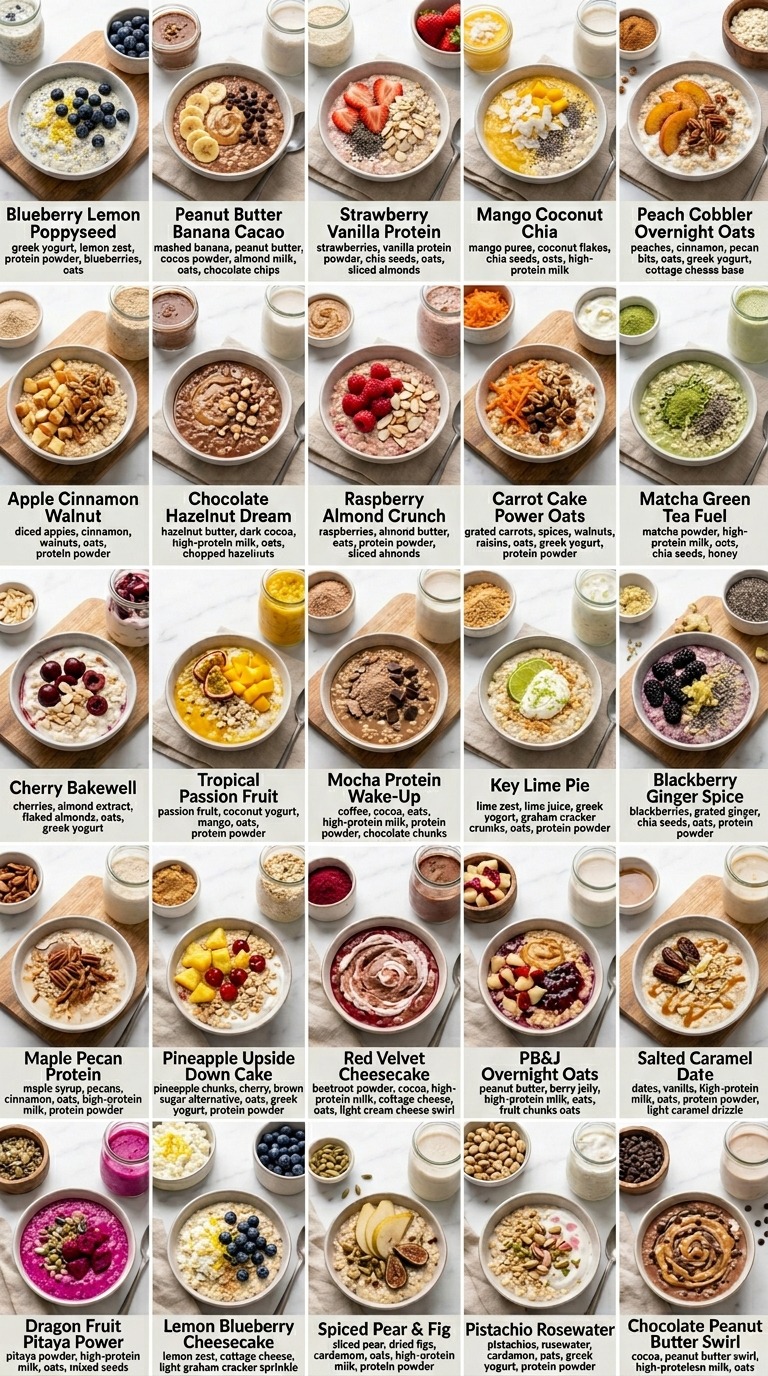
25 High-Protein Overnight Oats Under 350 Calories
Claude responded: 25 High-Protein Overnight Oats Under 350 Calories 25 High-Protein Overnight Oats Under 350 Calories Breakfast shouldn’t require you to be a morning person — and yet here we are.