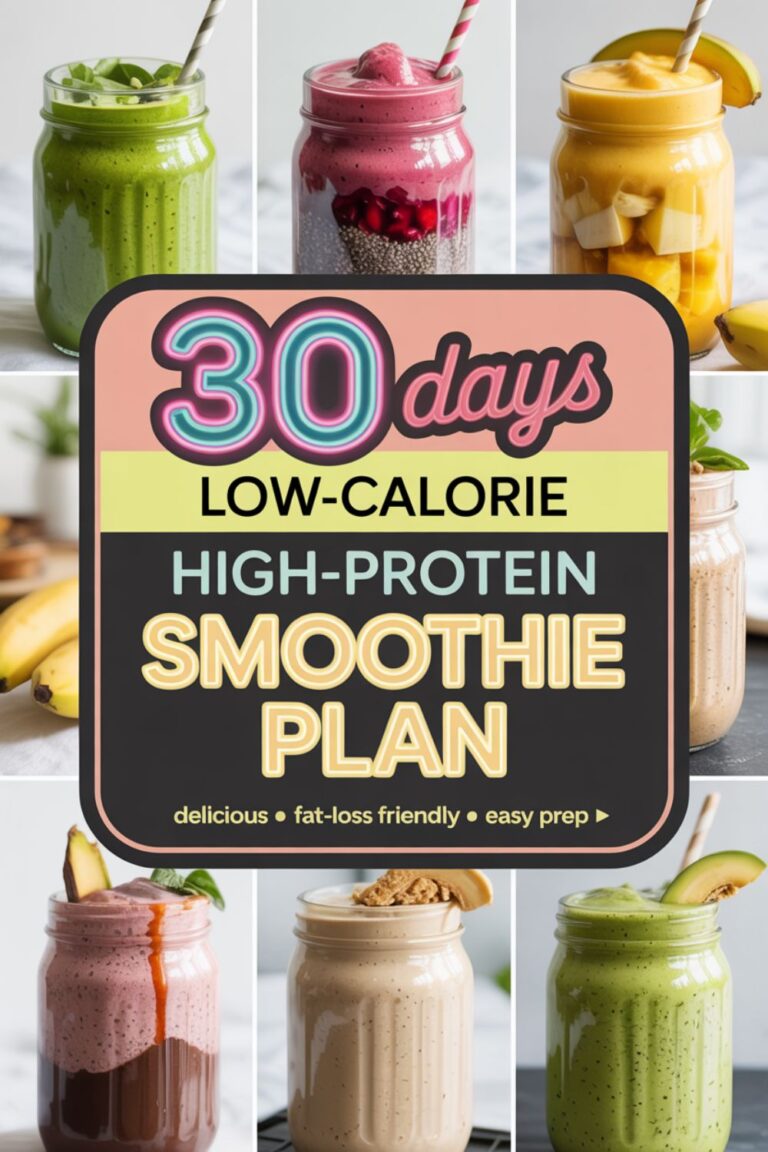
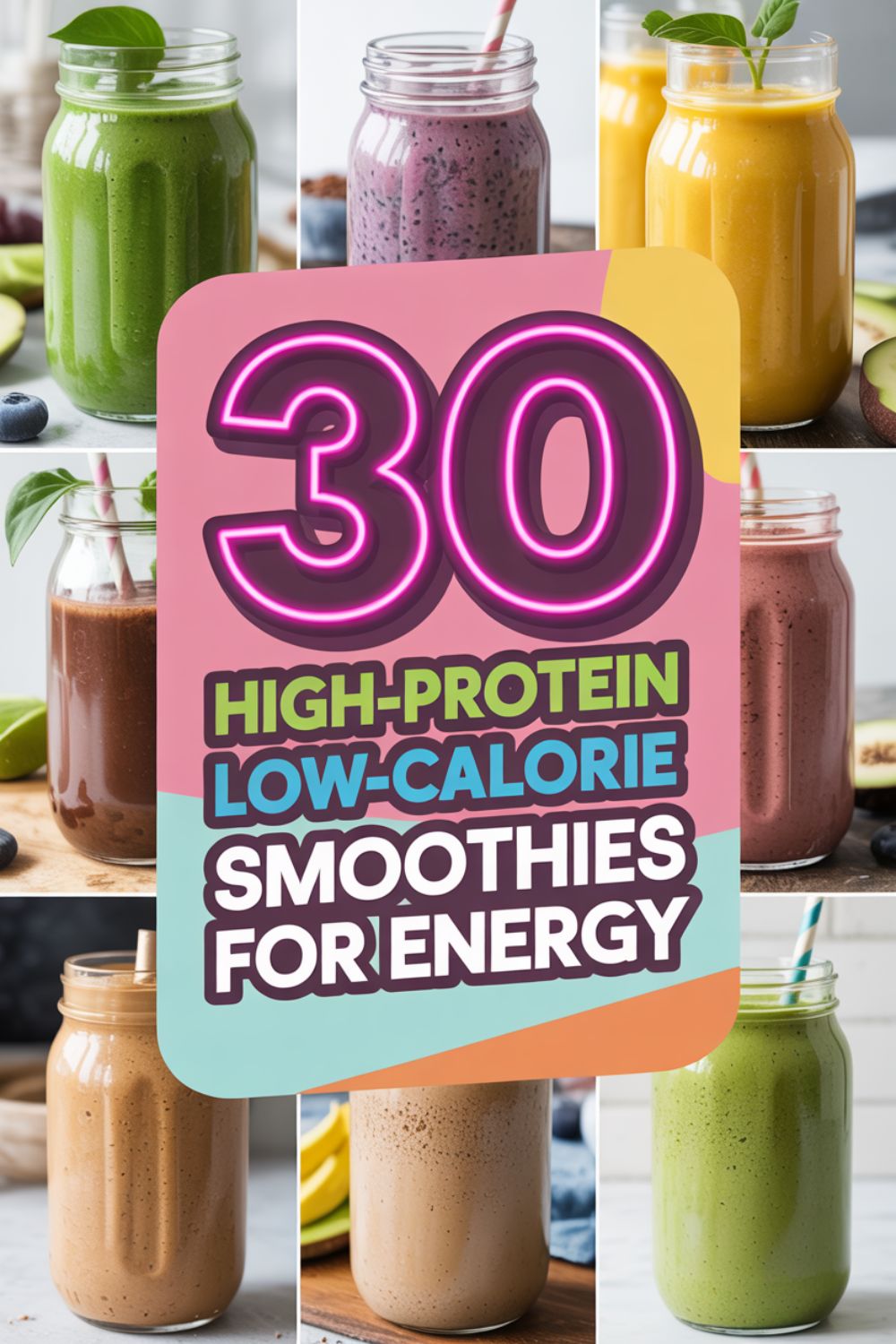
30 High-Protein Low-Calorie Smoothies for Energy
Look, I get it. You’re tired of feeling sluggish by 2 PM, and the thought of choking down another bland protein shake makes you want to crawl back into bed. I’ve been there, staring at my blender like it’s some sort of medieval torture device instead of the energy-boosting machine it should be.
Here’s the truth: smoothies don’t have to taste like liquified cardboard to pack serious protein. They also don’t need to be calorie bombs that derail your entire day. What you need is the sweet spot—drinks that actually taste good, keep you full for hours, and give you the kind of sustained energy that doesn’t crash harder than my WiFi during a Zoom call.
I’ve spent way too many mornings experimenting with protein powders, frozen fruits, and questionable vegetable combinations (trust me, kale and pineapple is better than it sounds). The result? Thirty legitimately delicious smoothies that won’t leave you hungry an hour later or wondering why you bothered.
Why Protein Smoothies Actually Work for Energy
Before we jump into recipes, let’s talk about why protein smoothies are legit game-changers. According to Johns Hopkins Medicine, properly balanced smoothies with adequate protein help you feel full and satisfied much longer than carb-heavy alternatives.
The science is pretty straightforward. Protein slows down digestion, which means your blood sugar doesn’t spike and crash like it does when you mainline a sugary coffee drink. Your body breaks down protein into amino acids, which are basically the building blocks your muscles and cells need to function. When you blend protein with healthy fats and fiber-rich fruits or veggies, you’re creating sustained energy that lasts.
Mayo Clinic research indicates that adults should aim for protein intake between 10-35% of daily calories, with most people benefiting from the higher end of that range. For someone eating 2,000 calories a day, that’s roughly 50-175 grams of protein. A well-crafted smoothie can deliver 25-35 grams in one sitting, making it easier to hit those targets without feeling like you’re force-feeding yourself chicken breast all day.
💡 Pro Tip: Freeze your bananas ahead of time. Seriously, peel them, break them into chunks, and toss them in a freezer bag. They’ll make your smoothies thick and creamy without needing ice that waters everything down.
The Base Formula That Never Fails
Every great smoothie follows a basic structure. Think of it like building a house—you need a solid foundation before you start adding the fancy stuff. Here’s what works:
Protein source (25-30g): This is your anchor. Greek yogurt, protein powder, silken tofu, or cottage cheese all work. I know cottage cheese sounds weird, but blend it properly and you can’t even tell it’s there. Promise.
Liquid base (1-1.5 cups): Unsweetened almond milk, oat milk, or regular dairy milk. If you’re going plant-based, stick with soy or pea milk since they actually have decent protein content. Coconut water works too if you want something lighter.
Frozen fruit (1 cup): Berries, mango, pineapple, whatever. Frozen fruit gives you that thick, almost ice-cream-like texture without the ice. Plus, it’s picked at peak ripeness and frozen immediately, so the nutritional value is legit.
Healthy fat (1-2 tablespoons): Nut butter, avocado, chia seeds, or ground flaxseed. This is what makes the smoothie actually satisfying instead of just… drinkable.
Optional extras: Spinach (you won’t taste it, I swear), protein-boosting add-ins like hemp hearts, or spices like cinnamon and ginger.
Let’s Talk About Protein Powder
Not all protein powders are created equal. Some taste like sweetened chalk dust, others leave a weird aftertaste that haunts you for hours. After trying more brands than I care to admit, here’s what I’ve learned: whey protein blends smoothest and tastes best in fruity smoothies, while plant-based proteins (pea, rice, hemp blends) work better in chocolate or nutty flavors where they can hide a bit.
I usually reach for unflavored whey protein isolate because it’s versatile and doesn’t clash with whatever fruit combination I’m using. For plant-based, Orgain Organic Protein powder has been my go-to—it doesn’t have that gritty texture some vegan proteins suffer from.
Want more ideas for balanced, protein-rich meals throughout your day? Check out these high-protein low-calorie meal ideas for weight loss beginners—they pair perfectly with your morning smoothie routine.
30 High-Protein Low-Calorie Smoothie Recipes
1. Classic Berry Blast
Mixed berries, vanilla protein powder, Greek yogurt, almond milk. It’s the smoothie equivalent of a reliable friend—always there, never disappoints. Around 280 calories with 28g protein.
2. Green Machine
Spinach, banana, pineapple, vanilla protein, coconut water. The banana and pineapple completely mask the spinach. Your taste buds will think you’re drinking a tropical vacation. 260 calories, 25g protein.
3. Chocolate Peanut Butter Dream
Chocolate protein powder, natural peanut butter, banana, almond milk, ice. This tastes like dessert but clocks in at 320 calories with 30g protein. Get Full Recipe.
4. Peachy Keen
Frozen peaches, vanilla Greek yogurt, protein powder, splash of OJ, cinnamon. Summer in a glass. 275 calories, 27g protein.
5. Coffee Power Boost
Cold brew coffee, chocolate protein, banana, almond butter, ice. For those days when one cup of coffee just won’t cut it. 310 calories, 28g protein.
💡 Pro Tip: Make coffee ice cubes by freezing leftover coffee in an ice tray. Throw them in your smoothie instead of regular ice to avoid dilution. Game changer.
6. Strawberry Cheesecake
Strawberries, cottage cheese (trust me), vanilla protein, splash of vanilla extract, stevia if needed. Tastes exactly like the dessert but with 300 calories and 32g protein.
7. Tropical Turmeric
Mango, pineapple, banana, vanilla protein, coconut milk, fresh turmeric, black pepper (helps absorption). Anti-inflammatory benefits plus energy. 290 calories, 26g protein.
8. Blueberry Muffin
Blueberries, oats, cinnamon, vanilla protein, almond milk, touch of honey. Literally tastes like drinking a muffin. 305 calories, 27g protein.
9. Cherry Vanilla Almond
Frozen cherries, almond butter, vanilla protein, almond milk, almond extract. Rich and satisfying. 315 calories, 29g protein.
10. Mint Chocolate Chip
Spinach (for the green), chocolate protein, fresh mint leaves, cacao nibs, almond milk. Tastes like ice cream, looks healthy. 285 calories, 28g protein.
If you’re looking for more protein-packed options that won’t break your calorie bank, these low-calorie high-protein salad recipes make perfect lunch companions to your smoothie breakfast.
11. Apple Pie Spice
Apple, cinnamon, nutmeg, vanilla protein, Greek yogurt, oat milk. Fall vibes year-round. 270 calories, 26g protein.
12. Piña Colada Protein
Pineapple, coconut milk, vanilla protein, lime juice, coconut flakes on top. Beach-worthy without the rum (or add it, I won’t judge). 295 calories, 27g protein.
13. Pumpkin Spice (Yes, Really)
Pumpkin puree, banana, pumpkin spice, vanilla protein, almond milk. Basic? Maybe. Delicious? Absolutely. 280 calories, 28g protein.
14. Raspberry Lemonade
Raspberries, lemon juice, vanilla protein, Greek yogurt, honey. Tart, refreshing, surprisingly filling. 265 calories, 29g protein.
15. Chocolate Banana Bread
Banana, chocolate protein, walnuts, cinnamon, almond milk. Tastes like the best banana bread you’ve ever had. 325 calories, 28g protein.
“I started replacing my usual sugary breakfast with these smoothies three months ago, and honestly, the difference in my energy levels is wild. I used to crash hard around 11 AM, but now I’m actually productive until lunch. Lost 12 pounds without feeling deprived once.” — Jessica M., tried the Berry Blast and Coffee Power Boost
16. Orange Creamsicle
Orange, vanilla protein, Greek yogurt, ice, orange zest. Childhood nostalgia meets adult nutrition. 260 calories, 27g protein.
17. Almond Joy
Chocolate protein, coconut milk, almond butter, coconut flakes, ice. The candy bar, but make it healthy. 330 calories, 30g protein.
18. Cinnamon Roll
Banana, cinnamon, cream cheese (small amount), vanilla protein, almond milk. This shouldn’t work as well as it does. 310 calories, 28g protein.
19. Matcha Madness
Matcha powder, banana, vanilla protein, spinach, coconut milk. Zen energy that lasts. 275 calories, 26g protein.
20. Mango Lassi
Mango, Greek yogurt, cardamom, vanilla protein, almond milk. Indian-inspired goodness. 285 calories, 30g protein.
For those building muscle or recovering from workouts, you’ll definitely want to explore these low-calorie high-protein recipes for muscle recovery. They complement your smoothie routine perfectly.
21. Black Forest
Dark cherries, chocolate protein, cacao nibs, almond milk. Decadent without the guilt. 295 calories, 29g protein.
22. Ginger Peach
Peaches, fresh ginger, vanilla protein, Greek yogurt, turmeric. Spicy, sweet, energizing. 270 calories, 27g protein.
23. Cookies and Cream
Vanilla protein, one crushed Oreo (yes, just one), banana, almond milk. Treat yourself. 290 calories, 27g protein.
24. Avocado Green Dream
Avocado, spinach, lime, vanilla protein, coconut water. Creamy and surprisingly light. 305 calories, 26g protein.
25. Carrot Cake
Carrot juice, banana, cinnamon, nutmeg, vanilla protein, walnuts, Greek yogurt. Vegetables never tasted this good. 315 calories, 28g protein.
26. Triple Berry Antioxidant
Strawberries, blueberries, blackberries, vanilla protein, chia seeds, almond milk. Antioxidant powerhouse. 275 calories, 29g protein.
27. Vanilla Almond Date
Dates, almond butter, vanilla protein, almond milk, cinnamon. Natural sweetness from dates. 320 calories, 28g protein.
28. Chocolate Hazelnut
Chocolate protein, hazelnut butter, banana, almond milk. Better than Nutella. 325 calories, 30g protein.
29. Pomegranate Berry Boost
Pomegranate juice, mixed berries, vanilla protein, Greek yogurt. Tart and powerful. 285 calories, 28g protein.
30. Banana Oat Cookie Dough
Banana, oats, vanilla protein, almond butter, cinnamon, chocolate chips (just a few). Tastes exactly like cookie dough. 335 calories, 29g protein. Get Full Recipe.
Smoothie Essentials That Actually Make a Difference
After making literally hundreds of smoothies, here’s what I actually use every single day. These aren’t fancy gadgets collecting dust—they’re tools that make the whole process faster and way less annoying.
Physical Products
NutriBullet Pro 900
Compact, powerful, and cleans in like thirty seconds. I’ve had mine for three years and it hasn’t given up on me yet. The single-serve cups are perfect for taking smoothies on the go.
OXO Silicone Freezer Trays
These aren’t just for coffee ice cubes—portion out smoothie ingredients on Sunday, freeze them, and you’ve got grab-and-blend portions all week. Genius for meal prep lazy people like me.
Glass Mason Jars (32oz)
Listen, you can drink straight from the blender cup, but these mason jars with lids let you prep smoothies the night before. They look Instagram-worthy too, if that’s your thing.
Digital Resources
MyFitnessPal Premium
Track your macros without losing your mind. The barcode scanner makes logging ingredients stupid easy, and you can save your favorite smoothie recipes for quick reference.
The Complete Protein Guide Ebook
A downloadable guide breaking down protein sources, timing, and how to hit your targets without supplements. Super helpful when you’re starting out.
Plant-Based Protein Conversion Chart
For the vegans in the crowd—printable reference showing how to swap dairy proteins for plant-based alternatives without sacrificing taste or texture.
Making Smoothies Work for Real Life
Theory is great, but let’s talk about actual implementation. You’re not going to prep smoothies every day if it takes forever or requires twenty ingredients. Here’s how I actually do this:
Batch prep your ingredients. Every Sunday, I spend maybe twenty minutes portioning out frozen fruit, measuring protein powder, and prepping any add-ins. Everything goes into individual bags or containers. During the week, I literally dump a bag in the blender, add liquid, and blend. Two minutes, max.
I use reusable silicone storage bags for this instead of plastic—they stand up in the freezer better and I feel slightly less guilty about my environmental impact.
Keep a smoothie formula card. I know this sounds nerdy, but I printed out the basic formula (protein + liquid + fruit + fat + extras) and stuck it on my fridge. When you’re half-asleep at 6 AM, decision fatigue is real. Having a cheat sheet helps.
💡 Pro Tip: Invest in a decent blender. I know they’re expensive, but a Vitamix or Blendtec will actually blend frozen fruit smoothly instead of leaving chunks that make you question your life choices. Consider it an investment in not being angry before 8 AM.
Looking for complete meal plans that incorporate smoothies and other high-protein options? This 7-day high-protein low-calorie meal plan for beginners takes all the guesswork out of planning your week.
Common Smoothie Mistakes (And How to Fix Them)
Mistake #1: Too much fruit. Yes, fruit is healthy, but three bananas and two cups of mango in one smoothie is basically a sugar bomb. Stick to one cup of fruit total. If you need more volume, add spinach or cauliflower (frozen cauliflower rice blends in perfectly and you can’t taste it).
Mistake #2: Skipping the fat. Fat makes smoothies satisfying. Without it, you’ll be hungry in an hour. Don’t fear the nut butter or avocado. A tablespoon of almond or cashew butter changes everything.
Mistake #3: Not enough protein. If your smoothie has less than 20g of protein, it’s basically a snack, not a meal replacement. Aim for 25-30g minimum if you’re using it as a breakfast substitute.
Mistake #4: Using juice as a base. Just… don’t. Juice is liquid sugar without the fiber. Stick with milk alternatives or water. If you want fruit flavor, use actual fruit.
Mistake #5: Blending forever. Over-blending heats up your smoothie and can make it weirdly foamy. Twenty to thirty seconds is usually plenty. Your blender isn’t trying to win a marathon.
The Texture Issue Nobody Talks About
Let’s be real: texture matters. A watery smoothie is depressing. An overly thick one feels like you’re drinking cement. The secret is frozen banana—it creates that ice-cream-like consistency without ice diluting everything.
If you’re going plant-based, frozen cauliflower or zucchini works similarly. Sounds weird, tastes like nothing, makes smoothies creamy. I use frozen cauliflower in chocolate smoothies all the time and literally no one can tell.
Protein Sources Beyond the Powder
Look, protein powder is convenient, but it’s not your only option. Research from Mayo Clinic Health System actually suggests that whole food sources of protein are preferable when possible since they provide additional nutrients that processed supplements lack.
Greek yogurt: About 17g protein per cup. Creamy, tangy, makes smoothies thick. The plain version is your friend—skip the flavored stuff loaded with sugar.
Cottage cheese: Around 24g protein per cup. I know, it sounds gross. But blend it properly and it just makes smoothies creamy. Try it once before you dismiss it.
Silken tofu: About 10g protein per half cup. Neutral flavor, incredibly smooth texture. Perfect for plant-based smoothies.
Hemp hearts: 10g protein per 3 tablespoons. Plus omega-3s and a slight nutty flavor. I sprinkle Manitoba Harvest hemp hearts on top or blend them in.
Peanut butter powder: Like regular peanut butter but with most of the fat removed. About 6g protein per 2 tablespoons with way fewer calories. Mix it into chocolate smoothies for a Reese’s vibe.
For more creative ways to incorporate protein throughout your day, check out these low-calorie high-protein wraps—they’re perfect for lunch after your protein-packed smoothie breakfast.
Timing Your Smoothies for Maximum Energy
When you drink your smoothie matters almost as much as what’s in it. Your body processes nutrients differently at various times of day.
Morning (6-9 AM): Best time for higher-carb smoothies with fruit. Your metabolism is revving up and can handle the natural sugars. Go for berries, banana, mango combinations.
Pre-workout (1-2 hours before): Moderate protein, moderate carbs, lower fat. Fat slows digestion, which you don’t want right before exercise. Think Greek yogurt, berries, oats.
Post-workout (within 30 minutes): Protein and carbs are crucial here. Your muscles are basically begging for nutrients. Chocolate protein, banana, peanut butter is clutch.
Afternoon snack (2-4 PM): Higher protein, moderate fat, lower carbs. This prevents the afternoon crash. Focus on protein powder, nut butter, greens, and lower-sugar fruits like berries.
Evening (avoid): IMO, smoothies before bed are a bad call. The natural sugars can mess with sleep, and lying down with a full stomach isn’t comfortable. If you must, go heavy on protein and skip the fruit entirely.
Personalizing for Your Goals
Not everyone wants the same thing from a smoothie. Your protein needs and calorie targets depend on what you’re trying to accomplish.
For weight loss: Stick to the lower end of calories (250-300) with higher protein (28-32g). Skip calorie-dense add-ins like extra nut butter or coconut oil. Focus on volume from greens and lower-sugar fruits like berries.
For muscle building: Bump up both calories (350-450) and protein (32-40g). Don’t fear healthy fats. Add oats for complex carbs. Consider these low-calorie high-protein recipes for muscle gain alongside your smoothie routine.
For maintenance: Stay around 300-350 calories with 25-30g protein. Balance is key. You’re not trying to lose or gain, just sustain energy and nutrition.
For endurance athletes: More carbs (add dates, oats, banana), moderate protein (25-28g), and sodium (pinch of sea salt helps with electrolytes). Recovery matters more than restriction.
“I’m a morning person who hates cooking, so smoothies have legitimately changed my routine. Started with the basic Berry Blast and now rotate through about six favorites. Down 18 pounds in four months without ever feeling like I’m on a ‘diet.’ The Coffee Power Boost is my pre-gym go-to.” — Marcus T., rotates between Berry, Chocolate Peanut Butter, and Green Machine
Dealing with Common Concerns
But Aren’t Smoothies Just Liquid Sugar?
They can be, if you make them wrong. A Jamba Juice large smoothie with added sweeteners and fruit juice base? Yeah, that’s basically a milkshake. But a properly balanced smoothie with whole fruit, protein, and healthy fats behaves totally differently in your body.
The fiber in whole fruit slows sugar absorption. The protein and fat further slow it down. Your blood sugar rises gradually instead of spiking. Big difference.
Won’t I Be Hungry Again Quickly?
Only if you skimp on protein or fat. A 400-calorie smoothie with 30g protein and 10g healthy fat keeps me satisfied for 4-5 hours easily. That’s longer than most solid breakfasts.
The key is making it substantial. If your smoothie is basically flavored water with a scoop of protein powder, yeah, you’ll be hungry. Build it properly and you won’t be.
Are Store-Bought Smoothies Okay?
Honestly? Usually not. Most smoothie shops add fruit juice, sweeteners, and way more fruit than necessary. They’re in the business of making things taste good, not necessarily healthy. A large smoothie from a chain can easily hit 600-800 calories with 80g+ of sugar.
If you must buy pre-made, check the nutrition label. Look for under 400 calories, at least 20g protein, and under 30g sugar. Those parameters are tough to find commercially.
Advanced Smoothie Hacks
Once you’ve mastered the basics, here are some next-level strategies that separate smoothie amateurs from pros:
Add collagen peptides. Unflavored collagen powder dissolves completely and adds about 10g protein without changing taste. Bonus: supposedly helps skin, hair, and joints. I’m skeptical of most supplement claims, but this one seems legit based on how my knees feel.
Use frozen cooked sweet potato. Weird flex, but it makes smoothies thick and creamy while adding complex carbs. Works great in chocolate or spiced smoothies. Just cube it, cook it, freeze it, and thank me later.
Add a pinch of sea salt. Especially in chocolate smoothies. It enhances flavor like it does in baked goods. Don’t skip this.
Spirulina or chlorella for extra nutrients. Start with just a quarter teaspoon because the taste is… intense. But these algae powders pack serious micronutrients. The green color might freak you out initially.
Freeze leftover smoothies as popsicles. If you made too much, pour it into popsicle molds instead of forcing yourself to drink 32 ounces. Future you will appreciate the treat.
If you love the convenience of smoothies, you’ll definitely want to check out these easy low-calorie high-protein lunches that pair perfectly with your smoothie breakfast routine.
Frequently Asked Questions
Can I make smoothies the night before?
Yes, but with caveats. You can blend everything except the liquid, portion it into bags, and freeze. Or blend completely and refrigerate overnight in an airtight container like a mason jar. They’ll separate a bit, so shake before drinking. Honestly, freezing the dry ingredients and blending fresh in the morning tastes better, but overnight prep works if you’re seriously pressed for time.
How do I make smoothies without protein powder?
Use Greek yogurt (17g protein per cup), cottage cheese (24g per cup), or silken tofu (10g per half cup) as your base. Add hemp hearts, nut butter, or oats for extra protein. You’ll need to combine multiple sources to hit 25-30g, but it’s totally doable. The texture from yogurt or cottage cheese is actually creamier than powder anyway.
Will smoothies help me lose weight?
Smoothies don’t magically cause weight loss, but they can support it. Replacing a high-calorie breakfast with a properly portioned smoothie creates a calorie deficit. The high protein content helps preserve muscle mass while losing fat and keeps you fuller longer. But if you’re drinking 500-calorie smoothies on top of your normal eating, you’ll gain weight. It’s about total calorie balance, not the smoothie itself.
Are frozen fruits as nutritious as fresh?
Actually, yes—sometimes even more so. Frozen fruit is picked at peak ripeness and frozen immediately, locking in nutrients. Fresh fruit might sit around for days or weeks before you eat it, losing nutritional value. Plus, frozen fruit is convenient, affordable, and makes smoothies thick without ice. No real downside.
How much protein do I actually need in a smoothie?
If you’re using it as a meal replacement, aim for 25-35g of protein. That’s enough to keep you satisfied for several hours. If it’s a snack, 15-20g works. For muscle building or post-workout recovery, go higher—30-40g. The general guideline is about 0.4g per kilogram of body weight per meal, so adjust based on your size and goals.
Final Thoughts
Here’s the thing about smoothies: they’re only as good as your consistency with them. Having thirty recipes doesn’t mean much if you never actually make them. Start with three recipes that appeal to you. Make them for two weeks straight until they become habit. Then rotate in new ones.
I genuinely believe a solid protein smoothie is one of the easiest ways to improve your nutrition without making your life more complicated. It takes less time than stopping for coffee and a pastry, costs less than takeout, and actually makes you feel good instead of sluggish.
The recipes I’ve shared aren’t revolutionary or complicated. They’re just combinations that work—that taste good, keep you full, and don’t require nineteen specialty ingredients from Whole Foods. Pick one, try it tomorrow morning, and see how you feel at noon. That’s the real test.
Your blender is sitting in your cabinet right now. Maybe it’s time to actually use it for something other than frozen margaritas. Not that there’s anything wrong with frozen margaritas, but your future self will probably thank you for the protein boost more than the tequila hangover.
30-Day High-Protein
Low-Calorie Meal Plan
Every breakfast, lunch, dinner & snack — all 30 days fully mapped out. Just follow the plan.
- ✓50+ complete recipes with ingredients & step-by-step instructions
- ✓4-week day-by-day plans — every meal for all 30 days
- ✓4 weekly shopping lists organised by store section
- ✓Printable habit & progress tracker — 30 full days
- ✓100g+ protein per day — scientifically optimised macros
Instant PDF · Print at home
Results guaranteed with consistency
Similar Posts
17 Low-Calorie Meals with 30g of Protein
17 Low-Calorie Meals with 30g of Protein – Delicious, Filling & Actually Easy Full Taste Co — Real Food, Real Flavor High Protein • Low Calorie 17 Low-Calorie Meals with 30g of Protein That Actually Keep You Full Delicious, satisfying recipes that hit your macros without making dinner feel like a punishment. 17 Recipes 30g+…
18 Low-Calorie High-Protein Meals That Take Less Than 30 Minutes
18 Low-Calorie High-Protein Meals That Take Less Than 30 Minutes 18 Low-Calorie High-Protein Meals That Take Less Than 30 Minutes Look, I get it. You’re trying to eat better, hit your protein goals, and somehow not spend half your life cooking or choking down bland chicken breast. The struggle is real, and honestly, most protein-packed…
21 Spring Meal Prep Bowls for Beginners
21 Spring Meal Prep Bowls for Beginners 21 Spring Meal Prep Bowls for Beginners Look, I get it. You’re standing in your kitchen on a Sunday afternoon, staring at a pile of produce, wondering how the heck people actually pull off this whole meal prep thing without losing their minds. Spring showed up, dumped a…
30-Day Low-Calorie High-Protein Smoothie Plan: Your Complete Guide
30-Day Low-Calorie High-Protein Smoothie Plan: Your Complete Guide 30-Day Low-Calorie High-Protein Smoothie Plan: Your Complete Guide Look, I’ve tried just about every meal plan under the sun, and most of them left me either starving by noon or sick of eating the same boring chicken breast for the tenth day straight. But here’s the thing…
15 High-Protein Low-Calorie Snacks for Post-Workout
15 High-Protein Low-Calorie Snacks for Post-Workout 15 High-Protein Low-Calorie Snacks for Post-Workout You just crushed your workout. Sweat dripping, muscles burning, endorphins pumping. Now what? If you’re like me three years ago, you probably stumbled to the kitchen and grabbed whatever looked remotely edible. Spoiler alert: that bag of chips wasn’t doing your muscles any…
20 Low-Calorie High-Protein Comfort Foods That Actually Work
20 Low-Calorie High-Protein Comfort Foods That Actually Work 20 Low-Calorie High-Protein Comfort Foods That Actually Work Look, I get it. You want that warm, fuzzy feeling from comfort food without the aftermath of calorie guilt and the sluggish energy crash. Seems like asking for magic, right? Well, turns out you can have your protein-packed comfort…