14-Day Low-Calorie High-Protein Snack Meal Plan
You know that 3 PM slump when your stomach’s growling and the vending machine starts looking like a viable dinner option? Yeah, we’ve all been there. The thing is, snacking gets a bad rap, but honestly, it’s not the snacking itself that’s the problem—it’s what you’re snacking on.
I’m not here to tell you to munch on celery sticks and call it a day. This 14-day plan is about real snacks that actually taste good, keep you full, and won’t wreck your calorie budget. We’re talking high-protein options that fight hunger instead of fueling it.
Why High-Protein Snacks Actually Matter
Here’s the deal: protein isn’t just for bodybuilders chugging shakes at the gym. When you eat protein-rich snacks, your digestion slows down and blood sugar stays stable, which means you feel fuller longer instead of raiding the pantry every hour.
Protein takes more energy to digest than carbs or fats, which is a nice bonus if you’re trying to manage your weight. Plus, it helps preserve muscle mass when you’re cutting calories—something your metabolism will thank you for later.
Most people think they need to overhaul their entire diet to see results, but honestly? Sometimes it’s just about swapping the bag of chips for something with actual nutritional value. Small changes, big impact.
The 14-Day Snack Blueprint
I’ve organized this plan so you’re not eating the same thing every single day because, let’s be real, nobody wants that. Each week has variety, and everything’s designed to be either grab-and-go or super quick to prep.
Week 1: Building Your Foundation
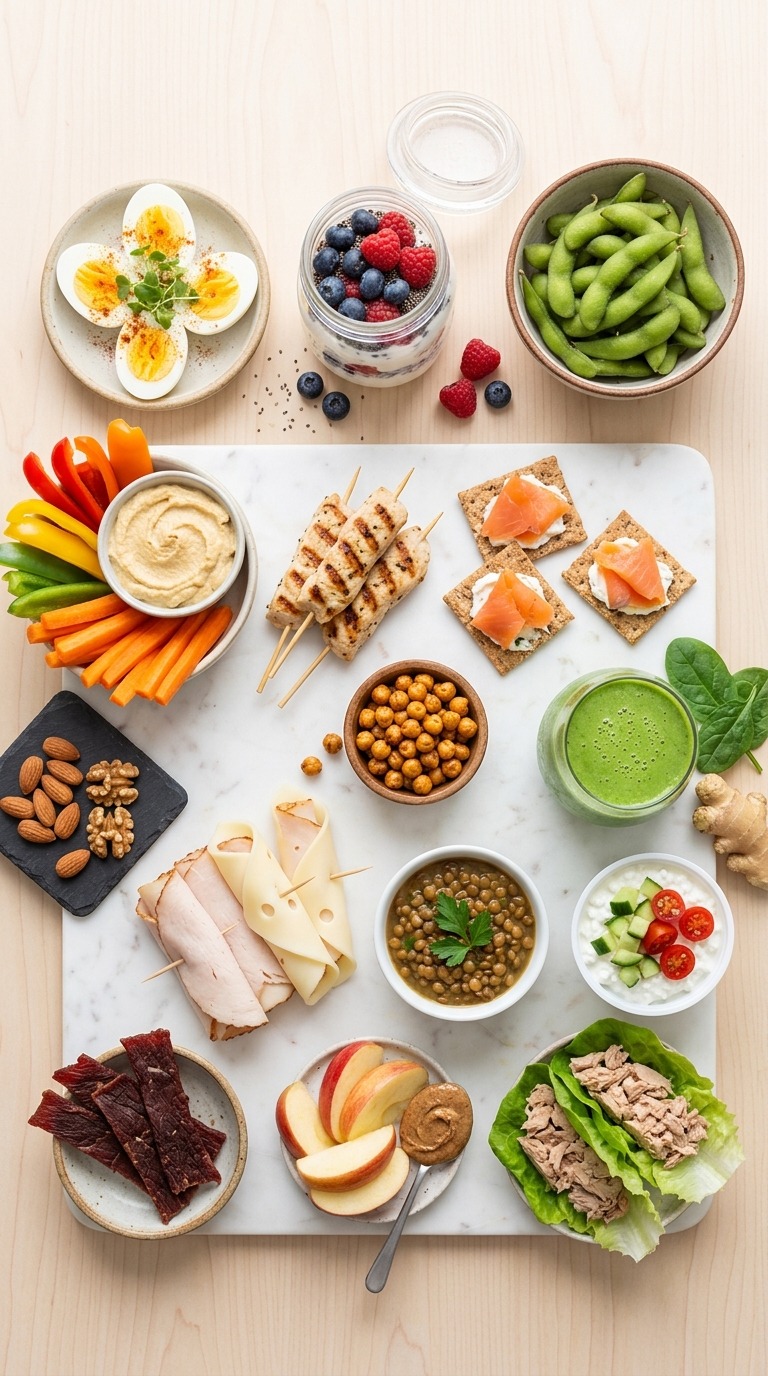
Day 1: Greek yogurt with mixed berries and a sprinkle of chia seeds. The yogurt brings about 17 grams of protein per serving, and chia seeds add texture plus a little omega-3 boost. I like using this small glass meal prep container to portion everything out Sunday night.
Day 2: Hard-boiled eggs with everything bagel seasoning. Two eggs give you around 12 grams of protein, and that seasoning makes them actually exciting to eat. Skip the sad plain egg situation.
Day 3: Cottage cheese with sliced cucumbers and cherry tomatoes. Half a cup of cottage cheese packs 14 grams of protein, and the veggies add crunch without adding many calories. Drizzle with a tiny bit of balsamic if you’re feeling fancy.
Day 4: Turkey and cheese roll-ups. Wrap sliced deli turkey around a piece of string cheese, maybe add a pickle spear. Each roll-up has about 6-7 grams of protein, and you can eat three or four without blowing your calorie budget. Get Full Recipe.
Day 5: Protein smoothie with spinach, banana, and protein powder. Blend it up in this compact personal blender that actually fits in a small kitchen. Tastes like a milkshake, acts like a meal replacement.
Day 6: Edamame with sea salt. A cup of these gives you about 17 grams of protein and takes literally two minutes in the microwave. Simple, satisfying, surprisingly filling.
Day 7: Tuna salad on cucumber slices. Mix canned tuna with a little Greek yogurt instead of mayo, add diced celery and lemon juice, scoop onto thick cucumber rounds. One can of tuna has roughly 20 grams of protein, and the cucumber swap saves you bread calories.
Looking for more variety? These high-protein snacks that fuel fat loss or protein-packed options for kids work great in rotation.
Week 2: Leveling Up
Day 8: Protein energy balls made with oats, peanut butter, and a scoop of protein powder. Roll them into bite-sized pieces and store in these airtight snack containers. Each ball has around 4-5 grams of protein.
Day 9: Smoked salmon on whole grain crackers. Two ounces of salmon gives you about 11 grams of protein plus those omega-3s everyone talks about. Fancy enough for guests, easy enough for Tuesday.
Day 10: Roasted chickpeas with paprika and cumin. Toss them with olive oil and spices, roast at 400°F for 30-40 minutes. Half a cup has around 7 grams of protein, and they’re weirdly addictive.
Day 11: Protein pancakes made with mashed banana, eggs, and protein powder. Cook them in this non-stick mini griddle and you’ve got breakfast-for-snack vibes. Two small pancakes clock in around 15 grams of protein.
Day 12: String cheese with apple slices. The combo of protein and fiber keeps hunger at bay way longer than either would solo. One string cheese has about 6 grams of protein.
Day 13: Beef jerky (the kind without tons of added sugar). Check the label and aim for options with at least 9 grams of protein per serving. Portable, shelf-stable, and surprisingly satisfying.
Day 14: Chia pudding made with unsweetened almond milk and topped with berries. Mix two tablespoons of chia seeds with half a cup of milk, let it sit overnight in a mason jar. Add protein powder if you want an extra boost. You’ll get about 10 grams of protein depending on your milk choice.
If you’re prepping these snacks ahead, check out our guide on low-calorie high-protein meals perfect for meal prep to batch everything efficiently.
Protein vs. Carbs: What’s the Real Difference?
Not to get too science-y here, but understanding why protein works better for snacking than carbs alone makes this whole thing click. When you eat carbs by themselves—like pretzels or crackers—your blood sugar spikes and then crashes, leaving you hungry again in like an hour.
Protein digests slowly, which means your blood sugar stays steady and your hunger hormones don’t go haywire. That’s why a handful of almonds (protein and healthy fats) beats a handful of goldfish crackers every time.
Plus, protein has a higher thermic effect, meaning your body burns more calories just digesting it. Not saying it’s magic, but it’s definitely working smarter, not harder.
How to Prep These Snacks Without Losing Your Mind
Meal prep sounds intimidating, but for snacks, it’s mostly just portioning things out ahead of time. Sunday evening, I spend maybe 30 minutes washing berries, boiling eggs, dividing yogurt into containers, and roasting chickpeas if I’m feeling ambitious.
Having everything ready to grab means you’re way less likely to make poor choices when hunger hits. I use these glass snap-lid containers for everything—they’re microwave-safe, don’t stain, and you can see what’s inside without opening them.
For dry snacks like roasted chickpeas or energy balls, small silicone snack bags work great. They’re reusable, which saves money and cuts down on plastic waste. Win-win.
The key is making it easy on yourself. If you have to wash, chop, and assemble every time you want a snack, you’ll give up by Wednesday. But if everything’s portioned and ready? Game changer.
Meal Prep Essentials Used in This Plan
Glass Meal Prep Containers with Snap Lids (Set of 10)
These are the workhorses of my kitchen. Leak-proof, stackable, and they go from fridge to microwave without any drama. Perfect for portioning out yogurt, cottage cheese, or tuna salad.
Compact Personal Blender with Travel Lid
Makes smoothies in under a minute, and you can drink straight from the blending cup. Saves dishes and counter space—two things I’m always short on.
Reusable Silicone Snack Bags (Set of 8)
For dry snacks like nuts, energy balls, or roasted chickpeas. They seal tight, wash easy, and honestly pay for themselves after a month of skipping plastic baggies.
High-Protein Meal Planning Template (Printable PDF)
Drag-and-drop meal planner specifically designed for high-protein eating. Includes macros calculator and shopping list generator. Makes planning these two weeks way less chaotic.
14-Day Protein Snack Tracker & Recipe eBook
Digital guide with 50+ high-protein snack recipes, nutritional breakdowns, and a daily tracker to log what’s working for you. Bonus sections on meal timing and portion control.
Macro-Friendly Snack Prep Video Course
Step-by-step video tutorials showing exactly how to batch-prep protein snacks for the week. Includes time-saving hacks and storage tips from a registered dietitian.
Common Mistakes People Make (And How to Avoid Them)
Biggest mistake? Going too extreme too fast. If you’re used to snacking on chips and cookies, jumping straight to plain boiled eggs is a recipe for failure. Start with swaps that feel manageable—like Greek yogurt with honey instead of ice cream, or beef jerky instead of pepperoni pizza rolls.
Another trap is not actually tracking what you’re eating. It’s easy to think you’re doing great while unknowingly eating 400 calories of “healthy” trail mix. Nuts are nutritious, sure, but they’re also calorie-dense. Portion control matters even with the good stuff.
And here’s one people don’t talk about enough: not drinking enough water. Sometimes what feels like hunger is actually thirst. Keep a water bottle handy and sip throughout the day. It’s boring advice, but it works.
Also, if you find yourself constantly hungry on this plan, you might not be eating enough protein at your main meals. These snacks should supplement your diet, not carry it entirely. If you need more complete meal ideas, check out these meal ideas for weight-loss beginners.
What About Dairy-Free or Vegan Options?
Not everyone eats dairy or animal products, and that’s totally fine. You can absolutely do high-protein snacking on a plant-based diet—it just requires a little more planning.
Swap Greek yogurt for coconut or almond-based yogurt with added protein. Instead of cottage cheese, try mashed white beans with lemon and herbs. Replace turkey roll-ups with hummus and veggie wraps using large lettuce leaves or collard greens.
Edamame, roasted chickpeas, and chia pudding are already vegan, which is convenient. For smoothies, use plant-based protein powder—pea protein, hemp, or brown rice protein all work well. Just check labels because some taste better than others, IMO.
Nuts and seeds become your best friends here. Almonds, pumpkin seeds, sunflower seeds, and nut butters all pack protein. Two tablespoons of peanut butter has around 7 grams, and you can spread it on apple slices or whole grain crackers for a solid snack.
For more plant-based inspiration, these vegan high-protein meals offer tons of variety without any animal products.
Timing Your Snacks for Maximum Results
When you eat matters almost as much as what you eat. The best times to snack are typically mid-morning (around 10 AM) and mid-afternoon (around 3 PM)—basically whenever there’s a long gap between meals and your energy starts tanking.
If you work out, protein within 30-60 minutes post-exercise helps with muscle recovery. That’s when something like a protein smoothie or Greek yogurt parfait makes the most sense. Your muscles are primed to absorb nutrients, so don’t waste that window on a granola bar that’s mostly sugar.
Late-night snacking gets a bad reputation, but if you’re genuinely hungry before bed, a small high-protein snack won’t derail your progress. Cottage cheese is actually ideal here because it contains casein protein, which digests slowly and can help prevent muscle breakdown overnight. Just keep portions reasonable—you’re not trying to eat a second dinner.
Some people do better with three larger snacks, others prefer five smaller ones. Experiment and see what keeps your hunger in check without making you feel stuffed. There’s no one-size-fits-all answer, despite what Instagram influencers want you to believe.
If you’re looking to structure your entire day around protein, this 7-day high-protein meal plan walks you through breakfast, lunch, dinner, and snacks with full macros.
Troubleshooting When Things Aren’t Working
So you’ve been following the plan for a week and you’re still starving. What gives? First, make sure you’re actually eating enough calories overall. If you’re cutting too aggressively, no amount of protein snacks will fix that.
Second, check your main meals. Are they balanced with protein, healthy fats, and fiber? If breakfast is just toast and coffee, of course you’re hungry by 9 AM. Start the day with something substantial—like these high-protein breakfast bowls—and snacking becomes easier.
Sometimes the issue is hydration, stress, or lack of sleep. All three mess with hunger signals. If you’re chronically sleep-deprived, your body cranks up ghrelin (the hunger hormone) and suppresses leptin (the fullness hormone). No snack plan can outsmart biology.
Also, be honest about portion sizes. Are you eating “a handful” of almonds or half the container? Weigh stuff for a few days just to calibrate what portions actually look like. It’s eye-opening and slightly depressing, but necessary.
Keeping Things Interesting After Two Weeks
Fourteen days is just the beginning. Once you get through this plan, you’ll have a solid rotation of go-to snacks that you know work for you. But eventually, you’ll want variety to keep things from getting stale.
Try experimenting with different spice combinations on roasted chickpeas—garlic and rosemary, taco seasoning, cinnamon and sugar (light on the sugar). Same base snack, totally different vibe.
Mix up your yogurt toppings beyond berries. Sliced peaches, chopped dates, a drizzle of tahini, or even a sprinkle of dark chocolate chips can make it feel like a different snack entirely.
If you’re into meal prep, batch-cook protein muffins, egg bites, or mini frittatas. They freeze well and reheat in under a minute. I make a batch every couple weeks and rotate through flavors—spinach and feta one week, bacon and cheddar the next.
For more structured variety, this 14-day meal prep plan covers snacks plus full meals, or try the 30-day fat loss challenge to keep momentum going.
Budget-Friendly Swaps That Still Deliver
High-protein eating doesn’t have to empty your wallet. Yes, salmon and fancy Greek yogurt cost more, but there are plenty of affordable options that pack just as much protein.
Canned tuna and canned chicken are cheap and shelf-stable. Eggs are always budget-friendly—even the fancy organic ones are only a few dollars a dozen. Dry beans and lentils cost next to nothing and can be transformed into hummus, bean dips, or roasted snacks.
Instead of buying pre-made protein bars (which are expensive and often loaded with sugar), make your own energy balls using oats, peanut butter, and whatever add-ins you have around. Costs maybe a quarter per serving versus two bucks for a packaged bar.
Cottage cheese and plain yogurt are usually cheaper than the flavored versions. Buy the big tub of plain and add your own fruit and honey. You’ll save money and control the sugar content.
Buy in bulk when stuff goes on sale. Nuts, seeds, and protein powder all have long shelf lives. If chicken breast is on sale, grab extra and freeze it. Being strategic about shopping makes this way more sustainable long-term.
Frequently Asked Questions
Can I eat these snacks if I’m trying to build muscle?
Absolutely. High-protein snacks support muscle growth, especially when paired with strength training. Just make sure you’re eating enough total calories to fuel your workouts and recovery. These snacks work great post-workout or between meals when you need quick protein.
How much protein should I aim for per snack?
Most experts recommend 10-20 grams of protein per snack to keep you satisfied and support your goals. Less than 10 grams won’t do much for hunger, and more than 20 is usually overkill unless you’re an athlete with higher protein needs.
What if I don’t like any of these snack options?
Then don’t force it. The key is finding high-protein foods you actually enjoy eating. Try different proteins—maybe you hate Greek yogurt but love cottage cheese, or vice versa. Experiment with seasonings and combinations until you find what clicks for you.
Can kids follow this snack plan?
Most of these snacks are kid-friendly, though you might need to adjust portions based on age and activity level. Kids especially love turkey roll-ups, string cheese with fruit, and protein energy balls. Just skip anything too spicy or with strong flavors if they’re picky eaters.
Is it okay to have the same snack every day?
If you find one you love, sure. Variety is nice for nutrition and boredom prevention, but consistency works for some people. Just make sure you’re still getting a range of nutrients from your main meals so you’re not missing out on anything important.
The Bottom Line
Snacking doesn’t have to sabotage your goals. With the right approach—high protein, reasonable calories, and actual foods you enjoy—it can actually help you succeed. This 14-day plan gives you structure without being rigid, variety without being overwhelming, and results without feeling deprived.
The snacks here aren’t magic bullets, but they’re tools. Use them strategically, pair them with balanced main meals, and listen to what your body’s telling you. If something isn’t working, adjust. If something’s working great, keep doing it.
Sustainable eating isn’t about perfection—it’s about finding patterns that fit your life and actually stick. Two weeks from now, you’ll have a solid foundation of go-to snacks, better hunger management, and hopefully some progress toward whatever goals brought you here in the first place.
Now go prep some eggs, portion out that yogurt, and make snacking work for you instead of against you.
30-Day High-Protein
Low-Calorie Meal Plan
Every breakfast, lunch, dinner & snack — all 30 days fully mapped out. Just follow the plan.
- ✓50+ complete recipes with ingredients & step-by-step instructions
- ✓4-week day-by-day plans — every meal for all 30 days
- ✓4 weekly shopping lists organised by store section
- ✓Printable habit & progress tracker — 30 full days
- ✓100g+ protein per day — scientifically optimised macros
Instant PDF · Print at home
Results guaranteed with consistency
Similar Posts
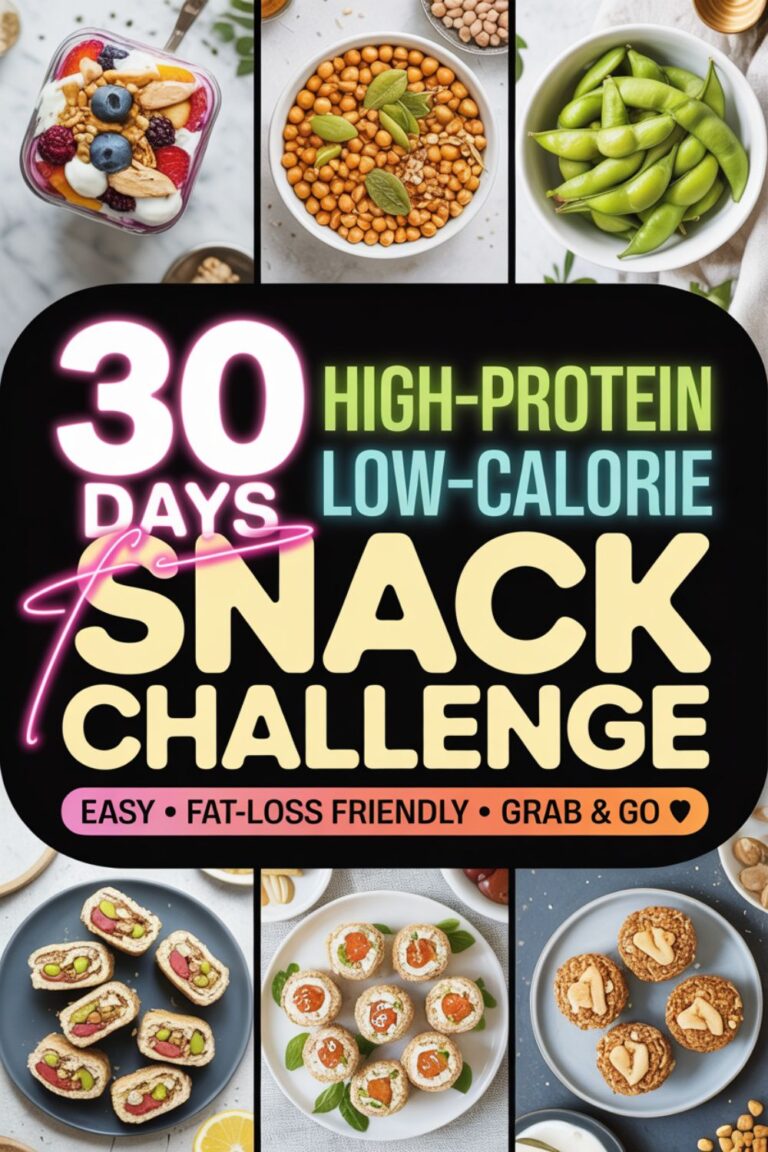
30-Day High-Protein Low-Calorie Snack Challenge
30-Day High-Protein Low-Calorie Snack Challenge 30-Day High-Protein Low-Calorie Snack Challenge Look, I’ll be honest with you. The snack game has been a disaster for most of us. We grab whatever’s closest when hunger strikes at 3 PM, and nine times out of ten, it’s something that leaves us hungrier an hour later. But what if…
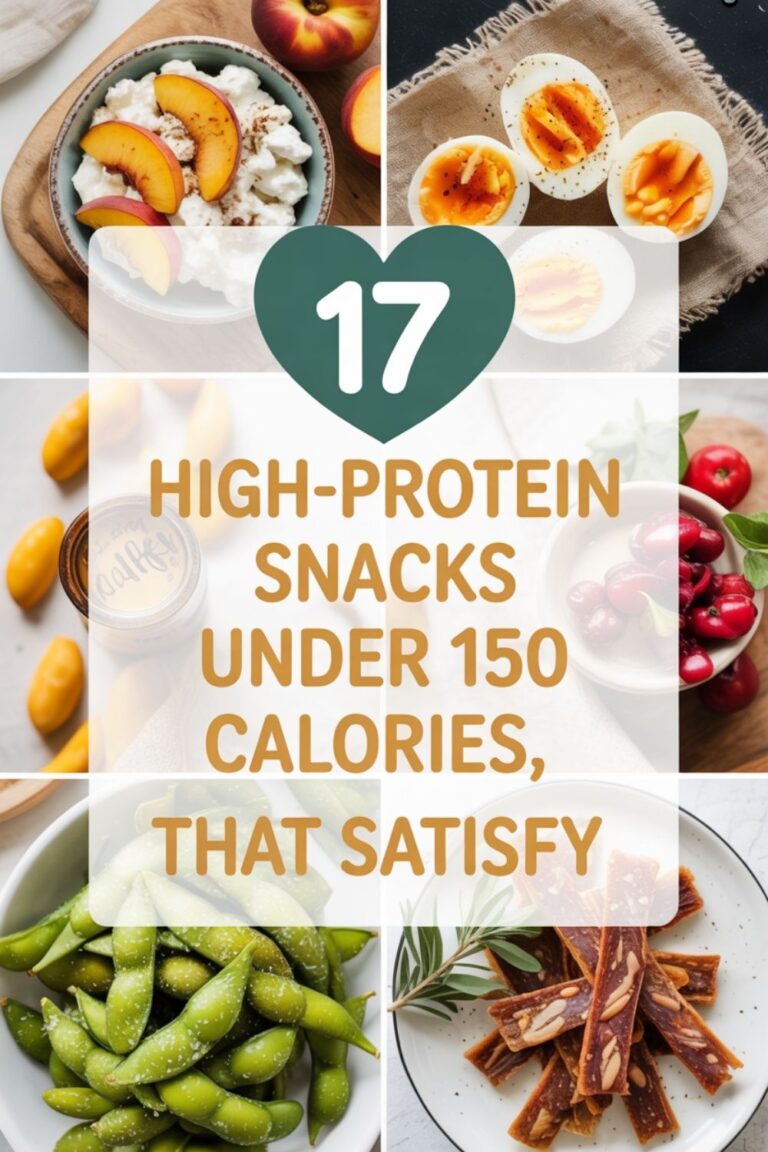
17 High-Protein Snacks Under 150 Calories
17 High-Protein Snacks Under 150 Calories 17 High-Protein Snacks Under 150 Calories You know that feeling when it’s 3 PM and your stomach starts doing that angry rumble thing? Yeah, me too. And if you’re anything like me, you’ve probably grabbed whatever was closest—usually something that left you hungrier an hour later. Here’s the thing:…
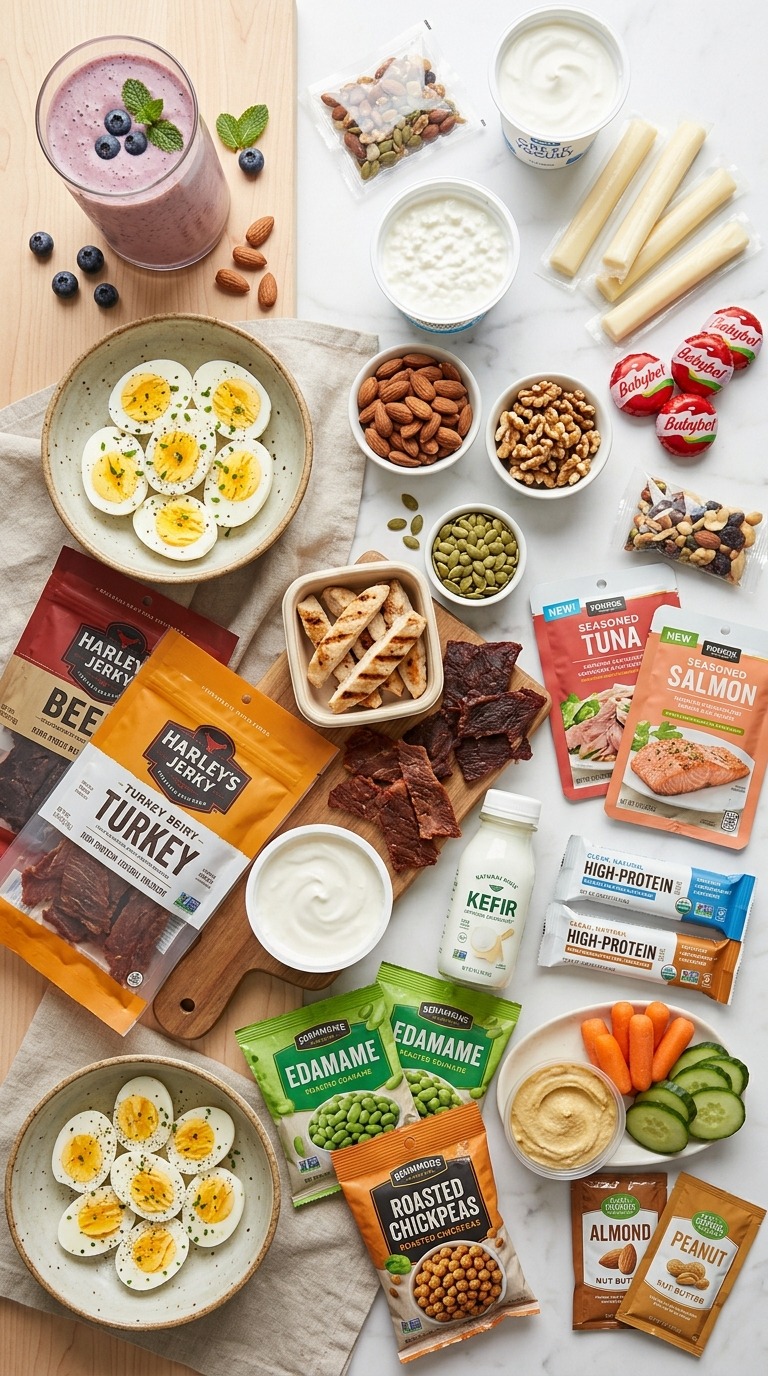
25 High-Protein Grocery Store Snacks Dietitians Actually Buy
Claude responded: 25 High-Protein Grocery Store Snacks Dietitians Actually Buy 25 High-Protein Grocery Store Snacks Dietitians Actually Buy You’re standing in the snack aisle, protein bar in hand, squinting at a label that reads “10g protein” above 30g of
30 High Protein Snacks Under 200 Calories
Table of Contents Why You’ll Love This Recipe Ingredients You’ll Need Tips for the Best Results Storage and Reheating Frequently Asked Questions 30 High Protein Snacks Under 200 Calories 🍴 Jump to Recipe ↓ I started keeping a running list of these snacks taped inside my pantry door a few years ago, back when I…
15 High-Protein Snacks For PMS Cravings That Won’t Ruin Your Diet
Claude responded: 15 High-Protein Snacks For PMS Cravings That Won’t Ruin Your Diet 15 High-Protein Snacks For PMS Cravings That Won’t Ruin Your Diet Your body is basically staging a hostile takeover once a month — and your willpower is the first casualty
24 High-Protein Savory Snacks For People Who Hate Sweets
Claude responded: 24 High-Protein Savory Snacks For People Who Hate Sweets 24 High-Protein Savory Snacks For People Who Hate Sweets Sweet snacks have a serious PR team — protein bars, fruit smoothies, “healthy” cookies — but if the idea of a honey-glazed