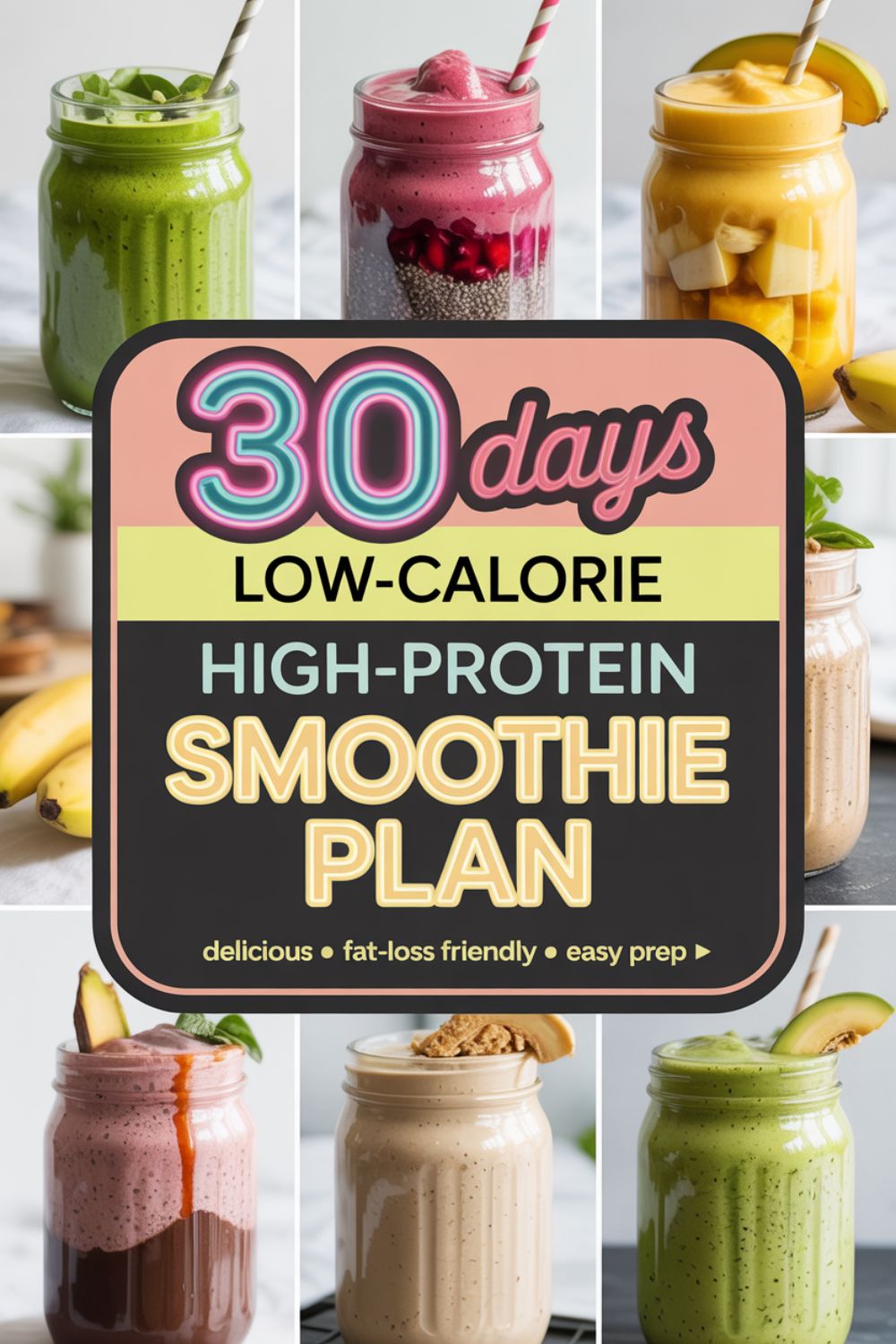
30-Day Low-Calorie High-Protein Smoothie Plan: Your Complete Guide
Why This Plan Actually Works (And Why I Stuck With It)
Here’s what nobody tells you about most diet plans: they fail because they’re miserable. You’re constantly hungry, constantly thinking about food, and constantly wondering if you’re allowed to eat that apple. This smoothie plan works because it tackles the biggest problem head-on – hunger management through strategic protein distribution.
Research from Mayo Clinic shows that consuming 15-30 grams of protein at each meal helps with satiety and weight management. The beauty of smoothies is you can hit that sweet spot without even trying. Toss in some Greek yogurt, a scoop of quality protein powder, and maybe some nut butter, and boom – you’ve got 25+ grams of protein in a portable breakfast.
But protein alone isn’t the hero here. When you combine it with fiber from fruits and vegetables, you’re creating what I call the “satisfaction trifecta” – protein for muscle maintenance, fiber for fullness, and complex carbs for sustained energy. This combination keeps your blood sugar stable, which means you’re not crashing and burning by 10 AM, desperately eyeing the office donuts.
Prep your smoothie bags on Sunday night. Portion out all your ingredients except the liquid into freezer bags, label them by day, and thank yourself all week when breakfast takes 2 minutes instead of 20.
Understanding the Science Behind Low-Calorie, High-Protein Smoothies
Let’s talk about what actually happens when you drink a protein-packed smoothie versus, say, a bagel with cream cheese. According to nutrition experts at Johns Hopkins, protein builds and maintains muscle mass while helping you feel full and satisfied for longer periods.
The Protein Advantage
Your body burns more calories digesting protein than it does processing carbs or fats. This is called the thermic effect of food, and it’s basically free calorie burning. When you prioritize protein in your smoothies, you’re giving your metabolism a gentle nudge in the right direction.
Plus, maintaining muscle mass while losing fat is crucial. Muscle tissue burns more calories at rest than fat tissue does, so the more muscle you preserve during weight loss, the easier it becomes to maintain your results. That’s where consistent protein intake becomes your best friend.
Calorie Control Without Counting
The genius of this plan is that you’re not obsessively tracking every calorie. Instead, you’re following a framework that naturally keeps portions reasonable. Most smoothies in this plan clock in between 300-400 calories, which is perfect for a meal replacement. You’re getting all the nutrients you need without the caloric excess that sneaks into most restaurant meals or processed foods.
Speaking of balanced nutrition, if you’re looking for more ways to keep your protein high and calories reasonable throughout the day, check out these low-calorie protein-packed breakfasts for busy mornings. They pair perfectly with this smoothie plan and give you variety when you need it.
The 30-Day Blueprint: What to Expect Week by Week
I’m not going to lie and tell you the first week is a breeze. Your body might be used to solid breakfasts, and the transition can feel weird. But stick with it, because by week two, something magical happens – you start craving these smoothies.
Week 1: The Adjustment Phase
This is where you’re getting familiar with the routine. Your taste buds might be skeptical about spinach in your morning beverage, but trust me, you won’t even taste it when it’s blended with mango and pineapple. Focus on simple combinations this week – banana-based smoothies are your friend because they create that creamy, shake-like texture that feels indulgent.
Start with classics: vanilla protein powder, frozen banana, spinach (seriously, you won’t taste it), almond milk, and maybe a tablespoon of almond butter. This baseline recipe has roughly 320 calories and 28 grams of protein. It’s filling, it’s delicious, and it doesn’t taste like punishment.
Week 2: Building Momentum
By now, you’ve probably noticed something interesting – you’re not as hungry throughout the morning. That’s the protein and fiber working their magic. This week, start experimenting with different fruits. Berries are fantastic because they’re lower in sugar than tropical fruits but still pack serious flavor and antioxidants.
Try swapping out some ingredients. Use frozen cauliflower rice instead of banana for an even lower-calorie option (yes, it sounds weird, but it creates creaminess without the banana flavor). Add chia seeds for omega-3s and extra fiber. Play around with different protein powder flavors – chocolate can make a breakfast smoothie feel like dessert.
Freeze overripe bananas in chunks. They’re perfect for smoothies, save you money, and create the creamiest texture. Plus, no more guilt about wasting brown bananas.
Week 3: The Sweet Spot
This is where most people hit their groove. You’ve figured out your favorite combinations, your blender routine is second nature, and you’re actually looking forward to your morning smoothie. Energy levels are probably more stable throughout the day, and if you’ve been tracking, you might notice the scale starting to move.
Now’s the time to get creative with superfood additions. Throw in some turmeric and ginger for anti-inflammatory benefits. Add a scoop of cocoa powder for antioxidants (and because chocolate makes everything better). Experiment with different nut butters – cashew butter creates an incredibly creamy texture, while almond butter adds a subtle nutty flavor that pairs beautifully with berries.
For those of you focused on post-workout recovery, these smoothies work brilliantly. Check out these high-protein low-calorie recipes for post-workout recovery – they complement this plan perfectly when you need something more substantial after a tough gym session.
Week 4: Making It Last
The final week is about cementing this as a sustainable habit, not just a month-long experiment. You’ve proven to yourself that this works, so now the question becomes: how do you keep it going? The answer is variety and flexibility.
Don’t feel chained to smoothies every single day forever. Some mornings, you might want a breakfast bowl instead. That’s completely fine. The goal is to have a reliable, healthy option that you actually enjoy, not to create a new prison of dietary rules.
Essential Ingredients: What to Keep Stocked
The success of this plan largely depends on having the right stuff in your kitchen. I learned this the hard way after running out of protein powder on day 12 and having to drink a sad, protein-less smoothie that left me starving by 10 AM.
Protein Sources
Protein powder is the obvious choice, but pick wisely. Whey protein is the gold standard for muscle building and has the most complete amino acid profile. If you’re dairy-free or vegan, pea protein or a blend works great too. Just avoid the ones loaded with artificial sweeteners and fillers – you want something with a short ingredient list.
I personally use this unflavored whey isolate because it mixes into anything without adding weird flavors, and the protein-to-calorie ratio is unbeatable. Greek yogurt is another protein powerhouse – a cup of non-fat Greek yogurt gives you about 20 grams of protein and that thick, creamy texture that makes smoothies feel substantial.
Fruits and Vegetables
Frozen is your friend here. Seriously, frozen fruits and vegetables are often more nutrient-dense than fresh because they’re frozen at peak ripeness. Plus, they make your smoothies cold and thick without needing ice, which can water things down.
Stock up on frozen berries (mixed berries are versatile and cost-effective), frozen mango, frozen pineapple, and frozen spinach. Keep fresh bananas on hand too – they’re the universal binder that makes everything creamy. When they start getting spotty, peel them, chunk them up, and freeze them.
Healthy Fats and Add-Ins
Fats aren’t the enemy – in fact, they help with nutrient absorption and satiety. A tablespoon of nut butter, some avocado, or a handful of nuts can transform a thin smoothie into something that keeps you full for hours. Just watch your portions because fats are calorie-dense.
Chia seeds and flax seeds are brilliant additions. They add fiber, omega-3 fatty acids, and create a thicker texture as they absorb liquid. I keep pre-ground flax seeds in the freezer because whole seeds just pass through your system undigested.
Kitchen Tools & Resources That Make This Plan Easier
High-Speed Blender
This isn’t negotiable if you’re serious about daily smoothies. A powerful blender pulverizes frozen fruit, greens, and ice into silky smooth perfection. I use this 1200-watt beast and it’s worth every penny – it blends everything in under 30 seconds and actually crushes ice instead of just pushing it around.
Mason Jar Storage Set
For meal prep Sundays, these 32-ounce wide-mouth mason jars are perfect. You can layer your dry ingredients (protein powder, seeds, oats) on the bottom and frozen fruit on top, then just dump into the blender with liquid when you’re ready. They stack neatly in the freezer and the wide mouth makes filling them so much easier.
Silicone Freezer Bags
These reusable bags are a game-changer for storing pre-portioned smoothie ingredients. Unlike plastic bags, they stand up in the freezer, clean easily, and don’t get that weird freezer smell. I label mine with a dry-erase marker right on the bag.
Macro Tracking App
While this plan doesn’t require obsessive tracking, having a simple app to log your smoothies occasionally helps you stay on target. MyFitnessPal is free and has a massive database of foods, including most protein powders.
Digital Meal Planner
This customizable meal planning template lets you map out your whole month of smoothies in advance. It automatically generates shopping lists based on your recipes, which is a huge time-saver.
Recipe Database Subscription
After the initial 30 days, you’ll want fresh ideas. This smoothie recipe database gets updated monthly with new combinations, all with nutrition info calculated. It’s like having a smoothie chef in your pocket.
Sample Smoothie Recipes to Get You Started
Alright, enough theory. Let’s talk actual recipes that you can make tomorrow morning. These are my go-to combinations that hit all the right notes – high protein, low calories, and actually taste good.
The Classic Green Machine
This is the one that converted me to green smoothies. You legitimately cannot taste the spinach, and it’s packed with nutrients. Blend together 1 cup unsweetened almond milk, 1 scoop vanilla protein powder, 1 frozen banana, 2 cups fresh spinach, and 1 tablespoon almond butter. The result is creamy, slightly sweet, and clocks in around 310 calories with 28 grams of protein.
The trick with green smoothies is adding the liquid and greens first, then the frozen fruit on top. This prevents the spinach from getting stuck under the blades. Trust me, I’ve cleaned too many blenders to make that mistake twice.
Berry Protein Blast
When you want something that tastes like dessert but fuels you like a proper meal. Combine 1 cup unsweetened vanilla almond milk, 1 scoop chocolate protein powder, 1 cup mixed frozen berries, 1/2 cup frozen cauliflower rice (don’t skip this – it adds creaminess without flavor), 1 tablespoon ground flaxseed, and a handful of ice.
This one’s particularly good post-workout because the berries provide antioxidants that help with muscle recovery. It’s about 290 calories with 26 grams of protein, plus the fiber from the berries and flax keeps you satisfied.
If you’re looking for more protein-focused meals throughout the day, these muscle recovery recipes are brilliant for pairing with your smoothie routine.
Tropical Paradise
For when you need a mental vacation but still have to adult. Blend 1 cup light coconut milk, 1 scoop vanilla protein powder, 1/2 cup frozen mango, 1/2 cup frozen pineapple, 1/4 cup Greek yogurt, and a squeeze of lime juice. The coconut milk makes this incredibly creamy, and the tropical fruits bring serious flavor.
This one’s slightly higher in calories at around 350, but the Greek yogurt adds extra protein (bringing you to about 30 grams total), and the healthy fats from the coconut milk make it incredibly filling. It’s perfect for days when you know lunch might be delayed.
For more inspiration on high-protein, nutrient-dense meals, check out these prep-ahead protein bowls and these easy sheet pan dinners. They’re perfect for when you want variety but still need to keep your macros in check.
Common Mistakes (And How I Fixed Them)
Look, I messed up plenty of times during my first few attempts at smoothie-based meal planning. Here’s what I learned so you don’t have to make the same mistakes.
Adding Too Much Fruit
My first smoothie attempts were basically fruit bombs with a token scoop of protein powder. Sure, they tasted amazing, but the sugar crash an hour later was brutal. The fix? Limit fruit to 1-1.5 cups per smoothie and bulk up with vegetables and protein instead. Your blood sugar (and your waistline) will thank you.
Skipping the Fat
In my quest to keep calories low, I initially avoided all fats. Big mistake. Smoothies without any fat left me hungry within an hour. Just a tablespoon of nut butter or half an avocado makes a massive difference in satiety without significantly impacting calories.
Not Prepping Ahead
The mornings I didn’t prep were the mornings I grabbed convenience food instead. Sunday meal prep is non-negotiable for this plan to work. Spend 30 minutes portioning ingredients into bags or containers, and you’ll save 20 minutes every single morning.
Layer your prep bags strategically. Put powder and seeds at the bottom (they don’t freeze solid), then frozen fruit, then greens on top. When you dump it into the blender, the order actually matters for smooth blending.
Adapting the Plan for Different Goals
Not everyone’s doing this plan for weight loss. Some people want muscle gain, some want maintenance, and others just want a convenient way to eat healthier. The beauty of this framework is its adaptability.
For Weight Loss
Stick to the 300-350 calorie range per smoothie. Use water, unsweetened almond milk, or black coffee as your liquid base. Keep fruit portions conservative (think berries over bananas), and load up on spinach and other greens. These meal ideas for weight loss beginners pair perfectly with this approach.
For Muscle Building
Bump those calories up to 400-500 per smoothie by adding more protein powder (aim for 30-40 grams per serving), using whole milk or oats as your liquid/base, and don’t be shy with the nut butter. Add a scoop of oats for complex carbs that fuel your workouts.
If you’re serious about building muscle while staying lean, you’ll want to check out these recipes specifically designed for muscle gain.
For General Health
Focus less on the exact macros and more on variety. Rotate your greens (spinach, kale, chard), mix up your fruits weekly, and experiment with add-ins like spirulina, maca powder, or matcha. The goal here is nutrient density and consistency, not perfection.
Making It Work With Real Life
Theory is great, but reality is messy. You’ve got work meetings, kids’ soccer practice, business travel, and a social life. Here’s how to make this plan work when life gets complicated.
Travel Days
Bring single-serve protein powder packets and a portable blender bottle with a mixing ball. You can make a decent shake with just protein powder, water, and maybe a banana from the hotel breakfast bar. It’s not as good as your home smoothies, but it keeps you on track.
Eating Out
Most smoothie shops can make something reasonable if you ask. Request no added sugar or juice, ask for protein powder to be added, and specify unsweetened milk. It’ll cost more than making it at home, but occasional convenience is fine.
Social Situations
Don’t be that person who makes their dietary choices everyone else’s problem. If you’ve got a breakfast meeting or brunch plans, either have your smoothie before you go or order something reasonable when you’re there. This plan works because it’s flexible, not because it’s rigid.
When you need grab-and-go options beyond smoothies, these protein-packed wraps and high-protein snacks keep you fueled without derailing your progress.
The Real Talk About Results
I’m not going to promise you’ll lose 20 pounds in 30 days because that would be irresponsible and probably untrue. What I can tell you, based on my experience and feedback from others who’ve tried this plan, is that you’ll probably notice some changes.
Energy levels typically stabilize within the first week. That mid-morning crash that sends you scrambling for coffee? It usually disappears when you’re starting your day with balanced protein and fiber. Your digestion might improve too, especially if you were previously skipping breakfast or eating processed foods.
Weight loss varies wildly depending on your starting point, activity level, and what you’re eating for your other meals. If you’re replacing a 600-calorie breakfast sandwich with a 350-calorie smoothie and not changing anything else, you’re creating a 250-calorie deficit, which could translate to about 2 pounds of fat loss over the month. Pair this with reasonable lunch and dinner choices, and the results compound.
But honestly, the biggest win most people report isn’t the number on the scale – it’s the mental shift. Having one meal completely dialed in, where you don’t have to think or make decisions, creates momentum for better choices throughout the day.
Beyond the 30 Days: Making It Stick
The 30-day mark isn’t a finish line – it’s more like a checkpoint. If this plan worked for you, the question becomes how to keep the benefits going without getting bored.
Rotation Strategy
Don’t force yourself to drink smoothies every single day forever. That’s a recipe for burnout. Instead, aim for 4-5 smoothie breakfasts per week and mix in other high-protein options on the other days. Protein pancakes or easy high-protein lunches give you variety while keeping your nutrition on point.
Seasonal Adjustments
Winter smoothies hit different than summer ones. When it’s cold outside, warm up your almond milk slightly before blending, or add warming spices like cinnamon and ginger. Use more chocolate protein powder and less tropical fruit. In summer, go wild with frozen berries and add mint or basil for a refreshing twist.
Keeping It Interesting
Join a smoothie recipe swap group online, follow smoothie-focused Instagram accounts for inspiration, or challenge yourself to try one new ingredient each week. Recently, I’ve been experimenting with frozen zucchini (adds creaminess without flavor) and cold brew coffee as a base (caffeine plus protein equals winning mornings).
Frequently Asked Questions
Can I drink smoothies for lunch or dinner instead of breakfast?
Absolutely. There’s nothing magical about having smoothies specifically at breakfast. The principle of high protein and controlled calories works for any meal. Just make sure you’re getting enough variety in your diet overall – you don’t want all three meals to be liquid.
What if I don’t like protein powder?
No problem. Use Greek yogurt (20g protein per cup), cottage cheese (blends surprisingly well and is super creamy), silken tofu (14g protein per half cup), or collagen peptides which are flavorless and mix into anything. You can also use a combination of these to hit your protein targets without powder.
How long do these smoothies stay fresh?
Blended smoothies are best consumed immediately, but they’ll keep in the fridge for up to 24 hours. The texture might separate a bit, so give it a good shake before drinking. If you’re meal prepping, I recommend preparing the dry ingredients and freezing them, then blending fresh each morning. It literally takes 2 minutes.
Will smoothies mess up my blood sugar?
Not if you build them properly. The combination of protein, fat, and fiber slows down sugar absorption, which prevents spikes and crashes. Avoid smoothies that are mostly fruit with minimal protein – those are basically sugar bombs. Stick to the formula of protein first, moderate fruit, and plenty of greens.
Can I do this plan if I’m vegan or dairy-free?
Yes, and it’s actually pretty easy. Use plant-based protein powder (pea, hemp, or brown rice protein), non-dairy milk, and skip the Greek yogurt or use a coconut-based alternative. You’ll want to pay extra attention to getting complete proteins by varying your sources throughout the week.
Final Thoughts
Here’s the bottom line: this 30-day smoothie plan isn’t some miracle cure or magic bullet. It’s just a really smart, practical way to consistently nail one of your daily meals with minimal effort and maximum nutrition. You’re not going to wake up on day 31 with abs and boundless energy (though you might feel noticeably better).
What you will have is a framework that works. A morning routine that doesn’t require willpower or decision-making. A reliable way to hit your protein targets without cooking an elaborate breakfast. And maybe, just maybe, the momentum to make better choices throughout the rest of your day.
The best plan is the one you’ll actually stick to. If blending up a smoothie every morning feels doable, sustainable, and even enjoyable, then this plan can absolutely change how you eat. Start simple, prep ahead, don’t overthink it, and give yourself permission to adjust as you go.
Your blender is waiting. Let’s do this.
30-Day High-Protein
Low-Calorie Meal Plan
Every breakfast, lunch, dinner & snack — all 30 days fully mapped out. Just follow the plan.
- ✓50+ complete recipes with ingredients & step-by-step instructions
- ✓4-week day-by-day plans — every meal for all 30 days
- ✓4 weekly shopping lists organised by store section
- ✓Printable habit & progress tracker — 30 full days
- ✓100g+ protein per day — scientifically optimised macros
Instant PDF · Print at home
Results guaranteed with consistency
Similar Posts
7-Day High-Protein Low-Calorie Meal Plan for Muscle Gain
7-Day High-Protein Low-Calorie Meal Plan for Muscle Gain 7-Day High-Protein Low-Calorie Meal Plan for Muscle Gain Look, I get it. You want to build muscle without turning into the Michelin Man. You’ve tried eating everything in sight, only to discover that abs don’t magically appear under a layer of regret and pizza. Then you swung…
7-Day Low-Calorie High-Protein Weight Loss Plan That Actually Works
7-Day Low-Calorie High-Protein Weight Loss Plan That Actually Works 7-Day Low-Calorie High-Protein Weight Loss Plan That Actually Works Let’s be real—most diet plans sound amazing until you hit day three and realize you’re eating the same sad chicken breast for the tenth time. I’ve been there, staring at my meal prep containers with all the…
25 High-Protein Low-Calorie Meals for Weight Loss
25 High-Protein Low-Calorie Meals for Weight Loss Introduction Trying to lose weight but still want to eat like a normal human? Yeah… same here. I’ve tested a ton of “healthy meals,” and honestly, some of them felt like punishment on a plate. But once I figured out how to mix high protein + low calories,…
30 Low-Calorie, High-Volume Meals
Table of Contents Why You’ll Love This Recipe Ingredients You’ll Need Tips for the Best Results Storage and Reheating Frequently Asked Questions 30 Low-Calorie, High-Volume Meals 🍴 Jump to Recipe ↓ If you’ve ever finished a “diet meal” and immediately started thinking about what to eat next, this collection is going to feel like a…
14-Day Low-Calorie High-Protein Crockpot Meal Plan
14-Day Low-Calorie High-Protein Crockpot Meal Plan 14-Day Low-Calorie High-Protein Crockpot Meal Plan Your complete guide to effortless, protein-packed slow cooker meals Look, I get it. You’re tired after work, the last thing you want to do is stand over a stove for an hour, and yet somehow you’re supposed to hit your protein goals while…
23 High-Protein Holiday Meals Made Lighter
23 High-Protein Holiday Meals Made Lighter | FullTaste Co Holiday Eating / High Protein 23 High-Protein Holiday Meals Made Lighter Festive. Satisfying. Actually Good for You. The holidays come with approximately one thousand opportunities to eat something that will haunt you in January. But what if your favorite festive meals could actually work with your…