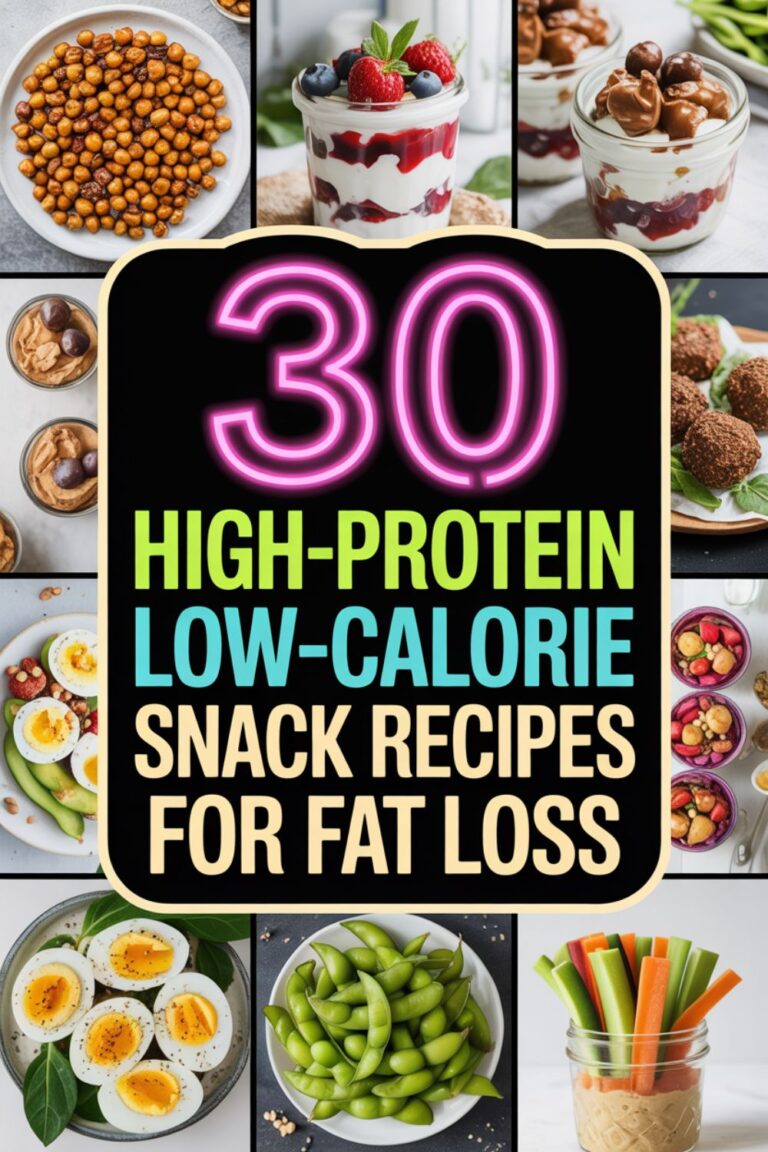
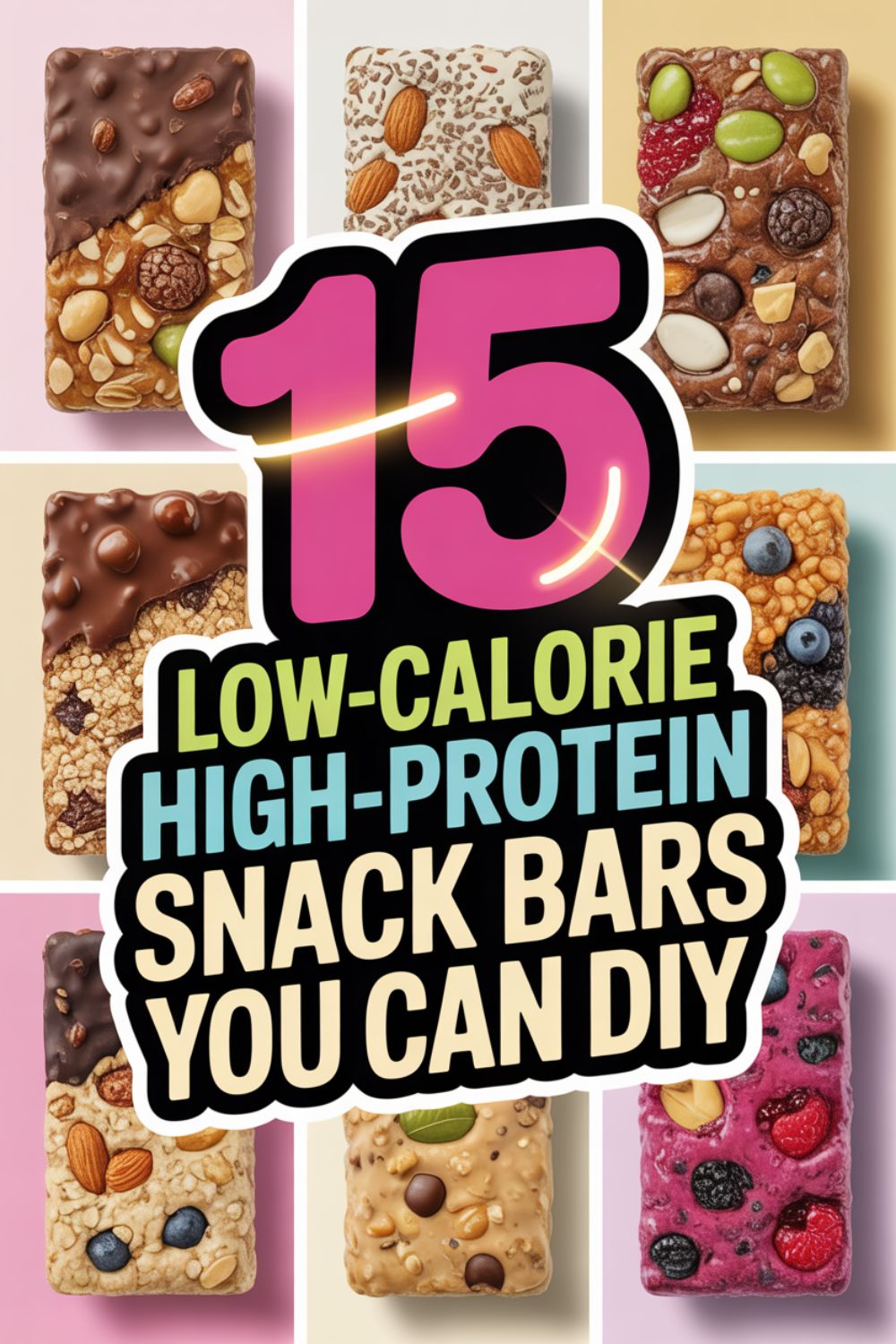
15 Low-Calorie High-Protein Snack Bars You Can DIY
Look, I get it. You’re standing in the grocery store aisle, squinting at tiny ingredient lists on protein bar wrappers, trying to pronounce words that sound more like chemistry experiments than food. And then you see the price tag. Eight bucks for a box of five bars? Really?
Here’s the thing about most store-bought protein bars: they’re either glorified candy bars in disguise or they taste like compressed cardboard mixed with sadness. I’ve been down that road, spending way too much money on bars that promised the world and delivered… well, disappointment wrapped in plastic.
Making your own low-calorie, high-protein snack bars at home is honestly one of the smartest kitchen moves you can make. You control what goes in them, you save a ridiculous amount of money, and the best part? They actually taste good. Not “good for a protein bar” good—actually good.
Why Homemade Beats Store-Bought Every Single Time
Before we get into the recipes, let’s talk about why DIY protein bars are actually worth your time. And trust me, I’m not someone who makes everything from scratch—I’m practical about this stuff.
First off, the ingredient control is massive. According to nutrition experts at Healthline, many commercial protein bars contain excessive added sugars, artificial sweeteners, and highly processed ingredients that can undermine their supposed health benefits. When you make them yourself, you know exactly what’s going into your body.
The cost savings alone are mind-blowing. A single homemade batch typically costs less than ten dollars and yields anywhere from 12 to 16 bars. Do the math—that’s less than a dollar per bar versus the three to four dollars you’d shell out for store-bought options. Your wallet will thank you, especially if you’re eating these regularly.
Plus, the customization factor is unbeatable. Allergic to nuts? Use seeds instead. Can’t stand stevia? Swap it for honey or maple syrup. Want more chocolate? Go wild. It’s your kitchen, your rules.
Make a double batch on Sunday and store half in the freezer. They thaw perfectly in about 10 minutes, and you’ll have grab-and-go protein for two full weeks.
What Makes a Protein Bar Actually Low-Calorie?
Let’s get real about what “low-calorie” actually means in the protein bar world. We’re aiming for bars that clock in between 150 to 250 calories max, while still packing at least 10 to 15 grams of protein. That’s the sweet spot where you’re getting genuine nutrition without accidentally eating what amounts to a meal replacement.
The secret is in the base ingredients. Research published in peer-reviewed nutrition journals shows that protein bars using whole food ingredients like nuts, seeds, and dried fruits tend to have better nutritional profiles than those relying heavily on isolated proteins and synthetic binders.
Natural binders like dates, nut butters, and mashed bananas do double duty—they hold everything together while adding fiber, vitamins, and minerals. Compare that to the corn syrup solids and maltodextrin in commercial bars, and the choice becomes pretty clear.
If you’re looking for more ways to boost your protein intake throughout the day, check out these metabolism-boosting protein smoothies that pair perfectly with homemade bars for a complete nutrition strategy.
The Base Formula: Understanding Protein Bar Architecture
Every successful protein bar follows a basic architecture. You need a dry base (usually oats, protein powder, or coconut flour), a sticky binder (dates, nut butter, or honey), and mix-ins for flavor and texture (nuts, seeds, chocolate chips, dried fruit).
The ratio matters more than you’d think. Too much binder and you’ve got sticky mess that won’t hold its shape. Too little and you’re eating crumbly disappointment that falls apart the second you unwrap it. The magic ratio is roughly 2 parts dry to 1 part wet, though this varies depending on your specific ingredients.
I keep a digital kitchen scale on my counter specifically for making protein bars. Measuring by weight instead of volume gives you consistent results every single time, especially important when you’re working with ingredients like protein powder that can compact differently.
1. Classic Chocolate Peanut Butter Bars
This is the gateway recipe. If you’ve never made protein bars before, start here. It’s basically a no-fail formula that tastes like the inside of a peanut butter cup but won’t derail your nutrition goals.
The base combines old-fashioned oats, chocolate protein powder, natural peanut butter, and a touch of honey. Mix everything in a large mixing bowl until it comes together like thick cookie dough, press it into a lined pan, refrigerate for an hour, and cut into bars. That’s it.
Each bar clocks in around 180 calories with 14 grams of protein. The combination of oats and peanut butter provides lasting energy, while the chocolate protein powder makes them taste like dessert. I’ve converted so many people to homemade bars with this recipe it’s not even funny.
2. No-Bake Vanilla Almond Protein Bars
These are for people who find chocolate protein bars too rich or just want something different. The vanilla protein powder base gets studded with sliced almonds and a hint of almond extract for that bakery-style flavor.
One trick I learned: toast your almonds first. Just five minutes in a small toaster oven transforms them from good to amazing. The toasted flavor adds so much depth you won’t believe these bars don’t have more ingredients.
At 165 calories and 13 grams of protein per bar, these are perfect for mid-morning snacks. They’re also fantastic crumbled over Greek yogurt if you’re feeling fancy.
3. Coconut Cashew Energy Bars
If you’re dealing with peanut allergies or just want to switch things up, cashew butter makes an incredible base. It’s naturally sweeter and creamier than peanut butter, which means you can use less added sweetener overall.
Mix cashew butter with vanilla protein powder, unsweetened shredded coconut, and a handful of chopped cashews. The result tastes suspiciously like those expensive tropical protein bars at Whole Foods, except you’re making them for a fraction of the cost.
These work brilliantly in athletic meal prep routines because the combination of fats and proteins provides sustained energy without the sugar crash. Get Full Recipe.
Use parchment paper to line your pan instead of greasing it. The bars will lift out cleanly every time, and cleanup takes literally five seconds.
4. Espresso Dark Chocolate Protein Bars
For the coffee addicts out there, these bars combine instant espresso powder with dark chocolate chunks and a touch of sea salt. They’re like having your morning coffee and breakfast in one convenient package.
The caffeine content is moderate—about the same as half a cup of coffee per bar—but it’s enough to give you that gentle morning kick. I make these every Sunday night and grab one on my way out the door all week.
Pro tip: use really good dark chocolate here. The difference between cheap chocolate chips and quality dark chocolate is night and day. I break up a dark chocolate bar into chunks instead of using chips, and it’s absolutely worth it.
5. Pumpkin Spice Protein Bars (Not Just for Fall)
Don’t roll your eyes—these are legitimately good year-round. Real pumpkin puree adds moisture and nutrition while keeping calories in check. Plus, the combination of cinnamon, nutmeg, ginger, and cloves makes your kitchen smell incredible.
Each bar contains actual pumpkin (not just pumpkin spice flavor), which brings fiber, vitamin A, and a creamy texture that keeps these bars moist for days. At 170 calories with 12 grams of protein, they hit that sweet spot perfectly.
For more seasonal high-protein options, these pair wonderfully with protein-packed breakfast bowls that keep your morning routine interesting.
6. Cherry Vanilla Cheesecake Bars
These might sound complicated, but they’re dead simple. Vanilla protein powder, cream cheese (yes, really), dried cherries, and vanilla extract combine to create something that tastes like actual cheesecake but packs 15 grams of protein.
The cream cheese is the secret weapon here. Just a quarter cup adds richness and helps bind everything together while keeping the bars creamy instead of dry and crumbly. You can swap it for Greek yogurt if you want to cut calories even further.
Store these in the fridge and eat them cold. Trust me on this—the texture is perfect when they’re chilled.
7. Apple Cinnamon Walnut Bars
Dried apples, chopped walnuts, cinnamon protein powder (or vanilla with added cinnamon), and a touch of maple syrup create bars that taste like apple pie without the guilt.
I use a nut chopper to get the walnuts to the perfect size—not too fine, not too chunky. The texture should be substantial enough that you get walnut pieces in every bite, but not so large that the bars fall apart.
These clock in at 195 calories with 11 grams of protein. The walnut omega-3s are a nice bonus, and according to nutrition guidelines from health experts, incorporating nuts into protein bars can improve satiety and provide beneficial unsaturated fats.
8. Lemon Blueberry Protein Bars
Okay, hear me out—these are shockingly good. Fresh lemon zest, dried blueberries, vanilla protein powder, and a hint of coconut oil create bars that taste like summer in convenient form.
The lemon zest is crucial. Don’t skip it or substitute lemon extract—the fresh zest provides oils and flavor that you just can’t replicate. I use a microplane zester which makes the job take about thirty seconds.
At 160 calories and 13 grams of protein, these are perfect for light lunch pairings when you want something sweet but not heavy.
Kitchen Essentials for Making Perfect Protein Bars
These are the tools and resources that make batch-making protein bars actually enjoyable instead of frustrating. I use all of these weekly.
8×8 Square Baking Pan
The perfect size for standard protein bar batches. Non-stick coating makes cleanup a breeze, and the straight sides give you perfectly shaped bars every time.
Food Processor
Essential for grinding oats into flour, processing dates into paste, or making your own nut butters. A good one lasts years and makes protein bar prep so much faster.
Silicone Baking Mat
Line your pans with these instead of parchment paper. They’re reusable, non-stick, and eliminate waste. Plus, bars release perfectly every single time.
Digital Kitchen Scale
Measuring ingredients by weight instead of volume gives you consistent results. Critical when working with protein powder and nut butters that can pack differently.
Protein Bar Recipe Ebook
A comprehensive digital guide with 50+ tested recipes, troubleshooting tips, and macro calculations already done for you. Saves hours of trial and error.
Meal Prep Nutrition Calculator
Digital tool that calculates exact macros for your custom recipes. Especially helpful when you start experimenting with your own flavor combinations.
9. Salted Caramel Pretzel Protein Bars
Sweet and salty never tasted so good. Crushed pretzels, caramel-flavored protein powder, a drizzle of sugar-free caramel sauce, and flaky sea salt create bars that taste indulgent while staying under 200 calories.
The pretzel pieces add crunch and that satisfying salty contrast that makes these genuinely crave-worthy. I pulse whole pretzels in my food processor until they’re in small chunks—not pulverized, but broken down enough to distribute evenly.
These are fantastic for satisfying sweet cravings without derailing your progress. They work great in family-friendly snack rotations too, because honestly, kids love them.
10. Mint Chocolate Chip Protein Bars
If you like mint chocolate chip ice cream, you’ll love these. Natural peppermint extract (not spearmint—there’s a difference), dark chocolate chips, and vanilla protein powder create bars that taste like frozen treats but travel well in your gym bag.
Go easy on the peppermint extract. I’m talking a quarter teaspoon max for a full batch. Too much and you’ve got toothpaste bars, which is… not the vibe we’re going for.
At 175 calories with 14 grams of protein, these make excellent post-workout snacks. The peppermint actually helps with digestion, which is a nice bonus after intense training sessions.
11. Strawberry Shortcake Protein Bars
Freeze-dried strawberries are the MVP ingredient here. They provide intense strawberry flavor without adding moisture that would make the bars soggy. Mix them with vanilla protein powder, a touch of coconut flour, and white chocolate chips for bars that taste like dessert.
I crush the freeze-dried strawberries slightly before mixing them in—some powder, some small pieces. This distributes the flavor throughout while still giving you those occasional strawberry chunks. You can find freeze-dried fruit in the dried fruit section of most grocery stores, or order them in bulk online.
These are especially popular with people who find chocolate-based protein bars too heavy. At 165 calories and 12 grams of protein, they’re lighter but still substantial enough to keep you satisfied.
Looking for complete nutrition strategies? These bars complement beginner-friendly meal plans perfectly when you need convenient, portion-controlled snacks. Get Full Recipe.
Wrap individual bars in beeswax wraps instead of plastic wrap. They’re reusable, eco-friendly, and keep bars fresh for up to a week without creating waste.
12. Maple Pecan Protein Bars
Pure maple syrup and toasted pecans create bars that taste like you’re eating a stack of pancakes but with way better macros. The maple flavor really shines through when you use actual maple syrup instead of maple-flavored sweetener.
Toast your pecans first—this is non-negotiable. Spread them on a baking sheet and toast at 350°F for about 8 minutes, shaking the pan halfway through. The difference in flavor is astronomical.
These contain about 190 calories and 11 grams of protein. They’re particularly good for people transitioning from commercial protein bars because the maple flavor masks any protein powder taste that some people find off-putting.
13. Cookies and Cream Protein Bars
Crushed chocolate sandwich cookies (yes, really) mixed into vanilla protein powder base with additional cookie pieces pressed on top. These taste so much like the commercial cookies and cream bars that people genuinely don’t believe they’re homemade.
The trick is finding the balance between adding enough cookies for flavor and texture without pushing the calorie count too high. I use about three cookies per batch, crushed, which gives you cookie pieces in every bite without going overboard.
At 210 calories and 13 grams of protein, these are on the higher end calorie-wise but worth it for the occasional treat. They’re perfect for satisfying serious sweet cravings while still getting meaningful protein.
14. Banana Bread Protein Bars
Mashed ripe banana, walnuts, cinnamon, and vanilla protein powder create bars that taste exactly like banana bread but in portable form. The banana acts as both binder and natural sweetener, so you can reduce or eliminate added sugars.
Use really ripe bananas—I’m talking brown spots all over. The riper the banana, the sweeter it is and the better it binds the ingredients. Plus, overripe bananas are easier to mash into a smooth consistency.
These clock in at 185 calories with 12 grams of protein. They’re also great for using up bananas that are past their prime for eating fresh. I keep overripe bananas in the freezer specifically for making these bars.
If you’re working on muscle-building nutrition plans, these bars provide easily digestible carbs alongside protein for optimal recovery.
15. Matcha White Chocolate Protein Bars
For something completely different, matcha powder combined with white chocolate chips and vanilla protein creates bars with subtle earthy sweetness and a gorgeous green color.
Use ceremonial grade matcha if you can—it’s smoother and less bitter than culinary grade. You only need about a tablespoon for a full batch, so a small tin lasts forever. The white chocolate balances the matcha’s earthiness perfectly.
These contain 180 calories and 13 grams of protein. The matcha provides a gentle caffeine boost without the jitters, making them excellent mid-afternoon pick-me-ups. Plus, matcha is loaded with antioxidants, which is a nice bonus.
Storage and Meal Prep Strategy
Let’s talk about actually using these bars in real life. Making them is one thing; having them available when you need them is another.
Refrigerator storage works for up to a week. Stack bars in an airtight container with parchment paper between layers to prevent sticking. They’ll stay fresh and hold their shape perfectly.
Freezer storage is where the magic happens. Wrap individual bars in parchment paper, then store them in a freezer bag. They’ll keep for up to three months. Pull one out in the morning, and it’ll be thawed and ready to eat by mid-morning snack time.
I keep a set of glass meal prep containers specifically for protein bars. They stack neatly in the fridge, don’t absorb odors, and I can see exactly what flavors I have available without opening everything.
For complete weekly planning, these bars integrate seamlessly into structured meal prep systems as grab-and-go snacks that don’t require any morning decision-making.
Troubleshooting Common Protein Bar Problems
Even with solid recipes, protein bars can go wrong. Here’s how to fix the most common issues.
Bars are too dry and crumbly: Add more liquid binder. Start with one tablespoon of water, milk, or additional nut butter and mix thoroughly. The mixture should hold together when pressed.
Bars won’t hold their shape: Too much liquid or not enough refrigeration time. Let them chill for at least two hours, or try adding another tablespoon of protein powder or oat flour to absorb excess moisture.
Protein powder taste is too strong: This usually means you’re using too much protein powder relative to other ingredients. Cut it back by a quarter cup and increase your oats or other dry base slightly. Or switch to a better-tasting protein powder—quality matters here.
Bars are too hard after refrigeration: This happens when there’s not enough fat in the recipe. Add an extra tablespoon of nut butter or coconut oil to the next batch. Also, let them sit at room temperature for 5-10 minutes before eating.
Bars stick to everything: Line your pan properly with parchment paper that extends over the sides, creating handles. Press the mixture firmly and evenly. When cutting, use a sharp knife wiped clean between cuts.
Frequently Asked Questions
Can I make protein bars without protein powder?
Absolutely. Use additional nut butter, Greek yogurt, or cottage cheese as your protein source instead. You can also incorporate protein-rich ingredients like hemp seeds, chia seeds, or ground flaxseed. The bars won’t have quite as much protein per serving, but they’ll still be nutritious and satisfying. Expect around 8-10 grams of protein per bar using whole food sources instead of powder.
How long do homemade protein bars actually last?
In the refrigerator, they stay fresh for 5-7 days in an airtight container. In the freezer, they’ll keep for up to three months without losing quality. For best texture, let frozen bars thaw for about 10 minutes at room temperature before eating. If you notice any off smells or visible mold (rare but possible), toss them out.
Are homemade protein bars actually healthier than store-bought?
Generally yes, because you control the ingredients. Most commercial bars contain preservatives, artificial flavors, excessive sugars, or sugar alcohols that can cause digestive issues. When you make them at home, you choose quality ingredients and avoid unnecessary additives. Plus, you can customize them to your specific dietary needs and preferences.
What’s the best protein powder for making bars?
Casein protein powder creates the best texture—it’s less chalky than whey and binds ingredients better. However, whey isolate works well if you prefer it, and plant-based options like pea or brown rice protein are excellent for vegan bars. The key is choosing a powder you actually like the taste of, because it’ll come through in the final product.
Can I substitute ingredients to make these vegan or gluten-free?
Yes, these recipes are highly adaptable. For vegan versions, use plant-based protein powder, swap honey for maple syrup or agave, and replace any dairy with coconut oil or nut butter. For gluten-free, use certified gluten-free oats and check that your protein powder is gluten-free. The texture might vary slightly, but the bars will still turn out great.
Making It Work in Real Life
Look, I’m not going to tell you that making your own protein bars will change your life. But here’s what it will do: save you money, give you control over what you’re eating, and provide genuinely good-tasting snacks that support your health goals.
The beauty of these recipes is their flexibility. Don’t have cashew butter? Use almond butter. Can’t find freeze-dried strawberries? Use dried cranberries instead. The base formula works with almost any flavor combination you can imagine.
Start with one or two recipes that sound good to you. Make a batch on Sunday. See how you like them. Once you’ve got the technique down, batch-making becomes second nature. I can knock out two different flavors in less than 30 minutes now, and I’m not particularly speedy in the kitchen.
The best part? You’ll actually look forward to eating these instead of choking down another chalky commercial bar because it’s “good for you.” Nutrition doesn’t have to taste like punishment, and homemade protein bars prove it.
So grab your mixing bowl, choose a recipe, and give it a shot. Your wallet, your taste buds, and your fitness goals will all thank you. And when people ask where you bought such good protein bars, you can smile and tell them you made them yourself. It never gets old.
30-Day High-Protein
Low-Calorie Meal Plan
Every breakfast, lunch, dinner & snack — all 30 days fully mapped out. Just follow the plan.
- ✓50+ complete recipes with ingredients & step-by-step instructions
- ✓4-week day-by-day plans — every meal for all 30 days
- ✓4 weekly shopping lists organised by store section
- ✓Printable habit & progress tracker — 30 full days
- ✓100g+ protein per day — scientifically optimised macros
Instant PDF · Print at home
Results guaranteed with consistency