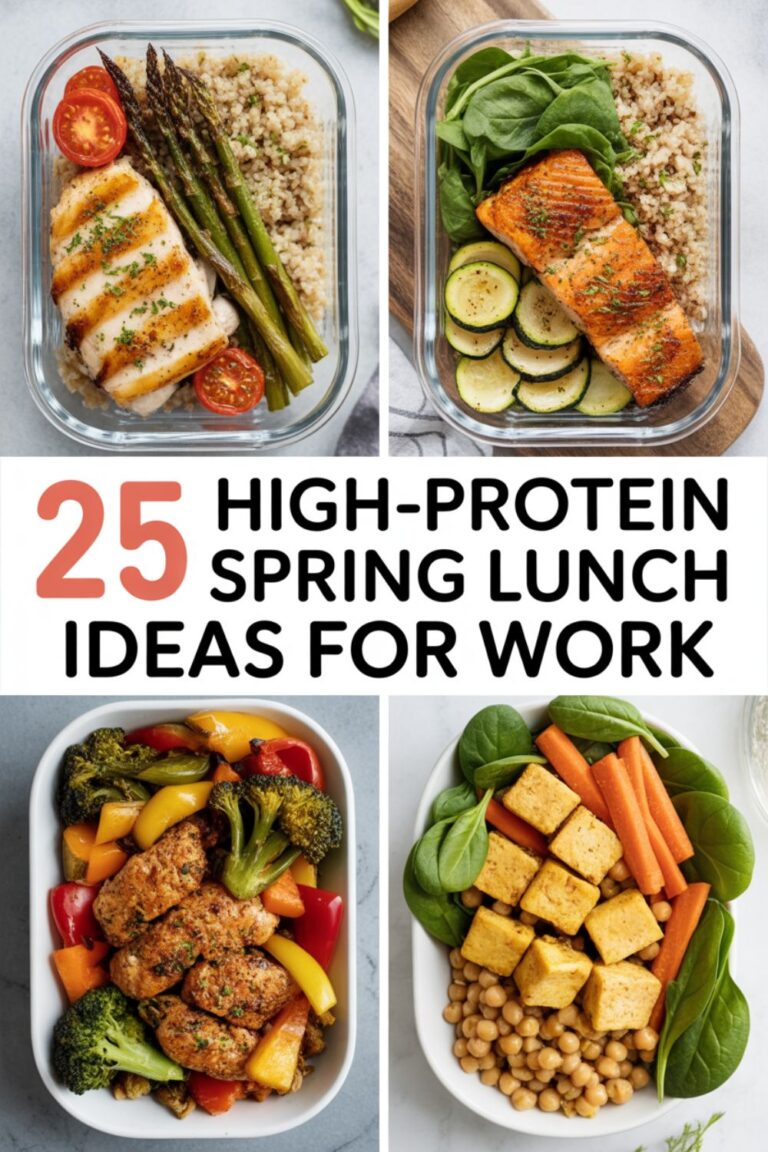
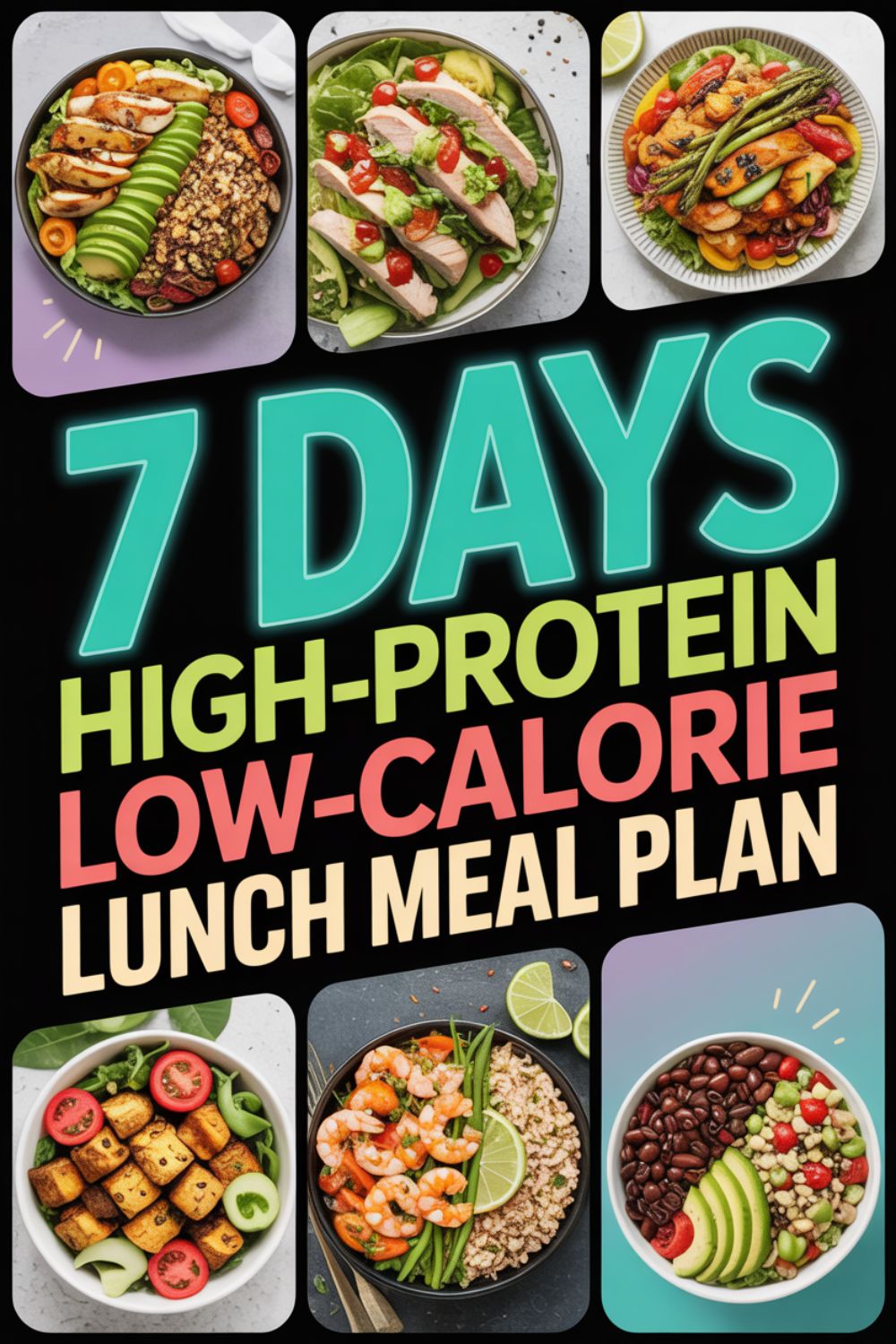
Weekly High-Protein Low-Calorie Lunch Meal Plan
Let’s talk about something that’s probably plagued you more times than you’d like to admit: staring into your fridge at 11:47 AM, already starving, with zero clue what you’re going to eat for lunch. Been there? Yeah, me too. That’s exactly why I finally sat down and created a weekly high-protein low-calorie lunch meal plan that actually works for real life—not some fantasy world where you have three hours to cook every day.
Here’s the thing about protein-packed lunches that keep calories in check: they’re the secret weapon for staying full, focused, and not face-planting into the vending machine at 3 PM. According to Mayo Clinic, protein keeps you feeling full longer and helps reduce overall calorie intake while supporting muscle maintenance. Who knew lunch could work that hard for you?
This isn’t about some restrictive diet where you’re nibbling on celery sticks and calling it a meal. This is about actual food that tastes good, keeps you satisfied, and doesn’t require a culinary degree to pull off. Whether you’re packing lunch for the office, eating at home between Zoom calls, or just trying to avoid the daily “what should I eat” mental gymnastics, this plan’s got you covered.
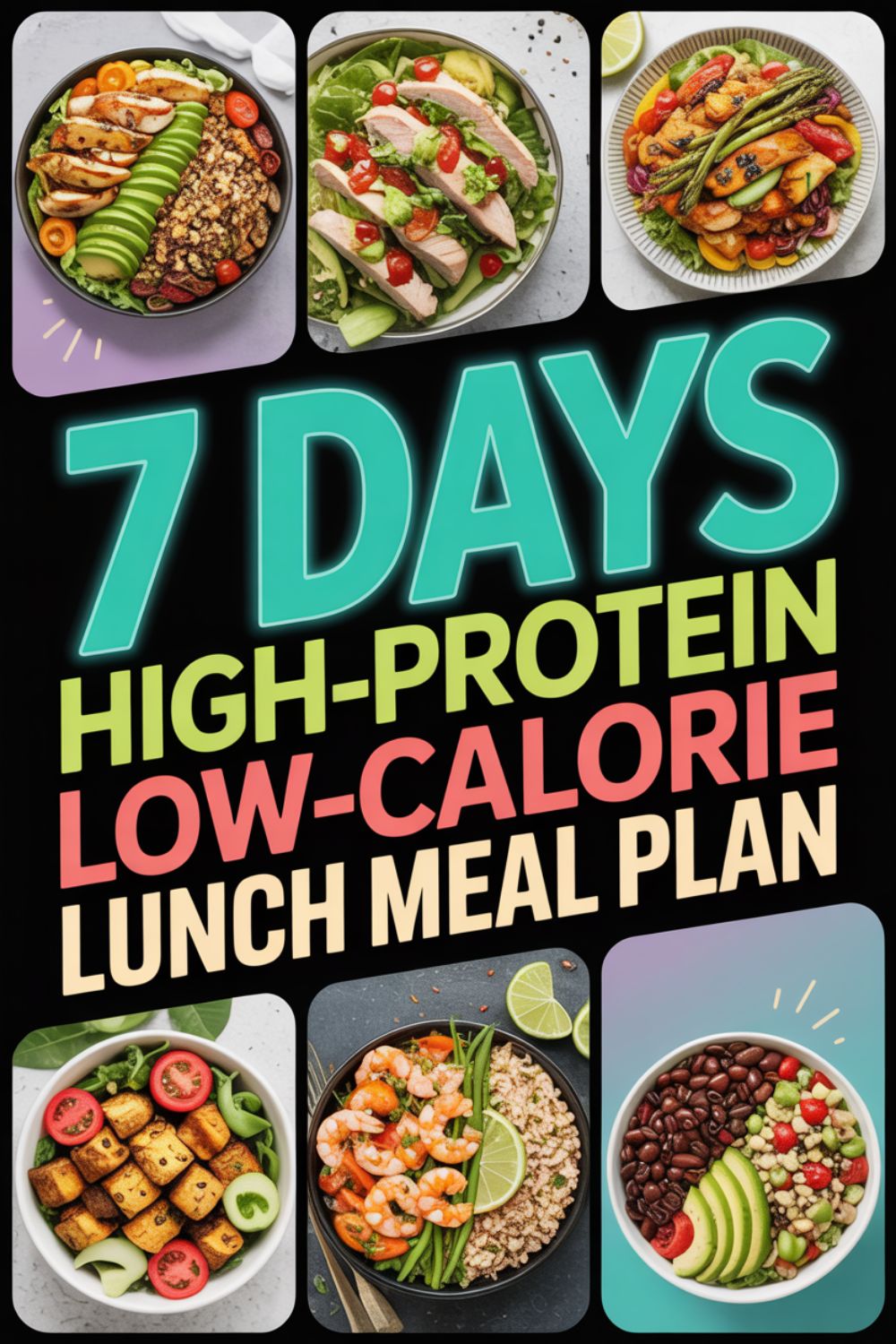
Why High-Protein Low-Calorie Lunches Actually Matter
Before we jump into the meal plan, let’s address the elephant in the room. Why bother with high protein and low calories specifically for lunch? I mean, couldn’t you just grab whatever and call it a day?
Well, technically yes. But here’s what I’ve learned after years of trial and error: lunch is the meal that makes or breaks your afternoon. Eat too little, and you’re raiding the break room by 2 PM. Eat too much or the wrong stuff, and you’re fighting to keep your eyes open during that 3 o’clock meeting.
Protein is your best friend for keeping energy levels steady. It digests slower than carbs, which means you’re not on that blood sugar rollercoaster that leaves you cranky and craving sweets an hour after eating. Plus, research from Mayo Clinic Health System shows that distributing protein throughout the day—including at lunch—helps with muscle recovery and overall energy metabolism.
The low-calorie part? That’s not about deprivation. It’s about being smart with your calorie budget so you’re not overdoing it during the day and then wondering why your jeans feel tight. When you combine high protein with lower calories, you get meals that are genuinely satisfying without weighing you down.
The Foundation: What Makes a Great High-Protein Low-Calorie Lunch
Not all lunches are created equal, especially when you’re trying to hit specific protein and calorie targets. After making approximately seven thousand lunches (okay, maybe not quite that many, but it feels like it), I’ve figured out the formula.
The Three Non-Negotiables
Quality Protein Source: This is your star player. Think grilled chicken breast, turkey, tuna, tofu, Greek yogurt, or legumes. You want something that packs a protein punch without bringing a ton of extra calories along for the ride.
Fiber-Rich Vegetables: Veggies are the unsung heroes of any good lunch. They add volume, nutrients, and fiber—all for minimal calories. Plus, they make your meal actually look like food instead of some sad protein lump.
Smart Carbohydrates: Notice I said smart, not “no carbs.” Your brain needs fuel, people. Quinoa, brown rice, sweet potatoes, or whole grain wraps give you sustained energy without the crash. Just watch your portions here.
If you’re looking for even more inspiration, check out these low-calorie high-protein salad recipes that make lunch feel less like an obligation and more like something you actually look forward to.
Ingredients That Punch Above Their Weight
Some foods are absolute MVPs when it comes to protein-to-calorie ratio. I keep these on rotation because they’re versatile and they work.
Canned tuna and salmon are clutch for when you’re out of fresh options. I use these sustainable tuna pouches because they’re pre-portioned and I don’t have to deal with draining cans (lazy? efficient? potato, potahto). Cottage cheese is another sleeper hit—seriously underrated for mixing into salads or eating with cherry tomatoes.
For plant-based protein, tempeh beats tofu in my book purely for texture. It’s got that satisfying chew that makes you feel like you’re eating real food. And edamame? Toss those bad boys into literally anything. They’re like the Swiss Army knife of proteins.
Speaking of versatile options, these high-protein wraps are stupid easy to throw together and they travel well if you’re packing lunch to go.
Your Weekly High-Protein Low-Calorie Lunch Blueprint
Alright, let’s get into the actual plan. This is designed to be realistic, not perfect. If you need to swap days around or substitute ingredients, do it. The goal is to make your life easier, not add another thing to stress about.
Monday: Mediterranean Quinoa Bowl
Start the week strong with something that feels fresh and substantial. Cook your quinoa in advance (Sunday meal prep FTW), then top it with grilled chicken breast, cucumber, cherry tomatoes, red onion, feta cheese, and a squeeze of lemon.
Why this works: You’re getting about 35 grams of protein and roughly 400 calories. The quinoa provides complete protein on its own, and when you add chicken, you’re basically building an edible powerhouse. Plus, all those fresh veggies mean you’re chewing for days, which somehow makes it more satisfying.
I use this meal prep container set to keep everything separated until I’m ready to eat. Nobody wants soggy feta.
Tuesday: Turkey and Avocado Lettuce Wraps
These are a revelation if you’ve never tried them. Swap your tortilla for butter lettuce leaves, pile on sliced turkey breast, avocado, tomato, and a smear of mustard. Roll it up and actually feel good about your lunch choices.
The stats: Around 28 grams of protein and 350 calories. The avocado adds healthy fats that help keep you full, even though this is technically a lighter lunch. The turkey’s doing most of the heavy lifting protein-wise, and the lettuce gives you that satisfying crunch without the carb load.
Pro move: Make extra turkey for the week and you’ve already got a head start on Thursday’s lunch. Get Full Recipe
Wednesday: Asian-Inspired Tofu Stir-Fry
Okay, hear me out on the tofu. Even if you think you don’t like it, this preparation might change your mind. Press it, cube it, pan-fry it until it’s crispy, then toss with snap peas, bell peppers, broccoli, and a light soy-ginger sauce over cauliflower rice.
The breakdown: About 25 grams of protein and 380 calories. Cauliflower rice is a game-changer here—it soaks up all that sauce flavor while keeping calories reasonable. The crispy tofu technique (which I learned after many failed soggy attempts) makes all the difference.
I swear by this tofu press for getting excess moisture out. It’s one of those gadgets that seems unnecessary until you use it and realize you’ve been making tofu wrong your entire life.
Thursday: Tuna Salad Stuffed Peppers
This is where that meal-prepped turkey from Tuesday comes in handy—just kidding, we’re using tuna today. Mix canned tuna with Greek yogurt instead of mayo (trust me on this), add diced celery, red onion, and a little Dijon. Stuff it into bell pepper halves.
Numbers: 30 grams of protein, 320 calories. The Greek yogurt swap alone saves you about 100 calories compared to traditional mayo-based tuna salad, and it actually adds more protein. The bell peppers act as edible bowls, which feels vaguely fun and definitely reduces dishes.
For more protein-packed options that won’t derail your goals, these muscle recovery recipes are legitimately good even if you’re not an athlete.
Friday: Shrimp and Zucchini Noodle Bowl
End the week with something that feels a little fancy but takes less time than ordering takeout. Sauté shrimp with garlic, toss with spiralized zucchini, cherry tomatoes, and a light lemon-herb dressing. Top with a sprinkle of Parmesan.
What you’re getting: 32 grams of protein and 340 calories. Shrimp is ridiculously high in protein and low in calories—it’s almost cheating. The zucchini noodles give you that pasta-like satisfaction without the carb overload, and they cook in literally three minutes.
My spiralizer gets used weekly. It’s probably paid for itself in money I haven’t spent on pre-spiralized vegetables that cost three times as much. Get Full Recipe
Meal Prep Strategy That Won’t Make You Want to Cry
Let’s be real—meal prep sounds great in theory until you’re standing in your kitchen on Sunday afternoon, surrounded by seventeen cutting boards and questioning all your life choices.
Here’s how I make it manageable: I don’t do everything in one marathon session. Instead, I break it into chunks. Sunday morning, I cook proteins. Sunday afternoon, I chop vegetables. Some stuff I do throughout the week as needed. This approach keeps me from burning out and ordering pizza out of pure exhaustion.
The Sunday Protein Power Hour
Pick two or three proteins max and batch cook them. I usually do chicken breast in the oven (seasoned with whatever spices I’m feeling), hard-boil a dozen eggs, and sometimes cook a big batch of quinoa or brown rice. Cleveland Clinic recommends this batch-cooking approach as one of the most effective meal prep strategies for maintaining healthy eating habits.
Store everything in separate containers—and for the love of all that is holy, label them with dates. I learned this the hard way when I played Russian roulette with mystery containers in my fridge.
If you’re looking for complete meal plans that take the guesswork out entirely, this 7-day beginner meal plan walks you through every single meal with exact recipes and shopping lists.
Vegetable Prep Without the Drama
Not all vegetables prep the same way. Some, like bell peppers and cucumbers, you can chop days in advance. Others, like avocado, you’re better off prepping fresh (unless you enjoy brown guacamole aesthetic).
My system: wash and dry all greens immediately when I get home from the store, store them with paper towels to absorb moisture. Chop heartier vegetables like carrots, celery, and bell peppers all at once. Leave delicate stuff like tomatoes and avocados for day-of prep.
I use these glass storage containers for everything because they don’t stain, they’re microwave-safe, and I can actually see what’s inside without playing fridge archaeology.
For those weeks when you need even more variety, check out these easy high-protein lunches that you can literally make right now with ingredients you probably already have.
Meal Prep Essentials That Actually Earn Their Keep
After years of trying every kitchen gadget and organizational system known to humanity, these are the tools I actually use weekly. No fluff, no fancy stuff gathering dust—just legitimate workhorses that make meal prep less painful.
Physical Products:
Digital Resources:
Making It Work When Life Gets Messy
Here’s what nobody tells you about meal planning: some weeks are going to be perfect, and some weeks you’re going to eat cheese and crackers for lunch on Wednesday. That’s normal. That’s life.
The key is having backup options that still keep you somewhat on track. I keep emergency supplies: canned tuna, pre-cooked chicken strips (yes, from the bag—we’re not food snobs here), frozen edamame, and those microwaveable quinoa packets that are done in 90 seconds.
The Flexibility Factor
This meal plan isn’t carved in stone. Don’t like quinoa? Use brown rice. Hate tofu? Double up on chicken days. Vegetarian? There are approximately one million ways to hit your protein targets without meat—tempeh, seitan, legumes, Greek yogurt, cottage cheese, protein powder in smoothies.
The point is to have a framework that removes the daily decision-making but still lets you be a human with preferences and cravings. Some days you’ll follow it exactly. Other days you’ll use it as loose inspiration while you throw together whatever’s in your fridge. Both scenarios are completely fine.
If you want even more mix-and-match options, these 20-minute prep bowls are clutch for those weeks when time is not on your side.
Beyond the Basics: Leveling Up Your Lunch Game
Once you’ve got the basic routine down, you can start getting creative. This is where lunch goes from “thing I have to eat” to “actually the best part of my workday.”
Sauce Situation
Sauces and dressings can make or break a meal. I keep a rotation of four or five homemade dressings in my fridge at all times: lemon-tahini, balsamic vinaigrette, Greek yogurt ranch, Asian-style peanut sauce, and a basic red wine vinaigrette.
Making them yourself means you control the ingredients and avoid the added sugars and preservatives in store-bought versions. Plus, it’s weirdly satisfying to shake up a jar of homemade dressing. I use these small mason jars for storage—they’re the perfect size and you can shake dressing right in the jar before pouring.
Texture Matters More Than You Think
One thing I’ve learned: a lunch that’s all the same texture gets boring fast. You want some crunch, some creaminess, maybe something chewy. This is why I’m weirdly obsessed with adding things like toasted nuts, crispy chickpeas, or pickled vegetables to my lunches.
Crispy chickpeas, by the way, are ridiculously easy to make and they transform a basic salad into something you’d actually order at a restaurant. Toss canned chickpeas with a little oil and spices, roast at 400°F for 20-25 minutes. Done. Store them in an airtight container and they stay crispy for days.
For complete meal solutions that include these texture elements, this 14-day meal prep plan has everything mapped out with shopping lists and prep schedules.
Common Pitfalls and How to Dodge Them
I’ve made every lunch meal prep mistake in the book, so you don’t have to. Here are the big ones and how to avoid them.
The Variety Trap
Ironically, trying to have too much variety can backfire. When I first started meal prepping, I tried to make seven completely different lunches. It was exhausting, expensive, and I ended up with weird leftover ingredients I never used again.
Better approach: stick to a core rotation of five or six lunches that you genuinely like. Repeat them. It’s okay to eat the same thing more than once a week. Your body doesn’t need maximum variety at every single meal—it needs consistency and proper nutrition.
The Portion Size Guessing Game
Eyeballing portions is how you end up accidentally eating 600 calories instead of 400, or leaving yourself hungry because you were too conservative. Get a food scale, use it for a few weeks until you develop an intuition for what portions actually look like, then you can be more relaxed about it.
Also, those meal prep-friendly recipes I linked have portion sizes already calculated, which takes the guesswork out of the equation entirely.
Forgetting About Micronutrients
It’s easy to get so focused on protein and calories that you forget about vitamins and minerals. This is why the vegetable component of these lunches isn’t optional—it’s how you get your micronutrients without having to think too hard about it.
Aim for color variety throughout the week. If all your vegetables are green, you’re missing out on nutrients from red, orange, and purple vegetables. It doesn’t have to be complicated, just intentional.
When You’re Eating Out or Traveling
Real talk: you’re not going to meal prep every single lunch for the rest of your life. Sometimes you’re traveling. Sometimes you have a lunch meeting. Sometimes you just want to grab food with coworkers and be a normal human.
That’s fine. The goal isn’t perfection—it’s having a solid baseline routine that makes healthy eating easier most of the time. When you do eat out, you can apply the same principles: look for lean protein sources, load up on vegetables, watch portion sizes, and don’t stress about it.
Most restaurants will accommodate reasonable requests like dressing on the side, grilled instead of fried, or extra vegetables instead of fries. You’re paying for the meal—it’s okay to ask for what you want.
The Long Game: Building Sustainable Habits
Here’s the thing about any meal plan: it only works if you can actually stick with it. A perfect plan that you abandon after two weeks is useless. A decent plan that you can maintain for months? That’s where the magic happens.
Start small. Maybe you meal prep lunches for just three days a week at first. Once that feels manageable, add another day. The sustainable approach always wins over the all-or-nothing approach that burns you out.
And FYI, if you fall off the wagon for a week (or a month), that’s not failure—that’s just life. You can start again literally any time. There’s no rule that says you can only begin meal prepping on Sundays or the first of the month or after you’ve completed some arbitrary penance for eating takeout for a week straight.
For more structured guidance, especially if you’re just starting out, this beginner-friendly meal plan collection walks you through the basics without overwhelming you with complicated recipes.
Frequently Asked Questions
How much protein should I really aim for at lunch?
Most people do well with 25-35 grams of protein per lunch. This amount is substantial enough to keep you full and support muscle maintenance without being excessive. If you’re particularly active or trying to build muscle, you might aim for the higher end of that range. Just remember that your total daily protein matters more than hitting a perfect number at each meal.
Can I meal prep these lunches and freeze them?
Some of these lunches freeze better than others. Cooked proteins, grains, and heartier vegetables generally freeze well. Salads and anything with fresh, crisp vegetables don’t. Your best bet is to freeze components separately—like cooked chicken or quinoa—and assemble lunches fresh each week. This gives you the convenience of meal prep without the texture issues that come with freezing complete assembled meals.
What if I’m vegetarian or vegan?
Every single one of these lunch ideas can be adapted for plant-based diets. Swap chicken for tempeh or tofu, use chickpeas instead of tuna, replace Greek yogurt with plant-based alternatives. You might need to be slightly more intentional about combining proteins to get all your amino acids, but it’s absolutely doable. Check out these high-protein vegan meals for specific plant-based options.
How long do these prepped lunches last in the fridge?
Generally, 3-4 days for most of these lunches, with some exceptions. Anything with leafy greens is best within 2-3 days. Heartier grain bowls can go the full 4-5 days. If you’re prepping on Sunday for the full week, consider preparing Monday-Wednesday meals fully, and just prepping components for Thursday-Friday that you’ll assemble fresh. This prevents food waste and ensures everything tastes fresh.
Do I really need to use a food scale?
Need? No. Should you, especially when starting out? Yeah, probably. The gap between what we think a serving looks like and what it actually is can be huge. Use a scale for a few weeks to calibrate your eye, and then you can be more relaxed about it. IMO, it’s one of those things that seems annoying until you realize how much easier it makes hitting your nutrition goals.
Making It Stick
At the end of the day, the best meal plan is the one you’ll actually follow. This weekly high-protein low-calorie lunch setup works because it’s flexible, realistic, and doesn’t require you to live in your kitchen or eat foods you hate.
You’re going to have weeks where you nail it and weeks where you survive on whatever you can grab. Both are okay. The goal is progress, not perfection. Each time you prep a lunch instead of ordering out, each time you hit your protein target, each time you feel satisfied and energized after lunch instead of sluggish and hungry—those are wins.
Start with whichever lunch from this plan sounds most appealing to you. Make it once. If you like it, add it to your rotation. If not, try another one. Build your personal collection of go-to lunches gradually, without pressure or stress.
And here’s the thing about developing a solid lunch routine: it creates a ripple effect. When you’re eating well at lunch, you make better choices at dinner. When you’re not starving at 3 PM, you skip the vending machine. When you’re consistently fueling your body properly, everything else gets a little bit easier.
So grab some containers, pick your proteins, and give this a shot. Your afternoons—and your body—will thank you.
30-Day High-Protein
Low-Calorie Meal Plan
Every breakfast, lunch, dinner & snack — all 30 days fully mapped out. Just follow the plan.
- ✓50+ complete recipes with ingredients & step-by-step instructions
- ✓4-week day-by-day plans — every meal for all 30 days
- ✓4 weekly shopping lists organised by store section
- ✓Printable habit & progress tracker — 30 full days
- ✓100g+ protein per day — scientifically optimised macros
Instant PDF · Print at home
Results guaranteed with consistency