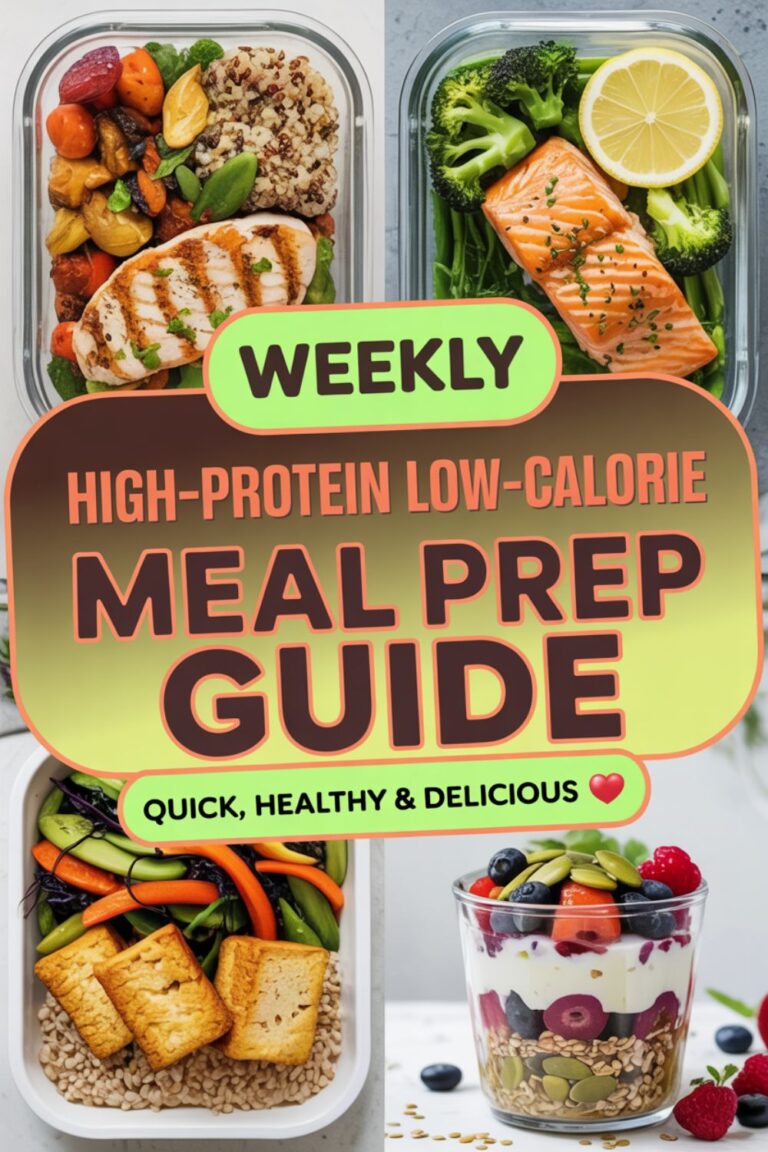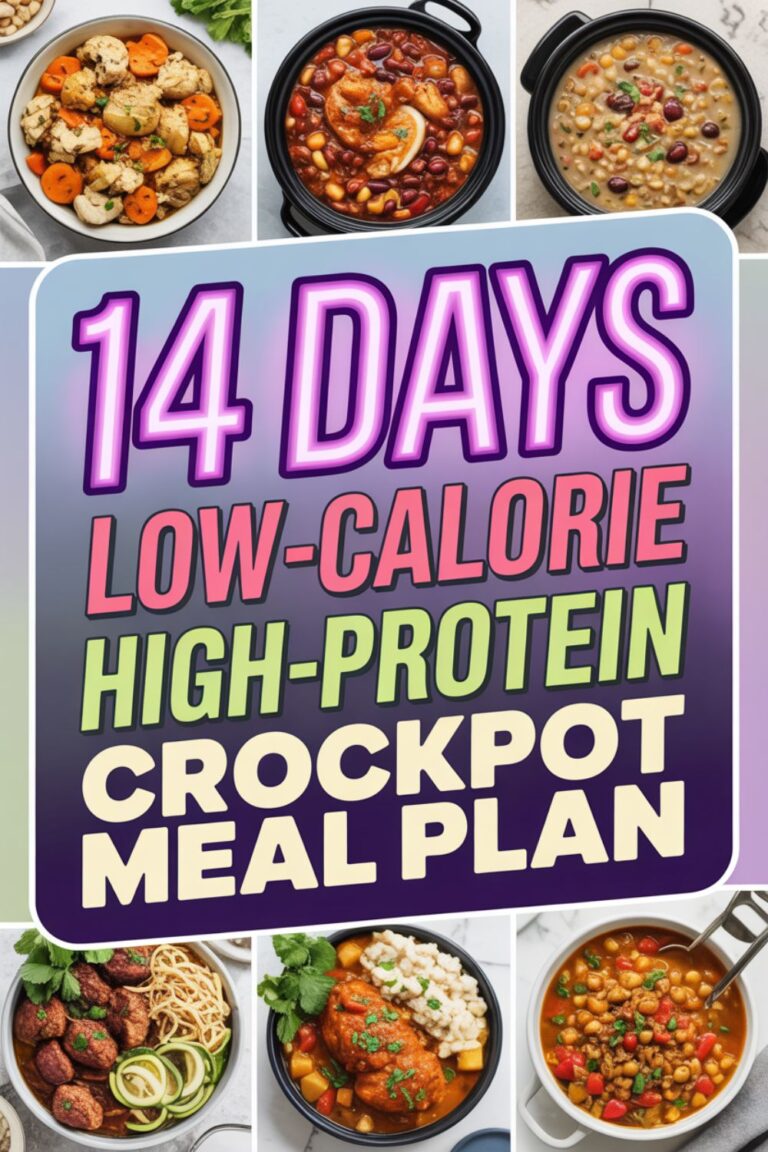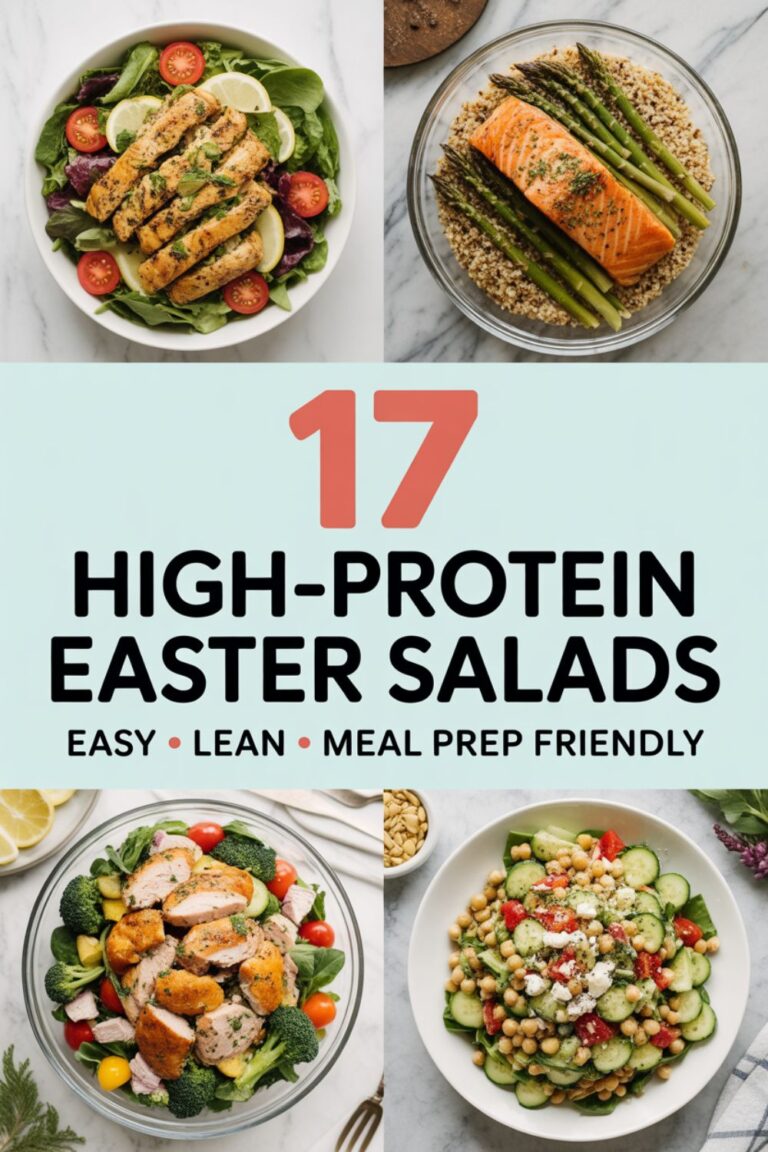
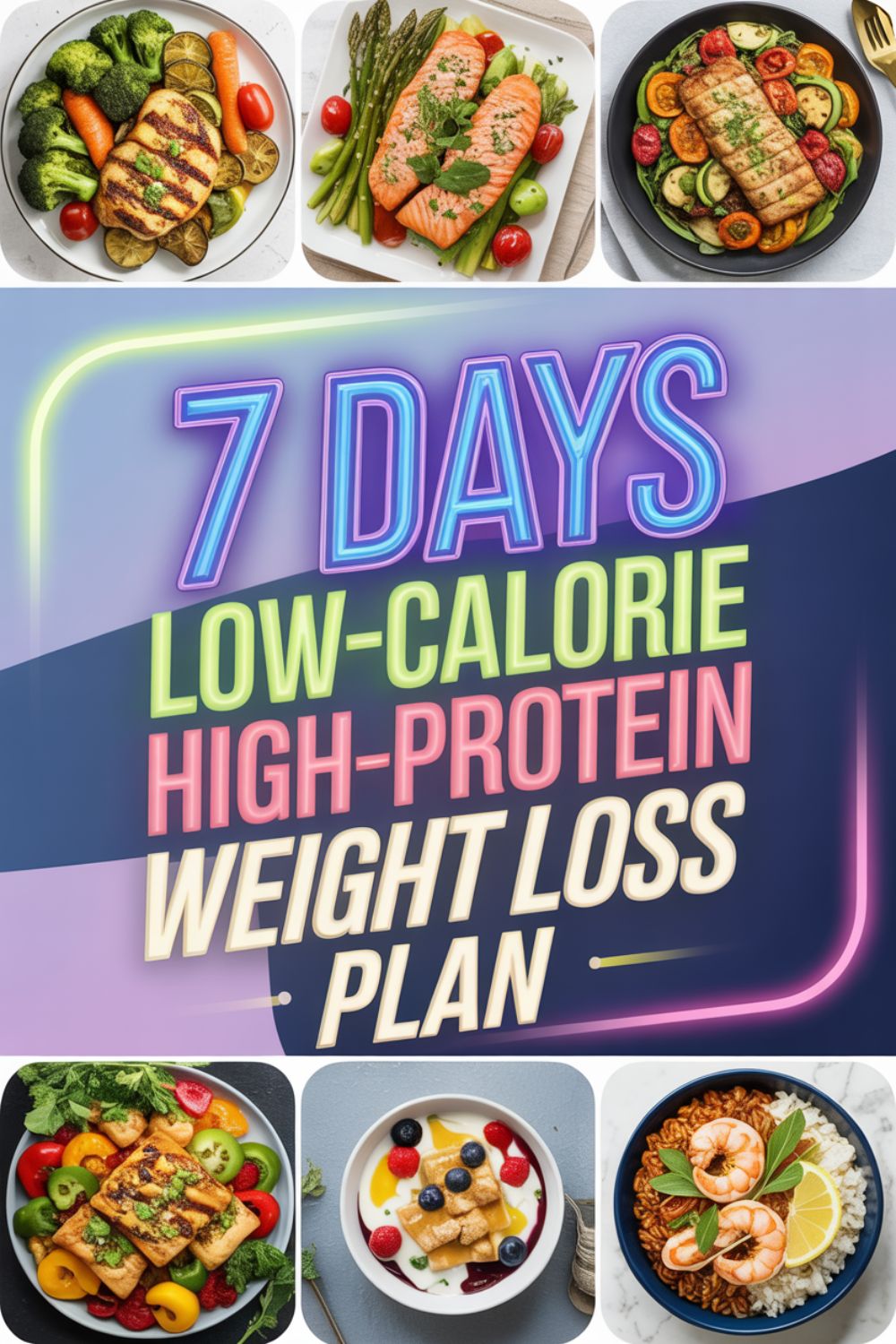
7-Day Low-Calorie High-Protein Weight Loss Plan That Actually Works
This isn’t one of those plans where you calculate macros down to the decimal point or weigh your lettuce like you’re in a science lab. It’s straightforward, protein-packed, low in calories but high in flavor, and designed for people who actually have lives beyond meal prep Sundays.
I’ve spent the last year testing different approaches to weight loss—some worked, many didn’t—and the pattern that kept showing up? High protein keeps you full, low calories create the deficit, and having an actual plan prevents the 8 PM pantry raids. So if you’re tired of winging it and want something that works without making you miserable, this seven-day roadmap is for you.
Why Protein and Calorie Control Work Together
Before we jump into the meal plan, let’s talk about why this combination is so effective. Protein isn’t just for bodybuilders chugging shakes at the gym. It’s the most satiating macronutrient, which means it keeps you feeling full longer than carbs or fats. According to nutrition research, adequate protein intake can significantly reduce hunger and help preserve muscle mass during weight loss.
When you pair high protein with a controlled calorie intake, you create what fitness people love to call a “sweet spot.” You’re eating enough to fuel your body and feel satisfied, but not so much that you’re storing excess energy as fat. No one wants to lose weight only to feel weak, tired, or constantly thinking about their next meal.
The key difference between this approach and other diets? You’re not starving yourself. Most low-calorie plans fail because they cut too much too fast, leaving you irritable and ready to devour an entire pizza by Thursday. This plan keeps your protein high—around 25-35% of your daily calories—which helps maintain energy levels and muscle mass while you shed fat.
Pro Tip:
Prep your proteins on Sunday evening. Season them all at once, cook in batches, and your weekday self will thank you. Trust me, having grilled chicken ready to go is the difference between success and ordering takeout.
Setting Up Your Week for Success
The biggest mistake people make with any meal plan is diving in without preparation. You can have the best plan in the world, but if your fridge is empty and your pantry has nothing but expired crackers, you’re setting yourself up to fail.
Start by doing a clean sweep. I’m not saying throw out everything, but having less temptation around makes sticking to the plan infinitely easier. Then stock up on the essentials: lean proteins (chicken breast, ground turkey, salmon, Greek yogurt), vegetables (lots of them), whole grains, eggs, and some good seasonings.
If you’re someone who struggles with meal prep, I recommend checking out some simplified approaches. For instance, these low-calorie high-protein meals with 5 ingredients or less can be lifesavers when you’re short on time but still want to eat well.
The Grocery List That Makes or Breaks Your Week
Here’s what you actually need, no fluff:
- Proteins: 2-3 lbs chicken breast, 1 lb ground turkey, 1 lb salmon fillets, 2 dozen eggs, Greek yogurt (32 oz), cottage cheese
- Vegetables: Spinach, broccoli, bell peppers, zucchini, cherry tomatoes, mixed salad greens, cauliflower
- Carbs: Quinoa, brown rice, sweet potatoes, whole wheat wraps (if you’re doing the wrap thing)
- Fats: Avocado, olive oil, almonds
- Seasonings: Garlic powder, paprika, cumin, Italian seasoning, salt, pepper, hot sauce (because bland food is the enemy)
One thing I’ve learned: investing in a few quality meal prep containers makes everything easier. Glass ones are my preference—they don’t stain, they’re microwave-safe, and they make your food look way more appetizing than those flimsy plastic things that warp after two uses.
Meal Prep Essentials I Actually Use
These are the tools and resources that genuinely make cooking these recipes easier, not just stuff I’m throwing at you to fill space:
Glass Meal Prep Containers (5-Pack)
Leak-proof, dishwasher-safe, and they actually seal properly. I use these for everything from salads to sheet pan dinners.
Digital Food Scale
You don’t need to weigh everything forever, but having one helps you understand portion sizes, especially with proteins and grains.
Silicone Baking Mats
These changed my sheet pan game. Zero sticking, zero scrubbing. I use them on everything except cereal bowls.
Instant-Read Meat Thermometer
Stop guessing if your chicken is done. This takes the anxiety out of cooking proteins, and you’ll never overcook salmon again.
Meal Prep Mastery eBook
A downloadable guide with weekly templates, shopping lists, and batch cooking strategies. Honestly saved me hours of planning.
Macro Calculator App Subscription
If you want to get specific with your numbers without driving yourself crazy, this app does the math for you and adjusts as you progress.
The 7-Day Meal Plan Breakdown
Alright, let’s get into the actual plan. Each day is designed to keep you around 1,400-1,600 calories with 120-140 grams of protein. That’s enough to see results without feeling like you’re punishing yourself. Adjust portions based on your activity level—if you’re hitting the gym hard, you might need a bit more; if you’re more sedentary, you might go slightly lower.
Day 1: Easing In Without the Overwhelm
Breakfast: Greek yogurt parfait with berries and a sprinkle of almonds. Mix 1 cup plain Greek yogurt (aim for the 2% or nonfat versions to keep calories down) with half a cup of mixed berries and about 10 almonds. It’s simple, hits around 250 calories, and gives you about 25 grams of protein right out of the gate.
Lunch: Grilled chicken salad that doesn’t suck. Take 4 oz of grilled chicken breast, pile it on mixed greens with cherry tomatoes, cucumber, and a light vinaigrette. Add some chickpeas if you want more substance. This lands around 350 calories with 35+ grams of protein.
Dinner: Baked salmon with roasted broccoli and quinoa. Season that salmon with lemon, garlic, and dill, bake it at 400°F for about 12-15 minutes. Pair with a cup of steamed broccoli and half a cup of cooked quinoa. You’re looking at roughly 450 calories and another 35 grams of protein. Get Full Recipe.
Snacks: Hard-boiled egg (70 calories, 6g protein) and a small apple. Keeps you going between meals without overdoing it.
For more breakfast inspiration that won’t leave you bored by day two, check out these protein-packed breakfast ideas for busy mornings.
Day 2: Keeping the Momentum
Breakfast: Veggie omelet time. Three eggs scrambled with spinach, mushrooms, and a bit of feta cheese. It’s filling, loaded with protein (around 24 grams), and clocks in at about 300 calories. I like to use a nonstick pan for this—makes cleanup a breeze and you use less oil.
Lunch: Turkey and avocado wrap. Use a whole wheat wrap, load it with 4 oz of sliced turkey breast, a quarter of an avocado, lettuce, tomato, and mustard. Roll it up and you’ve got a portable 400-calorie lunch with 30 grams of protein.
Dinner: Stir-fried chicken with vegetables over cauliflower rice. This is where you can get creative with your seasonings—soy sauce, ginger, garlic, a touch of sesame oil. Four ounces of chicken, two cups of mixed veggies, and a cup of cauliflower rice keeps you around 380 calories with 32 grams of protein.
Snacks: Cottage cheese (half a cup) with sliced strawberries. Another 100 calories and 12 grams of protein.
Quick Win:
Cook your proteins for the entire week on Sunday. Season them differently—lemon herb for one batch, Cajun for another, teriyaki for a third. Same meal prep effort, way less food boredom.
Day 3: Switching Things Up
Breakfast: Protein smoothie that actually tastes good. Blend one scoop of vanilla protein powder, a cup of unsweetened almond milk, half a banana, a handful of spinach (you won’t taste it, I promise), and a tablespoon of almond butter. Comes out to about 320 calories and 30 grams of protein. If you’re into smoothies, these metabolism-boosting protein smoothies have some solid variations.
Lunch: Tuna salad on mixed greens. One can of tuna in water (drained), mixed with Greek yogurt instead of mayo—seriously, try it, it’s lighter and tangier—plus celery, red onion, and a squeeze of lemon. Serve over a big bed of greens. Around 320 calories, 40 grams of protein.
Dinner: Turkey meatballs with zucchini noodles and marinara. Make the meatballs with lean ground turkey, an egg, some Italian seasoning, and a bit of Parmesan. Bake them while you spiralize your zucchini (or buy pre-spiralized to save time). Heat up some marinara, toss it all together. You’re at about 420 calories and 38 grams of protein. Get Full Recipe.
Snacks: String cheese and a small handful of almonds. Quick, portable, and adds another 180 calories with 10 grams of protein.
If you’re looking for more dinner options that fit this vibe, check out these high-protein low-calorie dinner recipes that actually deliver on taste.
Day 4: Halfway There
By day four, you should be getting into a groove. This is usually when people either commit fully or start making excuses. Power through—you’re halfway done.
Breakfast: Overnight oats with protein powder. Mix half a cup of rolled oats with a cup of unsweetened almond milk, a scoop of protein powder, and some chia seeds. Let it sit in the fridge overnight. In the morning, top with berries. About 340 calories and 28 grams of protein, and you literally just grab it and go.
Lunch: Grilled shrimp and avocado salad. Six large shrimp (about 4 oz) over mixed greens with half an avocado, cherry tomatoes, and a lime vinaigrette. Light, fresh, and around 360 calories with 28 grams of protein.
Dinner: Baked chicken breast with sweet potato and green beans. Season the chicken with whatever sounds good—I’m a fan of garlic and paprika—bake it with a medium sweet potato and a side of steamed green beans. Roughly 450 calories, 40 grams of protein.
Snacks: Protein bar (look for ones around 200 calories with at least 15 grams of protein) and baby carrots with hummus.
Speaking of protein-packed bowls, you might enjoy these quick-prep high-protein bowls that take under 20 minutes to throw together.
Day 5: The Almost-There Push
Breakfast: Scrambled egg whites with turkey sausage. Four egg whites scrambled with two turkey sausage links (the good kind, not the mystery meat situation). Add some salsa on top for flavor without extra calories. Around 280 calories and 32 grams of protein.
Lunch: Chicken and quinoa bowl. Take your leftover grilled chicken (see, meal prep pays off), toss it with cooked quinoa, roasted bell peppers, and a handful of arugula. Drizzle with a bit of balsamic vinegar. About 400 calories, 36 grams of protein.
Dinner: Pan-seared cod with asparagus and brown rice. Cod is criminally underrated—it’s lean, mild, and takes on whatever flavors you give it. Season with lemon, butter (just a small pat), and herbs. Pair with roasted asparagus and half a cup of brown rice. Around 420 calories and 34 grams of protein. Get Full Recipe.
Snacks: Greek yogurt (plain, not the sugar-loaded kind) with a drizzle of honey. Another 120 calories and 15 grams of protein.
Day 6: Variety Keeps You Sane
Breakfast: Protein pancakes that don’t taste like cardboard. Mix one mashed banana with two eggs and a scoop of protein powder. Cook like regular pancakes on a griddle or nonstick pan. Top with a few berries. Sounds weird, tastes great, and lands around 310 calories with 28 grams of protein.
Lunch: Asian-inspired lettuce wraps. Use ground turkey cooked with soy sauce, ginger, garlic, and a touch of sriracha. Spoon into butter lettuce leaves, top with shredded carrots and a squeeze of lime. Around 340 calories and 32 grams of protein.
Dinner: Beef and broccoli stir-fry. Use lean beef (sirloin works great), slice it thin, and stir-fry with lots of broccoli. Keep the sauce simple—soy sauce, a bit of cornstarch for thickening, garlic, and ginger. Serve over a small portion of brown rice or more veggies. About 480 calories and 38 grams of protein.
Snacks: Sliced bell peppers with two tablespoons of guacamole. Crunchy, satisfying, and around 100 calories with minimal protein (veggies are more about the fiber and fullness factor here).
For those who love the convenience of sheet pan cooking, these effortless sheet pan dinners are total time-savers and fit perfectly into this kind of meal plan.
Day 7: Finishing Strong
Breakfast: Smoked salmon and cream cheese on a whole wheat English muffin. Use light cream cheese to keep calories in check, add some capers and red onion if you’re feeling fancy. Around 320 calories and 22 grams of protein.
Lunch: Mediterranean chicken bowl. Grilled chicken over a bed of mixed greens, cucumbers, tomatoes, olives, and a sprinkle of feta. Dress with olive oil and lemon juice. About 390 calories and 36 grams of protein.
Dinner: Pork tenderloin with roasted Brussels sprouts and butternut squash. Pork tenderloin is lean, affordable, and cooks fast. Season with rosemary and thyme, roast at 425°F until it hits 145°F internal temp (get yourself an instant-read thermometer if you don’t have one already). About 460 calories and 40 grams of protein. Get Full Recipe.
Snacks: Air-popped popcorn (about 3 cups) and a protein shake. Light, satisfying, and rounds out your day at around 250 calories with 20 grams of protein.
What to Expect After Seven Days
Let’s manage expectations here. You’re probably not going to lose 20 pounds in a week—anyone promising that is selling something sketchy. Realistically, you might see 2-4 pounds drop off, which is a healthy, sustainable rate. Some of that will be water weight, especially if you were eating a lot of sodium before starting this plan.
More importantly, you should notice changes in how you feel. Better energy, less bloating, fewer energy crashes, and hopefully a new appreciation for how good simple, whole foods can taste. Your sleep might even improve. Research shows that high-protein diets can improve sleep quality and reduce nighttime hunger.
The real question is: what happens after day seven? This isn’t meant to be a one-week thing and then back to your old habits. Think of it as a reset, a proof of concept that you can eat well, feel satisfied, and still create a calorie deficit.
If you want to extend it, you absolutely can. Rotate in different proteins, try new vegetables, experiment with seasonings. For longer-term meal planning, these beginner-friendly meal plans offer more structure if you’re ready to commit beyond one week.
Pro Tip:
Take progress photos on day one and day eight. The scale is just one metric—how your clothes fit and how you feel matter more. Plus, seeing visual changes is way more motivating than obsessing over numbers.
Common Mistakes That Derail Progress
I’ve seen people start this plan with all the motivation in the world and then stumble over the same predictable pitfalls. Let’s address them now so you don’t become a statistic.
Skipping Meals Because You’re “Not Hungry”
Don’t do this. Skipping meals might seem like a shortcut to faster weight loss, but it usually backfires. You end up ravenous later, make poor choices, and your metabolism gets confused. Stick to the structure—breakfast, lunch, dinner, and snacks as needed. Consistency matters more than perfection.
Not Drinking Enough Water
Seriously, drink water. Aim for at least eight glasses a day, more if you’re working out or it’s hot outside. Dehydration can mimic hunger, and you might think you need food when you actually just need to hydrate. Keep a reusable water bottle with you all day—the kind with measurement markers helps you track intake without thinking about it.
Going Too Hard on Cardio
You might think adding hours of cardio will speed things up, but overtraining while in a calorie deficit is a recipe for burnout and muscle loss. Keep your exercise moderate—a few strength training sessions, some walking, maybe a couple of cardio sessions if you enjoy them. You don’t need to run a marathon to lose weight.
Forgetting About Vegetables
Vegetables are your secret weapon. They’re low in calories, high in fiber, and bulk up your meals so you feel full without overdoing it. If you’re constantly hungry on this plan, you’re probably not eating enough vegetables. Load them up—raw, roasted, steamed, however you prefer.
For more guidance on avoiding these pitfalls, check out these meal ideas specifically designed for weight loss beginners that address common mistakes head-on.
Adjusting the Plan for Your Lifestyle
Not everyone’s day looks the same. Maybe you work night shifts, or you’re a parent juggling kids’ schedules, or you travel for work. The beauty of this plan is its flexibility—you just have to be willing to adapt it.
For Busy Professionals
Meal prep is non-negotiable. Dedicate two hours on Sunday to batch cook your proteins and chop your vegetables. Invest in good containers, label them if you’re feeling organized, and stack them in your fridge. Grab and go becomes your new normal. These meal prep-friendly recipes are designed exactly for this scenario.
For Athletes or Active Individuals
You might need slightly more calories and carbs, especially around your workout times. Add an extra serving of quinoa or sweet potato on training days. Your protein needs are also higher—aim for the upper end of the 120-140 gram range. Consider timing your carbs around your workouts for better performance and recovery. If you’re training hard, these muscle recovery recipes are worth adding to your rotation.
For Plant-Based Eaters
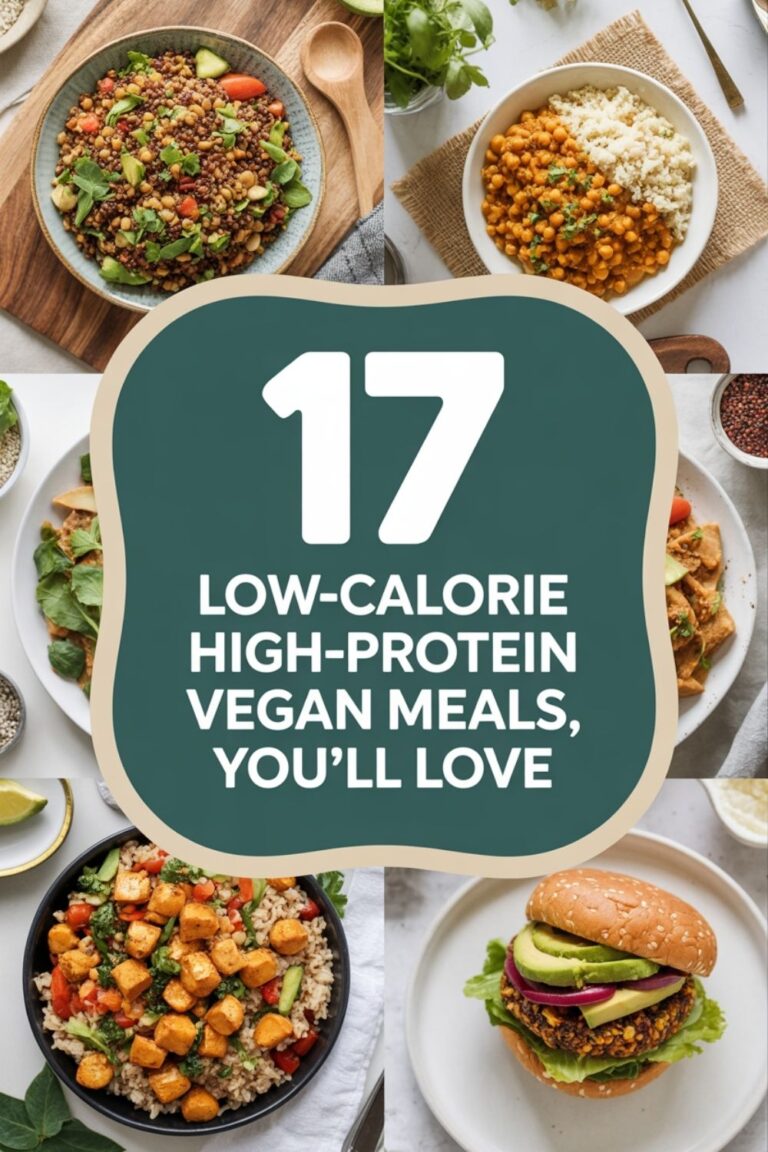
Swap the animal proteins for plant-based alternatives. Think tempeh, tofu, lentils, chickpeas, edamame, and protein-rich grains like quinoa and farro. You’ll need to be more intentional about getting complete proteins, so combine different sources throughout the day. A scoop of plant-based protein powder in your morning smoothie can also help hit your targets. For specific ideas, these vegan high-protein meals offer plenty of variety.
Beyond the Scale: Non-Weight Victories to Celebrate
Weight loss is cool and all, but let’s talk about the other wins you should be paying attention to. These are often more meaningful and sustainable than the number on the scale.
Increased energy levels. If you wake up feeling less sluggish and don’t hit that brutal afternoon slump, that’s a massive win. Better food choices directly impact your energy, and high protein keeps your blood sugar stable.
Improved digestion. More vegetables and whole foods usually mean better gut health. Less bloating, more regularity—TMI maybe, but it matters.
Better sleep quality. Stable blood sugar and adequate protein can improve sleep. You’re not waking up at 3 AM hungry or dealing with that restless, uncomfortable feeling.
Clothes fitting differently. Even if the scale hasn’t moved much, you might notice your jeans fit better or your shirt isn’t as tight around the middle. Body composition changes matter more than pure weight loss.
Mental clarity. Less brain fog, better focus, improved mood. Nutrition affects your brain chemistry, and when you’re fueling properly, you think more clearly.
Celebrate these wins. They’re the ones that actually improve your quality of life day-to-day, not just how you look in a mirror.
Frequently Asked Questions
Can I swap meals between days if I get bored?
Absolutely. The structure is more important than the specific meals. If you found a breakfast you love, eat it every day. If you want to swap day three’s dinner for day five’s lunch, go for it. As long as you’re hitting your protein targets and staying within your calorie range, the order doesn’t matter.
What if I’m vegetarian or vegan?
You can definitely adapt this plan. Replace animal proteins with plant-based options like tofu, tempeh, lentils, chickpeas, and edamame. Add a plant-based protein powder to smoothies or oats to help hit your targets. Just make sure you’re combining different protein sources throughout the day to get complete amino acids.
Do I need to count calories obsessively?
Not really. The plan gives you portion guidance, and if you’re following it reasonably closely, you should be in the right range. Some people like tracking everything for the first few days to get a feel for portions, then they eyeball it after that. Do what works for your brain and stress levels.
Can I drink coffee or alcohol on this plan?
Black coffee or coffee with a splash of almond milk is fine—it’s basically zero calories. Alcohol is trickier because it adds empty calories and can mess with your hunger signals and willpower. If you want to have a drink on the weekend, budget for it by cutting calories elsewhere, but honestly, your results will be better if you skip it for this week.
What happens after the seven days?
You have options. You can repeat the plan, rotate in new recipes to keep things interesting, or gradually increase calories if you’re at your goal weight and want to maintain. The key is not going back to old habits that got you here in the first place. Use this week as a foundation for building better long-term eating patterns.
Final Thoughts
A week isn’t a long time, but it’s enough to prove to yourself that you can do this. You can eat food that tastes good, feel satisfied, and still move toward your goals. You don’t need some elaborate 12-week program or expensive supplements or a personal chef. You need a solid plan, some basic meal prep skills, and the willingness to stick with it for seven days.
The hardest part is usually getting started. Once you’re a few days in and you start feeling the benefits—more energy, less bloating, better sleep—it gets easier. Your body adjusts, your cravings change, and suddenly eating this way doesn’t feel like a chore.
Will this plan solve all your problems? No. Will it give you a framework for building healthier habits and seeing tangible results? Absolutely. Take what works, adjust what doesn’t, and remember that progress isn’t always linear. Some days will be easier than others, and that’s completely normal.
Now stop reading, make that grocery list, and get started. Your future self will thank you.
30-Day High-Protein
Low-Calorie Meal Plan
Every breakfast, lunch, dinner & snack — all 30 days fully mapped out. Just follow the plan.
- ✓50+ complete recipes with ingredients & step-by-step instructions
- ✓4-week day-by-day plans — every meal for all 30 days
- ✓4 weekly shopping lists organised by store section
- ✓Printable habit & progress tracker — 30 full days
- ✓100g+ protein per day — scientifically optimised macros
Instant PDF · Print at home
Results guaranteed with consistency