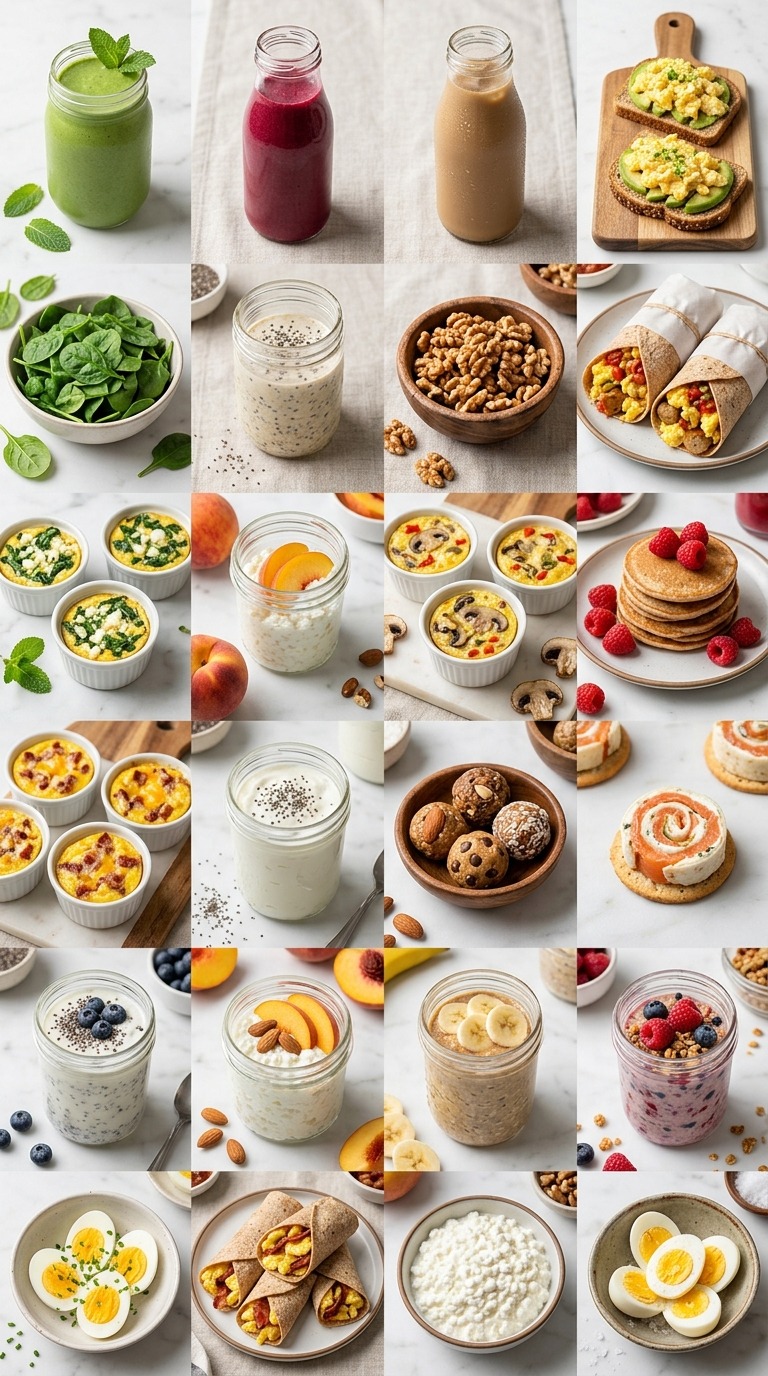
15 Low-Calorie High-Protein Breakfast Bowls for Busy Mornings
Let’s be honest—mornings are chaos. Between the snooze button negotiations and finding matching socks, breakfast usually gets the short end of the stick. But what if I told you there’s a way to nail your morning meal without turning your kitchen into a disaster zone or blowing your calorie budget before 9 AM?
Here’s the thing about breakfast bowls: they’re basically the superhero of morning meals. Throw everything in one dish, and you’re golden. No juggling multiple plates or wondering if your scrambled eggs need a side quest of toast. Plus, when you pack them with protein and keep the calories in check, you’re setting yourself up for a day where you’re not raiding the vending machine by 10:30.
I’ve spent way too many mornings staring into my fridge like it holds the secrets of the universe, only to grab whatever’s fastest. That usually meant either skipping breakfast entirely or downing something that left me starving an hour later. Not exactly a winning strategy when you’ve got back-to-back meetings or you’re chasing kids around.
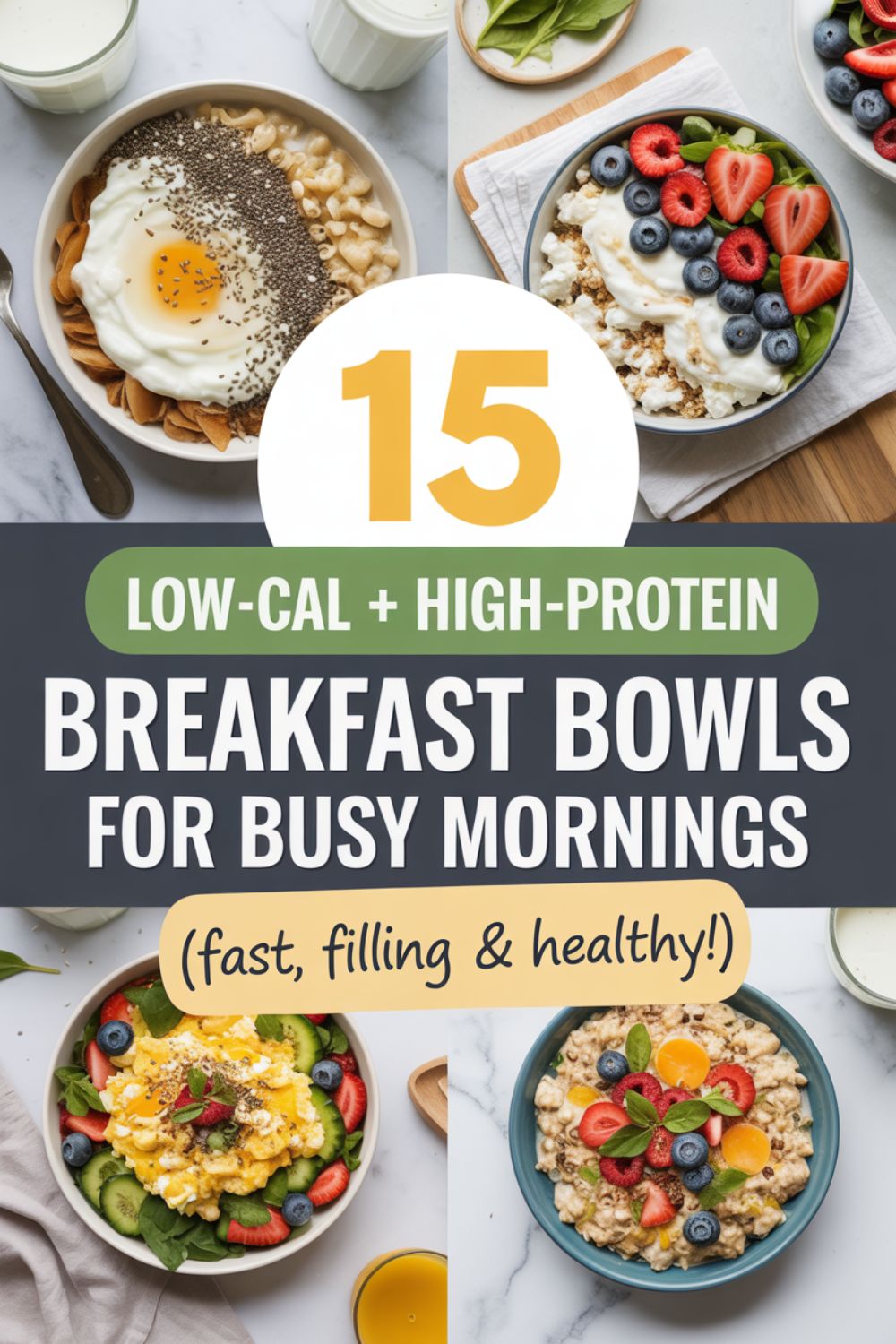
The beauty of high-protein, low-calorie breakfast bowls is that they actually keep you satisfied. Research from the American Society for Nutrition shows that protein-rich breakfasts can seriously boost satiety and reduce those mid-morning snack attacks. We’re talking about staying power that lasts until lunch, not just until you finish your commute.
But before we get into the recipes, let me save you from my early mistakes. Don’t fall into the trap of thinking you need fancy ingredients or a culinary degree to pull these off. You absolutely don’t. Most of these bowls come together in under 10 minutes with stuff you probably already have hanging around your kitchen.
Why Protein Matters More Than You Think
Okay, so everyone’s obsessed with protein these days, but there’s actually solid science behind it. When you start your morning with a good protein hit, you’re basically telling your body to chill out on the hunger hormones. Studies published in the Journal of Nutrition found that high-protein breakfasts led to reduced ghrelin levels—that’s the hormone that makes you feel like you could eat a horse.
What I found particularly interesting is that it’s not just about feeling full. Protein actually increases your metabolic rate slightly because your body has to work harder to digest it. It’s like getting bonus calorie burn just for eating breakfast. Nothing massive, but every little bit counts when you’re trying to keep things lean.
The sweet spot seems to be around 25-35 grams of protein per breakfast. That might sound like a lot if you’re used to grabbing a granola bar, but with these bowls, it’s surprisingly easy to hit that target without turning your breakfast into a bodybuilder’s meal prep.
The Low-Calorie Advantage Without the Sad Desk Salad Vibes
Now, I know what you’re thinking—low-calorie usually means low satisfaction. Been there, tried that, ended up eating half the pantry by noon. But here’s where breakfast bowls shine: you can pack in a ton of volume with vegetables, lean proteins, and smart carbs while keeping the calorie count reasonable.
Most of the bowls I’m sharing hover around 300-400 calories. That’s enough to fuel your morning without making you feel like you need a nap afterward. The trick is balancing protein with fiber-rich ingredients that add bulk without adding a calorie bomb.
For more inspiration on keeping meals satisfying while watching calories, check out these high-protein recipes with 5 ingredients or less. Sometimes simple is exactly what busy mornings need.
15 Breakfast Bowls That Actually Taste Good
1. Greek Yogurt Power Bowl
Start with a base of plain Greek yogurt—the thick, tangy kind that packs about 15-20 grams of protein per cup. Top it with berries, a tablespoon of almond butter, and a sprinkle of chia seeds. I use this organic Greek yogurt because it’s thicker than most brands and doesn’t have that weird watery layer.
The whole thing comes in around 320 calories but keeps you full for hours. Berries add natural sweetness without sending your blood sugar on a rollercoaster ride, and the chia seeds bring extra protein and omega-3s to the party.
2. Savory Egg White Scramble Bowl
If you’re more of a savory breakfast person, this one’s your jam. Scramble up three egg whites with one whole egg, throw in some spinach, cherry tomatoes, and a bit of feta cheese. Serve it over a small portion of quinoa or cauliflower rice.
The egg whites give you pure protein without a ton of calories, while the whole egg adds flavor and those essential nutrients found in the yolk. I learned this the hard way after months of egg white-only breakfasts that tasted like sadness. Don’t be like past me—keep one yolk in there.
Pro tip: I use this non-stick ceramic pan so I don’t need to add extra oil. Saves calories and cleanup time, which is basically winning at life.
🥚 Perfect Eggs Every Time Guide
Master 15 egg cooking techniques with this illustrated guide. Never overcook again.
3. Overnight Oats Protein Bowl
This is my go-to when I know the next morning is going to be absolutely bonkers. Mix half a cup of rolled oats with a scoop of vanilla protein powder, a cup of unsweetened almond milk, and a tablespoon of chia seeds. Let it hang out in the fridge overnight.
In the morning, top with sliced banana and a handful of blueberries. The whole thing delivers around 30 grams of protein and sits at about 350 calories. Plus, you can prep three or four at once in these glass meal prep jars, which makes the whole week easier.
4. Cottage Cheese and Fruit Bowl
Cottage cheese is having a moment, and honestly, it’s about time. This stuff is protein-packed—about 25 grams per cup of the low-fat variety. Mix it with diced pineapple, strawberries, and a sprinkle of sunflower seeds for crunch.
I know cottage cheese has its haters, but the texture works perfectly in a breakfast bowl. The fruit adds sweetness and the seeds bring a little healthy fat to round things out. Comes in right around 280 calories and keeps you satisfied until lunch.
📊 Protein Portions Cheat Sheet
Printable visual guide showing exactly what 25g protein looks like for 50+ foods.
If you’re looking for more ways to boost your protein intake without much effort, these 20-minute high-protein bowls are absolute lifesavers.
5. Tofu Scramble Buddha Bowl
For my plant-based friends, this one’s a winner. Crumble firm tofu and sauté it with turmeric, nutritional yeast, and black salt (it adds an eggy flavor, trust me). Add roasted sweet potato cubes, sautéed kale, and a handful of chickpeas.
The nutritional yeast is key here—it adds a cheesy, savory flavor and brings extra protein to the table. This bowl clocks in around 380 calories with about 28 grams of protein. Not bad for a completely plant-based breakfast.
6. Smoked Salmon and Avocado Bowl
This one feels fancy but comes together in about five minutes. Start with a base of mixed greens, add a few ounces of smoked salmon, half an avocado (sliced), a poached egg, and some everything bagel seasoning.
Smoked salmon brings about 20 grams of protein with hardly any effort, and the avocado adds healthy fats that help you absorb all those good nutrients. The egg bumps up the protein even more. Whole thing sits around 380 calories.
I get my everything bagel seasoning in bulk from this awesome spice company because honestly, I put it on everything now.
7. Turkey Sausage and Sweet Potato Hash Bowl
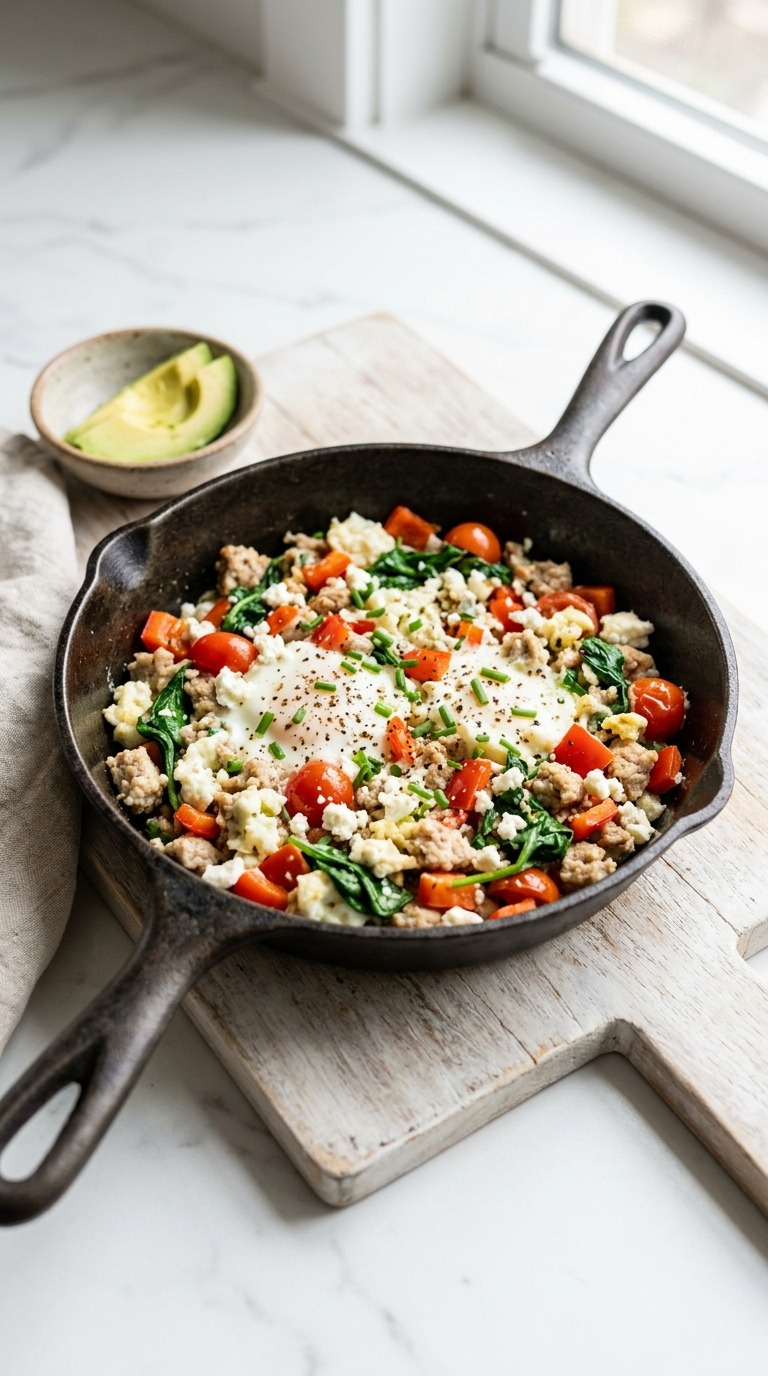
Dice up some sweet potato and roast it until crispy (or if you’re like me and meal prep, you already have some in the fridge). Brown some lean turkey sausage, add bell peppers and onions, then mix everything together with the sweet potatoes.
Top with a fried egg and you’ve got a breakfast that tastes indulgent but weighs in around 370 calories with 32 grams of protein. The sweet potato gives you complex carbs for sustained energy, while the turkey sausage keeps things lean.
8. Protein Pancake Bowl
Make a batch of protein pancakes using mashed banana, protein powder, and eggs. Stack them in a bowl and top with Greek yogurt, fresh berries, and a drizzle of sugar-free syrup.
This is my weekend treat that doesn’t actually feel like a cheat meal. You get the satisfaction of pancakes with about 35 grams of protein and only 340 calories. I use this protein powder that doesn’t have that chalky aftertaste some brands have.
9. Tuna and White Bean Bowl
Okay, hear me out on this one. Mix canned tuna with white beans, cherry tomatoes, cucumber, red onion, and a squeeze of lemon. Serve over baby spinach with a light vinaigrette.
I know tuna for breakfast sounds weird, but it’s actually common in Mediterranean countries, and once you try it, you’ll get why. The combination of tuna and beans delivers about 38 grams of protein for roughly 310 calories. Plus, it’s ridiculously filling.
10. Chicken Breakfast Burrito Bowl
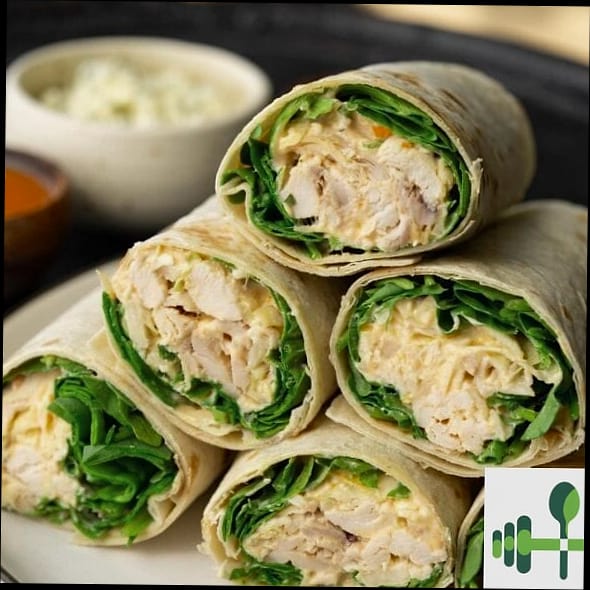
Use leftover grilled chicken (or rotisserie chicken if you’re smart), black beans, scrambled eggs, salsa, and a sprinkle of cheese. Serve it over cauliflower rice to keep things light.
This bowl is basically all the good parts of a breakfast burrito without the tortilla. Comes in around 360 calories with a solid 35 grams of protein. The black beans add fiber that helps keep you full, and the salsa brings flavor without adding many calories.
For more quick meal ideas that won’t derail your goals, check out these beginner-friendly weight loss meals.
11. Protein-Packed Smoothie Bowl
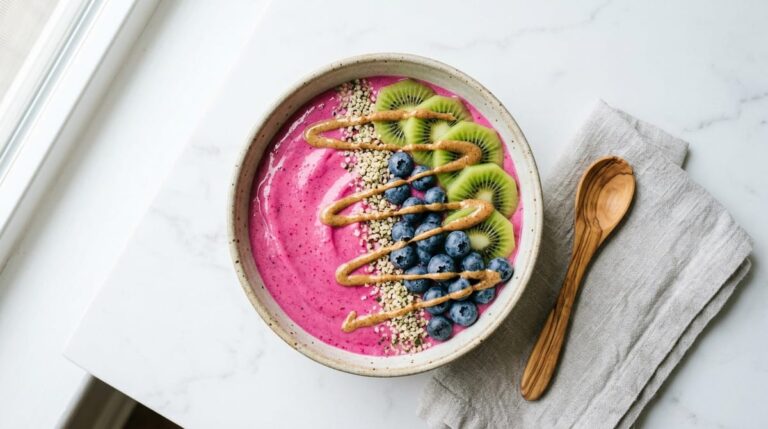
Blend frozen berries, a scoop of protein powder, spinach (you won’t taste it, I promise), and unsweetened almond milk until thick. Pour into a bowl and top with sliced almonds, coconut flakes, and fresh fruit.
The trick to a good smoothie bowl is keeping it thick enough that you eat it with a spoon rather than drinking it. This makes breakfast feel more substantial. Around 310 calories with 28 grams of protein.
🍌 50 Smoothie Bowl Combinations
Never run out of ideas. Color-coded by protein content with topping suggestions.
I use this high-speed blender that actually crushes frozen fruit without sounding like a jet engine taking off.
If smoothies are your thing, you’ll definitely want to explore these metabolism-boosting smoothie recipes.
⚡ The Kitchen Tools That Actually Changed My Breakfast Game
After testing dozens of gadgets, I finally found the equipment that makes meal prep actually enjoyable. From the blender that doesn’t wake up the whole house to the containers that keep food fresh for days—these aren’t just purchases, they’re investments in your morning sanity. See my full kitchen essentials guide here.
12. Tempeh and Veggie Stir-Fry Bowl
Cube up some tempeh and pan-fry it until crispy. Toss with stir-fried vegetables like broccoli, snap peas, and carrots. Serve over a small portion of brown rice or more veggies if you want to keep calories even lower.
Tempeh is fermented, which means it’s easier to digest than regular soy products, and it packs about 20 grams of protein per serving. Add some low-sodium soy sauce and sesame seeds, and you’ve got a breakfast that hits around 365 calories.
13. Egg Muffin Frittata Bowl
Bake a batch of egg muffins with vegetables, lean ham, and a bit of cheese. Serve two or three in a bowl with sliced avocado and salsa on the side.
These are perfect for meal prep. Make a dozen on Sunday, and you’ve got grab-and-go breakfasts for the week. Each serving (three muffins) comes in around 290 calories with 26 grams of protein.
I bake mine in this silicone muffin pan that makes cleanup stupid easy. Nothing sticks, and you can just pop them out.
14. Shrimp and Grits Bowl (Light Version)
Use cauliflower grits instead of regular grits to cut calories. Sauté shrimp with garlic, a bit of butter, and Old Bay seasoning. Serve over the cauliflower grits with sautéed spinach on the side.
This gives you that Southern comfort food feeling without the calorie overload. Shrimp is incredibly lean protein—about 24 grams per serving with minimal calories. The whole bowl comes in around 320 calories.
15. Quinoa Breakfast Bowl
Cook quinoa in almond milk instead of water for extra creaminess. Top with sliced banana, a tablespoon of almond butter, cinnamon, and a handful of walnuts.
Quinoa is one of the few plant foods that’s a complete protein, meaning it has all nine essential amino acids. This bowl delivers about 18 grams of protein and sits around 380 calories. The cinnamon helps regulate blood sugar, which is a nice bonus.
Making These Bowls Work for Your Schedule
Here’s the reality check: even the best breakfast bowl isn’t helpful if you never actually make it. That’s why meal prep is your best friend. I typically spend about an hour on Sunday prepping components—cooking quinoa, roasting sweet potatoes, hard-boiling eggs, and portioning out ingredients.
Then during the week, breakfast is just assembly. Grab your prepped ingredients, throw them in a bowl, maybe heat something up if needed, and you’re out the door. The whole process takes less time than waiting in a drive-through line.
Storage containers matter more than you’d think. I use these glass containers with divided sections so ingredients don’t get soggy or mix together before I’m ready to eat them. Game changer for meal prep success.
🎯 The Ultimate High-Protein Meal Prep Blueprint
Tired of guessing what to cook each week? This comprehensive meal prep system includes 90+ high-protein recipes, customizable meal plans, printable grocery lists, and prep-day checklists. Everything is organized by prep time and calorie count—perfect for busy people who want results without the stress.
- 12 weeks of done-for-you meal plans (breakfast, lunch, dinner)
- Macro-balanced recipes with full nutritional breakdowns
- Printable prep schedules and shopping lists
- Container portion guides and storage tips
- Instant digital download—start today
Common Mistakes to Avoid
After making just about every breakfast bowl mistake imaginable, let me save you some trouble. First, don’t skip the protein. I’ve seen so many “healthy” breakfast bowls that are basically just fruit and granola. Those might look pretty on Instagram, but they’ll leave you starving by mid-morning.
Second, watch your portions on high-calorie toppings. Nuts, seeds, and nut butters are nutritious, but they’re also calorie-dense. A tablespoon here or there is perfect, but if you’re free-pouring, those calories add up fast.
Third, don’t make your bowls too complicated. I went through a phase where every breakfast bowl had like 15 ingredients, and I spent more time prepping than eating. Simple combinations work just as well and are way more sustainable for busy mornings.
Swapping Ingredients Like a Pro
One of the best things about breakfast bowls is how flexible they are. Running low on Greek yogurt? Use cottage cheese. Don’t have quinoa? Brown rice works fine. No fresh berries? Frozen ones are actually just as nutritious and often cheaper.
For protein sources, you can generally swap poultry, fish, tofu, tempeh, or legumes based on what you have available and what fits your dietary preferences. The key is hitting that 25-35 gram protein target, not necessarily using specific ingredients.
Same goes for vegetables. Use what’s in season or on sale. The nutritional differences between different colorful vegetables aren’t huge enough to stress about. The best vegetable is the one you’ll actually eat.
📱 The Macro Tracking Made Simple App
Stop wrestling with complicated calorie counters. This intuitive app is designed specifically for high-protein eaters who want to track macros without the headache. Scan barcodes, log meals in seconds, and get instant feedback on your protein intake. Trusted by over 50,000 health-conscious food lovers.
- Pre-loaded with 10,000+ high-protein foods
- Custom breakfast bowl builder with macro calculations
- Weekly progress photos and measurement tracking
- Recipe import feature from your favorite food blogs
- One-time purchase, no monthly subscriptions
Budget-Friendly Strategies
Let’s talk money because eating healthy doesn’t have to mean eating expensive. Buy proteins in bulk when they’re on sale and freeze them in portions. Eggs are still one of the cheapest protein sources out there. Canned tuna and beans cost next to nothing and last forever in the pantry.
Greek yogurt is cheaper when you buy the big tubs instead of individual servings. Same with buying whole fruits instead of pre-cut. Yeah, it takes an extra few minutes to chop things up, but the savings add up.
I also keep an eye on the clearance section for things like protein powder and nuts. As long as they’re not expired, there’s nothing wrong with them—stores just need to move inventory.
💰 The Protein Powders I Actually Use (Ranked by Taste & Value)
Not all protein powders are created equal—some taste like chalk, others cost a fortune. I’ve spent way too much money finding the ones that actually mix well, taste good, and don’t break the bank. Save yourself the trial-and-error phase. Check out my honest protein powder comparison.
Tracking Your Progress
If you’re using these breakfast bowls as part of a broader health or weight loss goal, keeping track helps. I’m not talking about obsessive calorie counting, but having a general idea of what you’re eating makes a difference.
Most of these bowls fall in that 300-400 calorie range with solid protein, which leaves plenty of room for lunch, dinner, and snacks throughout the day. That’s the sweet spot for most people trying to maintain or lose weight without feeling deprived.
The protein content matters just as much as the calories. Research shows that adequate protein intake helps preserve muscle mass during weight loss, which keeps your metabolism from tanking.
When to Switch Things Up
Even the best breakfast bowl gets boring if you eat it every single day. I typically rotate through five or six different combinations throughout the week. That way I never feel like I’m in a breakfast rut, but I’m also not reinventing the wheel every morning.
Pay attention to how your body responds to different combinations. Some people do better with more carbs in the morning, while others prefer higher fat and protein. There’s no one-size-fits-all approach here.
If you find yourself getting hungry before lunch consistently, that’s your cue to bump up the protein or add more fiber-rich ingredients. On the flip side, if you’re struggling to finish your breakfast, scale back the portion slightly.
Beyond Breakfast: These Bowls for Any Meal
Plot twist: there’s no law saying these have to be breakfast foods. I’ve eaten plenty of these bowls for lunch or even dinner when I wanted something quick and nutritious. The savory ones especially make great any-time meals.
If you’re looking to expand beyond breakfast, check out these high-protein salad recipes for lunch that follow the same build-your-bowl principle.
The concept of meal timing has gotten way too rigid anyway. Eat what works for your schedule and what makes you feel good. If that means having dinner food for breakfast or breakfast food for dinner, go for it.
🍳 Join Our Breakfast Lovers Community!
Want daily recipe inspiration, meal prep tips, and exclusive content delivered straight to your phone? Join our WhatsApp community where we share quick breakfast hacks, ingredient swaps, and answer your cooking questions in real-time.
Wrapping This Up
Look, breakfast doesn’t have to be complicated or time-consuming. These 15 bowls prove you can have something nutritious, filling, and actually tasty without spending your whole morning in the kitchen.
The protein and low-calorie combination isn’t about restriction—it’s about making smart choices that support your goals while keeping you satisfied. When breakfast works for you instead of against you, everything else during the day gets easier.
💬 Get More Recipe Ideas Every Week
Don’t miss out! Our WhatsApp community gets first access to new recipes, weekly meal plans, and grocery shopping tips. Plus, you can ask questions and share your own breakfast bowl creations with fellow food enthusiasts.
Start with two or three bowl recipes that appeal to you most. Try them for a week and see how you feel. You might be surprised at how much better your mornings go when you’re not making breakfast decisions on an empty stomach.
And remember, the best breakfast is the one you’ll actually eat. Don’t stress about making it perfect. Make it practical, make it tasty, and make it work for your life. That’s the real secret to sustainable healthy eating.
30-Day High-Protein
Low-Calorie Meal Plan
Every breakfast, lunch, dinner & snack — all 30 days fully mapped out. Just follow the plan.
- ✓50+ complete recipes with ingredients & step-by-step instructions
- ✓4-week day-by-day plans — every meal for all 30 days
- ✓4 weekly shopping lists organised by store section
- ✓Printable habit & progress tracker — 30 full days
- ✓100g+ protein per day — scientifically optimised macros
Instant PDF · Print at home
Results guaranteed with consistency