25 Low-Calorie High-Protein Vegetarian Recipes That Actually Taste Good
Look, I get it. You’re trying to eat more plant-based meals, hit your protein goals, and not feel like you’re chewing on cardboard disguised as dinner. Been there, tried that, ended up ordering pizza at 9 PM because the sad salad just wasn’t cutting it.
Here’s the thing about vegetarian high-protein meals—they don’t have to be complicated or taste like punishment. After years of experimenting in my own kitchen and plenty of recipe fails that went straight to the compost bin, I’ve figured out what actually works. These 25 recipes pack serious protein without the calorie overload, and yeah, they taste like real food.
No boring tofu blocks or endless chickpea salads here. We’re talking about meals that’ll keep you full, help you build muscle, and won’t leave you scrounging through the pantry two hours later wondering where your life went wrong.
Why Vegetarian Protein Actually Works
Before we get into the recipes, let’s talk about why plant-based protein isn’t just for yoga instructors and people who wear hemp everything. Research shows that vegetarians can easily meet their protein needs through whole food sources—you just need to know which ones pack the biggest punch.
The magic happens when you combine different protein sources throughout the day. Legumes, tofu, tempeh, Greek yogurt, eggs, nuts, and seeds all bring different amino acid profiles to the table. Mix them up, and your body gets everything it needs without requiring you to down protein shakes like they’re going out of style.
What really matters is getting enough total protein while keeping calories in check. Most of these recipes hit that sweet spot of 20-30 grams of protein per serving while staying under 400 calories. That’s the goldilocks zone where you feel satisfied without the food coma.
The Breakfast Power Players
1. Greek Yogurt Protein Bowls
Start your morning with a bowl of plain Greek yogurt topped with hemp seeds, sliced almonds, and fresh berries. I use a mini food processor to quickly chop the nuts because honestly, who has time for that at 6 AM? One cup of Greek yogurt gives you around 20 grams of protein, and the nuts add healthy fats that keep you from raiding the snack drawer by 10.
The beauty of this breakfast is that you can prep five jars on Sunday night and grab one on your way out the door. Layer the yogurt, add your toppings, seal it up. Done. No excuses for skipping breakfast when it’s literally sitting there waiting for you.
2. High-Protein Overnight Oats
Mix rolled oats with protein powder, chia seeds, and almond milk the night before. By morning, you’ve got a creamy breakfast that tastes like dessert but clocks in at 300 calories with 25 grams of protein. I store mine in these glass meal prep jars because plastic just feels wrong for overnight oats, you know?
Pro tip: Add a spoonful of peanut butter right before eating. It doesn’t mix well overnight, but stirring it in fresh gives you that swirl effect that makes everything taste better. FYI, natural peanut butter has more protein than the regular stuff—about 8 grams per two tablespoons.
3. Scrambled Tofu Breakfast Tacos
Crumble firm tofu and season it with turmeric, cumin, and nutritional yeast for a scrambled egg vibe. Stuff it into corn tortillas with black beans, salsa, and avocado. Each taco packs about 12 grams of protein and tastes way better than it has any right to. Get Full Recipe.
The secret is pressing your tofu first. I use a tofu press that does the job in 15 minutes without me having to balance textbooks on top of a paper towel-wrapped block. Game changer for texture.
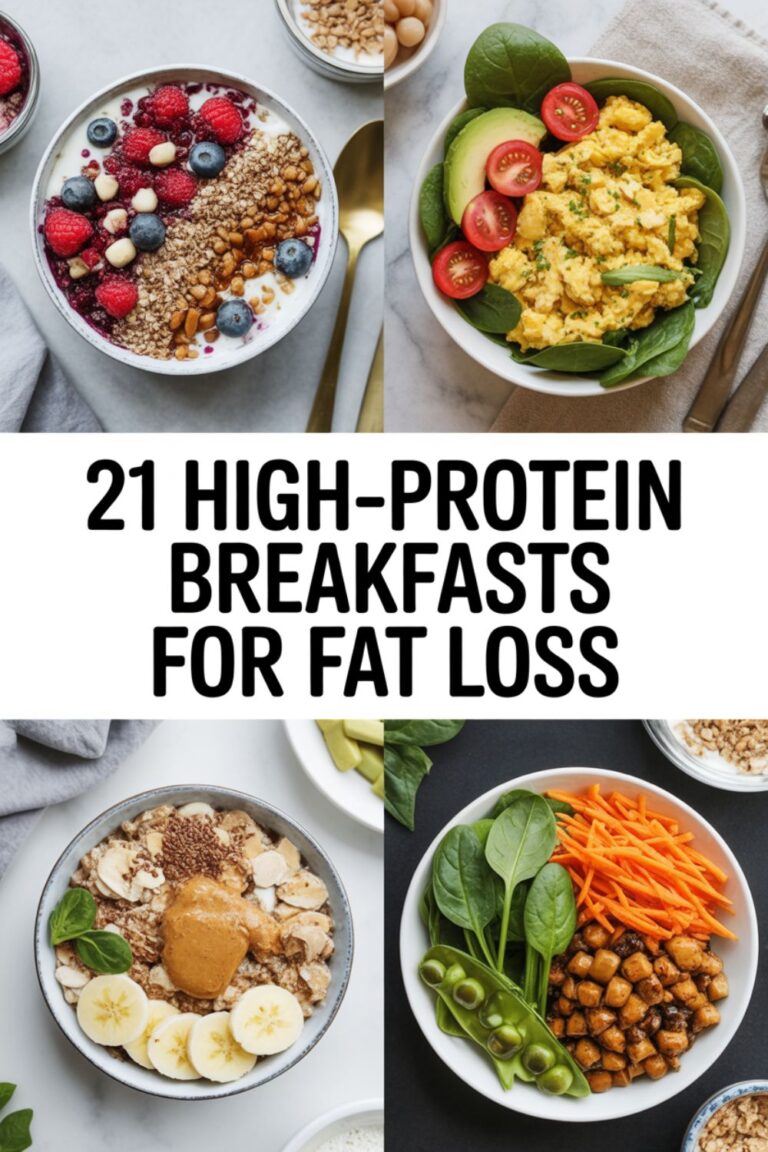
If you’re looking for more morning fuel, check out these high-protein breakfast bowls or browse through our 7-day protein-packed breakfast plan for complete meal ideas that take the guesswork out of your week.
Lunch That Won’t Leave You Hangry
4. Lentil and Quinoa Power Bowls
Cook a batch of lentils and quinoa together—one pot, minimal effort. Top with roasted vegetables, a soft-boiled egg, and tahini dressing. The combo gives you complete protein and keeps you full until dinner without that 2 PM crash. Each bowl delivers around 28 grams of protein for just 380 calories.
I roast my vegetables on a non-stick sheet pan because scrubbing burnt-on Brussels sprouts is nobody’s idea of fun. Toss everything in olive oil, spread it out, forget about it for 25 minutes. That’s my kind of cooking.
5. Mediterranean Chickpea Salad
Drain and rinse two cans of chickpeas, toss them with diced cucumber, cherry tomatoes, red onion, olives, and feta cheese. Dress it with lemon juice and olive oil. Simple, refreshing, and surprisingly filling. The chickpeas bring 15 grams of protein per cup, and the feta adds another 6.
Want to take it up a notch? Roast the chickpeas first at 400°F for 20 minutes. They get crispy and addictive, like healthy popcorn that doesn’t taste like sadness. Season them with smoked paprika and garlic powder before roasting.
6. Black Bean and Sweet Potato Wraps
Mash black beans with roasted sweet potato, roll them up in a whole wheat tortilla with spinach and salsa. It’s comfort food that doesn’t require a nap afterward. Each wrap clocks in around 18 grams of protein and 320 calories.
The mashing part goes way faster with a potato masher, but I’ve definitely used a fork in desperate times. No judgment here.
For more portable lunch ideas, I’m obsessed with these low-calorie high-protein wraps and these salad recipes for quick lunches. They’re perfect when you need something that travels well.
Dinner Winners That Hit Different
7. Tofu Stir-Fry with Edamame
Press and cube extra-firm tofu, pan-fry until crispy, then toss with edamame, broccoli, bell peppers, and a ginger-soy sauce. Serve over cauliflower rice to keep calories down. The protein combo of tofu and edamame gives you about 30 grams per serving.
Crispy tofu is all about high heat and patience. Don’t touch it for the first three minutes. Just let it sit there and develop that golden crust. I learned this the hard way after years of making mushy stir-fries.
8. Lentil Bolognese
Swap ground beef for brown lentils in your favorite pasta sauce recipe. Simmer them with crushed tomatoes, garlic, oregano, and a splash of red wine. Serve over zucchini noodles or whole grain pasta. One serving packs 22 grams of protein and tastes better than most restaurant versions. Get Full Recipe.
A quality spiralizer makes zucchini noodles way less annoying to prep. The cheap ones jam up and leave you questioning your life choices, so invest in something decent if you’re going the zoodle route.
9. Stuffed Bell Peppers with Quinoa and Black Beans
Hollow out bell peppers, stuff them with a mixture of cooked quinoa, black beans, corn, diced tomatoes, and spices. Top with a sprinkle of cheese and bake until the peppers are tender. Each stuffed pepper delivers 16 grams of protein and feels way fancier than the effort required.
I use my rice cooker for quinoa because it comes out perfect every time and I can set it and forget it. Plus, it has a timer function that means dinner’s ready when I walk in the door. Technology for the win.
10. Chickpea Curry
Sauté onions, garlic, and ginger in a large pot. Add curry powder, turmeric, and garam masala, then dump in two cans of chickpeas, diced tomatoes, and coconut milk. Simmer until thick and fragrant. Serve over brown rice or with naan bread. The chickpeas bring 12 grams of protein per cup, and the whole thing tastes like you ordered takeout.
Don’t skip toasting your spices first. Thirty seconds in a dry pan wakes them up and makes your curry taste like you actually know what you’re doing in the kitchen.
Need more dinner inspiration? These high-protein dinner recipes and weeknight dinners have saved me on countless occasions when cooking feels impossible.
Meal Prep Magic: Tools That Make Life Easier
Kitchen Essentials for These Recipes
After making these recipes approximately a million times, here’s what I actually use and recommend:
- Glass Meal Prep Containers Set – Dishwasher safe, microwave friendly, and they don’t get gross after three uses like plastic ones do
- High-Speed Blender – For smoothies, sauces, and turning nuts into butter when you’re feeling ambitious
- Cast Iron Skillet – Gets tofu crispier than anything else and lasts forever if you don’t completely neglect it
- Macro Tracking App Subscription – Takes the guesswork out of hitting protein goals without obsessing
- Plant-Based Meal Planning Template – Printable shopping lists and prep schedules that actually make sense
- Vegetarian Protein Guide eBook – Complete amino acid profiles and portion sizes for 100+ plant proteins
Snacks That Pack a Punch
11. Roasted Chickpeas
Toss drained chickpeas with olive oil and your favorite seasonings. Roast at 400°F for 30 minutes, shaking the pan halfway through. They crisp up beautifully and make portion control way easier than diving into a bag of chips. Half a cup gives you 7 grams of protein for about 130 calories.
12. Greek Yogurt Veggie Dip
Mix Greek yogurt with dried dill, garlic powder, and lemon juice. Serve with cucumber slices, bell pepper strips, and cherry tomatoes. It’s basically ranch dressing that won’t derail your goals. Two tablespoons of the dip add 5 grams of protein to your veggie situation.
13. Edamame with Sea Salt
Steam frozen edamame for five minutes, sprinkle with coarse sea salt, and call it a day. One cup delivers 17 grams of protein for only 190 calories. Sometimes the simplest things work best, especially when you’re starving and need something now.
14. Almond Butter Energy Balls
Mix almond butter with oats, honey, chia seeds, and mini chocolate chips. Roll into balls and refrigerate. Each ball has about 4 grams of protein and satisfies that afternoon sweet tooth without sending your blood sugar on a rollercoaster. Get Full Recipe.
I use a cookie scoop to make uniform balls because my hand-rolled ones always end up looking like misshapen potatoes. Presentation matters, even for snacks.
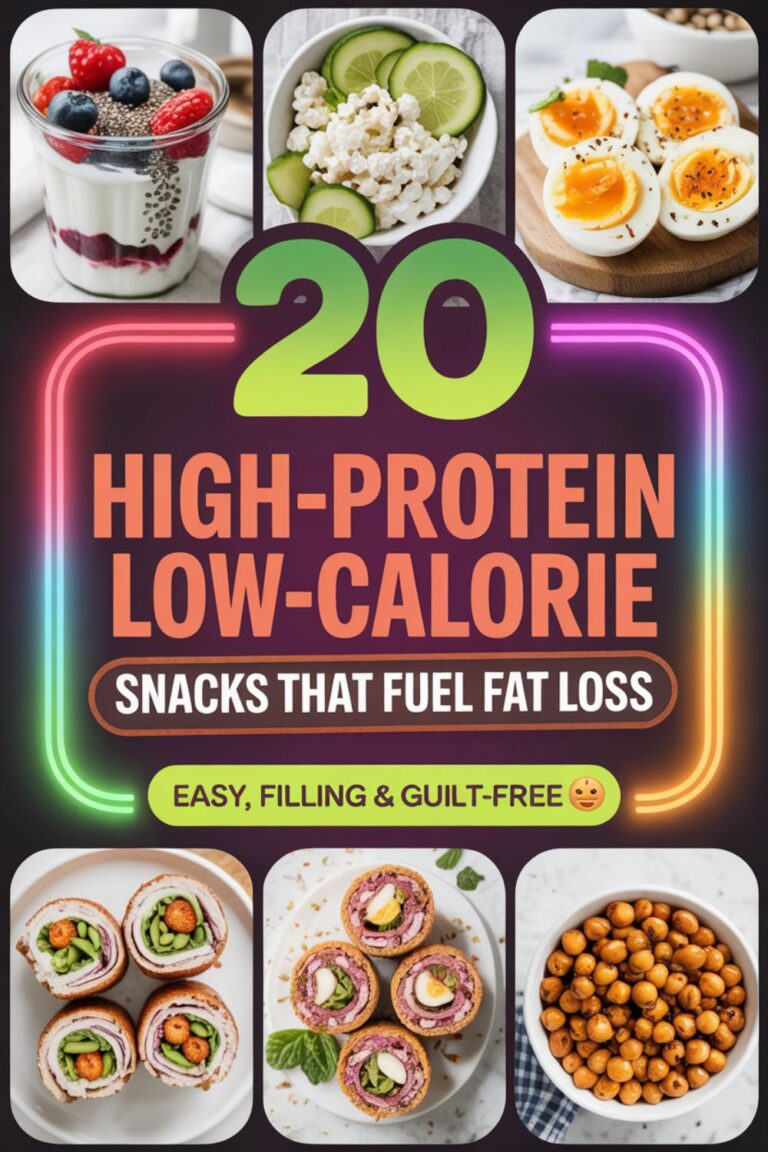
Looking for more snack options? Check out these high-protein low-calorie snacks and this collection of homemade protein snacks that’ll keep you satisfied between meals.
The Protein Bowl Life
15. Buddha Bowl Base Formula
Start with a grain (quinoa, brown rice, or farro), add a protein (baked tofu, chickpeas, or lentils), pile on the vegetables (roasted or raw), and finish with a flavorful sauce (tahini, peanut, or cashew-based). This formula works every single time and never gets boring because you can switch up the components.
The key is making your sauce actually taste good. Don’t be shy with the garlic, ginger, or citrus. Bland sauce equals sad bowl, and life’s too short for sad bowls.
16. Mexican-Inspired Protein Bowl
Layer cilantro lime rice, seasoned black beans, corn, diced tomatoes, avocado, and a dollop of Greek yogurt instead of sour cream. Top with pickled jalapeños for a kick. This bowl brings about 26 grams of protein and tastes like your favorite burrito minus the tortilla bloat.
17. Asian-Style Tempeh Bowl
Marinate tempeh in soy sauce, rice vinegar, and sesame oil before pan-frying. Serve over brown rice with steamed bok choy, shredded carrots, and a drizzle of sriracha mayo. Tempeh has 15 grams of protein per half cup and has that nutty, fermented flavor that just hits different.
If you’re into meal prep bowls like me, you’ll love these quick protein bowls and this 14-day bowl meal plan that takes all the thinking out of lunch prep.
Quick Wins for Busy Days
18. Protein-Packed Smoothie
Blend frozen banana, spinach, vanilla protein powder, almond butter, and unsweetened almond milk. It tastes like a milkshake but gives you 30 grams of protein in under two minutes. I’m not saying it’s breakfast every day, but I’m not not saying that either.
Frozen banana is crucial here. Fresh banana makes smoothies weirdly thin and disappointing. Trust the process.
19. Cottage Cheese Pancakes
Mix cottage cheese, eggs, oats, and a pinch of cinnamon. Cook like regular pancakes on a non-stick griddle. Three pancakes pack 22 grams of protein and taste way better than protein powder pancakes, which usually have the texture of sadness.
20. Five-Minute Egg Sandwich
Scramble two eggs, throw them on whole grain bread with avocado and tomato. Boom, breakfast in the time it takes most people to find matching socks. Add some everything bagel seasoning if you’re feeling fancy. Each sandwich delivers 18 grams of protein.
One-Pot Wonders
21. Lentil and Vegetable Soup
Throw lentils, diced tomatoes, vegetable broth, carrots, celery, and spinach into a large pot. Season with Italian herbs and let it simmer until everything’s tender. One bowl has 15 grams of protein and freezes beautifully for those nights when cooking feels impossible.
Make a huge batch in your Dutch oven and portion it into single servings. Future you will thank present you when dinner’s ready in three minutes.
22. White Bean and Kale Stew
Sauté onions and garlic, add white beans, vegetable broth, chopped kale, and diced tomatoes. Season with rosemary and thyme. Simmer until the kale wilts and everything melds together. It’s cozy, filling, and packs 18 grams of protein per serving.
23. Quinoa Chili
Cook quinoa right in your chili with kidney beans, black beans, diced tomatoes, bell peppers, and chili powder. The quinoa adds body and bumps the protein up to 20 grams per bowl. Top with avocado and cilantro for bonus points.
For more easy cooking methods, check out these Instant Pot recipes or try these slow cooker meals that practically cook themselves.
The Final Two (Because Odd Numbers Are Weird)
24. Baked Falafel
Pulse chickpeas, fresh herbs, garlic, and spices in a food processor. Form into patties and bake instead of frying. Serve in pita with cucumber, tomatoes, and tahini sauce. Each serving gives you 12 grams of protein without the oil overload of traditional falafel.
The trick to falafel that doesn’t fall apart is using dried chickpeas that you soak overnight, not canned ones. Yeah, it requires planning, but the texture difference is worth it.
25. Protein-Loaded Minestrone
Classic Italian vegetable soup with added white beans and whole grain pasta. Finish with fresh basil and Parmesan cheese. It’s comfort food that delivers 16 grams of protein and reminds you that eating healthy doesn’t mean giving up flavor.
IMO, minestrone tastes better the next day after all the flavors hang out together in the fridge overnight. Make it for dinner, eat the leftovers for lunch. That’s efficient living right there.
Making It All Work in Real Life
Here’s the deal—you don’t need to make all 25 of these recipes. Pick three or four that sound good, make them this week, see what sticks. Maybe you hate lentils but love chickpeas. Cool, lean into that. Maybe tofu isn’t your thing but tempeh works. Great, do more of that.
The best diet is the one you actually follow, and that means eating food you genuinely enjoy. These recipes aren’t punishment meals or sad desk lunches. They’re legitimate food that happens to support your health goals without requiring you to become a full-time meal prep influencer.
Start simple. Pick one breakfast, one lunch, one dinner. Rotate them for a week. Once you’re comfortable, add another recipe. Before you know it, you’ve got a solid rotation of meals that keep you on track without feeling like you’re missing out.
And if you’re just starting out with high-protein eating, these meal ideas for beginners break everything down into manageable steps.
Related Recipes You’ll Love
Frequently Asked Questions
Can I really get enough protein on a vegetarian diet?
Absolutely. Most of these recipes deliver 15-30 grams of protein per serving, which is comparable to many meat-based meals. The key is combining different protein sources throughout the day—legumes, tofu, tempeh, Greek yogurt, eggs, nuts, and whole grains all contribute to your daily protein needs. According to nutritional research, vegetarians can easily meet the recommended 0.8 grams of protein per kilogram of body weight through whole food sources alone.
How do I prevent getting bored with vegetarian meals?
Variety is your best friend here. Rotate between different protein sources (chickpeas one day, lentils the next, tofu after that) and switch up your flavor profiles—think Mexican one night, Asian-inspired the next, then Mediterranean. Using different cooking methods also helps; roasted chickpeas taste completely different from chickpea curry, even though they’re the same base ingredient. Keep your spice cabinet stocked and don’t be afraid to experiment.
Are these recipes good for weight loss?
Yes, because they’re designed to be both low in calories and high in protein, which helps you feel fuller longer and maintains muscle mass during weight loss. Each recipe stays under 400 calories per serving while delivering substantial protein, which creates that calorie deficit needed for fat loss without leaving you hungry. That said, portion sizes and total daily intake still matter—these recipes are tools, not magic bullets.
Do I need expensive specialty ingredients?
Not at all. The core ingredients—beans, lentils, eggs, Greek yogurt, tofu, and whole grains—are actually some of the most affordable proteins available. Sure, you’ll need some basic spices and condiments, but those last forever and make everything taste better. Skip the fancy superfood powders unless they genuinely fit your budget and preferences.
Can I meal prep these recipes?
Most of them, yes. Bowls, soups, stews, and wraps all prep beautifully for 4-5 days. Some things like smoothies and scrambled eggs are better made fresh, but you can prep the ingredients ahead and assemble quickly. I recommend choosing 2-3 recipes to batch cook each week rather than trying to prep everything at once, which usually ends with decision fatigue and takeout on Wednesday.
The Bottom Line
Eating more vegetarian meals doesn’t mean sacrificing protein or flavor. These 25 recipes prove you can hit your macros, stay under your calorie goals, and actually enjoy what you’re eating. No sad salads, no tasteless tofu, no feeling like you’re missing out.
Pick a few that sound good, give them a shot, and see how you feel. Maybe you’ll find a new favorite meal that becomes part of your regular rotation. Maybe you’ll discover that you actually like tempeh when it’s properly seasoned. Or maybe you’ll just be happy to have options that don’t require an hour of meal prep or a degree in nutrition science.
Either way, you’ve got 25 solid recipes in your back pocket now. Use them wisely, eat well, and remember that perfect is the enemy of good enough. Progress over perfection, always.
30-Day High-Protein
Low-Calorie Meal Plan
Every breakfast, lunch, dinner & snack — all 30 days fully mapped out. Just follow the plan.
- ✓50+ complete recipes with ingredients & step-by-step instructions
- ✓4-week day-by-day plans — every meal for all 30 days
- ✓4 weekly shopping lists organised by store section
- ✓Printable habit & progress tracker — 30 full days
- ✓100g+ protein per day — scientifically optimised macros
Instant PDF · Print at home
Results guaranteed with consistency