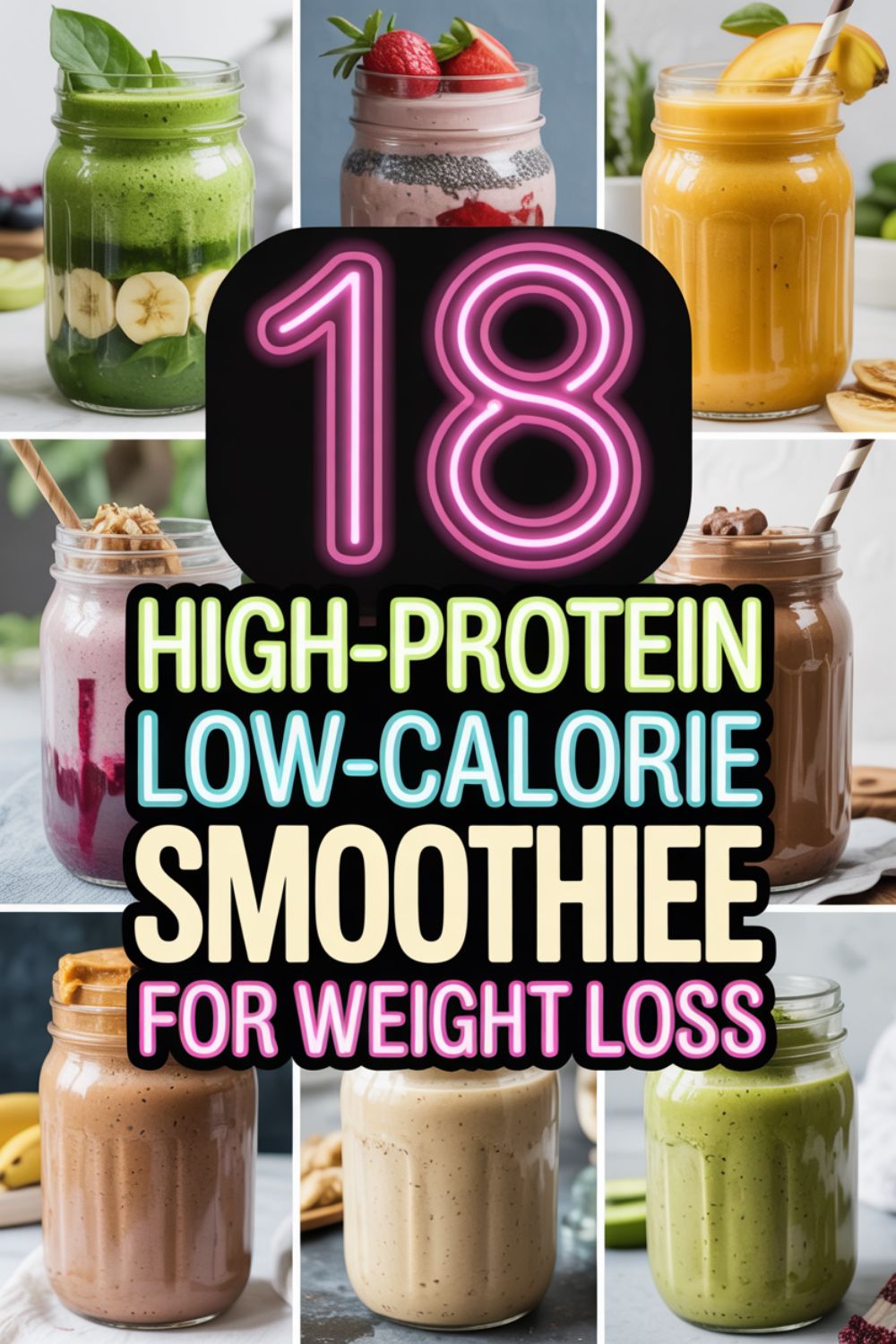
18 High-Protein Low-Calorie Smoothies for Weight Loss
Let’s get real—most smoothies labeled as “healthy” are basically milkshakes in disguise. You know the ones I’m talking about. They’ve got three bananas, a cup of juice, and enough peanut butter to fuel a marathon runner. Delicious? Absolutely. Helpful for weight loss? Not so much.
Here’s the thing: smoothies can be absolute powerhouses when you know how to build them right. I’m talking about drinks that actually keep you full, crush cravings, and support your weight loss goals without tasting like liquidized cardboard. The secret sauce? High protein and low calories—a combo that keeps your metabolism humming and your hunger hormones in check.
I’ve spent way too many mornings experimenting with my high-speed blender (seriously, it’s gotten more use than my coffee maker), and I’ve finally cracked the code. These 18 smoothies are the real deal—each one packs at least 20 grams of protein, stays under 300 calories, and actually tastes like something you’d want to drink. No chalky protein powder aftertaste, no sad green sludge that makes you question your life choices.
Why Protein Actually Matters for Weight Loss
Before we dive into the recipes, let’s talk about why protein is basically your weight loss BFF. According to Johns Hopkins Medicine, protein builds and maintains muscle mass while keeping you feeling full and satisfied—which means fewer trips to the vending machine at 3 PM.
Research shows that higher-protein, low-calorie diets may lead to greater weight loss, fat loss, and lean muscle retention compared to lower-protein approaches. Translation? You’re not just losing weight—you’re losing the right kind of weight while keeping that metabolism fired up.
Plus, let’s be honest—liquid calories get a bad rap, but smoothies are different. When you pack them with whole ingredients like Greek yogurt, leafy greens, and quality protein powder, you’re getting a nutrient-dense meal that won’t leave you starving an hour later. That’s assuming you build them correctly, which is exactly what we’re about to do.
The Protein Smoothie Blueprint
Here’s what separates a weight-loss-friendly smoothie from a calorie bomb: balance. Every smoothie needs four essential components, and once you understand this formula, you can basically create infinite variations without needing to follow a recipe.
Component 1: Quality Protein Source
This is your foundation. You need 20-30 grams per smoothie to keep you satisfied. Your best options include protein powder (whey, casein, or plant-based), Greek yogurt, cottage cheese, or silken tofu for the dairy-free crowd. I personally rotate between vanilla whey protein isolate and unflavored Greek yogurt depending on my mood.
One thing worth mentioning—whey vs. casein makes a difference in how you feel afterward. Whey digests quickly, making it perfect for post-workout recovery smoothies. Casein takes its sweet time, which is why it’s better for breakfast smoothies that need to keep you full until lunch. Choose based on when you’re drinking it.
Component 2: Liquid Base
Skip the juice. Seriously, just skip it. You’re looking at 120+ calories and 30 grams of sugar for basically no nutritional payoff. Instead, go with unsweetened almond milk, cashew milk, coconut water, or regular water if you’re keeping things simple. My personal favorite is unsweetened vanilla almond milk—adds flavor without the calorie hit.
Component 3: Fruits and Vegetables
This is where your vitamins, minerals, and fiber come from. Berries are your MVPs here—they’re naturally low in sugar compared to tropical fruits and loaded with antioxidants. Spinach and kale sneak in unnoticed (I swear you won’t taste them). Frozen cauliflower is an underrated hack for adding creaminess without calories.
Speaking of berries versus bananas—this matters more than you’d think. One medium banana packs about 105 calories and 27 grams of carbs. Half a cup of strawberries? Just 25 calories and way more vitamin C. I’m not saying never use bananas, but maybe use half instead of two whole ones.
Component 4: Healthy Fats and Extras
A tablespoon of almond butter, some chia seeds, or half an avocado keeps things creamy and helps you absorb fat-soluble vitamins. Plus, fat is satiating—it tells your brain you’ve actually eaten something substantial. Just watch your portions here because fats are calorie-dense. I use a measuring spoon set because eyeballing it is how you accidentally add 200 extra calories.
If you’re looking for complete meal plans that incorporate these smoothies alongside solid meals, check out our 7-day high-protein low-calorie meal plan for beginners. It’s basically a road map for people who want structure without feeling like they’re on some restrictive diet.
18 High-Protein Low-Calorie Smoothie Recipes
1. Classic Berry Protein Blast
This is my go-to when I need something fast and foolproof. Ingredients: 1 scoop vanilla protein powder, 1 cup unsweetened almond milk, 1 cup mixed frozen berries, handful of spinach, 1 tbsp ground flaxseed. Blend and you’re done. Comes out to about 210 calories with 25g protein.
The spinach thing sounds sketchy, I know, but the berries completely mask it. I’ve served this to skeptical friends who swore they’d never drink anything green, and they couldn’t even tell. For more breakfast inspiration that won’t derail your goals, try these low-calorie protein-packed breakfasts.
2. Chocolate Peanut Butter Power
When you need something that tastes like dessert but won’t destroy your progress. Mix 1 scoop chocolate protein powder, 1 cup unsweetened cashew milk, 1 tbsp natural peanut butter, 1 frozen banana, and a handful of ice. If you’re feeling fancy, add a pinch of sea salt—it somehow makes everything taste more intense. Stats: 285 calories, 28g protein.
Fair warning: natural peanut butter is not the same as regular peanut butter. The natural stuff separates and you have to stir it, which is mildly annoying, but it doesn’t have added sugar. I keep mine stored upside down in the fridge so the oil redistributes, and I use this peanut butter mixer tool because I’m lazy and my arm gets tired.
3. Green Goddess Detox
Don’t let the name fool you—this isn’t some trendy cleanse nonsense. It’s just packed with greens and actually keeps you full. What goes in: 1 cup plain Greek yogurt (the full-fat kind has more flavor), 1 cup coconut water, 1 cup spinach, 1/2 cup cucumber, 1/2 green apple, juice from half a lemon, fresh mint. Total damage: 195 calories, 20g protein.
The cucumber adds volume without calories, and the mint makes it taste fresh instead of swampy. If you’re into meal prepping smoothies alongside actual meals, our weekly meal prep guide breaks down exactly how to batch everything efficiently.
4. Tropical Protein Paradise
When you’re bored of berries and need something that tastes like vacation. Combine 1 scoop vanilla protein, 1 cup unsweetened coconut milk, 1/2 cup frozen mango chunks, 1/2 cup frozen pineapple, 1/4 cup silken tofu (trust me on this), and a squeeze of lime. You’re looking at 245 calories and 24g protein.
The tofu makes it insanely creamy without adding much flavor—it basically just absorbs whatever else is in there. Plus, according to research, tofu provides plant-based protein that blends smoothly into shakes and smoothies.
5. Cinnamon Roll Protein Shake
This one genuinely tastes like you’re drinking a cinnamon roll, which seems impossible but here we are. Blend 1 scoop vanilla protein powder, 1 cup unsweetened almond milk, 1/2 frozen banana, 1 tbsp almond butter, 1 tsp cinnamon, 1/4 tsp vanilla extract, ice. Nutrition breakdown: 270 calories, 26g protein.
The cinnamon is key here—don’t be shy with it. I probably use closer to 1.5 teaspoons because I’m apparently trying to turn into a cinnamon roll myself. If you need more quick meal ideas beyond smoothies, these high-protein wraps are clutch for busy days.
6. Coffee Protein Kickstart
For those mornings when you need caffeine and protein simultaneously. Mix 1 cup cold brew coffee, 1 scoop chocolate protein powder, 1/2 cup unsweetened almond milk, 1 tbsp cocoa powder, handful of ice, optional stevia if you need sweetness. Comes to about 180 calories with 25g protein.
I make a big batch of cold brew using this cold brew coffee maker every Sunday, and it lives in my fridge all week. Way cheaper than buying it, and you control the strength. Plus, the caffeine might give you a slight metabolic boost—though honestly, the main benefit is just not being a zombie until noon.
7. Strawberry Cheesecake Dream
This legitimately tastes like cheesecake and nobody believes me until they try it. You need 1/2 cup cottage cheese (stay with me here), 1 scoop vanilla protein powder, 1 cup frozen strawberries, 1/2 cup unsweetened vanilla almond milk, 1/4 tsp vanilla extract. The cottage cheese makes it ridiculously creamy and adds extra protein. Final count: 235 calories, 32g protein.
I know cottage cheese in a smoothie sounds weird, but you literally cannot taste it. The texture just becomes this thick, shake-like consistency that rivals anything you’d get at a restaurant. For more protein-packed ideas, check out our collection of high-protein snacks.
8. Chocolate Cherry Recovery
Perfect post-workout smoothie that tastes like a dessert. Blend 1 scoop chocolate protein powder, 1 cup tart cherry juice (get the unsweetened kind), 1/2 cup plain Greek yogurt, handful of frozen cherries, 1 tbsp cacao nibs. Research suggests that cherries can ease muscle soreness after workouts, making this an ideal recovery option. Calories: 290, Protein: 30g.
The cacao nibs add a subtle crunch and extra antioxidants. I buy them in bulk from a natural foods store online because they’re way overpriced at regular grocery stores. If you’re serious about post-workout nutrition, our muscle recovery recipes complement these smoothies perfectly.
9. Blueberry Muffin Protein Shake
Tastes exactly like a blueberry muffin without the 400-calorie price tag. Mix 1 scoop vanilla protein powder, 1 cup unsweetened almond milk, 3/4 cup frozen blueberries, 1/4 cup rolled oats, 1/2 tsp vanilla extract, dash of cinnamon. The oats make it super filling—this will carry you through until lunch easily. Numbers: 265 calories, 27g protein.
I throw the oats into my spice grinder for a few seconds first so they blend smoother, but you can skip this if you don’t mind a slightly chunkier texture. The fiber from the oats is a nice bonus that helps keep things moving, if you know what I mean.
10. Vanilla Matcha Energy Boost
When you need sustained energy without the coffee jitters. Combine 1 scoop vanilla protein powder, 1 cup unsweetened coconut milk, 1 tsp matcha powder, 1/2 frozen banana, handful of spinach, 1 tbsp hemp seeds. Matcha provides a gentler caffeine boost plus antioxidants. Totals: 240 calories, 24g protein.
Make sure you’re buying actual matcha powder and not some sweetened matcha latte mix—totally different things. Real matcha is just ground green tea leaves with nothing added. I use ceremonial grade matcha for smoothies because culinary grade tastes too bitter on its own.
Looking for more ways to incorporate protein throughout your day? These easy high-protein lunches pair perfectly with a morning smoothie routine.
11. Pumpkin Spice Protein Latte
Fall in a glass, available year-round because who says pumpkin is seasonal? Mix 1 scoop vanilla protein powder, 1 cup unsweetened almond milk, 1/4 cup pure pumpkin puree (not pumpkin pie filling), 1 tsp pumpkin pie spice, 1/2 tsp vanilla extract, handful of ice. Stats: 190 calories, 25g protein.
Canned pumpkin is wildly underrated—it’s loaded with fiber and vitamin A while being ridiculously low calorie. Just make sure you’re grabbing plain pumpkin, not the pie filling which has added sugar. There’s usually a can of each sitting next to each other on the shelf just waiting to confuse you.
12. Mint Chocolate Chip Protein Shake
Tastes like the ice cream, acts like a meal. Blend 1 scoop chocolate protein powder, 1 cup unsweetened almond milk, handful of fresh mint leaves (or 1/4 tsp peppermint extract), 1/2 frozen banana, 1 tbsp cacao nibs, handful of spinach. Breakdown: 235 calories, 26g protein.
Fresh mint is way better than extract here—extract can taste medicinal if you use too much. I keep a mint plant on my windowsill specifically for smoothies and mojitos, and it’s basically indestructible even if you forget to water it for a week.
13. Peach Cobbler Protein Shake
Summer vibes even in January. Combine 1 scoop vanilla protein powder, 1 cup unsweetened vanilla almond milk, 1 cup frozen peaches, 1/4 cup plain Greek yogurt, 1/4 tsp almond extract, dash of cinnamon, 2 tbsp rolled oats. Comes to: 275 calories, 29g protein.
The almond extract is the secret weapon here—just a tiny bit makes everything taste like you added actual almonds without the fat and calories. Be careful though, this stuff is potent. I learned the hard way that more is not better when I accidentally turned a smoothie into an extract bomb.
14. Raspberry Lemon Protein Cooler
Refreshing, tart, and surprisingly filling. Mix 1 scoop vanilla protein powder, 1 cup coconut water, 1 cup frozen raspberries, zest and juice from half a lemon, 1 tbsp chia seeds, handful of ice. The chia seeds expand and create this interesting texture while adding omega-3s and fiber. Totals: 215 calories, 24g protein.
Let it sit for five minutes after blending if you want the chia seeds to do their thing—they’ll thicken everything up into almost a pudding-like consistency. Or drink immediately if you prefer it thinner. I keep a bag of organic chia seeds in my pantry at all times because they’re incredibly versatile.
15. Banana Bread Protein Shake
Everything you love about banana bread without the hour of baking time. Blend 1 scoop vanilla protein powder, 1 cup unsweetened almond milk, 1 frozen banana, 1 tbsp almond butter, 1/2 tsp cinnamon, 1/4 tsp nutmeg, 2 tbsp rolled oats. Numbers: 295 calories, 27g protein.
This one is thick—like, spoon-thick. I actually eat it out of a bowl sometimes because it’s basically smoothie bowl consistency. If that’s not your thing, add more almond milk until it reaches your preferred drinkability. For more ideas on making meals feel substantial, check out these protein bowls you can prep ahead.
16. Mocha Almond Protein Shake
Coffee meets chocolate meets almond in the best possible way. Mix 1/2 cup cold brew coffee, 1/2 cup unsweetened almond milk, 1 scoop chocolate protein powder, 1 tbsp almond butter, 1 tsp cocoa powder, handful of ice. Final count: 260 calories, 28g protein.
The almond butter makes this super smooth and creamy. I’ve experimented with different nut butters here, and almond definitely works best flavor-wise. Peanut butter makes it taste weird with the coffee—learned that one the hard way.
17. Coconut Lime Protein Paradise
Transport yourself to a beach you’ve never been to. Combine 1 scoop vanilla protein powder, 1 cup coconut water, 1/2 cup frozen cauliflower rice (I promise you won’t taste it), 1/4 cup unsweetened coconut flakes, juice and zest from one lime, handful of ice. Stats: 220 calories, 25g protein.
The coconut flakes add texture and healthy fats while keeping calories reasonable. Just make sure you’re using unsweetened—the sweetened kind has way more sugar and totally changes the profile. I buy a big bag of unsweetened coconut flakes from the bulk section because it’s cheaper.
18. Apple Cinnamon Protein Shake
Like apple pie but you can drink it for breakfast without judgment. Blend 1 scoop vanilla protein powder, 1 cup unsweetened almond milk, 1/2 medium apple (I leave the skin on for extra fiber), 1 tbsp almond butter, 1 tsp cinnamon, 1/4 cup plain Greek yogurt, handful of ice. Breakdown: 270 calories, 30g protein.
Use a crisp apple variety like Granny Smith or Honeycrisp—they blend better and don’t turn everything brown and sad-looking. The tartness also balances out the sweetness from the protein powder nicely.
If you’ve made it through all 18 recipes and want even more variety, our 30 smoothies for energy collection has additional options you’ll probably love. Get Full Recipe for detailed nutritional breakdowns and variations for each one.
Kitchen Tools That Make Smoothie Life Easier
Here’s what actually matters in my kitchen after making literally hundreds of smoothies. These aren’t expensive or complicated, but they make the whole process less annoying.
High-Speed Blender
Look, you don’t need the $500 one. But you do need something with decent power that won’t leave chunks of spinach floating around. Mine was mid-range and has survived three years of daily abuse.
Glass Storage Containers
For prepping smoothie packs or storing leftover smoothie (yes, you can save it for later—just give it a good shake). Glass doesn’t absorb odors like plastic does, which matters when you’re alternating between chocolate and green smoothies.
Reusable Smoothie Cups
Get ones with lids and wide straws. The wide straw thing is crucial—you’ll understand the first time you try sucking a chia seed through a regular straw. Not fun.
Digital Food Scale
Portion control is everything when you’re watching calories. Measuring cups are fine for liquids, but a scale is way more accurate for things like protein powder and nut butters. Plus you can just toss ingredients straight into the blender cup on the scale—one less dish to wash.
Macro Tracking App
Whether it’s MyFitnessPal or something else, tracking what you’re actually consuming keeps you honest. I thought I was being accurate with portions until I started weighing things. Spoiler: I was not.
Smoothie Recipe E-Book Bundle
If you want even more variety beyond these 18, a good recipe collection can keep things interesting long-term. The best ones have nutritional info already calculated so you’re not spending forever plugging things into apps.
Common Smoothie Mistakes That Sabotage Weight Loss
Alright, let’s talk about the ways people accidentally turn their healthy smoothies into calorie bombs. I’ve made literally all of these mistakes, so consider this your shortcut past the learning curve.
Mistake 1: Fruit Overload
Fruit is healthy, sure, but it’s still sugar and calories. Three bananas, a mango, and a cup of pineapple might taste amazing, but you’re looking at 400+ calories and 80+ grams of sugar before you even add the other stuff. Stick to one cup of fruit maximum, and lean toward berries when possible—they have the best nutrient-to-calorie ratio.
Mistake 2: Liquid Calories You Didn’t Account For
Orange juice has 110 calories per cup. Regular milk has 150. Coconut milk from a can has 445 (yes, really). These add up fast. Always use unsweetened, low-calorie bases unless you’re specifically trying to add calories. Even then, there are better ways to do it than sugary juice.
Mistake 3: Heavy-Handed With Add-Ins
A tablespoon of almond butter is about 100 calories. A tablespoon of chia seeds is 60. A tablespoon of honey is 64. When you’re just dumping these in without measuring, you’re probably using 2-3 times what you think you are. Get measuring spoons and actually use them. Your weight loss will thank you.
Mistake 4: Protein Powder Problems
Not all protein powders are created equal. Some have 150 calories per scoop, others have 200+. Some are mostly protein, others are loaded with carbs and fats. Read the label carefully and calculate what you’re actually adding. I use an unflavored whey isolate with 110 calories and 25g protein per scoop—maximum protein for minimum calories.
Mistake 5: Drinking Your Smoothie Too Fast
This isn’t about calories, but it matters. Your brain needs about 20 minutes to register fullness. If you chug your smoothie in five minutes, you’ll feel hungry again way too soon. Sip it slowly, or eat it with a spoon if it’s thick enough. Let your body recognize that you’ve eaten something substantial.
If you’re working on improving your overall meal strategy beyond smoothies, our meal plans for beginners break down exactly how to structure your entire day.
Protein Powder: What Actually Matters
Since we’re talking about high-protein smoothies, let’s address the elephant in the room: protein powder. The market is completely overwhelming, and most people just grab whatever’s on sale or has the prettiest packaging. Here’s what you should actually care about.
Whey vs. Plant-Based: The Real Difference
Whey protein is dairy-based and has a complete amino acid profile—meaning it contains all the essential amino acids your body needs but can’t make on its own. It digests quickly, which makes it great post-workout. Plant-based proteins (pea, rice, hemp) are dairy-free and fine for vegans, but check the amino acid profile—some need to be combined with other protein sources to be “complete.”
Taste-wise? Whey typically tastes better and mixes smoother. Plant-based has improved a ton in recent years, but some people still find it grittier or earthier. Try sample sizes before committing to a giant tub of something you might hate.
What To Look For On The Label
Focus on these numbers: protein per serving (aim for at least 20g), calories per serving (should be under 150 for weight loss), sugar content (lower is better, ideally under 5g), and ingredient list (shorter is usually better). According to TIME’s analysis of protein supplements, choosing high-quality powder with minimal additives is crucial since these products aren’t strictly regulated by the FDA.
Avoid powders with proprietary blends—that usually means they’re hiding something. You want to know exactly what you’re putting in your body. Also skip anything with artificial colors. If your protein powder turns your smoothie bright blue or electric pink, that’s probably not great.
The Flavor Situation
You have two approaches here: buy unflavored and add your own flavors, or buy pre-flavored. I keep both. Unflavored for when I’m making fruit-heavy smoothies where I don’t need extra sweetness. Vanilla for everything else because it’s versatile. Chocolate is great but limits your options—you’re basically locked into chocolate-compatible flavor combinations.
Whatever you do, don’t buy some random flavor thinking you’ll love it. Nobody needs a 5-pound tub of “birthday cake” or “cookies and cream” protein powder sitting in their pantry, mocking them for the next year. Speaking from experience here.
Making Smoothies Actually Convenient
The biggest reason people quit making smoothies isn’t lack of willpower—it’s lack of convenience. When you’re rushing in the morning, the last thing you want to do is measure out seven ingredients while half-asleep. Here’s how to actually make this sustainable.
The Freezer Pack Method
Sunday meal prep time: grab some freezer-safe bags or containers. For each smoothie, portion out your frozen fruit, leafy greens, and any other non-liquid ingredients. Write the recipe name and the required liquid on the bag with a permanent marker. Morning of: dump contents into blender, add liquid and protein powder, blend. Done in under two minutes.
I usually prep 5-7 bags at once, which covers me for a full week. The time investment is about 20 minutes total, and it makes morning smoothies completely mindless. You can even prep two weeks’ worth if you have freezer space—these packs last for months.
The Protein Powder Station
Keep your protein powder, measuring spoons, and a protein powder funnel all in one spot. Mine lives on the counter next to my blender because if I have to dig through cabinets to find things, I’m way more likely to just skip the smoothie entirely and grab something less healthy.
Batch Your Liquid Bases
If you’re using homemade almond milk or coconut water, make enough for several days at once. Store it in the fridge in a pitcher or large jar. One less thing to think about each morning. I make a batch of cold brew coffee every Sunday too, so it’s ready to go for those coffee-based smoothies.
If you’re serious about efficient meal prep beyond smoothies, our 30 meals perfect for meal prep guide uses similar time-saving strategies for actual solid food.
When To Drink Your Smoothie
Timing matters more than most people think. These smoothies work differently depending on when you consume them, so let’s break it down.
As A Breakfast Replacement
This is probably the most common use case. A 250-300 calorie smoothie with 25-30g protein makes a solid breakfast that’ll keep you full until lunch—assuming you’re not someone who needs 600 calories to start the day. If you’re consistently starving by 10 AM, add some oats or an extra tablespoon of nut butter to increase satiety.
Pro move: pair your smoothie with a handful of roasted almonds or a hard-boiled egg if you need more substance. The combination of liquid + solid food tends to be more satisfying than liquid alone for some people.
Post-Workout Recovery
Within an hour after training is ideal. Your muscles are primed to absorb nutrients, and that protein helps with recovery and muscle building. Go for the faster-digesting options here—whey protein over casein, and keep the fat content lower since fat slows digestion. You want those nutrients getting to your muscles quickly.
The chocolate cherry or coffee protein smoothies work particularly well post-workout because they’re higher in simple carbs, which help replenish glycogen stores. For more recovery-focused nutrition, check out our post-workout recovery recipes.
As A Snack
Mid-afternoon when energy crashes and the vending machine starts looking tempting? That’s smoothie time. Go for something in the 150-200 calorie range—basically half-portions of any of these recipes. This prevents you from making poor choices later while keeping calories reasonable.
Before Bed (Yes, Really)
I know this sounds counterintuitive, but a small protein smoothie before bed can actually support fat loss and muscle retention—assuming it fits your daily calorie goals. Use casein protein or cottage cheese, which digest slowly overnight, providing your muscles with amino acids while you sleep. Keep it light though, maybe 150-200 calories max. The vanilla or chocolate casein versions work best here.
Dairy-Free and Vegan Modifications
Most of these recipes are easily modified for dairy-free or vegan diets. Here’s what to swap out when dairy isn’t your thing.
Protein Powder Alternatives
Instead of whey, use pea protein, rice protein, or hemp protein. Pea protein has the most complete amino acid profile of the plant-based options and is probably your best bet. Just be aware it has a distinct taste—works better in fruit-heavy smoothies than vanilla or chocolate ones.
You can also skip protein powder entirely and use silken tofu (12-15g protein per serving), hemp seeds (10g protein per 3 tablespoons), or a combination of nut butter and plant-based milk fortified with protein.
Dairy Swaps That Actually Work
Instead of Greek yogurt, use coconut yogurt or cashew yogurt—just check the protein content since some brands are basically just flavored coconut cream with minimal protein. Instead of regular milk, use pea protein milk, soy milk, or oat milk. Soy milk has the most protein (about 7g per cup) of the plant-based options.
Cottage cheese can be replaced with silken tofu or cashew cream (blend soaked cashews with water until smooth). The texture is slightly different but works fine in smoothies. For more plant-based high-protein options, our vegan meal collection has you covered.
Frequently Asked Questions
Can I meal prep smoothies for the whole week?
You can definitely prep the ingredients for the whole week using the freezer pack method I mentioned earlier. But blending them all at once and storing liquid smoothies? That gets questionable after day two. They separate, oxidize, and taste progressively worse. Your best bet is prepping ingredient packs and blending fresh each day—still only takes two minutes.
Will drinking only smoothies help me lose weight faster?
Technically yes, but it’s not sustainable or necessarily healthy. You’ll lose weight because you’re in a calorie deficit, but you’re also setting yourself up for nutrient deficiencies, intense cravings, and probably burning out after a week. Use these smoothies as part of a balanced approach—replace one meal per day max, and make sure you’re eating whole foods for your other meals. Check out Novant Health’s guidance on when smoothies should replace meals for a more nuanced take.
How do I stop my smoothie from separating?
Separation happens because the heavier ingredients sink and the lighter ones float—it’s just physics. The fix is adding ingredients with thickening properties like chia seeds, oats, or frozen cauliflower. These create a more stable emulsion that holds together longer. Also, drink it within 30 minutes of blending for best results. If it does separate, just shake it or stir it back together—no big deal.
Can I use fresh fruit instead of frozen?
Sure, but add ice to get that thick, cold smoothie texture. Frozen fruit is actually great for smoothies because it’s picked at peak ripeness and frozen immediately, which preserves nutrients. It’s also usually cheaper and you don’t have to worry about stuff going bad in your fridge. That said, fresh works fine if you prefer it—just adjust accordingly.
What if I don’t like the taste of protein powder?
You’ve got options. First, try different brands and flavors—they vary wildly in taste. Second, use unflavored and let your other ingredients provide the flavor. Third, skip protein powder entirely and use Greek yogurt, cottage cheese, silken tofu, or nut butter to boost protein. You might not hit 25-30g per smoothie this way, but 15-20g is still way better than zero.
Final Thoughts
Here’s the truth about weight loss: it’s not about finding the perfect smoothie recipe or the magic ingredient that makes everything easy. It’s about consistency, sustainability, and finding approaches that actually fit into your real life.
These 18 smoothies aren’t magic bullets. They’re tools—convenient, tasty, nutrient-dense tools that make hitting your protein goals and managing your calorie intake significantly easier. Some will become daily favorites. Others you’ll try once and never make again because your taste buds just don’t vibe with raspberry lemon or whatever. That’s completely fine.
The key is figuring out which 3-5 smoothies you actually enjoy enough to make regularly, then rotating those into your routine. Make big batches of the freezer packs I mentioned. Keep your tools organized. Track your intake for at least a few weeks to understand what’s actually going into your body. And most importantly, don’t make smoothies your entire diet—use them strategically as part of a balanced approach that includes whole foods, adequate sleep, and consistent activity.
Weight loss doesn’t need to be complicated or miserable. A good smoothie routine—one that’s actually sustainable—can be the difference between white-knuckling through another failed diet and making genuine progress while enjoying what you eat. These recipes are my best attempt at giving you that option.
Now go blend something delicious.
30-Day High-Protein
Low-Calorie Meal Plan
Every breakfast, lunch, dinner & snack — all 30 days fully mapped out. Just follow the plan.
- ✓50+ complete recipes with ingredients & step-by-step instructions
- ✓4-week day-by-day plans — every meal for all 30 days
- ✓4 weekly shopping lists organised by store section
- ✓Printable habit & progress tracker — 30 full days
- ✓100g+ protein per day — scientifically optimised macros
Instant PDF · Print at home
Results guaranteed with consistency