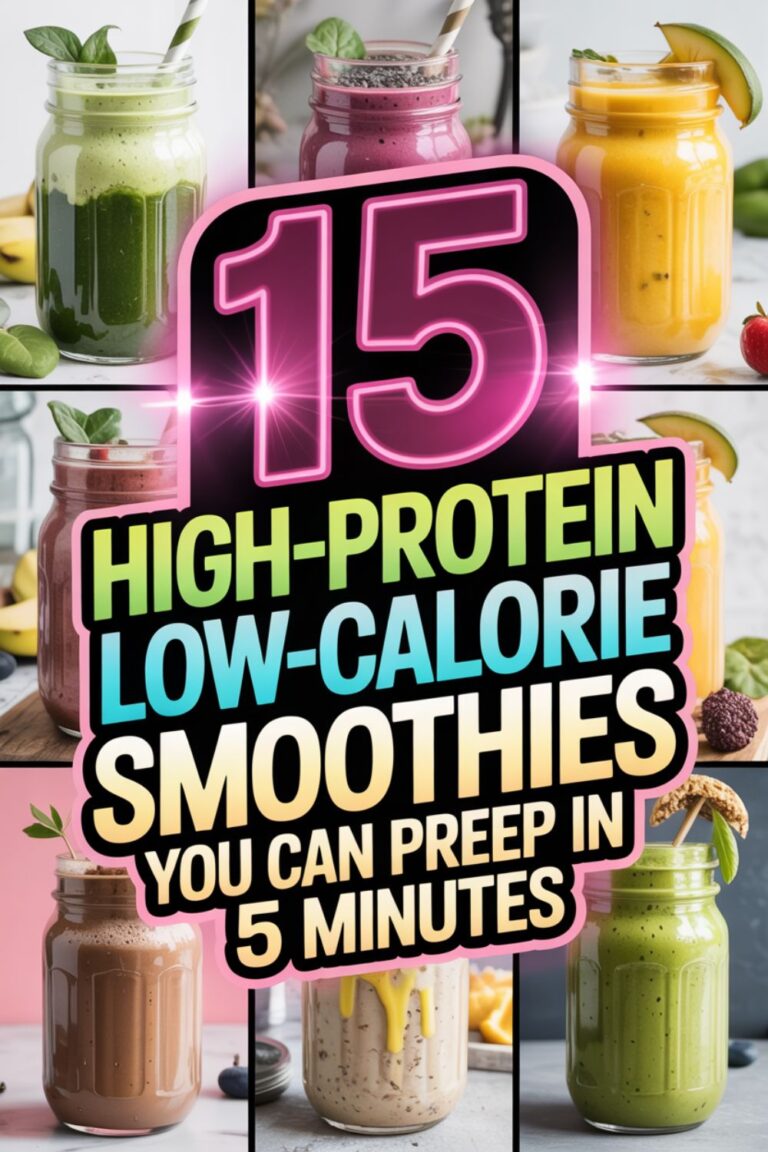
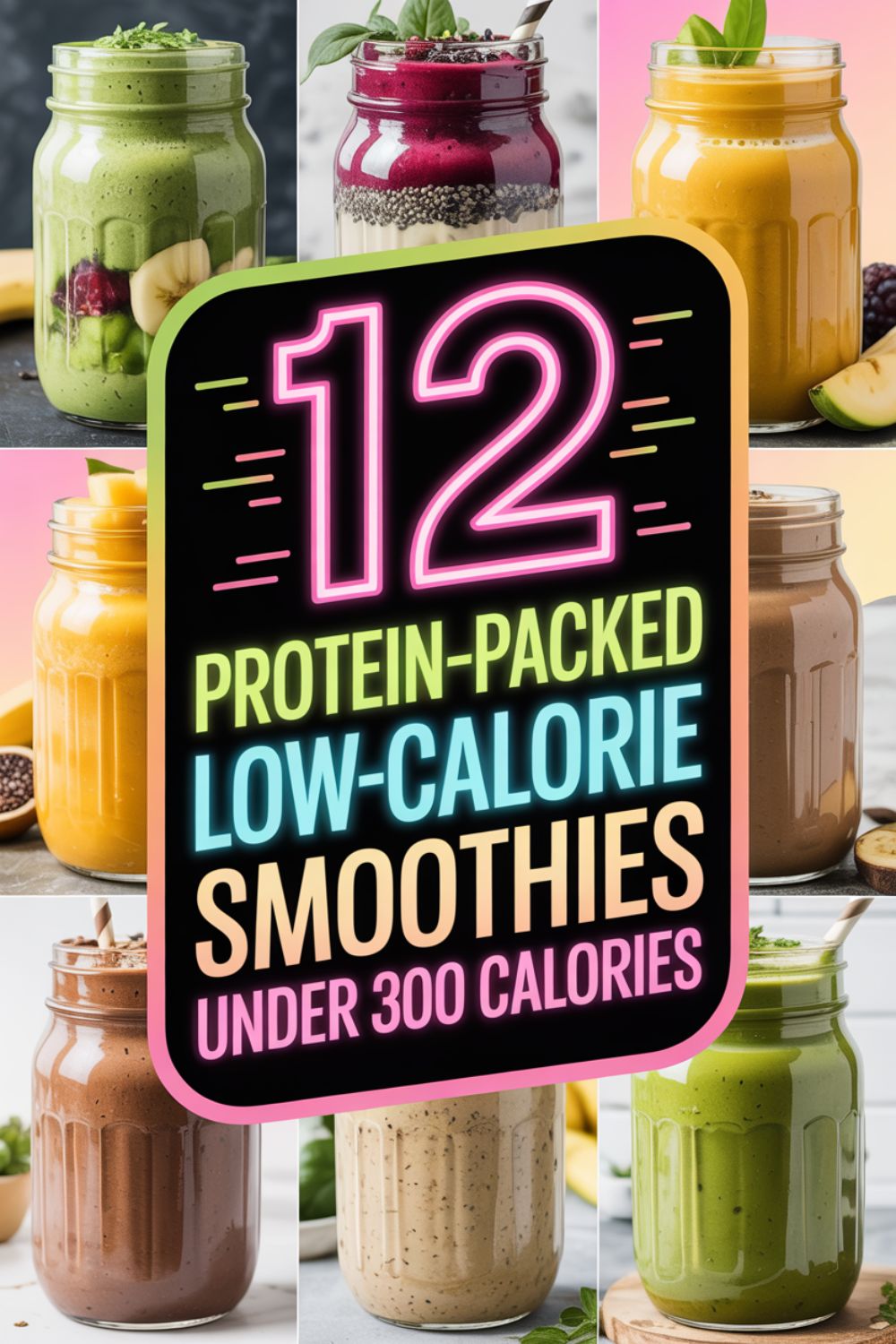
12 Protein-Packed Low-Calorie Smoothies Under 300 Calories
Look, I get it. You’re staring at your blender at 6 AM, trying to figure out how to make something that actually tastes good, keeps you full until lunch, and doesn’t blow your calorie budget before you’ve even started your day. Been there, done that, bought way too many protein powders that ended up collecting dust in the pantry.
Here’s the thing about low-calorie protein smoothies—they’re not all created equal. Some taste like chalky sadness, while others are basically milkshakes masquerading as health food. But when you nail the formula? Game changer. We’re talking smoothies that clock in under 300 calories, pack at least 20 grams of protein, and actually make you excited to get out of bed.
I’ve spent way too many mornings experimenting with ratios, testing flavor combos, and figuring out which ingredients deliver maximum satisfaction without the sugar crash. These twelve recipes are the keepers—the ones that made the cut after countless attempts.
Why Protein Matters in Your Morning Smoothie
Let’s talk science for a second without getting too nerdy about it. According to Johns Hopkins Medicine, protein builds and maintains muscle mass while helping you feel fuller longer. That’s not just marketing fluff—it’s the difference between being ravenous by 10 AM and cruising comfortably to lunch.
Here’s what most people miss: protein requirements are wildly personal. Someone training for a marathon needs more than someone with a desk job. But here’s a good rule of thumb—aim for at least 20-25 grams of protein per smoothie if you’re using it as a meal replacement. That sweet spot seems to hit the satiety jackpot without going overboard.
The beauty of smoothies is how sneaky you can be with protein sources. Sure, protein powder is the obvious choice, but Greek yogurt, cottage cheese, and even silken tofu can boost those numbers. I learned this trick after getting bored with my vanilla protein powder about three months in.
The Formula for Perfect Low-Calorie Protein Smoothies
Okay, time for the real talk. Every smoothie that actually works follows a basic blueprint. Master this, and you can freestyle with confidence.
The Base Layer
Your liquid is non-negotiable, but you’ve got options. Unsweetened almond milk clocks in at around 30-40 calories per cup—that’s your lowest calorie bet. Cashew milk is slightly creamier. Regular dairy milk packs more protein naturally but adds calories. Water works if you’re using Greek yogurt or other thick ingredients, but it won’t be as luscious.
I rotate between almond milk and this organic cashew milk depending on whether I want nutty or neutral flavor. The cashew version makes chocolate smoothies taste ridiculously good.
The Protein Punch
This is where the magic happens. Your options include protein powder (whey, plant-based, collagen), Greek yogurt, cottage cheese, or a combo. Research suggests that higher-protein, low-calorie approaches may lead to greater fat loss while maintaining lean muscle.
I keep three types of protein powder in rotation: vanilla whey for fruity smoothies, chocolate plant-based for dessert vibes, and unflavored collagen when I want maximum flexibility. That grass-fed whey isolate I picked up last month dissolves way better than the cheap stuff I used to buy.
The Fruit Factor
Berries are your best friend here—massive flavor, relatively low sugar compared to tropical fruits, and they blend into oblivion. A half cup of frozen mixed berries typically runs 40-50 calories. Bananas add creaminess but watch your portions; they’re calorie-dense.
The trick? Buy those reusable silicone freezer bags and prep fruit portions on Sunday. Your weekday morning self will thank you.
The Extras That Count
This is where you sneak in nutrition without adding bulk calories. Spinach or kale (you won’t taste it, I promise), chia seeds for omega-3s and fiber, a tablespoon of natural peanut butter for healthy fats, or a pinch of cinnamon for blood sugar support.
Want to know something wild? You can add riced cauliflower to smoothies. Sounds insane, tastes like nothing, adds volume and nutrients. Just use this high-speed blender because regular blenders leave chunks, and nobody wants that surprise.
If you’re looking for more ways to pack protein into your meals beyond smoothies, these low-calorie protein-packed breakfasts might give you some solid ideas for switching things up.
The 12 Smoothies That Actually Deliver
Alright, let’s get to the good stuff. Each of these smoothies keeps it under 300 calories, packs serious protein, and—most importantly—doesn’t taste like punishment.
1. Classic Berry Blast (285 calories, 28g protein)
This is my go-to when I’m running late. One cup unsweetened almond milk, one scoop vanilla whey protein, one cup frozen mixed berries, half a banana, and a handful of spinach. Blend until it’s purple and gorgeous. The berry flavor completely masks the spinach, and the banana makes it creamy without needing ice cream.
The beauty here is simplicity. No weird ingredients, nothing you need to special order. Just grab those organic frozen berry mixes from the freezer section and you’re golden.
2. Chocolate Peanut Butter Cup (290 calories, 26g protein)
This one tastes like dessert but works as breakfast. One cup unsweetened almond milk, one scoop chocolate protein powder, one tablespoon natural peanut butter, half a frozen banana, and a tablespoon of cacao powder. Get Full Recipe if you want the exact measurements and a version with optional add-ins.
Real talk—the quality of your peanut butter matters here. That natural stuff where oil separates on top? Yeah, that one. It’s not as sweet but blends better and doesn’t have the added sugar. I store mine upside down so I don’t have to stir it every time.
3. Green Protein Machine (260 calories, 24g protein)
Don’t let the color scare you. This is surprisingly sweet. One cup coconut water, one scoop vanilla protein, one cup spinach, half a cup pineapple chunks, half a green apple, and a squeeze of lime. The pineapple and apple combo is chef’s kiss.
Pro move: dice that apple with this ceramic knife set—stays sharper than metal, won’t brown your fruit as fast. Small thing, makes a difference.
4. Strawberry Cheesecake Dream (275 calories, 27g protein)
This is ridiculously good and feels way more indulgent than it is. One cup unsweetened almond milk, half cup low-fat cottage cheese, one cup frozen strawberries, half teaspoon vanilla extract, and optional stevia if you need more sweetness.
The cottage cheese sounds weird but creates this thick, creamy texture that’s basically cheesecake in a glass. Blend it well though—nobody wants curds. That’s where a decent blender earns its counter space.
5. Tropical Mango Protein (280 calories, 23g protein)
When you need a vacation in a cup. One cup light coconut milk, one scoop vanilla protein powder, three-quarters cup frozen mango chunks, quarter cup Greek yogurt, and a squeeze of lime. The coconut milk makes this taste like you’re somewhere with palm trees.
Speaking of coconut milk—get the canned stuff, not the carton. Different products entirely. The canned version is richer, and you only need a little. Store the rest in these glass storage containers in the fridge.
For more tropical inspiration that keeps the calories in check, check out these low-calorie high-protein salads that bring those island vibes to lunch.
6. Mocha Morning Fix (295 calories, 26g protein)
Coffee lovers, this one’s for you. One cup cold brew coffee, half cup unsweetened almond milk, one scoop chocolate protein powder, half frozen banana, and a tablespoon of cacao nibs for crunch. It’s your morning coffee and breakfast in one.
The cold brew is key—regular coffee can taste bitter when blended. Make a big batch with this cold brew maker and keep it in the fridge all week.
7. Vanilla Almond Joy (270 calories, 25g protein)
Tastes like the candy bar, works like breakfast. One cup unsweetened almond milk, one scoop vanilla protein, two tablespoons unsweetened shredded coconut, one tablespoon almond butter, half frozen banana, and optional sugar-free chocolate chips.
The coconut adds texture and flavor without many calories. Just make sure it’s unsweetened—the sweetened stuff is basically candy. Toast it lightly in a pan if you want extra flavor, but that’s optional.
8. Blueberry Muffin Smoothie (285 calories, 24g protein)
This seriously tastes like you’re drinking a blueberry muffin. One cup unsweetened almond milk, one scoop vanilla protein, one cup frozen blueberries, quarter cup oats, half teaspoon cinnamon, and a dash of vanilla extract. Get Full Recipe for the complete breakdown including my secret ingredient that makes it taste even more muffin-like.
The oats make this extra filling and add that baked good vibe. They also thicken it up nicely. Just use old-fashioned oats, not the instant stuff.
9. Cinnamon Roll Protein Shake (280 calories, 27g protein)
Okay, this one blew my mind when I first tried it. One cup unsweetened cashew milk, one scoop vanilla protein powder, half frozen banana, quarter teaspoon cinnamon, eighth teaspoon nutmeg, and a tiny pinch of cream cheese (yes, really—about a tablespoon).
That bit of cream cheese is the secret. It creates this rich, bakery-like flavor that’s completely worth the extra 50 calories. Blend it really well so it incorporates fully.
10. Cherry Vanilla Recovery (265 calories, 25g protein)
Perfect post-workout smoothie. One cup unsweetened almond milk, one scoop vanilla protein, one cup frozen cherries, quarter cup Greek yogurt, and optional collagen powder. Studies indicate that adequate protein intake may help reduce fat while preserving muscle, making this an ideal recovery choice.
Tart cherries have anti-inflammatory properties that help with muscle recovery. They’re also delicious. Win-win situation. Just pit them first if you’re using fresh—learned that lesson the hard way.
After crushing a workout, you might also want to explore these muscle recovery recipes for more post-gym fuel options.
11. Pumpkin Spice Protein (275 calories, 26g protein)
Not just for fall, despite what Instagram says. One cup unsweetened almond milk, one scoop vanilla protein, quarter cup pumpkin puree (not pie filling), half frozen banana, half teaspoon pumpkin pie spice, and a pinch of maple extract.
Real pumpkin puree is low-calorie, high-fiber, and adds creaminess. Keep a few cans in the pantry year-round. Store opened cans in those airtight containers I mentioned earlier.
12. Mint Chocolate Chip (290 calories, 24g protein)
This tastes like ice cream, I’m not even kidding. One cup unsweetened almond milk, one scoop chocolate protein, handful of fresh mint leaves (or quarter teaspoon mint extract), half frozen banana, handful of spinach for color, and optional sugar-free chocolate chips.
Fresh mint is way better than extract if you have it. Grow it in this indoor herb garden kit—mint basically grows itself and you’ll always have it on hand.
Kitchen Tools That Make These Smoothies Actually Happen
Look, I resisted buying “special” smoothie stuff for way too long. Then I realized the right tools mean I actually make smoothies instead of hitting the drive-through. Here’s what genuinely helps:
Physical Products:
- High-powered blender with pre-set smoothie function – Makes everything silky smooth, even frozen fruit and ice. No chunks, no regrets. Mine paid for itself in saved Starbucks runs within two months.
- Portion control smoothie cups with lids – These 16-ounce ones are perfect serving sizes and you can take them straight out the door. Spill-proof lids are non-negotiable if you commute.
- Silicone ice cube trays for leftover smoothie – Made too much? Pour extras into ice cube trays. Pop a few into tomorrow’s smoothie for instant thickness. Genius move I learned from YouTube.
Digital Resources:
- Macro tracking app with custom recipes – Track exactly what’s in your smoothies. Game-changer for hitting protein targets without guessing. The free version works fine.
- Printable smoothie prep planner – Lists ingredients, shopping needs, and prep steps. Sounds dorky but actually saves mental energy on Sunday afternoons when you’re meal prepping.
- Video course on smoothie nutrition optimization – Taught me which ingredients actually work together and which combos are just wasting calories. Worth the twenty bucks.
Common Smoothie Mistakes That Waste Calories
Let’s talk about what NOT to do, because I’ve made every mistake possible.
The Fruit Overload Trap
Fruit is healthy, but it’s not calorie-free. I used to throw in a whole banana, cup of mango, handful of berries, and some OJ. That’s easily 300+ calories just from fruit and sugar before adding protein. Now I stick to one fruit or one and a half servings max per smoothie.
Nutrition experts at Northwestern Medicine recommend balancing fruit with vegetables and protein to avoid blood sugar spikes.
The Nut Butter Spiral
Two tablespoons of peanut butter? That’s nearly 200 calories right there. I love nut butter as much as the next person, but measure it. Use an actual tablespoon, not that thing you call a tablespoon when you’re eyeballing it. Those magnetic measuring spoons stick to my fridge and make me actually measure.
The “Healthy” Add-In Creep
Chia seeds, flax, coconut oil, granola, honey, dates—individually fine, but together? You just made a 600-calorie smoothie. Pick one or two extras max. Everything else is just calorie bloat.
Need more ideas for keeping calories in check while still eating satisfying meals? These 5-ingredient high-protein recipes prove simple can be seriously delicious.
Customizing Smoothies for Your Goals
Not everyone wants the same thing from their smoothie. Here’s how to tweak these recipes based on what you’re after.
For Weight Loss
Keep it to 250-300 calories, prioritize protein (25-30g), add fiber (spinach, chia seeds), use water or unsweetened almond milk as your base, and skip dried fruit entirely. That stuff is calorie-dense candy.
I found the most success when I treated smoothies as meal replacements, not snacks. If you’re drinking a 300-calorie smoothie as a snack on top of regular meals, the math won’t math.
For Muscle Building
Bump calories to 350-400, increase protein to 30-40g, add carbs post-workout (banana, oats), include healthy fats (nut butter, avocado), and consider adding creatine if that’s your thing. This unflavored creatine monohydrate dissolves easily and doesn’t affect taste.
For Busy Mornings
Prep everything the night before in those mason jar smoothie prep containers—add all ingredients except liquid, store in fridge, dump in blender with liquid in the morning. Thirty seconds and you’re out the door. Get Full Recipe for my complete overnight prep system.
The key is making it stupid-easy. If it takes more than two minutes, you won’t do it when you’re rushing. That’s just real life.
Speaking of busy mornings, check out this complete 7-day breakfast plan that includes smoothie days and other quick high-protein options for variety.
Protein Powder: What Actually Matters
The protein powder aisle is overwhelming, so let’s simplify this. You basically have three categories: whey (dairy-based, fast-absorbing), plant-based (pea, rice, hemp blends), and casein (slow-digesting, good for night).
What to Look For
Ingredient list shorter than your grocery receipt, at least 20g protein per scoop, low sugar (under 5g), minimal artificial sweeteners (they can cause digestive issues), and third-party testing certification if you’re particular about quality.
I rotate between whey for convenience and plant-based when I’m feeling bloated. Both work fine. The “best” protein powder is the one you’ll actually use consistently.
Flavors That Work
Vanilla is most versatile—works with everything. Chocolate is great but limits your flavor combos. Unflavored seems boring but gives you total control. I keep vanilla and unflavored on hand, skip the weird flavors like birthday cake or cookies and cream.
That organic plant-based vanilla protein I’ve been using lately has a weirdly good texture—not gritty at all.
Making Smoothies Work Long-Term
Here’s the uncomfortable truth: smoothies only work if you keep making them. That means setting yourself up for sustainable success, not perfect Instagram moments.
The Sunday Prep Ritual
Every Sunday afternoon, I spend 20 minutes prepping smoothie ingredients for the week. Portion out frozen fruit into bags, wash and prep greens, make sure I have enough protein powder and nut butter, prep any mix-ins like chia seeds into small containers.
Those reusable snack-size bags are perfect for single servings of add-ins. Everything goes into one drawer in the freezer. Grab a bag, add liquid and protein, blend. Done.
Flavor Rotation Strategy
Don’t make the same smoothie every day. You’ll get bored and quit. I rotate through five favorites during the week, try one new recipe on weekends. Keeps things interesting without overwhelming my grocery budget or brain space.
The Backup Plan
Sometimes you’re out of frozen berries or forgot to buy spinach. Keep these freeze-dried fruit powders as backup. They last forever, take up no space, and work in a pinch. Not ideal, but better than skipping breakfast entirely.
Looking for more ways to prep efficiently? This weekly meal prep guide covers way more than smoothies and might revolutionize your whole approach.
Smoothie Myths That Need to Die
Let’s clear up some nonsense that’s floating around.
Myth: Smoothies Are Always Healthy
Nope. A 700-calorie smoothie loaded with fruit juice, honey, and granola is a milkshake, not health food. The blender doesn’t magically cancel calories. Most store-bought smoothies are sugar bombs.
Myth: You Need Expensive Superfoods
Maca powder, spirulina, acai—all fine, none necessary. Save your money. Frozen berries, spinach, and decent protein powder will get you 95% of the way there. The rest is marketing.
Myth: Smoothies Detox Your Body
Your liver and kidneys handle detoxing just fine. According to Houston Methodist dietitians, there’s no scientific evidence that smoothies provide special detox benefits beyond regular healthy eating.
Myth: Liquid Calories Don’t Fill You Up
This one’s tricky because it’s partly true—liquid calories can be less satiating than solid food. But a well-made protein smoothie with fiber and healthy fats? That actually works. The protein and fiber are key.
If you find smoothies don’t keep you full, add a tablespoon of chia seeds and wait five minutes before drinking. They’ll gel up and create more substance.
Troubleshooting Common Issues
Things go wrong. Here’s how to fix them.
Too Thick
Add liquid gradually, blend again. Don’t dump water in all at once—you’ll overcorrect and make soup. Go slow, tablespoon by tablespoon.
Too Thin
Throw in a handful of ice, frozen cauliflower rice, or more frozen fruit. That frozen cauliflower trick seriously works and adds basically no calories. Keep a bag in your freezer.
Tastes Chalky
Your protein powder sucks, or you used too much. Switch brands or cut the amount and add Greek yogurt instead. Also, blend longer—insufficient blending leaves that powdery texture.
Separates After Sitting
That’s just physics. Shake it before drinking. Or add a teaspoon of xanthan gum to keep things emulsified—sounds weird but works.
Makes You Bloated
Could be the protein powder (try switching types), dairy (go plant-based), too much fruit (cut back on portions), or artificial sweeteners (read labels). Or you’re drinking it too fast. Slow down, let your digestive system keep up.
For more meal ideas that won’t leave you feeling uncomfortable, these plant-based high-protein meals might work better if dairy’s the issue.
Frequently Asked Questions
Can I replace two meals a day with these smoothies?
Technically yes, practically maybe not. One meal replacement smoothie per day works great for most people. Two can get boring fast and might not provide enough variety in your diet. If you’re doing two smoothies daily, make sure they’re different flavor profiles and you’re still getting a solid meal for dinner with vegetables, protein, and whole foods. Your body needs variety, and your taste buds will revolt if every meal is liquid.
How long do these smoothies stay good in the fridge?
Best consumed immediately, but they’ll keep 24 hours in an airtight container in the fridge. Separation happens naturally—just shake before drinking. Don’t go beyond 24 hours though because the texture gets weird and nutrients degrade. Freeze them if you need longer storage, but the texture won’t be quite the same when thawed. I’ve tested this extensively because lazy Sunday me wants to prep for the whole week.
Why am I still hungry after drinking a protein smoothie?
Three likely culprits: not enough protein (aim for 25-30g minimum), drinking it too fast (your body needs time to register fullness), or insufficient fiber and healthy fats. Try adding a tablespoon of chia seeds or nut butter, and actually sit down while drinking it instead of chugging it in the car. Also, check your smoothie isn’t all fruit—that sugar spike and crash will leave you hungry fast.
Can I use regular ice instead of frozen fruit?
Sure, but your smoothie won’t taste as good. Frozen fruit provides flavor, natural sweetness, and thickness. Regular ice just dilutes everything and makes it taste watery. If you’re going the ice route, you’ll need to compensate with more fresh fruit, which adds calories. Frozen fruit is actually more convenient and often cheaper than fresh, so there’s really no advantage to the ice method unless you’re completely out of frozen options.
Do I need to count calories in vegetables like spinach?
Honestly? No. A cup of spinach is like 7 calories. The mental energy spent tracking it isn’t worth it. Same goes for kale or other leafy greens. Track your protein powder, fruit, nut butter, and liquid—those are where your calories live. Don’t make this harder than it needs to be. I learned this after spending way too much time in calorie tracking apps agonizing over whether I used one cup or one and a half cups of spinach. Meaningless difference.
The Real Talk on Protein Smoothies
Look, I’m not going to sit here and tell you that protein smoothies are some magical solution that’ll transform your life overnight. They’re not. What they ARE is a solid tool in your nutrition toolkit—one that’s convenient, customizable, and actually sustainable when you do it right.
These twelve recipes work because they follow a proven formula: adequate protein, controlled calories, real ingredients, and flavors that don’t make you want to cry into your blender at 6 AM. They’re practical meals for actual humans with jobs and responsibilities and limited morning brain function.
The key is finding three to five that you genuinely like and rotating through them. Don’t try to do all twelve at once. Don’t get obsessed with perfection. Just make a decent smoothie, drink it, move on with your day. That’s how this actually works long-term.
Will you mess some up? Absolutely. I still occasionally create disasters that get poured down the sink. Will you get tired of them sometimes? Probably. That’s when you switch to eggs for a week and come back. The goal isn’t smoothie perfection—it’s consistent, good-enough nutrition that supports your goals without making you miserable.
Start with one smoothie this week. Make it three times. See how you feel. If it works, great. If not, try a different recipe. Eventually you’ll land on a few favorites that become your go-to options, and boom—you’ve got a breakfast strategy that actually sticks.
That’s the real win here. Not the perfect Instagram smoothie, not the most impressive macros, not the fanciest ingredient list. Just reliable, protein-packed meals that get you from morning to lunch without drama. Sometimes the most boring approach is actually the most sustainable one.
30-Day High-Protein
Low-Calorie Meal Plan
Every breakfast, lunch, dinner & snack — all 30 days fully mapped out. Just follow the plan.
- ✓50+ complete recipes with ingredients & step-by-step instructions
- ✓4-week day-by-day plans — every meal for all 30 days
- ✓4 weekly shopping lists organised by store section
- ✓Printable habit & progress tracker — 30 full days
- ✓100g+ protein per day — scientifically optimised macros
Instant PDF · Print at home
Results guaranteed with consistency