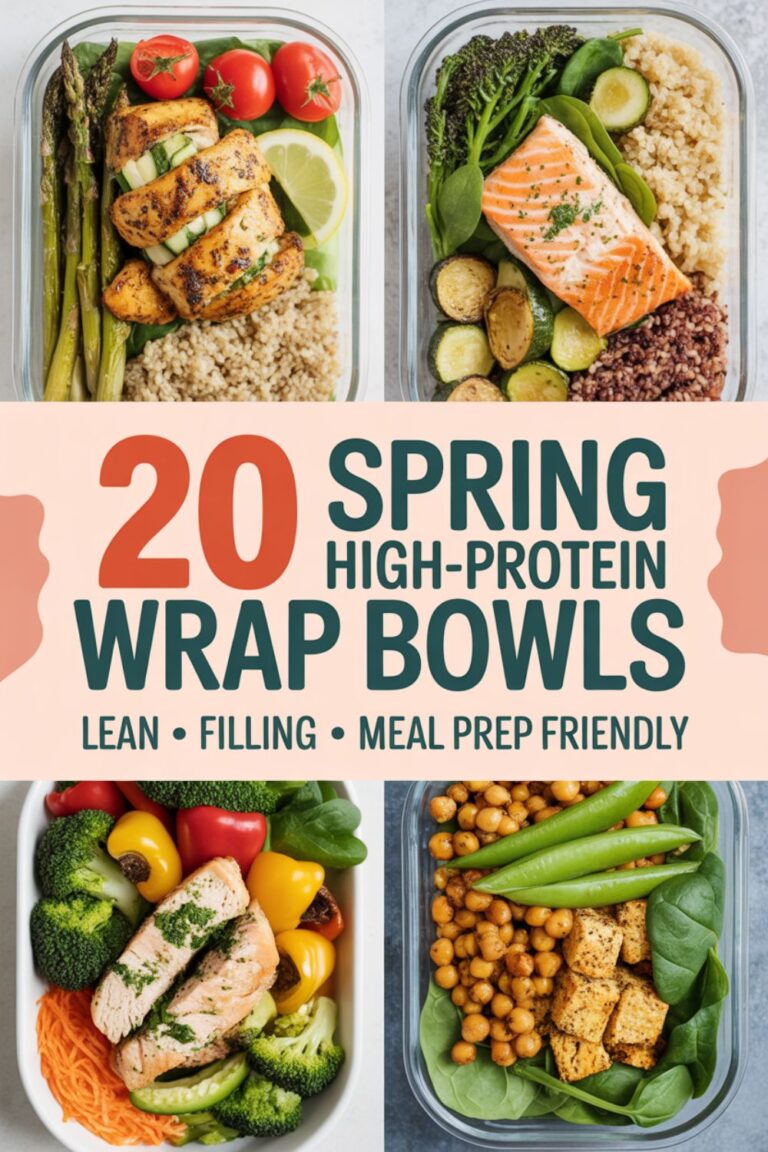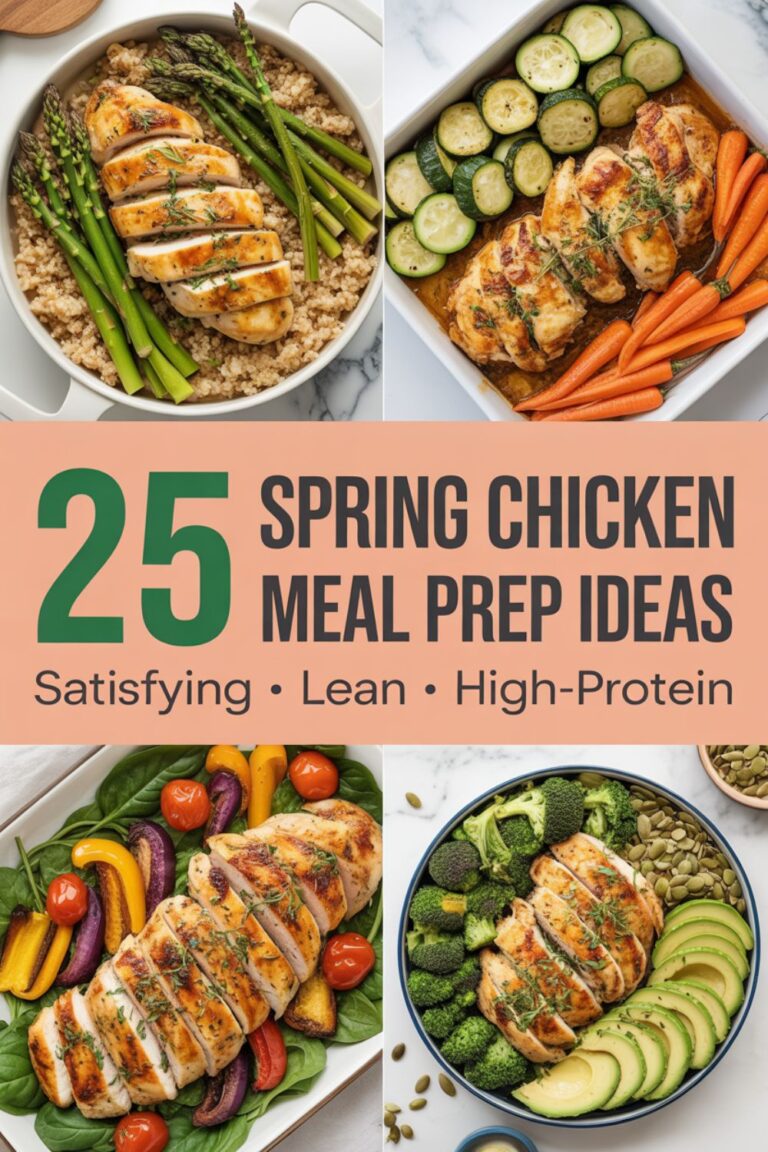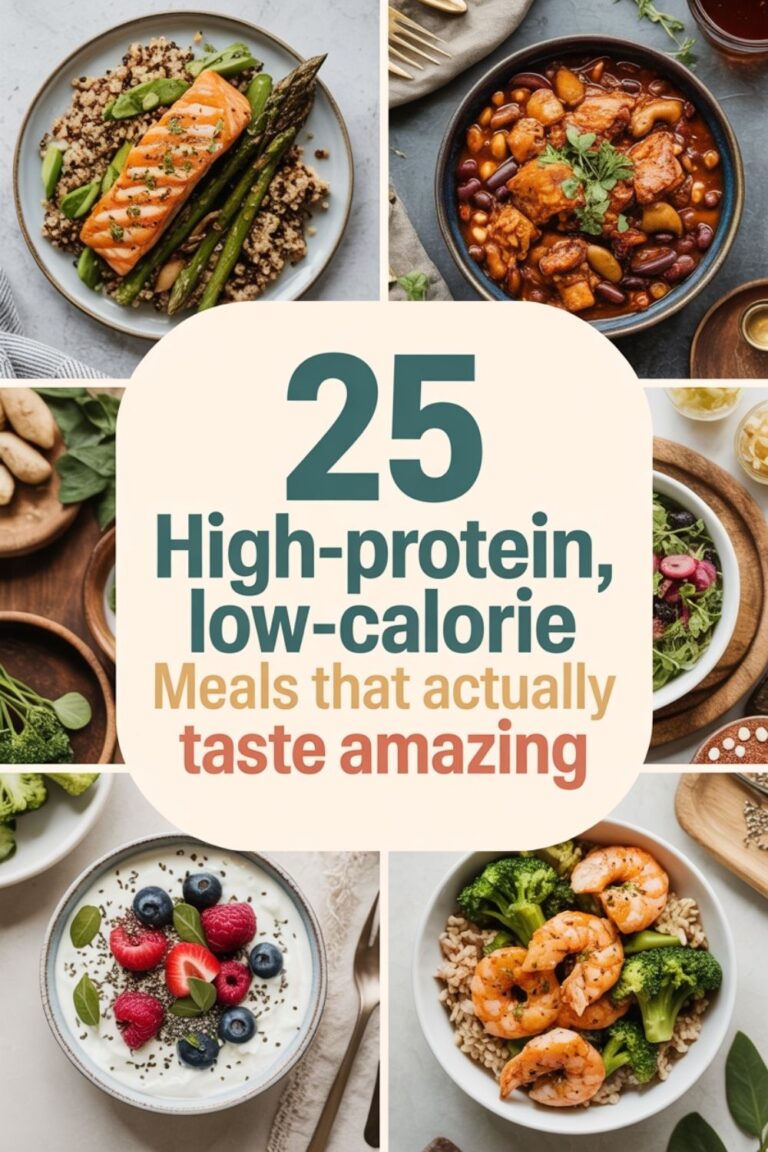
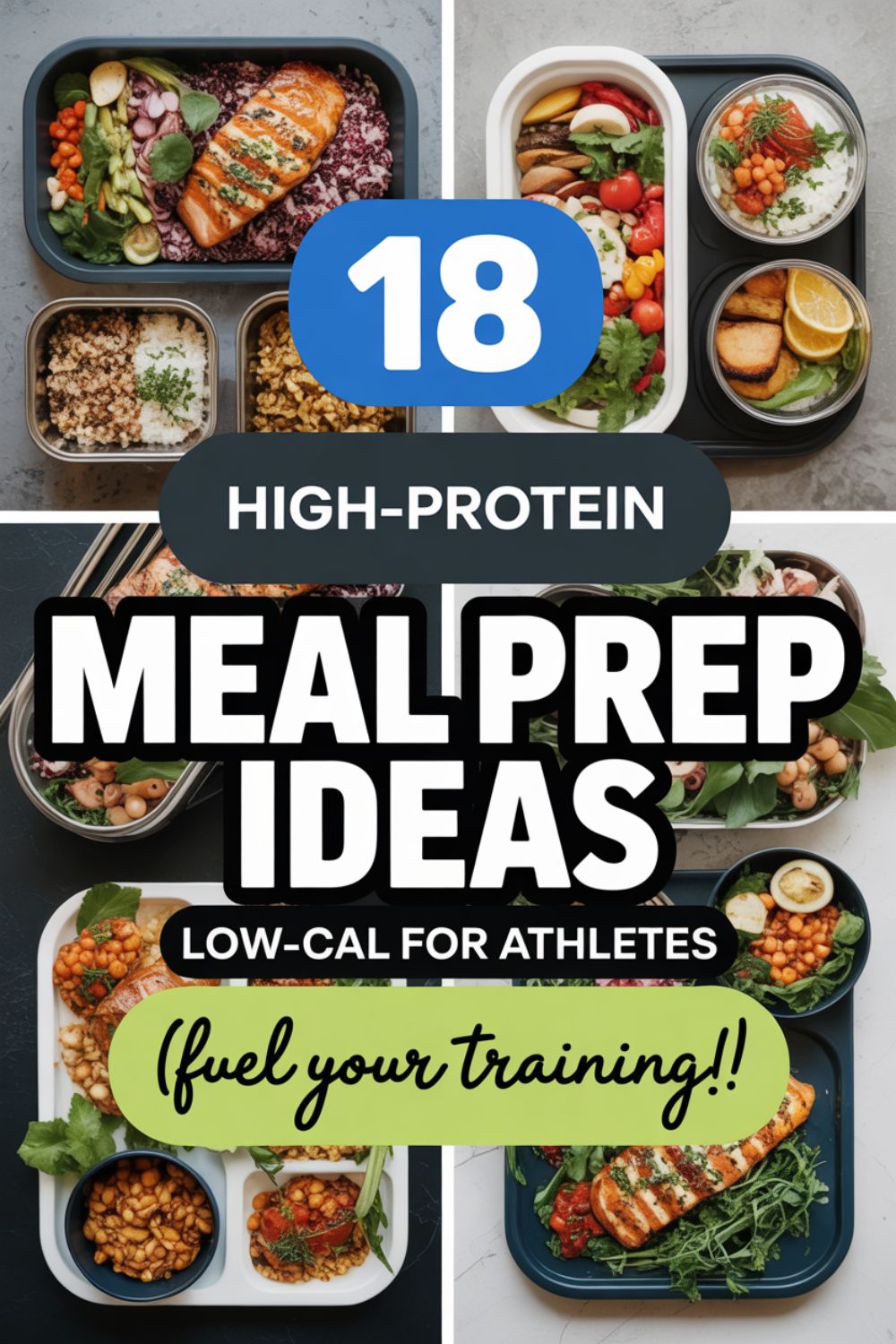
18 High-Protein Low-Calorie Meal Prep Ideas for Athletes
Look, if you’re an athlete who’s tired of eating the same bland chicken and broccoli combo for the fifth time this week, I feel you. Meal prepping doesn’t have to be a soul-crushing exercise in culinary monotony. Whether you’re training for a marathon, hitting the weights hard, or just trying to keep your athletic edge while juggling a busy schedule, you need meals that actually taste good and fuel your body properly.
Here’s the thing about high-protein, low-calorie meal prep—it’s not just about cramming as much chicken breast into containers as humanly possible. It’s about smart combinations that keep you satisfied, support muscle recovery, and don’t leave you feeling like you’re on some weird punishment diet. After years of experimenting in my own kitchen (and yeah, plenty of failures along the way), I’ve figured out what actually works.
Why Athletes Need to Think Beyond Basic Macros
Before we jump into the recipes, let’s talk real talk for a second. You’ve probably heard a million times that athletes need more protein than regular folks. That’s true, but it’s not the whole story. Research from the International Society of Sports Nutrition suggests that physically active individuals benefit from protein intakes between 1.4 to 2.0 grams per kilogram of body weight daily. That’s significantly more than what your couch-surfing buddy needs.
But here’s where it gets interesting—timing matters almost as much as total intake. Your muscles aren’t just waiting around all day for you to dump protein on them. They’re most receptive after training sessions. That’s when muscle protein synthesis kicks into high gear, and your body is basically screaming for nutrients.
The low-calorie part? That’s where things get tricky. You want enough fuel to perform, but not so much that you’re lugging around extra weight. It’s a balancing act, honestly. I’ve found that focusing on nutrient-dense foods—stuff that packs a lot of nutritional punch without massive calorie counts—makes this way easier.
The Meal Prep Mindset That Actually Works
Listen, I used to think meal prep meant spending my entire Sunday cooking like I was running a restaurant. Spoiler alert: that’s a recipe for burnout. Real meal prep is about working smarter, not harder. You want to prep components, not just complete meals.
What does that mean? Instead of making 15 identical chicken bowls, cook a bunch of proteins, roast different vegetables, prep some grains, and mix and match throughout the week. Your taste buds will thank you. Trust me, variety keeps you consistent, and consistency is what actually gets results.
Essential Kitchen Tools That Make Life Easier
You don’t need a million gadgets, but a few key items make meal prep so much smoother. I use these glass meal prep containers religiously—they’re microwave-safe, don’t absorb smells, and I can actually see what’s inside without playing food container roulette.
A good food scale is non-negotiable if you’re tracking macros seriously. Yeah, eyeballing portions sounds convenient, but your eyes are terrible at math. My digital kitchen scale has probably saved me thousands of calories in “oops, that was way more than I thought” moments.
And honestly? Get yourself a decent slow cooker or Instant Pot. Game changer for batch cooking proteins while you’re doing literally anything else. Speaking of which, if you’re looking for more hands-off cooking methods, check out these low-calorie high-protein Instant Pot recipes that basically cook themselves.
18 High-Protein Low-Calorie Meal Prep Ideas That Don’t Suck
1. Greek Chicken Power Bowls
Start with grilled chicken thighs (yeah, thighs—they’re more flavorful and stay moist better than breasts). Marinate them in lemon juice, oregano, garlic, and a tiny bit of olive oil. Pair with cucumber, tomatoes, red onion, and a small amount of feta cheese. The magic here is the tzatziki—make it with Greek yogurt for extra protein.
Here’s the nutrition breakdown: roughly 380 calories with 42g protein per serving. The Greek yogurt in the tzatziki adds another protein punch without loading up on calories. Pro tip: use this yogurt strainer to make your own thick Greek yogurt—it’s cheaper and you control what goes in it.
2. Spicy Tuna and Edamame Bowls
This one’s for my sushi-loving athletes. Mix canned tuna (the good kind, packed in water) with a little sriracha mayo, soy sauce, and rice vinegar. Serve over cauliflower rice with edamame, shredded carrots, and seaweed. It’s like a deconstructed poke bowl that costs way less.
At about 290 calories and 38g protein, this is seriously efficient. The edamame adds plant-based protein and fiber, keeping you full way longer than you’d expect for under 300 calories. If you’re into bowl-style meals, definitely explore these high-protein low-calorie bowls you can prep in under 20 minutes.
3. Turkey Meatball Marinara Prep
Ground turkey gets a bad rap for being dry, but that’s usually just poor cooking technique. Mix 93% lean ground turkey with egg whites, Italian seasoning, garlic, and a bit of parmesan. Bake them on a silicone baking mat—seriously, zero sticking and cleanup is a breeze.
Serve these over zucchini noodles with sugar-free marinara. You’re looking at 340 calories and 45g protein. The key is using good quality marinara or making your own—those pre-made sauces can be sugar bombs. Get Full Recipe.
4. Salmon and Asparagus Sheet Pan Magic
Sheet pan meals are the ultimate lazy cook’s dream. Season salmon fillets with lemon pepper, throw asparagus spears on the same pan with garlic and a tiny drizzle of olive oil, and roast everything at 400°F for about 15 minutes. Done.
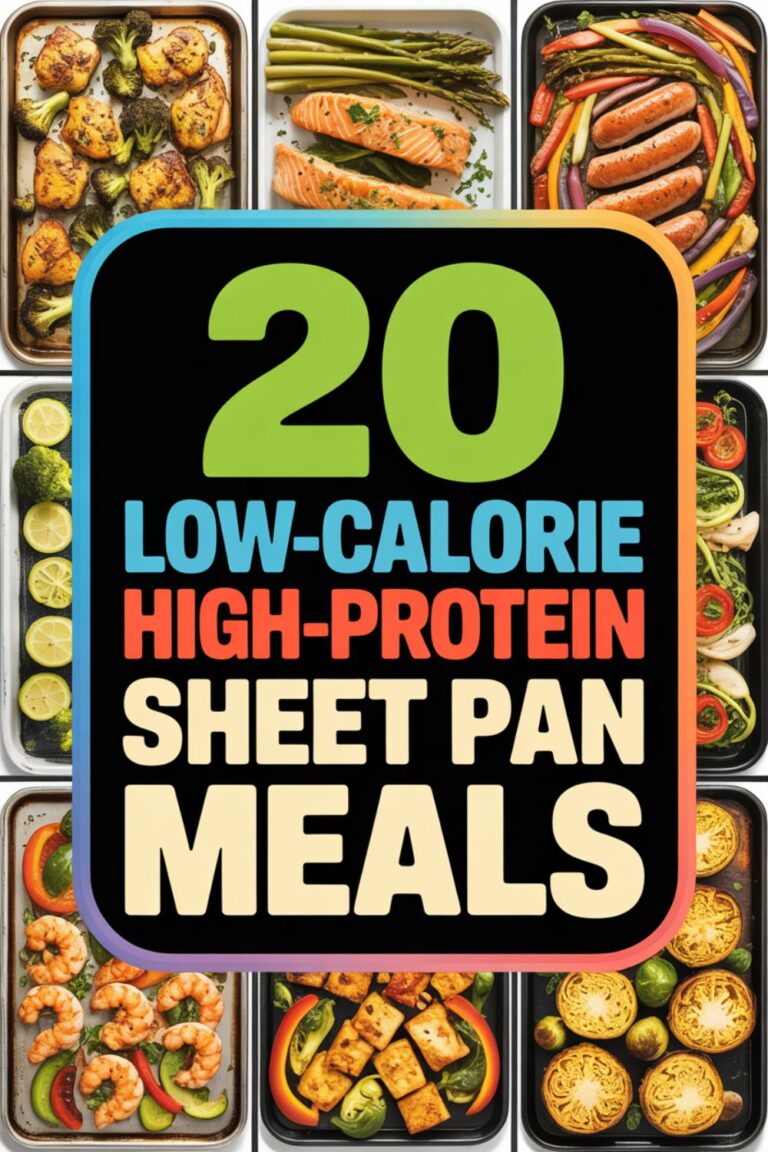
Wild-caught salmon brings omega-3s to the party along with 35g protein per serving at around 320 calories. I use these reusable parchment sheets because I hate scrubbing baking pans. For more sheet pan inspiration, these low-calorie high-protein sheet pan dinners are ridiculously easy.
5. Egg White Frittata Muffins
These are breakfast game-changers. Whisk together egg whites (or a combo of whole eggs and whites if you want more flavor), add diced bell peppers, spinach, turkey bacon bits, and a little cheese. Pour into silicone muffin cups and bake.
Each muffin is roughly 80 calories with 12g protein. Make a dozen on Sunday and you’ve got grab-and-go breakfast for days. They reheat beautifully in the microwave—30 seconds and you’re good.
6. Buffalo Chicken Lettuce Wraps
Shred rotisserie chicken (or meal prep some breasts in your Instant Pot), toss with buffalo sauce, and serve in butter lettuce cups with shredded carrots and celery. Top with a tiny drizzle of ranch made from Greek yogurt.
This hits about 250 calories and 32g protein per serving. The lettuce wraps keep it light but somehow still satisfying. It’s that buffalo sauce magic, I guess. If you’re craving more chicken ideas, check out these creative chicken meal preps.
For those busy weekdays when you barely have time to breathe, you might also appreciate these high-protein low-calorie slow cooker meals or simple 5-ingredient recipes that don’t require a culinary degree.
7. Lemon Herb Cod with Roasted Broccoli
Cod is criminally underrated. It’s lean, mild, and takes on flavors beautifully. Season with lemon zest, dill, garlic, and a pinch of salt. Roast alongside broccoli florets that you’ve tossed with garlic powder and just a whisper of olive oil.
Coming in at 280 calories and 40g protein, this is one of the leanest meal preps you can make. Cod is also usually more affordable than salmon, so your wallet wins too.
Connect With 5,000+ Athletes Who Meal Prep Smart
Stop meal prepping in isolation. Our WhatsApp community is where athletes share what’s actually working, troubleshoot prep disasters, swap recipes, and keep each other accountable.
Inside the community you’ll get:
- Weekly meal prep challenges with prizes and motivation
- Real-time advice from coaches and nutritionists
- Exclusive recipes not published anywhere else
- Shopping lists and macro calculators shared by members
- Before/after transformation stories from real athletes
- Group accountability that actually keeps you consistent
No spam, no sales pitches—just athletes helping athletes eat better and perform stronger. We keep it real, supportive, and actually useful.
8. Teriyaki Tofu and Veggie Stir-Fry
Not all athletes are carnivores, and tofu can absolutely deliver on protein. Press your extra-firm tofu (get yourself a tofu press, it’s worth it), cube it, and pan-fry until golden. Toss with homemade teriyaki sauce (soy sauce, ginger, garlic, a touch of honey, cornstarch to thicken).
Add snap peas, bell peppers, and mushrooms. At 320 calories and 28g protein, it’s solid. The fiber from all those veggies keeps you satisfied. For more plant-based options, explore these high-protein low-calorie vegan meals.
9. Cottage Cheese Protein Pancakes
Blend cottage cheese, oats, egg whites, vanilla extract, and cinnamon. Cook like regular pancakes. Top with berries and a tiny drizzle of sugar-free syrup. Prep a batch and freeze them with parchment paper between each pancake.
Three pancakes clock in at about 300 calories with 32g protein. They’re surprisingly fluffy and don’t taste “healthy” in that sad, cardboard way. I use this mini blender to whip up the batter super quick.
10. Shrimp and Cauliflower Rice Bowls
Shrimp is protein perfection—basically pure protein with almost zero fat. Season with cajun spices, sauté quickly, and serve over cauliflower rice that you’ve cooked with garlic and a little chicken broth. Add black beans and corn for fiber and texture.
This delivers 310 calories and 36g protein per bowl. Shrimp cooks so fast that even if you’re prepping just two days ahead instead of a full week, it’s totally doable. According to recent sports nutrition research, distributing protein intake throughout the day optimizes muscle protein synthesis—so meals like this help you hit those targets consistently.
11. Greek Yogurt Chicken Salad
Ditch the mayo and use plain Greek yogurt instead. Mix shredded chicken with Greek yogurt, diced celery, grapes, walnuts, and a little curry powder if you’re feeling adventurous. Serve over mixed greens or stuff into bell pepper halves.
At 290 calories and 38g protein, this is ridiculously versatile. You can eat it cold straight from the fridge, which makes it perfect for those days when you literally can’t even with cooking. Speaking of salads that actually satisfy, these low-calorie high-protein salad recipes are legitimately filling.
12. Bison Burger Bowls
Bison is leaner than beef but way more flavorful than turkey. Form into patties, season simply with salt, pepper, and garlic powder, and grill or pan-sear. Break them up over a base of mixed greens, add cherry tomatoes, pickles, red onion, and a small amount of shredded cheese.
Make your own “special sauce” with Greek yogurt, mustard, and a tiny bit of ketchup. You’re getting about 350 calories and 42g protein. It’s all the burger satisfaction without the bun calories.
13. Lemon Pepper Chicken Thighs with Green Beans
Season bone-in, skin-on chicken thighs with lemon pepper (or make your own with lemon zest and cracked pepper). Roast until the skin is crispy, then remove the skin before eating—you get the flavor without all the fat. Pair with steamed green beans tossed with garlic.
Even after removing the skin, you’re at 360 calories with 39g protein. The bone-in thighs stay incredibly juicy, so meal prep doesn’t mean dry, sad chicken for once. I use my instant-read thermometer to nail that perfect 165°F every time.
14. Turkey Chili with Beans
Brown ground turkey with onions and garlic, add diced tomatoes, kidney beans, black beans, chili powder, cumin, and a little cocoa powder (trust me on this). Let it simmer for 30 minutes or throw everything in your slow cooker for the day.
A hearty bowl comes in around 340 calories and 36g protein. The beans add fiber and complex carbs that actually help with recovery, especially after longer training sessions. Get Full Recipe.
15. Miso-Glazed Cod with Bok Choy
Mix white miso paste with a tiny bit of honey, rice vinegar, and sesame oil. Brush on cod fillets and broil for 8-10 minutes. Sauté bok choy with garlic and ginger as your side. This combo is umami heaven.
At 290 calories and 38g protein, it’s light but deeply satisfying. Miso brings probiotics to the table too, which is great for gut health—something athletes often overlook but probably shouldn’t.
16. Protein-Packed Overnight Oats
Mix oats with protein powder, chia seeds, Greek yogurt, and unsweetened almond milk. Let it sit overnight in the fridge. In the morning, top with berries and a few crushed almonds. I prep five jars on Sunday for weekday breakfasts.
Each jar is about 320 calories with 28g protein. It’s the perfect pre-workout breakfast that won’t sit heavy in your stomach. Use these glass mason jars for easy grab-and-go convenience.
17. Lemon Garlic Pork Tenderloin with Roasted Brussels Sprouts
Pork tenderloin is incredibly lean and cooks fast. Marinate in lemon juice, garlic, rosemary, and olive oil for at least an hour. Roast alongside halved Brussels sprouts that you’ve tossed with balsamic vinegar.
This delivers 340 calories and 41g protein. Pork tenderloin is honestly one of the most underrated proteins for meal prep—it’s tender, flavorful, and stays moist even after reheating.
18. Spinach and Feta Egg Bake
Whisk together whole eggs and egg whites (I usually do a 1:3 ratio), add tons of fresh spinach, crumbled feta, sun-dried tomatoes, and garlic. Pour into a baking dish and bake until set. Cut into squares and you’ve got breakfast or lunch for days.
Each square is approximately 180 calories with 18g protein. It reheats beautifully and travels well if you need to bring lunch to work or the gym. Get Full Recipe.
Vacuum Sealer System for Bulk Protein Storage
Stop losing expensive proteins to freezer burn. This vacuum sealer pays for itself after saving just 2-3 batches of bulk-bought chicken or fish. Extends shelf life 5x longer than regular freezer bags.
The Real Talk About Protein Timing
So you’ve got all these meal prep ideas, but when should you actually eat them? The whole “anabolic window” thing has been beaten to death, but there’s still some truth to strategic timing.
Research suggests that consuming protein within a few hours post-workout helps maximize muscle protein synthesis. But honestly? The total daily intake matters way more than stressing about downing a shake the second you finish your last rep. Spread your protein throughout the day—aim for 20-40g per meal if you can.
Your body can only synthesize so much muscle protein at once. Eating 100g of protein in one sitting doesn’t make you twice as muscular as eating 50g—it just means you’ve got expensive pee. Better to distribute it across 4-5 meals throughout your day.
Pre-Workout vs. Post-Workout Meals
Pre-workout, you want something that won’t sit heavy. The overnight oats or egg white frittata muffins work great here—enough protein to prevent muscle breakdown during training, but not so much food that you feel sluggish.
Post-workout is when you can get away with slightly larger portions. Your muscles are basically begging for nutrients. That’s when I’ll have the bigger protein bowls or the salmon with asparagus. The combination of protein and carbs (even low-carb veggies) helps with recovery.
If you’re trying to specifically target muscle recovery after tough sessions, these low-calorie high-protein recipes for muscle recovery are designed with that exact purpose in mind.
Making It Work for Your Life
Here’s where most meal prep advice falls apart—it assumes you have unlimited time, energy, and motivation. Real life doesn’t work that way. Some weeks you’re on top of everything, other weeks you’re lucky if you remember to eat at all.
Start small. Don’t try to prep 21 perfect meals on your first Sunday. Pick three recipes, make enough for three days, and see how it goes. You can always add more as you get comfortable with the routine. The goal is consistency, not perfection.
I rotate through about 10-12 core recipes depending on what’s on sale and what I’m craving. Some weeks I’m all about the salmon and asparagus, other weeks I can’t get enough of those buffalo chicken wraps. Listen to your body and keep it interesting.
Complete Meal Prep Container Set – Game Changer for Athletes
After trying probably a dozen different container systems, I finally found what actually works for serious meal preppers. This isn’t just about storing food—it’s about having a system that makes the entire process smoother.
Why this container set solves real problems:
- Leak-proof lids that actually stay sealed (yes, even with liquids)
- Stackable design saves 40% more fridge space than random containers
- Microwave, dishwasher, and freezer safe—no babying required
- Clear glass lets you see exactly what’s inside without opening
- Multiple compartments keep proteins separate from wet ingredients
- BPA-free and won’t absorb food odors or stains over time
The three-compartment design means your carefully prepped chicken doesn’t get soggy from sitting next to vegetables all week. And honestly, the fact that these are actually dishwasher-safe (unlike those cheap plastic ones that warp) means I actually clean and reuse them instead of letting them pile up.
Budget-Friendly Protein Sources
Let’s be honest—eating high protein can get expensive fast. But it doesn’t have to bankrupt you. Eggs are ridiculously cheap and versatile. Canned tuna and salmon are affordable protein powerhouses. Chicken thighs cost less than breasts and taste better, IMO.
Ground turkey goes on sale frequently, and you can bulk cook a ton of it for multiple recipes throughout the week. Greek yogurt in the big tubs costs way less per serving than individual containers. Frozen vegetables are just as nutritious as fresh and never go bad.
Buy in bulk when you can. I get my oats, brown rice, and quinoa in huge bags from warehouse stores. Same with frozen proteins when they’re on sale—my freezer is basically a protein vault. Use vacuum seal bags to prevent freezer burn and extend shelf life.
Storage Tips That Actually Matter
Not all meals store equally well. Fish is best eaten within 2-3 days of cooking. Chicken can stretch to 4-5 days if stored properly. Ground meat dishes like the turkey chili actually improve over time as flavors meld.
Keep your proteins and veggies separate when possible. Soggy vegetables are the worst, and nobody wants to eat mushy broccoli on day five. I use divided containers or pack components separately and assemble when I’m ready to eat.
Label everything with dates. I know it seems obvious, but trust me, after a few weeks of meal prepping, all those containers start looking the same. A roll of masking tape and a marker are your friends here.
Common Meal Prep Mistakes (That I’ve Definitely Made)
Overcooking proteins is probably the number one way to ruin meal prep. Dry chicken is sad chicken. Use a meat thermometer and pull everything off heat a few degrees before it hits the target temp—carryover cooking is real.
Under-seasoning is another classic mistake. Your food needs to be flavorful enough to be appealing days later. Don’t be shy with herbs, spices, and aromatics. Bland food equals abandoned meal prep containers in the back of your fridge.
Trying to prep too many different recipes at once is a recipe for overwhelm (see what I did there?). Stick to 3-4 recipes max per prep session. You can always add variety by mixing up your sides or changing up sauces.
When Meal Prep Gets Boring
It happens to everyone. You’re cruising along, meal prep is going great, and then suddenly you’d rather eat your gym shoe than another chicken bowl. This is normal. Don’t push through and force yourself to eat food you’re not enjoying—that’s how people quit.
Switch it up. Try a completely new protein you haven’t worked with before. Experiment with different cuisine styles—go from Italian to Asian to Mediterranean. The base nutritional profile can stay the same while the flavors completely change.
Sometimes I’ll just change the sauce or seasoning blend and it feels like a whole new meal. Teriyaki one week, buffalo the next, then lemon herb—same chicken, totally different experience. If you’re hitting a wall with ideas, checking out these meal ideas for weight loss beginners might spark some creativity.
The Bigger Picture: Nutrition Beyond Just Protein
While we’re focusing on high-protein, low-calorie meals here, don’t forget that athletes need a balanced approach. Protein is crucial, absolutely, but carbs aren’t the enemy—they’re literally your body’s preferred fuel source for high-intensity training.
Healthy fats matter too, even when you’re watching calories. Your hormones need fat to function properly. That’s why even in these “low-calorie” meals, there’s always a bit of fat from olive oil, nuts, or fatty fish. You don’t need much, but you do need some.
Micronutrients—vitamins and minerals—are often overlooked but play huge roles in athletic performance and recovery. This is why packing your meals with colorful vegetables isn’t just about volume; those veggies bring nutrients that support everything from bone health to immune function.
Hydration and Recovery
No amount of perfect meal prep will save you if you’re chronically dehydrated. Water impacts everything—performance, recovery, digestion, even how full you feel from meals. Keep a good water bottle with you constantly.
Some of my meal preps include smoothies because they’re an easy way to sneak in extra hydration along with protein. If you’re looking for liquid meal options, these low-calorie high-protein smoothies are actually really good.
Recovery isn’t just about what you eat immediately post-workout. It’s about consistently fueling your body with quality nutrition day after day. That’s where meal prep becomes less about individual meals and more about creating a sustainable system.
Get Daily Meal Prep Tips & Recipe Updates on WhatsApp
Want fresh meal prep ideas delivered straight to your phone? Join our WhatsApp channel where we share daily tips, quick recipes, grocery hacks, and motivation to keep your meal prep game strong.
What you’ll receive in the channel:
- Daily high-protein recipe ideas sent every morning
- Weekend meal prep planning guides and schedules
- Flash deals on kitchen equipment and supplements
- Nutrition tips specifically for athletic performance
- Meal prep troubleshooting and quick fixes
- Member-only discounts on meal prep tools and courses
It’s completely free, no commitment required. You can mute or leave anytime, but honestly, most athletes find the daily inspiration keeps them way more consistent with their prep routine.
Supplements vs. Whole Foods: The Honest Take
Let’s address the elephant in the room—protein powders and supplements. Do you actually need them if you’re meal prepping like this? Short answer: probably not, but they can be convenient.
Whole food sources of protein come packaged with other nutrients that supplements can’t replicate. That chicken breast isn’t just protein—it’s got B vitamins, selenium, and other micronutrients your body needs. Same with fish, eggs, and even tofu. You’re getting way more bang for your caloric buck.
That said, I’m not anti-supplement. There are times when a protein shake makes life easier—early morning before training, immediately post-workout when you’re not hungry yet, or when you’re traveling and whole food options are limited. Just don’t use supplements as a replacement for actual meals when you have the option to eat real food.
Reading Nutrition Labels Like a Pro
If you’re serious about high-protein, low-calorie eating, you need to become a label detective. Marketing claims on the front of packages are basically meaningless. Flip that thing over and look at the actual nutrition facts.
Watch out for sneaky added sugars, especially in things marketed as “healthy” like yogurts, protein bars, and pre-made sauces. That Greek yogurt might have 15g of protein, but if it also has 20g of added sugar, you’re not doing yourself any favors.
Pay attention to serving sizes too. Sometimes what looks like a reasonable calorie count is actually for half the container. Yeah, that protein bar is only 200 calories—per serving. And there are 2.5 servings in the package. Math matters, folks.
Adjusting Portions Based on Training Load
Not every training day is created equal, and your meals shouldn’t be either. On heavy lifting days or after long cardio sessions, you need more food—especially carbs—than on rest or light training days. This is where having meal prep components ready to mix and match becomes clutch.
Rest days? Stick to the base recipes as written. They’re designed to be satisfying without being excessive. Heavy training days? Add a serving of quinoa, sweet potato, or extra fruit to your meals. You’re not “cheating” or “going off plan”—you’re intelligently fueling increased activity.
Some athletes get way too rigid with meal prep, eating the exact same amounts regardless of training demands. That’s not strategic—it’s just inflexible. Your body’s needs change day to day. Listen to legitimate hunger cues and adjust accordingly. There’s a difference between emotional eating and actually needing more fuel.
The Role of Carbs in Athletic Performance
Since we’re focusing on low-calorie meals here, carbs often get minimized. But let’s be clear—carbs aren’t evil, and athletes especially need them. The meals I’ve outlined include vegetables and some whole grains specifically because performance matters.
If you’re training intensely and trying to subsist on pure protein and fat, you’re going to feel like garbage. Your glycogen stores will be depleted, your workouts will suffer, and you’ll be irritable as hell. Ask me how I know (spoiler: I learned this the hard way).
The key is choosing quality carb sources—vegetables, fruits, whole grains, legumes—rather than refined junk. These provide sustained energy along with fiber, vitamins, and minerals. Even in “low-calorie” meal prep, there’s room for smart carb choices that support your training.
Dealing with Social Situations and Meal Prep
Here’s a reality check: meal prepping doesn’t mean you can never eat spontaneously or enjoy meals with friends and family. The goal is having healthy defaults available, not imprisoning yourself in a tupperware jail.
If someone invites you out to dinner, go. Enjoy it. Order something that’s reasonably aligned with your goals, but don’t be that person who brings their meal prep container to a restaurant. That’s not dedication—that’s disordered behavior disguised as discipline.
I typically meal prep Monday through Friday lunches and have a few dinner options ready, but weekends are more flexible. This gives me structure during busy weekdays while maintaining a normal social life. Sustainability isn’t just about the food—it’s about maintaining relationships and actually enjoying your life.
Traveling as an Athlete Who Meal Preps
Travel throws a wrench in even the best meal prep routine. You can’t exactly TSA-approve a week’s worth of containers. But you can strategize. I pack protein powder, individual nut butter packets, and protein bars as backups. Not ideal, but better than airport pizza for the third meal in a row.
When you get to your destination, hit a grocery store. Many hotels have mini fridges and microwaves. You can buy rotisserie chicken, pre-cut vegetables, Greek yogurt, and fruit to assemble simple high-protein meals in your room. It’s not traditional meal prep, but it’s the same principle—being prepared instead of defaulting to whatever’s convenient.
Some of my travel go-tos: canned tuna or salmon packets, microwaveable quinoa cups, string cheese, hard-boiled eggs from hotel breakfast bars, and yes, more protein bars than I’d like to admit. You won’t eat perfectly on the road, and that’s fine. The goal is good enough, not perfect.
Tracking Progress Without Obsessing
Should you track your macros and calories? It depends on your goals and personality. Some athletes benefit from tracking, at least initially, to understand portion sizes and protein distribution. Others find it triggers unhealthy obsession and should skip it entirely.
If you do track, use it as a learning tool, not a permanent crutch. Track for a few weeks to calibrate what appropriate portions look like, then trust yourself to maintain those habits without constant logging. The point is developing sustainable habits, not creating a second job out of documenting every bite.
Pay attention to performance metrics too—how you feel during workouts, recovery time, energy levels, and yes, how your clothes fit. The scale is one data point, not the whole story. I’ve had athletes whose weight stayed the same while their body composition dramatically improved. Numbers don’t tell the complete picture.
When to Adjust Your Approach
If you’ve been consistently meal prepping these high-protein, low-calorie meals for several weeks and you’re constantly hungry, exhausted, or your performance is tanking—you need more food. Low-calorie doesn’t mean starvation. These meals should satisfy you while supporting your training, not leave you miserable.
On the flip side, if you’re not seeing any progress toward your goals after giving it an honest 4-6 weeks, you might need fewer calories or need to reassess portion sizes. Be honest about sneaky calories that creep in—that “small” handful of nuts, the bites you take while cooking, the cream in your coffee.
Your needs will also change as your training changes. Pre-season, in-season, off-season—these all have different demands. The meal prep strategy that works during low-intensity off-season training might leave you depleted during competition season. Adjust accordingly and don’t be afraid to experiment.
Building Your Meal Prep Grocery List
Want to know what’s always in my cart? Here’s the reality of what supports consistent meal prep. For proteins: chicken thighs and breasts, ground turkey, eggs, canned tuna, salmon fillets, extra-firm tofu, and whatever’s on sale that week. I shop sales aggressively and adjust recipes based on what’s affordable.
Vegetables: mixed greens, spinach, broccoli, asparagus, Brussels sprouts, bell peppers, cauliflower, zucchini, cherry tomatoes, and pre-cut vegetable options when I’m feeling lazy or short on time. Frozen vegetables are clutch—they’re pre-prepped, last forever, and honestly just as nutritious as fresh.
Pantry staples: quinoa, brown rice, oats, canned beans, canned tomatoes, low-sodium chicken and vegetable broth, various vinegars, olive oil (I buy the big bottles), and a ridiculous variety of spices and dried herbs. Good seasoning is the difference between meal prep you actually eat and meal prep that dies in your fridge.
Strategic Shopping to Save Money and Time
Shop once a week if possible. Multiple grocery trips mean more opportunities for impulse purchases and wasted time. I go Sunday mornings when stores are less crowded and I can actually think clearly about what I need.
Buy proteins in bulk and freeze what you won’t use within a few days. Separate them into meal-sized portions before freezing—future you will be grateful when you can grab exactly what you need. I use my vacuum sealer for this, but even just freezer bags work fine if you squeeze out the air.
Don’t sleep on store brands. The generic Greek yogurt is usually identical to name brand but costs half as much. Same with canned tuna, frozen vegetables, and basic pantry items. Save the premium dollars for items where quality really matters, like good olive oil or wild-caught fish.
The Mental Game of Consistent Meal Prep
Let’s talk about the part nobody wants to address—meal prep is as much a mental challenge as a logistical one. Some weeks you’re motivated and everything clicks. Other weeks the thought of spending Sunday afternoon cooking makes you want to fake your own death.
This is normal. Motivation is fickle and unreliable. The athletes who succeed long-term with meal prep are the ones who build systems that work even when motivation is zero. That might mean prepping just two days ahead instead of a full week. Or buying some healthy convenience items as backup when you don’t prep at all.
Give yourself permission to have off weeks without spiraling into an “I’ve failed so I quit” mentality. One week of eating out more or not prepping perfectly doesn’t erase months of consistency. Show yourself the same patience and understanding you’d show a training partner who’s having a rough week.
Creating Habits That Stick
The best way to make meal prep sustainable? Tie it to existing habits. I prep Sunday mornings after my long run when I’m already in the kitchen making breakfast anyway. The equipment is out, I’m already sweaty and disheveled, might as well keep going.
Start smaller than you think you need to. If you’ve never meal prepped before, don’t try to prep 15 containers your first week. Prep three lunches. That’s it. Get comfortable with the basic routine before scaling up. Success builds momentum way better than burnout does.
Make it as enjoyable as possible. I listen to podcasts or put on music I actually like. Sometimes I’ll meal prep while video chatting with friends. It doesn’t have to be this serious, isolated activity. Find ways to make the time pass pleasantly and you’re way more likely to keep doing it.
Equipment Investment: What’s Worth It?
You don’t need a million kitchen gadgets, but a few key items genuinely make meal prep easier and more enjoyable. I already mentioned quality glass containers and a food scale—those are non-negotiables in my book.
A good chef’s knife and cutting board make vegetable prep infinitely less tedious. Dull knives are dangerous and frustrating. If you’re only buying one nice knife, make it an 8-inch chef’s knife—it handles 90% of kitchen tasks.
Sheet pans are workhorses. I have four of them and use them constantly. Get the heavy-duty aluminum ones that won’t warp in high heat. Pair them with those reusable silicone baking mats I mentioned earlier and cleanup becomes almost trivial.
An Instant Pot or slow cooker isn’t essential, but man, it makes batch cooking proteins so much easier. Set it and forget it while you handle other prep tasks. The time efficiency alone makes it worth the counter space.
Customizing for Dietary Restrictions
Most of these meal prep ideas are easily adaptable for common dietary restrictions. Gluten-free? Everything here works except any dishes using soy sauce—just swap for tamari or coconut aminos. Dairy-free? Use dairy-free Greek yogurt alternatives or skip the cheese in recipes where it’s minimal.
Vegetarian and vegan athletes have tons of options too. Swap any animal protein for tofu, tempeh, seitan, or legumes. The macros will shift slightly, but the meal prep principles remain the same. Those high-protein vegan meals I linked earlier show that plant-based athletes can definitely hit protein targets.
Food allergies require more careful navigation, obviously. But the framework still works—identify your safe proteins, pair them with vegetables you tolerate, add appropriate carb sources, and prep in batches. The specific foods change, but the strategy doesn’t.
Seasonal Variations Keep Things Interesting
One thing that helps prevent meal prep burnout is rotating with the seasons. Summer means I’m grilling more and doing lighter, refreshing meals. Fall brings hearty stews and roasted root vegetables. Winter is soup season. Spring means fresh greens and lighter proteins.
This isn’t just about variety for variety’s sake—seasonal produce genuinely tastes better and costs less. Asparagus in spring, Brussels sprouts in fall, zucchini in summer. Shopping seasonally forces you to naturally rotate through different vegetables and flavor profiles.
It also prevents that thing where you eat the exact same meals for six months straight and then completely burn out on meal prep. Seasonal eating builds in automatic variety without requiring you to constantly hunt for new recipes.
Teaching Yourself New Cooking Skills
Meal prep becomes way more enjoyable when you’re confident in the kitchen. You don’t need culinary school, but learning a few fundamental techniques opens up way more options. Proper knife skills make prep faster and safer. Understanding how different cooking methods affect proteins means you’ll stop overcooking everything.
Learning to properly season food is huge. Most home cooks under-season dramatically. Your food needs more salt than you think, more acid than you think, and more fat than you think (even in low-calorie cooking, appropriate amounts of fat carry flavor).
Don’t be afraid to experiment and occasionally fail. That experimental marinade that turned out weird? Cool, now you know. The chicken you overcooked? Great, now you have a better sense of timing. Every cooking mistake is just data for next time.
The Sustainability Factor
Real talk—meal prep generates waste. All those containers, the plastic bags for freezing, the disposable items. I try to minimize this where I can. Glass containers instead of disposable plastic. Reusable produce bags. Buying in bulk to reduce packaging.
Composting vegetable scraps if you can. Even a small countertop composter makes a difference. Or just collect scraps in your freezer to make stock later—bonus meal prep efficiency right there.
Planning meals around what you already have reduces food waste too. Before grocery shopping, I take inventory of what’s lurking in my fridge and pantry. That lonely bell pepper and half bunch of spinach become the starting point for this week’s meals, not casualties of poor planning.
When to Seek Professional Guidance
These meal prep ideas work for most athletes, but sometimes you need personalized advice. If you’re dealing with specific health conditions, training for elite-level competition, or struggling with disordered eating patterns, talk to actual professionals—registered dietitians who specialize in sports nutrition.
Generic meal prep advice (like this article) can’t account for your individual medical history, specific training demands, or psychological relationship with food. There’s no shame in getting expert help to dial things in properly.
Same goes if you’re consistently under-recovering, dealing with recurring injuries, or experiencing hormonal issues that might be nutrition-related. Your meal prep might be perfect on paper but not working for your specific body and circumstances. Professional guidance can identify what’s actually going on.
At the end of the day, the best meal prep system is the one you’ll actually stick with. These 18 ideas are meant to be starting points, not rigid rules. Adapt them to your preferences, your schedule, and your training needs.
Some athletes thrive on routine and eat the same meals every week. Others need constant variety to stay engaged. Neither approach is wrong—it’s about knowing yourself and what keeps you consistent. Consistency beats perfection every single time.
Remember why you’re doing this. You’re an athlete. You’re putting in the work, pushing your body, chasing goals that matter to you. You deserve to fuel that effort with food that’s both nutritious and actually enjoyable to eat. Meal prep isn’t punishment—it’s part of treating your body with the respect it deserves.
Start with one or two recipes from this list. See what works for your taste and schedule. Build from there. Before you know it, you’ll have your own rotation of go-to meals that support your training without sucking all the joy out of eating. And honestly? That’s the real win.
30-Day High-Protein
Low-Calorie Meal Plan
Every breakfast, lunch, dinner & snack — all 30 days fully mapped out. Just follow the plan.
- ✓50+ complete recipes with ingredients & step-by-step instructions
- ✓4-week day-by-day plans — every meal for all 30 days
- ✓4 weekly shopping lists organised by store section
- ✓Printable habit & progress tracker — 30 full days
- ✓100g+ protein per day — scientifically optimised macros
Instant PDF · Print at home
Results guaranteed with consistency