7-Day High-Protein Mediterranean Diet Plan To Burn Visceral Fat
7-Day High-Protein Mediterranean Diet Plan To Burn Visceral Fat
If you’ve been looking for a way to eat well, feel full, and actually make a dent in stubborn belly fat — this is it. The Mediterranean diet has been around forever, but pairing it with a high-protein focus is what makes this particular plan feel different. It’s not about restriction. It’s about eating real, satisfying food that your body genuinely loves.
Why You’ll Love This Recipe
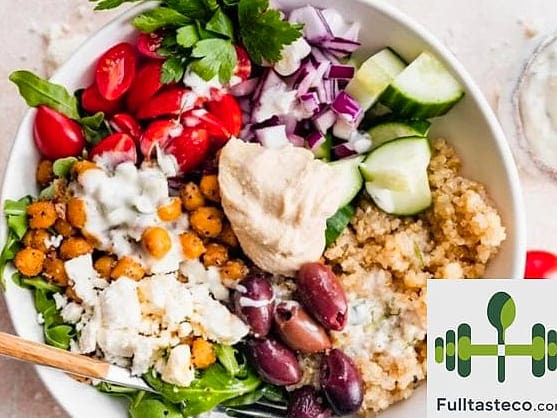
First, this plan is genuinely delicious. We’re talking grilled salmon, lemony chickpea bowls, herby eggs, Greek-style turkey meatballs — meals that feel like a treat, not a punishment. You won’t be sitting down to sad salads and wondering where the flavor went.
Second, the high-protein angle is a real game — actually, let’s just say it works. Protein keeps you fuller longer, helps preserve muscle while your body burns fat, and it naturally nudges your metabolism to work a little harder. Combined with Mediterranean staples like olive oil, legumes, and fresh vegetables, you’re setting yourself up for sustainable fat loss, especially around the midsection.
And third, this is a plan, not a rigid rulebook. Each day has a rhythm, but there’s room to swap meals around, repeat your favorites, and make it fit your real life. Meal prep a couple of components on Sunday and the whole week becomes way more manageable.
Ingredients You’ll Need
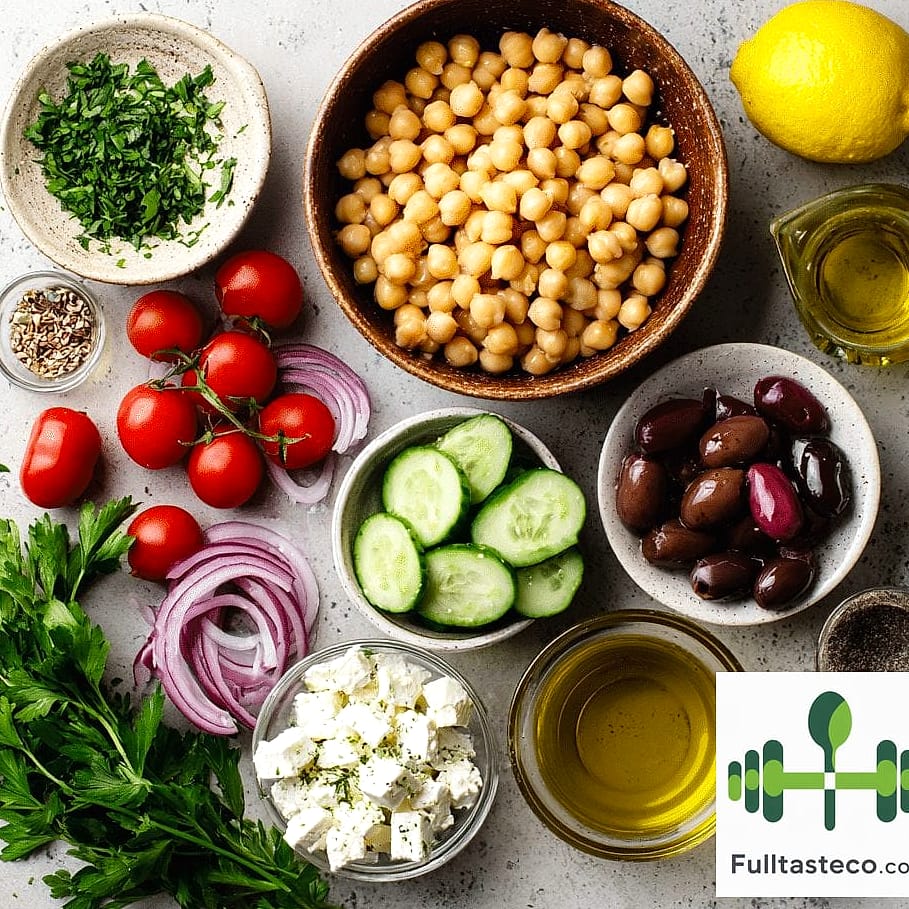
The foundation of this plan is built around lean proteins, healthy fats, fiber-rich carbs, and loads of fresh produce — all the hallmarks of Mediterranean eating.
For proteins, you’ll be reaching for things like chicken breast, salmon fillets, canned or dried chickpeas, Greek yogurt, eggs, and lean ground turkey. These rotate throughout the week so nothing feels repetitive. If you’re not a fan of salmon, trout or cod work beautifully. Ground chicken is a great swap for turkey if that’s what you have on hand.
Healthy fats come mostly from extra-virgin olive oil, avocado, and a handful of nuts — walnuts or almonds are ideal. These aren’t optional extras; they’re central to how this diet works, keeping inflammation low and hormones balanced.
Your carbs lean heavily on whole grains like quinoa, farro, and brown rice, plus legumes such as lentils and white beans. These give you fiber, which directly helps reduce visceral fat by improving insulin sensitivity and feeding your gut microbiome. Fresh and roasted vegetables fill out the rest — think cherry tomatoes, zucchini, spinach, cucumber, bell peppers, and eggplant. Herbs like parsley, oregano, and basil are used generously throughout, so grab those fresh if you can, though dried work fine in a pinch.
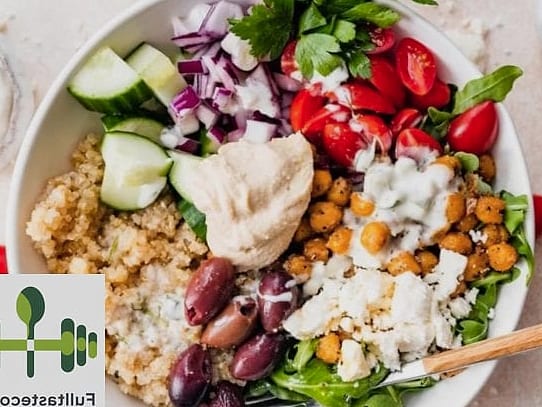
For pantry staples, you’ll want canned tomatoes, garlic, lemons, red wine vinegar, Kalamata olives, and a good feta cheese for finishing touches.
Tips for the Best Results
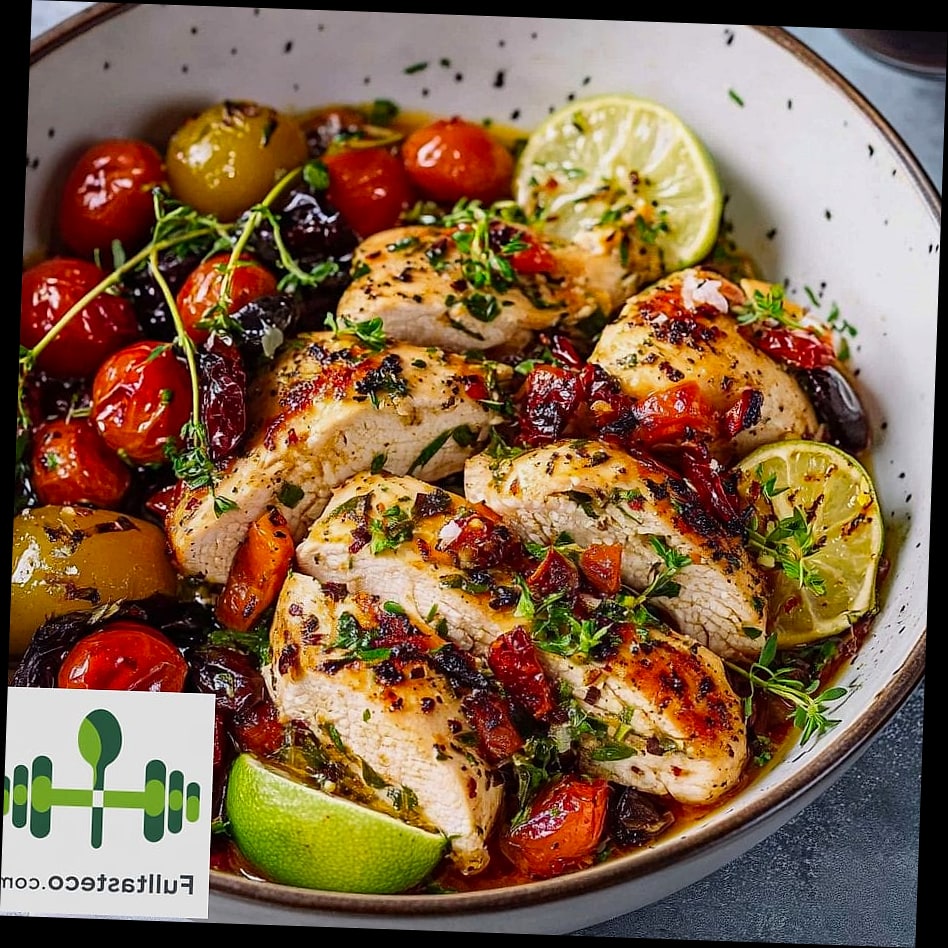
Keep your olive oil high quality and use it generously — but measure it. It’s one of the healthiest fats you can eat, but the calories do add up, and mindless pouring can quietly undermine the fat loss goal.
Don’t skip the legumes, even if you’re not used to eating them regularly. Beans and lentils are doing serious heavy lifting here — fiber, plant protein, and slow-digesting carbs all in one. If they cause bloating initially, start with smaller portions and rinse canned beans very thoroughly before using.
Storage and Reheating
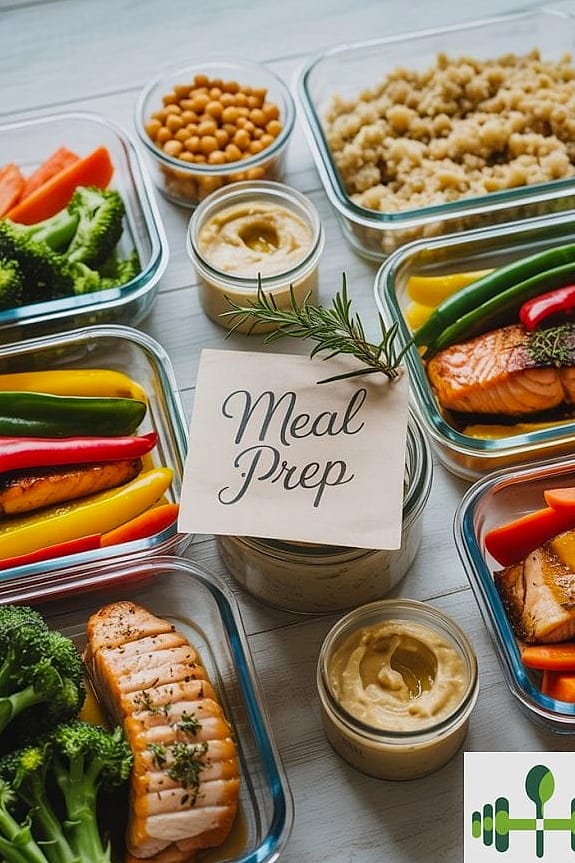
Most of the meals in this plan store really well, which is part of what makes it practical for busy weeks. Cooked grains, roasted vegetables, and protein like chicken or salmon all keep in airtight containers in the fridge for up to 4 days.
Soups, stews, and lentil dishes actually taste better after a day in the fridge once the flavors have had time to meld. These make excellent batch-cook candidates — double the recipe and freeze half in individual portions for weeks two or three.
For reheating, a skillet over medium heat with a small splash of water or olive oil brings most proteins and grains back to life better than the microwave. If you do use the microwave, cover the container loosely and heat in 60-second intervals, stirring in between so everything warms evenly.
Frequently Asked Questions
How much protein should I be eating each day on this plan?
Aim for around 25–35 grams of protein per meal, which puts most people in the range of 100–130 grams daily. That’s the sweet spot for supporting muscle maintenance and fat loss simultaneously. The meals in this plan are designed to hit those targets without you needing to obsessively count.
Will I actually lose belly fat in 7 days?
You likely won’t see dramatic changes in one week, and that’s okay — that’s not really how the body works. What you will notice is reduced bloating, better energy, and improved digestion pretty quickly. Visceral fat responds well to this style of eating over several weeks of consistency, so think of day one as the beginning of a longer, worthwhile habit.
Can I repeat this plan for multiple weeks?
Absolutely, and honestly, that’s the best way to use it. You can repeat it as-is, or start swapping in different proteins and vegetables that match the same template. Once you get the rhythm down, it becomes intuitive rather than effortful.
Is this plan suitable if I’m vegetarian?
Yes, with easy adjustments. Swap fish and poultry for extra legumes, tofu, tempeh, or halloumi. Eggs and Greek yogurt already feature heavily, so you’re not starting from scratch. The plant-based protein sources in the Mediterranean diet are genuinely excellent — this style of eating was largely plant-forward to begin with.
7-Day High-Protein Mediterranean Diet Plan To Burn Visceral Fat

A full week of high-protein Mediterranean meals designed to reduce visceral fat, boost energy, and keep you satisfied with fresh, whole ingredients.
Ingredients
- 2 salmon fillets (150g each)
- 2 chicken breasts (170g each)
- 300g lean ground turkey
- 4 large eggs
- 1 cup Greek yogurt (plain, full-fat)
- 1 can chickpeas (400g, drained and rinsed)
- 1 cup dry lentils
- 1 can white beans (400g, drained and rinsed)
- 1 cup dry quinoa
- 1 cup dry farro
- 1 cup dry brown rice
- 3 tablespoons extra-virgin olive oil
- 1 avocado
- 1/4 cup walnuts
- 1/4 cup almonds
- 2 cups cherry tomatoes
- 2 zucchini, sliced
- 2 cups baby spinach
- 1 cucumber, diced
- 2 bell peppers, sliced
- 1 eggplant, cubed
- 1/2 cup Kalamata olives
- 100g feta cheese
- 1 can crushed tomatoes (400g)
- 6 cloves garlic, minced
- 2 lemons, juiced
- 2 tablespoons red wine vinegar
- 1 tablespoon dried oregano
- 1 bunch fresh parsley
- Salt and black pepper to taste
Instructions
- Step 1. Cook quinoa by combining 1 cup quinoa with 2 cups water in a saucepan, bring to a boil, then simmer covered for 15 minutes until water is absorbed
- Step 2. Cook farro and brown rice separately according to package instructions and set aside for the week
- Step 3. Marinate chicken breasts in lemon juice, 1 tablespoon olive oil, minced garlic, oregano, salt, and pepper for at least 30 minutes
- Step 4. Grill or pan-sear chicken breasts over medium-high heat for 6-7 minutes per side until cooked through, then slice
- Step 5. Season salmon fillets with salt, pepper, and lemon juice and pan-sear in olive oil over medium-high heat for 4 minutes per side
- Step 6. Cook ground turkey in a skillet over medium heat with garlic, crushed tomatoes, and oregano for 15 minutes to make a ragù-style sauce
- Step 7. Hard-boil eggs by placing in cold water, bringing to a boil, then simmering for 10 minutes before cooling and peeling
- Step 8. Roast eggplant, bell peppers, and zucchini tossed in olive oil and salt at 200°C for 25 minutes until golden
- Step 9. Warm chickpeas in a skillet with olive oil, garlic, and cumin for 5 minutes as a quick protein side
- Step 10. Cook lentils in salted water or broth for 20-25 minutes until tender, then season with red wine vinegar, olive oil, and parsley
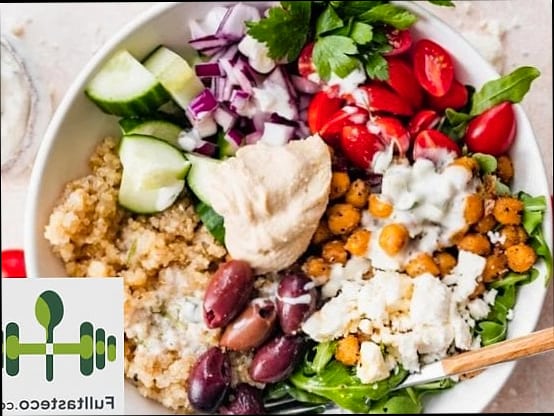
- Step 11. Assemble daily bowls by combining a grain base, a protein, roasted or raw vegetables, and a finishing drizzle of olive oil and lemon juice
- Step 12. Crumble feta and add olives over assembled bowls before serving
- Step 13. Store all prepped components separately in airtight containers in the fridge for up to 4 days
30-Day High-Protein
Low-Calorie Meal Plan
Every breakfast, lunch, dinner & snack — all 30 days fully mapped out. Just follow the plan.
- ✓50+ complete recipes with ingredients & step-by-step instructions
- ✓4-week day-by-day plans — every meal for all 30 days
- ✓4 weekly shopping lists organised by store section
- ✓Printable habit & progress tracker — 30 full days
- ✓100g+ protein per day — scientifically optimised macros
Instant PDF · Print at home
Results guaranteed with consistency