Spring Recipes • High-Protein Bowls
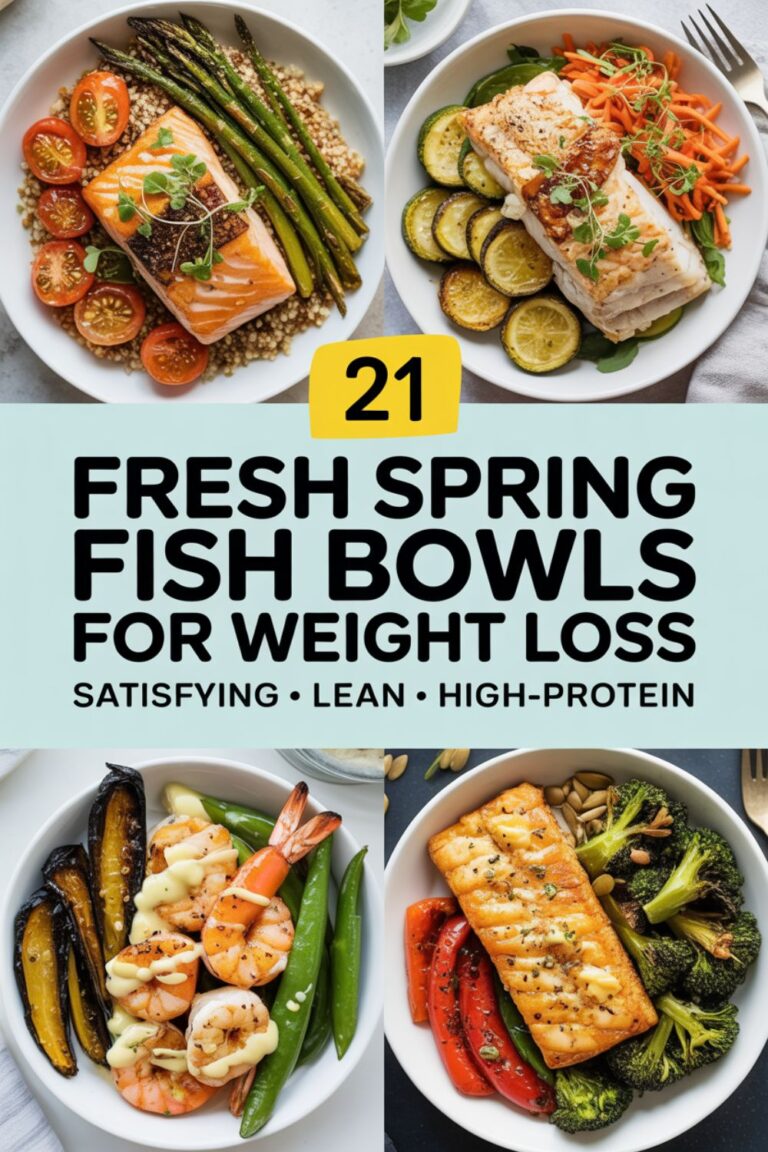
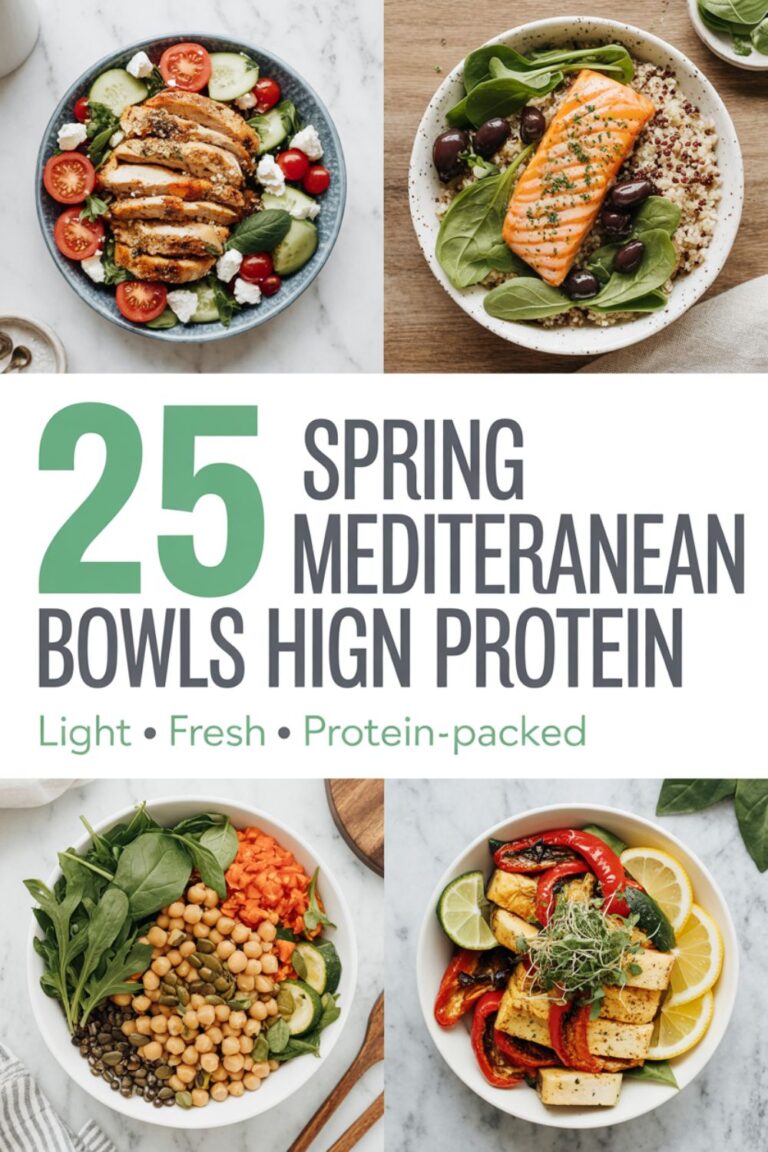
21 Fresh Spring Bowls Packed with Protein
Featured Image Prompt
Overhead flat-lay shot of a vibrant spring grain bowl on a weathered white ceramic plate, set on a rustic linen napkin against a warm oak wood surface. The bowl contains fluffy lemon quinoa as the base, topped with thinly sliced grilled chicken breast, bright green edamame, shaved radish, julienned cucumber, halved cherry tomatoes in red and yellow, fresh pea shoots, and a drizzle of creamy tahini dressing. Scattered sesame seeds and a wedge of lemon complete the arrangement. Soft natural window light comes in from the upper left, casting gentle shadows. Matching small white ramekins of dressing and toppings are partially visible at the edges of the frame. Styled for a premium food blog with Pinterest-optimized vertical crop (4:5 ratio). Warm, inviting, fresh spring palette with sage greens, terracotta, and soft cream tones.
Spring has this way of making you genuinely want to eat well. Not because some January resolution is still technically alive, but because the produce suddenly looks incredible and your body has been quietly dreaming of something green and bright since January. Enter the spring bowl: a one-dish situation that manages to hit every single macro while looking like you actually tried.
I’ve been building high-protein bowls for years, and spring is honestly my favorite season to do it. The combination of tender greens, crisp raw vegetables, and a hearty protein base just works in a way that a winter stew never quite replicates. These 21 fresh spring bowls packed with protein are the recipes I keep coming back to, whether I’m meal prepping on a Sunday or throwing together a weeknight dinner at an embarrassingly fast pace.
The goal here isn’t just protein for protein’s sake. Each of these bowls is built around balance: a solid grain or greens base, a meaningful protein source, bright spring produce, and a sauce that ties everything together without turning the whole thing into a calorie event. Let’s get into it.
Why High-Protein Bowls Are Perfect for Spring
There’s a reason bowl meals have become the meal prep format of choice for anyone who takes eating seriously. They’re endlessly customizable, easy to scale, and built for efficiency. You prep a few components, store them separately, and assemble throughout the week without everything turning into a sad, soggy mess.
Spring is the ideal season for bowls specifically because the produce becomes genuinely exciting again. Asparagus, peas, radishes, spinach, arugula, and fresh herbs flood the market, and they all happen to play beautifully with the kind of lean proteins that keep you full and energized. According to research on the benefits of higher protein intake, eating more protein reduces appetite hormones and increases satiety signals, which means you’re naturally eating less without feeling deprived. That’s the kind of science I can get behind at lunch.
IMO, the real magic of spring protein bowls is in their versatility. Whether you’re building for muscle, managing weight, or just trying to eat something that doesn’t feel like a punishment, these bowls genuinely deliver on all fronts.
Prep your grains and protein sources on Sunday night. Keep them in separate airtight containers in the fridge, and you can build fresh bowls in under 3 minutes every single morning without a single “what’s for lunch” crisis.
The Building Blocks of a Great Spring Protein Bowl
Before we get to the specific recipes, it helps to understand the formula. Every great bowl follows a simple structure, and once you internalize it, you’ll be able to create on the fly without needing a recipe in front of you.
Start With a Base That Works for You
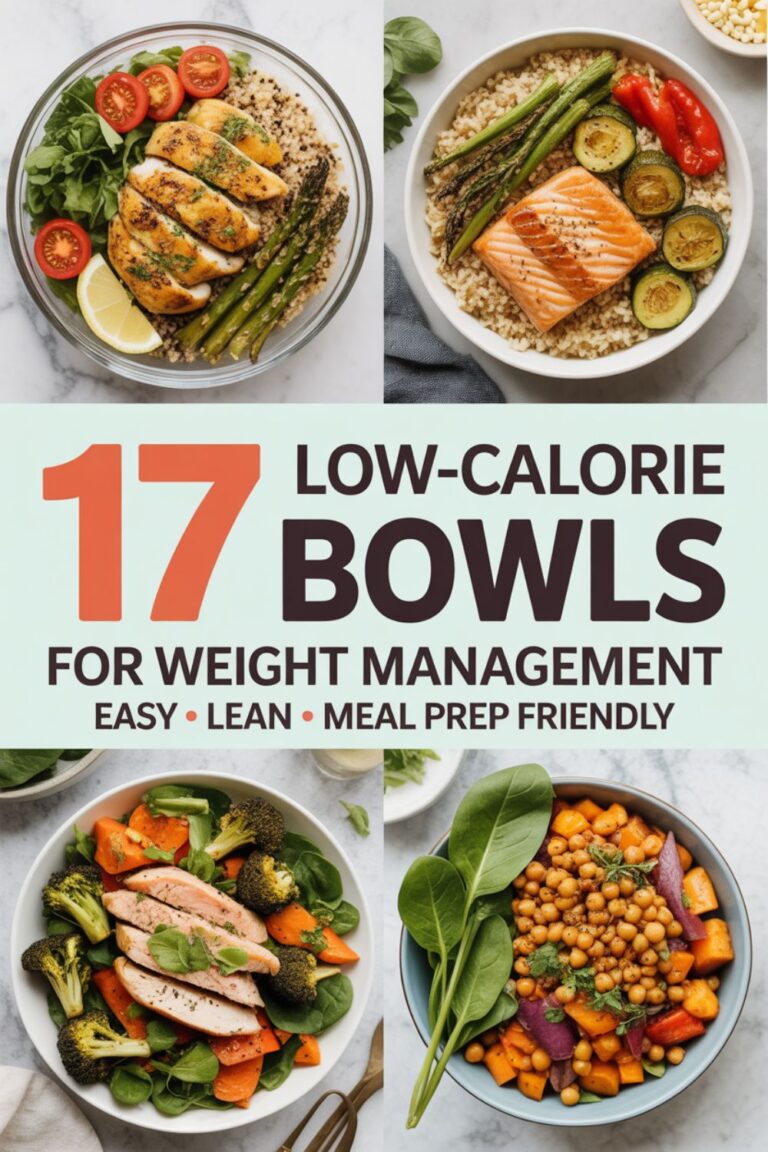
Your grain base does the heavy lifting in terms of satiety and texture. Quinoa is the obvious spring choice because it’s light, quick to cook, and genuinely packs in about 8 grams of protein per cup cooked. Brown rice is a reliable backup. Farro gives you a nuttier, chewier result that holds up well after a few days in the fridge. For lower-carb builds, a bed of mixed greens, shredded cabbage, or cauliflower rice gets the job done without sacrificing volume.
Choose a Protein That Pulls Its Weight
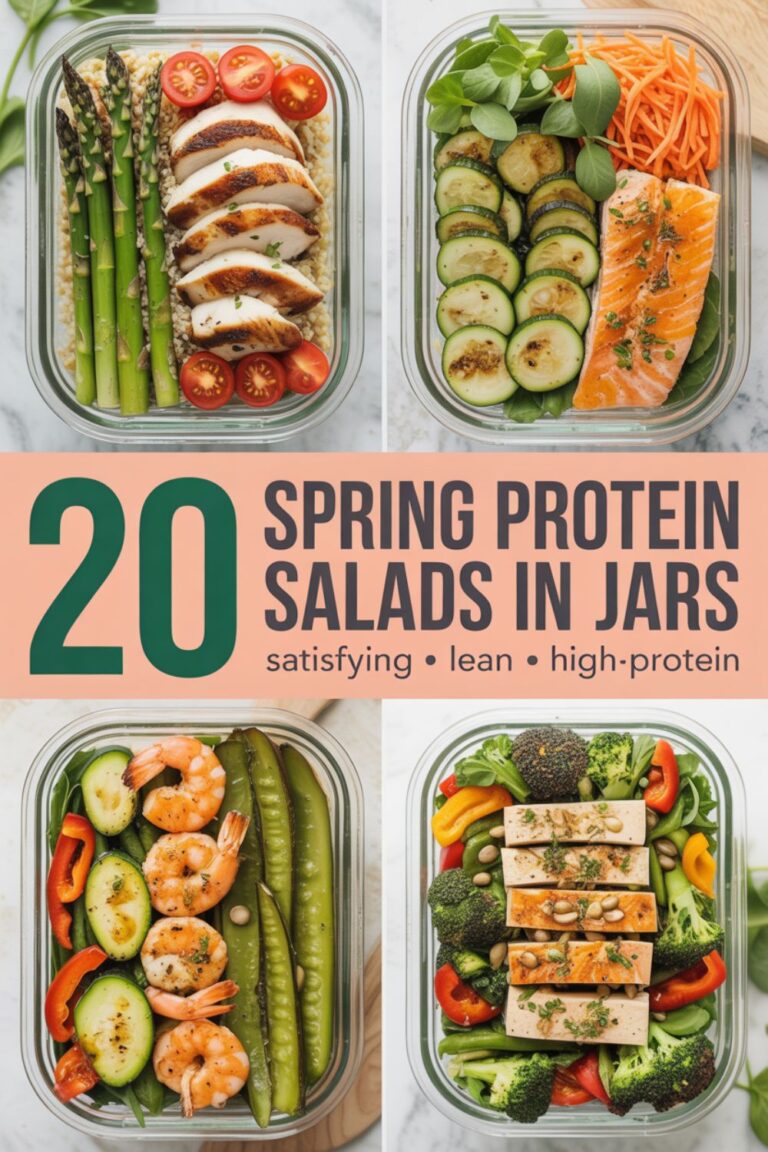
Spring bowls tend to lean toward lighter proteins, and that’s where the magic is. Grilled chicken breast, seared salmon, poached shrimp, soft-boiled eggs, and edamame are all seasonal-feeling in a way that beef and pork just aren’t in April. For plant-based builds, tempeh, chickpeas, lentils, and tofu all perform extremely well once you season them properly. If you’re vegan and worried about complete amino acids, combining quinoa with legumes in the same bowl covers all your essential bases efficiently.
For more plant-powered inspiration, these 25 high-protein vegan meals do a brilliant job of showing how to hit serious protein numbers without a single piece of meat in sight.
Load Up on Spring Produce
This is where your bowl earns its seasonal badge. Snap peas, shaved asparagus, fresh peas, thinly sliced radishes, cucumber ribbons, baby spinach, arugula, and fresh herbs like mint, basil, and dill all belong in a spring bowl. They add crunch, color, and a freshness that no amount of heavy sauce can replicate. Don’t overthink it: buy what looks good at the market and build from there.
A Sauce That Actually Does Something
The sauce is what separates a bowl that tastes like health food from one that tastes like a restaurant made it. Lemon tahini, ginger miso dressing, green goddess, sesame-lime vinaigrette, and herbed yogurt sauces are all spring-appropriate. Make a double batch and store it in the fridge. You’ll use it on everything, not just bowls.
Speaking of efficient weeknight builds, if you want bowls you can assemble in under 20 minutes flat, these 12 high-protein bowls ready in under 20 minutes are exactly what that Tuesday evening requires. And if you’re keeping things to five ingredients or fewer, check out these 18 simple high-protein recipes for proof that minimalism isn’t a compromise.
21 Fresh Spring Bowls Packed with Protein
Here’s the full collection. Some are warm, some are completely cold, a few work brilliantly at room temperature. All of them hit a meaningful protein target without requiring a degree in nutritional science to put together.
Grain-Based Spring Bowls
Grain-Based Protein Bowls (1–7)
Greens-Based and Low-Carb Spring Bowls
Greens-Based Protein Bowls (8–14)
If you love these lighter green-based builds and want a dedicated plan built around them, the 14-day high-protein meal prep bowls plan is exactly that. It maps out two full weeks of bowl-based eating with shopping lists and prep guides. And if salads are more your vibe than bowls, these 20 high-protein salad recipes for quick lunches are a natural complement to keep in your rotation.
“I started making these greens-based bowls every Sunday for the week and honestly stopped ordering lunch entirely. Three months in, my energy is better, I’m down 14 pounds, and I actually look forward to eating at my desk for once.”
— Megan T., FullTasteCo community member
Plant-Based and Vegan Spring Protein Bowls
Plant-Based Protein Bowls (15–21)
How to Meal Prep These Spring Bowls Without Losing Your Mind
The beauty of bowl meals is that they’re modular. You’re not cooking 21 separate meals; you’re cooking a handful of components and reassembling them in different combinations. That’s the system, and it genuinely works.
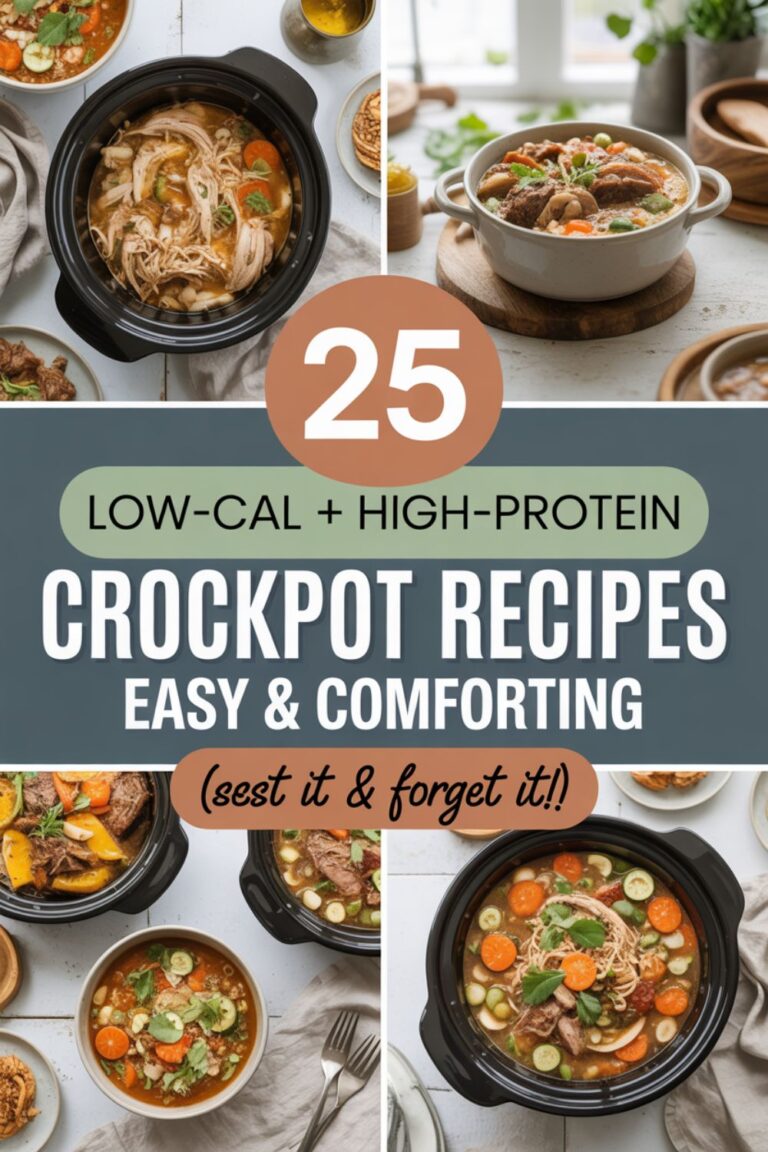
On a Sunday, I typically cook two grains (usually quinoa and brown rice), one batch of legumes (chickpeas or lentils), one protein (chicken breast or tempeh), and a large container of roasted vegetables. From those five components, I can build at least four distinct bowls across the week without any repetition feeling forced. The dressings are made separately and live in the fridge in small mason jars.
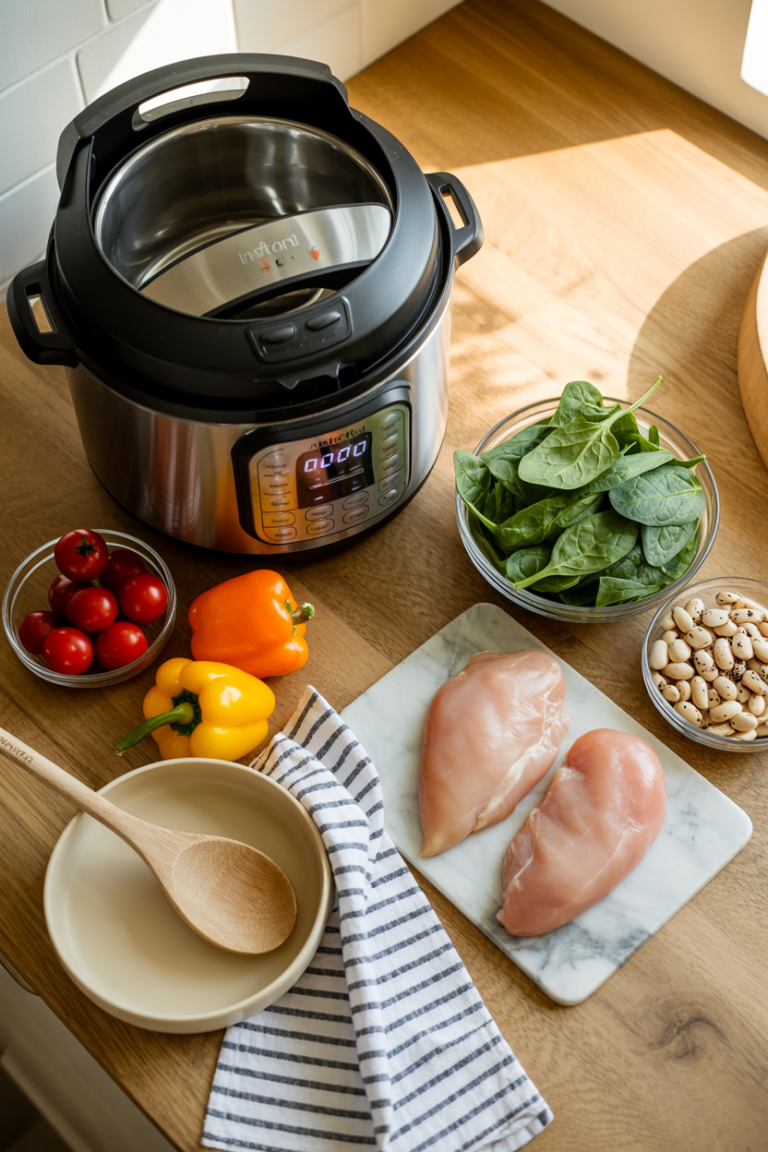
Batch-cook your grains in a rice cooker and your proteins in the oven simultaneously. You can have five days of bowl bases ready in exactly 45 minutes with zero active cooking time after the first 10 minutes of prep.
One thing worth flagging: store your dressings and sauces separately always. It sounds obvious, but I’ve seen perfectly prepped bowls turn into a soggy disaster because someone mixed everything together on Sunday. Keep it dry until you’re ready to eat, and your bowl tastes fresh all week.
FYI, if you want a full structured approach to this system, this weekly high-protein meal prep guide maps out exactly how to build a repeatable prep schedule, including shopping lists and storage tips.
Spring Bowl Protein Sources: What Works Best and Why
Not all proteins perform equally in a bowl context, and once you start building these regularly, you develop preferences. Here’s a honest breakdown of the main players.
Animal-Based Proteins for Spring Bowls
Grilled or roasted chicken breast remains the most versatile option because it takes on whatever flavor you give it and plays well with every grain and green combination you can think of. Salmon is the spring protein that nobody argues with: it’s rich, quick to cook, pairs with bright citrus-based sauces, and delivers omega-3 fatty acids alongside its 25-plus grams of protein per serving. Shrimp is the speed option — six minutes on a hot pan and you’re done. Hard-boiled and soft-boiled eggs are the weeknight fallback that deserves more credit than it gets.
For chicken-specific builds, these 20 high-protein chicken recipes that actually taste good cover everything from simple sheet-pan methods to stovetop glazes worth memorizing.
Plant-Based Proteins Worth Taking Seriously
Tempeh is the underdog that experienced bowl builders swear by. It’s firmer than tofu, holds up beautifully to marinades, gets genuinely crispy in the oven or pan, and packs around 21g protein per 100g serving. Chickpeas are the crowd-pleaser that roasts into something almost addictive when seasoned correctly. Lentils are the weeknight MVP because they cook in 20 minutes with no soaking required and carry flavor extremely well.
A note on peanut butter versus almond butter in bowl dressings: both work brilliantly in Southeast Asian-inspired sauces, but almond butter creates a slightly lighter, less heavy result and is lower in sodium when you buy the unsalted version. Peanut butter is stronger-flavored and works better in bolder sauces with chili and lime. Either way, one tablespoon per portion goes a long way.
If you’re specifically building these bowls around muscle recovery or athletic goals, these 20 high-protein recipes for muscle recovery are structured with that purpose in mind. For post-workout specifically, these 12 post-workout recovery recipes use the protein timing principle to support muscle protein synthesis in the hours after training.
Marinate your proteins overnight in a zip-lock bag in the fridge. Even 15 minutes makes a difference, but overnight is transformative. Your Monday bowl should never taste like a Monday.
“The tempeh bowl recipe changed how I approach vegan meal prep. I was skeptical about the texture but once I baked it properly it had this amazing chew. I’ve made it 11 times since January and haven’t gotten bored once.”
— Devin R., from the comments section
The Sauces That Make Every Spring Bowl Worth Eating
If you’re building bowls regularly, your sauce game will determine whether this habit sticks or fades out by week three. The bowls that make it into your permanent rotation are almost always the ones built around a sauce you’d eat directly from a spoon.
Here are the spring-appropriate sauces that do the most work across these 21 bowls:
- Lemon Tahini — Tahini, lemon juice, garlic, water to thin, salt. Works on every single grain bowl combination you will ever make.
- Green Goddess — Blended avocado, basil, tarragon, lemon, Greek yogurt (or silken tofu for vegan). Outrageously good on greens-based bowls.
- Miso Ginger Dressing — White miso, rice vinegar, sesame oil, fresh ginger, a small amount of honey. Lasts two weeks in the fridge and makes everything taste considered.
- Peanut Lime Sauce — Peanut butter, lime juice, soy sauce or tamari, chili paste, a little warm water. The sauce that converts skeptics on tofu.
- Harissa Yogurt — Full-fat Greek yogurt, harissa paste, lemon, salt. Smoky, tangy, and ready in 60 seconds flat.
- Champagne Vinaigrette — Champagne vinegar, Dijon, olive oil, honey, shallot. Light enough for delicate greens and spring fish preparations.
Keep a rotation of two or three of these prepped at any given time and you’ll never reach for a store-bought dressing again. Healthline’s comprehensive breakdown of how protein supports natural weight management is worth reading if you’re building these bowls with a specific health goal in mind, because it explains the satiety and metabolism mechanisms that make a protein-forward bowl so much more effective than a calorie-equivalent carb-heavy meal.
Kitchen Tools That Make Bowl Building Easier
These are things I actually use, not a wishlist of gadgets collecting dust. The physical tools live on my counter; the digital ones live in my bookmarks.
Physical Tool
7-Cup Food Processor
Makes sauces, pesto, and herb blends in under 90 seconds. My green goddess dressing exists entirely because of this thing.
Physical Tool
OXO Glass Meal Prep Containers
The snap-lock lids don’t leak, they stack cleanly in the fridge, and your dressings stored separately actually stay separate.
Physical Tool
Rice & Grain Cooker (2-Cup)
Set-it-and-forget-it for quinoa, brown rice, and farro simultaneously if you’ve got two going. Completely hands-off batch cooking.
Digital Resource
Weekly Meal Prep Guide
A full system for building a repeatable weekly prep schedule with shopping lists, storage notes, and batch cook timelines.
Digital Resource
14-Day High-Protein Meal Prep Bowls Plan
Two full weeks of bowl-based eating, mapped out with protein targets, prep notes, and ingredient overlap to minimize waste.
Digital Resource
30-Day High-Protein Reset Plan
A structured 30-day program built on clean, high-protein meals including bowls, snacks, and a complete nutrition roadmap.
Toppings That Elevate a Good Bowl Into a Great One
The difference between a bowl that gets photographed and a bowl that gets eaten over the sink in 4 minutes is almost always the toppings. These finishing layers add texture, flavor contrast, and honestly, the visual appeal that makes you more likely to keep eating this way long-term.
For spring bowls specifically, the toppings I come back to most often are:
- Toasted sesame seeds — Three seconds in a dry pan. Worth every second.
- Fresh herbs — Mint, basil, cilantro, and dill all work beautifully in spring bowls. Use them generously, not as a garnish afterthought.
- Pickled elements — Quick-pickled red onion or cucumber adds acid and crunch that wakes up an otherwise mild bowl.
- A pinch of good flaky salt — Right before serving. This sounds too simple to matter. It isn’t.
- Chili flakes or a light chili oil drizzle — Heat makes everything taste more intentional.
- Toasted nuts or seeds — Hemp hearts, pumpkin seeds, sunflower seeds, or crushed almonds add protein, healthy fats, and a satisfying crunch simultaneously.
For complete dinner bowl builds that function as full meals, these 25 high-protein dinner bowls take the spring bowl concept and extend it into evening-appropriate, more substantial builds. And if you want to extend your prep into snacks and smoothies alongside your bowls, these 20 high-protein snacks that fuel fat loss pair extremely well with a bowl-based eating week.
The Mistakes People Make With Protein Bowls (And How to Avoid Them)
Three years of building these regularly means I’ve also made all the mistakes, so you don’t have to.
Underseasoning the Grain Base
Plain quinoa or brown rice cooked in water tastes like obligation. Cook your grains in low-sodium chicken or vegetable broth, add a bay leaf, maybe a clove of garlic, and finish with a little lemon zest. Your base should taste like something on its own before anything goes on top of it.
Skipping the Acid
Every bowl needs something acidic: a squeeze of lemon, a splash of vinegar, pickled vegetables, or a vinaigrette-style dressing. Without acid, even the most beautifully assembled bowl falls flat. This is the number one reason a bowl tastes good in a restaurant and inexplicably mediocre at home.
Overdressing Before Storage
I mentioned this earlier but it bears repeating because it ruins more meal preps than any other mistake. Dress the bowl right before eating, never before storing. The silicone sauce containers I use are perfect for keeping a tablespoon or two of dressing in the corner of each meal prep container, separate from the bowl, ready to pour.
Building Without Textural Contrast
A bowl that’s all soft components is texturally monotonous. You need at least one crunchy element: roasted chickpeas, toasted nuts, raw radish, crispy shallots, or seed clusters. Without it, the bowl technically eats well but doesn’t feel satisfying in the same way.
Frequently Asked Questions
How much protein should a spring bowl have per serving?
A well-built spring protein bowl should deliver at least 25 to 35 grams of protein per serving to genuinely support satiety and muscle maintenance through a meal. If you’re building for athletic recovery or muscle gain, targeting 35 to 45 grams per bowl is achievable by combining a primary protein source like chicken or salmon with a secondary source like edamame, Greek yogurt dressing, or hemp hearts. Most of the bowls in this list hit at least 28 grams naturally without any protein powder additions.
Can you meal prep these spring bowls in advance?
Absolutely, and they’re actually designed for it. The key is storing your grains, proteins, raw vegetables, and dressings in separate containers and assembling at the time of eating. Cooked grains and proteins stay fresh for four to five days refrigerated. Raw spring vegetables like cucumber, radish, and snap peas hold well for three to four days stored dry. For a complete framework, the weekly high-protein meal prep guide covers the full system.
What are the best vegan protein sources for spring bowls?
Tempeh, crispy baked tofu, edamame, lentils, chickpeas, black beans, white beans, and quinoa are the most reliable plant-based protein sources for bowls. Hemp hearts are an underrated addition because they add 10 grams of protein per three tablespoons and blend invisibly into grain-based bowls. Combining legumes and grains in the same bowl gives you a complete amino acid profile without needing to think about it too carefully.
Are spring protein bowls good for weight loss?
They’re genuinely well-suited for it because of the combination of high protein (which increases satiety hormones and reduces hunger), high fiber from vegetables and whole grains (which slows digestion), and controlled calorie density from lean protein choices. The structure of a bowl also makes portion control intuitive: you’re building within a defined container, which naturally limits mindless overeating. Pair them with a structured plan like the 7-day high-protein weight loss plan for a focused approach.
What grains work best in spring bowls?
Quinoa is the top choice for spring bowls because it’s light, cooks in 15 minutes, and contains all essential amino acids at around 8 grams of protein per cooked cup. Farro brings a nutty, chewy texture that holds up particularly well in warm bowls and after refrigeration. Brown rice is reliable and neutral, making it the best base when you want the toppings and sauce to be the flavor focus. For lower-carb builds, shredded cabbage or cauliflower rice works exceptionally well without sacrificing volume or texture.
Build a Bowl Worth Coming Back To
Spring is genuinely one of the best times of year to eat well, and these 21 protein-packed bowls are built to take full advantage of it. They’re not complicated. They’re not expensive. They don’t require a culinary background or a two-hour Sunday commitment to make happen.
What they do require is a bit of intentional prep, a decent sauce, and the willingness to actually eat the food you planned for yourself instead of ordering pizza at 7pm because the fridge looked ambiguous. We’ve all been there. The difference is having something this good already waiting for you.
Start with one bowl this week. Build a sauce you love. Prep your grains on Sunday. The habit grows naturally from there, and by week three you’ll wonder why you didn’t start a year ago.
30-Day High-Protein
Low-Calorie Meal Plan
Every breakfast, lunch, dinner & snack — all 30 days fully mapped out. Just follow the plan.
- ✓50+ complete recipes with ingredients & step-by-step instructions
- ✓4-week day-by-day plans — every meal for all 30 days
- ✓4 weekly shopping lists organised by store section
- ✓Printable habit & progress tracker — 30 full days
- ✓100g+ protein per day — scientifically optimised macros
Instant PDF · Print at home
Results guaranteed with consistency