Spring Meal Prep | High Protein | Lean Eating
21 Spring Chicken Bowls
for Lean Eating
Fresh flavors, serious protein, and zero meal-prep drama. These bowls are your spring lineup.
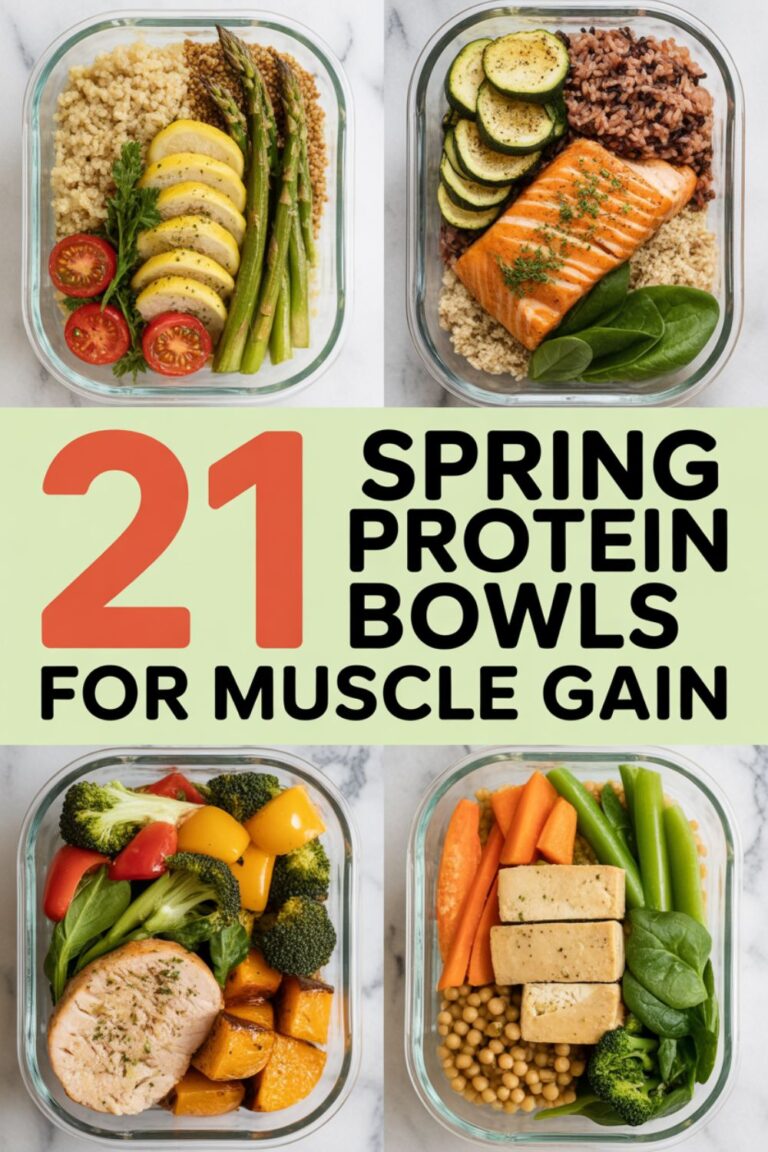
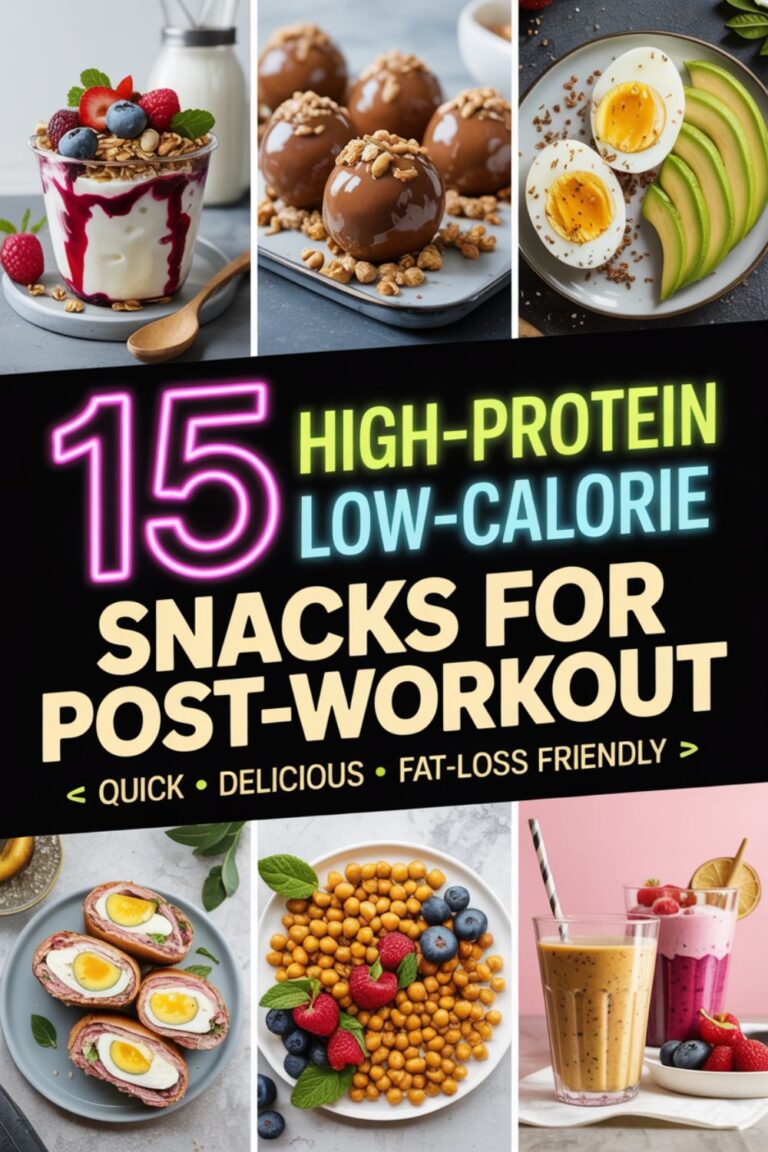
Overhead shot of a vibrant spring chicken bowl on a pale linen napkin placed over a light oak wood table. The bowl is filled with golden-seared sliced chicken breast, bright green asparagus spears, shaved purple cabbage, roasted cherry tomatoes, fluffy quinoa, and a drizzle of pale green avocado-herb dressing pooling at the center. Natural window light from the left casts soft shadows. A halved lemon, a small ramekin of everything bagel seasoning, and scattered fresh dill sprigs frame the bowl. Warm, airy, editorial food photography. High resolution, shallow depth of field, styled for a spring recipe collection.
Let me tell you something: the sad, beige meal-prep bowls of January are behind us now. Spring is here, and with it comes an embarrassing amount of produce that practically begs to be thrown over chicken and called a balanced meal. These 21 spring chicken bowls exist because lean eating should not taste like a punishment — and it absolutely does not have to.
Chicken breast is the MVP of lean protein, and according to Healthline, a 3-ounce serving of cooked chicken breast delivers around 26 grams of protein for roughly 128 calories — a ratio that makes nearly every serious nutrition goal easier to hit. Whether you’re cutting, maintaining, or just trying to stop reaching for chips at 3 PM, that macronutrient profile matters.
What you’ll find below is a collection of bowls built for real people with real schedules. Some take under 20 minutes. Some you can batch cook on a Sunday and eat like royalty through Thursday. All of them are high protein, genuinely flavorful, and spring-forward in a way that makes eating lean feel like a lifestyle choice rather than a sentence.
Why Spring Is the Best Season for Chicken Bowls
There’s something that happens in spring that makes cooking feel worth the effort again. The produce aisles change. Asparagus shows up. Radishes get pretty. Sugar snap peas appear as though the grocery store was planning a little surprise party for your lunches. This seasonal shift is genuinely useful for lean eating because fresh vegetables add volume, fiber, and flavor without adding meaningful calories.
Bowls are especially well-suited to spring because they’re inherently modular. You build a base, add your protein, layer your vegetables, and finish with a sauce or dressing. That structure maps perfectly onto the way seasonal eating works — you swap in whatever looks best that week, and the format never breaks down. It’s flexible, forgiving, and honestly kind of satisfying to put together.
IMO, the other big win here is texture contrast. Spring vegetables — think crisp snap peas, shaved fennel, or lightly blanched asparagus — hold up against warm chicken in a way that winter root vegetables never quite manage. You get crunch alongside tender protein, brightness alongside warmth. It’s a more interesting bowl, full stop.
Prep veggies on Sunday night. Wash, chop, and store your spring vegetables in airtight containers. When dinnertime hits, assembling a bowl takes four minutes instead of twenty.
The 21 Spring Chicken Bowls Worth Making This Season
Here’s the full lineup. These recipes cover every major flavor direction — Mediterranean, Asian-inspired, Mexican, and plain-old-delicious-American. Some are best eaten fresh; plenty are made for meal prep. Each one was built around lean chicken as the primary protein, with spring-forward ingredients doing the heavy lifting on flavor.
-
Lemon Herb Chicken and Asparagus Quinoa Bowl
Grilled chicken breast, blanched asparagus, tri-color quinoa, lemon-dill vinaigrette. Get Full Recipe -
Spring Green Goddess Chicken Bowl
Sliced chicken, shaved cucumber, snap peas, edamame, green goddess yogurt dressing. -
Miso Ginger Chicken and Bok Choy Rice Bowl
Marinated chicken thigh (skin removed), baby bok choy, brown rice, sesame seeds, scallion. -
Strawberry Balsamic Chicken Arugula Bowl
Pan-seared chicken, fresh strawberries, peppery arugula, goat cheese crumble, aged balsamic. -
Loaded Spring Farro Bowl with Chimichurri Chicken
Herb chimichurri chicken, farro, roasted cherry tomatoes, shaved radish, avocado. -
Mediterranean Chicken and Spring Vegetable Bowl
Za’atar chicken, couscous, roasted zucchini, cherry tomatoes, kalamata olives, tzatziki drizzle. Get Full Recipe -
Cilantro-Lime Chicken and Mango Slaw Bowl
Grilled chicken, mango-purple cabbage slaw, black beans, cauliflower rice, lime crema. -
Smashed Cucumber and Sesame Chicken Bowl
Poached chicken, smashed cucumber salad, jasmine rice, chili crisp, toasted sesame. -
Teriyaki Chicken Edamame Power Bowl
Teriyaki glazed chicken, shelled edamame, steamed broccoli, short-grain brown rice, pickled ginger. -
Avocado Ranch Chicken and Spring Greens Bowl
Oven-roasted chicken strips, mixed spring greens, cherry tomatoes, corn, avocado ranch dressing. -
Harissa Chicken with Chickpea and Carrot Bowl
Spiced harissa chicken, roasted chickpeas, honey-glazed carrots, lemon couscous, mint yogurt. -
Tuscan White Bean and Grilled Chicken Bowl
Grilled chicken, white beans, sun-dried tomatoes, spinach wilted in garlic, light lemon oil. Get Full Recipe -
Thai Basil Chicken and Noodle Bowl
Ground chicken stir-fry, rice noodles, shredded spring cabbage, fresh basil, tamari-lime sauce. -
Buffalo Chicken and Blue Cheese Cauliflower Rice Bowl
Shredded buffalo chicken, cauliflower rice, celery, carrot ribbons, a light blue cheese drizzle. -
Pea Pesto Chicken Grain Bowl
Chicken tenders, fresh pea pesto, farro, roasted asparagus, parmigiano shavings. -
Korean-Inspired Gochujang Chicken Bowl
Gochujang marinated chicken, fried egg, seasoned spinach, kimchi, steamed rice. -
Honey Dijon Chicken and Roasted Beet Bowl
Honey dijon chicken, roasted golden beets, arugula, walnuts, creamy goat cheese. -
Coconut Lime Chicken Cauliflower Rice Bowl
Coconut-lime marinated chicken, cauliflower rice, mango salsa, sliced avocado, lime zest. -
Sun-Dried Tomato and Spinach Chicken Orzo Bowl
Pan-seared chicken, orzo, wilted spinach, sun-dried tomatoes, light garlic broth. -
Spring Detox Chicken and Grain Bowl
Poached chicken, quinoa, massaged kale, shaved fennel, lemon-apple cider vinegar dressing. -
Smoked Paprika Chicken and Sweet Corn Bowl
Smoky paprika-rubbed chicken, fire-roasted corn, black beans, lime rice, avocado crema.
How to Build a Lean Chicken Bowl That Actually Satisfies You
Here’s something the fitness world doesn’t talk about enough: the reason most people abandon lean eating is not a lack of willpower. It’s that their meals are boring. A chicken breast sitting next to steamed broccoli on a plate is not a meal — it’s a homework assignment. A bowl changes that by giving you layers, contrast, and visual interest that your brain reads as abundance even when the calorie count stays disciplined.
The Base Layer
Your grain or grain-alternative is where the bowl earns its staying power. Quinoa is the crowd favorite for good reason — it carries protein of its own (about 8 grams per cooked cup) and absorbs dressings beautifully. Farro adds a nutty chew that feels genuinely luxurious for something that costs almost nothing. Cauliflower rice works brilliantly when you want to drop the calorie floor without sacrificing volume. Brown rice is dependable, unsexy, and completely underrated. Pick based on your macros, your texture preference, or honestly just whatever you have.
The Protein Layer
Chicken breast stays king for lean eating because its protein-to-calorie ratio is almost absurdly efficient. A standard 4-ounce cooked portion runs you roughly 35 grams of protein for around 185 calories. Compare that to chicken thighs — still solid, but higher in fat and calories by a noticeable margin. That said, thighs bring more flavor with less effort, and if staying on plan requires you to actually enjoy your food, a chicken thigh is a smarter choice than a chicken breast you resent eating.
The Spring Vegetable Layer
This is where spring genuinely earns its reputation. Asparagus, snap peas, radishes, spring onion, fresh peas, shaved fennel, thinly sliced turnips — all of them are in season, all of them are inexpensive right now, and all of them add color and crunch that makes a bowl look as good as it tastes. Don’t overthink it. Roast half, leave half raw, toss with a little lemon. Done.
The Dressing or Sauce
This is where most people quietly blow their calorie budget without realizing it. A tablespoon of olive oil and lemon juice has about 120 calories. A quarter cup of standard bottled ranch has 240. The solution is not to skip the sauce — a dry bowl is a sad bowl — but to make your own lighter versions. Greek yogurt-based dressings, tahini diluted with lemon and water, miso-ginger vinaigrette: all of these give you the sensation of a rich, coated bowl without the numbers climbing into territory you’d rather not think about.
“I started batch prepping the Mediterranean chicken bowl and the Smashed Cucumber Sesame Bowl every Sunday about two months ago. Down 14 pounds, and I honestly stopped counting because I stopped feeling like I was dieting.”
— Jamie R., community member
Meal Prep Essentials for These Bowls
These are the tools and resources that make the weekly bowl-building routine feel effortless. No hard sells here — just the stuff that genuinely gets used.
Kitchen Tools
These are the ones that actually stack without drama. Airtight, microwave safe, and they don’t stain from tomato sauce — which feels like a miracle every single time.
You get those beautiful char lines on chicken without firing up an outdoor grill. Heats evenly, works on any stovetop, and will outlive everyone in your household.
Eyeballing a 4-ounce chicken breast is a skill most of us do not have. A scale removes the guesswork from hitting your protein goals without turning mealtime into math homework.
Digital Resources
A full breakdown of how to structure your prep sessions so you’re never standing in the kitchen on a Wednesday night wondering what to eat.
Two full weeks of bowl-centric meal planning with shopping lists and macro targets already built in.
A downloadable weekly planner built specifically for high-protein eating. Column headers cover protein, fiber, and calories — nothing unnecessary taking up space.
Meal Prepping These Bowls Without Losing Your Mind
The question everyone eventually asks is: how do you actually prep these without the whole thing becoming a Sunday afternoon chore that steals two hours and leaves the kitchen looking like a disaster zone? The answer is to think in components, not in complete meals. You are not making 10 full bowls on Sunday. You’re making grains, protein, and vegetables that can combine into multiple different bowls throughout the week.
Cook a big batch of grains — say, quinoa and brown rice together in separate pots. Roast two sheet pans of vegetables with different seasoning profiles: one with lemon and herbs, one with cumin and paprika. Season and cook a large batch of chicken breasts using a simple approach (olive oil, garlic, salt, high heat). Refrigerate everything separately in your glass meal prep containers, and when lunchtime arrives, you’re assembling from components rather than cooking from scratch. That distinction matters enormously for sustainability.
If you want more structure around the sheet pan approach, the 30 low-calorie high-protein sheet pan dinners collection is a natural companion to this routine — same sheet pan logic, different flavor directions, equally prep-friendly.
Marinate your chicken in zip-lock bags on Friday. By Sunday prep day, the flavors are deep and the cooking time is faster. Three days of passive flavor development costs you zero extra effort.
FYI — the biggest efficiency unlock most people miss is sauces. Make two or three dressings on Sunday (a green goddess, a miso-ginger, a simple lemon-herb), and suddenly every bowl combination feels intentional instead of random. A good sauce is the difference between “this is fine” and “I’m actually looking forward to lunch.”
Nutrition Notes Worth Knowing
Lean eating with chicken bowls works because the macronutrient breakdown is genuinely favorable. You get a protein-forward meal that keeps appetite hormones in check — research on the weight loss effects of high-protein eating consistently shows that increased protein intake modifies hormones like GLP-1 and ghrelin, making you feel fuller longer and reducing the kind of casual snacking that quietly derails most eating plans.
What changes the equation with bowls specifically is the fiber contribution from the grains and vegetables. Fiber slows digestion, which extends satiety further and smooths out blood sugar response. A chicken-and-quinoa bowl with spring vegetables is not just a high-protein meal — it’s a meal designed, structurally, to keep you satisfied for four to five hours without requiring heroic self-control.
One more thing worth flagging: chicken breast versus chicken thighs is not a binary moral choice. Thighs are slightly higher in fat and calories, but that fat carries flavor and moisture that makes the eating experience significantly better. If you’re using thighs in your bowls, remove the skin, trim visible fat, and the macronutrient gap narrows considerably. Choose the one you’ll actually eat consistently — that beats the “optimal” choice you abandon by Wednesday every time.
“The Harissa Chicken with Chickpea and Carrot Bowl has become my standing Monday lunch. I was never a meal prep person before this, but building bowls in components instead of full meals was the thing that finally made it click for me.”
— Marcus D., community member
Swaps, Substitutions, and Plant-Based Variations
Almost every bowl in this list adapts cleanly to dietary modifications. For dairy-free versions, swap Greek yogurt dressings for tahini-based alternatives or a simple olive oil-lemon combination. The flavor shifts slightly but the bowl stays just as satisfying. Coconut yogurt can also stand in for regular yogurt in green goddess and tzatziki-style sauces with minimal adjustment.
For anyone leaning toward plant-based eating, the chicken in most of these bowls swaps well with baked tempeh, marinated tofu, or chickpeas. The marinades — gochujang, harissa, miso-ginger, chimichurri — work beautifully on plant proteins, often better than expected. If you want a full roster of plant-forward options in the same protein range, the 25 high-protein low-calorie vegan meals covers that territory thoroughly.
On the grain side, swapping white rice for brown rice, quinoa, or farro adds fiber without dramatically changing the flavor profile. And if you’re actively managing carbohydrates, cauliflower rice or a mixed greens base keeps the bowl format intact while cutting the carbohydrate load significantly. The structure of the bowl survives every substitution you throw at it — that modularity is genuinely part of its value.
Batch your sauces in small mason jars. Three dressings made on Sunday mean seven days of variety without any additional cooking. Label them, stack them in the fridge door, and you’ll use them down to the last drop.
Quick Flavor Profiles to Keep Bowls Interesting All Week
One of the more underrated problems with meal prep is that eating the same bowl on Tuesday and Thursday feels noticeably less exciting than eating it fresh on Monday. The fix is not to cook more variety — it’s to change the sauce and topping layer on a consistent base. Same grilled chicken, same quinoa, different dressing and different fresh garnish: you have a completely different bowl for a fraction of the effort.
Here are five flavor directions that each transform the same base into something new:
- Mediterranean: lemon-herb vinaigrette, kalamata olives, cucumber, feta
- Asian-inspired: sesame-ginger dressing, edamame, shredded cabbage, scallion
- Mexican: lime-cumin crema, black beans, corn, fresh cilantro, avocado
- Middle Eastern: tahini, roasted chickpeas, pomegranate seeds, sumac-dusted radish
- Classic American: avocado ranch, cherry tomatoes, shredded carrot, pumpkin seeds
You can also explore a completely different meal format when bowl fatigue is real. The 12 low-calorie high-protein wraps for quick lunches uses many of the same ingredients in a portable format, and the 20 low-calorie high-protein salad recipes covers similar protein-and-vegetable territory with a lighter, more salad-forward structure.
Frequently Asked Questions
How much protein is in a typical spring chicken bowl?
Most of the bowls in this list land between 30 and 45 grams of protein per serving, depending on the chicken portion size and whether you’re including additional protein sources like beans, edamame, or eggs. A standard 4-ounce cooked chicken breast delivers around 35 grams of protein on its own, so building from that base makes hitting 30-plus grams per meal entirely straightforward.
Can I prep chicken bowls in advance and how long do they keep?
Assembled bowls without dressing keep well in the refrigerator for three to four days stored in airtight containers. If your bowl includes avocado, add it fresh at serving time to avoid browning. Dressings and sauces store separately for up to a week in the fridge, which makes the daily assembly quick and keeps everything tasting freshly made rather than tired.
What’s the best grain for a low-calorie chicken bowl?
Cauliflower rice is the lowest-calorie option by a significant margin — roughly 25 calories per cup compared to around 220 for cooked brown rice — and it holds sauces and dressings well. Quinoa sits in the middle ground and adds its own protein contribution. If you’re less focused on calories and more on fiber and satiety, farro or brown rice will keep you fuller for longer due to their higher fiber content.
How do I keep meal-prepped chicken from drying out?
The two most reliable methods are storing the chicken separately from your grains and vegetables (not assembled), and ensuring you let the chicken rest for at least five minutes after cooking before slicing. Slicing hot chicken immediately accelerates moisture loss. A light drizzle of olive oil or broth over stored chicken before reheating also helps significantly — it reintroduces the moisture the refrigerator pulls out.
Are these bowls suitable for beginners trying to eat healthier?
Absolutely, and they’re actually one of the better starting points for people new to lean eating because the format is so forgiving. You don’t need to follow a recipe precisely — you need a grain, a protein, some vegetables, and a sauce. The high-protein low-calorie meal ideas for weight loss beginners expands on this foundation with more structured guidance if you want additional support getting started.
Start With One Bowl and Go From There
Twenty-one options is a lot to process, so here’s a practical starting point: pick one bowl from the list that matches ingredients you already have on hand. Make it this week, notice how it makes you feel at the three-hour mark, and adjust from there. That’s genuinely all lean eating requires at the start — not a complete overhaul, not a perfectly planned 30-day program, just one good meal that works well enough to want to repeat.
Spring’s season is short, which is part of why it’s worth leaning into right now. The asparagus, the snap peas, the bright radishes and fresh peas — they won’t be at peak quality for long. These bowls exist to make use of that window in a way that keeps your nutrition on track and your lunches genuinely interesting.
If you want to build this into something more systematic, the weekly high-protein low-calorie meal prep guide is the natural next step. But even without a system, just build one bowl, eat it, and see what happens. Spring eating at its most effective has always been that simple.
30-Day High-Protein
Low-Calorie Meal Plan
Every breakfast, lunch, dinner & snack — all 30 days fully mapped out. Just follow the plan.
- ✓50+ complete recipes with ingredients & step-by-step instructions
- ✓4-week day-by-day plans — every meal for all 30 days
- ✓4 weekly shopping lists organised by store section
- ✓Printable habit & progress tracker — 30 full days
- ✓100g+ protein per day — scientifically optimised macros
Instant PDF · Print at home
Results guaranteed with consistency