30 Low-Calorie, High-Volume Meals
30 Low-Calorie, High-Volume Meals
If you’ve ever finished a “diet meal” and immediately started thinking about what to eat next, this collection is going to feel like a revelation. These 30 low-calorie, high-volume meals are built around one simple idea: eat more food, not less — just smarter food. Big portions, real flavors, and ingredients that actually fill you up.
This isn’t about deprivation. It’s about learning which foods give you the most volume per calorie, and then turning those ingredients into meals you’ll genuinely look forward to.
Why You’ll Love This Recipe
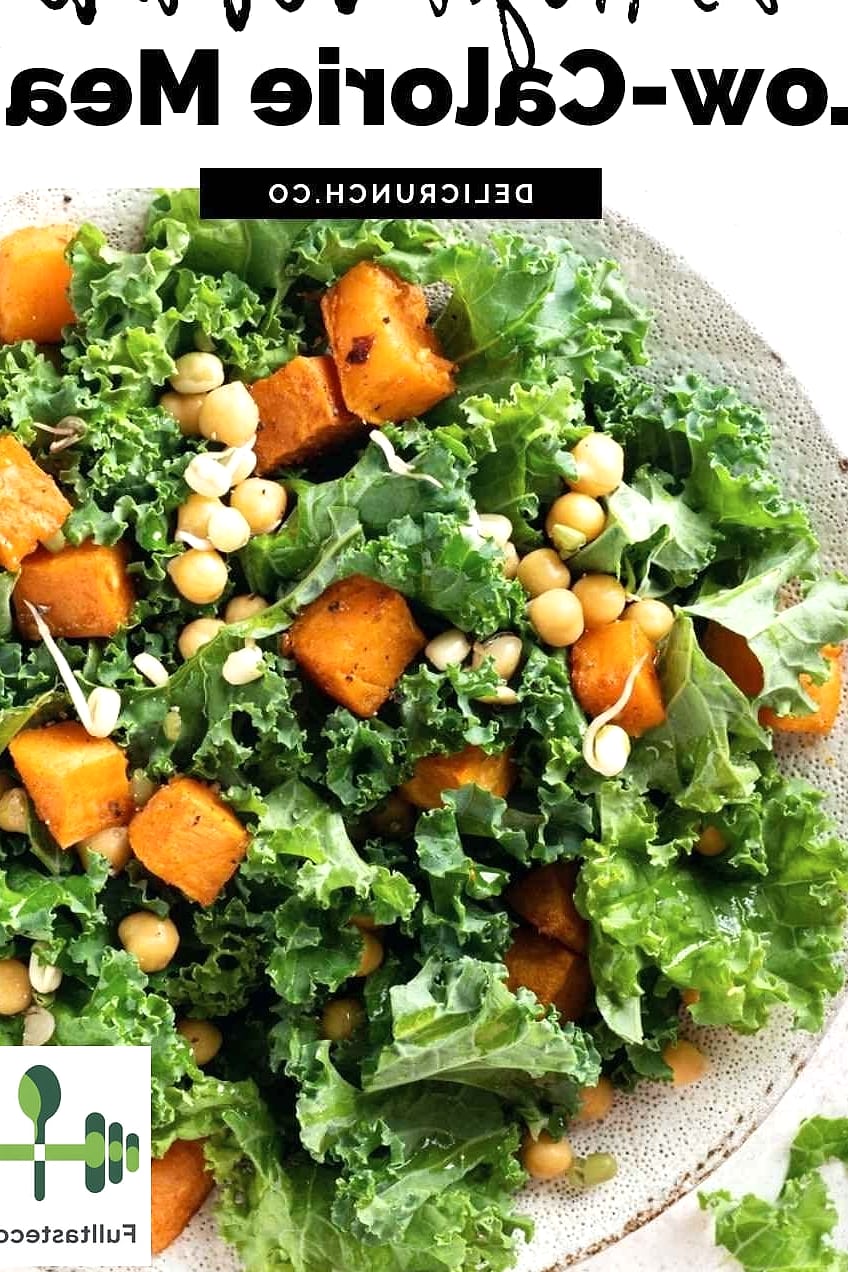
The biggest win here is that you never have to feel hungry. High-volume eating works by prioritizing foods with high water content, lots of fiber, and lean protein — think zucchini noodles piled high, brothy soups packed with vegetables, giant salads with satisfying toppings, or turkey-stuffed peppers that actually keep you full for hours. You’re filling your plate, not shrinking it.
These meals also work beautifully for the whole family. Most of them are so hearty and flavorful that nobody at the table even registers they’re eating something “light.” That’s the kind of cooking worth repeating.
And practically speaking, most of these recipes are weeknight-friendly. Many come together in under 30 minutes, rely on pantry staples, and store well for meal prep. You get variety without spending your entire Sunday in the kitchen.
Ingredients You’ll Need
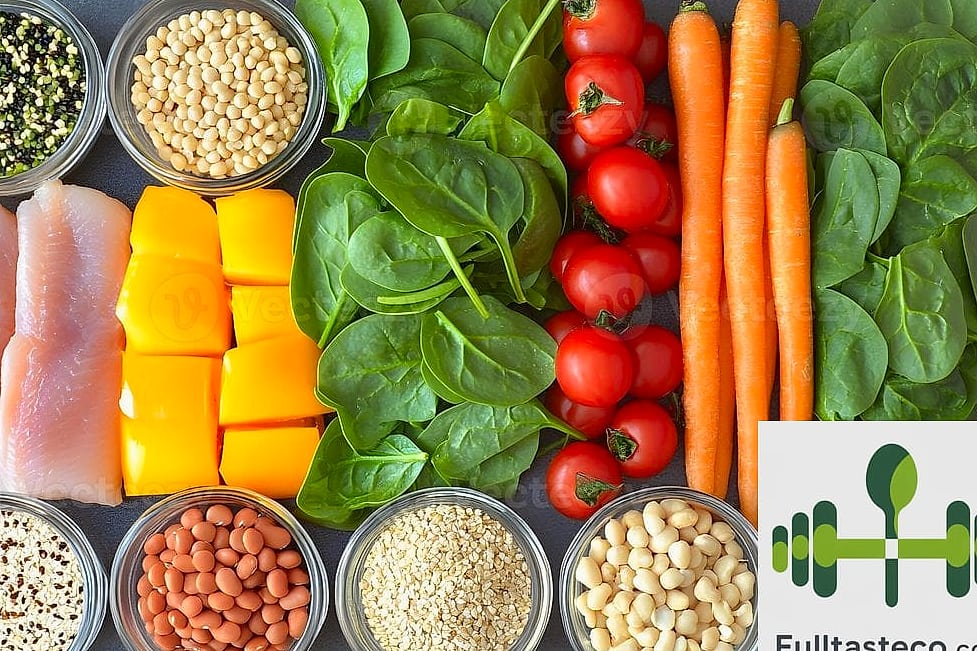
The backbone of high-volume, low-calorie cooking is vegetables with staying power. Zucchini, cauliflower, cabbage, broccoli, and leafy greens like spinach and kale show up constantly across these 30 meals because they’re bulky, filling, and surprisingly versatile. A head of cauliflower can become rice, pizza crust, or a creamy mash — all for a fraction of the calories.
Lean proteins are equally important. Chicken breast, ground turkey, egg whites, canned tuna, shrimp, and low-fat cottage cheese all make regular appearances. These keep you full between meals and help preserve muscle if you’re in a calorie deficit.
For flavor without the calorie load, this collection leans hard on aromatics — garlic, onion, fresh herbs, chili flakes, lemon juice, and soy sauce. Low-sodium broth does a lot of heavy lifting in soups and sauces, adding depth without adding much of anything else.
If you want to swap things around, feel free. Ground chicken works anywhere ground turkey is called for. Spaghetti squash and shirataki noodles are both great pasta alternatives depending on what you prefer. Frozen vegetables are just as nutritious as fresh and make these meals even faster to pull together on a busy night.
Tips for the Best Results
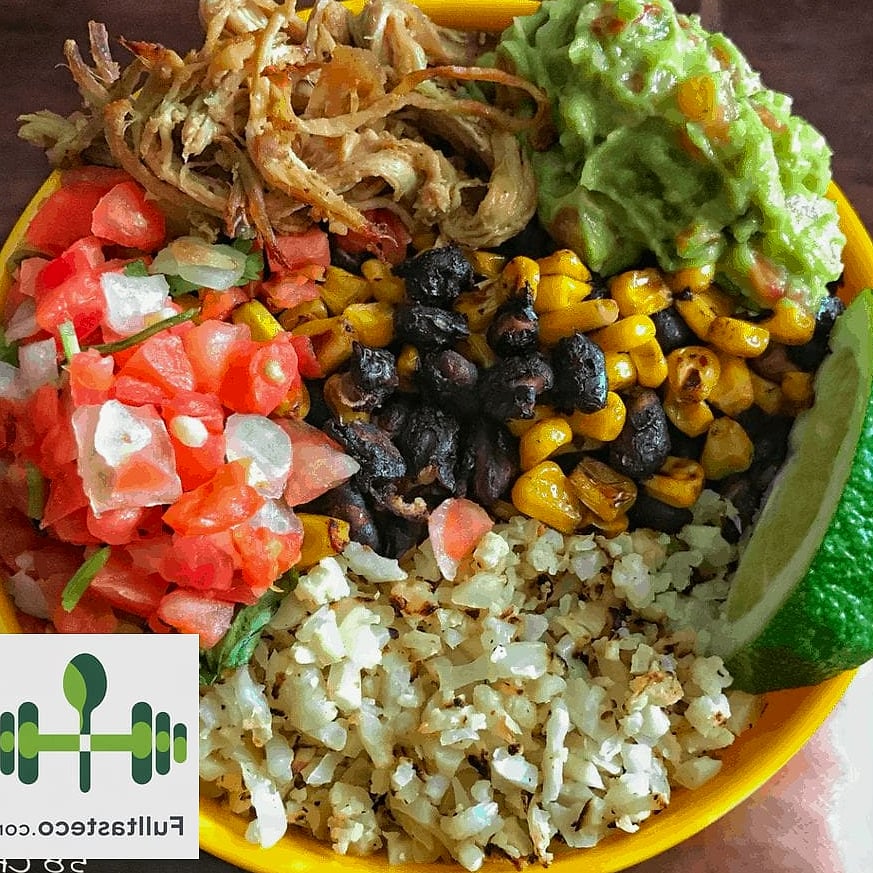
Cook in big batches. Many of these meals — soups, stir-fries, casseroles — taste even better the next day and reheat easily for lunch. If you prep a few components at the start of the week (cooked grains, roasted veggies, grilled chicken), you can mix and match into different meals without cooking from scratch every night.
Finally, eat slowly and eat mindfully. Volume eating works partly because high-fiber, high-water foods take longer to digest — but you’ve got to give your body time to register fullness. Sit down, eat without distraction, and enjoy the fact that your plate is actually full.
Storage and Reheating
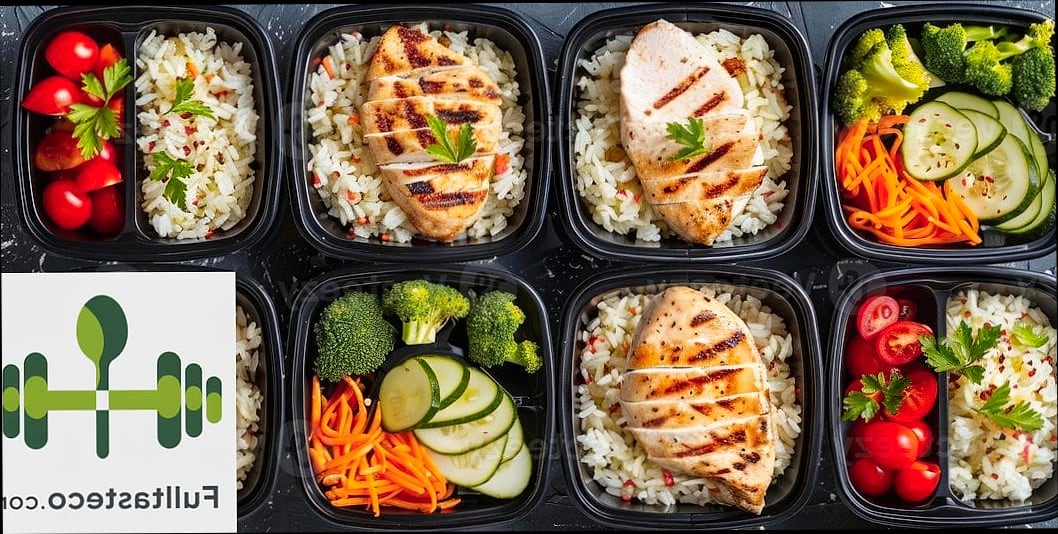
Most of these meals keep well in the refrigerator for three to four days in airtight containers. Soups and stews actually improve overnight as the flavors meld, so they’re perfect to make ahead. Salad-based meals should be stored with dressings and crunchy toppings separate to prevent sogginess.
For reheating, the stovetop and microwave both work depending on the dish. Add a small splash of water or broth when reheating soups or stir-fries to loosen them back up. Roasted vegetables are best refreshed in a hot oven or air fryer for a few minutes rather than the microwave, which tends to make them soft and limp.
Frequently Asked Questions
What does “high volume” mean in cooking?
High-volume eating means choosing foods that are large in size and weight but relatively low in calories. Things like leafy greens, broth-based soups, cucumbers, and zucchini give you a lot of food on your plate without a lot of energy density. You eat more food by weight and feel more satisfied, even in a calorie deficit.
Can these meals help with weight loss?
They absolutely can, especially if you’re someone who struggles with feeling hungry on a reduced-calorie plan. By filling your meals with fiber-rich vegetables and lean protein, you stay full longer and reduce the urge to snack between meals. That said, individual results vary and it’s always worth speaking with a doctor or dietitian about your specific goals.
Are these meals good for meal prep?
Most of them are excellent for meal prep. Soups, grain bowls, stuffed vegetables, egg muffins, and stir-fries all hold up well in the fridge and are easy to portion out at the start of the week. A few — like fresh salads with delicate greens — are better made the day you plan to eat them.
Can I make these meals vegetarian or vegan?
Absolutely. Many of them already are. For the ones that include chicken or turkey, you can substitute chickpeas, lentils, tofu, or tempeh. The soups and stews adapt especially well to plant-based swaps. Just make sure you’re still hitting adequate protein to stay satisfied.
30 Low-Calorie, High-Volume Meals
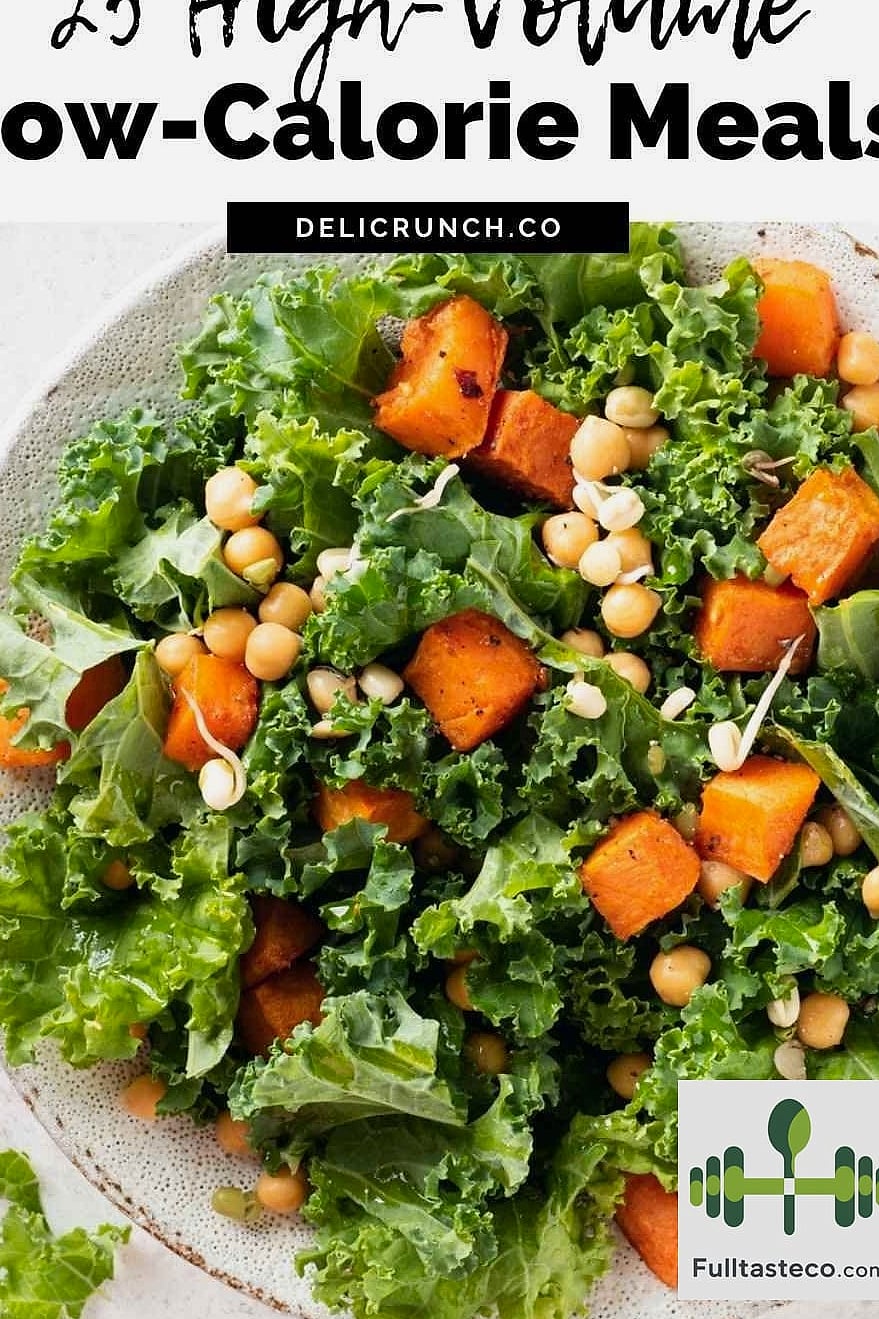
A collection of 30 satisfying, flavor-packed meals designed to maximize portion size while keeping calories low using lean proteins, fiber-rich vegetables, and smart cooking techniques.
Ingredients
- 1 lb chicken breast or ground turkey
- 2 medium zucchini, spiralized or diced
- 1 small head cauliflower, cut into florets
- 2 cups shredded cabbage
- 1 cup cherry tomatoes, halved
- 1 cup low-sodium chicken or vegetable broth
- 3 cloves garlic, minced
- 1 medium onion, diced
- 2 cups baby spinach
- 1 tbsp soy sauce or coconut aminos
- 1 tsp chili flakes
- juice of 1 lemon
- salt and pepper to taste
- fresh herbs such as parsley or basil for garnish
Instructions
- Step 1. Heat a large nonstick skillet over medium-high heat and spray lightly with cooking spray
- Step 2. Add diced onion and garlic and cook for 2-3 minutes until softened
- Step 3. Add chicken breast or ground turkey and cook through, breaking apart as needed, about 6-8 minutes
- Step 4. Add cauliflower florets and cook for 4-5 minutes until beginning to soften
- Step 5. Add zucchini, cabbage, and cherry tomatoes and stir to combine
- Step 6. Pour in broth and soy sauce, stir well, and reduce heat to medium
- Step 7. Simmer for 5-7 minutes until vegetables are tender and liquid has reduced slightly
- Step 8. Stir in baby spinach and cook for 1 minute until wilted
- Step 9. Season with chili flakes, lemon juice, salt, and pepper
- Step 10. Serve hot, garnished with fresh herbs
30-Day High-Protein
Low-Calorie Meal Plan
Every breakfast, lunch, dinner & snack — all 30 days fully mapped out. Just follow the plan.
- ✓50+ complete recipes with ingredients & step-by-step instructions
- ✓4-week day-by-day plans — every meal for all 30 days
- ✓4 weekly shopping lists organised by store section
- ✓Printable habit & progress tracker — 30 full days
- ✓100g+ protein per day — scientifically optimised macros
Instant PDF · Print at home
Results guaranteed with consistency