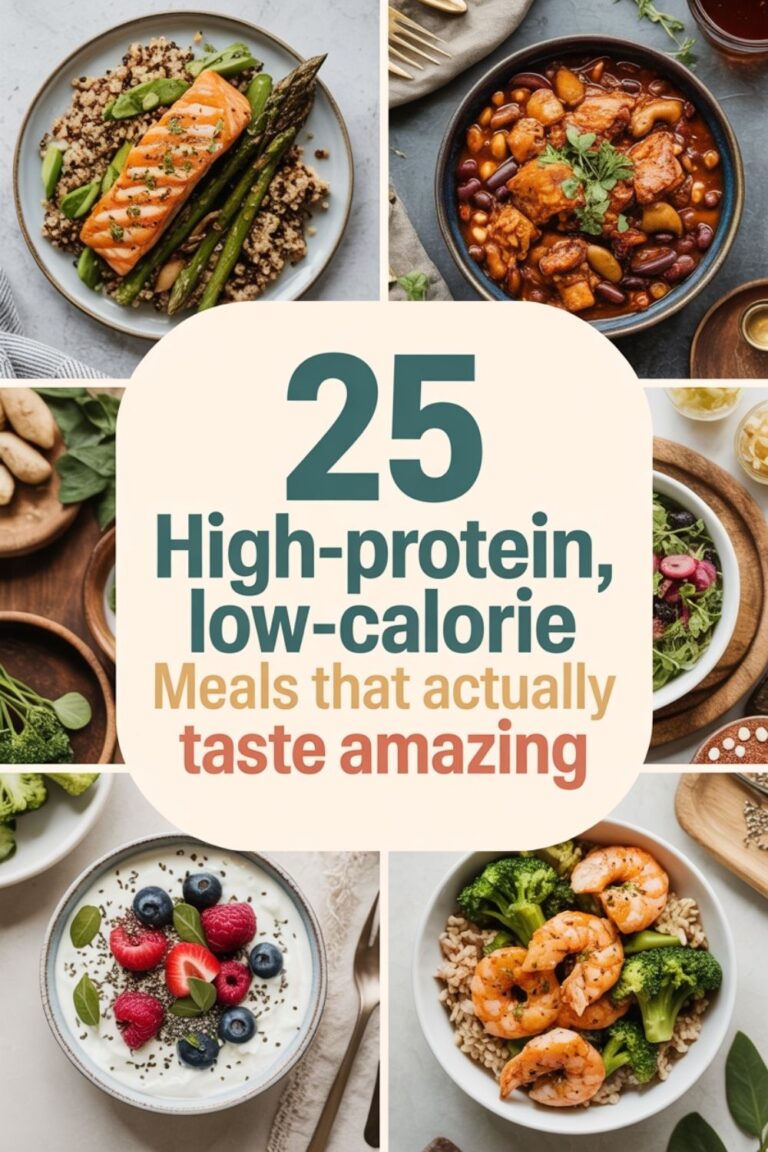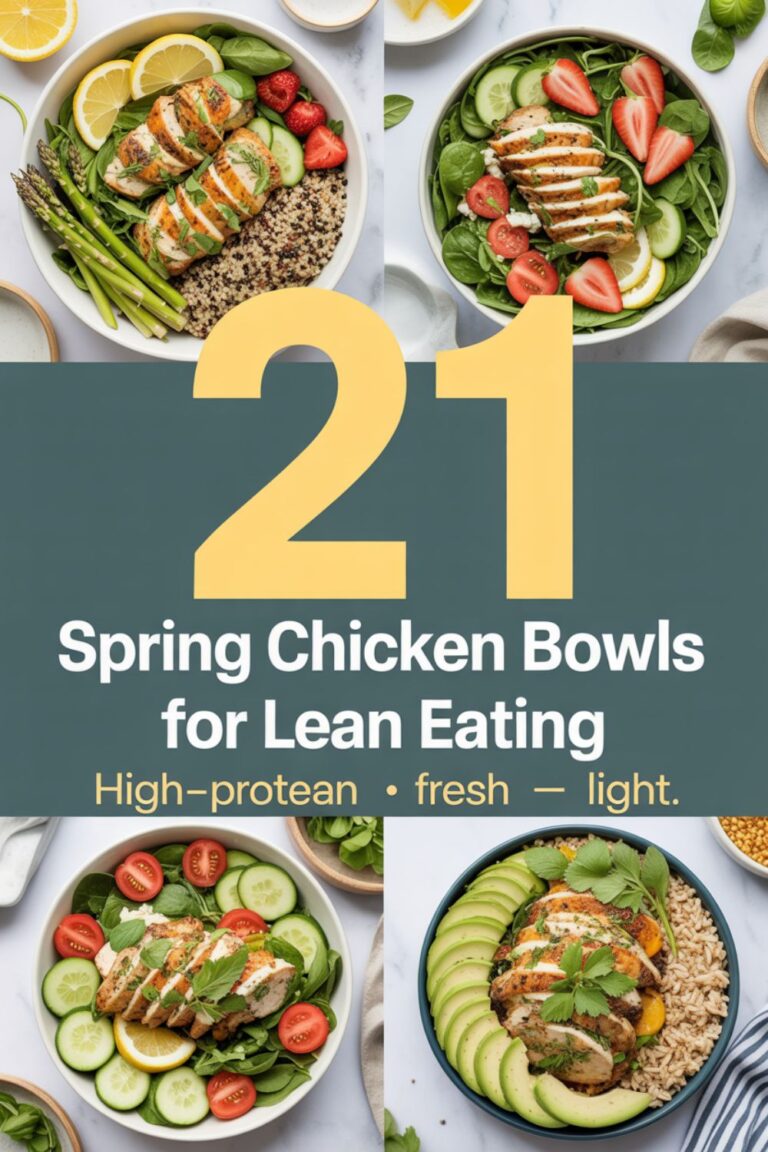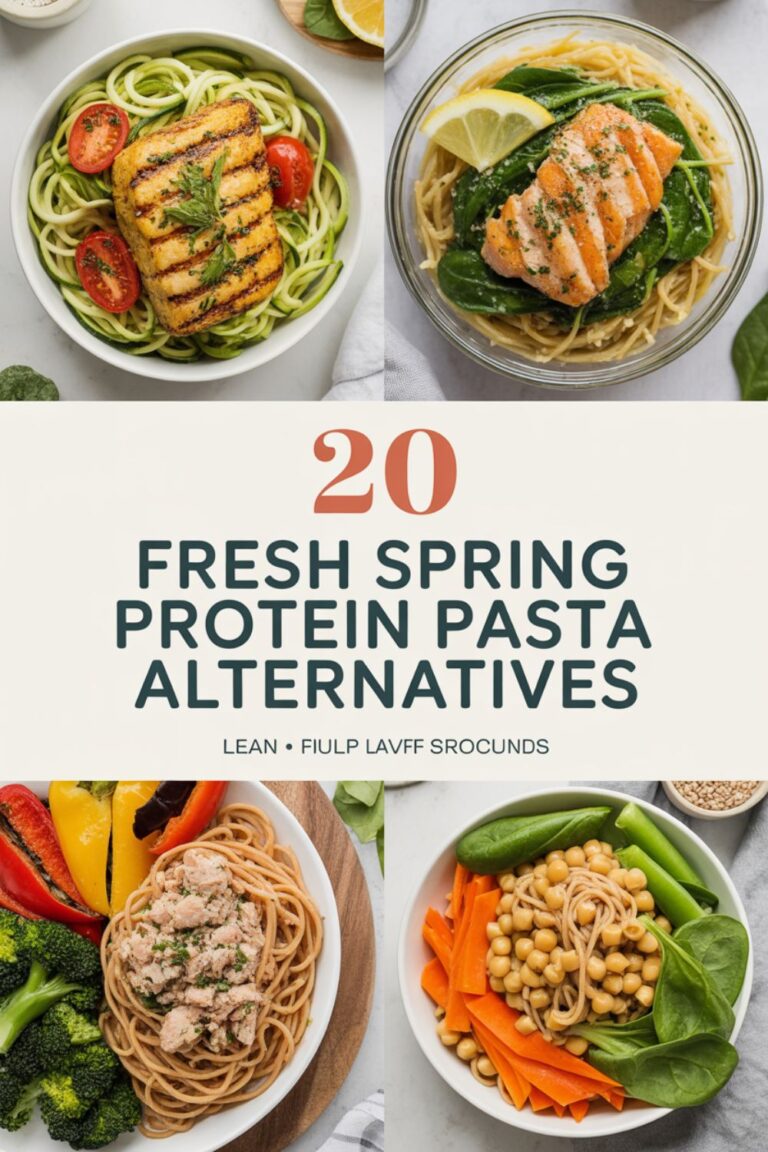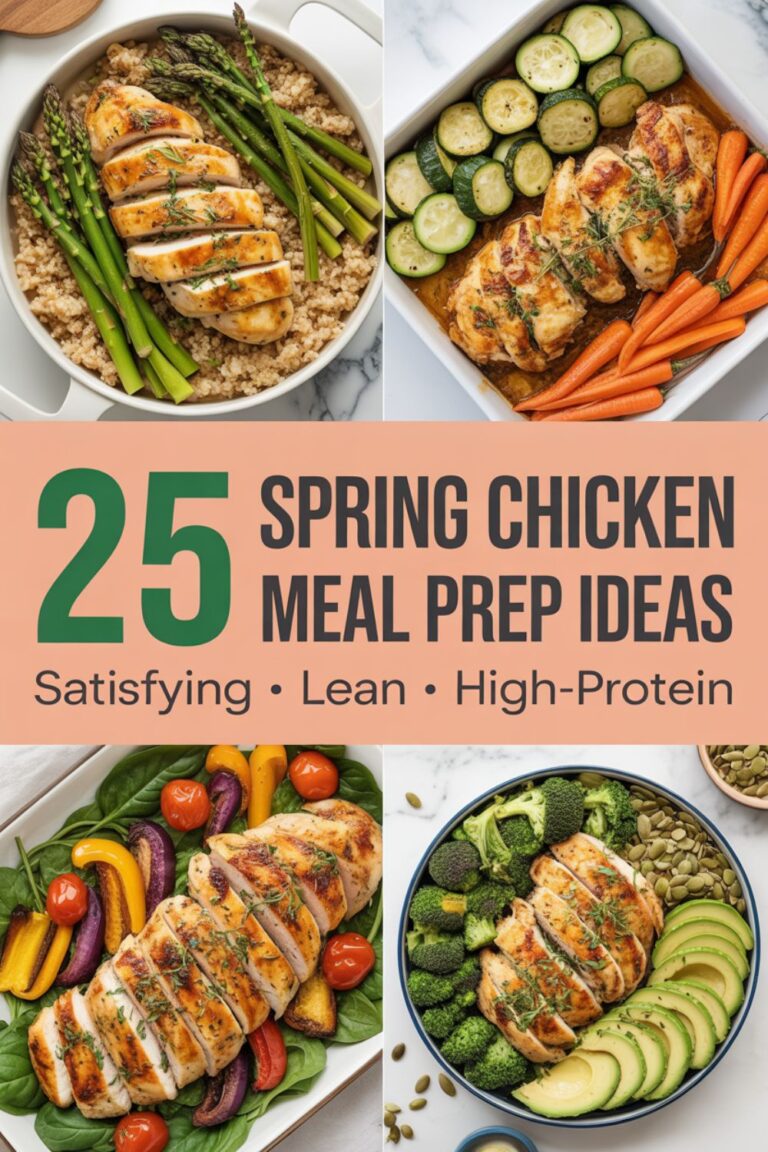
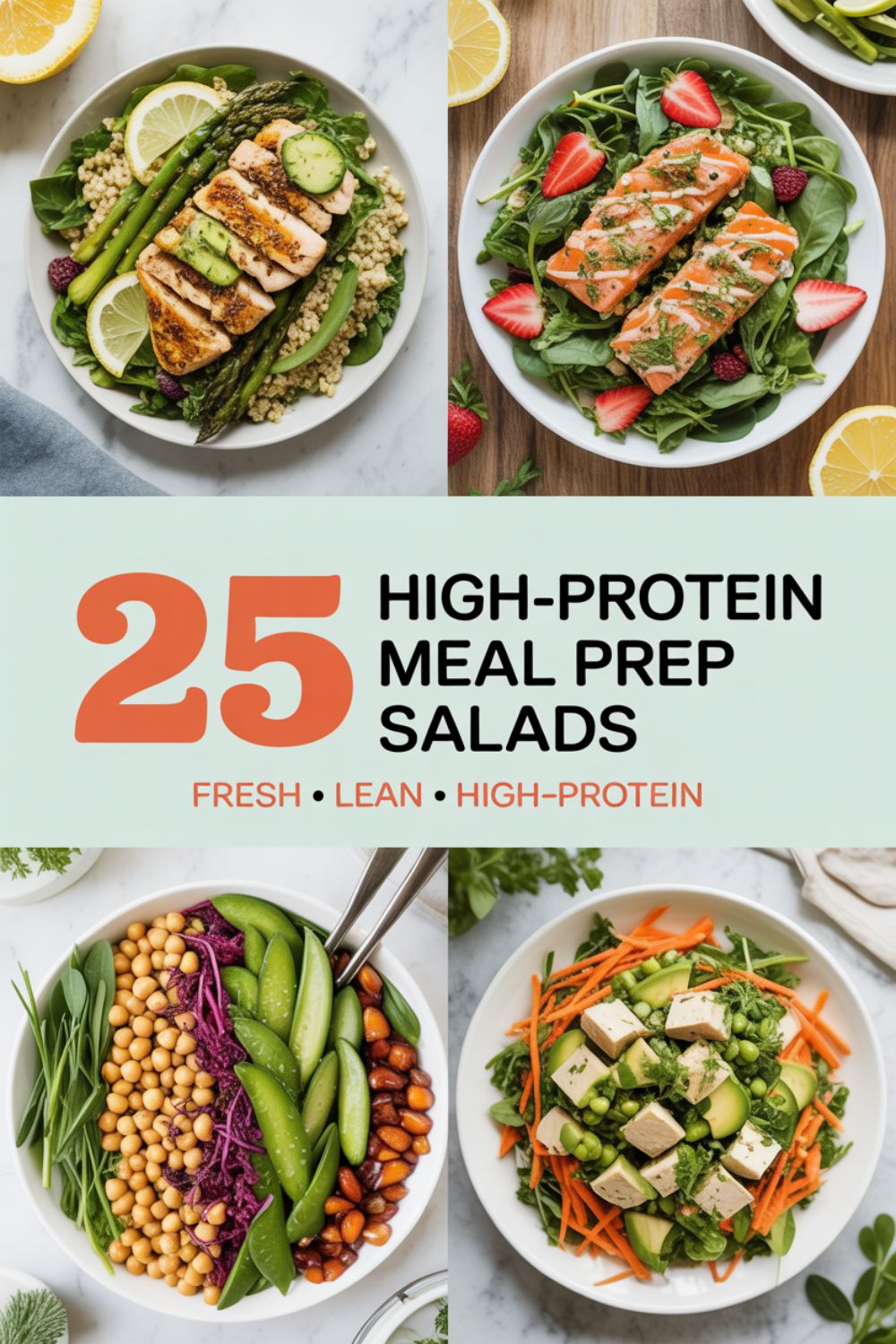
25 High-Protein Spring Meal Prep Salads That Actually Keep You Full
Fresh ingredients, serious protein, and zero Sunday-night regret.
Let’s be completely honest with each other for a second. Most meal prep salads are sad. Like, wilted-lettuce-at-the-bottom-of-a-container, vaguely depressing sad. You pack them full of hope on Sunday, and by Tuesday afternoon they’ve turned into a soggy regret you eat over the sink at work. Sound familiar?
That’s not what’s happening here. These 25 high-protein spring meal prep salads are a completely different species. We’re talking bold flavors, satisfying textures, and enough protein to actually keep you going through your afternoon without hunting down the vending machine. Spring is the perfect time to rethink your whole prep game — lighter produce is finally coming back, and there’s no reason your lunches have to be boring.
Whether you’re chasing fat loss, trying to build muscle, or simply want to stop eating sad sandwiches, protein-forward salads prepped ahead of time are genuinely one of the most efficient things you can do for your week. Research consistently shows that spreading protein intake evenly across meals — rather than dumping it all at dinner — significantly improves muscle synthesis and satiety throughout the day. A well-built salad is a surprisingly easy way to hit your midday protein window without having to think too hard about it.
So here’s the deal. I’ve rounded up 25 spring-ready, meal-prep-friendly salads that hold up beautifully for three to five days, pack serious protein, and won’t make you feel like you’re on a punishment diet. Let’s get into it.
Why Protein-Packed Salads Are the Real MVP of Spring Meal Prep
Here’s a question worth asking yourself: why do most people abandon their meal prep routine by Wednesday? Usually it’s because the food is boring, the textures have gone weird, or — and this is the big one — the meals weren’t filling enough to begin with. A salad that’s mostly lettuce and some cherry tomatoes is basically a side dish cosplaying as a lunch.
Protein changes that completely. When you build a salad around a solid protein source — grilled chicken, hard-boiled eggs, tuna, chickpeas, edamame, cottage cheese — you transform it from a sad side into a genuinely satisfying meal. Protein suppresses the hunger hormone ghrelin while stimulating appetite-reducing hormones like leptin and GLP-1, which means you stay full longer and you stop thinking about snacks every 45 minutes. That’s not a motivational poster; it’s just how the biology works.
Spring makes this even better because the seasonal produce is actually delicious right now. Peas, asparagus, radishes, baby spinach, snap peas, fresh herbs — these ingredients are at peak flavor in spring and they hold up exceptionally well in meal-prepped containers without turning to mush overnight. It’s kind of the ideal season to make friends with your blender and a set of good glass containers.
Prep veggies Sunday night, thank yourself all week. Wash, dry, and chop everything before it goes into containers. Wet greens are the enemy of a good prepped salad — spin them dry, and your salads will stay crisp through Thursday.
IMO, the spring-to-meal-prep pipeline is massively underrated. You get the lightness of fresh produce with the staying power of a high-protein core. It’s a combination that works for fat loss, muscle maintenance, and just generally not losing your mind in the work week. If you want to see how this fits into a broader nutrition strategy, the weekly high-protein low-calorie meal prep guide lays it all out in a really clean format.
The Building Blocks of a Great High-Protein Spring Salad
Before we get to the actual recipes, it’s worth spending two minutes on structure. A great high-protein salad isn’t random — it follows a framework that makes the whole thing work. Once you understand the framework, you can basically mix-and-match your way through the season without ever eating the same salad twice.
Your Protein Base (Aim for 25-35g Per Serving)
This is non-negotiable. Your protein source determines everything about how long the salad keeps, how filling it is, and how much actual work it has to do for your macros. Here are the best options for spring prep specifically:
- Grilled or baked chicken breast — the reliable workhorse, holds up 4-5 days, absorbs dressings well
- Hard-boiled eggs — prep a whole dozen on Sunday, add two per salad for an easy 12-13g boost
- Canned or pouch tuna and salmon — genuinely underrated, zero cooking required, high protein per dollar
- Edamame and chickpeas — plant-based, high fiber, adds great texture; chickpeas also work better than croutons if you roast them
- Cottage cheese — sounds weird in a salad, but blended into dressings or used as a creamy topping, it adds 25g per cup without changing the flavor dramatically
- Grilled shrimp — fast to cook, stays good cold, adds a light spring vibe to any base
Worth noting: if you’re comparing plant-based protein sources like chickpeas versus edamame, edamame wins on protein density. A cup of edamame gives you around 17g of protein versus chickpeas’ 15g, but chickpeas edge ahead on fiber and mineral content. Using both in the same salad is a completely valid move — and that’s also what makes these salads relevant for plant-based eaters who need to stack protein sources strategically.
The Greens That Actually Hold Up
Baby spinach, kale, arugula, and shredded cabbage are your best friends for meal prep. Tender butter lettuce or romaine will survive about two days before turning tragic. Kale is arguably the king of prep-friendly greens — it actually improves slightly after a day or two as the dressing breaks it down. Arugula adds a peppery bite that plays well against creamy dressings. Spring mixed greens work fine if you keep the dressing separate until eating.
The Dressing Timing Rule
Dress hearty greens like kale right away — it helps them soften. For everything else, keep the dressing in a separate small container and add it at the last minute. This single habit is the difference between a salad that’s still great on Thursday and one that’s a soggy mess by Tuesday. If you use small leak-proof dressing containers like these, it makes the whole system genuinely effortless.
Speaking of protein-forward lunches that hold up through the week, the 20 low-calorie high-protein salad recipes for quick lunches covers a lot of similar territory with slightly different flavor profiles. And if you want salads in bowl format, the 25 high-protein low-calorie bowls for meal prep are worth bookmarking too.
25 High-Protein Spring Meal Prep Salads You’ll Actually Look Forward To
Here we go. These recipes are organized loosely by protein source so you can match them to what you have on hand or what sounds good that week. Each one is built for meal prep — hearty enough to hold up, protein-rich enough to be an actual meal, and spring-forward enough to feel fresh rather than heavy.
Chicken-Based Spring Salads (Recipes 1-6)
Chicken is the default for good reason. It’s cheap, it preps easily, and it takes on flavors beautifully. These six are all built for at least three days of fridge life and hit 30g of protein per serving without breaking a sweat.
1. Grilled Lemon Herb Chicken with Asparagus and Pea Shoot Salad — marinate chicken thighs overnight in lemon, garlic, and fresh thyme. Grill or bake, slice thin, layer over shaved asparagus and pea shoots. A simple Dijon vinaigrette finishes it off. This one tastes better on day two when the asparagus softens slightly into the dressing. Get Full Recipe
2. Honey Mustard Chicken Salad with Snap Peas and Radishes — crispy-edged baked chicken, lots of snap peas, sliced radishes for crunch and color, and a honey-mustard dressing that doubles as a marinade. Bright, crunchy, and very satisfying. Get Full Recipe
3. Greek Chicken Salad with Cucumber, Red Onion, and Chickpeas — basically a full Greek meal in salad form. Poached chicken, chickpeas for extra protein, cucumber, kalamata olives, red onion, and a proper lemon-oregano dressing. Feta on top if you want it. Get Full Recipe
4. Sesame Ginger Chicken with Edamame and Shredded Cabbage — this one has a slightly Asian-inspired dressing: toasted sesame oil, fresh ginger, rice vinegar, and a touch of honey. Shredded cabbage holds up forever in the fridge and edamame stacks the protein further. Get Full Recipe
5. Buffalo Chicken Salad with Blue Cheese Crumbles and Celery — if you’re the type who finds regular salads boring (no judgment, I’m right there with you), this one has enough heat and funk to hold your attention. Buffalo-sauced chicken over crisp romaine, celery, and a drizzle of Greek yogurt blue cheese dressing. Get Full Recipe
6. Pesto Chicken with Cherry Tomatoes and Baby Arugula — simple, fast, and genuinely delicious. Coat chicken in store-bought or homemade pesto before baking. Slice over arugula, halved cherry tomatoes, and shaved parmesan. The pesto acts as both marinade and dressing. Get Full Recipe
Batch-cook chicken once for three different salads. Season a large batch of chicken breasts with just salt, pepper, and olive oil. Bake plain, then dress each portion differently when assembling. One cooking session, three totally different lunches.
Egg and Legume-Based Salads (Recipes 7-12)
These six are perfect if you want to go lower on the grocery bill or lighter on the meal prep effort. Hard-boiled eggs take ten minutes to make a dozen, and legumes from a can are ready immediately. Don’t sleep on these just because they’re simple — some of the best high-protein salads I’ve eaten came out of these categories.
7. Nicoise-Style Salad with Tuna, Green Beans, and Hard-Boiled Eggs — a classic French preparation that is tailor-made for meal prep. Tuna pouch, blanched green beans, halved eggs, olives, and a light red wine vinaigrette. Looks impressive, costs almost nothing. Get Full Recipe
8. White Bean and Roasted Veggie Spring Salad — roast a sheet pan of spring vegetables (zucchini, cherry tomatoes, bell peppers) and toss with white beans and a herby red wine vinaigrette. Completely plant-based, surprisingly filling, and one of the better prepped lunches going. Get Full Recipe
9. Egg Salad over Arugula with Dijon and Capers — skip the bread and put the egg salad on greens instead. Make it with Greek yogurt in place of mayo for a lighter version that still feels creamy. The capers and Dijon cut through the richness perfectly. Get Full Recipe
10. Lemon Chickpea and Kale Salad with Tahini Dressing — this is the one I keep going back to. Kale gets better over time in this dressing. Roasted chickpeas for crunch, lots of lemon zest, and a creamy tahini dressing that doubles as a sauce on everything else in your fridge. Get Full Recipe
11. Black Bean Corn and Avocado Spring Salad — technically more of a Southwestern thing, but it works year-round. Black beans, corn, avocado, lime dressing, and cotija cheese. Keep avocado separate until eating to prevent browning. High protein, high flavor, zero cooking required. Get Full Recipe
12. Edamame and Quinoa Spring Salad with Lemon Miso Dressing — quinoa doubles the protein foundation here. Edamame, shredded carrots, cucumber, and a punchy lemon-miso dressing. This one is great for anyone who’s trying to hit their protein targets on a plant-based diet. Get Full Recipe
If the egg and legume salads are speaking your language, you’ll also want to browse the full list of low-calorie high-protein vegetarian recipes that actually taste good. And for when you want something more substantial after those salads, the 12 high-protein low-calorie bowls you can prep in under 20 minutes are worth checking out.
Salmon, Shrimp, and Seafood Salads (Recipes 13-18)
Seafood in meal prep has a bit of an undeserved reputation. Yes, reheated fish is not ideal. But cold fish in a salad? That’s actually incredible. Salmon especially develops better flavor after sitting in a lemon-herb vinaigrette overnight. These six recipes lean into that.
13. Teriyaki Salmon Salad with Cucumber and Sesame — bake salmon fillets with teriyaki glaze, flake over mixed greens, and top with cucumber ribbons, sesame seeds, and a light miso vinaigrette. One of the most popular preps in my rotation, honestly. Get Full Recipe
14. Lemon Dill Salmon with Shaved Fennel and Blood Orange — this one feels like a restaurant meal. The fennel and blood orange add a brightness that makes salmon feel luxurious rather than like a Tuesday lunch obligation. Get Full Recipe
15. Shrimp and Avocado Salad with Lime Cilantro Dressing — grilled shrimp, ripe avocado, corn, and a lime-cilantro vinaigrette. Keep the avocado separate until serving. Fast to make, high protein, and it tastes like summer even in March. Get Full Recipe
16. Tuna and White Bean Salad with Lemon and Basil — this is the Italian tuna salad I make when I want something that takes five minutes but eats like it took twenty. Great-quality oil-packed tuna, white beans, fresh basil, and just enough lemon to brighten everything. Get Full Recipe
17. Crab and Mango Spring Salad with Chili Lime Vinaigrette — real crab if you can get it, imitation works fine if you’re meal prepping for cost. The mango and chili lime dressing makes this feel tropical and completely season-appropriate for late spring. Get Full Recipe
18. Smoked Salmon and Cream Cheese Kale Salad — think of it like a deconstructed everything bagel, but better. Smoked salmon, cream cheese crumbles (or dollops), red onion, capers, and kale massaged with a light lemon vinaigrette. Genuinely delicious. Get Full Recipe
“I was skeptical about the salmon meal prep salads at first, but I tried the teriyaki version and it completely changed my lunch game. I’ve lost 9 pounds in six weeks and I actually look forward to lunch now — which has never happened in my life.”
— Melissa R., community member
High-Protein Grain Salads (Recipes 19-25)
Grain salads are the long-term partners of the meal prep world. They get better over time, they’re endlessly adaptable, and they add a heartiness that keeps you satisfied through a full workday. These last seven round out the collection with a focus on quinoa, farro, and lentils as the protein base.
19. Quinoa, Roasted Chicken, and Spring Herb Salad — the combo of quinoa and chicken doubles the protein foundation. Add fresh herbs — tarragon, parsley, chives — and a lemon-shallot vinaigrette. This one reads as elevated even though it takes about 25 minutes to put together. Get Full Recipe
20. Farro and Roasted Asparagus Salad with Soft-Boiled Eggs — farro has a great chewy texture that makes grain salads feel substantial. Paired with roasted asparagus and jammy soft-boiled eggs, this is a complete meal that holds up well through four days of fridge time. Get Full Recipe
21. French Lentil and Roasted Beet Salad with Goat Cheese — French lentils (the dark green ones) hold their shape perfectly after cooking, which makes them ideal for prep. Roasted beets, crumbled goat cheese, and walnut vinaigrette complete the picture. Get Full Recipe
22. Quinoa Tabbouleh with Chickpeas and Cucumber — a protein upgrade on the classic. Swap traditional bulgur for quinoa and add a full can of chickpeas. Fresh parsley, mint, tomato, and lemon make it taste exactly like the original but with significantly more protein per serving. Get Full Recipe
23. Spelt Berry and Grilled Chicken Salad with Sun-Dried Tomatoes — spelt has a nutty, satisfying chew that pairs well with the brightness of sun-dried tomatoes and fresh basil. One of the more filling salads on this list just from pure volume. Get Full Recipe
24. Red Lentil and Roasted Carrot Salad with Harissa Yogurt — red lentils cook fast and go creamy, which makes them a great base for a more substantial, almost stew-adjacent salad. The harissa yogurt adds real heat and works as both dressing and dip. Get Full Recipe
25. Wild Rice, Turkey, and Cranberry Spring Salad with Orange Vinaigrette — wild rice has more protein than most grains and a satisfying bite. Ground turkey or sliced turkey breast, dried cranberries, and an orange vinaigrette make this one taste like a deconstructed holiday dinner — but in the best possible way. Get Full Recipe
If you’re building out a full week around these salads, pairing them with protein-packed breakfasts for busy mornings and 20 high-protein low-calorie recipes for dinner makes for a genuinely comprehensive approach to the whole day. The 14-day low-calorie high-protein meal prep plan actually maps this out for you if you want structure without having to think through the planning yourself.
Meal Prep Essentials for These Salads
Things I actually use. No fluff, no hard sell — just the tools that make this whole process easier and more consistent.
How to Store These Salads So They Actually Last All Week
Storage is where most people lose the battle. You can prep the most beautiful salad on earth and completely ruin it by stacking a warm container in the fridge. Here’s what actually works.
Always let hot components cool completely before sealing. If you roast chickpeas or grill chicken and seal them while they’re still warm, the trapped steam turns everything soggy within hours. Give them 20-25 minutes on a wire rack before assembling containers.
Keep wet and dry components in separate layers when possible. Put the hardiest ingredients — grains, legumes, proteins — at the bottom. Greens go on top. Dressing goes in a completely separate container. This is especially critical for delicate spring greens like pea shoots or baby spinach, which wilt fast under any moisture.
FYI — glass containers consistently outperform plastic for salad storage. Glass doesn’t absorb odors, it doesn’t leach anything into your food, and it keeps contents noticeably colder in the fridge. An airtight glass container with a good seal is the best investment you can make in your meal prep routine. I use these wide-mouth glass containers for everything and they’ve held up perfectly after two years of regular use.
Layer strategically, not randomly. Grains and proteins on the bottom, hearty vegetables in the middle, delicate greens on top. This creates a natural barrier that protects the greens from moisture migrating up from dressings below.
Most of these salads stay great for four days. Seafood-based ones are better within three days. Grain salads like the farro and lentil options can push to five days without any quality loss. If you’re building a full week of prep, plan your seafood salads for Monday and Tuesday and your grain salads for the back half of the week. That simple swap will make your Thursday lunch feel just as good as your Monday one.
How to Hit 30g of Protein in a Single Salad
This is the practical math question that comes up constantly, so let’s just answer it directly. Getting to 30g of protein in a salad is completely achievable without turning it into a weird food science project.
The most straightforward path is anchoring on one or two high-density protein sources and being reasonable about portions. A 4oz serving of chicken breast brings about 35g on its own. Two hard-boiled eggs add 12g. A cup of chickpeas contributes 15g. A can of tuna delivers 25g. You don’t need everything — you just need one solid anchor and one supporting source, and you’ll hit or exceed your target almost every time.
According to the published research on dietary protein and muscle maintenance, the optimal per-meal dose for stimulating muscle protein synthesis sits around 20-40g for most adults. Building your salads into that window puts you in a great position for both satiety and muscle support — without needing to track every gram obsessively. Structure your meals well and the math tends to take care of itself.
If you’re comparing cottage cheese versus Greek yogurt as a dressing base (a surprisingly common choice for high-protein meal preppers), cottage cheese wins on protein volume — about 25g per cup versus 17g for Greek yogurt — but Greek yogurt tends to taste better in dressings. Using both in combination is a move worth trying: blend them together for a creamy dressing that genuinely delivers on protein without sacrificing flavor.
“I started using these salads as my lunch five days a week after following the 7-day high-protein meal plan for beginners. Three months later I’ve dropped 12 pounds and my energy levels are completely different. The salmon salads are the ones I keep coming back to.”
— James T., community member
Dressings That Work for Meal Prep (And Don’t Destroy Your Macros)
The dressing is where a lot of well-intentioned salads quietly go sideways. A heavy creamy dressing adds 200-300 calories before you’ve even thought about the salad itself. The good news is that high-protein dressings exist and they’re genuinely delicious — they just require slightly more thought than the default bottle of Caesar from the store.
Greek yogurt-based dressings are the best starting point. Take plain Greek yogurt, add a clove of minced garlic, fresh lemon juice, a tablespoon of olive oil, and whatever herbs you like. You get creamy texture, about 15g of extra protein per serving, and the flavor is actually better than bottled dressings. I make a version of this with tahini and preserved lemon that I put on basically everything — a good immersion blender makes it take about three minutes flat.
Tahini is another protein-forward option worth building into your rotation. It’s made from sesame seeds, which are high in protein and healthy fats, and it emulsifies beautifully into dressings with lemon and water. The tahini-miso combination works especially well with grain salads and Asian-adjacent preparations.
For vinaigrettes, the ratio to remember is three parts oil to one part acid (lemon juice or vinegar). Add a teaspoon of Dijon mustard to emulsify, a bit of honey for balance, salt, and pepper. That’s it. It works on every salad in this list and takes 90 seconds to make. You can prep a large jar on Sunday and it keeps in the fridge for the whole week without any issues. A glass dressing shaker with measurement markings makes this process cleaner and more consistent if you’re doing it every week.
Dress kale salads the night before — the acid and oil break down the cell structure of kale leaves, making them tender and flavorful rather than tough and bitter. This is the one case where dressing in advance actively improves the salad.
Frequently Asked Questions
How long do high-protein meal prep salads last in the fridge?
Most protein-based salads hold up well for three to four days when stored properly in airtight glass containers with dressings kept separate. Seafood salads are best consumed within two to three days. Grain-based salads like quinoa, farro, and lentil versions can last up to five days without significant quality loss.
Can I freeze these high-protein salads for longer storage?
Fresh salads with greens and raw vegetables don’t freeze well — the cell structure breaks down and the texture becomes unpleasant after thawing. However, the protein components (cooked chicken, salmon, lentils, chickpeas) freeze perfectly and can be prepped in larger batches, frozen, then added to fresh greens when needed. For full freezable meal prep options, the 15 high-protein recipes you can freeze and reheat covers this well.
How much protein should I aim for per salad meal?
For most active adults, aiming for 25-35g of protein per salad meal is a practical target. This is enough to support muscle maintenance, keep you full through the afternoon, and contribute meaningfully to your daily protein goal without requiring extreme portion sizes. Research supports spreading protein intake across three to four meals throughout the day rather than concentrating it all in one sitting.
What are the best high-protein toppings for spring salads?
Roasted chickpeas, hemp seeds, pumpkin seeds, crumbled feta, hard-boiled egg slices, edamame, sunflower seeds, and toasted almonds are all excellent toppers that add protein alongside texture. Hemp seeds are particularly worth adding — three tablespoons deliver about 10g of complete protein and blend invisibly into any salad. A quality hemp seed from a trusted brand is a pantry item worth keeping stocked year-round.
Are these salads suitable for a weight loss plan?
Yes — high-protein, low-calorie salads are one of the most effective tools for fat loss because they combine volume (keeping you full) with a strong satiety signal from protein. The key is watching calorie-dense additions like heavy dressings, cheese, and nuts in large quantities. If you want a structured approach to this, the high-protein low-calorie meal ideas for weight loss beginners is a solid starting point.
The Bottom Line on Spring Meal Prep Salads
Here’s the truth: meal prep works when the food is actually good. Not just nutritionally adequate — actually enjoyable. These 25 high-protein spring salads clear that bar easily. They’re built around real ingredients, they hold up through the week without self-destructing, and they put 25-35g of protein into your lunch without turning every meal into a macro-counting exercise.
Spring is the ideal season to reset your routine. The produce is genuinely good right now, the weather makes you want to eat lighter, and a few hours on Sunday can set you up with lunches that feel like real cooking rather than obligation food. Pick three or four recipes from this list, do your prep Sunday evening, and see what your week looks like when your food is sorted before Monday morning.
Start wherever feels most accessible. The lemon chickpea kale salad and the Greek chicken version are genuinely forgiving starting points for new preppers. Once you have the rhythm down, layering in the more involved grain salads becomes second nature. Your future Tuesday-afternoon self will appreciate the effort more than you can possibly imagine right now.
30-Day High-Protein
Low-Calorie Meal Plan
Every breakfast, lunch, dinner & snack — all 30 days fully mapped out. Just follow the plan.
- ✓50+ complete recipes with ingredients & step-by-step instructions
- ✓4-week day-by-day plans — every meal for all 30 days
- ✓4 weekly shopping lists organised by store section
- ✓Printable habit & progress tracker — 30 full days
- ✓100g+ protein per day — scientifically optimised macros
Instant PDF · Print at home
Results guaranteed with consistency