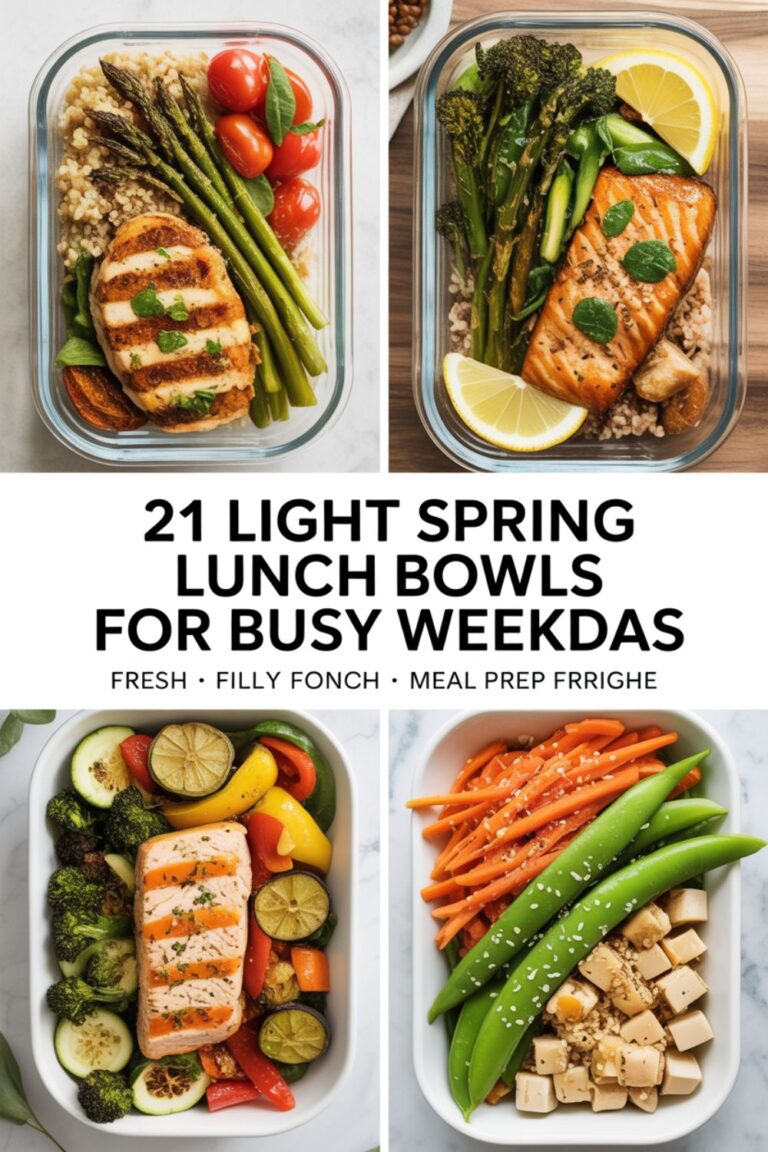
25 Fresh Spring Greek-Inspired Protein Meals
Spring just hit different this year. Maybe it’s the longer days or the fact that I can finally throw open my windows without freezing, but something about warmer weather makes me crave lighter, brighter food. And when I say lighter, I don’t mean boring salads that leave you hungry an hour later. I’m talking about the kind of meals that make you feel energized, not weighed down—protein-packed dishes inspired by Greek flavors that actually taste like something you’d order at a seaside taverna.
Greek cuisine gets protein right without even trying. We’re talking grilled meats marinated in lemon and oregano, creamy yogurt bowls topped with nuts and honey, chickpeas tossed with olive oil and fresh herbs. Nothing complicated, nothing fussy. Just real ingredients that happen to pack serious nutritional punch. And honestly? That’s exactly what spring eating should be about.
The best part about Greek-inspired cooking is how naturally it fits into a high-protein lifestyle. You’re not forcing protein powder into every meal or eating plain chicken breast for the fifth night in a row. According to Harvard’s Nutrition Source, Mediterranean dietary patterns like Greek cuisine are consistently linked to better health outcomes, including improved weight management and reduced disease risk. The traditional Greek approach emphasizes whole foods, lean proteins, and healthy fats—basically everything you want when you’re trying to fuel your body properly.
Why Greek Flavors Work Perfectly for Spring Protein Goals
Let’s be real—winter eating is about comfort. Heavy stews, cheese-loaded casseroles, basically anything that sticks to your ribs. But when spring rolls around, your body naturally craves something different. Greek cooking nails this transition because it’s built on fresh vegetables, herbs, and lean proteins. You’re getting the nutrients you need without feeling like you just ate a brick.
The genius of Greek cuisine lies in its simplicity. Take a basic grilled chicken breast—pretty boring on its own, right? Now marinate it in lemon juice, garlic, and oregano for an hour. Suddenly you’ve got something that actually tastes like food instead of cardboard. Throw some tzatziki on top and you’re looking at a meal that’s both high in protein and legitimately crave-worthy.
What really sells me on Greek-inspired meals for spring is how they make vegetables the star instead of an afterthought. You’re not choking down steamed broccoli because you know you should. You’re eating roasted eggplant drizzled with olive oil and lemon, or grilled zucchini topped with fresh mint. The protein becomes part of a bigger, more interesting picture.
Research published in the Journal of Internal Medicine shows that Mediterranean dietary patterns reduce inflammation and improve metabolic health markers. When you’re eating Greek-style, you’re not just hitting your protein goals—you’re actually supporting your body’s overall function with anti-inflammatory compounds from olive oil, herbs, and vegetables.
The Protein Powerhouses in Greek Cooking
Greek food isn’t accidentally high in protein. It’s baked into the cuisine because, historically, these were foods that sustained people through physical labor and active lifestyles. The protein sources are diverse, affordable, and most importantly, they don’t taste like punishment.
Greek Yogurt: The Unsung Hero
If you’re not already using Greek yogurt in your meal rotation, we need to talk. A single cup packs around 20 grams of protein, plus it’s loaded with probiotics that actually help your gut do its job. I keep a big tub in my fridge at all times and use it for everything—breakfast bowls, smoothies, marinade bases, even as a replacement for sour cream on basically anything.
The cool thing about Greek yogurt is its versatility. Mix it with cucumber and dill for tzatziki sauce, blend it with honey and cinnamon for a sweet topping, or just eat it straight with some chopped walnuts and a drizzle of honey. According to Healthline, Greek yogurt provides essential nutrients like calcium, vitamin B12, and probiotics that support bone health and digestive function.
Legumes That Actually Taste Good
Chickpeas and lentils show up constantly in Greek cooking, and for good reason. They’re cheap, they last forever in your pantry, and they’re surprisingly satisfying when prepared right. A cup of cooked chickpeas gives you about 15 grams of protein plus fiber that keeps you full.
I’m obsessed with making quick chickpea salads during spring—drain a can, toss with olive oil, lemon juice, fresh parsley, cherry tomatoes, and red onion. Five minutes, minimal cleanup, and you’ve got something that works as lunch or a side dish for dinner. If you’re feeling fancy, roast them with za’atar seasoning until crispy for a snack that beats any processed protein bar.
For more plant-based protein inspiration, check out these high-protein vegan meals that pair perfectly with Greek flavor profiles.
Fish and Seafood Done Right
Greece is surrounded by water, so naturally, seafood is huge in their cooking. Spring is prime time for lighter fish preparations—think grilled sea bass with lemon and herbs, shrimp tossed with garlic and olive oil, or even canned sardines (stay with me here) mashed onto whole grain bread with tomatoes.
The beauty of Greek-style fish is that you’re not drowning it in heavy sauces. A good piece of salmon needs nothing more than salt, pepper, olive oil, and maybe some fresh dill. Throw it on a sheet pan with asparagus and lemon slices, roast for 15 minutes, and call it dinner. If you’re looking for more fish-forward options, these spring fish bowls are worth checking out.
Building Your Greek-Inspired Spring Meal Rotation
The trick to actually sticking with any eating style is making it practical for real life. Nobody has time to spend three hours cooking dinner every night, and honestly, most Greek food doesn’t require that anyway. These are meals built for efficiency without sacrificing flavor.
The Five-Minute Protein Bowl Template
Start with a base—mixed greens, quinoa, or even just chopped romaine. Add your protein—grilled chicken, chickpeas, hard-boiled eggs, whatever you’ve got. Pile on the vegetables—cucumbers, tomatoes, olives, peppers. Drizzle with olive oil and lemon juice, sprinkle with feta and oregano. Done. You just made a legitimate meal in less time than it takes to decide what to order for delivery.
I keep pre-portioned containers ready to go so I can throw these together even when I’m brain-dead after work. The formula stays the same, but you can mix up the proteins and vegetables based on what you have or what’s on sale. Some days it’s leftover rotisserie chicken with cherry tomatoes. Other days it’s canned tuna with roasted red peppers.
Speaking of quick meals, these 20-minute protein bowls follow the same efficient approach.
Protein-Packed Greek Breakfast Ideas
Breakfast might be the easiest meal to do Greek-style. Greek yogurt bowls are the obvious choice, but don’t sleep on savory options. A quick scramble with feta, spinach, and tomatoes takes maybe five minutes and keeps you full until lunch. Or go the overnight oats route—mix oats with Greek yogurt, chia seeds, and a bit of honey, let it sit overnight, top with fresh berries in the morning.
The Greek approach to breakfast isn’t about loading up on pastries or sugar. It’s about real food that gives you sustained energy. Think cucumbers with cheese, olives with whole grain bread, maybe some smoked fish if you’re feeling adventurous. Foods that would horrify the average American breakfast eater but actually make way more sense nutritionally.
For more morning meal inspiration, check out these protein-packed breakfasts that’ll actually keep you satisfied.
Dinner Solutions That Don’t Require a Culinary Degree
Greek dinners are beautifully straightforward. Grill some protein, roast some vegetables, maybe throw together a quick salad. You’re not making complicated sauces or following twelve-step recipes. The flavor comes from quality ingredients and smart seasoning, not from spending hours in the kitchen.
One of my go-to moves is making Greek meatballs—mix ground turkey or lamb with fresh mint, garlic, cumin, and a bit of breadcrumb, form into balls, bake on a parchment-lined sheet pan. Serve them over quinoa with tzatziki and a simple tomato-cucumber salad. The whole thing takes maybe 30 minutes start to finish, and you’ve got enough for leftovers.
Sheet pan dinners are clutch for Greek-inspired cooking because everything roasts together and picks up those gorgeous Mediterranean flavors. Try these high-protein sheet pan dinners for more inspiration. Get Full Recipe
Making Greek Flavors Work for Meal Prep
Meal prep gets a bad rap because people think it means eating the same boring thing five days in a row. But Greek-inspired meal prep is different because the components stay interesting even when reheated. Marinated proteins actually taste better after sitting overnight. Roasted vegetables develop more flavor. Grain salads improve as the dressing soaks in.
The key is prepping components, not complete meals. Cook a big batch of chicken thighs in Greek marinade, roast several trays of vegetables, make a huge pot of quinoa or farro, whip up a container of tzatziki. Then during the week, you’re just assembling different combinations rather than eating identical meals.
Sunday I might have the chicken with roasted eggplant and a side salad. Tuesday it’s the same chicken chopped into a wrap with fresh vegetables and tzatziki. Thursday the chicken goes into a grain bowl with different roasted vegetables and some feta. Same protein, completely different meals.
Meal Prep Essentials for Greek-Inspired Cooking
The right tools make Greek meal prep way less painful. Here’s what actually gets used in my kitchen every week:
For more structured meal prep approaches, check out these spring meal prep ideas that follow similar principles. Get Full Recipe
Seasonal Spring Ingredients That Amp Up Greek Dishes
Spring produce is where Greek cooking really shines. You’re working with ingredients at their peak flavor, which means you don’t need to do much to make them taste good. This is the time of year when a simple tomato salad with olive oil and oregano actually tastes like something worth eating.
Fresh Herbs Change Everything
Dried herbs are fine, but fresh herbs in spring are on another level. Dill with yogurt-based sauces, mint with lamb or in salads, oregano and thyme with roasted vegetables. The difference between dried and fresh in these applications is huge. If you’ve got even a tiny outdoor space, growing your own herbs is ridiculously easy and saves you from spending five dollars on a package that goes bad in three days.
I keep a herb keeper in my fridge that keeps fresh herbs alive way longer than just shoving them in a bag. Treat them like flowers—trim the stems, put them in water, they’ll last a week or more. Makes it feasible to actually use them before they turn into green slime.
Spring Vegetables Worth Getting Excited About
Asparagus, snap peas, fresh spinach, baby artichokes, spring onions—these all show up in Greek cooking and they’re all at their best right now. The key is not overcooking them. Greeks don’t boil vegetables into mush. You’re looking at quick roasting, light grilling, or even eating them raw when appropriate.
Asparagus wrapped in a little prosciutto and roasted until crispy? Greek-adjacent and protein-rich. Snap peas tossed with olive oil, lemon, and mint eaten raw? Refreshing and takes zero cooking. Baby spinach wilted into a chickpea stew in the last two minutes? Perfect texture without turning into slime.
These spring veggie protein bowls make the most of seasonal produce while keeping the protein count high.
The Protein-Per-Dollar Sweet Spot
One thing I appreciate about Greek-style eating is that it’s not expensive unless you make it expensive. Sure, you could buy imported feta and fancy olive oil, but you don’t need to. The core proteins—chicken thighs, eggs, canned beans, frozen fish—are all budget-friendly. You’re spending money on vegetables and herbs that actually provide nutritional value instead of processed junk.
Chicken thighs are criminally underrated. They cost less than breasts, stay moist when you cook them, and absorb marinades better. A family pack from the grocery store can feed you for days. Same with eggs—an entire dozen for the price of one protein bar, and infinitely more versatile.
Canned fish is another secret weapon. Sardines, mackerel, even fancy tuna packed in olive oil. Yes, sardines take some getting used to if you didn’t grow up eating them, but once you’re on board, they’re an incredibly cheap source of protein and omega-3s. Mash them with lemon and eat on whole grain toast, or toss them into a Greek salad for extra substance.
For budget-conscious high-protein options, these 5-ingredient recipes keep things simple and affordable.
Greek-Inspired Snacks That Actually Satisfy
Snacking on a high-protein diet doesn’t mean choking down another protein bar or eating plain hard-boiled eggs like some kind of bodybuilding robot. Greek snacking culture is built around small plates and simple combinations that taste like actual food.
Greek yogurt with honey and walnuts is the obvious choice, but don’t stop there. Try cucumber slices topped with whipped feta and fresh dill. Or roasted chickpeas seasoned with lemon zest and sea salt. Or even just some good olives with a chunk of cheese and whole grain crackers. These are snacks that feel indulgent but are actually fueling your body properly.
I keep a divided snack container in my bag with stuff like cherry tomatoes, cubed feta, olives, and almonds. Beats grabbing whatever garbage is available at a gas station when hunger hits unexpectedly. Plus, if you’re eating satisfying snacks with actual protein and fat, you’re way less likely to demolish an entire bag of chips later.
These high-protein snacks follow the same principle of real food over processed bars.
Adapting Greek Classics for Higher Protein
Traditional Greek dishes are already protein-friendly, but you can optimize them even further without ruining what makes them good. The goal isn’t to turn everything into a bodybuilder’s meal prep container. It’s about making small tweaks that boost the nutritional profile while keeping the soul of the dish intact.
Moussaka Makeover
Classic moussaka is delicious but heavy on the béchamel sauce and fried eggplant. You can lighten it up by roasting the eggplant instead of frying it, using lean ground turkey or chicken instead of fatty lamb, and making the sauce with Greek yogurt instead of all that butter and cream. You’re still getting the layered, comforting dish, just with better macros.
The key is not skipping the seasoning—cinnamon and nutmeg in the meat sauce are what make moussaka taste like moussaka. Cut corners on the fat, not the flavor. Get Full Recipe
Tzatziki as a Secret Weapon
Tzatziki might be the most versatile high-protein sauce in existence. Greek yogurt, cucumber, garlic, dill, lemon juice. That’s it. Use it on grilled meats, as a dip for vegetables, spread on wraps, even as a base for grain bowls. Every two tablespoons adds about 5 grams of protein, and it makes basically everything taste better.
I make a huge batch every week in my food processor—way faster than hand-grating cucumber. Just pulse the cucumber first to chop it, squeeze out the excess water with a kitchen towel, then mix with yogurt and seasonings. Keeps in the fridge for five days easy.
Protein-Boosted Greek Salad
A traditional Greek salad is mostly vegetables with a bit of feta. Nothing wrong with that, but it’s not exactly a complete meal. Add grilled chicken, chickpeas, or even canned tuna to turn it into something that’ll keep you satisfied for hours. The classic combination of tomatoes, cucumbers, peppers, olives, and feta already provides the perfect flavor base.
For more salad inspiration that’s actually filling, try these high-protein spring salads. Get Full Recipe
The Spring Dinner Formula That Never Gets Old
After cooking Greek-inspired meals for months, I’ve landed on a formula that works basically every time. It’s flexible enough that you never feel like you’re eating the same thing twice, but structured enough that you don’t have to think too hard about what to make.
The formula: Protein + Roasted Vegetables + Grain or Greens + Sauce + Herbs
Monday might be grilled chicken thighs, roasted zucchini and peppers, quinoa, tzatziki, fresh mint. Wednesday could be pan-seared cod, roasted asparagus, mixed greens, lemon-olive oil dressing, fresh dill. Friday might be lamb meatballs, roasted eggplant, farro, tomato sauce, oregano. Same structure, completely different meals.
The beauty of this approach is that you can batch-cook the components and mix them up throughout the week. You’re not meal-prepping in the traditional sense where you eat identical containers. You’re creating a Mediterranean-style mezze spread every night, just from ingredients you’ve already prepared.
If you need more weeknight inspiration, these spring dinners under 400 calories follow similar principles. Get Full Recipe
Greek-Style Eating When You’re Not Home
One of the best things about learning to eat Greek-style is that it translates really well to restaurant meals and social situations. You’re not stuck being that person who brings their own food everywhere or who makes everyone feel weird by ordering plain grilled chicken with nothing on it.
Most restaurants have some version of Greek or Mediterranean food on the menu. Order the grilled fish or chicken, load up on the vegetable sides, ask for olive oil and lemon on the side instead of heavy sauces. You’re eating well without being a pain in the ass about it.
When I travel, I look for Greek or Middle Eastern restaurants because I know I can eat there without derailing completely. You can find protein-rich, vegetable-forward meals that fit your goals while still enjoying the experience of eating out. Plus, Greek food is usually generous with portions, so you’re actually getting your money’s worth.
Why This Approach Actually Works Long-Term
The thing about Greek-inspired eating is that it doesn’t feel like a diet. You’re not counting calories obsessively or avoiding entire food groups. You’re eating real food that tastes good, happens to be high in protein, and leaves you satisfied instead of starving.
I’ve tried the meal replacement shakes, the aggressive calorie cutting, the eating-chicken-and-broccoli-every-day approach. None of it stuck because it was miserable. Greek-style eating works because it’s actually sustainable. The meals are interesting enough that you look forward to them, simple enough that you’ll actually make them, and nutritious enough that your body functions properly.
Research from Mayo Clinic confirms that Mediterranean dietary patterns are associated with better long-term weight management and health outcomes compared to restrictive dieting approaches. You’re working with your body’s natural preferences for variety and flavor rather than fighting against them.
Plus, there’s something to be said for eating food that has cultural history behind it. These aren’t meals designed by nutritionists in a lab. They’re recipes that have fed people for generations because they work—they taste good, they’re made from accessible ingredients, and they support an active lifestyle.
For more complete meal plan structures, check out this 7-day high-protein dinner plan that incorporates similar Mediterranean principles.
Getting Started Without Overwhelming Yourself
If you’re new to Greek-style cooking, don’t try to overhaul everything at once. Start with one or two meals a week. Maybe Sunday dinner becomes your Greek night—grill some chicken with lemon and herbs, roast whatever vegetables look good, make a simple salad. See how it feels.
Stock your pantry with the basics: good olive oil, dried oregano, garlic, lemons, canned chickpeas, canned tomatoes. These are ingredients you’ll use constantly and they don’t go bad quickly. Add Greek yogurt to your regular grocery list. Buy a chunk of feta instead of shredded cheese.
The transition doesn’t have to be dramatic. Swap your usual breakfast for a Greek yogurt bowl with fruit and nuts. Make tzatziki instead of reaching for ranch dressing. Use lemon and herbs on your grilled chicken instead of teriyaki sauce. Small changes that nudge your eating in a better direction without requiring a complete lifestyle overhaul.
Once you realize how good you feel eating this way—more energy, better digestion, not constantly hungry—you’ll naturally want to do it more often. It stops being a conscious effort and just becomes how you eat. That’s when you know you’ve found something sustainable.
For beginner-friendly approaches, start with this beginner meal plan that eases you into high-protein eating without overwhelm.
Frequently Asked Questions
How much protein do I actually need per day?
It depends on your activity level and goals, but most people do well with 0.7 to 1 gram of protein per pound of body weight. If you’re trying to build muscle or lose fat while preserving muscle, aim for the higher end. Greek-inspired meals make hitting these numbers surprisingly easy since the traditional diet naturally emphasizes protein-rich foods.
Can I do Greek-style eating if I’m vegetarian?
Absolutely. Greek cuisine has tons of vegetarian protein sources—chickpeas, lentils, beans, Greek yogurt, eggs, feta cheese. You might need to be more intentional about combining these sources to hit your protein goals, but it’s completely doable. Check out these vegetarian protein recipes for ideas.
Is Greek-style eating expensive?
Not necessarily. While imported ingredients and specialty items can add up, the core components are pretty affordable—chicken thighs, eggs, canned beans, seasonal vegetables, yogurt. You’re avoiding expensive processed foods and eating more home-cooked meals, which usually saves money. Buy basics in bulk, stick to seasonal produce, and use cheaper cuts of meat.
How do I meal prep Greek food without it getting soggy?
Store components separately when possible. Keep dressings and sauces in separate small containers until you’re ready to eat. Don’t dress salads until serving time. Roasted vegetables hold up better than raw ones for meal prep. Use glass containers with good seals to prevent moisture issues. Grains like quinoa and farro actually improve over time as they absorb flavors.
Can I build muscle eating Greek-style meals?
Yes, as long as you’re eating enough total protein and calories. Greek athletes have been fueling their training with this type of food for centuries. Focus on the higher-protein options like grilled meats, fish, Greek yogurt, and legumes. Time your larger protein portions around your workouts. For muscle-building meal ideas, try these recipes designed for muscle gain.
Final Thoughts
Greek-inspired eating in spring isn’t about following rigid rules or transforming into someone who only eats imported olives and artisanal feta. It’s about taking inspiration from a cuisine that naturally aligns with health goals—high protein, lots of vegetables, minimal processing, maximum flavor.
The meals I’ve covered here are starting points, not commandments. Adapt them to your preferences, your schedule, your budget. Use the proteins you like, the vegetables you can find, the herbs you can afford. The core principles remain the same: real ingredients, simple preparations, bold flavors that make eating well actually enjoyable.
Spring is the perfect time to reset your eating habits because the seasonal produce makes healthy food exciting instead of boring. Take advantage of it. Grill some chicken with lemon. Roast whatever vegetables look good at the market. Mix up a batch of tzatziki. Eat like someone who actually enjoys food while still treating your body right.
You don’t need to fly to Santorini to eat Greek-style. You just need to shift your mindset from “diet food” to “good food that happens to be healthy.” Once you make that mental shift, the rest falls into place surprisingly easily.
30-Day High-Protein
Low-Calorie Meal Plan
Every breakfast, lunch, dinner & snack — all 30 days fully mapped out. Just follow the plan.
- ✓50+ complete recipes with ingredients & step-by-step instructions
- ✓4-week day-by-day plans — every meal for all 30 days
- ✓4 weekly shopping lists organised by store section
- ✓Printable habit & progress tracker — 30 full days
- ✓100g+ protein per day — scientifically optimised macros
Instant PDF · Print at home
Results guaranteed with consistency