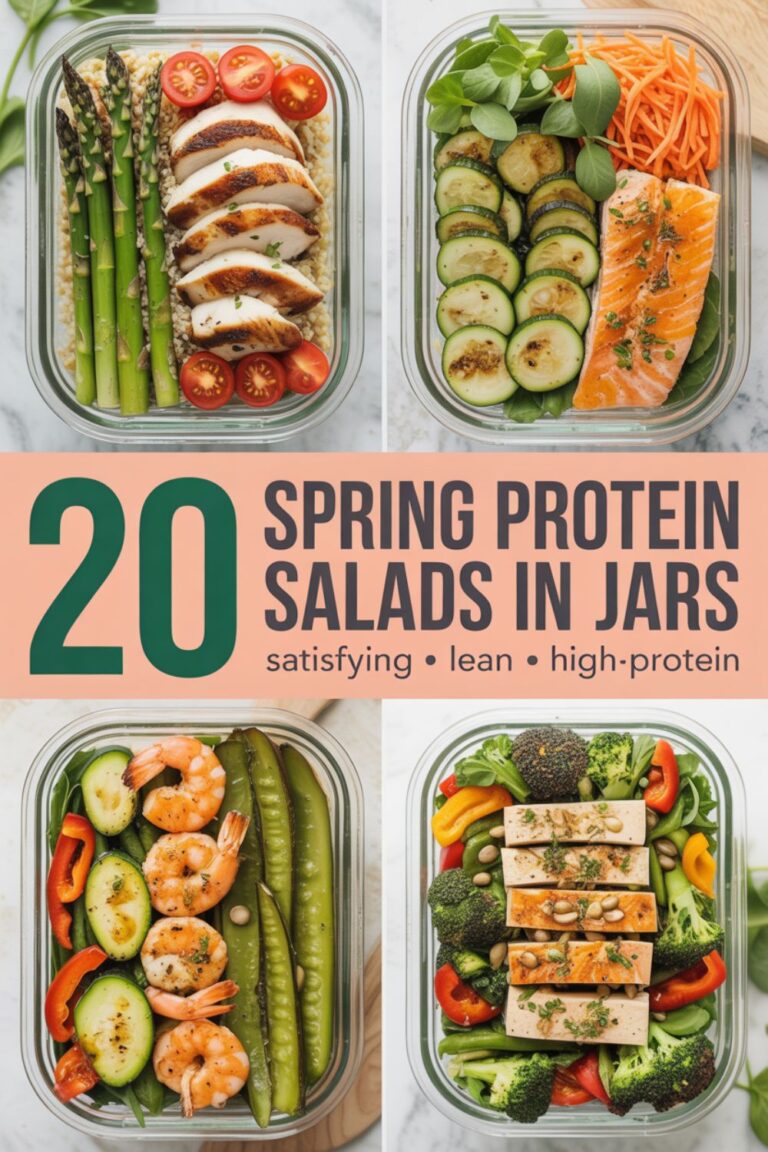
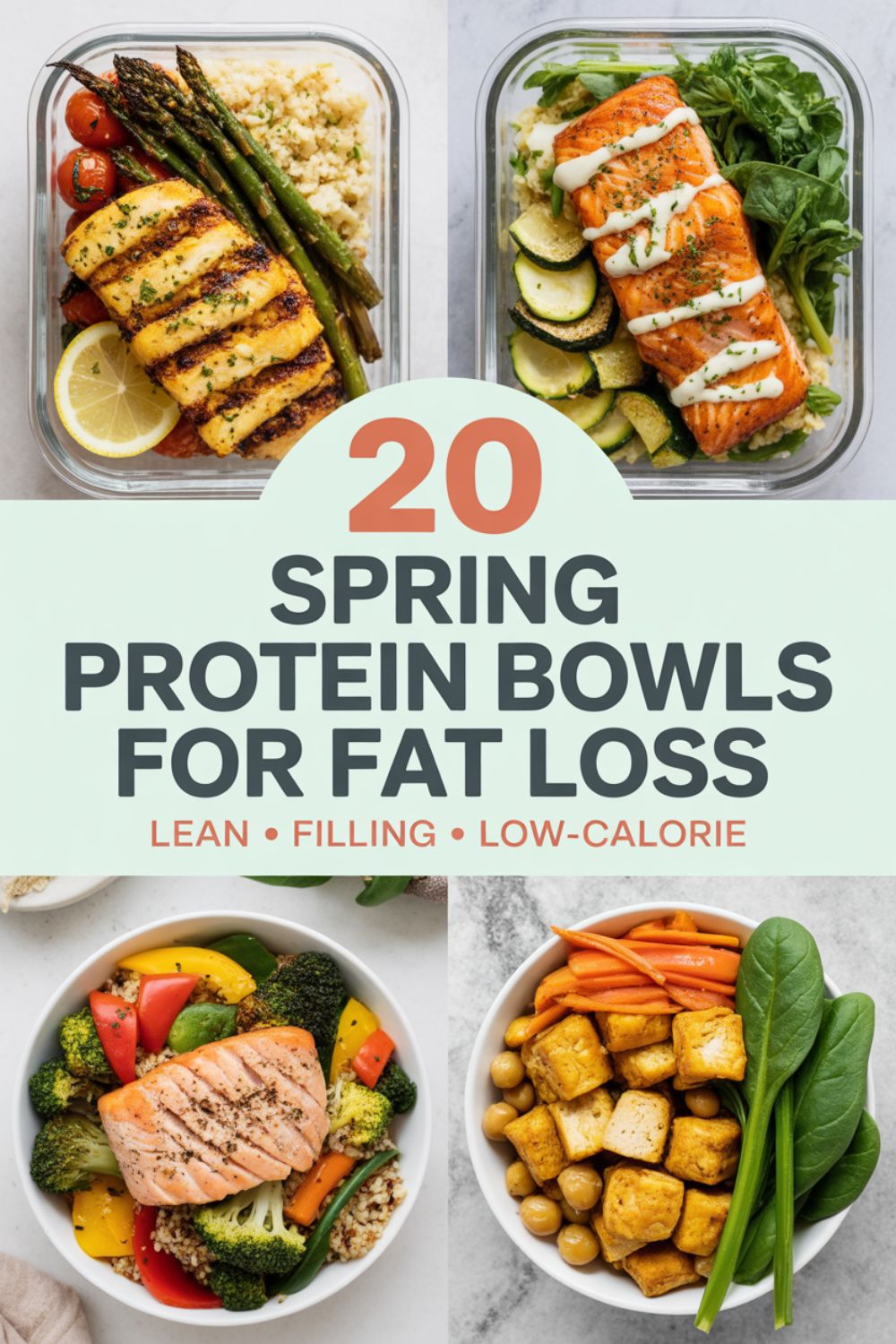
20 Spring Protein Bowls for Fat Loss
You know that feeling when your body’s craving something light and fresh but you’re also trying to shed a few pounds without feeling like you’re eating cardboard? Yeah, me too. Spring protein bowls solve that problem beautifully. They’re colorful, satisfying, and packed with enough protein to keep you full without dragging you down.
I’ve been meal prepping these bowls for the past few months, and honestly, they’ve become my go-to solution when I want to eat clean without sacrificing flavor. The secret? Using seasonal spring vegetables at their nutritional peak combined with lean proteins that actually taste good. No sad desk salads here.
What I love most about spring protein bowls is how flexible they are. You can batch-prep components on Sunday, mix and match throughout the week, and never feel like you’re eating the same thing twice. Plus, research shows that higher-protein diets enhance fat loss while preserving lean muscle mass, which is exactly what we’re after.
Why Protein Bowls Work for Fat Loss
Let’s talk science for a second without getting too nerdy. Protein is basically your metabolism’s best friend. When you eat protein-rich meals, your body burns more calories just digesting them compared to carbs or fats. It’s called the thermic effect of food, and it’s legit.
But here’s the real kicker: protein keeps you satisfied way longer than other macronutrients. I used to be that person snacking every hour, and switching to protein-focused meals completely changed my hunger patterns. Studies confirm that protein consumption triggers greater feelings of fullness and elevated satiety hormones, which translates to fewer random trips to the pantry.
Spring vegetables bring their own magic to the table. Asparagus, snap peas, radishes, and leafy greens are loaded with vitamins, fiber, and antioxidants while being naturally low in calories. When you combine high-quality protein with these nutrient-dense veggies, you create meals that support fat loss without feeling restrictive.
The Foundation: Building Your Perfect Spring Protein Bowl
Every great protein bowl starts with a solid foundation. Think of it like building a house—you need the right structure before you start decorating. I’ve found that the best bowls follow a simple formula that you can customize based on what you have in your fridge.
The Base Layer
Your base should be something that provides sustained energy without spiking your blood sugar. I rotate between quinoa, cauliflower rice, mixed greens, and zoodles. Quinoa is my favorite because it adds extra protein (8 grams per cup) and has a satisfying texture that holds up well in meal prep containers.
Cauliflower rice is clutch when you want to keep calories super low. One cup has only about 25 calories compared to 200+ for regular rice or quinoa. I roast mine with a bit of garlic for extra flavor—way better than the sad, watery versions you get from just microwaving it.
The Protein Star
This is where the magic happens. For fat loss, you want to aim for about 25-30 grams of protein per bowl. My rotation includes:
- Grilled chicken breast (3-4 oz provides 25-30g protein)
- Baked salmon (4 oz gives you 23g protein plus omega-3s)
- Tofu or tempeh (5 oz tofu = 15g protein, great plant-based option)
- Shrimp (4 oz = 24g protein, super low calorie)
- Hard-boiled eggs (2 large eggs = 12g protein, perfect for doubling up)
I use this indoor grill pan for chicken and tofu because it gives you those satisfying char marks without firing up an outdoor grill. Takes maybe 10 minutes total.
Spring Vegetables That Actually Taste Good
This is where spring shines. Fresh asparagus, snap peas, radishes, and baby spinach are at their peak right now. They’re crisp, flavorful, and packed with nutrients. I aim for at least 2-3 cups of vegetables per bowl—sounds like a lot, but it’s really not once you start piling them in.
Asparagus is my MVP vegetable. It’s high in fiber, loaded with folate, and contains compounds that may help reduce bloating. Plus, it’s a natural source of inulin, a prebiotic fiber that supports gut health. I roast mine at 425°F for 12 minutes with just salt, pepper, and a squeeze of lemon.
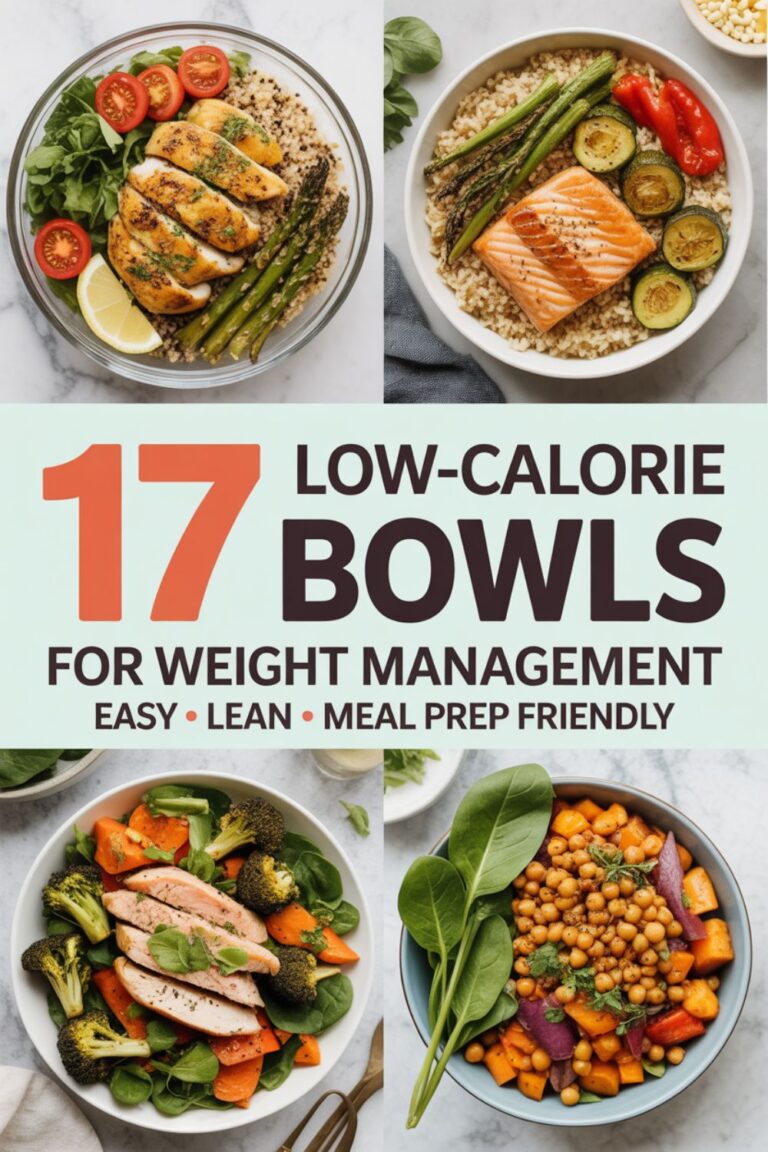
For more protein-packed meal inspiration that works year-round, check out these low-calorie high-protein bowls you can prep ahead.
20 Spring Protein Bowl Combinations That Actually Work
Alright, let’s get to the good stuff. These aren’t fancy recipes with 47 ingredients—they’re real combinations I actually make and eat. Mix and match based on what you’ve got.
Bowls 1-5: Chicken-Based Winners
1. Lemon Herb Chicken Bowl: Grilled chicken, quinoa, roasted asparagus, cherry tomatoes, cucumber, lemon-tahini dressing. This is basically spring on a plate.
2. Mediterranean Spring Bowl: Chicken breast, cauliflower rice, snap peas, bell peppers, kalamata olives, feta crumbles, red wine vinegar. The feta adds a salty punch without many calories.
3. Asian-Inspired Chicken Bowl: Teriyaki chicken, edamame, shredded carrots, radish slices, cabbage, sesame seeds, ginger dressing. I prep the chicken in this meal prep container set and it stays fresh for 5 days.
4. Green Goddess Bowl: Pesto chicken, zucchini noodles, steamed broccoli, baby spinach, avocado slices, pumpkin seeds. All the green things your body wants.
5. Spring Citrus Chicken Bowl: Orange-glazed chicken, mixed greens, roasted beets, goat cheese, candied walnuts, orange vinaigrette. Yes, it has some cheese and nuts, but portion control is key here.
Bowls 6-10: Seafood Superstars
6. Garlic Herb Salmon Bowl: Baked salmon, quinoa, roasted asparagus, cherry tomatoes, arugula, lemon-dill sauce. Salmon is pricier but worth it for the omega-3s and protein quality.
7. Shrimp Spring Roll Bowl: Grilled shrimp, rice noodles (go light on these), shredded lettuce, cucumber, carrots, mint, peanut sauce. Basically a deconstructed spring roll.
8. Tuna Niçoise-Style Bowl: Seared tuna steak, mixed greens, green beans, hard-boiled egg, olives, capers, Dijon vinaigrette. This one feels fancy but takes 20 minutes.
9. Spicy Shrimp Bowl: Cajun-spiced shrimp, cauliflower rice, bell peppers, corn, black beans, avocado, lime crema. The spice helps boost metabolism slightly—every bit counts.
10. Miso Glazed Salmon Bowl: Miso salmon, edamame, bok choy, shiitake mushrooms, brown rice, scallions, sesame oil drizzle. I use this fish spatula specifically for flipping salmon without it falling apart.
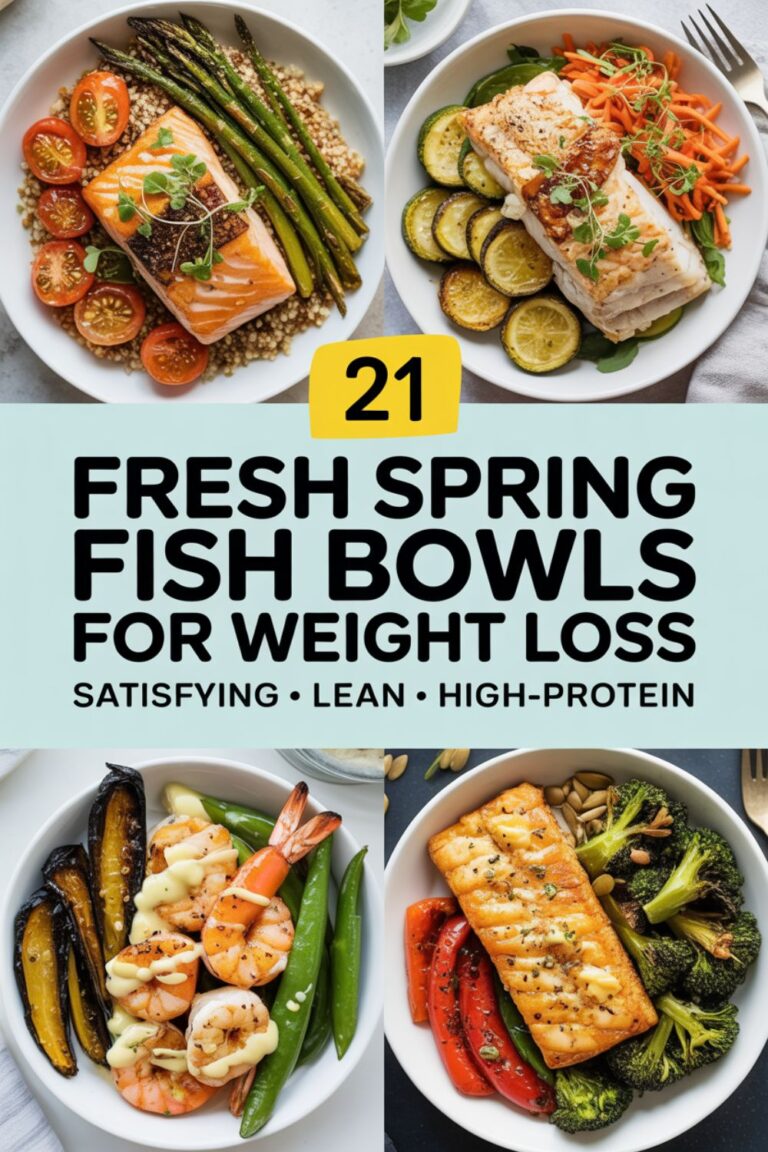
If you’re looking for more quick seafood options, these spring fish bowls for weight loss have some solid alternatives.
Bowls 11-15: Plant-Powered Options
11. Tofu Buddha Bowl: Crispy baked tofu, quinoa, roasted sweet potato, kale, chickpeas, tahini dressing. The sweet potato adds natural sweetness and keeps you full for hours.
12. Tempeh Spring Bowl: Marinated tempeh, brown rice, snap peas, radishes, shredded cabbage, ginger-miso dressing. Tempeh has a nutty flavor that I actually prefer to tofu sometimes.
13. Chickpea Power Bowl: Roasted chickpeas, farro, roasted asparagus, sun-dried tomatoes, spinach, lemon-garlic dressing. Chickpeas are criminally underrated as a protein source.
14. Lentil Spring Bowl: Cooked lentils, mixed greens, roasted carrots, beets, goat cheese, walnuts, balsamic reduction. Lentils pack 18 grams of protein per cup cooked.
15. Edamame & Quinoa Bowl: Shelled edamame, quinoa, cucumber, avocado, purple cabbage, carrot ribbons, sesame-ginger dressing. This is my go-to when I need plant-based but don’t want to cook tofu.
For a full two-week plant-based approach, check out this 14-day low-calorie high-protein vegan meal plan.
Bowls 16-20: Creative Protein Combos
16. Steak & Spring Veggie Bowl: Sliced sirloin, cauliflower rice, roasted asparagus, mushrooms, caramelized onions, chimichurri. Use flank steak for lower fat content.
17. Turkey & Avocado Bowl: Ground turkey, quinoa, black beans, corn, tomatoes, avocado, salsa verde. Ground turkey is cheap and cooks fast—major win.
18. Egg & Veggie Power Bowl: Two hard-boiled eggs plus egg whites, spinach, roasted sweet potato, avocado, everything bagel seasoning. Breakfast for lunch? Always a yes.
19. Cottage Cheese Protein Bowl: Low-fat cottage cheese base, cucumber, cherry tomatoes, bell peppers, hemp seeds, fresh dill. Sounds weird but cottage cheese is having a moment and for good reason—it’s protein-dense.
20. Mixed Protein Spring Bowl: Half portion each of grilled chicken and shrimp, quinoa, asparagus, snap peas, cherry tomatoes, lemon vinaigrette. Sometimes variety is the spice of life.
Speaking of mixing things up, these spring vegetarian protein bowls prove you don’t need meat at every meal to hit your protein goals. Get Full Recipe.
Kitchen Tools & Resources That Make Spring Bowl Prep Actually Easy
Look, you don’t need a million gadgets. But having a few key tools makes the difference between meal prep taking 3 hours versus 45 minutes. Here’s what’s actually worth it:
Physical Products:
- Glass meal prep containers with compartments – I’ve tried plastic and they stain from turmeric and tomatoes. Glass is the way. These keep everything fresh for 5 days easy.
- Quality chef’s knife – Stop struggling with dull knives. A sharp 8-inch chef’s knife cuts your prep time in half, literally.
- Instant-read meat thermometer – Takes the guesswork out of cooking protein perfectly. Chicken at 165°F, salmon at 145°F. Done.
Digital Resources:
- Macro tracking app subscription – I use one to track my protein intake. It’s eye-opening to see how much protein you actually need versus what you’re getting.
- Spring meal prep guide PDF – Detailed shopping lists and prep schedules specifically for spring produce. Saves so much mental energy.
- Protein calculator tool – Helps figure out your exact protein needs based on your weight and activity level. No more guessing.
Making Spring Bowls Work for Your Actual Life
Here’s the truth: the fanciest meal plan in the world doesn’t matter if you don’t stick with it. I’ve learned this the hard way after years of starting strong on Monday and ordering pizza by Thursday.
The Sunday Prep That Changed Everything
I dedicate 90 minutes on Sunday afternoon to prep. Not three hours, not all day—just 90 minutes. Here’s my system:
- First 20 minutes: Wash and chop all vegetables. Store in containers with damp paper towels.
- Next 30 minutes: Cook all proteins. I run two sheet pans in the oven at once—chicken on one, salmon on another.
- Next 20 minutes: Cook grains (quinoa, rice, farro). I use this rice cooker so I can set it and forget it.
- Final 20 minutes: Make 2-3 dressings for the week. Mason jars work great for storage.
By doing this, I have everything ready to throw together. Morning bowls take 3 minutes to assemble. That’s faster than going through a drive-through.
The Dressing Dilemma
This is where people sabotage themselves without realizing it. Store-bought dressings are loaded with sugar and weird additives. But homemade dressings are stupid easy.
My go-to formula: 3 parts oil (olive or avocado), 1 part acid (lemon juice or vinegar), salt, pepper, and whatever herbs or spices you want. Shake it in a jar. Done. Takes 2 minutes and tastes infinitely better than anything bottled.
I keep three dressings prepped: lemon-tahini, balsamic vinaigrette, and ginger-miso. They rotate through the week so I never get bored.
For more ways to keep meals interesting throughout the week, check out this weekly high-protein low-calorie meal prep guide.
Common Mistakes That Sabotage Spring Protein Bowls
I’ve made all these mistakes so you don’t have to. Learn from my pain.
Not Enough Protein
The number one mistake I see? People make a bowl that looks healthy but only has 10-12 grams of protein. That’s not enough to support fat loss or keep you satisfied. You need at least 25-30 grams per meal.
Double-check your portions. Four ounces of chicken breast looks smaller than you think. I weigh mine on this food scale until I got good at eyeballing it.
Going Crazy with “Healthy” Toppings
Avocado, nuts, seeds, cheese—they’re all healthy, sure. But they’re also calorie-dense. I used to pile on toppings and wonder why I wasn’t losing weight. Now I measure: 1/4 avocado, 1 tablespoon of nuts or seeds, 1-2 tablespoons of cheese if I use it at all.
Boring Bowls Lead to Quitting
If you eat the same thing every single day, you will burn out. I rotate through at least 5-6 different bowl combinations per week. Variety keeps your taste buds happy and ensures you’re getting different nutrients.
Ignoring the Power of Spices
Salt and pepper are fine, but spices are where flavor lives. Cumin, smoked paprika, garlic powder, fresh herbs—these transform boring chicken into something you actually want to eat. I keep a spice blend rotation going so nothing tastes the same twice.
Protein Sources: Beyond Chicken Breast
Let’s be real—chicken breast is the default protein for a reason. It’s lean, affordable, and versatile. But eating it every day gets old fast. Here are alternatives that keep things interesting while still supporting fat loss.
Fish and Seafood Options
Salmon is obviously the star here, but don’t sleep on white fish like cod or halibut. They’re incredibly lean—4 ounces of cod has about 100 calories and 20 grams of protein. Shrimp is even better for calorie-to-protein ratio.
Canned tuna and sardines work too. I know sardines sound scary, but they’re packed with omega-3s and taste way better than you’d expect when mixed with lemon juice and capers.
Plant-Based Proteins That Actually Fill You Up
Tofu gets a bad rap, but when you press it properly and season it right, it’s legitimately good. Press it for 20 minutes, cut into cubes, toss with cornstarch and spices, then bake at 400°F for 25 minutes. Crispy on the outside, soft on the inside.
Tempeh has more protein per serving than tofu and a firmer texture. It has a slightly bitter taste that mellows when you marinate it. I do a simple marinade with soy sauce, rice vinegar, and ginger.
Black beans, lentils, and chickpeas round out the plant-based options. They have carbs along with protein, so adjust your base layer accordingly. A cup of lentils gives you 18 grams of protein and 16 grams of fiber.
Looking for complete plant-based meal plans? These high-protein low-calorie vegan meals show you how to hit your protein goals without animal products.
Eggs: The Underrated Bowl Protein
Hard-boiled eggs are my secret weapon for boosting protein without much effort. Two large eggs add 12 grams of protein. I also do egg whites—half a cup of egg whites adds 13 grams with almost zero fat.
Poached or fried eggs work great too. Breaking a runny yolk over your bowl creates a natural creamy sauce that ties everything together. Plus, it looks good on social media if that’s your thing.
Making Your Bowls Instagram-Worthy (If You Care About That)
Look, you don’t have to care about how your food looks. But I’ve found that when my meals look appealing, I actually look forward to eating them. There’s something psychological there.
The trick is arranging ingredients in sections instead of just dumping everything in a pile. Put your greens on one side, protein on another, vegetables in their own sections. Add a garnish of fresh herbs or a sprinkle of seeds on top.
Use bowls that actually look good—white or wooden bowls photograph well and make the colors pop. Natural lighting by a window beats overhead kitchen lights every time.
I’m not saying become a food blogger, but taking a second to make your meal visually appealing does make a difference in how much you enjoy it.
Seasonal Spring Vegetables That Deserve More Love
Everyone knows about asparagus and snap peas, but spring brings a lot of underrated vegetables that work perfectly in protein bowls.
Radishes
Radishes add a peppery crunch that wakes up your taste buds. They’re super low in calories (like 1 calorie per radish) and high in vitamin C. Slice them thin and they’re surprisingly addictive.
Pea Shoots
These are the tender leaves and tendrils from pea plants. They taste like fresh peas but with a delicate texture. Toss them on top of any bowl for a fresh, slightly sweet element.
Fava Beans
These require a bit more work—you have to pod them and then peel the outer skin—but they’re worth it. Creamy texture, mild flavor, and loaded with protein and fiber. They work great in Mediterranean-style bowls.
Baby Bok Choy
This is perfect for Asian-inspired bowls. Sauté it with garlic and ginger for 3 minutes and you’ve got a tender, flavorful vegetable that pairs beautifully with teriyaki chicken or miso salmon.
Spring Onions
These are milder than regular onions and add a subtle allium flavor without overpowering everything else. Grilled whole or chopped raw, they’re versatile and add visual appeal with their white and green contrast.
Troubleshooting Your Spring Protein Bowl Journey
Sometimes things don’t go according to plan. Here’s how to fix common issues.
Problem: Your Bowls Get Soggy by Day 3
Solution: Store wet ingredients (tomatoes, cucumbers, dressing) separately. Add them right before eating. Also, make sure vegetables are completely dry after washing—a salad spinner is worth the investment.
Problem: You’re Hungry Two Hours Later
Solution: You’re probably not eating enough protein or fat. Add an extra 2 ounces of protein or include a small portion of healthy fat like avocado or nuts. Fiber also helps—make sure you’re getting plenty of vegetables.
Problem: Your Chicken Is Dry and Boring
Solution: Brine it before cooking. Even a 30-minute soak in salted water makes a massive difference. Also, don’t overcook it—165°F internal temperature is the target, not 180°F. Use a meat thermometer.
Problem: You’re Spending Too Much Money
Solution: Buy proteins on sale and freeze them. Shop farmers markets for vegetables—they’re often cheaper and fresher. Stick to simpler bowls with fewer ingredients. You don’t need 15 toppings to make a good bowl.
For budget-friendly high-protein meal ideas, these recipes with 5 ingredients or less prove that simple can be delicious.
The Science of Satiety: Why These Bowls Keep You Full
There’s actual science behind why protein bowls work better for fat loss than other meal types. Understanding this helps you make better choices when building your own combinations.
Protein triggers the release of satiety hormones like GLP-1 and PYY. These hormones signal to your brain that you’re full and satisfied. Carbs and fats don’t trigger these hormones as effectively. This is why you can eat a bagel and be hungry an hour later, but a protein-rich bowl keeps you satisfied for 4-5 hours.
Fiber from vegetables works synergistically with protein. It slows down digestion, which means your blood sugar stays stable instead of spiking and crashing. Stable blood sugar equals stable energy and fewer cravings.
The volume of vegetables also matters. Your stomach has stretch receptors that send fullness signals to your brain. When you eat 2-3 cups of vegetables, you’re literally filling up your stomach with nutrient-dense, low-calorie food. This is why protein bowls work even when you’re in a calorie deficit.
Water content in spring vegetables adds to this effect. Cucumber, tomatoes, leafy greens—they’re all high in water, which adds volume without calories. It’s why salads and veggie-heavy bowls feel more filling than a sandwich with the same calories.
Frequently Asked Questions
How much protein should I aim for in each bowl?
Target 25-30 grams of protein per bowl for optimal fat loss and satiety. This usually means about 4 ounces of chicken, fish, or tofu, or two eggs plus additional protein sources. If you’re more active or have higher protein needs, you can bump it to 35-40 grams.
Can I meal prep these bowls for the entire week?
Absolutely, but with caveats. Cooked proteins and grains last 5 days in the fridge. Store delicate ingredients like avocado, leafy greens, and dressing separately and add them fresh. Hardier vegetables like roasted asparagus, bell peppers, and cherry tomatoes hold up well for the full week.
What if I don’t like some of the spring vegetables mentioned?
No problem—swap them out. The key is using whatever vegetables you actually enjoy eating while keeping the protein content high. If you hate asparagus, use green beans or broccoli instead. The formula works with any vegetable combination.
Are these bowls suitable for lunch and dinner, or just one?
They work great for both meals. I usually prep slightly larger portions for dinner (adding an extra ounce of protein) and slightly smaller ones for lunch. The beauty of bowls is that you can adjust portions based on your needs and hunger levels.
How do I keep my protein bowls from getting boring after a few weeks?
Rotate your proteins and dressings weekly. Try different cuisine styles—Mediterranean one week, Asian-inspired the next, then Mexican-style. Swap your base layer (quinoa to cauliflower rice to mixed greens). Small changes keep things fresh without requiring a complete overhaul of your meal prep routine.
Final Thoughts: Making Spring Protein Bowls Stick
Here’s what I’ve learned after months of making these bowls: perfection is the enemy of consistency. You don’t need to nail every bowl or hit your macros exactly every single day. What matters is creating a system that works for your life and sticking with it most of the time.
Start with three bowl combinations you know you’ll eat. Master those. Then branch out to new ingredients and flavors as you get more comfortable. Don’t try to overhaul your entire diet overnight—that’s how you burn out by week two.
The goal isn’t to eat spring protein bowls forever. It’s to use this season of fresh, vibrant produce to build habits around high-protein eating and vegetable consumption. Once you’ve got the formula down, you can apply it year-round with whatever seasonal ingredients are available.
Spring is the perfect time to reset your eating patterns because the produce is inherently exciting. Take advantage of that natural motivation. Prep your proteins, chop your vegetables, make your dressings, and you’re 90% of the way there.
And hey, if you mess up a day or two and order takeout, it’s fine. One day doesn’t derail your progress. Get back to your bowls the next day and keep moving forward. Consistency over perfection wins every time.
30-Day High-Protein
Low-Calorie Meal Plan
Every breakfast, lunch, dinner & snack — all 30 days fully mapped out. Just follow the plan.
- ✓50+ complete recipes with ingredients & step-by-step instructions
- ✓4-week day-by-day plans — every meal for all 30 days
- ✓4 weekly shopping lists organised by store section
- ✓Printable habit & progress tracker — 30 full days
- ✓100g+ protein per day — scientifically optimised macros
Instant PDF · Print at home
Results guaranteed with consistency