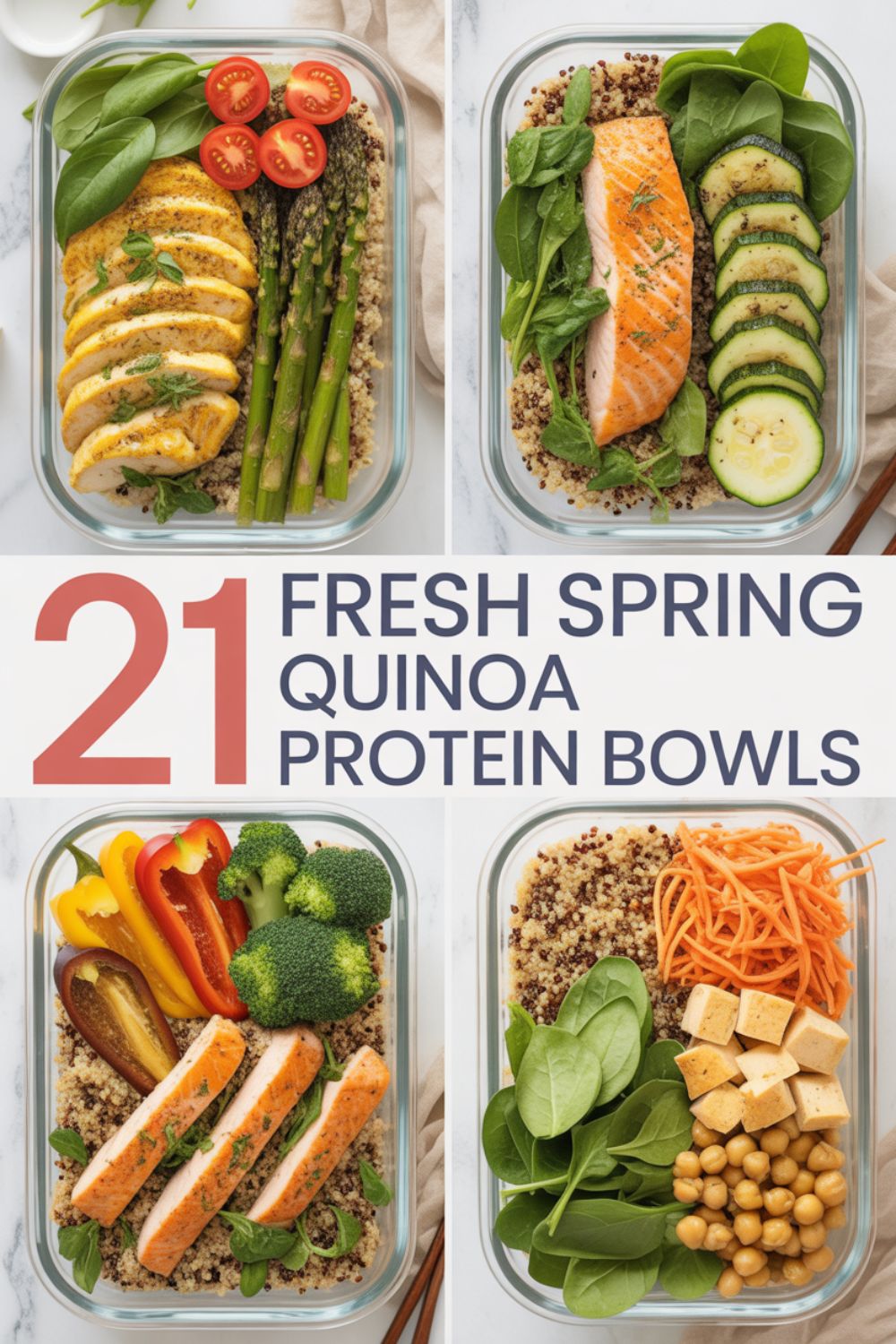
21 Fresh Spring Quinoa Protein Bowls
Look, I’m not going to pretend that quinoa bowls are some revolutionary concept. But when spring rolls around and suddenly every farmers’ market is bursting with crisp snap peas, tender asparagus, and those first strawberries that actually taste like something? That’s when these bowls go from basic meal prep to something you’ll actually look forward to eating.
I’ve spent the last few springs testing different combinations, and honestly, the real magic happens when you stop overthinking it. Quinoa brings about 8 grams of complete protein per cooked cup, plus all nine essential amino acids your body can’t make on its own. Pair that with spring’s brightest vegetables and you’ve got meals that keep you full without that afternoon slump.
What makes spring quinoa bowls different from their winter cousins? Everything feels lighter. You’re swapping heavy roasted root vegetables for crisp radishes and peppery arugula. Trading butternut squash for fresh peas that still have a satisfying snap. These aren’t just salads with grains tossed in—they’re complete meals that happen to taste like sunshine.
Why Quinoa Works So Well in Spring Bowls
Here’s the thing about quinoa that nobody really talks about: it’s basically a blank canvas that takes on whatever flavors you throw at it. When you’re working with delicate spring vegetables that have their own subtle sweetness and freshness, you need a base that won’t compete.
Unlike brown rice, which has that distinct nutty flavor, or farro with its chewy bite, quinoa just… cooperates. It soaks up dressings without getting mushy. It stays fluffy in the fridge for days. And because it’s got a complete amino acid profile, you’re not constantly worrying about protein pairing like you would with regular grains.
The protein content alone makes it worth your time. Most plant proteins are missing at least one essential amino acid, which means you need to eat them with something else to get the full benefit. Quinoa doesn’t play those games—it’s got everything your muscles need to recover after a workout or just get through a busy morning.
Spring vegetables bring their own nutritional powerhouses to the table. Asparagus delivers folate for brain function and memory, while snap peas add fiber without weighing you down. Strawberries aren’t just pretty—they’re packing nearly 150% of your daily vitamin C in a single cup. When you combine all this with quinoa’s 5 grams of fiber per serving, you’ve got a meal that actually keeps you satisfied.
Building the Perfect Spring Quinoa Bowl Formula
I used to overcomplicate these bowls, thinking I needed twelve different components to make them interesting. Turns out, five elements are all you need: your grain base, a protein, fresh spring vegetables, something creamy, and a bright finishing touch.
Start With Properly Cooked Quinoa
The ratio is simple: one part quinoa to two parts liquid. I prefer cooking mine in low-sodium vegetable broth instead of water because why not add extra flavor where you can? Bring it to a boil, drop the heat to low, cover it, and forget about it for 15 minutes.
When you lift that lid, you should see little white spirals—that’s the germ of the seed, and it means your quinoa is perfectly cooked. Fluff it with a fork and let it sit uncovered for a few minutes. This step keeps it from getting clumpy later. I use this fine mesh strainer for rinsing, which catches every tiny grain without losing half your quinoa down the drain.
Choose Your Protein Wisely
Spring calls for lighter proteins than what you’d use in winter. Think grilled chicken, not braised short ribs. Pan-seared salmon works beautifully with lemon and dill. If you’re keeping it plant-based, white beans or chickpeas add creaminess without heaviness.
For the vegetarians and vegans reading this, you might love these high-protein vegan meals that use similar spring ingredients. The combination of quinoa with legumes creates complete proteins that rival any animal source.
Load Up on Spring Vegetables
This is where spring bowls really shine. You want a mix of textures and colors: something crunchy (snap peas, radishes), something tender (roasted asparagus, sautéed zucchini), and something fresh (arugula, baby spinach, herbs).
Don’t be shy with the vegetables. I’m talking at least two cups of veggies per bowl. That might sound like a lot, but spring vegetables are so light that you’ll barely notice the volume. Plus, spring produce is at its nutritional peak, loaded with vitamins and phytonutrients that support your immune system.
If you’re meal prepping, check out these spring meal prep ideas for more ways to batch-cook your vegetables efficiently.
My Go-To Spring Vegetable Combinations
After making these bowls on repeat for three springs, I’ve landed on a few combinations that just work. They’re not fancy, but they’re reliable as hell.
The Classic Spring Mix
Roasted asparagus, cherry tomatoes, sliced radishes, and fresh dill. Simple, bright, and surprisingly filling. I usually add some crumbled feta for saltiness and a lemon-olive oil dressing. The asparagus gets roasted at 425°F for about 12 minutes—I use this silicone baking mat so nothing sticks and cleanup is basically nonexistent.
The Mediterranean Inspired
Chickpeas, cucumber, red onion, Kalamari olives, and a mountain of fresh parsley. Top it with grilled chicken if you eat meat, or keep it plant-based. The dressing here is crucial—good quality olive oil, lemon juice, minced garlic, and a pinch of dried oregano.
For more Mediterranean-style options, these spring Mediterranean bowls offer similar flavor profiles with different protein sources.
The Green Machine
All the green things: snap peas, edamame, avocado, spinach, and fresh basil. Add some grilled shrimp or tofu, and you’ve got a bowl that looks like spring exploded on your plate. The avocado serves as both your creamy element and your healthy fat source. I mash half of it right into the quinoa while it’s still warm—trust me on this.
The Berry Bright Bowl
Yes, fruit in a savory bowl. Strawberries or blueberries work surprisingly well with spring greens, goat cheese, and candied pecans. The sweetness plays off savory grilled chicken or salmon. Use a balsamic vinaigrette to tie everything together.
If you’re looking for more breakfast-style options with berries, these breakfast bowls show you how to make quinoa work for your morning routine too.
Dressings That Don’t Suck
Let’s be real: a dry quinoa bowl is about as exciting as watching paint dry. The dressing is what brings everything together, and spring calls for something bright and acidic.
Lemon-Tahini Goddess
Tahini, lemon juice, garlic, a splash of water to thin it out, salt, and pepper. That’s it. Mix it all in this mini food processor for 30 seconds and you’re done. It’s creamy without being heavy, and the lemon cuts through the richness of the tahini perfectly.
Greek Yogurt Herb Dressing
Plain Greek yogurt (the full-fat kind, because we’re adults and fat doesn’t make you fat), fresh herbs like dill and parsley, lemon zest, garlic, and a drizzle of olive oil. This one’s protein-packed too, adding another 5-6 grams per serving.
Simple Balsamic Vinaigrette
Sometimes simple wins. Good balsamic vinegar, olive oil, Dijon mustard, honey, salt, and pepper. Shake it in a jar and call it a day. I keep a batch in the fridge at all times in this glass salad dressing bottle that makes it easy to shake and pour.
Speaking of keeping things fresh, if you want your spring ingredients to last all week, you might find these clean eating bowl strategies helpful for proper storage techniques.
Meal Prep Without Losing Your Mind
Here’s how I do it: Sunday afternoon, I cook a big batch of quinoa. While that’s going, I roast whatever vegetables need roasting—asparagus, Brussels sprouts, sweet potato if I’m feeling it. Everything else I keep raw or blanched.
The key is storing components separately. Quinoa and proteins go in these glass meal prep containers with tight lids. Delicate vegetables like lettuce and herbs get wrapped in damp paper towels in their own container. Dressings stay in small jars until you’re ready to eat.
When lunch rolls around, you’re just assembling, not cooking. Throw your quinoa in a bowl, add your protein and vegetables, drizzle with dressing, and you’re eating real food in less time than it takes to microwave a frozen meal.
For more comprehensive meal prep strategies, these weekly meal prep bowls break down exactly how to batch-cook efficiently.
Adapting Bowls for Different Dietary Needs
The beauty of these bowls is how easily they adapt. Going low-carb? Swap half the quinoa for cauliflower rice. Need more calories for muscle gain? Double up on the protein and add nuts or seeds. Want it vegan? Skip the cheese and use nutritional yeast for that savory, cheesy flavor.
IMO, quinoa bowls are one of the most flexible meal formats out there. You’re not locked into a specific recipe—you’re working with a framework that bends to fit whatever your goals are.
For those specifically targeting weight loss, these light spring meals offer similar bowl concepts with calorie counts already calculated. Get Full Recipe for each one includes macro breakdowns.
For Athletes and Active People
If you’re training hard, you need more than the basic bowl. Add an extra protein source—maybe grilled chicken plus hard-boiled eggs. Include healthy fats like avocado or hemp seeds. And don’t be afraid of slightly larger portions. Research shows quinoa’s complete protein profile makes it ideal for muscle recovery.
These athlete meal prep ideas dive deeper into how to structure your bowls for performance and recovery.
For Plant-Based Eaters
Quinoa is your best friend when you’re avoiding animal products. Pair it with legumes for extra protein punch—think chickpeas, black beans, or lentils. Add nutritional yeast, tahini, or nut butters for healthy fats. Load up on diverse vegetables to hit all your micronutrient needs.
The combination of quinoa and beans creates a complete protein that’s comparable to meat. You’re looking at 15-20 grams of protein per bowl without touching anything that once had a face.
Kitchen Tools That Actually Make This Easier
Look, you don’t need fancy equipment to make great bowls. But a few smart tools save you time and frustration. Here’s what I actually use regularly:
- Medium-sized fine mesh strainer – For rinsing quinoa without losing half of it down the sink
- Glass meal prep containers (set of 5) – These don’t stain, don’t hold smells, and you can see what’s inside
- Silicone baking mat – Zero-stick roasting without aluminum foil waste or scrubbing pans
- Spring Meal Prep Planner PDF – Weekly templates for planning and shopping
- Protein Bowl Formula Guide – Mix-and-match framework for creating balanced bowls
- Seasonal Ingredient Swap Chart – What to substitute when you can’t find specific spring vegetables
Making Bowls Interesting All Week Long
The biggest meal prep mistake? Making the same exact bowl five times and wondering why you’re bored by Wednesday. Here’s how to keep things interesting without actually doing more work.
Cook one batch of quinoa, but use different dressings throughout the week. Monday gets lemon-tahini, Wednesday gets balsamic, Friday gets spicy peanut sauce. Same base, completely different vibe.
Mix up your greens. Start the week with arugula’s peppery bite, switch to butter lettuce mid-week, finish with spinach. Different textures and flavors from the same vegetable category.
Change your protein source. Grilled chicken on Monday, hard-boiled eggs on Wednesday, white beans on Friday. Your body gets different amino acid profiles, and your taste buds don’t get bored.
If you’re struggling with variety, these fresh spring bowl variations offer 21 different combinations using similar base ingredients.
The Nutritional Breakdown That Actually Matters
Let me get nerdy for a second. A typical spring quinoa protein bowl with chicken or fish comes in around 400-500 calories. That includes about 30-35 grams of protein, 45-50 grams of carbs, and 12-15 grams of healthy fats.
That protein-to-calorie ratio is hard to beat. You’re getting full, staying full, and your muscles have everything they need to maintain or build. The fiber from quinoa and vegetables keeps your digestion happy and your blood sugar stable.
What you’re not getting: refined sugars, empty calories, or that 3pm crash that makes you raid the vending machine. The complex carbs from quinoa release energy slowly, the protein keeps you satiated, and the vegetables pack in micronutrients most people barely get half of.
FYI, if you’re tracking macros strictly, these quick-prep bowls include detailed nutritional information for each combination.
Common Mistakes and How to Avoid Them
Don’t skip the rinse. Seriously. That bitter taste you hate in quinoa? It’s from saponins that protect the seed in nature. Thirty seconds under running water eliminates the problem entirely.
Don’t overdress your bowls. Start with less dressing than you think you need—you can always add more. An overdressed bowl is soggy and unappetizing. I usually aim for about 2 tablespoons of dressing per bowl.
Don’t forget the salt. Quinoa needs seasoning. So do your vegetables. Taste as you go and adjust. Under-seasoned health food is why people think eating well has to be boring.
And please, don’t assemble your bowls on Sunday if you’re eating them on Friday. The lettuce will be brown, the dressing will make everything soggy, and you’ll hate yourself. Store components separately and assemble fresh.
For more tips on what works and what doesn’t, these veggie bowl guides cover storage, assembly, and reheating techniques in detail.
Budget-Friendly Spring Bowl Strategies
Spring vegetables can get pricey at regular grocery stores, especially if you’re buying organic. Here’s how I keep costs down without sacrificing quality.
Buy quinoa in bulk. The stuff in those tiny boxes costs about three times more per pound than buying a 5-pound bag. It stores forever in an airtight container. I use these stackable glass jars to keep my pantry organized.
Focus on what’s actually in season in your region. Asparagus in April? Cheap. Asparagus in November? You’re paying for someone to ship it from another hemisphere. Shop farmers’ markets at the end of the day for deals on produce they don’t want to pack back up.
Frozen vegetables aren’t cheating. Frozen peas, edamame, and spinach are flash-frozen at peak ripeness and often more nutritious than “fresh” vegetables that spent a week in transport. Plus they’re already prepped—no washing, trimming, or chopping required.
Use less expensive proteins strategically. Eggs, canned tuna, and beans cost significantly less than chicken breasts or salmon. Rotate through them during the week to balance your budget and your nutrition.
Advanced Bowl Techniques Worth Learning
Once you’ve mastered the basics, a few techniques can take your bowls from good to actually impressive.
Quick-Pickle Your Vegetables
Radishes, cucumbers, red onions—they all benefit from a quick pickle. Mix equal parts water and vinegar with a little sugar and salt. Pour over sliced vegetables and let sit for 30 minutes. The brightness cuts through rich proteins and adds another layer of flavor.
Toast Your Quinoa Before Cooking
This is what separates amateur quinoa from restaurant-quality. Toast the dry quinoa in your pot for a few minutes before adding liquid. It develops a nutty flavor that makes plain quinoa actually interesting. I learned this from this mini cookbook on grains and it’s changed my entire relationship with quinoa.
Make Your Own Flavored Oils
Infuse olive oil with herbs, garlic, or chili flakes. Drizzle it over finished bowls for a restaurant-worthy touch. It sounds fancy but it’s literally just heating oil with aromatics for 10 minutes.
These techniques and more are covered in depth in spring sheet pan meals that use similar flavor-building methods.
Frequently Asked Questions
Can I freeze quinoa protein bowls?
You can freeze the quinoa and cooked proteins separately, but don’t freeze the fresh vegetables or dressings. When you’re ready to eat, thaw the quinoa and protein overnight in the fridge, then add fresh vegetables and dressing. The texture stays much better this way. Frozen bowls work best for cooked vegetables like roasted sweet potatoes or sautéed peppers rather than raw spring greens.
How long do quinoa bowls stay fresh in the fridge?
Cooked quinoa and proteins last 4-5 days when stored properly in airtight containers. Keep dressings separate and add them right before eating. Fresh vegetables like lettuce and herbs only stay crisp for 2-3 days, so you might need to prep those mid-week. Hardier vegetables like roasted asparagus or blanched snap peas keep for the full 5 days without issues.
Is quinoa actually better than brown rice for protein?
Yes, significantly. Quinoa contains all nine essential amino acids, making it a complete protein—brown rice is missing lysine and isoleucine. A cup of cooked quinoa has about 8 grams of protein compared to brown rice’s 5 grams. More importantly, quinoa’s protein quality is comparable to animal sources, which matters especially for vegetarians and vegans building these bowls as complete meals.
What’s the best way to reheat quinoa bowls?
Don’t microwave assembled bowls—they get soggy and sad. Instead, reheat just the quinoa and any cooked proteins separately, either in the microwave for 1-2 minutes or in a pan with a splash of water. Then assemble your bowl with fresh vegetables and dressing. If you must reheat everything together, use the lowest power setting and add a damp paper towel over the bowl to prevent drying out.
Can I make these bowls work for weight loss?
Absolutely. A typical spring quinoa bowl with lean protein and plenty of vegetables sits around 400-500 calories while delivering 30+ grams of protein and 8-10 grams of fiber. That combination keeps you full for hours and prevents the snacking that derails most diets. Just watch your portion sizes on dressings and any added nuts or cheese—those calories add up quickly even though they’re healthy fats.
The Bottom Line on Spring Quinoa Bowls
After three springs of making these bowls nearly every week, here’s what I know for sure: they work because they’re flexible, they’re filling, and they don’t feel like diet food. You’re not choking down plain chicken and broccoli. You’re eating actual meals with actual flavor.
The protein from quinoa combined with whatever protein source you choose keeps your muscles happy and your appetite in check. The spring vegetables bring vitamins, minerals, and fiber that most people barely get half of. And the whole thing comes together in less time than it takes to order takeout and wait for delivery.
Will they change your life? Probably not. But they’ll make lunch something you look forward to instead of dreading. They’ll keep you full until dinner without that 3pm energy crash. And they’ll prove that eating well doesn’t have to mean eating boring.
Start simple. Pick one combination from above. Make it this Sunday. See how you feel by Wednesday. If you’re still excited about that Thursday lunch, you’ve found your system. If not, try a different combination next week. The framework works—you just need to find your favorite flavors within it.
Spring doesn’t last forever. Neither does farmers’ market asparagus or those first strawberries. Make the most of it while you can. Your body will thank you, and your taste buds won’t complain either.
30-Day High-Protein
Low-Calorie Meal Plan
Every breakfast, lunch, dinner & snack — all 30 days fully mapped out. Just follow the plan.
- ✓50+ complete recipes with ingredients & step-by-step instructions
- ✓4-week day-by-day plans — every meal for all 30 days
- ✓4 weekly shopping lists organised by store section
- ✓Printable habit & progress tracker — 30 full days
- ✓100g+ protein per day — scientifically optimised macros
Instant PDF · Print at home
Results guaranteed with consistency