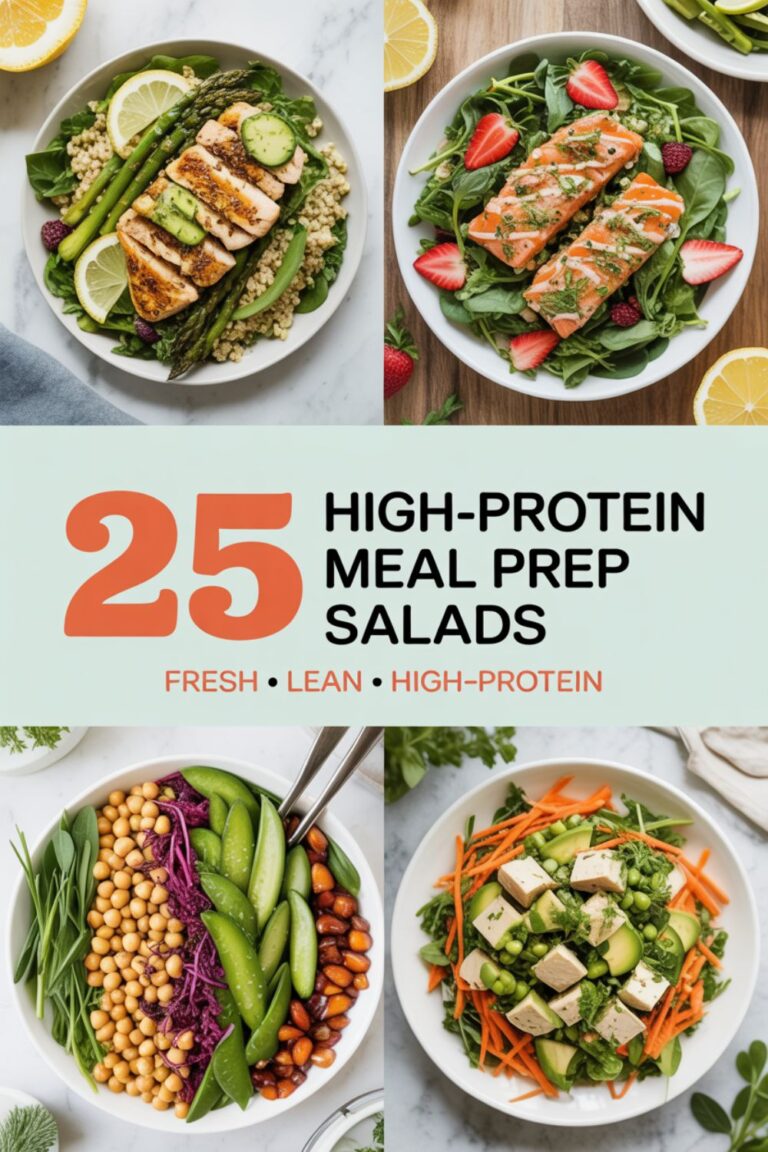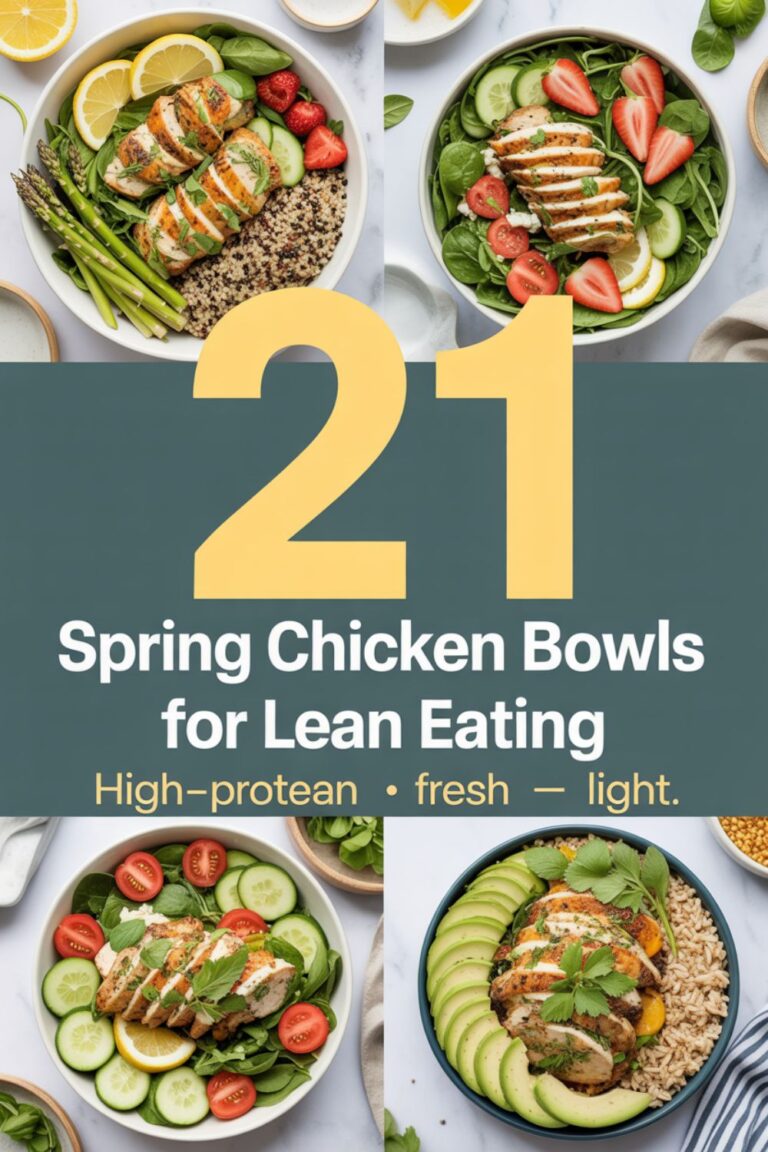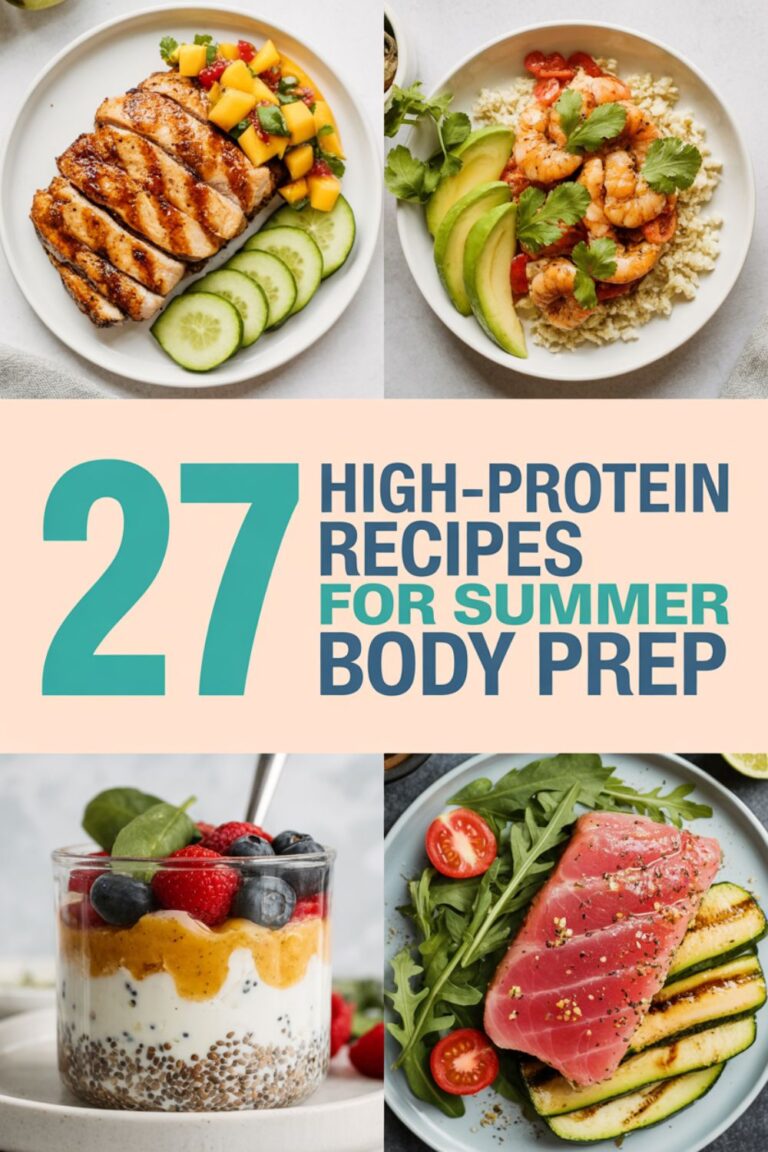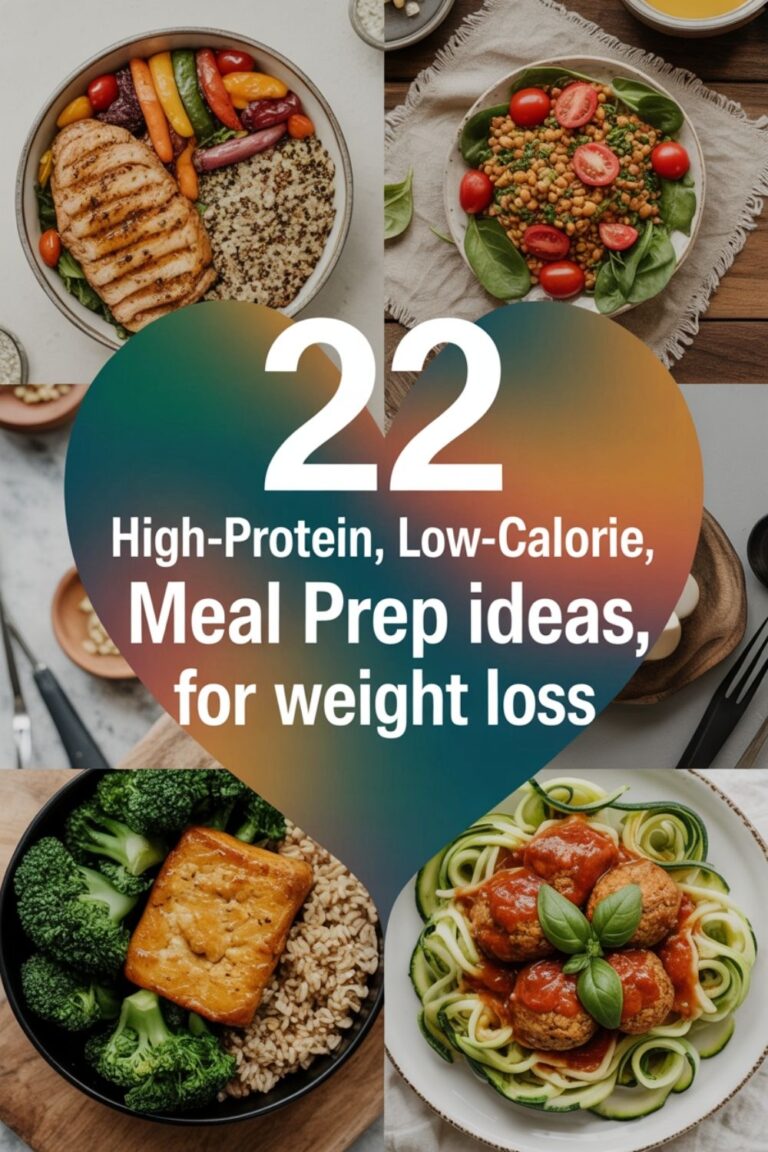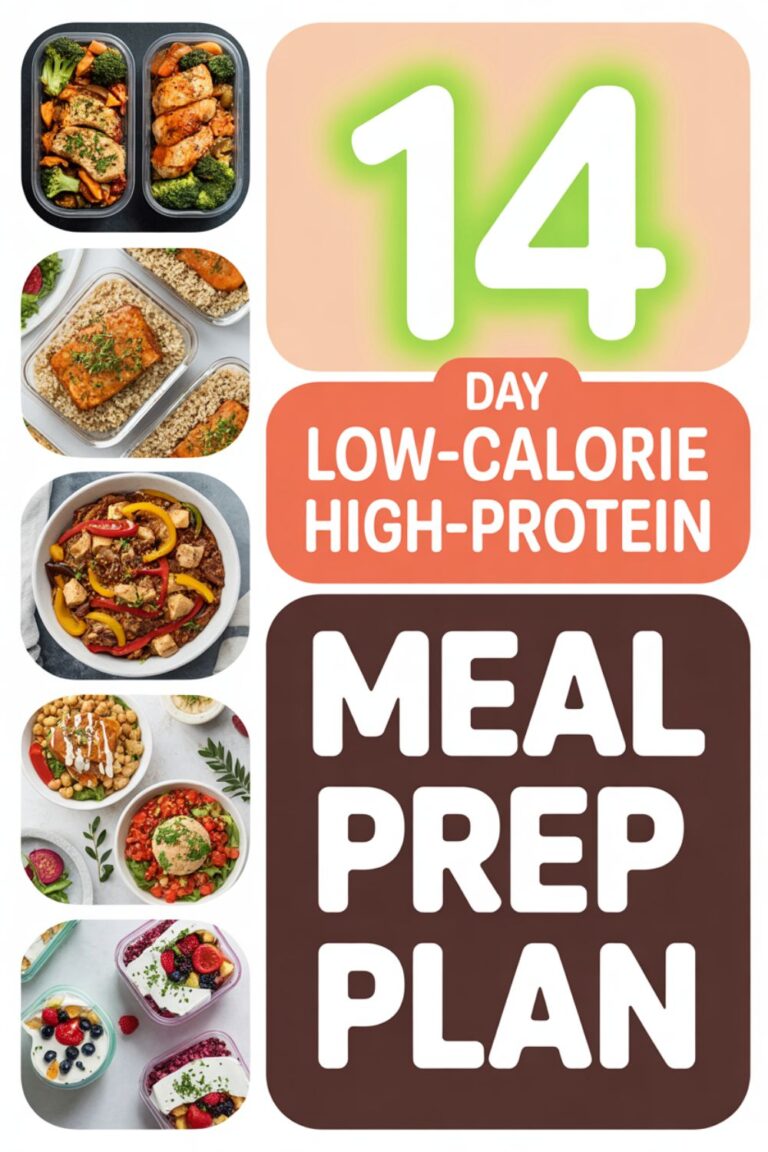
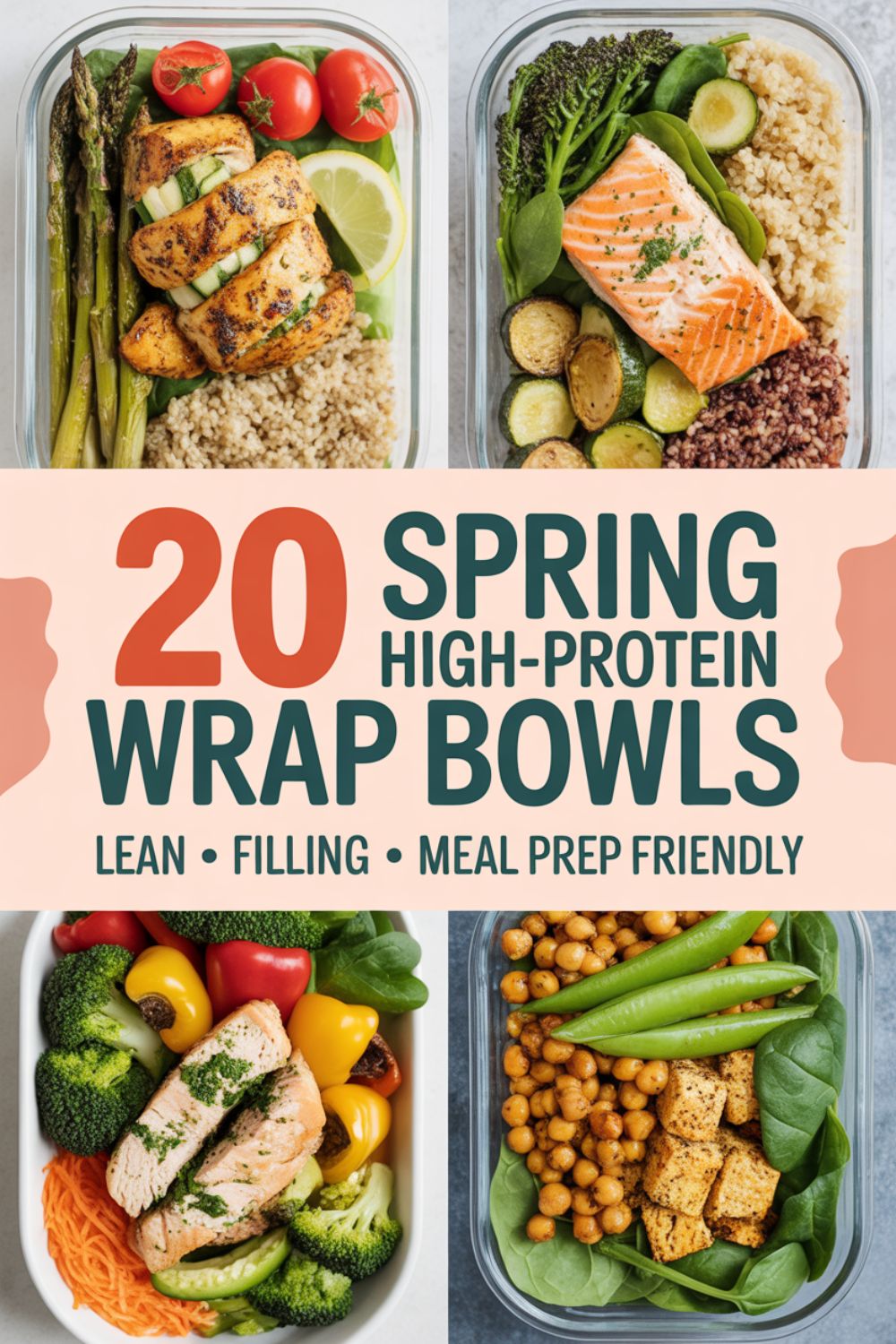
20 Spring High-Protein Wrap Bowls That’ll Make You Forget Regular Wraps Exist
Let’s be honest—wraps are great until they’re not. You know the drill: You’re halfway through your carefully assembled lunch wrap when suddenly the bottom gives out and you’re wearing half your meal. Or the tortilla gets soggy. Or it splits right down the middle like it has a personal vendetta against your dignity.
Enter wrap bowls. All the flavor and satisfaction of your favorite wraps, but deconstructed into a bowl where nothing falls apart, nothing gets soggy, and you can actually see what you’re eating. Plus, spring is basically screaming for fresh, light meals that don’t leave you feeling like you need a nap afterward.
I’ve been making these for the past few months, and honestly? I can’t remember the last time I actually wrapped anything. These bowls pack serious protein—we’re talking 25-40 grams per serving—which means you’ll actually stay full instead of raiding the pantry an hour later. And the spring produce makes everything taste crisp, bright, and just… better.
Why Wrap Bowls Are Actually Genius (And Not Just Another Food Trend)
Before we dive into the recipes, let’s talk about why this works so well. Wrap bowls aren’t just deconstructed wraps—they’re actually superior in several ways that matter when you’re trying to eat clean and hit your protein goals.
First, portion control becomes visible. When everything’s wrapped up in a tortilla, you have no idea how much of each ingredient you’re getting. In a bowl? You can see exactly what’s on your plate. This matters when you’re watching calories but still want to feel satisfied.
Second, texture stays intact. Crunchy things stay crunchy. Creamy things stay creamy. Nothing gets compressed into that weird, homogeneous wrap mush that happens after the first few bites. Your lettuce doesn’t wilt into sad submission, and your protein doesn’t get lost in the carb shuffle.
And here’s the thing most people don’t talk about: wrap bowls are actually easier to meal prep. I used to spend Sunday afternoons making wraps for the week, only to have them turn into soggy disasters by Wednesday. Now? I prep all the components separately, store them in these glass meal prep containers#, and assemble everything fresh in about two minutes. Game changer.
Pro Tip: Prep your proteins and veggies on Sunday night. Store everything separately in airtight containers. Thank yourself all week when lunch takes 90 seconds to assemble.
According to Harvard Health, spreading your protein intake throughout the day is actually more effective than loading up at dinner. These bowls make it ridiculously easy to hit 25-35 grams of protein at lunch without even thinking about it.
The Spring Advantage: Why These Ingredients Matter Right Now
Spring produce isn’t just prettier—it actually tastes better and packs more nutrients when it’s in season. I’m talking about asparagus that doesn’t taste like cardboard, peas that are actually sweet, and radishes that add the perfect peppery crunch.
Plus, spring vegetables tend to be lower in calories and higher in water content, which means you can eat more volume without derailing your goals. A cup of spring greens has maybe 10 calories. A cup of arugula? Seven calories. You could practically eat the entire farmers market and still be under your daily target.
But here’s what really matters: spring vegetables pair incredibly well with lean proteins. That slight bitterness in arugula? Perfect with grilled chicken. The sweetness of snap peas? Amazing with shrimp. Fresh dill and mint? They make even the blandest protein interesting.
I use this salad spinner# to wash and dry everything, and it’s honestly been one of my better kitchen investments. Dry greens mean your dressings actually stick instead of sliding off into a watery pool at the bottom of your bowl.
Building The Perfect High-Protein Wrap Bowl: The Formula
Here’s the framework I use for every single bowl. Once you get this down, you can improvise endlessly without a recipe:
Base (2-3 cups): Spring greens, spinach, arugula, or shredded cabbage. This is your volume—eat as much as you want.
Protein (4-6 oz): Grilled chicken, turkey, shrimp, tofu, tempeh, or canned tuna. This is your satiety. Don’t skimp here.
Crunch (½-1 cup): Raw veggies like bell peppers, cucumbers, radishes, snap peas, or shredded carrots. This is your texture and satisfaction.
Healthy Fat (2-3 tbsp): Avocado, nuts, seeds, or a drizzle of olive oil. This is what makes the whole thing feel indulgent.
Flavor Bomb (¼ cup): Fresh herbs, pickled vegetables, or a small amount of cheese. This is what makes you actually want to eat it.
Dressing (1-2 tbsp): Homemade or store-bought, just watch the sugar content. This ties everything together.
That formula works for literally any cuisine. Mediterranean? Mexican? Asian-inspired? The structure stays the same—you just swap the seasonings and specific ingredients.
Speaking of formulas that work, if you’re looking for more structured meal planning, check out this 7-day high-protein meal plan for beginners that breaks down exactly what to eat and when.
20 Spring High-Protein Wrap Bowl Recipes That Actually Deliver
Mediterranean Classics
1. Greek Goddess Bowl
Spinach, grilled chicken, cucumber, tomatoes, red onion, Kalamata olives, feta, and tzatziki. This is basically a Greek salad that ate a gyro and emerged stronger. The tzatziki is key—I make mine with Greek yogurt for an extra protein boost. Around 32g protein per serving.
2. Lemon Herb Chicken Bowl
Mixed greens, lemon-pepper chicken breast, roasted asparagus, cherry tomatoes, artichoke hearts, pine nuts, and a lemon vinaigrette. The asparagus needs to be roasted, not steamed—trust me on this. Steamed asparagus has the texture of sadness. Get Full Recipe
I roast mine on this half-sheet pan# at 425°F for about 12 minutes. Comes out perfect every time with minimal effort.
3. Falafel-Inspired Bowl
Arugula, baked chickpeas (not fried), diced cucumber, tomatoes, pickled red onions, tahini dressing. For protein, add grilled chicken or keep it plant-based with extra chickpeas and a handful of hemp hearts. Around 28g protein with the plant-based version.
Mexican-Inspired Favorites
4. Cilantro Lime Chicken Bowl
Shredded romaine, cilantro-lime chicken, black beans, corn, diced tomatoes, red onion, avocado, and a squeeze of lime. This is basically Chipotle without the line or the questionable lettuce-to-filling ratio. I use this citrus juicer# because fresh lime juice makes a massive difference. Get Full Recipe
5. Taco Bowl Deconstructed
Shredded cabbage and lettuce mix, seasoned ground turkey (93/7 lean), pico de gallo, jalapeños, a small amount of shredded cheese, Greek yogurt instead of sour cream. The Greek yogurt swap saves you about 60 calories and adds 6g of protein. Nobody can tell the difference.
Quick Win: Season your ground turkey with cumin, chili powder, garlic powder, and a tiny bit of oregano. Skip the packet mixes—they’re full of salt and weird fillers you don’t need.
6. Burrito Bowl Redux
Brown rice (½ cup cooked), pinto beans, grilled steak or chicken, fajita vegetables, salsa verde, guacamole. Yes, rice adds carbs, but it also adds 2.5g of protein per half cup. Sometimes the extra 150 calories are worth it when they keep you satisfied for five hours instead of two.
Asian-Inspired Bowls
7. Vietnamese-Style Chicken Bowl
Butter lettuce, grilled lemongrass chicken, shredded carrots, cucumber, fresh mint and cilantro, crushed peanuts, nuoc cham dressing. The herbs are non-negotiable here. Without them, this is just chicken and lettuce. With them? It’s an experience. Around 29g protein.
8. Teriyaki Salmon Bowl
Mixed greens, teriyaki-glazed salmon, edamame, shredded red cabbage, snap peas, sesame seeds, ginger-soy dressing. Make your own teriyaki with soy sauce, honey, and ginger—store-bought versions are usually 50% sugar. Get Full Recipe
I cook my salmon in this non-stick skillet# that requires zero oil and produces zero sticking. Complete game changer for cooking fish at home.
9. Thai Peanut Chicken Bowl
Napa cabbage, grilled chicken, bell peppers, snow peas, carrots, cilantro, Thai peanut dressing. The dressing is where this lives or dies. A good peanut sauce needs peanut butter, lime juice, soy sauce, and a touch of honey. That’s it. Skip the bottled stuff.
If you’re loving these Asian-inspired flavors, you might also enjoy these 25 high-protein bowls you can prep ahead that include several more Asian-fusion options.
American Diner Classics, Upgraded
10. Buffalo Chicken Bowl
Chopped romaine, buffalo chicken breast, celery, shredded carrots, blue cheese crumbles, ranch dressing (light version). This satisfies the wing craving without the deep-fried regret. Around 35g protein if you’re generous with the chicken.
11. BBQ Ranch Chicken Bowl
Mixed greens, BBQ chicken, corn, black beans, diced tomatoes, red onion, shredded cheese, ranch dressing. Find a BBQ sauce with less than 8g sugar per serving—they exist, you just have to read labels. Get Full Recipe
12. Cobb Bowl
Romaine, grilled chicken, hard-boiled eggs, cherry tomatoes, avocado, turkey bacon, blue cheese, red wine vinaigrette. This is basically a Cobb salad, but calling it a bowl makes it feel more intentional somehow. Around 38g protein.
Spring Vegetarian Options
13. Spring Pea and Mint Bowl
Arugula, grilled halloumi cheese, blanched snap peas and English peas, radishes, fresh mint, lemon vinaigrette. Halloumi is the only cheese that grills without melting, and it’s got about 7g protein per ounce. The peas add another 8g. Get Full Recipe
14. Mediterranean Quinoa Bowl
Spinach, cooked quinoa (½ cup), chickpeas, cucumber, sun-dried tomatoes, feta, fresh basil, balsamic drizzle. Quinoa is one of the few grains that’s actually a complete protein. Still only 4g per half cup, but it’s something.
15. Tempeh Taco Bowl
Shredded lettuce, crumbled seasoned tempeh, pico de gallo, avocado, cilantro, lime crema. Tempeh has 15g protein per 3oz serving, which makes it a legitimate protein source, not just a meat substitute. I crumble mine and season it like ground beef.
Kitchen Tools That Make These Bowls Effortless
Look, you can make these bowls with whatever you have in your kitchen. But these specific tools have legitimately saved me time and hassle over the past year:
Glass Meal Prep Containers (Set of 10)#
Keeps everything fresh for 5-7 days. The lids actually seal. Revolutionary concept.
Salad Spinner#
Dry greens = dressings that stick. Wet greens = sad soup at the bottom of your bowl.
Mandoline Slicer#
Perfect, consistent veggie slices in seconds. Use the guard unless you enjoy band-aids.
Digital Resources:
Complete Meal Prep Guide (PDF)#
Step-by-step system for prepping an entire week in 2 hours. Includes shopping lists and timing charts.
Protein Tracking Template#
Simple spreadsheet to track your daily protein without downloading another app.
Spring Recipe Collection Bundle#
50+ seasonal recipes with full nutrition info. Updated quarterly with new seasonal ingredients.
Lean and Clean Options
16. Lemon Pepper Shrimp Bowl
Spring mix, lemon-pepper shrimp, asparagus, cherry tomatoes, red onion, parmesan shavings, lemon vinaigrette. Shrimp cooks in about 3 minutes and packs 24g protein per 4oz. It’s basically the MVP of quick protein sources. Get Full Recipe
I cook my shrimp in this cast iron skillet# that gets ridiculously hot and gives you that perfect sear in minutes.
17. Herb-Roasted Chicken Bowl
Mixed greens, rosemary-thyme chicken breast, roasted radishes, sugar snap peas, fresh dill, Greek yogurt dressing. Roasted radishes are underrated. They lose that aggressive bite and become mellow and slightly sweet. Around 30g protein.
18. Tuna Niçoise-Style Bowl
Butter lettuce, canned tuna (in water), hard-boiled eggs, green beans, cherry tomatoes, Kalamata olives, Dijon vinaigrette. This is fancy without trying to be fancy. One can of tuna plus two eggs gives you 35g protein. Get Full Recipe
Bold and Spicy
19. Cajun Chicken Bowl
Romaine, Cajun-seasoned chicken, roasted bell peppers, corn, black beans, diced tomatoes, avocado, chipotle ranch. The Cajun seasoning makes everything taste intentional, even if you’re just throwing leftovers together. Around 33g protein.
20. Korean BBQ Beef Bowl
Napa cabbage, Korean BBQ beef (or bulgogi-style), kimchi, cucumber, carrots, sesame seeds, gochujang mayo. The kimchi is non-negotiable here—it’s what makes this bowl sing. Plus, according to research, fermented foods support gut health and may improve protein absorption. Get Full Recipe
Pro Tip: Buy a big jar of kimchi and keep it in your fridge. Add it to bowls, eggs, rice, whatever. It lasts forever and makes everything better.
For the beef, I use this grill pan# that gives you those perfect char marks without firing up an outdoor grill.
Looking for more meal variety? These 25 spring meal prep bowls and 30 one-pan high-protein meals will keep your rotation fresh all season.
The Protein Math: Why These Numbers Actually Matter
Let’s talk numbers for a second because understanding protein requirements isn’t optional if you’re trying to maintain muscle while losing fat. The outdated RDA of 0.8g per kilogram of body weight is fine if you’re trying to avoid protein deficiency. But if you’re active, trying to preserve muscle, or just want to stay full between meals? That number is laughably low.
Most recent research suggests 1.6-2.2g per kilogram for active individuals. For a 150-pound person, that’s roughly 110-150g of protein per day. Spread across three meals, you’re looking at 25-35g per meal, plus snacks.
These wrap bowls make hitting those numbers almost automatic. You’re not choking down another protein shake or eating sad chicken breast for the fourth time this week. You’re eating actual food that tastes good and happens to be loaded with protein.
FYI, I used to obsess over getting exactly 30g of protein per meal until I realized that consistency matters way more than precision. Hit your general target most days, and you’re good.
Meal Prep Strategy: The Sunday System That Actually Works
Here’s my exact Sunday routine that sets me up for the entire week. This takes about 90 minutes, and it’s honestly the main reason I don’t order takeout for lunch anymore.
Step 1 (20 minutes): Cook All Proteins
Grill or bake 2-3 pounds of chicken breast, cook a pound of ground turkey, and hard-boil a dozen eggs. I season the chicken with different spices mid-week to keep things interesting—Monday it’s lemon herb, Wednesday it’s BBQ, Friday it’s Cajun. Store everything in these airtight containers# that actually keep things fresh.
Step 2 (15 minutes): Prep Vegetables
Wash and chop all vegetables. Store wet vegetables (tomatoes, cucumbers) separately from dry ones (peppers, carrots). This prevents everything from turning into a soggy mess by Wednesday.
Step 3 (10 minutes): Make Dressings
I make three dressings every Sunday: a basic vinaigrette, a Greek yogurt ranch, and something citrus-based. Store them in these squeeze bottles# for easy portioning. Each dressing lasts a full week, sometimes longer.
Step 4 (5 minutes): Portion Everything
Divide proteins and veggies into individual containers. Label them if you’re organized. Don’t label them if you’re me and will eat whatever’s closest anyway.
The key insight here: Don’t assemble the bowls ahead of time. Keep everything separate and build them fresh each day. Takes two minutes, and everything stays crisp and appetizing.
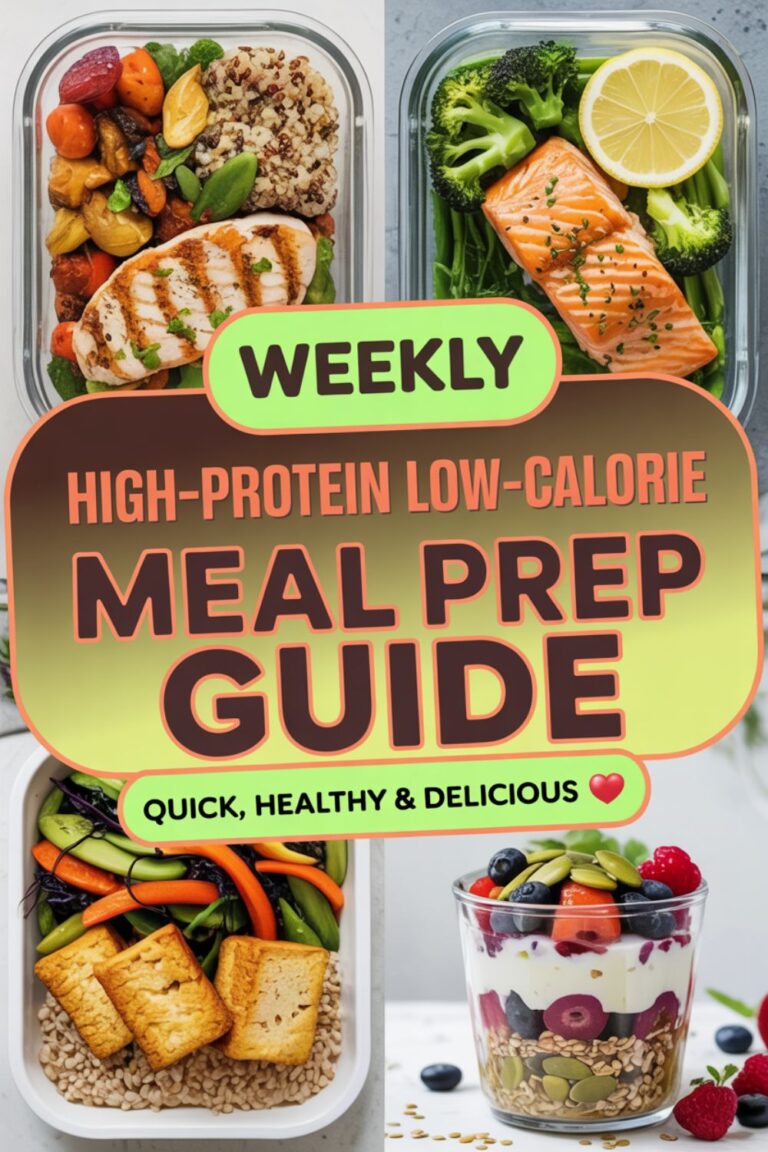
If you want a more detailed breakdown of meal prep strategies, check out this weekly high-protein meal prep guide that covers everything from grocery shopping to storage.
Common Mistakes That Sabotage Your Wrap Bowls
Mistake #1: Not Enough Protein
Don’t let the vegetables crowd out your protein source. Four ounces of chicken might look like a lot in your hand, but once it hits a bed of greens, it disappears. Aim for a palm-sized portion of protein—that’s roughly 4-6 ounces, depending on your hand size.
Mistake #2: Drowning Everything in Dressing
Dressings are calorie-dense. Even “healthy” olive oil packs 120 calories per tablespoon. I measure mine with these mini measuring spoons# because eyeballing inevitably leads to 300 calories of dressing on a 400-calorie bowl.
Mistake #3: Skipping the Acid
Every good bowl needs brightness—lemon juice, lime juice, vinegar, or pickled vegetables. Without that acidic component, even the best ingredients taste flat and one-dimensional. A squeeze of fresh citrus transforms the whole thing.
Mistake #4: Forgetting Texture Variety
All soft ingredients = boring bowl. You need crunch. Raw vegetables, nuts, seeds, or crispy chickpeas. Something that requires actual chewing. Texture keeps your brain engaged so you actually feel satisfied instead of mindlessly eating.
Dressing Formulas That Won’t Derail Your Goals
Making your own dressings sounds precious until you realize that most store-bought versions are basically vegetable oil plus sugar plus preservatives. Here are three basic formulas I use constantly:
Basic Vinaigrette (8 servings):
- 1/4 cup olive oil
- 1/4 cup vinegar (any kind)
- 1 tsp Dijon mustard
- 1 tsp honey
- Salt and pepper
Shake it in a jar. Done. About 65 calories per tablespoon.
Greek Yogurt Ranch (8 servings):
- 1 cup Greek yogurt
- 1/4 cup milk
- 1 tbsp dried dill
- 1 tsp garlic powder
- 1 tsp onion powder
- Salt and pepper
Mix and refrigerate. About 20 calories per tablespoon plus 2g protein.
Citrus Ginger (8 servings):
- Juice of 2 limes
- 2 tbsp olive oil
- 1 tbsp honey
- 1 inch fresh ginger, grated
- Pinch of salt
Whisk together. About 45 calories per tablespoon.
Store all dressings in the fridge for up to a week. They separate naturally—just shake before using.
For more spring-appropriate dressing ideas and complete meal combinations, take a look at these 20 spring salads that pair perfectly with wrap bowl components.
Making These Work for Weight Loss Without Feeling Deprived
Here’s the truth nobody wants to hear: wrap bowls won’t magically cause weight loss. You still need to be in a calorie deficit. But they make that deficit feel manageable instead of miserable.
The high protein content keeps you satisfied longer. Mayo Clinic research shows that protein is more satiating than carbs or fats, which means you’re less likely to snack mindlessly three hours after lunch.
The huge volume of vegetables means you can eat until you’re actually full without blowing through your calorie budget. Most of these bowls clock in between 350-450 calories but look and feel like much more food. That psychological satisfaction matters more than people realize.
I’ve been tracking my lunches for the past three months, and the pattern is clear: On days I eat these bowls, I naturally eat less at dinner. Not because I’m trying to restrict—just because I’m genuinely less hungry. IMO, that’s the only sustainable way to lose weight: eating foods that naturally regulate your appetite instead of constantly fighting hunger.
Pro Tip: If you’re still hungry after finishing your bowl, wait 15 minutes. Seriously. Fullness signals take time to register. Drink some water, clean up your dishes, and reassess. Nine times out of ten, you’re actually satisfied.
Adapting These Bowls for Different Dietary Approaches
For Keto/Low-Carb: Skip grains completely, double down on fats (avocado, nuts, cheese), and choose fattier proteins like salmon or dark meat chicken. Add extra olive oil to your dressing. These modifications easily keep you under 10-15g net carbs per bowl.
For Vegetarian: Replace animal proteins with tempeh, tofu, chickpeas, or eggs. Add hemp hearts (3 tablespoons = 10g protein) or nutritional yeast for an extra boost. The vegetarian protein recipes collection has tons of plant-based options that work perfectly in bowl format.
For Paleo: Everything here already fits except the beans and dairy. Swap chickpeas for roasted sweet potato cubes, use ghee instead of butter, and choose dairy-free dressings or make your own with olive oil and lemon.
For Dairy-Free: Skip the cheese and yogurt-based dressings. Use tahini, olive oil vinaigrettes, or coconut cream as bases for your dressings. Nutritional yeast adds that cheesy flavor without any dairy.
What About Carbs? The Question Everyone Wants to Ask
You’ve probably noticed these bowls are relatively low in carbs compared to actual wraps. A large flour tortilla has 35-45g of carbs. These bowls? Usually 15-30g, depending on whether you add grains.
But here’s the thing: carbs aren’t the enemy. Timing and type matter more than total amount. If you work out in the afternoon, having ½ cup of quinoa or brown rice in your lunch bowl makes sense. Those carbs fuel your workout and help with recovery.
If you’re sedentary most of the day and trying to lose fat, keeping carbs lower at lunch lets you save them for dinner when you might want them more. It’s about strategy, not elimination.
I personally add grains to my bowls on lifting days and skip them on rest days. Same satisfaction, different macro distribution depending on what my body needs that day.
Frequently Asked Questions
Can I really eat these every day and not get bored?
Honestly? Yes, because the variations are endless. I’ve been doing some version of wrap bowls for lunch for four months and still look forward to them. The key is rotating your proteins, changing your dressings, and using whatever vegetables are freshest. It’s the same concept as eating sandwiches every day but with way more variety built in.
How long do these actually stay fresh in the fridge?
Proteins last 4-5 days if properly stored. Chopped vegetables last 3-4 days. Leafy greens start getting sad after 2-3 days max. My strategy: prep proteins and hardy vegetables on Sunday, buy fresh greens mid-week on Wednesday. Takes five extra minutes and keeps everything appetizing.
What if I don’t like raw vegetables?
Then roast them. Seriously. Roasted vegetables are completely different—sweeter, more complex, better texture. Toss whatever vegetables you have with olive oil, salt, and pepper, spread on a sheet pan, and roast at 425°F for 20-25 minutes. Problem solved. The sheet pan dinners collection has tons of roasting techniques.
Are these bowls actually filling enough for dinner?
Depends on your calorie needs, but for most people, adding ½-1 cup of a grain (quinoa, brown rice, farro) makes these substantial enough for dinner. You could also double the protein portion. A 6-8oz protein serving plus all the vegetables makes this a legitimate dinner, not just a lunch option.
What’s the best way to pack these for work?
Keep components separate until you’re ready to eat. I use a larger container for the base and veggies, a smaller container for protein, and a tiny container for dressing. Assemble at your desk. Takes 30 seconds and prevents soggy salad syndrome. Those leak-proof glass containers with dividers work perfectly for this.
Final Thoughts: Why This Works When Other Approaches Don’t
Here’s what I’ve learned after three months of eating these bowls almost daily: sustainable eating isn’t about perfection—it’s about having a default option that’s both easy and genuinely enjoyable.
These wrap bowls are that default option for me. When I don’t know what to eat, when I’m too busy to think about lunch, when I need something fast but filling—these bowls are the answer. They check every box: high protein, loaded with vegetables, satisfying, customizable, and quick to assemble.
The spring produce makes everything taste fresh and light without requiring complicated preparations or fancy techniques. You’re not following elaborate recipes or measuring 15 ingredients. You’re throwing good ingredients into a bowl and calling it lunch.
That simplicity is precisely why this approach works long-term. You’re not relying on motivation or willpower. You’re just eating food that tastes good and happens to support your goals. That’s the whole game right there.
So grab some meal prep containers#, hit the grocery store for whatever spring vegetables look good this week, cook a batch of protein on Sunday, and see how you feel after a week of actually eating vegetables that you want to eat. My guess? You’ll understand why I haven’t missed regular wraps at all.
30-Day High-Protein
Low-Calorie Meal Plan
Every breakfast, lunch, dinner & snack — all 30 days fully mapped out. Just follow the plan.
- ✓50+ complete recipes with ingredients & step-by-step instructions
- ✓4-week day-by-day plans — every meal for all 30 days
- ✓4 weekly shopping lists organised by store section
- ✓Printable habit & progress tracker — 30 full days
- ✓100g+ protein per day — scientifically optimised macros
Instant PDF · Print at home
Results guaranteed with consistency